The binocular harmonizationtechnology reduces prismatic side effects from each eye which leads to a more balanced experience while reading with progressive lenses. The higher the difference is in lens power in the left and in the right eye the more side effects the wearer will have. The image from the right eye gets deviated in comparison to the left eye.
The binocular harmonization technology takes that information into consideration and changes the progressive corridor lengths for each eye to ensures both eyes have similar reading support when looking down. This technology is available with high-end progressive lenses from Hoya.
Some wearers of progressive lenses really stick to this brand when buying progressive lenses so I wanted to compare the hoya lenses with the Binocular Harmonization Technology with a pair of progressive lenses without the Binocular Harmonization Technology. In this case, I ordered the Eden Zeta lenses from Novacel for comparison.
The Binocular Harmonization Technology can only work when the prescription is different in the left and in the right eye. So I ordered both progressive lenses with a difference of two diopters between the eyes. A bigger difference than that will probably require the wearer to get a slab off to minimize the side effects. Those side effects are:
Lens aberration is a phenomenon that occurs when light rays passing through a lens do not converge at a single point, resulting in a distorted or imperfect image. It is caused by the limitations of the lens’s design and the way it interacts with light. There are several types of lens aberrations, each with its own unique characteristics and effects on the image.[1]
In optics, aberration is a property of optical systems, such as lenses, that causes light to be spread out over some region of space rather than focused to a point. Aberrations cause the image formed by a lens to be blurred or distorted, with the nature of the distortion depending on the type of aberration. Aberration can be defined as a departure of the performance of an optical system from the predictions of paraxial optics. In an imaging system, it occurs when light from one point of an object does not converge into (or does not diverge from) a single point after transmission through the system. Aberrations occur because the simple paraxial theory is not a completely accurate model of the effect of an optical system on light, rather than due to flaws in the optical elements.
An image-forming optical system with aberration will produce an image which is not sharp. Makers of optical instruments need to correct optical systems to compensate for aberration. Aberrations are particularly impactful in telescopes, where they can significantly degrade the quality of observed celestial objects. Understanding and correcting these optical imperfections are crucial for astronomers to achieve clear and accurate observations.[2] eResearch by Navid Ajamin -- autumn 2024
Minimizing Lens Aberrations [1]
Lens aberrations can be minimized by using high-quality lenses with advanced optical designs and specialized lens elements. Some techniques used to reduce aberrations include:
Aspherical lens elements: These have non-spherical surfaces to correct for spherical aberration and coma.
Apochromatic lenses: These use special glass types to minimize chromatic aberration.
ED (Extra-low Dispersion) glass: Reduces chromatic aberration by using glass with low dispersion properties.
Floating lens elements: These move within the lens barrel to correct for aberrations at different focusing distances.
Lens aberrations are inherent limitations of lenses, but they can be effectively minimized through careful lens design and the use of advanced optical technologies. Understanding the different types of aberrations and their effects on the image can help photographers and videographers select the appropriate lenses for their specific needs and achieve the desired image quality.
Types of Lens Aberrations [1]
Lens aberrations are imperfections in the way a lens focuses light. They can cause images to appear blurry, distorted, or have other defects. There are many different types of lens aberrations, but some of the most common include:
1. Spherical Aberration
Spherical aberration occurs when light rays that pass through the center of a lens are focused at a different point than light rays that pass through the edges of the lens. This can cause images to appear blurry or have a “soft” focus. Spherical aberration is most noticeable in wide-angle lenses.
2. Coma
Coma occurs when light rays that pass through the center of a lens are focused at a different point than light rays that pass through the edges of the lens, but in this case, the difference in focus is not symmetrical. This can cause images to appear to have comet-like tails. Coma is most noticeable in off-axis objects.
3. Astigmatism
Astigmatism occurs when the lens is not perfectly spherical, causing light rays to focus at different points depending on their orientation. This can cause images to appear blurry or have double vision. Astigmatism is most noticeable in objects that are at an angle to the camera.
4. Field Curvature
Field curvature occurs when the focal plane of a lens is not flat, but instead is curved. This can cause images to appear blurry at the edges, while the center of the image is in focus. Field curvature is most noticeable in wide-angle lenses.
5. Distortion
Distortion occurs when the magnification of a lens is not uniform across the image. This can cause straight lines to appear curved or bowed. Distortion is most noticeable in wide-angle lenses.
6. Chromatic Aberration
Chromatic aberration occurs when light of different colors is focused at different points. This can cause images to appear to have colored fringes around the edges of objects. Chromatic aberration is most noticeable in high-contrast images.
Lens aberrations are a common problem in photography, but they can be corrected using a variety of techniques. Some lenses are designed to minimize certain types of aberrations, and some cameras have built-in correction features. Additionally, software can be used to correct lens aberrations in post-processing.
Presbyopia is the gradual loss of your eyes' ability to focus on nearby objects. It's a natural, often annoying part of aging. Presbyopia usually becomes noticeable in your early to mid-40s and continues to worsen until around age 65.
Are presbyopia and hypermetropia the same?
Hypermetropia and presbyopia both cause blurry vision when looking at objects up close. If you're young or have had this issue for a long time and also have blurred distance vision, hypermetropia is the likely cause. If you're older than 45 and have newly blurry vision, presbyopia is likely.
When these symptoms occur earlier, i.e., before 40s, it is called pre presbyopia. In old age, the crystalline lens’s nucleus is stiffer than the cortex, whereas in adults the cortex is stiffer than the nucleus and this stiffness, of both the cortex and nucleus, equalizes in between 30-40 years of age and thus leads to pre presbyopia symptoms in 40’s.
In premature presbyopia, a person’s accommodative power is insufficient for carrying out daily near vision tasks earlier than as expected. According to a recent study the mean age of a person with presbyopia before the age of 40 was 36.2 year. Pre-presbyopic patients mainly complain about headache, asthenopic symptoms, fatigue while doing near work, while working distance increases, and the need of brighter light for reading as compared to earlier stages of life.
Factors responsible for premature presbyopia include:
Excessive work on computer and increased time on smart phone
Low degree of uncorrected hyperopia can be manifested as an early need of near correction with onset of presbyopia
Gender: Women are more prone to have pre presbyopia than men because of their preferred arm length distance for doing near task
Environmental factors -Exposure too much in UV radiation
Occupations that require near vision, such as tailors, jewellery or watch industry, mobile technicians, and electricians.
Nutritional deficiency more likely anaemic whereas in male those who are tobacco chewer ,alcoholic, smokers are more prone to have pre presbyopia
Pre presbyopia can be misdiagnosed as accommodation inefficiency in which the accommodative power is less than the physiological limit of that age-group, in which asthenopic symptoms are more common. In presbyopia, near vision is affected and should be differentiated from macular disorder, posterior sub capsular cataract. Near vision can be improved bin bright light unlike presbyopia
Prevention measures include proper diet, working on ambient light, avoid spending more time in digital devices, and avoid smoking and alcohol consumption. Finally, regular eye examinations help in to detecting hyperopia.
Treatment measures include: Providing suitable near glasses as sometimes people hesitate to wear bifocal glasses. Monovision contact lens correction, where one eye is used for distance and the fellow eye for near vision. Surgeries like conductive keratoplasty, monovision with intraocular implantation of intraocular lenses. Pre-presbyopia should be treated as early as possible as it will increase asthenopic symptoms and hamper the quality of life of many individuals.
Myopia is the most common eye problem and is estimated to affect 1.5 billion people (22% of the world population). Rates vary significantly in different areas of the world. Rates among adults are between 15% and 49%.[1]
Bilateral myopia: Having two myopic eyes
What does bilateral myopia mean? Myopia (nearsightedness) is a vision impairment that causes difficulty in focusing on objects and signs that are far away. The condition is common among children and adults and can occur in one or both eyes. When it occurs in both eyes, it is called bilateral myopia.[2]
What does "bilateral" mean in medical terms?
Bilateral: Affecting both sides./bʌɪˈlat(ə)rəl/
For example, bilateral arthritis affects joints on both the left and right sides of the body.
Myopia is a Greek word Which means close the eye in other hands myopia means I shut the eye , the term was introduced from the habit of half – shutting the eye to improve distant vision. Myopia or Short Sightedness is a type of refractive error in which parallel rays of light coming from infinity are focused in front of the retina , when accommodation is at rest.
Nearsightedness (myopia)is a common vision in which we can see objects near to us clearly, but objects farther away are blurry.[3]
What causes bilateral myopia? Bilateral myopia occurs when each eyeball is longer than normal, or when the cornea and/or lens is too curved. In rare cases, it can be due to the location of the lens and cornea relative to each other. A combination of these factors can also be responsible for bilateral myopia.[2]
Myopia is one of the most common refractive disorders, which occurs when there is no harmony between ocular power and eye length growth. Because of this decompensation, the image of distant objects results in being out of focus. Distance objects are focused anteriorly to the retinal plane, resulting in a blurry perception of the visual images. Even though the refractive error changes from birth to adulthood, the major changes occur during childhood when the eye develops. The emmetropization mechanism is responsible for the compensation between the changes of the ocular components during eye development to guide the refractive error towards emmetropia. The ametropia presence in adulthood is considered the result of the failure of emmetropization or emmetropia maintenance.[4]
What causes bilateral vision?
Bilateral visual loss can occur with disease processes affecting both optic nerves, the chiasm, or the postchiasmal visual pathways. Each of these anatomic regions produces a different pattern of visual loss.[6]
What are the things that increase myopia?
Several factors can contribute to the development of myopia, including: [4]
Genetics: Myopia often runs in families, suggesting a hereditary predisposition.
Prolonged close-up activities.
Screen time. eResearch by Navid Ajamin -- autumn 2024
Environmental factors: Extensive near work, such as reading or using electronic devices for prolonged periods, may contribute to the onset or progression of myopia.
Ethnicity: Studies suggest a higher prevalence of myopia in certain ethnicities, including East Asians and Hispanics.
What is the most common form of myopia?
Axial myopia results from the eyeball being too long relative to the eye's focusing power. It is the most common type of childhood myopia. Myopia in children is usually due to axial myopia. The axial length of the eyeball is the distance from the cornea to the retina.[5]
Wearing prescription glasses can cause feelings of vertigo for different reasons. Most of the time, dizziness is experienced when wearing a new pair of eyeglasses. The brain may indeed be disturbed by receiving new visual data to which it must become accustomed.
What is false vertigo?
Benign paroxysmal positional vertigo (BPPV) is a problem in the inner ear. It is the most common cause of vertigo, which is a false sensation of spinning or movement.
Pseudo-benign paroxysmal positional vertigo (pseudo-BPPV) is a specific type of vestibular migraine disguised as benign paroxysmal positional vertigo, which is characterized by recurrent different types of positional and atypical positional vertigo with migraine features.
Wrong Eye Prescription
Can new medication cause vertigo?
The list of drugs that may cause vertigo or dizziness is impressive. It includes anti-convulsants, anesthetics, anti-depressants, analgesics, anti-diabetics, contraceptives, anti-inflammatory drugs, cardiovascular drugs, sedatives, tranquillizers, cytotoxic agents, and anti-hypertensive agents.
Vertigo, dizziness, and nausea encompass a spectrum of balance-related symptoms caused by a variety of etiologies. Balance is affected by many systems: Proprioceptive pathways and visual, cerebellar, vestibulocochlear, and vascular / vasovagal systems. Vertigo is a subtype of dizziness, in which a subject, as a result to a dysfunction of the vestibular system, improperly experiments the perception of motion. The most useful clinical subdivision is to categorize vertigo into true vertigo and pseudovertigo, whereas from a pathophysiological point of view, vertigo can be classified into central, peripheral, and psychogenic. It is not easy to identify the cause of vertigo since the patients often are not able to precisely describe their symptoms. An impressive list of drugs may cause vertigo or dizziness.
Glasses for Motion Sickness
Different classifications of vertigo exist First of all, vertigo can be classified into true vertigo and pseudovertigo.True vertigo denotes a sense of rotation in one direction, which may be “subjective,” when the subject feels that he is moving while the surrounding environment remains static or “objective” when he feels the surrounding objects are moving around him. The objective vertigo can itself be divided into rotary vertigo, in which the patient perceives that the space moves around him more or less vortically, into wavelike vertigo, in which the patient perceives that the space moves in a direction of oscillation on the transversal or longitudinal axis, and sussultatory vertigo, in which the patient perceives a feeling of dragging upward or downward (as in the elevator, or as floor which sinks). Pseudovertigo, more common than true vertigo, includes all sensations of imbalance, different from true vertigo. While true vertigo occurs as a result of primary neurological causes, non-neurological causes can often induce pseudovertigo.
Furthermore, while true vertigo occurs as a single episode or as recurrent stereotyped attacks of defined durations, pseudovertigo, instead, occurs either as a very prolonged sensation lasting for hours or even days, or as momentary attacks. Furthermore, vertigo may occur as a normal response to certain stimuli; this form of vertigo is called physiological vertigo. Healthy people may experience vertigo when they are travelling by car, boat, or spaceship (motion sickness) or on looking down from a mountain or from a tall building (height vertigo). Vertigo may also be caused by diseases affecting the labyrinth (peripheral vestibular vertigo), the central vestibular system (central vestibular vertigo) or other functional systems (non-vestibular vertigo); this form of vertigo is generally called “pathological vertigo.”
Vertigo during pregnancy has a diverse etiology, with typical causes including hormonal changes and modifications in vascular dynamics. Vertigo may start to appear due to pathophysiological mechanisms involving vestibular and central nervous system adaptations.
Signs That You’re Wearing the Wrong Glasses Prescription
1. Blurry Vision
Blurry vision is one of the most common symptoms of having the wrong eyewear prescription and should be addressed immediately. You can experience blurry vision from your prescription glasses even if they’re off by a few degrees. This can occur either due to having the wrong prescription or because you received the wrong prescription by accident.
Alternatively, sudden blurry vision may indicate a change in your vision. In this case, you’ll still need to update your prescription to see comfortably. eResearch by Navid Ajamin -- autumn 2024
There is an easy test to see if you have the correct prescription or not. You can do this by:
Putting your new glasses on
Cover one eye
Look straight ahead with your other eye
Note whether your vision looks blurred or hazy
Repeat with the other eye
Is one eye blurry or hazy while the other is clear? If so, this is a sure sign that you don’t have the right prescription for your vision.
2. Headaches
Headaches are another common symptom of wearing the wrong eyewear prescription. This is caused by eyestrain which results from your eyes being overworked. It’s a common occurrence when you have been staring at your computer screen or digital devices for too long or have been driving long distances.
Eyestrain manifests as pain behind or around your eyes. It is often described as an aching, dull throb at the front of your head. You can test to see if your glasses are the cause of your headaches by taking them off at certain times of the day to see if their severity or frequency lessens or not. If they do, then there’s a good chance your glasses are the culprit.
One specific form of eyestrain is digital eye strain, also known as computer vision syndrome. It’s caused by looking at digital screens for too long and can occur even when you’re wearing the right prescription. Many patients have had great results with blue light glasses (computer glasses). However, another great strategy is to follow the 20-20-20 rule.
To follow the 20-20-20 rule, simply:
if you wear the wrong glasses
Look at an object 20 feet away
Every 20 minutes
For 20 seconds
This will help relieve your digital eye strain symptoms and have you seeing and working comfortably all day.
3. Squinting
Squinting is the natural response when your vision isn’t as clear or focused as it should be. While your new glasses should prevent squinting and help you see more clearly, a wrong or out-of-date prescription can actually make the problem worse. This can be confusing if you don’t recognize the problem quickly and cause you to live in discomfort for longer than necessary.
Squinting can actually cause more problems if you don’t update your prescription as soon as possible. As with headaches, squinting can lead to eye strain which puts an unnecessary amount of stress on your eyes. This can actually make your vision problems worse, especially when reading or working while using digital screens for longer periods of time.
4. Sensitivity to Light
Like squinting, sensitivity to light can be an indicator that your eyes are working harder than they normally do. It’s natural to squint when you’re out in the sun, but squinting while indoors due to light definitely points to a more serious problem. This is especially true if your light sensitivity is accompanied by pain. In this case, a visit to the eye doctor is in order to determine the problem.
Sensitivity to light doesn’t always mean that there’s a problem with your prescription. It’s a common symptom of a lot of eye problems, including:
Dry eye
An infection
Swelling
An eye injury
Eye diseases
Contact us immediately if you experience recurring light sensitivity or if it gets worse over time. Our team can determine if it’s being caused by an incorrect glasses prescription, or if there’s another problem, and provide treatment.
5. Vertigo
Unlike dizziness which can be cured by sitting or lying down, vertigo is a much more serious problem. For one thing, it lasts much longer than a bout of dizziness. For another, it will continue even when you manage to sit or lay down. Vertigo is often associated with inner ear problems but it can also develop or even worsen if you’re wearing the wrong glasses prescription.
Vertigo caused by an incorrect lens prescription may be due to changes in depth perception. This can occur when using a new type of lens such as reading glasses or bifocals. If you already have vertigo then these new lenses can make the problem much more severe. However, it may also point to a more serious health problem that requires immediate treatment.
Are you having trouble with your glasses and think it may be due to an incorrect prescription? Contact us today to schedule your appointment!
Blurry vision is one of the primary signs of an incorrect eyeglasses prescription. Headaches can occur due to eyestrain from compensating for the wrong prescription. Similarly, eye strain can cause you to squint to focus your vision and see more clearly. Squinting indoors can also indicate light sensitivity due to the incorrect prescription. In some cases, the wrong prescription can cause or worsen cases of vertigo making it difficult to move around while wearing glasses.
"Screen time" is a term used for activities done in front of a screen, such as watching TV, working on a computer, or playing video games.
What is a healthy screen time? [1]
Health experts say screen time at home should be limited to two hours or less a day. The time we spend in front of the screen, unless it's work- or homework-related, could be better spent being more physically active (increasing our energy out).
How much screen time by age?
Recommended time limits
Under 2 years old: Zero screen time, except for video chatting with family or friends.
2-5 years old: No more than one hour per day co-viewing with a parent or sibling.
5-17 years old: Generally no more than two hours per day, except for homework.
Screen time is a sedentary activity, meaning you are being physically inactive while sitting down. Very little energy is used during screen time.
Most American children spend about 3 hours a day watching TV. Added together, all types of screen time can total 5 to 7 hours a day.
Can mobile cause astigmatism?
For example, prolonged and frequent use of electronic devices such as smartphones, laptops, and tablets can cause eye strain and fatigue, leading to worsening astigmatism symptoms. Excessive exposure to UV rays from the sun or bright lights can also contribute to the development and progression of astigmatism.[2]
Too much screen time can:
Make it hard for your child to sleep at night
Raise your child's risk for attention problems, anxiety, and depression
Raise your child's risk for gaining too much weight (obesity)
Screen time increases your child's risk for obesity because:
Sitting and watching a screen is time that is not spent being physically active.
TV commercials and other screen ads can lead to unhealthy food choices. Most of the time, the foods in ads that are aimed at kids are high in sugar, salt, or fats.
Children eat more when they are watching TV, especially if they see ads for food.
Computers can help kids with their schoolwork. But surfing the internet, spending too much time on Facebook, or watching YouTube videos is considered unhealthy screen time.
How to Decrease Screen Time
Cutting down to 2 hours a day can be hard for some children because TV may be such a large part of their daily routines. But you can help your children by telling them how sedentary activities affect their overall health. Talk to them about things they can do to be healthier.
To decrease screen time:
Remove the TV or computer from your child's bedroom.
Do not allow TV watching during meals or homework.
Do not let your child eat while watching TV or using the computer.
Do not leave the TV on for background noise. Turn on the radio instead, or have no background noise.
Decide which programs to watch ahead of time. Turn off the TV when those programs are over.
Suggest other activities, such as family board games, puzzles, or going for a walk.
Keep a record of how much time is spent in front of a screen. Try to spend the same amount of time being active.
Be a good role model as a parent. Decrease your own screen time to 2 hours a day.
If it is hard not having the TV on, try using a sleep function so it turns off automatically.
Challenge your family to go 1 week without watching TV or doing other screen-time activities. Find things to do with your time that get you moving and burning energy.
Suicidal thoughts
The most recent study, published in the Journal of Youth and Adolescence, found that girls who had two to three hours of daily screen time beginning at age 13 were more likely to have suicidal thoughts in their later teen years. The same study showed that teenage boys, especially those who were the objects of cyberbullying, were also more likely to have suicidal thoughts in young adulthood.
Another study, published last month in the journal PLOS One, found that teens who spent more than three hours a day for reasons other than school are chronically stressed, sad, and think about suicide more often than those who spend less time with screens, the study showed. They also exhibited more emotional and physical problems.
“The results suggest the need for interventions that increase the awareness of the risks for adolescents who spend an excessive amount of time using the Internet,” the researchers concluded.
Critical thinking
Lead study author Sarah Coyne, associate director of the School of Family Life at Brigham Young University, tells parents not to panic, and not to forbid all screen time outright. Just set reasonable limits, she told the New York Post.
In addition, she encourages her own 13-year-old daughter to think critically and pay attention to the time she spends online.
“We say, ‘When you’re on TikTok, how does it make you feel? Who are you following?’ ” she told the paper. “If it ever feels like they’re bringing you down, or [making] you feel about yourself, you need to think, ‘Maybe I need to take a break,’ or ‘Maybe I need to not follow this person.”
What are the Benefits of Copper, Orange, Amber/Yellow and Brown/Bronze Tints [1]
Copper, orange, yellow/amber and brown/bronze lens tints make your environment appear brighter and are commonly used in low-light conditions. These lens tints block blue light and enhance contrast and depth perception making them helpful for overcast, hazy and foggy conditions.
While most people think that orange tinted glasses are only meant to be used during the daytime, there are actually many benefits to wearing them at night as well. For one, orange tinted glasses can help to reduce glare from oncoming headlights, making it easier to see while driving. Additionally, orange tinted glasses can also help to improve contrast and depth perception, making it easier to see in low-light conditions. And finally, orange tinted glasses can also help to reduce eye fatigue, making it easier to stay awake and alert when driving at night. So if you’re looking for a way to improve your night vision, consider investing in a pair of orange tinted glasses.
It’s suggested that bright orange prescription glasses are a good option for those who can’t avoid technology before bed. Light emitted by mobile devices, tablets, laptops, televisions, and e-readers, among other things, can be harmful to sleep. According to a Time/Qualcomm poll, nearly a quarter of 18- to 24-year-olds don’t get enough sleep because of technology. The pineal gland is particularly sensitive to blue light (460-480 nanometers). According to a 2006 study, blue light exposure prolonged melatonin production by more than twice as long as green light exposure. When the light is blue, there is also a decrease in feelings of sleepiness and activity in the brain during sleep. I wore a Fitbit Flex to collect objective sleep data, which showed me how long I sleep and how many times I sleep without sleep.
Blue light, with its shorter wavelength, scatters easier than other colors and makes focusing more difficult. Removing blue light therefore improves sharpness and depth perception and reduces fatigue. Note: These lens tints do cause some degree of color distortion, though brown/bronze lenses do so considerably less than do yellow/amber or orange lenses.
Common users of copper, orange, yellow/amber and brown/bronze lens tints include baseball players, golfers, hunters and cyclists, as well as, those playing indoor sports and water sports. Individuals spending a considerable amount of time in front of a computer screen also find yellow/amber tints helpful because they reduce eye fatigue and strain by blocking blue light.
The specific lens tint – copper, orange, yellow/amber or brown/bronze – depends on individual preference and situation.
Recent studies are showing new uses for lens tints that block blue light, and the potential applications would have significant impact for many individuals. Consider the following:
Sleep problems – Studies show that excessive light, especially blue light given off by computer screens, televisions and ambient light in most homes, suppresses melatonin. Melatonin, our natural sleep hormone, helps us get to sleep. For those struggling falling asleep, wearing lenses that block blue light for an hour before bed may prevent melatonin suppression, thereby allowing individuals to fall asleep more quickly and easily.
Bipolar disorder– Preliminary research shows that blocking blue light may help stabilize mood for individuals suffering from some forms of bipolar disorder. According to Dr. Jim Phelps, this “dark therapy” works basically in the opposite way as light therapy for depression.
Macular degeneration – Excessive blue light from sunlight may be one cause of age-related macular degeneration. This eye-disorder exists at the leading cause of blindness in the elderly.
Based on this research, consider wearing copper, orange, yellow/amber or brown/bronze lens tints if you struggle falling asleep, have been diagnosed with bipolar disorder, or want to prevent age-related macular degeneration.
While copper lenses block blue light better than the other lenses mentioned, they may be too dark for many to wear inside. Yellow/amber, orange and brown/bronze lenses still block enough blue light without the dimming effect to still produce some of the same benefits mentioned above.
More research is needed, but exposure to blue light clearly has significant impact. In addition to the potential effects mentioned above, blue light may also increase cancer risk as well as have possible connections to diabetes and obesity.
Because of its harmful potential, in addition to wearing lens tints that block blue light, consider also replacing night lights with dim, red lights to reduce exposure to blue light when trying to sleep, avoiding television and computer screens an hour or two before bed, and getting more natural light during the day to help regulate the body’s natural rhythms.
Finding ways to regulate exposure to blue light may not only help you sleep better, preserve eyesight and stabilize mood, it may also go a long way in benefiting overall wellness and longevity. Take time today to assess your situation to determine if blue light may be having a significant impact on your health.
What does orange sunglasses mean? [2]
Yellow, orange or gold
They provide excellent depth perception and also work well for both outdoor and indoor sports sunglasses. They also improve the visibility of objects, make surroundings appear brighter and filter blue light. However, yellow, orange or gold sunglass lenses may distort color.
What are orange glasses lenses for? [3]
An orange filter provides 100 per cent blue light absorption for reduced glare and UV protection. This high-contrast filter is designed for improved definition. For indoor use and low intensity sun (53 percent absorption).
What are the benefits of yellow orange lenses? [4]
Enhanced Contrast and Clarity
One of the primary reasons shooters choose yellow or orange lenses is because they enhance contrast and clarity, especially in low-light conditions. These lenses filter out blue light, which is known to cause haze and reduce visual acuity.
Why wear orange tinted glasses? [5]
Wearing orange-tinted glasses is beneficial for those who spend a lot of time in front of screens or people who are exposed to bright artificial light sources. Studies show that wearing these glasses a few hours before bedtime can help you fall asleep and experience higher-quality rest.
What does orange light do to your eyes? [6]
Feeling dopey? Refresh your “circadian eye” with a burst of orange light. Light is a powerful wake-up call, enhancing alertness and activity. Its effect is controlled by a group of photoreceptor cells in the eyeball that make the light-sensing pigment melanopsin.
Bifocal glasses are used to correct vision at two distances—a prescription on top for far away and a different prescription on the bottom for near. Most people think of bifocals as reading glasses for people over forty who lose their ability to focus up close as they age. But children can also need reading glasses.
Many children have not developed sufficient control over their focusing systems, the natural lens inside the eye that keeps images clear, especially up close. Some children lack the ability to sustain sufficient focusing over an extended time period, so after a while print begins to blur. Others can’t make fast focusing shifts from one distance to another, like from the board to their desks, so any time they look away, everything is blurry. Some children have a tendency to over focus, and the additional stress causes eyestrain and headaches. If they over focus too much, the additional tension on the visual system can make the eyes to turn too far inward, causing double vision. Finally, near work at school places much more stress on the visual system than distance viewing, and some young children respond by translating the visual stress into physical and emotional symptoms—back and neck tension, headaches, constriction of their perceptual fields and a reduction in their visual space, a tendency to develop nearsightedness, and avoidance of the reading tasks that are causing the physical and visual discomfort. eResearch by Navid Ajamin -- spring 2013
Prescribing reading glasses effectively treats many of these problems. A convex plus lens relaxes the child’s focusing system, relieving much of the visual stress. In fact, prescribing a low power plus lens is so effective in keeping children’s visual system comfortable during extended close work at school that they are often called “learning lenses.”
Reading glasses that use a bifocal are a good option for school-aged children who only need the additional correction up close. The bifocal gives them the lens support they need for deskwork but doesn’t change their distance vision. Sometimes vision therapy is also prescribed when the focusing problem is severe enough that additional interventions are also required.
New advances in lenses allow children flexibility in the type of bifocal they choose. Many children still prefer the flat-top bifocalbecause the line separating the two powers helps them tell exactly where their distance prescription ends and their near prescription starts. However, some children or parents don't like the look of the "line", so for them progressive no-line bifocals are a good option. The lens is made so that the change between prescriptions is so gradual no line appears. Another very popular option is the "half-moon" bifocal. It has the advantage of a clear delineation between powers liked lined bifocals but when the glasses are on the child's face, the bifocal is invisible like progressive lenses.
When bifocals or reading glasses are prescribed, it is important that children wear them for all close work, especially at school and during homework. Sometimes children will only need the bifocals for a few years as they develop control of their focusing system. Others may need the additional near-point support for as long as they are in school and spending a lot of time reading.Bifocals are an important tool for optometrists when working with children who spend up to eight hours a day using their eyes for reading and school work.
Many children have not developed sufficient control over their focusing systems, the natural lens inside the eye that keeps images clear, especially up close. Some children lack the ability to sustain sufficient focusing over an extended time period, so after a while print begins to blur. Others can’t make fast focusing shifts from one distance to another, like from the board to their desks, so any time they look away, everything is blurry. Some children have a tendency to over focus, and the additional stress causes eyestrain and headaches. If they over focus too much, the additional tension on the visual system can make the eyes to turn too far inward, causing double vision. Finally, near work at school places much more stress on the visual system than distance viewing, and some young children respond by translating the visual stress into physical and emotional symptoms—back and neck tension, headaches, constriction of their perceptual fields and a reduction in their visual space, a tendency to develop nearsightedness, and avoidance of the reading tasks that are causing the physical and visual discomfort.
Prescribing reading glasses effectively treats many of these problems. A convex plus lens relaxes the child’s focusing system, relieving much of the visual stress. In fact, prescribing a low power plus lens is so effective in keeping children’s visual system comfortable during extended close work at school that they are often called “learning lenses.”
Reading glasses that use a bifocal are a good option for school-aged children who only need the additional correction up close. The bifocal gives them the lens support they need for deskwork but doesn’t change their distance vision. Sometimes vision therapy is also prescribed when the focusing problem is severe enough that additional interventions are also required.
New advances in lenses allow children flexibility in the type of bifocal they choose. Many children still prefer the flat-top bifocal because the line separating the two powers helps them tell exactly where their distance prescription ends and their near prescription starts. However, some children or parents don't like the look of the "line", so for them progressive no-line bifocals are a good option. The lens is made so that the change between prescriptions is so gradual no line appears. Another very popular option is the "half-moon" bifocal. It has the advantage of a clear delineation between powers liked lined bifocals but when the glasses are on the child's face, the bifocal is invisible like progressive lenses.
When bifocals or reading glasses are prescribed, it is important that children wear them for all close work, especially at school and during homework. Sometimes children will only need the bifocals for a few years as they develop control of their focusing system. Others may need the additional near-point support for as long as they are in school and spending a lot of time reading.
By adding an additional lens power for up close, optometrists are able to adjust children’s focusing system to give them better control and eliminate eyestrain, blurred vision, headaches, and fatigue.
Reference:
childrensvision.com Children's Vision Information Network
Headache is one of the most common ailments. But not all headaches are the same — the location of the pain, how severe it is, how long it lasts and how often it occurs, and sometimes what brings on the pain, are some of the variables that doctors use to define different types of headache.
Knowing what type of headache you have can help you and your doctor to manage and treat your headaches.
There are several types of headaches, some common and some complex, resulting in many types of treatments; but for those working specificially with computers may experience a computer eye strain headache. An Eye strain headacheis a common type of tension headache.[1]
eye·strainn. Pain and fatigue of the eyes, often accompanied by headache, resulting from prolonged use of the eyes, uncorrected defects of vision, or an imbalance of the eye muscles.
eyestrainn (Medicine / Pathology) fatigue or irritationof the eyes, resulting from excessive use, as from prolonged reading of small print, or uncorrected defects of vision [4]
Symptoms ofEye Strain
Headaches
Double vision
Tired or sore eyes
Dry eyes
Watery eyes
Itchy eyes
Burning eyes (even when closed)
Heaviness of the eyelids/forehead
Fatigue
Reading problems
Lack of concentration
Back/neck aches
Spasms/twitches around the eyes
Dizziness
Lightheadedness
Car sickness
Nausea
Blurred vision[2]
Tension headaches are by far the most common type of headache. Estimates are that from 70 to 90% of all headaches are tension headaches resulting from muscle spasms in the neck and skull. Common causes like eye strain, muscle fatigue, poor posture, overwork, and stress can bring them on. Anything that can help the body to relax can help relieve the pain such as rest, massage, especially to the skull, neck and shoulders, and exercise. We have developed headache relief exercises for the eyes, using a device specifically designed for the relief from a tension headaches that occur when doing near work such as reading and using the computer.
If you still get headaches after using the eye exercises for a few weeks, the cause may be from one of the following: eResearch by Navid Ajamin -- spring 2013
Hormonal headaches that revolve around the menstrual cycle. Since homones induce the pain response, mens headaches can be prompted by hormones as well.
Vascular headaches such as migraines afflict up to 29.5 million people. Women get 3 times as many migraines than men so hormones may be involved here as well. It is probably tension that causes a constriction of the blood vessel in the brain that produces the visual effect or aura. Shortly thereafter it is replaced with a very severe headache as the involved blood vessel overly dilates to provide increase blood flow to the affected area. Some get physically sick from the severe pain, which is why they have been called sick headaches. There is most likely a genetic component since 4 out of 5 afflicted report family members also get them.
Cluster headaches have been described as the most painful of all headaches. They last around 1/2 hour but may reoccur multiple times during the day. Around 5 times as many men as women suffer this type of pain. Fortunately less than 1% of the population get them.
Sinus headaches occur when the sinuses get inflammed either from an allergy, an infection or a growth.
Organic headaches result in less than 5 % of the cases and are caused from an abnormality in the brain or skull such as a tumor, infection, hemorrhage, aneurysm, hematoma, meningitis, brain abcess or encephallitis.
Remember a headache while at the computer is usually a tension type headache so anything that will help the eye muscles to relax should bring significant relief to an eye strain headache.[3]
If you have visual problems that have not been addressed by prescription glasses or contact lenses, you can get an eye strain headache, which typically causes pain and a heavy feeling around the eyes.[1]
Scratch-resistant means a surface or material that is resistant to scratches than an unprotected surface, but can still be scratched.
Scratch-proof is a quality of a product that implies the toughness of that particular product. This means no amount of external pressure can break the product.
Glasses are easy to break, scratch or damage so be careful
[4]Prescription eye-ware and Sunglasses
To make surfaces of eye ware scratch resistant, an external coating is generally applied on it that prevents minor damage. This is a very thin coating is made from diamond like carbon and polycrystalline material which does not hamper the vision of the person wearing it. This coating only prevents minor damage and does not offer a long term protection. Other products that come with this protection include camera lenses, iPods and MP3 players, computer screens, DVDs and CDs, cars, and so on.
Thus, the difference between scratch proof and scratch resistant is more a matter of semantics than anything else. It is best to take proper care these items, and store these products in a safe place to avoid scratches. Once damaged, it is not possible to repair these scratches and most likely the item will need to be replaced.
what to expect from your new glasses If you are getting eyeglasses for the first time, or getting a new prescription, please allow 1-2 weeks for your eyes to adjust to the new lenses. In the beginning, you could experience mild dizziness, headaches or even slight nausea. These symptoms are normal; however, if they persist, call your optician office.
If you experience any problems with your new frames, including discomfort on the nose or ears, return to your optician office for an adjustment. Also, your glasses should remain stationary on your face when you nod or turn your head. If your glasses slide down your nose or tilt to one side, they will be happy to adjust them for you. Please do not try to adjust them yourself.
?Are there any glasses that don't scratch
caring for your new glasses Always keep your glasses in a case when not in use. This will protect your lenses from scratched and will also help to extend the life of your frame. To avoid scratching, never lay your lenses directly on any type of hard or abrasive surface.
Be sure to use two hands when putting on or removing your glasses. One-handed techniques are one of the most common cause of glasses coming out of alignment.
Never wear your glasses on the top of your head. This can cause your glasses to lose their shape. Your glasses will last longer if you have them adjusted periodically. This allows us to check for loose screws or other possible problems. If your frame breaks, do not attempt to repair it with tape or glue. Bring it to us, and we will repair it properly.
cleaning your new glasses Clean your frames and lenses on a regular basis. Use a mixture of 50:50 rubbing alcohol and water in a squirt bottle. This is the best solution to remove any smudges or oils on the lenses. Then use a 100% cotton cloth or the provided microfiber cloth to dry them. To avoid scratching, never wipe your lenses when they are completely dry. Never use any paper products, i.e., paper towels or tissues.[1]eResearch by Navid Ajamin -- summer 2012
How To Prevent Scratching Your New Glasses
There is nothing worse than spending $500 on a beautiful pair of glasses with high quality lenses and scratching them shortly after your purchase. Scratching your lenses is usually never covered under your warranty. That is because it is 100% preventable. So you may ask, what can I do to prevent scratching my glasses? Here are some steps to help keep your glasses looking new.
Keep your glasses on your face and when they are not on your face put them into a glasses case.
Do not drop your glasses. Large scratches are usually caused by dropping your glasses on a hard surface.
Never store your glasses in your pockets or purse without them being in a glasses case. This includes your shirt pockets, jean pockets, or coat pockets.
Clean your glasses regularly.
Purchase and anti-scratch coating to help minimize scratches.
Anti-reflective coatings can be scratch very easily. It is important to take extra good care of your glasses if you purchase an anti-reflective coating.
Never use your shirt or any abrasive material or abrasive soap to clean your glasses.
Never set your glasses down on an end table or nightstand without being in a case.
Accidents happen and your glasses can easily be knock off a table and scratched or stepped on.
For some reason children and dogs like to play with glasses…..to not let them!
ALWAYS PUT YOUR GLASSES IN A GLASSES CASE WHEN THEY ARE NOT BEING USED. If your glasses are on your face or in a case you will rarely scratch them.[2]
An anti-scratch or scratch-resistant coating is a film or coating that can be applied to optical surfaces, such as the faces of a lens or photographic film. The coating does not interfere with how the lenses function and does not affect vision, but creates a permanent bond with the lens that reduces the appearance of hairline scratches which is common to eyeglass lenses.
Though an anti-scratch coating is not 100% scratch-proof, it helps to prevent minor scratches that can easily happen to a regular lens. These minor scratches can damage the surface of the lens and impair vision. An anti-scratch coating acts as a protective layer thus making the lenses more durable.[3]
It's best to only use mild washing-up liquid to clean sunglasses. Using materials other than microfibre fabrics, including paper products like paper towels and tissues, can scratch the lenses of your sunglasses. To ensure you don't damage your lenses, it's best to always use amicrofibre cloth for cleaning.
چشمها اعضای حساس و آسیب پذیری هستند. با اینکه آلودگی هوا بهطور مستقیم به چشم آسیب نمیرساند، ولی در هوای آلوده بیماریهای سطح چشم مانند خشکی چشم، حساسیت و عفونتهای مختلف که ممکن است در سطح پلک اتفاق بیفتند، تشدید میشوند و در این شرایط افراد احساس ناراحتی بیشتری میکنند.
علاوه بر این تحریکات سطحی مثل خارش، سوزش، اشک ریزش و قرمزی چشم را نیز بهدنبال خواهد داشت.
اگر فرد دچار یکی از بیماریهای چشمی باشد، در این شرایط علائم آن افزایش پیدا میکند. بنابراین بهتر است ابتدا بیماری زمینهای خود را درمان کند.
کسانی که آلودگی هوا بیشتر آنها را اذیت میکند میتوانند از عینکهای محافظ مثل عینک آفتابی یا عینک بدون شماره با فریم بزرگ که چشم را در مقابل باد، خاک و چیزهای محرک دیگر محافظت میکند استفاده کنند.
How can we protect our eyes from air pollution?
Doctors suggests wearing sunglasses, using lubricating eye drops, washing hands often and avoiding rubbing your eyes on days when air pollution levels are high, so as not to exacerbate any irritation.
What You Can Do to Protect Your Eyes From Bad Air Quality
Exposure to pollution and other airborne irritants increases the risk of many diseases and health conditions, including heart disease, asthma, stroke, respiratory illnesses, and lung cancer. Unfortunately, your eyes may also suffer when the air quality is bad. Taking a few of these steps will improve your eye comfort and reduce the risk of vision problems.
How Air Quality Affects Your Eyes
The moist tissues in your eyes easily absorb pollutants in the air. Short-term exposure can cause irritation and inflammation, while long-term exposure can lead to age-related macular degeneration. Your risk of eye problems increases if you spend a significant amount of time outdoors when the air quality is poor.
Airborne Pollutants Can Trigger Painful Conjunctivitis
Conjunctivitis, or “pink eye,” affects the conjunctiva, a layer of tissue that covers the whites of your eye and the insides of the eyelids. Redness, itching, burning, foreign body sensation, and light sensitivity are common symptoms. Although conjunctivitis can be caused by viruses, bacteria, or chemicals, air quality is also a factor, particularly among people who have allergies.
Cases of allergic conjunctivitis among Japanese ophthalmologists and their families increased when nitrogen dioxide, a common pollutant was high. Results of the survey of Japanese eye doctors appeared in the December 3, 2019 issue of Scientific Reports.
In a study published in Investigative Ophthalmology & Visual Science in January 2012, high levels of ozone, nitrogen dioxide, sulfur dioxide, and particulate matter increased outpatient visits for non-specific conjunctivitis in Taiwan.
Pollution Could Be the Reason Your Eyes Feel So Dry
Do your eyes feel itchy and uncomfortable after spending time outdoors? You may be suffering from dry eye. The condition may also be to blame for blurry vision and redness. Pollution dries out the tear film that lubricates the sensitive tissues of your eyes, which causes the symptoms. Korean researchers discovered that higher ozone levels and lower humidity levels increased dry eye. Their conclusions were based on results obtained from the Korea National Health and Nutrition Examination Survey.
Poor Air Quality Increases Your Chance of Age-Related Macular Degeneration
Age-related macular degeneration (AMD) causes blurry vision or loss of vision in the center of your eye. AMD affects the macula, the center part of the retina responsible for color and central vision. You’re more likely to develop AMD if you’re over age 60 or have a family history of the disease, although pollution may also play a part in AMD, according to a recent research study.
Exposure to fine particle air pollution increased the risk of AMD in a study published in the British Journal of Ophthalmology. Some study participants also experienced changes in the thickness of their retinas due to pollution.
How You Can Reduce Your Risk of Pollution-Related Eye Issues
Although you may not be able to avoid pollution completely, these tips can help you protect your eyes:
Check Air Quality Forecasts. Take a look at the air quality forecast if you plan to spend time outdoors. If the air quality is unhealthy, it may be best to reschedule your activities if possible. Air quality forecasts are available on many weather websites.
Cover Your Eyes. Sunglasses or eyeglasses prevent pollutants from reaching your eyes. Wrap-around sunglasses offer the most protection.
Use Eye Drops. Lubricating eye drops keep your eyes moist and comfortable while reducing dry eye symptoms.
Increase Humidity. Use a humidifier in your home to increase moisture and prevent your dry eyes from feeling even worse.
Wear Your Glasses Instead of Contact Lenses. Contact lenses trap pollutants against your eye and increase your risk of developing dry eye and conjunctivitis. If you do wear your contacts on a day when the air quality is unhealthy, remove the lenses as soon as you return home and clean them immediately.
Contact Your eyeCare. Let your optometrist know if eye irritation or inflammation doesn’t improve after a day or two. Your eye doctor can prescribe eye drops that will reduce irritation, redness, and other symptoms.
عینک آفتابی در هوای ابری
خوب است بدانید که در هوای ابری هم مقادیر زیادی از اشعه خورشید از میان ابرها عبور میکند و پخش نور در قسمتهای مختلف جو، UV (اشعه ماورای بنفش) قابل توجهی را در محیط ایجاد میکند، ولی مسلما کمتر از زمانی است که آفتاب بهصورت کامل در آسمان وجود دارد. اگر هوا ابری ولی روشن است، طوری که نور چشمانتان را اذیت میکند، برای راحتی بیشتر از عینک آفتابی استفاده کنید. در این موارد، بسته به راحتی افراد میزان فتوکرومیک بودن عینک تنظیم میشود، مثلا در حالاتی مانند هوای ابری، عینکهایی که فتوکرومیک آنها خیلی بالا نیست، مناسبند، چون شیشه عینک کمتر تیره شده و دید فرد را مختل نمیکند. eResearch by Navid Ajamin
How would sunglasses help from air pollution?
We must always wear sunglasses or eye protection when outdoors. As the face masks protect our lungs from inhaling pollution, the glasses or shades will help protect our eyes. Our cornea can be protected from dryness, itching, pathogenic bacteria, and hazardous pollutants by a layer of moisture.
How can we protect our eyes from air pollution?
Sunglasses or eyeglasses prevent pollutants from reaching your eyes. Wrap-around sunglasses offer the most protection. Use Eye Drops. Lubricating eye drops keep your eyes moist and comfortable while reducing dry eye symptoms.
Does bad air quality affect contact lenses?
Doctors have said that air pollution can damage your contact lenses, causing harm to the eyes. For this reason many are now opting for daily disposable contact lens brands rather than monthlies.
What do sunglasses protect?
Eyes filter out most, but not all, UV rays. Anything that limits UV exposure to the eye alleviates risk. Sunglasses protect your eyes and also can protect the skin around the eyes.
How does air pollution affect eyes?
Effect of long-term exposure to air pollution
Redness, soreness, and inflammation appear, and the eyes become sensitive to light, wind, and smoke. Sometimes mucus forms around the eyeballs too. The most dangerous air pollution and eye health effects include cataracts and cancer.
What causes eye pollution?
On the other hand, indoor air pollution from environmental tobacco smoking, heating, cooking, or poor indoor ventilation is also related to several eye diseases, including conjunctivitis, glaucoma, cataracts, and age-related macular degeneration (AMD).
Does light pollution affect eyesight?
Constant exposure to different wavelengths and intensities of light promoted by light pollution may produce retinal degeneration as a consequence of photoreceptor or retinal pigment epithelium cells death.
We have been hearing the news of how bad conditions have become in the capital city as it succumbs to hazardous smog. Due to this rampantly rising air pollution conditions, life has become pretty difficult and health of people living there has taken a major hit. Air pollutants present in smog adversely affects the health, especially the eyes. Dust and harmful particulate matter enter our eyes causing unclear vision, redness, burning sensation, dry eyes, and itching. They are some of the common symptoms that happen due to these elements. You are exposed to air pollutants every time you step out of your home or office, and it’s virtually impossible to be completely protected. However, there are certain practices a person can adapt to the precautionary measures to minimize these symptoms as much as possible.
1) Minimize the exposure by staying inside Avoid walking or riding a bike along busy streets. Areas which are heavily industrialized should be refrained from going. One can choose to close the windows of their car during peak traffic hour commute to prevent further exposure. If possible, don’t go out of your home or office between noon and 4pm as the air quality is lowest when the temperature is highest.
2) Wear proper eye gear when going outside Wear sunglasses every time you step outside. Make sure your sunglasses are appropriately large and have adequate UV protection for better eye protection. Wrap-around zero powered eyewear provide maximum protection.
3) Avoid rubbing eyes in case of pollutants getting in the eye If tiny pollutants enter the eyes, don’t rub your eyes, instead, wash your eyes thoroughly with cold water or apply lubricating eye drops for relief.
4) Do proper Care of eyes when inside home Wash your eyes with cold water, when you are back from outdoors. Buy a home air filter that can block out particulate matter. Place cucumbers/cold compress on your eyes and rest, to help reduce inflammation. Use lubricating eye drops recommended by specialists as a daily eye care routine.
5) Eat healthy food for better wellbeing Most important of all, eat a healthy diet including lots of carrots, green leafy vegetables, almonds, walnuts,papaya, berries, fish etc. which are extremely good for the eyes.In conclusion, for the best vision care and overall well-being of eyes, best practice would be to avoid exposure to air pollution whenever possible. Frequent blinking and keeping the eyes moist by using lubricating eye drops is a good way to relieve the symptoms. In case that infections and allergies prolong for a long period of time, visit an eye specialist at Centre for Sight for an eye check-up.
In chemistry, hydrophobicity(from the Attic Greek hydro, meaning water, and phobos, meaning fear) is the physical property of a molecule (known as a hydrophobe) that is repelled from a mass of water.
hydrophobicity: noun; the property of being water-repellent; tending to repel and not absorb water / Synonyms for hydrophobic: aquaphobic, water repellent
Do scientists think water is wet? [8]
Water is not wet because wetness arises from the interaction between a liquid and a solid surface. In other words, wetness is a property that occurs when water or another liquid comes into contact with a solid object.
Hydrophobic molecules tend to be non-polar and, thus, prefer other neutral molecules and non-polar solvents. Hydrophobic molecules in water often cluster together, forming micelles. Water on hydrophobic surfaces will exhibit a high contact angle.
Examples of hydrophobic molecules include the alkanes, oils, fats, and greasy substances in general. Hydrophobic materials are used for oil removal from water, the management of oil spills, and chemical separation processes to remove non-polar from polar compounds.
Hydrophobic is often used interchangeably with lipophilic, "fat-loving." However, the two terms are not synonymous. While hydrophobic substances are usually lipophilic, there are exceptions—such as the silicones and fluorocarbons.[1]
A superhydrophobic coating is a thin surface layer that repels water.
It is made from superhydrophobic (ultrahydrophobicity) materials. Droplets hitting this kind of coating can fully rebound.
Superhydrophobic surfaces, possessing a high water contact angle (> 150°) and low sliding angle (< 10°), have attracted considerable attention because of their high water repellency and attractive self-cleaning, anti-corrosion, anti-icing, and anti-fouling properties.[4]
Thin layers of a waterproof substance on the surface of hydrophilic materials. Hydrophobic coatings are often called water-repellent, which is incorrect, since the water molecules are attracted to the coatings, although extremely weakly, rather than repelled by them.
Hydrophobic coatings are produced in the form of monomolecular layers (adsorbed orientated layers one molecule thick) or lacquer films by treating a material with solutions, emulsions, or less frequently, vapors of hydrophobic agents, which are substances that interact weakly with water but attach themselves firmly to a surface. Substances used as hydrophobic agents include salts of fatty acids and such metals as copper, aluminum, and zirconium; cation-active surface-active agents; and low-and high-molecular-weight organosilicon and organic fluorine compounds.
Hydrophobic coatings protect various materials (metal, wood, plastics, leather, and fabric and nonfabric fibrous ma-terials) from the destructive action of water or wetting. They are used particularly extensively in machine building,construction, and textile production.[2]
If you live in a cold climate, nothing is more frustrating than having your eyeglasses fog up when you come in from the cold. This also can be a safety issue, since it limits your ability to see until the fog clears. Lens fogging can be especially dangerous for police officers and other first responders to emergency situations. eResearch by Navid Ajamin -- spring 2012
At least one eyeglass lens coating company (Opticote) has created a permanent coating designed to eliminate this problem. The factory-applied coating — called Fog Free — eliminates the condensation of moisture on lenses that causes fogging.
So your lenses and vision stay clear when you make the transition from a cold environment to a warm one. It may also keep your lenses from fogging up during sports and other times you are hot and perspiring.
Fog Free can be applied to plastic, polycarbonate and other eyeglass lenses, including high-index lenses and Transitions photochromic lenses. The anti-fog coating is applied to the lenses before they are cut to fit into your frame at the optical lab. Ask your optical retailer about pricing and availability.
Fire ants can cluster together to increase their buoyancy – a property that scientists hope to copy to clean up oil spills -- superomniphobic surfaces
In October 2011, Essilor introduced a line of eyeglass lenses called Optifog, which the company describes as "a breakthrough lens with an exclusive anti-fog property."
The anti-fogging property of Optifog lenses is activated by applying a drop of Optifog Activator to each side of the lens, then wiping the lens with a microfiber cloth to thoroughly spread the liquid across the entire lens surface. This treatment keeps the lenses fog-free for up to one week, according to Essilor.
Lens fogging is caused by tiny water droplets that form by condensation on the surface of eyeglass lenses when the lenses are significantly cooler than the surrounding air temperature. Optifog works by uniformly spreading these water droplets across the lens surface so they become invisible, Essilor says.
What is hydrophobic cloth? [6]
Hydrophobic nonwovens are used for products that are intended to provide a dry barrier, while withstanding moisture. Some fibers, such as polyester, naturally have hydrophobic characteristics. In other cases, coatings and treatments can be used to make hydrophobic material from naturally absorbent fiber like cotton.
What is an example of a hydrophobic material? [7]
Hydrophobic molecules are molecules that do not have a charge, meaning they're nonpolar. Hydrophobic materials often do not dissolve in water or in any solution that contains a largely aqueous (watery) environment.
Oil, waxes, and steroids are all examples of hydrophobic materials and molecules.
Optifog lenses are available in plastic, polycarbonate and high-index plastic lens materials, with or without Essilor's proprietary Crizal anti-reflective coating.[3]
First and perhaps most obvious, never use a regular towel, paper towel, or washcloth to clean sunglasses. The reason is that these materials are relatively coarse and can leave behind microscopic scratches. The scratches are so small that initially you probably won’t notice, but repeated rubbing with these materials over time can cause an accumulation in the number of these mini-scratches which will ultimately decrease the visual acuity of the lenses. A much better idea is to clean the lenses with a microfiber or lint-free cloth, which can be purchased at pretty much any optical store.
Additionally, never hold your sunglasses by the lenses when you are trying to clean them because this will create smudges on the lenses and, depending on how tight your grip is, could cause microscopic blemishes as well. This might seem really obvious, but I’ve seen so many people do this that it is worth mentioning.
Always hold your sunglasses by the frame when cleaning the lenses.
For particularly dirty lenses, a simple dry rub may not be adequate and may even exasperate the blemishes. In these cases, soapy, warm water can work wonders.
Simply run some warm tap water over the lenses, apply a mild soap, rinse and dry with a microfiber or lint-free cloth. If soapy water is not enough, the next step is to purchase a commercial cleaner designed for sunglass lenses. The most important thing here is to follow the instructions on the bottle as closely as possible, and of course follow the other tips mentioned above. eResearch by Navid Ajamin -- spring 2012
To avoid scratches, blow any debris off the lenses before wiping them. Microfiber cleaning cloths are an excellent choice for cleaning glasses. These cloths dry the lenses very effectively and trap oils to avoid smearing. But because they trap debris so effectively, make sure you clean the cloths frequently.
Wet your lenses with warm water before wiping them with a microfiber cloth. For stubborn smudges or dirt, use a cleanser specifically for eyeglasses or a mild liquid soap. Avoid harsh products, such as window cleaner, bleach, alcohol, ammonia or even vinegar, which can damage the anti-reflective coating.
Opticians can always repair cracked lenses and bent frames; however, if the frames are inexpensive it may be worthwhile to just buy a new pair. It's normal to have light scratches on eyeglass lenses. When the scratches begin to interfere with vision, the lenses should be repaired or replaced immediately.
With summer fast approaching, parents should be keeping a closer eye on their children's vision. According to research from the 2010 Transitions Healthy Sight Survey, which was released to coincide with World Sight Day on 14 October 2010, only a third (34%) of South African parents actively protect their children's eyes from harmful ultraviolet (UV) rays. Worrying considering children spend - on average - three times more time outdoors than adults and yet only one in 10 children wearUV protective sunglasses.
"Most parents know the irreversible damage UV rays can have on the skin but few are aware of the potential danger repeated UV exposure poses to eye health," says Dr Caradee Wright, senior researcher at the Council for Scientific and Industrial Research in Pretoria. Whilst eyes of all ages need UV protection, children’s crystalline lenses are incapable of filtering out UV light. As the damaging effects of UV rays are cumulative, extended exposure over many years can lead to the early onset of cataracts and macular degeneration later in life.
UV damage is cumulative eResearch by Navid Ajamin -- spring 2012
Increased life expectancy of today’s young people further adds to a child’s eventual risk of developing vision problems. Therefore, protecting the eyes at an early age is essential. Proper lenses can safely block UV radiation and wearing a hat can cut by half the amount of UV rays that reach the eyes.
"Parents need to be informed that UV damage is cumulative and more often than not only detected much later in adulthood. Early prevention of extended UV exposure is better than the possibility of a cure in the long term," adds Wright. "Parents should also bear in mind that UV protection is needed year-round, even on cloudy days as over 90% of UV rays can penetrate light clouds."
In addition, the Transitions Healthy Sight Survey revealed that only 10% of South African children wear spectacle lenses with built-in UV protection. "This is not entirely surprising since most adults are not aware of the benefits of premium lens options for themselves, much less for their children," says Riette Botha, business manager for Transitions Optical South Africa (SA).
"Young eyes are sensitive to bright sunlight and glare. As Transitions® adaptive lenses automatically adapt to changing light it’s easier for children to see better while significantly reducing the discomfort of squinting, eye strain and eye fatigue."
Eyewear for children has advanced significantly in recent years and can now address unique visual needs as well as long-term eye health concerns like never before.
Eyewear should provide 100% protection
All types of eyewear, including sunglasses and prescription spectacles, should provide 100% UV protection.
"If your child does need everyday corrective spectacles, Transitions® adaptive lenses, which automatically adapt from clear indoors to dark outdoors when exposed to UV light, are the ideal option. Transitions® adaptive lenses automatically provide 100 percent protection against harmful UVA and UVB rays. "Transitions® adaptive lenses can also help boost a child's willingness to wear glasses," adds Botha.
Vision plays a key role in a child’s early functional, educational and social development and approximately 80% of learning in a child’s first 12 years comes from the eyes3. Changes in children’s vision can occur without parents noticing them.
This is why it is recommended children undergo regular eye exams as they grow and as their eyes continue to change and adapt.
Furthermore, conditions such as myopia, hypermetropia and astigmatism, all of which can have an impact on a child's ability to learn and perform in the classroom, are easily detected by means of an eye exam.
Educating children today about their vision and how to better take care of their eyes can help prevent irreversible eye damage in future.
Did you know?
One child goes blind every minute in the world. (World Health Organisation)
More than 12 million children aged five to 15 are visually impaired because of uncorrected refractive errors (near-sightedness, far-sightedness or astigmatism). (World Health Organisation)
The clear crystalline lens of the child under age 10 transmits more than 75% of incident UV rays, compared to only 10% at age 30. (Healthy Sight Counseling and Children, 2007)
Sunglasses that have not been treated for UV rays may be more detrimental to your eyes than not wearing sunglasses at all. Dark lenses reduce the amount of light entering the eye, causing the pupil to dilate. This exposes the inside of your eye to more UV radiation than without the sunglasses.
Many surfaces reflect the sun’s rays and add to the overall UV exposure, e.g. grass, soil and water reflect less than 10% of UV radiation; fresh snow reflects up to 80%; dry beach sand reflects 15%, and sea foam reflects 25%.
UV increases by 4% for each 300 metre increase in altitude.
Children spend much time in school, and UV radiation exposure during the school years contributes significantly to total lifetime sun exposure.
دو تصور غلط در مورد معاينه چشم وجود دارد. يكي اين است كه اگر خوب مي بينيد نيازي به معاينه چشم نداريد و ديگري اينكه "تست بينايي" كه حدت بينايي را با استفاده از تابلو هاي مخصوص اندازه گيري مي كند (مشابه تست هاي بينايي كه در هنگام اخذ گواهينامه رانندگيانجام مي شود) همان معاينه چشمي است با اسمي ديگر. اما بايد توجه داشت كه چشم پزشك در واقع علاوه بر تست بينايي، چشم شما را از نظر بيماري هاي ديگري نيز كه ممكن استعلائم زودرسنداشته باشند ولي نياز به درمان زودرس دارند معاينه مي كند. بنابراينمعاينه كامل چشمي بسيار بيشتر از يك تست بينايي است.
چه كساني بايد مورد معاينه چشمي قرار گيرند؟
صرف نظر از سن و سلامت جسماني، هر شخصي بايد بصورت دوره اي و منظم مورد معاينه چشمي قرار گيرد. در بزرگسالان معاينه چشمي از جهت درست بودن شماره عينك و تشخيص زوردس بيماري ها اهميت دارد.در كودكان، معاينه چشمي نقش بسيار مهمي در تكامل بينايي كودك دارد.
از آنجاييكه بينايي نقش مهمي در فرايند يادگيري كودكان دارد، اهميت معاينات دوره اي در كودكان دو چندان است. مشكل بينايي كودك گاهي خود را بصورت افت تحصيلي و مشكل در انجام تكاليف مدرسه نشان مي دهد. در بسياري موارد، كودكان به اين دليل كه نمي دانند ديد "طبيعي" چگونه بايد باشد شكايتي از ديد خود ندارند. اگر كودك شما از نظر درسي در مدرسه مشكل دارد و يا در خواندن و يادگيري دچار مشكل است حتماً بايد جهت اطمينان از عدم مشكلات چشمي معاينه شود.
در معاينه چشم چه مشكلاتي مورد توجه قرار مي گيرند؟
مشكلاتي كه چشم پزشك در معاينه چشمي بدانها توجه مي كند
عبارتند از:
عيوب انكساري: شامل دوربيني، نزديك بيني، آستيگماتيسم، ...
تنبلي چشم (آمبليوپي): اين مشكل در موارد استرابيسم و يا اختلاف زياد بينايي دو چشم رخ مي دهد. در اين وضعيت مغز تصوير گرفته شده از چشم مشكل دار را ارسال نمي كند. آمبليوپي در صورت عدم درمان ممكن است باعث اختلال در تكامل بينايي شده و اختلال دائمي بينايي را بهمراه داشته باشد. اين اختلال معمولاً با بستن چشم بدون مشكل براي مدتي مشخص درمان مي شود.
استرابيسم (انحراف چشم): چشم پزشك چشم بيمار را از نظر هماهنگي حركتي و وضعيت قرار گيري نسبت به يكديگر بررسي مي كند. استرابيسم مي تواند سبب اختلال در درك عمق و آمبليوپي شود.
بيماريهاي چشمي: بسياري از بيماريهاي چشمي نظير گلوكوم و مشكلات ناشي از ديابت در مراحل اوليه علائم واضحي ندارند. چشم پزشك در معاينه چشمي به اين بيماري ها توجه كرده و در صورت برخورد با اين علائم درمان هاي اوليه را آغاز مي كند. در بسياري موارد تشخيص و درمان زودرس بيماريها سبب كاهش عوارض و از دست دادن دائمي ديد مي شود.
بيماريهاي ديگر: معاينه عروق ته چشم، پرده شبكيه و ديگر قسمت هاي چشم مي تواند ابتلا بيمار به بيماري هاي غير چشمي نظير فشار خون، ديابت، چربي بالا و بعضي بيماري هاي ديگر را نشان دهد.
معاينه چشمي به چه فواصلي بايد انجام شود؟ How Often Should You Get an Eye Exam
چشم پزشكان توصيه مي كنند كه هر فردي بسته به داشتن ريسك فاكتور و سلامت جسماني هر 1 تا 3 سال يكبار معاينه كامل چشمي شود.
كودكان: اين زمان در كودكان متفاوت است. تخمين زده مي شود كه از هر 20 كودك پيش دبستاني و هر 4 كودك دبستاني 1 كودك مشكل چشمي دارد كه در صورت عدم درمان مي تواند سبب كاهش دائمي بينايي شود. كودكاني كه علائمي نداشته و ريسك پاييني دارند بايد در 6 ماهگي، 3 سالگي و قبل از ورود به مدرسه معاينه كامل چشمي شوند. اين كودكان پس از آن بايد هر 2 سال مورد معاينه قرار گيرند.
اما كودكان داراي ريسك فاكتور مشكلات بينايي، نياز به معاينات بيشتري دارند.
بعضي از اين ريسك فاكتورها عبارتند از:
سابقه خانوادگي بيماري هاي چشمي family history of ocular diseases
سابقه صدمات چشمي the history of eye injuries
تأخير در تكامل developmental delay in children
انحراف چشم unusual ocular deviation
تولد زودرسpremature birth
كودكاني كه از عينك يا كنتاكت لنز استفاده مي كنند اغلب نياز به معاينات سالانه دارند تا در صورت تغيير در شماره چشم، عينك آنها اصلاح شود.
بزرگسالان: بطور كلي، بسته به ميزان تغييرات بينايي و سلامت جسماني، بزرگسالان بايد تا سن 40 سالگيهر 2 تا 3 سال تحت معاينه كامل چشمي قرار گيرند. در بيمارني كه به بيماري هايي نظير ديابت و فشار خون مبتلا هستند معاينات بيشتري توصيه مي شود زيرا اين بيماري ها تاثير سويي بر بينايي دارند.در افراد بالاي 40 سال بهتر است معاينه چشميهر 1 تا 2 سال صورت گيرد. زيرا بعضي بيماري هاي نظير پير چشمي، كاتاراكت و دژنراسيون ماكولا با افزايش سن اتفاق مي افتند.از آنجا كه ريسك بيماري هاي چشم با افزايش سن بالا مي رود افراد بالاي 60 سال بازهر سال معاينه شوند.
Optometrists(OD)and ophthalmologists(eye MD)use a wide variety of tests and procedures to examine your eyes. These tests range from simple ones, like having you read an eye chart, to complex tests, such as using a high-powered lens to visualize the tiny structures inside of your eyes.
What is the normal eyesight of a child
An eye examinationis a series of tests performed by an ophthalmologist (medical doctor), optometrist, or orthoptist, optician (UK), assessing vision and ability to focus on and discern objects, as well as other tests and examinations pertaining to the eyes.
eye and vision tests that you are likely to encounter during a comprehensive eye exam:
Ocular Motility (Eye Movements) Testing ; Stereopsis (Depth Perception) Test
Autorefractors And Aberrometers ; Peripheral Visual Field Test
Applanation Tonometry ; Contrast sensitivity Test
Non-Contact Tonometry ; Fluorescein Angiogram
Contact Lens Fittings ;Color Blindness Test
Retinal Tomography ;The Glaucoma Test
Visual Acuity Tests ; Keratometry Test
Visual Field Test ; Slit Lamp Exam
Pupil Dilation ; Retinoscopy
Ultrasound ;Cover Test
Refraction
Visual Ability
The basic mechanical skills of the visual system are: eye movements, which are important for following a moving object or looking from one object to another, as well as the ability to look at a single object, whether still or moving, for as long as is necessary; eye teaming, which refers to both eyes pointing at the same thing at the same time; without this ability there can be confusion and disorientation in processing visual information for meaning and response; and focusing, which is the ability to see clearly at any distance for any period of time with minimal effort. Other very important aspects of visual function are peripheral visual awareness and eye/hand coordination.
Eye health evaluation
A wide variety of microscopes, lense, and digital technology will be used to assess the health of all the structures of the eye and the surrounding tissues. Dilating eye drops are often used to temporarily widen the pupil for better views of the structures inside the eye. In addition to measuring the pressure inside of the eye, this also is part of the eye exam where a doctor of optometry can detect otherwise unknown eye and systemic diseases.
Supplemental testing
Additional testing may be needed based on the results of the previous tests to confirm or rule out possible problems, to clarify uncertain findings, or to provide a more in-depth assessment.
At the completion of the examination, the doctor will assess and evaluate the results of the testing to determine a diagnosis and develop a treatment plan. He or she will discuss with you the nature of any visual or eye health problems found and explain available treatment options. In some cases, referral for consultation with, or treatment by, another doctor of optometry or other health care provider may be indicated. If you have questions about any diagnosed eye or vision conditions, or treatment recommendations, don't hesitate to ask your doctor for additional information or explanation. eResearch by Navid Ajamin -- spring 2012
The 8-Point Eye Exam
The key to any examination is to be systematic and always perform each element.
1.Visual acuity In the clinic, visual acuity is typically measured at distance. Otherwise, in a consult setting outside of the clinic, it’s measured at near. Don’t forget to have a near card with you. Make sure the patient is wearing his or her correction. Always have a pair of +3.00 readers with you, as many people in the emergency room won’t have their glasses with them. A pinhole occluder will also reduce the impact of uncorrected refractive error. If the patient is unable to see the biggest optotype on the card, the progression (from better to worse) is counting fingers (CF), hand motions (HM), light perception (LP) with projection, LP without projection and no light perception (NLP). For children who are too young to use Allen pictures, employ the “central, steady, maintain (CSM)” approach. Central: Is the corneal light reflex in the center of the pupil? Steady: Can the patient continue fixating when the light is slowly moved around? Maintain: Can the patient maintain fixation with the viewing eye when the previously covered eye is uncovered?
2.Pupils Look for anisocoria. If present, carefully check the pupil size in both well-lit and dark conditions. Check the reactivity of each pupil with a penlight or Finoff transilluminator. Use the swinging flashlight test to look for a relative afferent pupillary defect.
MYOPIA CONTROL: YOUR CHILD’S VISION
3.Extraocular motility and alignment Have the patient look in the six cardinal positions of gaze. Test with both eyes open to assess versions — repeat monocularly to test ductions. Use the cover/uncover test to assess for heterotropias. Use the alternate cover test to assess for the total amount of deviation. This amount minus any heterotropia is the amount of heterophoria.
4.Intraocular pressure Goldmann applanation tonometry is the gold standard and should be used in the clinic whenever possible. Outside of the clinic, Tono-Pen tonometry is much more practical. If you suspect a ruptured globe, skip this part of the exam.
5.Confrontation visual fields Assess each quadrant monocularly by having the patient count the number of fingers that you hold up. If acuity is particularly poor, have the patient note the presence of a light. Use the colored lid of an eyedrop bottle to define the position of a scotoma more accurately.
6.External examinationLook for any ptosis by measuring the margin-to-reflex distance, which is the distance from the corneal light reflex to the margin of the upper lid. Look for lagophthalmos. Note any unusual growths or lesions that may require a biopsy. Palpate lymph nodes and the temporal artery if indicated by the history or exam. Measure proptosis or enophthalmos with an exophthalmometer. Perform a full cranial nerve exam for patients with diplopia or other neurologic symptoms.
7.Slit-lamp examination Lids/lashes/lacrimal system: Normal anatomy and contours? Any lesions? Conjunctiva/sclera: White and quiet? Injection? Lesions? Cornea: Clear? Epithelial disruptions? Stromal opacities? Endothelial lesions? Anterior chamber: Deep? Cell or flare? Iris: Round pupil? Transillumination defects? Nodules? Lens: Clear? Nuclear, cortical or subcapsular cataract? Anterior vitreous: Inflammation? Hemorrhage? Pigmented cells?
8.Fundoscopic examinationOptic nerve: Cup-to-disc ratio? Focal thinning? Pallor? Symmetric? Macula: Foveal light reflex? Drusen, edema or exudates? Vessels: Contour and size? Intraretinal hemorrhage? Periphery: Tears or holes? Lesions? Pigmentary changes?
Understanding your vision and pinpointing the problems can be somewhat of a challenge at times.
What can sometimes be even more confusing is knowing what kind of eye exam to get: a comprehensive one or a regular one?
Knowing the difference between a comprehensive eye exam and a regular or routine eye exam is crucial in keeping your eyes healthy. It’s important to know which one to get done when it comes time to check your eyes.
The Difference Between a Comprehensive Eye Exam and a Regular One
A comprehensive eye exam normally takes about half an hour to an hour to complete, depending on how many exams you need to take. A comprehensive eye exam is a collection of a bunch of different tests used to diagnose disease and vision impairments.
Refraction
In physics, "refraction" is the mechanism that bends the path of light through the eye. In an eye exam, the term refraction is the determination of the ideal correction of refractive error. Refractive error is an optical abnormality in which the shape of the eye fails to bring light into sharp focus on the retina, resulting in blurred or distorted vision. Examples of refractive error are myopia, hyperopia, and astigmatism.
A refraction procedure consists of two parts: objective and subjective.
Objective refraction
An objective refraction is a refraction obtained without receiving any feedback from the patient, using a retinoscope or auto-refractor.
To perform a retinoscopy, the doctor projects a streak of light into a pupil. A series of lenses are flashed in front of the eye. By looking through the retinoscope, the doctor can study the light reflex of the pupil. Based on the movement and orientation of this retinal reflection, the refractive state of the eye is measured.
An auto-refractor is a computerized instrument that shines light into an eye. The light travels through the front of the eye, to the back and then forward through the front again. The information bounced back to the instrument gives an objective measurement of refractive error without asking the patients any questions.
Subjective refraction
A subjective refraction requires responses from the patient. Typically, the patient will sit behind a phoropter or wear a trial frame and look at an eye chart. The eye care professional will change lenses and other settings while asking the patient for feedback on which set of lenses give the best vision.
Cycloplegic refraction
Sometimes, eye care professionals prefer to obtain a cycloplegic refraction, especially when trying to obtain an accurate refraction in young children who may skew refraction measurements by adjusting their eyes with accommodation. Cycloplegic eye drops are applied to the eye to temporarily paralyze the ciliary muscle of the eye.
Retinal examination
Direct exam. Your eye doctor uses an ophthalmoscope to shine a beam of light through your pupil to see the back of the eye. Sometimes eyedrops aren't necessary to dilate your eyes before this exam.
Indirect exam. During this exam, you might lie down, recline in a chair or sit up.
What Else Can Your Eye Exam Include?
Your ophthalmologist may suggest other tests to further examine your eye. This can include specialized imaging techniques such as:
topography
fundus photos
fluorescein angiography (FA)
optical coherence tomography (OCT)
Each part of the comprehensive eye exam provides important information about the health of your eyes. Make sure that you get a complete examination as part of your commitment to your overall health.
These tests can be crucial. They help your ophthalmologist detect problems in the back of the eye, on the eye's surface or inside the eye to diagnose diseases early.
Eye testing for infants
Babies should be able to see as well as adults in terms of focusing ability, color vision and depth perception by 6 months of age.
To assess whether your baby's eyes are developing normally, the doctor typically will use the following tests:
Tests of pupil responses evaluate whether the eye's pupil opens and closes properly in the presence or absence of light.
"Fixate and follow" testing determines whether your baby's eyes are able to fixate on and follow an object such as a light as it moves. (Infants should be able to fixate on an object soon after birth and follow an object by the time they are 3 months old.)
Preferential looking involves using cards that are blank on one side with stripes on the other side to attract the gaze of an infant to the stripes. In this way, vision capabilities can be assessed without the use of a typical eye chart.
Recommended examination frequency for the pediatric patient
At-risk
Asymptomatic / low risk
Patient age (years)
At 6 to 12 months of age or as recommended
At 6 to 12 months of age
Birth through 2
At least once between 3 and 5 years of age or as recommended
At least once between 3 and 5
3 through 5
Before first grade and annually, or as recommended thereafter
Before first grade and annually thereafter
6through17
The extent to which a child is at risk for the development of eye and vision problems determines the appropriate re-evaluation schedule. Children with ocular signs and symptoms require a prompt, comprehensive examination. Furthermore, the presence of certain risk factors may necessitate more frequent examinations based on professional judgment.
Factors placing an infant, toddler or child at significant risk for eye and vision problems include:
Prematurity, low birth weight, prolonged supplemental oxygen at birth.
Family history of myopia, amblyopia, strabismus, retinoblastoma, congenital cataracts, metabolic or genetic disease.
Infection of mother during pregnancy (e.g., rubella, toxoplasmosis, venereal disease, herpes, cytomegalovirus or human immunodeficiency virus).
Maternal smoking, use of alcohol or illicit drug use during pregnancy.
Cortical visual impairment.
Difficult or assisted labor, which may be associated with fetal distress.
High or progressive refractive error.
Strabismus.
Anisometropia.
Academic performance problems.
Known or suspected neurodevelopmental disorders.
Systemic health conditions with potential ocular manifestations.
Wearing contact lenses.
Functional vision in only one eye.
Eye surgery or previous eye injury.
Taking prescription or nonprescription drugs (e.g., over the counter medications, supplements, herbal remedies) with potential ocular side effects.
Eye exams aren’t just about vision. They’re about your health
Don’t Do Anything Visually Stressful
It’s important that you don’t overexert your eyes in the hours before your eye exam. Using digital devices, reading, driving for prolonged periods, etc can all place considerable strain on your eyes, and this means that you are more likely to suffer from eye fatigue following your eye exam. For similar reasons, you should also try and get a good amount of sleep before your eye exam. Try and schedule your appointment for the morning to make sure that your eyes are as rested as possible.
Don’t Drink Coffee
Many people start the day with a cup of coffee, but what you might not realize is that drinking caffeine can affect your blood pressure, and the more you drink, the more significant this change is likely to be. This might not seem that important, but as part of your eye exam, your eye doctor will look at the blood vessels that are found at the back of the eye. These can reflect high blood pressure and potentially cause your eye doctor to be unnecessarily concerned.
Similarly, patients should alsoavoid drinking alcohol 24 hours before their appointment if possible. Alcohol also affects your blood pressure, as well as potentially making your eyes feel dry and irritated. And this could make your tests less comfortable.
اشعه ماوراء بنفش یا همان (UV) دارای سه نوع طول موج UVA ،UVB و UVC است که اشعه «UVC» در لایه ازن جذب شده و به زمین نمیرسد و آن قسمتی که برای چشم مضر است UVB است که موجب سوختگی پوست و اثرات مضر روی چشم است.
مثلا وقتی UVB به روی برف تابیده میشود، میتواند موجب کوری برگشتپذیر شود و برای ۱۲ تا ۴۸ ساعت بینایی خود را از دست دهد.
دانشمندان بر این اعتقادند که تماس زیاد با اشعه UVB میتواند در مدت زیاد بیماریهای برگشتناپذیر، مانند: آب مروارید، تغییر در مرکز دید و ناخنک چشم را فراهم آورد.
اشعه «UVA» بیشتر توسط عدسی چشم جذب میشود و مدرکی برای ضرر چشم وجود ندارد. اشعهای که باید چشم را از آن مصون نگه داشت UVB است.
عینکها باید حداقل ۹۸ درصد از UVA و UVB را جذب کنند چون عینکی که استاندارد نیست، بسیار مضرتر از نزدنش است، چراکه عینک آفتابی باعث میشود مردمک چشم باز شود و حال اگر UV را جذب نکند، تمام اشعههای مضر به داخل چشم نفوذ میکنند.
استفاده از عینکهای آفتابی به عنوان یک ضرورت و حفظ سلامت چشمها مطرح شده است . محافظت چشم در مقابل نور شدید آفتاب و اشعه فرابنفش موجود در آن بسیار مهم است. استفاده از عینک آفتابی مناسب در شرایطی که نور آفتاب شدید است، باعث بهتر شدن دید و پیشگیری از صدمه به عدسی و شبکیه چشم میشود. استفاده از عینکهای تقلبی نه تنها این خاصیت را ندارند بلکه سبب بسیاری از عوارض چشمیمیشوند که از آن جمله میتوان، کاهش بینایی، آب مروارید و بیماری شبکیه را نام برد.
در نور شدید، چشم احساس خستگی و کاهش دید رنگی میکند. در صورتی که چشمها بدون محافظ هر روز برای ساعات طولانی در نور آفتاب به سر برد احتمال ابتلا به آب مروارید بسیار افزایش مییابد.
توصیه های لازم در مورد انتخاب عینک آفتابی
۱- افرادی که در حال اسکی کردن، حمام آفتاب گرفتن و کوهنوردی در ارتفاعات هستند باید حتماً از عینک آفتابی استفاده کنند. برای اینگونه محیطها عینکهایی لازمند که فقط ۱۲ ـ ۸ درصد نور را از خود عبور دهند.
۲ ـ عینکهای رنگی متمایل به سبز و قهوه ای به علت مختل کردن طیف رنگ ، مضر هستند . البته برای افرادی که میخواهند به مدت طولانی رانندگی کنند ، توصیه میشود از عینکهای قهوه ای استفاده کنند ، چرا که این عینکها نور آبی آسمان را کاهش وحدت بینایی را افزایش میدهند، لذا برای مصارف روزمره توصیه به استفاده از این رنگ نمیشود .
۳ -اگر پشت فرمان مینشینید توصیه میشود که از عینکهای آفتابی سبز رنگ استفاده نکنید چرا که تشخیص نور قرمز و زرد را مختل میکند و از این نظر مناسب نیستند. به عنوان یک اصل بدانید که بهترین رنگ برای عینکهای آفتابی در وهله اول خاکستری و پس از آن قهوه ای است.
۴ـ شیشههای عینک آفتابی باید مقاومت کافی داشته باشد. پلی کربنات از همه مواد مقاوم تر است.
۵ ـ قاب عینک باید بزرگ باشد تا محافظت کامل در این خصوص صورت گیرد .
۶ – یک عینک آفتابی استاندارد عینکی است که وقتی آن را در مقابل یک صفحه طرح دار تکان میدهیم نباید صفحه موجدار تار و کج و معوج دیده شود .
۷ – اگر میخواهید بدانید که تیرگی عینک آفتابی شما مناسب است یا نه، در یک اتاق با نور معمولی با عینک آفتابی به آینه نگاه کنید اگر عینک آفتابی شما مناسب باشد نباید چشمان خود را ببینید .
۸ – کودکانی که برای ساعتهای طولانی در زیر نور آفتاب در حال بازی کردن هستند باید از عینکهای مخصوص خودشان استفاده کنند .
۹ – اگر در محل کار خود با اشعههای زیاد در تماس هستید، عینک آفتابی جوابگو نخواهد بود لذا توصیه میشود عینکهای متفاوت و مخصوص استفاده نمایید (برای مثال در جوشکاری ویا کار با وسائلی که تولید اشعه میکند عینک ویا محافظ های خاصی لازم است )
۱۰ – افرادی که تحت عمل آب مروارید یا لیزیک یا لازک قرار گرفتهاند باید در مواجهه با آفتاب از عینکهای آفتابی مجاز استفاده کنند .
۱۱- بعضی داروهای پوستی یا چشمیحساسیت چشمها را به نور آفتاب بیشتر میکند در صورت استفاده از این داروها ( به عنوان مثال کسانی که از قطره های چشمییا قرص داکسی سیکلین استفاده میکنند ) باید حتماً از عینک آفتابی استفاده کنند .
۱۲- عینکهای آفتابی با شیشههای رفلکس که دارای پوشش آینهای هستند برای مصارف اسکی یا کوهنوردی مناسب میباشند .
۱۳- با توجه به هزینههای مختلف که روزمره متحمل میشوید خرید یک عینک آفتابی استاندارد نه تنها عملی درست و به جا بلکه ضروری میباشد . بهای استفاده از عینکهای تقلبی به خطر انداختن سلامتی چشم هایتان میباشد .
۱۴ – برای تهیه عینک آفتابی بهتر است با یک چشم پزشک مشورت کنید و یا از یک اپتومتریست کمک بگیرید . و جهت خرید آن به عینک فروشیهای معتبر مراجعه نمایید . با خرید یک عینک خوب به راحتی میتوانید تا چند سال از آن استفاده کنید .
۱۵- اگر دچار اختلال در بینایی هستید و از عینک طبی استفاده میکنید چنانچه مایل بودید میتوانید از عینکهای آفتابی مخصوص که بر روی عینک طبی قرار میگیرند استفاده نمایید و یا برای عینک طبی خود شیشه های فتوکروم و یا شیشه های رنگی سفارش دهید .
نحوه شناخت عینک استاندارد
«در لنز عینکهای ارزان مادهای به نام (Triace tate) است که فقط ۴۰ درصد ازUV را جذب میکند و برای چشم بسیار مضر هستند بنابراین بهترین راه شناخت عینکهای استاندارد، استفاده از دستگاه UV متر است که اغلب در عینکفروشیهای معتبر یافت میشود.»
بدون استفاده از دستگاه «یووی متر» جهت شناخت استاندارد بودن عینکهای آفتابی، تشخیص یک عینک آفتابی مناسب، حتی برای چشم پزشکان نیز سخت و غیرممکن خواهد بود.
گفتنی است این دستگاه باید UV عینک را از ۹۸درصد به بالا نشان دهد. همچنین گاهی علامت «۴۰۰ UV» در کنار برخی از عینکها درج شده است که نشاندهنده قابلیت حفاظت بر علیه UVB است.
نمیتوان هر عینک گرانقیمتی را استاندارد قلمداد کرد و باید تمامی آنها توسط دستگاه (یوویمتر) تست شوند.
خاصیت عینکهای شیشهای بدون نمره
در حال حاضر اکثر عینکهای طبی و آفتابی بهدلیل هزینههای بالای آن از شیشهای تبدیل به تلق شدهاند، ولی جالب است که بدانید اگر شیشه بدون شمارهای را جلوی چشمان خود بگذارید، باعث میشود ۹۸ درصد از UV توسط آن جذب شود. آنچه در انتخاب عینک آفتابی مهم میباشد، این است که باید کل چشم توسط آن گرفته شود، بنابراین استفاده از عینکهای کوچک که بیشتر برای زیبایی طراحی شدهاند و هیچ پوششی ندارند، توصیه نمیشود.
آیا کودکان هم به عینک آفتابی نیاز دارند ؟
کودکان به دلیل این که ممکن است بیش از سایرین در معرض آفتاب قرار گیرند، احتیاج به عینکهای آفتابی دارند. هر قدر افراد جوانتر باشند UV بیشتر به چشم آنها صدمه خواهد زد، چرا که قرنیه و عدسی چشم کودکان بسیار شفاف است وUV بدون برگشت داخل چشم میرود در صورتی که در افراد سن بالاتر به دلیل کدر بودن عدسی و قرنیه، مقداری ازUV بازتاب خواهد داشت، پس بهتر است کودکان و بزرگسالان در معرض آفتاب از ۱۰ صبح تا ساعت۱۴ زدن عینک را به هیچ وجه فراموش نکنند؛ چرا که در این مدت زمان، حتی اگر شخص در سایه نیز قرار داشته باشد، خطر صدمه اشعهUV چشمان را تهدید میکند.
فیلتر پلاریزه
اغلب اشعههای مضر از استوا میآیند و بهشکل افقیاند. عینکهای پلاریزه میتوانند جلوی این اشعهها را به خوبی بگیرند، چرا که این عینکها اجازه میدهند فقط اشعههای عمودی، داخل چشم شوند و تنها مشکل این عینکها این است که اگر خودرویتان (السیدی) دارد شما به هنگام نگاه کردن به این صفحه، کمی دچار مشکل شده و ممکن است این صفحه را واضح نبینید. بنابراین، این نوع از عینکها بیشتر برای افرادی که دارای دید بسیار خوب و شغل خلبانی یا تیراندازی هستند توصیه میشود.
آیا رنگ رنگ شیشه عینک هم مهم است ؟
رنگ و لایههای مختلف موجود در شیشه هریک با توجه به کاربرد آن طراحی میشود مثلا رنگ خاکستری به دلیل این که شدت نور را در تمامی رنگها به طور یکسان کم میکنند و کمترین اختلالی را در دید رنگی ایجاد میکنند، برای رانندگی و سایر کاربردهای روزمره مناسبند. دکتر اساسی درخصوص عینکهای شیشه زرد میافزاید: این عینکها نور آبی را تا حد زیادی جذب میکنند، بنابراین بیشتر سطحها میتوانند آن را منعکس و منتشر کنند و به همین دلیل عینکهای اسکی بیشتر زرد هستند.
همچنین عینکهای قهوهای علاوه بر جذب بهتر نور آبی و فرکانسهای بالا، اشعه ماوراءبنفش را هم بیشتر جذب میکنند و عینکهای سبز بخشی از نور آبی را فیلتر کرده و درخشندگی سطوح را کاهش میدهد و در پایان عینکهای قرمز و ارغوانی که بیشتر برای شکار و اسکی روی آب مناسبند در محیطهای سبز و آبی استفاده میشود.
آیا در زمستان هم احتیاج به عینک آفتابی داریم ؟
استفاده از عینک آفتابی در زمستان، بخصوص در برف را توصیه می شود . از آنجا که برف بازتاب ۸۰ درصد ازUV را دارد و زمین و آب فقط ۱۰ درصد ازUV را منعکس میکنند، اهمیت استفاده از عینک آفتابی در زمستان کمتر از استفاده از آن در فصل تابستان نیست.
عیـنـک آفتابی خوب باید شرایط زیر را داشته باشد :
۱- چشمان شما را در برابر اشعه ماوراء بنـقش محافظت کند.
۲- چشمان شما را در برابر نور شدید خورشید محافـظت کند.
۳- چـشمـان شما در برابر نورهای زننده و خـیـره کـنـنـده محافظت کند.
۴- وضوح و کنتراست را بهبود ببخشد.
یـک عیـنـک ارزان قیـمت و بی کیفیت مـعمـولا مـزایای فـوق را در اختیار شما قرار نمی دهـند بـلکه تنها از شدت نور میکاهد ولی اشعه ماوراء بنفش را حذف نمی کنـد. از ایـن رو عـنـبـیــه چـشمـان بـواسطـه کـاهش شـدت نـور منبسط تـر و بازتر شده و اجازه می دهد اشـعـه مـاوراء بنـفـش بیـشتری به آنها برسد که سبب آسیب به شبکیه چشم و در پی آن ابتلا به آب مروارید و حتی سرطان چشم می گردد. بنـابـرایـن حتما از عیـنـک هـای آفـتـابی دارای حداقل حفاظت UV-400 بـا مـارک هـای مـعـتبر استفاده کنید.
انواع جنس فریم عینک های آفتابی
۱- پلاستیکی
* CELLULOSE ACETATE – ZYL: مقرون به صرفه و خیلی سبک میباشد. * PROPIONATE: پـلاسـتـیـک نـایـلونی که حساسـیـت زا نمیباشد و سبک وزن است. * NYLON – GLIDAMIDE: گلیدامید مقـاوم در بـرابر گـرما و سـرمـا بــوده و انـعــطاف پذیر اما سخت و حساسـیـــت زا نمیباشد. فریم های پلاستیکی شکننده تر از فریم های فلزی بوده و در برابر تابش خورشید بمرور استحکامشان کاهش می یابد.
۲- فلزی * MONEL: آلیاژی از چند فلز میباشد. ضد خـوردگی بوده و معمولا دارای روکش پالادیوم است. * TITANUM: سبک و بادوام، با استحکام و مقاوم دربرابر خوردگی (نقره ای رنگ میباشد) * BERYLLIUM: ارزان قیمـت، مـقـاوم در برابر خوردگی و کدر شدن، بسیار قابل انعطاف(خاکستری مات) * STAINLESS STEEL: اسـتـیـل ضـد زنـگ سـبـک وزن و حساسیت زا نمی بـاشد، مـقـاوم در بـرابـر خــوردگــی و ساییدگی بواسطه داشتن فلز کرمیوم در ترکیبش * FLEXON: نـوعـی آلـیـاژ تـیـتـانیـوم مـــی بـاشـد که بـه “فلز حافظه” موسوم است چون در صـورت آسـیـب دیـدن مـجـددا بـه شـکـل اولیه خود باز می گردد. حـتـی پـس از پیچاندن خم کردن و له کردن. سبک وزن، ضـد خـوردگی و حساسیت زا نمیباشد. * ALUMINUM: سبک، بسـیـار مـقاوم در برابر خوردگی، برای استحام بیشتر با آهن و سیلیکون ترکیب میگردد. فریـم باید هم اندازه و مکمل شکل و رنگ پوست شما باشد. مـثـلا افـراد بـا صـورت گـرد بهتر است فریمهای مستطیل شکل را انتخاب کنند و افـرادی که فرم صورتشان مربعی و مستطیلی شکل است بهتر است فریمهای بیضی شکل را انتخاب کنند. نکته دیگر آنکه سطح بالای فریم نباید ابروهای شما را بپوشاند. انواع فریم، جنس لنز…
انواع فریم
۱- WRAP-AROUND: به فریمهایی اطلاق میگردد که از قوس صورت تبعیت کرده و چشمها را کاملا میپوشاند. در مقابل برف و باد و باران نیز محافظند.
۲- CLIP-ON: به فریمهایی اطلاق میگردند که مستقیما روی عینکهای طبی قرار میگیرند.
جنس لنز (عدسی) eResearch by Navid Ajamin --- Winter 2012
۲- POLYCARBONATE: پلاستیک مصنوعی بسیار سبک وزن و دارای استحکام زیاد میباشد.
۳- ACRYLIC: لـنـزهـای آکــریلی ارزان قـیـمـت و سـخـت میباشد اما وضوحشان کمتر از پلی کربنات میباشد. ولی زود خراشیده میشوند.
۴- شیشه: سنگین وزنتر از لنزهای پلاستیکی بوده اما در برابر خراشیدگی مقاومت بیشتری دارند. خطر شکستن. * لنزهای پلاستیکی سبکتر بوده و در برابر ضربه مقاومت بیشتری دارند. * لنزهای قابل تعویض لنزهایی می بـاشنـد کـه دارای تـه رنـگهای متـفــاوت بوده و روی فریمهای ویژه قابل جایگزینی با یکدیگر میباشند.
چرا بعضی از لنزها از لنزهای دیگر تیره تر است ؟ میزان تیرگی لنز بستگی به محیطی دارد که می خواهـیـد از عیـنـک استـفـاده کنید. در محیطهایی که شدت نور شدید است مانند ورزش کـوهنـوردی و اسکی روی برف، شما نیاز به لنزی دارید که بیشتر نور را سد کند %۹۵ برای رانندگی و کنار دریا %۹۰-۷۰ نـــور را جذب کند و لنزهایی که %۲۰-۱۰ نور را کاهش میدهد صرفا برای نـمایـش مد و خوش نمایی مناسب میباشد. نکته مهم این است که میزان تیرگی لنز هیچ ارتباطی با میزان حفاظت کنندگی آن عینک در برابر اشعه ماوراء بنفش ندارد. رنگ ها لنز و کاربرد آنها، پوششهای لنز…
ته رنگ لنز لنزهـا در تـه رنـگای متـفـاوتی مـوجود می باشند که هر کدام برای فعالیت های ویژه ای مناسب است.
۱- ته رنگ خاکستری: یک ته رنگ فوق العاده که سبـب کـاهش کـلـی روشنـایــی نور گشته و چشمها را در برابر تابشهای زننده (خیره کننده) محافظت کرده و بـرای رانندگی و استفاده عمومی مناسب میباشد.
۲- ته رنگ زرد و طلایی: میزان نور آبی را کاهش داده و در عـیـن حـال به فرکانسهای دیگر نور اجازه عبور می دهـد. تـه رنـگ زرد بـطور کـلی رنـگ آبـی را حـذف کرده و سبب میگردد همه چیز واضح تر بنظر برسد (چـون نور آبی تمایل به پخش و بازتاب فراوان دارد از این رو حذف آن در وضوح دید موثر است) و به همین خـاطر اسـت کـه بیشتر عینکهای ویژه اسکی روی برف زرد رنگ میباشند. در واقع این ته رنگ دید نور را مختل میکند برای رانندگی در شب، هوای ابری و مه آلود نیز مناسب است.
۳- ته رنگ قهوه ای و کهربایی: ته رنگهای عمومی میباشند و مزایای آن کاهش نور زننده و حذف فرکانسهای بالای نور مانند نـور آبـی و مـاوراء بنـفش را دارد. مانند ته رنگ زرد دید نور را مختل میکند اما کنتراست و وضوح را افزایش میدهد. برای دویدن، دوچرخه سواری و رانندگی مناسب است.
۴- ته رنگ سبز: کاهش نور زننده و حـذف نـور آبی از ویژگیهای آن میـباشد از آن رو که ته رنگ سبز بالاترین میزان کنتراست و بیشترین درجه تیزبینی را فراهم می آورد بسیار محبوب میباشد.
۵- ته رنگ صورتی و قرمز: کنتراست عالی را از اجسام بـا پـس زمیـنـه آبـی و سـبـز فراهم می آورد. برای شکار و اسکی روی آبی مناسب است.
۶- ته رنگ آبی: بیشترین نور آبی را از خود عبور می دهند. بـرای گـلف و تـنـیـس و یـا نشانه گیری به سوی هدفهای سبز رنگ.
پوشش های لنز
۱- ultraviolet: این پوشش اشعه ماوراء بنفش را بلوکه می کند. حـتــما هنگام خرید عـیـــنکی را انتخاب کنید که تا امواج ۴۰۰ نانومتر را حذف کرده و ۱۰۰ درصد امـواج مـاوراء بنفش را بلوکه کند. برخی از عینکهای آفتابی اشعه مادون قرمز را نیز حذف میکنند.
۲- scratch-resistant: ضـد خـش بــروی پلاستیکها اعمال می گـردد چـون لـنـزهـای شیشه ای خودشان تقریبا ضد خش می باشند.
۳- photochromic: لنزهای فتو کرومیک هنگامیکـه در معرض نور خورشید قرار میگیرند تیره می شوند. پوشش این لنـزهـا از تـرکیـبـات نـقره مـانـنـد کـلرید نـقـره و هـالـید نقره میباشد. توجه داشته باشید که فتوکرومیکها به نور مرئی واکنش نسان نمیدهند و تنها هنگامی که در معرض اشعه ماوراء بنفش واقع میگردند تیره میشوند از ایـن رو در داخـل اتومبیل بخاطر آنکه شیشه اتومبیل اشعه ماوراء بنفش را اجازه عبور به آن نمی دهـــد، بنابراین لنز فتوکرومیک تیره نمی شود. زمانی که نیاز است تا لنز تیره گردد گاهی اوقات به ۸ دقیقه میرسد.
۴- flash یا mirroring: ایـن پـوششها لنز را مـانـند آینه کرده و ۱۰ الی ۶۰ درصد بیشتر نور را کاهش داده و جذب میکند. میتواند از نقره -طلا و یا مس باشد. در ارتفاعات و برای برف وشن وآب مناسب است.
۵- ar یا anti-reflective: پوشـشـی اسـت کـه ضـریب شــکسـتــی مــابـــیـن هـوا و شـیـشـه داشـتـه و شدت نـور بـاز تـابیده از سطح داخلی و خارجی لنز یکسان میگردد. در واقــع این پوشش سبب میگـردد نـور بـیـشـتـری بــه چـشمـها رسیـده در عـیــن حال که نور زننده را بسـیار کاهش میدهـد و هــمچنین چشمـان شمـا نـمایـان تـر می گردد. بسیار مناسب برای رانندگی در شب.
۶- polarization: امـواج نــور خــورشـیـد و یـا مـنابع نور مصنوعی مـانند لامپ ارتعاش یافـتـه و در تـمـام جـهـات پخش می گـردد. در ایـن پـوششـها از مــواد استفاده شده که به طـور طـبـیـعی در یـک پـیـوند مـوازی در بـرابر هم ردیف شده اند. زمانی که نور به لنـز می تـابـد مانند یک فیلتر میکروسکوپی عمل کرده و امواج نوری را که با ردیفهای مـوازی مطابقت داشته را جذب کرده و به مابقی اجــــازه عـــبور میدهد. بیـشتـرین نـور زننده از سـطـوح افـقی حاصل می گردند بنابراین این لنزها طوری تنظیم می شــونـد کـه امــواج انعکاسهای یافته افقی را حذف میکنند و بـه شـمـا اجازه میدهد به سطوحی مانند آب، یخ و برف نگاه کنید...
There are over 143 million adults in America who wear glasses. Many of these adults opt to have an anti-reflective coatingapplied to their lenses for a variety reasons. Anti-reflective coating not only improves the appearance of the glasses but also the vision seen through the lenses. Additional benefits of anti-reflective lenses include durability, heat resistance, aid in night driving,easy cleaning, and resistance to scratches.
The highest quality anti-reflective coating has a hydrophobic, or water-resistant, layer that is made to prevent water spots from developing on the lens and also makes them much easier to clean. Some anti-reflective coatings also have an oleophobic, or oil-resistant, layer that resists oil from the skin and once again makes it easier to clean smudges off of the lenses.
Today, anti-reflective coatings have even become very popular with sunglasses. When applied to the backside of the sunglass lenses, anti-reflective coating reduces the reflections of the sunlight into the eyes when the sun is coming in from behind.
There are many reasons why an anti-reflective coating is added to the lenses of a pair of glasses or sunglasses. This coating is often chosen for appearance, as it improves transparency and reduces the reflections in the glasses. The anti-reflective coating on lenses makes it easier for a glasses wearer to have direct eye contact with someone else without all of the distractions of reflections.
The anti-reflective coating helps improve driving safety, especially at night, by eliminating distracting headlights and streetlights. This allows drivers to focus more on the road.
Also, while working, the unnatural and artificial lights found in many offices can quickly cause eye fatigue.
Using a computerlikewise puts great strain on the eyes. Having an anti-reflective coating applied to lenses will help to protect the eyes while working.
Last but not least, an anti-reflective coating on a lens enhances the quality of a lens and also lengthens its lifetime by providing durability and resistance to water, dirt, and scratches.
The problems glare can cause
So, why do we care about glare? Well, it can present numerous problems for wearers, especially when driving, playing sports and working with computers and other tech with direct light sources. The result is inhibiting vision and attributing to health issues, including eye strain, blurred vision or ‘halos’ around bright lights such as street lamps, headaches, migraines and a significant decrease in concentration and focus when squinting to avoid glare. On the odd occasion, it may not seem like a priority to have anti-glare, but once these health issues become chronic, you can have very real, very uncomfortable health issues to deal with.
Do I need anti-glare lenses?
Anti-glare lenses are suitable for everyone, especially in our predominantly digital workspaces, working from home, TV streaming and internet heavy lives we lead. And while some people suffer from the effects of glare more than others, the exposure to digital screens and then natural light to take a break from them will only ever increase. Computer screens, driving at night, and sun exposure are all very different scenarios that can be marred by the effects of glare. And while AR coating does not guarantee reflection elimination, wearing anti-glare lenses will reduce fatigue in your eyes and headaches as a result by lessening the amount of reflection and light coming through your lenses.
Anti-glare coating is layered on both the front and back end of a lens, designed to manipulate incoming light. It allows your eyeglasses to provide you with optimal vision. An anti-glare coating is incredibly effective when applied, blocking up to 99.5% of incoming light. This makes reflections practically invisible. eResearch by Navid Ajamin -- winter 2011
Glare in your eyes can be hazardous to you and everyone around you. It can obstruct your driving at nighttime and during the day. UV light can be damaging to your eyes as well—too much exposure can lead to diminishing eyesight, dryness, and loss of elasticity.
عینکها در انواع مختلفی وجود دارند ، عینکهای طبی ، که شامل عینکهای نزدیک بینی و عینکهای دوربینی میشود و همچنین عینکهای آفتابی .به طور کلی عینک تاثیر زیادی بر روی صورت افراد دارد به نحوی که انتخاب یک عینک مناسب در زیبایی تاثیر بسزایی دارد. عینکهای آفتابی یکی از ضمائم خیلی مهم هستند و البته نباید هر عینک آفتابی را انتخاب کرد ، باید عینکهای استاندارد را برای محافظت از چشمانتان استفاده کنید.
علاوه بر آن باید عینکهایی را انتخاب کنید که به صورت شما بیاید
زیرا صورتهای مختلفی وجود دارد مثل صورتهای گرد ، کشیده و ... .
Choosing Eyeglasses That Suit Your Personality And Lifestyle
Because people generally recognize you by your face, the eyeglasses you choose to wear are a very real part of your identity. Whether you want to appear sophisticated, fun-loving, youthful, conservative or style-conscious, the right eyewear can help you shape how you are perceived. And if you choose to wear only one pair of eyeglasses for everything you do, that says something about you, too!
What Do Your Eyeglasses Say About You?
Eyeglasses can help people see the real you, or they can help create the image you want. The key is to find the right eyeglass frames to match your personality and lifestyle.
The first step, according to eyewear styling experts, is to consider the different aspects of your life. “What do you really want your eyewear for?” asks Robert Marc, eyewear designer and president of Robert Marc Opticians, a chain of upscale optical stores in New York City. “What are the different activities you participate in? What type of work do you do?” For different looks to suit the occasion, most people can benefit from more than one pair of eyeglasses, just as they need more than one pair of shoes. eResearch by Navid Ajamin -- winter 2012
Are you a fast-paced businessperson, an active outdoor enthusiast, a busy mom, a retired senior or a student? Are you a creative person, such as an artist or writer?
Or, like most people, do you have a lifestyle that encompasses a number of different activities, interests and personality traits? To narrow down your choices, consider what eyewear experts suggest in terms of styling, color, material and size for various lifestyles.
Eyeglasses For Serious Business To help instill trust and confidence among a wide variety of your business clients and colleagues, it’s usually best to stay with conservative frame shapes and colors. Consider these choices to enhance your professional image:
• Classic shapes such as ovals, rectangles and almonds. • Traditional colors of gold, silver, brown, gray and black. • In plastic frames, no bright colors or unusual shapes. “Titanium and stainless steel are also good choices, as are rimless and three-piece mountings,” says Richard Morgenthal, owner of New York City eyewear boutique Morgenthal-Frederics.
Silver, gunmetal, brown and black are recommended for men because these are easy, conservative tones to wear and match with business suits. Brown, golden tones, silver, burgundy, black and espresso are good selections for women.
Classic tortoise patterns also work well with business attire.
Eyeglasses That Showcase Your Creativity And Fashion Savvy One way to show your creative, fashionista side is with modern shapes, such as geometric designs in thicker and larger plastic frames. Many modern metal frames also can be creative in appearance.
Today’s more fashionable, larger-sized eyeglasses also are an option, as are more unusual colors — such as blue, green and purple. Multi-colored laminates are another possibility, as are flower patterns and animal prints.
Morgenthal also recommends laser-cut details and finishes for this style of frame because these touches are unusual and very modern. Another big fashion trend lately is retro or vintage styling. Look for exaggerated takes on frame styles from the ’70s and ’80s — such as oversized cat-eye and aviator shapes, as well as mod looks from the ’60s.
Glasses For The Modern Baby Boomer Or Senior
Just because you’re eligible for an AARP card doesn’t mean you have to wear stodgy, old-fashioned glasses. And men: get rid of those giant metal frames that dominate your face!
“Everyone wants to look young and modern,” says Marc. He recommends frame shapes that are uplifting for the face, such as upswept rectangles for men and soft cat-eye shapes for women. Certain colors also can make you look younger. Marc suggests gunmetal, deep browns and burgundy for men and lighter, shinier hues for women. “Shine adds life to the face for women,” he says. He also suggests avoiding silver, black and dark, dull colors, just as hairstylists recommend lighter hair coloring for mature women.
Eyeglasses For Students
Whether you’re studying engineering or art, business or French literature, college is a time to develop your own identity — and show off your style.
Without the constraints of a conservative office environment, you have a lot more leeway in terms of eyewear styling, including eye-catching colors and shapes.
Unusual shapes, bright colors, larger sizes and interesting details such as color laminations, all are readily available in a variety of prices and brand names.
Maybe you’re interested in a geeky, retro look? A modern frame with lots of color? A sober, intellectual style?
Don’t be afraid to express yourself.
Eyewear For The Busy Mom Or Dad For the busy mom (or dad) on-the-go with little time to worry about the latest trends in eyewear, a basic yet stylish pair of glasses might work best.
Ovals, upswept rectangles and soft cat-eye shapes are very functional and still look great.
Depending on your personal style, you could choose to amplify the fashion effect of a basic shape with details such as jewelry-like metal accents or recognizable designer logos.
Interesting colors such as plum, deep red, soft green and black can also add a fashion edge to a basic frame.
according to the shape of the face انتخاب فریم با توجه به شکل صورت
قبل از این که به رنگ عینک تان بپردازید و بخواهید رنگ آن را انتخاب کنید اول به قاب و فریم عینک تان دقت کنید . اول فریمی را انتخاب کنید که صورت شما را اذیت نکند .
اگر صورت مربع شکلی دارید : قاب و فرمهای را انتخاب کنید که گرد و یا بیضی باشند زیرا انحنا و حالت خمیدگی که این عینکها دارند باعث میشوند که صورت شما را از حالت مربع شکل خارج کند و حالت مربع بودن صورتتان را کاهش میدهد .
اگر صورت گردی دارید : قاب و فریمهای کشیده و مربع را انتخاب کنید و البته اگر در گوشه ی عینکها حالت زاویه دار باشند بسیار مناسب است ، زیرا صورت شما را به اصطلاح سرو سامان میدهد و از حالت گردی خارج میسازد و البته به یاد داشته باشید ، افرادی که صورت گردی دارند نباید از عینکهای که شکل گردی دارند ، استفاده کنند زیرا گردی صورت شما افزایش مییابد .
اگر صورت شما بیضی شکل است : فریمهای مستطیل شکل و کشیده باعث میشوند که صورت شما کشیده به نطر برسد . افرادی که صورتهای بیضی دارند ، بهترین حالت را دارند زیرا به صورتهای بیضی همه مدلهای قاب عینک میآید و آنها میتوانند هر فریمی را که دوست دارند انتخاب کنند . و فقط یک نکته متذکر میشویم و آن این است که از عینکهای که فرم و قاب ظریفی دارند، استفاده نکنید .
اگر صورتی مستطیل شکل دارید: بهتر است از فریمهایی استفاده کنید که گوشههای آن گرد هستند و دارای زاویه ی گرد میباشند ، زیرا برای اینکه حالت تعادلی بین صورتتان و قاب عینک تان برقرار کنید این حالت بهترین است.
نکاتی که باید هنگام خرید عینک به آنها دقت داشته باشید :
شیشه ی عینکی را که انتخاب میکنید نباید زیاد سنگین باشد که شما را اذیت کند.
عینکتان نباید زیاد به روی بینی شما فشار بیاورد و این موضوع را زمانی متوجه میشوید که عینک تان را بر میدارید ، عینک نباید اثری را بر روی بینی شما گذاشته باشد.
اگر دستههای عینکتان به پشت گوش شما میرود ، اذیتتان میکند ، این ناحیه قابل تعویض میباشد حتما آن را عوض کنید.
چه رنگی برای عینک من بهتر است؟
رنگی را برای عینکتان انتخاب کنید که به رنگ صورت شما بیاید .
اگر شما صورت و پوست سفیدی دارید : بهتر است از رنگهای تند استفاده کنید مانند قرمز ، قهوه ای ، آبی ، مشکی ، این رنگها بیشتر به شما میآیند .
اگر پوست صورتتان سفید نیست: بهتر است از رنگهایی مانند سفید ، مشکی ، خاکستری استفاده کنید .
در آخر به دو نکته جالب اشاره میکنیم:
اگر میخواهید عینکهای رنگی را انتخاب کنید بهتر است عینک خود را بنا به رنگ مویی که دارید که انتخاب کنید تا هارمونی رنگهایی که به کار برده اید جالب تر شود .
اگر از عینکهای رنگی استفاده میکنید رنگ عینک تان نباید با رنگ رژ لب تان مثل هم باشند ، اگر رنگ عینک تان قرمز میباشد ، از رژلب قرمز استفاده نکنید .
انتخاب فريم براي خانم ها Frame selection for women
وقتي كه پاي تصميم گيري براي خريد عينك به ميان مي ايد امار نشان مي دهد كه اغلب اين خانم ها هستند كه براي خودشان ، همسرشان وساير اعضاي خانواده تصميم ميگيرند بنابراين خريداران اصلي فريم انها هستند
براي خانمها خودشان امكان انتخاب فراوان است بسياري از مجموعه هاي عينك مخصوصا براي خانمها طراحي شده اند واز نظر مد ،رنگ و قيمت براي خانمها جالب هستند
چند نكته مهم:
فريم هاي زنانه در شكلهاي بيضي با جزئيات برجسته در طرفين ،انواع چشم گربه اي وعينك هاي rimless يا گريف پيچ با اشكال عدسي ظريف ساخته مي شوند
خانمها بيشتر رنگ هاي شاد وروشن را مي پسند ند
دسته هاي فريم هاي زنانه داراي اشكال وجزئياتي هستند كه قسمت جلويي انرا زنانه تر وزيباتر مي سازد
فريم هاي پلاستيكي يا كائو چويي در رنگها وطرحهاي مختلف مورد توجه خانمها قرار مي گيرد .
انتخاب فريم براي آقايان Frame selection for gentlemen
در حاليكه خيلي از آقايان به شكل و مد فريم اهميت مي دهند خيلي ها نيز در موقع انتخاب فريم به تناسب فريم با چهره ،دوام آن ،جنس وجنبه هاي فني يك فريم عينك اهميت مي دهند از 88 درصد پاسخ دهند گان به يك بررسي كه توسط موسسه vision council of America انجام شده است اعلام كرده اند كه راحتي مهمترين عامل براي انها در انتخاب فريم بوده است حدود 59 در صد هم گفته اند كه دوام عينك براي انها مهمتر بوده است براي 8 درصد هم جنس فريم (مواد جديد مانند تيتانيوم وفلزا ت انعطاف پذ ير )عامل مهم براي انتخاب فريم بوده است علاوه براين خيلي از مردان هم خاطر نشان كرده اند كه ويژگيهاي خاص يك فريم عينك براي انها مهم بوده است.
در پاسخ به اين سوال كه چه چيزي به ارزش فريم انتخابي انها مي افزايد 52درصد ار پاسخ دهندگان گفته اند كه لولاي فنري براي انها مهمترين عامل بوده است در حاليكه 50 درصد مي گويند فريم هاي قابل انعطاف كه براحتي نمي شكنند براي انها مهم مي باشند خيلي از اقايان نيز به فريمهاي clip-on مغناطيسي جديد علاقمند بوده اند در حاليكه فريمهاي افتابي clip-on رواج پيدا كرده است استفاده از اين فريم ها عامل اصلي جلب توجه مشتريان بوده است اينها داراي دو قسمت مغناطيسي هستند كه به دو نقطه فلزي بروي فريم اصلي اتصال مي يابند.
چند نكته مهم:
تمايز فريم ها براي اقايان روز بروز بيشتر مي شود بنظر مي رسد اقايان نسبت به خانم ها فريم هاي بزرگتري انتخاب مي كنند كه بزرگي جثه وچهره مي تواند دليل اصلي ان باشد
فريم هاي rimless يا گريف پيچ ويا semi-rimless يا اصطلاحا گريف نخ توجه بيشتري را بخود جلب نموده اند ودليل ان وزن كمتر وبرجسته نمودن نقش چهره مي باشد
فريم هاي تيتانيوم نيز مورد توجه بوده اند كه علت ان سبكي فوق العاده ، تخريب ناپذيري و دوام ان مي باشد ساير مواد مانند فولاد ضد زنگ و الومينيم كه سبك وبادوام هستند در فريمهاي با طراحي خاص بكار برده مي شوند
فريمهاي پلاستيكي يا اصطلاحا كائو چويي نيز در طرحها وشكل هاي مختلف مورد توجه اقايان قرار مي گيرند
فريم اندازه مورد نياز من چقدر است ؟
تمام فريمها داراي اندازه هاي استانداردي براي كمك به توليد كنندگان و فروشندگان فريم براي فيت انها جهت مصرف كنندگان مي باشند براي مثال شما ممكن است اعداد 140-19-48 را بروي يك فريم ببينيد عدد 48 نشاندهنده اندازه هر كدام از عدسيها مي باشد عدد دوم 19 اندازه پل بيني را نشان ميدهد كه امكان فيت فريم مناسب براي هر اندازه پل بيني را فراهم مي نمايد و عدد سوم 140 طول دسته عينك مي باشد.
شكل هر فرد با ديگري متفاوت است وبنابراين هر فرد نياز به فريمي با اندازه هاي خاص خودش دارد فريمها در شكل ها واندازه هاي متفاوتي عرضه مي گردند وهيچ اندازه ثابت فريمي وجود ندارد كه براي همه افراد مناسب باشد بنابراين براي هر فرد بايد فريمي متناسب با اندازه هاي خاص خودش فيت گردد.
Reference:
allaboutvision.com/eyeglasses/accessorize.htm
Kid’s glasses: Fashion tips for trendy styles - All About Vision
long-sightedness caused by loss ofelasticityof the lens of the eye, occurring typically in middle and old age.
Presbyopia is the gradual loss of your eyes' ability to focus on nearby objects. It's a natural, often annoying part of aging. Presbyopia usually becomes noticeable in your early to mid-40s and continues to worsen until around age 65.
If presbyopia is your only vision problem (you do not have nearsightedness, farsightedness or astigmatism), glasses may be all you need.
Reading glasses help correct close-up vision problems by bending (refracting) light before it enters your eye.
LASIK effectively corrects nearsightedness, farsightedness, and astigmatism—but it does not cure presbyopia.
By far the most common (and simplest) treatment for presbyopia is bifocal or progressive lens eyeglasses. A bifocal lens is split into two sections. The larger, primary section corrects for distance vision, while the smaller, secondary section allows you to see up close.
طبق تحقیقاتی که در خصوص شروع سنین پیر چشمی در شهر تهران به عمل آمده ، این سن 37.5 سالگی مطرح شده ، فردی که عادت دارد اشیاء را دورتر از چشم نگه دارد، دیرتر پیر چشم میشود و برعکس شخصی که اشیاء را نزدیکتر به چشم نگه میدارد، زودتر پیر چشمی میگیرد. داشتن دستان بلند و یا کوتاه در این زمینه موثر است. فردی که مبتلا به دوربینی است، زودتر پیر چشم میگردد و هر چه مقدار دوربینی وی بیشتر باشد پیر چشمی زودتر است.
در مورد اینکه آیا میتوان از پیرچشمی جلوگیری کرد و یا آن را به تعویق انداخت، بایستی گفته شود که تاکنون به این سوال پاسخ مشخص داده نشده و تحقیقات تاکنون نتوانسته است راه حلی را پیشنهاد نماید.
دلیل بروز پیر چشمی
یکی از دلایل عمده پیر چشمی سخت شدن پوسته عدسی چشم (اسکروزیس) میباشد، در اینحالت عضلات مژگانی قادر نیستند که انحنای لازم را برای عدسی بوجود بیاورند، ضمنا خود این عضلات نیز با افزایش سن دچار اسکروزیسمیگردند. بطور کلی یک سری تغییرات در بدن به علت افزایش سن ایجاد میگردد که غیر قابل برگشت میباشد و پیرچشمی یکی از این تغییرات است، پیرچشمی مساله نگران کنندهای نیست و براحتی قابل درمان است، منظور از درمان همان اصلاح است.
علائم پیر چشمی
کاهش بینایی نزدیک یکی از مهمترین علائم پیر چشمی است. در این حالت افراد برای رؤیت شیء نزدیک و یافتن مورد مطالعه ، سعی میکنند که سر خود را عقبتر ببرند و یا اینکه شیء یا کتاب را دورتر از چشم نگاه دارند و بدین وسیله مقداری از تاری دید نزدیک را برطرف نمایند. در هنگامی که روشنایی کافی نباشد، بخصوص در هنگام عصر که مردمک چشم بازتر میگردد، این مشکل افزایش پیدا میکند.
از علائم دیگر این که فرد پیر چشم خطوط ریز کتاب و یا متن مورد مطالعه را نمیتواند واضح ببیند و تلاش برای واضح دیدن منجر به ایجاد علائمی مثل خستگی چشم ، سردرد ، بخصوص در ناحیه پشت سر ، اشک ریزی ، سوزش چشم و چشم درد میگردد. یکی از رایج ترین شکایت خانمهای مبتلا به پیرچشمی در مراجعه به پزشک عدم توانایی آنها در سوزن نخ کردن است.
اصلاح پیرچشمی
درمان پیرچشمی براحتی توسط یک عدسی محدب صورت میگیرد، نظر به اینکه نقطه نزدیک در افراد پیر چشم از چشم دور شدن است، به کمک یک عدسی همگرا میتوان آنرا براحتی بجای اول خود برگرداند. لذا یکی از مواردی که درمان بسیار موفقیت آمیزی دارد، درمان پیرچشمی است، بطوری که فرد پیر چشم وقتی که عینک مناسب را دریافت میکند، ملاحظه میکند که بطور شگفت انگیزی بینایی خود را باز یافته است. در حالیکه طبق تصورات خود فکر کرده است که به علت پیری بینایی وی کاهش یافته و غیر قابل برگشت است.
نظر به اینکه تجویز عینک نزدیک برای افراد مسن به عوامل متعددی بستگی دارد، لذا مهارت فرد تجویز کننده در حصول یک بینایی مناسب برای فرد پیر چشم بسیار موثر است. فاصله کاری یا شغل فرد ، عادت فرد در حین کار یا مطالعه و در نظر گرفتن وضعیت انکساری چشم فرد ، در این تجویز بسیار مؤثر است. لذا عینک نزدیک همه افراد یکسان نمیباشد، از نظر سنی میتوان گفت که افراد مسن در سنین مساوی تقریبا نمرات نزدیک به همی دارند.
The human eye is designed to see very clearly for far. The near is usually out of focus, unless the eye makes an effort to contract its ciliary muscles, changing the shape of the crystalline lens to become more convex, hence bending light even further and getting the image of a close object on to the retina. Interestingly, the camera works by the exact same mechanism. A camera is designed to take great photos for far objects. For near objects, the camera will need to autofocus else the “macro” mode needs to be on.
Presbyopia is the age-related inability of the human eye to “autofocus” for near, due to the weakening of the muscles of the eye’s natural lens. It is most prominent after the age of 40, and progressively gets worse till around age 60. People then have to wear glasses to read the time off their watch, to read and write messages on mobile phones, read newspapers, and work on computers.
Common symptomsof presbyopia are:
having eyestrain or headaches after reading or doing close work
having difficulty reading small print
having fatigue from doing close work
needing brighter lighting when reading or doing close work
needing to hold reading material at an arm’s distance to focus properly on it
overall problems seeing and focusing on objects that are close to you
squinting
Hyperopia, or farsightedness, is a condition that has symptoms similar to presbyopia. However, they’re two different disorders. In both conditions, distant objects are clear but closer objects appear blurred.
Hyperopia occurs when your eye is shorter than normal or your cornea is too flat. With these malformations, the light rays focus behind your retina, as in presbyopia. However, hyperopia is a refractive error that’s present at birth. It’s possible to have hyperopia and then develop presbyopia with age.
Causes of Presbyopia
When you’re young, the lens in your eye is flexible and relatively elastic. It can change its length or shape with the help of a ring of tiny muscles that surround it. The muscles that surround your eye can easily reshape and adjust your lens to accommodate both close and distant images.
With age, your lens and the muscle fibers surrounding your lens slowly lose flexibility and stiffen. As a result, your lens becomes unable to change shape and constricts to focus on close images. With this hardening of your lens, your eye gradually loses its ability to focus light directly onto your retina.
Presbyopia is a vision condition in which the shape of the crystalline lens of your eye changes. These changes make it difficult to focus on close objects.
Presbyopia may seem to occur suddenly, but sight reduction occurs over several years. Presbyopia usually becomes noticeable in the early to mid-40s, but the reduction of your focusing starts as early as childhood.
Presbyopia is a natural part of the aging process of the eye. It is not a disease, and it cannot be prevented.
Some signs of presbyopia include holding reading materials at arm's length, blurred vision at normal reading distance and eye fatigue along with headaches when doing close work. A comprehensive optometric examination will include testing for presbyopia.
To help you compensate for presbyopia, your doctor of optometry can prescribe reading glasses, multifocal glasses or contact lenses. Presbyopia can complicate other common vision conditions like nearsightedness, farsightedness and astigmatism. Your doctor will determine the specific lenses to allow you to see clearly and comfortably. You may only need to wear your glasses for close work like reading, but you may find that wearing them all the time is more convenient and helpful.
The effects of presbyopia will continue over your lifetime. Therefore, you may need to periodically change your eyewear to maintain clear and comfortable vision.
یرچشمی در افراد عینکی
فردی که مبتلا به دوربینی است، زودتر پیر چشم میگردد و هر چه مقدار دوربینی وی بیشتر باشد پیرچشمی زودتر اتفاق میافتد. و افراد نزدیک بین یا پیرچشم نمیشوند و یا خیلی دیرتر پیرچشم میشوند. این بیماری بگونهای هست که در نتیجه آن افراد با دید طبیعی (بدون ضعف چشم) احتیاج به عینک مطالعه پیدا میکنند و افراد نزدیک بین یا دوربین احتیاج به دو عینک یکی برای دور و یکی برای نزدیک یا عینک دو دید (عینک بایفوکال) پیدا میکنند.
یک مزیت نزدیک بینی کمتر از 3 دیوپتر این است که این افراد بعد از شروع پیرچشمی میتوانند عینک دور خود را بردارند و قادر به خواندن بدون عینک باشند. بعد از انجام جراحی لیزری برای اصلاح نزدیک بینی ، این توانایی از دست خواهد رفت، چرا که این افراد همانند سایر افراد طبیعی نیاز به عینک مطالعه خواهند داشت. اما افراد با نزدیک بینی متوسط و شدید پس از شروع پیرچشمی علاوه بر عینک دور نیاز به عینک مطالعه هم خواهند داشت و در واقع مزیتی نسبت به افراد طبیعی ندارند.
Hyperopia, also known as farsightedness, longsightedness or hypermetropia, is a defect of vision caused by an imperfection in the eye (often when the eyeball is too short or the lens cannot become round enough), causing difficulty focusing on near objects, and in extreme cases causing a sufferer to be unable to focus on objects at any distance. As an object moves toward the eye, the eye must increase its optical power to keep the image in focus on the retina. If the power of the cornea and lens is insufficient, as in hyperopia, the image will appear blurred.[1]
What does it mean to show farsightedness?
People with hyperopia can experience
blurred vision,
asthenopia,
accommodative dysfunction,
binocular dysfunction,
amblyopia, and strabismus.
Classification of hyperopia
Simple hyperopia
Pathological hyperopia
Functional hyperopia
Ornithological hyperopia
Causes
Hyperopia can be caused bysinus infections, injuries, migraines, aging or genetics.
How is farsighted vision corrected? eResearch by Navid Ajamin -- summer 2011
Farsightedness
Farsighted (also called hyperopia) is a term to describe an eye condition that lets you clearly see objects “far” or distant in your field of vision, while objects that are near appear blurry or hazy. Due to the nature of this type of vision problem, farsightedness can affect vision in different ways.
Farsightedness happens in eyes that are incorrectly focusing images behind the retina rather than directly on it. The retina is the light-sensitive tissue at the back of the human eye responsible for processing images.
Farsighted vision is treated with corrective lenses like eyeglasses or contact lenses, and can also be treated surgically with types of surgery. Farsighted vision can develop in children or adults, and between 5 and 10 percent of all Americans are considered to be farsighted.
Persons who are extremely nearsighted, have diabetes, or have had cataract surgery are also more likely to report eye floaters.
Farsightedness Symptoms
Symptoms of farsightedness include eyes that feel tired or strained, headaches, squinting and blurred vision, especially when viewing objects that are near. But symptoms can vary person to person based on the degree of farsighted vision; some may notice little visual impairment, while others may have blurred or hazy vision for objects at distance and nearby.
Farsighted vision can develop at any time, and happens in both children and adults.
Farsightedness develops when the eyeball becomes “shorter” than it should be, moving the “focal point” of the images we see from on top of the retina, to behind the retina. Abnormalities in the eye’s lens or cornea can also cause farsighted vision.
If you work at a computer for a significant amount of time each day, you may benefit from a pair of special reading glasses known as computer glasses. Even though you wear glasses or contacts on a daily basis, they are probably not quite right for your work at the computer.
People who spend more than two hours on a computer each day will experience symptoms of CVS or Computer Vision Syndrome.
The most common symptoms include :
headaches, focusing difficulties, burning eyes, tired eyes, general eyestrain, aching eyes, dry eyes, double vision, blurred vision, light sensitivity, and neck and shoulder pain.
Computer glasses are special glasses prescribed to lessen the symptoms associated with computer vision syndrome (CVS). CVS describes a group of symptoms caused by prolonged computer use. Symptoms appear because the eyes and brain react differently to words on a computer screen than they do to printed text. Symptoms often include eyestrain, dry eyes, headaches and blurred vision. Many people try to compensate for these vision problems by leaning forward or by looking down to see through the bottom portion of their glasses, often resulting in back and shoulder pain.
Symptoms of CVS can also be caused by presbyopia, a vision disorder that develops as we age. Presbyopia is the loss of the eye's ability to change focus to see near objects, and usually becomes noticeable around the age of 40. If you think you might be feeling some of the symptoms of CVS, you may need to purchase a pair of computer glasses. Computer glasses are prescription glasses specially designed to allow patients to work comfortably at a computer. Computer work involves focusing the eyes at a close distance.
Because computer monitors are usually placed a little further away than a comfortable reading distance, standard reading glasses are usually not enough to alleviate symptoms of CVS. With computer glasses, the whole lens focuses at the same distance and does not require you to tilt your head back to see the computer screen.
An optometrist or ophthalmologist will be able to prescribe a pair of computer glasses that will elp to relieve symptoms brought on by CVS. Before your appointment, however, take a good look at your work space. It is important to tell your doctor exactly how your work space is set up, including the distance between your monitor and your eyes, in order to prescribe the appropriate computer glasses. Also, pay attention to lighting. Bright lights are often a source of eyestrain in the office. Anti-reflective (AR) coatings may be applied to your lenses to reduce the amount of glare and reflected light that reach your eyes. The following lenses are designed specifically for computer use: eResearch by Navid Ajamin -- summer 2012
Single Vision: Single vision lenses are the simplest type of computer glasses. The entire lens is designed for seeing the computer monitor, providing the largest field of view. Many people, adults as well as children, enjoy these lenses because the monitor appears clear without obstructions. However, distant objects as well as objects that are closer than the computer screen will appear blurry.
Flat-top Bifocal: A flat-top bifocal lens looks just like a regular bifocal lens that some people wear for distance and near vision. These lenses are designed so the top half of the lens is set to focus on the computer monitor while the bottom segment is set to focus on closer reading material. These lenses have a visible line that divides the two focusing segments. Even though these lenses provide comfortable viewing of the computer, objects in the distance will appear blurry.
Variable Focus: Some eye care specialists call this lens a "computer progressive" lens. Although similar to a traditional no-line invisible progressive multifocal lens in design, a variable focus lens is much more task specific. This lens has a small segment at the top part of the lens for viewing objects in the distance, a wide intermediate segment for viewing the computer monitor, and finally a small segment in the lower part of the lens for focusing on close objects. No visible lines or segments are in this type of lens, so it feels more like normal vision.
Computer glasses can benefit computer users as long as they are properly fitted and correctly prescribed. Optometrists and ophthalmologists are knowledgeable in problems resulting from computer vision syndrome and can help you find an appropriate pair.
خوردن مواد غذایی خام، کم کربوهیدرات و آبمیوه بهجای غذا راهکارهایی برای کاهش وزن است که اقدامی سخت در برابر اشتها و میل به خوردن به شمار میرود. اما گروهی از دانشمندان ژاپنی ادعا میکنند شیوۀ جدیدی برای کاهش وزن ابداع کردهاند:
محققان دانشگاه توکیو میگویند عینک واقعیت مجازی میتواند با دستکاری کردن حواس ما اشتها را کاهش دهد و علاوه بر خوشمزهتر جلوه دادن مواد غذایی کمچرب، با بزرگنمایی اندازۀ مواد غذایی مغز را فریب دهد بهگونهای که فکر کنیم پرخوری کردهایم.
تاکوجی نارومز، استاد دانشگاه توکیو، یک سامانۀ «وی آر» (واقعیت مجازی) ابداع کرده که با استفاده از تکنیکهای تعاملی گرافیک رایانهای اندازۀ مادۀ غذایی را افزایش میدهد. نارومی میگوید میزان مواد غذایی که فرد میخورد با استفاده از این عینک ۱۰ درصد کاهش مییابد.
طبق این گزارش با استفاده از این عینک، اندازۀ مادۀ غذایی که فرد میخورد بزرگتر نشان داده میشود و درنتیجه وی فکر میکند بیشتر غذا خورده است.
با استفاده از این عینک نهتنها اندازۀ خوراکیها تغییر میکند بلکه زاویۀ قرار گرفتن مواد غذایی در دست بهگونهای عوض میشود که مغز را وادار کند این حقّه را کاملاً باور کند. به گفتۀ میچیتاکا هیروسی، مدیر اجرایی این پروژه، این فناوری باید در ابعاد معقول و منطقی اجرا شود.
اگر بهعنوان مثال اندازۀ یک کلوچه به نسبت بسیار زیادی بزرگ شود، این حقّۀ واقعیت مجازی برملا میشود چراکه اختلاف بین اندازۀ واقعی میزان مصرف مادۀ غذایی با اندازۀ بزرگنمایی آن نباید خیلی زیاد و اغراقآمیز باشد.
Scientific research has found blue to be the least appetizing color. This is the basis behind these blue shaded sunglasses. Supposedly, the person who wears these shades sees an ugly hue of blue that brings about a negative view of eating in general. Perhaps the blue tint subconsciously reminds us of rotting food. The end result (hopefully) is the eating of less food and thus, weight loss.
Actually, based on the research, blue is the least appetizing color on the spectrum. In other words, food will not be so delicious as it is, when you wear blue glasses.
And since obesity is all set to become the number one killer within the next decade, it was only a matter of time before someone invented a weight loss trick as simple as these Blue Shade Glasses which make your food look so unappealing that you wont even think of eating for a good few hours. Based on the research that blue is the least appetizing color on the spectrum, these shades, in theory at least; make your food look gross, hence killing your appetite. e-research by Navid Ajamin -- summer 2011
Polarizedbifocalsunglasses are a great option if you wear bifocals and you spend time reading outdoors. Many people love to read outdoors and this is wear these glasses come in handy.
Additionally, many professions requiring employees to work outdoors need to wear bifocals in order to read various print or instruction. Why Would Someone Want These Sunglasses?
Polarized bifocal sunglasses are a newer invention particularly aimed at people that read outdoors or need to see fine print when outside. It protects the eyes and helps the reader see the text more easily.
These are also useful for those that like working outdoors on their laptop. Netbooks are quite popular, but the text is smaller simply because the screen is smaller, so it makes it difficult to read the text without bifocals.
Who Normally Purchases these Glasses?
If you are 40 years old or older, you may have noticed that the fine print on your pill bottles you are no longer able to see. It is a normal part of aging and normally 40 years old seems to be the magic number when people begin having problems seeing small print.
Of course, bifocals can be purchased in many strengths at your local drugstore for very inexpensive, but they have no tint so they would only be helpful when indoors.
Polarized bifocal sunglasses since they are the newest invention on the market, cost a bit more, but they also include 100 percent UV protection.
What this means is you can read outdoors and ensure your eyes are protected from the sun's harmful UV rays.
What are other Reasons that Someone Would Purchase These?
Many truck drivers or those that drive for a living, use bifocal sunglasses because they often have to read maps and see the dash panel, which can prove difficult if you have a hard time seeing smaller print.
Moreover, those that go fishing find these sunglasses very useful because they can see the small hooks in order to bait their fishing lines.
If you have ever been outdoors with a regular pair of sunglasses on and struggled to see fine print, you obviously could benefit from these sunglasses.
What About Magnification?
Sunglasses with specialized bifocal lenses come in the same strengths you normally find at your local drugstore, such as 1.5, 2.0, 2.5, 2.75, and 3.0 magnification. Always make sure you test them well before purchasing them.
It is a good idea to bring in a book or a newspaper with you so that you can test out the different magnifications.
Obviously, you want make sure they are the right strength because purchasing a pair with too high of a magnification can cause you to develop headaches or simply not be able to see any fine print.
Final Thoughts
The polarized bifocal sunglasses option are a great way in which to be outdoors, have UV ray protection, reduces the glare of the sun, and be able to see what you are reading. Try to find the anti-scratch variety because they will last much longer than those that do not have the coating applied.
Photokeratitis is a painful eye condition caused by exposure to ultraviolet (UV) rays, most commonly from the sun. You can compare photokeratitis to sunburn, but it's a burn that affects parts of your eye instead of your skin. It's generally bilateral (affects both eyes).
Higher sun exposure may cause eye freckles
Exposure to UV rays can cause damage to both the cornea and conjunctiva of your eye. In addition to the sunlight or reflected sunlight, other sources of UV rays include welding arcs, tanning equipment and lights used for medicine.
Sometimes, people call this condition a name that reflects the cause. For instance, snow blindness is a type of photokeratitis that occurs when snow and ice reflect UV rays. It’s more common near the North and South Poles or in mountainous regions where the air is thinner and provides less protection against UV rays. People who get photokeratitis from welding may say they have arc eye or welder’s flash.
Types of photokeratitis
Photokeratitis can be acute or chronic.
Acute photokeratitis, a temporary condition, happens after a short exposure to higher levels of UV light.
Chronic photokeratitis happens after exposure to lower levels of UV light over time. This type is less common than acute photokeratitis.
What causes photokeratitis?
Ultraviolet rays can damage your eyes. UV-A and UV-B rays from the sun can cause short- and long-term damage to your eyes and affect your vision. The ozone layer absorbs UV-C radiation, so those rays don’t damage your eyes.
Besides direct sunlight, other sources of ultraviolet light that can cause photokeratitis include:
Sunlight that’s reflected into your eyes from snow, ice, water, sand or cement.
Lamps used in tanning beds or booths.
Laser light.
Mercury vapor lamps or halogen desk lamps.
Lightning or electric sparks.
Arc welding equipment or photographic flood lamps.
Light used to disinfect or used as medical treatment.
Staring directly at the sun, such as during a solar eclipse, can cause more long-lasting and considerable damage — a burn — to your retina.
What are the risk factors for photokeratitis?
You’re at greater risk of getting photokeratitis if you:
Spend a lot of time outdoors in the sun, doing activities like mountain climbing, hiking, skiing swimming.
Use a sunlamp, tanning bed or work or spend time in environments where there’s a UV light source.
Live in higher altitudes (greater exposure to UV rays) or in the U.S. sunbelt, which is the southern part of the country below the 36th parallel.
What are the complications of photokeratitis?
Long-term exposure to even small amounts of UV radiation can increase your risk of developing a cataract or macular degeneration. UV exposure adds up over time. Long-term UV exposure can also cause tissue elevations on the surface of your eye. These are called pingueculae and pterygia. Using sunglasses faithfully when outdoors may limit these.
Blue and violet shorter-wavelength visible light, emitted from LED lights, computers and smartphones, can also be harmful to your retina and be a risk factor for macular degeneration later in life.
Treatment options for photokeratitis
Treatment for photokeratitis usually centers on managing and relieving symptoms. Topical ointments, artificial tears or oral pain relief medication as recommended by an ophthalmologist may be used to ease eye discomfort as the cornea heals.
Other treatment-related recommendations for photokeratitis may include doing the following:
Remove contact lenses promptly.
Avoid sun or UV exposure.
Remain in a darkened room.
Avoid rubbing the eyes.
Apply a cold washcloth to closed eyes.
Reference:
Photokeratitis: Symptoms, Causes and Treatment Options (clevelandclinic.org)
Photokeratitis: Causes, Symptoms, Treatment and Prevention (allaboutvision.com)
Introducing Xperio Xperio is a new brand of polarized lenses that brings together the very best industry-leading designs and materials from Essilor, KBco and Specialty Lens Corporation. With Xperio polarized lenses, you can offer your patients superior visual performance and optimal comfort in the widest range of polarized offerings available. In fact, Xperio offers 37 unique polarized lens design and material combinations.
All lenses that carry the Xperio name meet or exceed Essilor’s rigorous performance standards. Xperio polarized lenses are superior to ordinary tints with benefits that include: glare reduction, truer color perception, unmatched clarity of vision and superior scratch resistance. Combined with 100 percent UVA/UVB protection, Xperio allows your patients to experience their world more safely and more beautifully.
Is xperio UVA coating?
Xperio UV series sunglass lenses offer superior protection from the sun's harmful UV rays with a multi-layer filter that blocks 100% of UVA and UVB rays and a backside AR coating with E-SPF® 50+.
Are Essilor lenses polarized?
Unique advanced technology. Transitions™ XTRactive® Polarized™ lenses combine an exclusive multi-layer matrix with new Transitions™ XTRactive® broad-spectrum dyes for more darkness and new ultra-fast dichroic dyes for polarisation.
Is xperio UV polarized?
All Polarized prescription sun lenses are not the same. Xperio UV lenses are so superior to other polarized sun lenses that they take the outdoor vision protection to a whole new level.
How is glass polarized?
Polarized lenses have a special chemical applied to them to filter light. The chemical's molecules are lined up specifically to block some of the light from passing through the lens. Think of it like a miniblind hanging in front of a window. Only light that passes through the blind's openings can be seen.
Safety:
Xperio lenses eliminate dangerous glare—even dashboard glare—for greater driving safety. A recent clinical study measured driver reaction times for Xperio polarized lenses versus ordinary tints and found that driver reaction times were improved by 1/3 of a second. For a car traveling 50 mph, 1/3 of a second allows a driver to stop a vehicle 23 feet sooner. That’s the length of an intersection and could mean the difference between being in an accident or avoiding one.
Beauty:
Xperio lenses let you see even the smallest things with greater clarity, truer color perception and total comfort. Clinical studies show that Xperio polarized lenses improve contrast sensitivity by 75%, allowing wearers to experience the outdoors with increased clarity of vision versus ordinary tints. This also enables Xperio lenses to allow for greater natural color enhancement, or the ability to see truer color outdoors.
Crizal Sun with Scotchgard Protector is a backside-only anti-refelective treatment designed specifically for sun lenses. It protects both the eyes and the lenses, delivering the famous scratch protection and ease of cleaning of Crizal® technology, giving the wearer clearer vision while protecting their investment.
Photochromic lensesare lenses that darken on exposure to ultraviolet (UV)radiation. Once the UV is removed (for example by walking indoors), the lenses will gradually return to their clear state.
Photochromic lenses may be made of glass,polycarbonate, or another plastic.
Photochromic lenses are eyeglass lenses that are clear (or nearly clear) indoors and darken automatically when exposed to sunlight. Other terms sometimes used for photochromic lenses include "light-adaptive lenses," "light intelligent" and "variable tint lenses."[6]
Are photochromic lenses good for eyes?
One of the key advantages of photochromic glasses is their 100% protection against harmful UVA and UVB rays. This built-in UV protection helps prevent long-term eye damage, such as cataracts, photokeratitis, and skin damage.
Manufacturers create photochromic lenses from various materials, with plastic being the most common in modern eyewear.
The base lens material is typically one of the following: [5]
Polycarbonate: A popular choice due to its impact resistance and lightweight properties.
High-index plastic: Offers a thinner profile for higher prescriptions.
Trivex: Combines impact resistance with excellent optical clarity.
CR-39 plastic: A standard plastic lens material with good optical qualities.
The photochromic molecules are then incorporated into these base materials using different methods
Early photochromic glasses were usually made of glass and contained small crystals of silver halides (e.g., silver chloride) that darkened when exposed to light, just like old photographic films.
The glass version of this type of lenses was first developed by Corning in the 1960s. More recently, plastic versions of these lenses have been commercialized. The first of these was the Photolite lens sold in the early 1980s by American Optical Corporation, but the first commercially successful plastic photochromic lens was introduced by Transitions Optical in 1991. [1]
Notice how the molecule on the left gets rearranged when exposed to UV light (Photo Credit : American Chemical Society Publication)
Photochromic properties of iron-added BaMgSiO4 -- aist.go.jp
However, unlike those films, the darkening of photochromic lenses was reversible, i.e., the lenses became clear again once the ambient light was lowered. The crystals used in the glass of such lenses were minuscule, both in number and size. Fewer than 0.1% of silver halide crystals, which were 100 times thinner than a human hair, were used in early photochromic glasses.
Modern photochromic glasses, however, are usually made of plastic, rather than glass, and contain carbon-based (organic) molecules instead of silver compounds. Such compounds are better, more efficient alternatives for achieving the quick-darkening and quick-clearing effect, as their molecular structure varies in accordance with the presence/absence of a certain type of light (usually ultraviolet light, as it’s a component of sunlight).
The most commonly used photochromic molecules are naphthopyrans and oxanes, due to their ability to change their molecular structure reversibly upon exposure to UV light.
Who should wear photochromic lenses? [5]
Photochromic lenses are suitable for a wide range of users, including:
People who frequently transition between indoor and outdoor environments.
Individuals sensitive to light or prone to eye strain, including presbyopes.
Those who want convenient UV protection without carrying multiple pairs of glasses.
People who engage in outdoor activities but don't want to switch between regular glasses and sunglasses.
Children and teenagers, as their eyes are more susceptible to UV damage.
Photochromic lenses, such as Transitions®, quickly adapt to changing light conditions. The lenses darken in outdoor light, reducing glare and providing 100% UV protection, then quickly become clear again when you're inside, giving you comfortable vision, both indoors and out.[2]
Transitions is actually a brand name of a Photocromic Lens. Although transitions are probably the most advanced photochromic lens on the market there are many others out there.
People call Photochromic lenses by all different kinds of names such as Transitions, Reactolite, Reactions and I've even heard them called Graduations. However, they are all Photo chromic lenses.
Photochromic lenses are clear lenses that react with UV and produce a tint effect based on the amount of UV present.
When wearing Photochromic lenses even a dull day some reaction will occur producing a very pale tint and then on a very bright day where more UV is present they will turn quite dark. When wearing them indoors they will become clear. eResearch by Navid Ajamin -- spring 2011
The idea behind photochromic lenses is that they will provide the correct amount of protection for the varying light conditions you experience. However, when driving, your car windscreen will block a certain amount of UV which is required to make the lens react so they will not work as well as they would outside of the car.
The Two Most Common Photocromic Lenses
Transitions Lenses
Transitions are available in Standard Plastic, Poly Carbonate, 1.6 and 1.67 Lenses. They are the fastest reacting lens on the market and will react into sunglasses within 30 seconds. However, they will take longer than that to go clear again when you go inside.
Reactolite Lenses
Reactolite is a brand name given to a Glass photochromic lens. They do not react as well as the transitions and are much heavier to wear. However, one good thing about glass reactolite is that they work much better behind a car windscreen than the transitions do. (If only we could have the best of both worlds.)
In most cases the Transitions lens is the preferred option due to the over all comfort and performance.
Photocromic lenses are ideal in the sense that they can save you having to purchase two pairs of glasses ie, Clear glasses and a pair of Sunglasses. However, many people who wear transitions also have a cheaper tinted pair just to use in the car.[3]
GT2 3D - Closing the gap between vision and reality.
Traditionally, progressive lenses are manufactured, fitted and adjusted to the customer’s need separately and are optimised under monocular conditions. But humans have two eyes – and it is only perfect interaction of both eyes that can ensure a perfect 3D image is formed by our brain. Carl Zeiss Vision has accepted the challenge to synchronise binocular vision so that it creates improved 3D vision. GT2 3D – a new generation of ZEISS progressive lenses – ensures a natural 3D experience and a new dimension of spatial perception.
GT2 3D – developed for natural spatial perception.
GT2 3D is a new generation of premium progressive lenses which provide a much more natural 3D experience than traditional progressive lenses – and makes wearing your progressive spectacles less of a strain and a more comfortable experience. GT2 3D progressive lenses optimise the complex interaction between your both eyes and their visual surroundings.
An optimisation method unique to ZEISS, allows the ideal allocation of the binocular viewing zones. This is achieved by defining the lens surface at more than 40,000 different points, ensuring that the eye path follows the centre of these 3D zones. This technology combined with the measurement of the individual distance of your eyes ensures an ideal synchronisation of the eyes – and closes the gap between vision and reality.
The scientists at Carl Zeiss Vision have been extensively studying the complex interaction between the eyes and progressive lenses for decades – and have succeeded in developing a progressive lens design with excellent binocular synchronisation.
Eye injuries in the workplace are very common. More than 2,000 people injure their eyes at work each day. About 1 in 10 injuries require one or more missed workdays to recover from. Of the total amount of work-related injuries, 10-20 % will cause temporary or permanent vision loss.
Experts believe that the right eye protection could have lessened the severity or even prevented 90% of eye injuries in accidents.
What are the common causes of eye injuries?
Common causes for eye injuries are:
Flying objects (bits of metal, glass)
Tools
Particles
Chemicals
Harmful radiation
Any combination of these or other hazards
What is my best defense against an eye injury? There are three things you can do to help prevent an eye injury
Know the eye safety dangers at work-complete an eye hazard assessment
Eliminate hazards before starting work. Use machine guarding, work screens, or other engineering controls)
Use proper eye protection.
When should I protect my eyes at work?
You should wear safety eyewear whenever there is a chance of eye injury. Anyone working in or passing through areas that pose eye hazards should wear protective eyewear.
What type of safety eyewear is available to me? Safety eyewear protection includes:
Non-prescription and prescription safety glasses
Goggles
Face shields
Welding helmets
Full-face respirators
What type of safety eye protection should I wear?
安全メガネを着用してください
The type of safety eye protection you should wear depends on the hazards in your workplace. If you are working in an area that has particles, flying objects, or dust, you must at least wear safety glasses with side protection (side shields). If you are working with chemicals, you should wear goggles. If you are working near hazardous radiation (welding, lasers, or fiber optics) you must use special-purpose safety glasses, goggles, face shields, or helmets designed for that task.
What is the difference between glass, plastic, and polycarbonate safety lenses? All three types of safety lenses meet or exceed the requirements for protecting your eyes.
Glass lenses
Are not easily scratched
Can be used around harsh chemicals
Can be made in your corrective prescription
Are sometimes heavy and uncomfortable
Plastic lenses
Are lighter weight
Protect against welding splatter
Are not likely to fog
Are not as scratch-resistant as glass
Polycarbonate lenses
Are lightweight
Protect against welding splatter
Are not likely to fog
Are stronger than glass and plastic
Are more impact resistant than glass or plastic
Are not as scratch resistant as glass
Reference:preventblindness.org/safety/worksafe.html -- Prevent Blindness America
About half of all adults in the USA aged 20 and older have refraction errors in their eyes, a study carried out by researchers at the National Eye Institute revealed.[1]
? How do glasses correct astigmatism
Astigmatism is a defect in the curvature of the cornea (the dome-like transparent structure which covers the iris and the pupil) or in the shape of the eye lens.
Normally, the cornea and the lens are regular and are curved in the same shape throughout. This helps to focus light clearly onto the retina at the back of the eye. Nevertheless, if the cornea or the lens are not smooth or do not have a regular curve, the rays of light do not refract correctly, which causes a refraction problem.
Types of astigmatism
Based on asymmetry of structure
Corneal astigmatism - astigmatism due to an irregularly shaped cornea (like an American football or rugby ball instead of a soccer ball)
Lenticular astigmatism - astigmatism due to an irregularly shaped lens
Based on Axis of the Principal Meridians
Regular astigmatism
Against-the-rule astigmatism
With-the-rule astigmatism
Oblique astigmatism
Irregular astigmatism
Based on focus of the principal meridians
Simple astigmatism
Simple hyperopicastigmatism
Simple myopic astigmatism
Compound astigmatism
Compound hyperopic astigmatism
Compound myopic astigmatism
Mixed astigmatism [2]
Regular and irregular astigmatism [4]
Regular astigmatism. The principal meridians are perpendicular to each other and form a 90º angle. Most astigmatisms are regular and are of the cornea.
Irregular astigmatism. The principal meridians are not perpendicular. It may be the consequence of an injury or surgery that has caused the scarring of the cornea. In addition, it may be caused by a keratoconus, an eye problem which causes the thinning and deformity of the cornea.Does Astigmatism Get Worse With Age ?
Simple and compound astigmatisms
Simple astigmatism
Simple myopic astigmatism. One of the two principal meridians of the eye focuses light rays in front of the retina. The other focuses correctly onto the retina.
Simple hypermetropic astigmatism. One of the two principal meridians focuses rays of light behind the retina. The other focuses correctly onto the retina.
Compound astigmatism
Compound myopic astigmatism. The two main meridians of the eye focus light rays in front of the retina.
Compound hypermetropic astigmatism. The two principle meridians focus light rays behind the retina.
Mixed astigmatism. One principle meridian focuses the light in front of the retina and the other behind.
Take a look at the above image. Move back from your screen, until you get some blur on the lines. Now move closer again, until the lines are just barely clear. Now, assess: Do all the lines look the same? Any more bold than others?
If all lines look the same or nearly the same, then you may not need an astigmatism correction.[3]
The lines address the “axis” part of your current astigmatism correct. The degree is where you would get additional correction, and the cylinder expresses how much correction is added. There is a bit more to it, though for our purposes here this is all we really need. [3]
What are the common signs and symptoms of astigmatism? [5]
In eyes without astigmatism, light enters the eye and hits the retina—which is a sensitive layer located at the back of the eye that is responsible for sending information to the optic nerve in your brain. As light enters your eye, your retina triggers nerve impulses to your brain. When your optic nerve becomes triggered, your brain is able to process a visual image for your eyes to see.
Infants with High Astigmatism, Hyperopia
However, when you have astigmatism, your retina isn't able to function properly, which can affect your vision. The reason this happens is because astigmatism causes your eyes to change shape. As a result, you aren't able to properly focus on the objects in front of you, which can make your vision seem blurry or distorted. eResearch by navid ajamin -- spring 2011
Why exactly astigmatism happens is currently unknown. Some researchers theorize that normal changes in vision as you age or having an underlying eye condition can all increase your risk of developing astigmatism.[7]
Blurry and/or distorted vision when looking at near and far objects
Squinting when trying to focus at near and far objects
Experiencing eye strain
Double vision when looking at near and far objects
Headaches
Trouble seeing clearly at night, especially when driving
Trouble seeing in the dark
What are the causes of stigma? [9]
? How to Test for Astigmatism in Children
The eyeball has two curved surfaces through which light passes to reach the retina. The first surface is the cornea, the tissue that covers the eye. The second is crystallinity, the lens of the eye, a clear structure inside the eye that is responsible for focusing near objects.
A perfectly shaped eye has both surfaces curved round. Then the light is reflected evenly resulting in a clear image directly on the retina.
The error occurs when either the cornea or the lens of the eye has an oval curvature. When the curves are not the same, the light rays do not reflect the same, which means that two different images will be formed. These images overlap, resulting in blurred vision.
Depending on the surface that has the curvature defect, astigmatism can be corneal or lenticular.
Some people are born with astigmatism. For others, it occurs as a result of eye trauma, disease, or surgery.
Contrary to popular belief, it does not occur and is not worsened by reading in low light, viewing screens from a short distance.
Diagnosis
If you notice changes to your vision, it's good practice to see your eye care provider (such as an optometrist or ophthalmologist) for testing. During your eye exam, your provider can learn more about your symptoms, check your vision, and rule out other conditions that may be causing blurriness or eye strain.
Your provider can perform a number of diagnostic tests to learn more about your condition and test for other eye conditions (such as nearsightedness or farsightedness).
These tests include:
Visual acuity: Tests how well you see objects close by and far away by reading letters of different sizes on a chart
Refraction: Assesses how much refractive error (lack of focus in the eyes) you have
Retinoscopy: Uses a handheld device called a retinoscope to test the level of refractive error in your eye
Keratometry: Involves using a device known as a keratometer to measure the curvature and shape of the cornea
Pachymetry: Measures the thickness of the cornea while using a device called a pachymeter to determine if you need eye surgery
Factors that may increase your chance of Astigmatism[8]
Heredity – a family history of astigmatism
A disease history of corneal scaring or thinning
Low birth weight
Advancing age
Corneal scarring due to injury
Corneal thinning
Pre-existing refractive errors of the eye such as Myopia or Hypermetropia
Severe allergies resulting in constant rubbing of the eyes and Diabetes
History of excessive nearsightedness or farsightedness
Ray-Ban is one of the most preferred brands in the fashion eyewear industry. With more than 70 years of experience, these types of eyeglasses has the best styles of classic sunglasses. From celebrities and movie stars to fashion icons and sport personalities, Ray-Ban has attracted everyone.[1]
The famous Ray-Ban brand was created by Bausch & Lomb, an American company.
The first model of RB, "Aviator" was requested by John A. Macready, American Lieutenant. Indeed, he asked Bausch & Lomb opticians to manufacture a pair of "panoramic and enveloping protective" sunglasses with ultraviolet and infrared filtering glass in order to regain optimal comfort when exposed to the sun.
US Air Force ordered this model in 1933 for its fighter pilots, marketing to the general public will take place 3 years later, in 1936.
RAYBAN AVIATOR, 1980S HIT
The sale of the Aviator model took off in the 1980s thanks to the international pop star, Michael Jackson who was a big fan of this model and who did not hesitate to wear it every time he went out in public.
Today more than 80 years after the launch of the Aviator model, it still remains one of the best-selling solar and optical models among young and old. A great success for Ray-Ban.
Aviator style sunglasses are intended to be worn under headgear and are characterised by dark, oftentimes reflective lenses and thin monel, steel or titanium metal frames with double or triple bridges and bayonet earpieces or flexible cable temples that hook more securely behind the ears. The large lenses are not flat but slightly convex. The design attempts to cover the entire field of vision of the human eye and significantly reduce the amount of transmitted visible light and (near) infrared radiation and prevent (erythemal) ultraviolet radiation from entering the eye from any angle.
For selecting sunglasses, the United States Federal Aviation Administration has published an aeromedical safety brochure for general aviation pilots, commercial pilots and physicians. Polarized and photochromic lenses are not recommended for use by pilots. The UK Civil Aviation Authority has also provided guidance on the use of sunglasses by pilots.
History
Ray-Ban is an American manufacturer of sunglasses, founded in 1937 by Bausch & Lomb. They were introduced for the United States Army Air Corps. In 1999, Bausch & Lomb sold the brand to the Italian Luxottica Group for a reported $640 million.[2]
Bausch & Lomb Inc. is selling its sunglass business, which includes the Ray-Ban brand, for $640 million to Luxottica Group S.p.A. of Italy. Bausch & Lomb, based in Rochester, controls around 40 percent of the global premium-sunglass business, which also includes brands like Revo, Killer Loop and Arnette. But its sunglass unit has struggled of late to turn a profit as rivals like Oakley Inc. gained with styles aimed at young customers. Bausch & Lomb shares fell $1, to $78. Luxottica, which owns the Lenscrafters retail chain, makes eyeglass frames in the medium- and premium-priced categories with brand names like Giorgio Armani, Brooks Brothers, Vogue and Anne Klein.[3] How to Spot a Fake Ray-Ban
With the ever-growing popularity, fake Eyeglasses started flooding in the markets. Counterfeiters started manufacturing Ray-Ban Eyewear just like originals and now it has become virtually impossible for customers to identify the real ones. All is not lost: with a little awareness and by looking at some exclusive features of original Ray-Ban Eyeglasses customers can identify the real one from the fake. eResearch by Navid Ajamin -- spring 2011
Ray-Ban warranty card
First thing to do is to observe the eyeglasses carefully. Some fake eyeglasses can be spotted easily by assessing the quality itself. If you are unable to determine whether the eyeglasses are genuine or not, check for the recycling logo on the bottom of the box. If the logo is missing, then eyeglasses are not genuine. The next thing is to check for is the semi-transparent sticker on the box. The sticker includes manufacturer details,frame type,serial number, and model number. If these details are missing or not marked clearly, then probably you should be holding a fake pair of designer eyeglasses.
Original Ray-Ban Eyeglass case comes with a button clip case, while fake cases comes in many different types. The authenticity card provided with the designer eyeglasses contain details about warranty printed on the superior-quality card stock. The card should be free of spelling errors and the ink used on the card shouldn't be smudged.
If you still feel doubtful about identifying fake ones from original Ray-Bans, rely on the top-notch online stores that sell these types of Eyeglasses.[1]
Like other luxury brands, Ray-Ban has been a notable target for retail counterfeiters. The advertisement of Ray-Bans for unrealistically low prices has been consistently linked to fraudulent websites peddling counterfeit products. Studies have shown that one of every four ads for discounted luxury products on Facebook links users to such sites. Ray-Bans are often involved in international seizures of counterfeit designer goods. For one example, in 2016, law enforcement in Thailand seized an alleged import of hundreds of thousands of counterfeit sunglasses including Ray-Bans and Oakleys (also owned by Luxottica Group). Counterfeiters were said to have applied tags and stickers to the fakes to deceive consumers about their authenticity.
Luxottica has taken measures to thwart the trade of counterfeit products, such as converting the India Ray-Ban website from a reference site to a functional e-commerce platform, and pursuing legal action against online retailers that market fake Ray-Ban products. In 2016, Luxottica introduced a "Minimum Advertised Price (MAP)" policy for Ray-Ban in contracts with their wholesale customers. While the policy does not name a specific minimum price point, it forbids the advertisement of Ray-Ban products at extreme discounts, as well as any advertising that could otherwise devalue the products.
VisualFatigue Syndrome(VFS) is caused by focusing on objects, such as computers, that are 1 to 3 feet away for extended periods of time.The symptoms of VFS are not only bothersome, they can also be painful, reduce the enjoyment of your day, and reduce the quality of your work.
Stress impacts us mentally and physically, but did you know it can affect our vision?
When we are severely stressed and anxious, high levels of adrenaline in the body can cause pressure on the eyes, resulting inblurred vision. People with long-term anxiety can suffer from eye strain during the day on a regular basis. If you become highly sensitised to any slight movement, over time the strain from other senses can cause muscular tensions and headaches.
SYMPTOMS OF STRESS-RELATED VISION IMPAIRMENT:
Tunnel vision. You may lose some of your peripheral vision and feel like you can only see straight in front of you.[4]
Sensitivity to light and movement; light may hurt your eyes or make it difficult for you concentrate, and focus.
Eye twitching; eyes can randomly spasm, with no pain but discomfort.
Very dry or very weteyes;both can be a symptom, however, can also be caused by other issues.
Blurry vision; finding it hard to concentrate, or focus. If you have additional symptoms, visit your local GP.
Eye strain; discomfort and minor pain as your eyes feel tight and swollen.
Eye floaters; tiny spots that swim across your vision.
If you have any of these symptoms with no other medical issues, the best option for you is to get enough rest, eat healthily, use meditation, or any stress relief exercises that help you to relax. Taking at least a few minutes to consciously relax will help your body calm down.[3]
Risks and consequences of oxidative stress. The eye is an organ that is predisposed to great levels of oxidative stress. The eye is constantly exposed to factors such as radiation, chemicals, oxygen, drugs, which induce the formation of reactive oxygen species (ROS) that can ultimately damage cells. This figure is modified from Flammer J. Glaucoma, Glaucoma A Guide for Patients. An Introduction for Care-Providers. A Quick Reference. 3rd ed. Cambridge: Hogrefe & Huber; 2006. Figure S1.29; p 222.
In recent years there has been a shift in the way we use our vision. Instead of using our eyes to see most things at distance, we spend most of the day viewing objects that are within arms reach. These items include the computer, television, cell phone, PDAs, even books are now available in digital format. Both the real world and written word have now been replaced by a constant barrage of illuminated, digital pixels. This new visual environment commonly induces visual fatigue. eResearch by Navid Ajamin -- spring 2011
Users of digital media may experience eyestrain, blurred vision, tired eyes, dry eyes, neck and back pain. Even those who can see 20/20 and those who do not normally wear glasses may experience visual fatigue. Studies have shown us that 83 percent of all individuals experience one or more symptoms of Visual Fatigue Syndrome.
Unfortunately most of those affected by visual fatigue are not getting the help they need.The reason is poor education. Most people do not understand why they are experiencing problems and, in many cases, eye doctors are not properly trained to recognize the symptoms of visual fatigue. Even when an eye doctor is well informed, he or she may lack the proper tools necessary to help patients combat symptoms.[2]
Driving is a complex task, requiring full concentration and a calm attitude. Heightened emotions such as stress, anger or upset are a form of cognitive distraction that can significantly impede drivers’ ability to spot and respond to hazards. Research has found that drivers who suffer from work-related stress are more likely to speed and take other risks while driving and more like to be involved in serious crashes[5]
There's no proven technique for preventing presbyopia. The gradual decline of the ability to focus on near objects affects everyone. However, you can help protect your vision with these steps: Get regular eye examinations.[4]
There are five types of presbyopia: eResearch by Navid Ajamin -- spring 2011
Incipient presbyopia. This is the very earliest stage, when it may be a bit more difficult to read small print.
Functional presbyopia. This occurs when you begin to notice more problems with near sight.
Absolute presbyopia. If you have this type, your eyes cannot focus onnear objects at all.
Premature presbyopia. This term is used when presbyobia occurs before the age of 40 years.
Nocturnalpresbyopia. When this occurs, focusing on near objects is particularly difficult in low light conditions.[6]
Nothing can be done to prevent presbyopia. It is an inevitable part of aging. However, people who do a lot of close visual work, such as working with a computer or intensive reading, may develop presbyopia earlier than others. If you do close work, take a 10-minute break every one to two hours to relieve strain on the eyes. Allow your eyes to focus on objects at a middle or long distance away to give your eyes a rest from close focusing. Be sure to use bright lighting when reading to help your eyes focus.[1]
As we age, the lens of the eye becomes increasingly inflexible, making it harder to focus clearly on near objects. This is called presbyopia. ... Beginning early in life — perhaps as early as age 10 — our lenses gradually stiffen and begin to lose the ability to change shape.
Presbyopia is a condition in which the lens of the eye loses its ability to focus, making it difficult to see objects up close.
Presbyopia cannot be cured. Instead, prescription glasses, contact lens, reading glasses, progressive addition lenses, or bifocals can help correct the effects of presbyopia. Bifocals are often prescribed for presbyopia. Bifocals are eyeglasses that have two different prescriptions in one spectacle lens.[3]
The cause of presbyopia is lens hardening by decreasing levels of α-crystallin, a process which may be sped up by higher temperatures.
In optics, the closest point at which an object can be brought into focus by the eye is called the eye's near point. A standard near point distance of 25 cm is typically assumed in the design of optical instruments, and in characterizing optical devices such as magnifying glasses.
There is some confusion over how the focusing mechanism of the eye works. In the 1977 book, Eye and Brain, for example, the lens is said to be suspended by a membrane, the 'zonula', which holds it under tension. The tension is released, by contraction of the ciliary muscle, to allow the lens to become more round, for close vision. This implies the ciliary muscle, which is outside the zonula, must be circumferential, contracting like a sphincter, to slacken the tension of the zonula pulling outwards on the lens. This is consistent with the fact that our eyes seem to be in the 'relaxed' state when focusing at infinity, and also explains why no amount of effort seems to enable a myopic person to see farther away.
Mobile Phones Causing Presbyopia At An Early Age pc-tablet.com
The ability to focus on near objects declines throughout life, from an accommodation of about 20 dioptres (ability to focus at 50 mm away) in a child, to 10 dioptres at age 25 (100 mm), and levels off at 0.5 to 1 dioptre at age 60 (ability to focus down to 1–2 meters only).
The expected, maximum, and minimum amplitudes of accommodation in diopters (D) for a corrected patient of a given age can be estimated using Hofstetter's formulas:
The lens of the eye needs to change its length or shape to focus on smaller objects, or objects that get closer or farther away. This is called the elasticity of the lens. This elasticity is slowly lost as people age. The result is a slow decrease in the ability of the eye to focus on nearby objects.
People usually notice the condition at around age 45, when they realize that they need to hold reading materials further away in order to focus on them. Presbyopia is a natural part of the aging process and it affects everyone.
Presbyopia causes the following symptoms:
Words appear blurred at a reading distance that used to be comfortable.
Reading material or other objects must be held farther away from your eyes to gain clarity or see details.
Brighter light is needed to see clearly (bright light constricts the pupils, which changes the focus of the light on the retina).
You have difficulty reading late at night, or when you are tired or stressed.
Your eyes become uncomfortable, or you become tired or drowsy when doing close work because of the strain of eye muscles working to change the lens shape.
You may have headaches as a result of muscle tension.
Presbyopia eventually affects everyone, even people who are already farsighted (hyperopic) or nearsighted (myopic). Because people who are farsighted already need to work when focusing on near objects, they may experience presbyopia a little earlier in life. People who are nearsighted will still experience presbyopia when wearing their corrective glasses or contact lenses for distance. However, for looking at objects or letters closer to them, they will likely be able to see quite clearly when they take off their glasses. This is where the term "nearsighted" comes from.[5]
You can’t prevent or reverse presbyopia with natural treatments. However, quitting smoking (if you smoke) and upping your intake of vitamins A, C, and E may improve your eye health.
Presbyopia is a progressive loss of your ability to see clearly at a close distance. It’s a natural result of the aging process.
Presbyopia progresses as the lenses inside your eyes lose elasticity. The speed of progression, the severity of visual symptoms, and the exact age of onset for presbyopia vary. However, the degeneration of the lens that leads to presbyopia is a natural part of the aging process.
When you’re young, the lens in your eye is flexible and relatively elastic. It can change its length or shape with the help of a ring of tiny muscles that surround it.The muscles that surround your eye can easily reshape and adjust your lens to accommodate both close and distant images.
With age, your lens loses flexibility and begins to stiffen. As a result, your lens becomes unable to change shape and constricts to focus on close images.With this hardening of your lens, your eye gradually loses its ability to focus light directly onto your retina.
You’re at a higher risk of premature presbyopia if you have: [7]
anemia, which is a lack of enough normal blood cells
cardiovascular disease
diabetes, or difficulty metabolizing blood sugar
hyperopia, or farsightedness, which means you have a greater difficulty seeing objects nearby than objects that are far away
multiple sclerosis, which is a chronic illness that affects your spine and brain
myasthenia gravis, which is a neuromuscular disorder that affects your nerves and muscles
eye trauma or disease
vascular insufficiency, or poor blood flow
Some prescription and over-the-counter drugs can reduce your eye’s ability to focus on close images. Taking the following drugs can put you at a higher risk of premature presbyopia:
alcohol
antianxiety drugs
antidepressants
antihistamines
antipsychotics
antispasmodics
diuretics
Other factors that may put you at a higher risk of premature presbyopia are:
being female
having intraocular surgery, or surgery done on the inside of the eye
eating an unhealthy diet
having decompression sickness, or “the bends,” which results from rapid decompression and typically occurs in scuba divers that surface too quickly
The American Academy of Ophthalmology recommends that adults have a complete eye exam every:
Astigmatism is a common condition that affects many people – children as well as adults. People with astigmatism have blurryor distorted vision at all distances, varying with the strength of the astigmatism. They're often nearsighted or farsighted, as well.
Astigmatism can interfere with daily activities that require seeing far away, like road signs, and close-up, like reading a magazine. Untreated, astigmatism can lead to headaches, fatigue, squinting and pain in the muscles around the eye.
There are two types of astigmatism. The first, called corneal, occurs when the cornea is more football-shaped instead of being round like a baseball. Light that enters an astigmatic eye has two points of focus both of which may be blurry rather than just one sharp point of focus on the retina like in a normal eye. The second, called lenticular, occurs from irregular curvatures of the lens of the eye. Both types can be present at the same time.
How Do Lights Look With Astigmatism?
Astigmatism may distort the appearance of lights.
Visual distortions caused by astigmatism include:
Blurriness
Glare
Streaking
Starburst
Halo effect
Treating Astigmatism
Most astigmatism can be treated with eyeglasses or contact lenses. Contact lenses that treat astigmatism are thicker in the middle of the lens and thinner toward the edge. And since people with astigmatism can suffer from myopia or hyperopia, they can also be used to correct either of those conditions.[1]
People with astigmatism have several options to regain clear vision. They include: eResearch by Navid Ajamin -- winter 2011
Eyeglasses. People with astigmatism primarily choose eyeglasses to improve their vision. The eyeglasses contain a special cylindrical lens prescription that compensates for the astigmatism. This provides additional power in specific parts of the lens.
Generally, a single-vision lens is prescribed to provide clear vision at all distances. However, patients over age 40 who have presbyopia may need a bifocal or progressive addition lens.
Contact lenses. Some people will have better vision with contact lenses rather than eyeglasses. Contact lenses may provide clearer vision and a wider field of view. However, since contact lenses are worn directly on the eyes, they require regular cleaning and care to safeguard eye health.
Standard soft lenses may not be effective in correcting astigmatism. However, special toric soft contact lenses can correct for many types of astigmatism. Because rigid gas-permeable contact lenses maintain their regular shape while on the cornea, they can compensate for the cornea's irregular shape and improve vision for people with astigmatism.
Orthokeratology. Orthokeratology (ortho-k) involves the fitting of a series of rigid contact lenses to reshape the cornea. The patient wears contact lenses for limited periods, such as overnight, and then removes them. People with moderate astigmatism may be able to temporarily obtain clear vision without lenses for most of their daily activities. Orthokeratology does not permanently improve vision. If patients stop wearing the retainer lenses, their vision may return to its original condition.[4]
Symptoms
The following are common signs and symptoms of astigmatism:
blurred or distorted vision at all distancesLight that enters an astigmatic eye
headaches
excessive squinting
eye strain, especially when the eye has to focus for long periods, as in reading from paper or a computer monitor
difficulty driving at night
A person with these symptoms may not have astigmatism, but it is a good idea to have an eye test.[2]
Astigmatism also is classified as regular or irregular. In regular astigmatism, the main meridians are 90 degrees separated (opposite to each other). In irregular astigmatism, the meridians are not opposite. Most astigmatism is regular corneal astigmatism, which gives the front surface of the eye a football shape.
Irregular astigmatism can result from an eye injury that has caused scarring on the cornea, from specific types of eye surgery or from keratoconus, a disease that causes a slow thinning of the cornea.
When you read letters on a distance chart, you are measuring your visual acuity. Visual sharpness is given as a division (for instance, 20/40). The top number is the standardized testing distance (20 feet) and the base number is the smallest letter size read. A person with 20/40 visual acuity would need to get within 20 feet to see a letter that should be seen unmistakably at 40 feet. Ordinary distance visual acuity is 20/20.[3]
Does eye dryness cause astigmatism?
The average amount of astigmatism was also significantly increased in dry eye compared to that in normal eyes (P = 0.02). In the patients with dry eye, the SRI and SAI were positively correlated with corneal fluorescein staining scores.[6]
in dry eye syndrome, a variety of symptoms may be present depending on the severity of the condition:
gritty, scratchy sensation
irritation and tired eyes
burning sensation
itchiness
tearing (watering) of the eyes
pain
blurred vision
fluctuation in vision
deterioration of symptoms with reading, computer work and towards the end of the day
A number of reasons can result in dry eye symptoms:
smoking
ageing
systemic conditions such as menopause, Sjogrens syndrome, thyroid eye disease
certain medications, e.g. antihistamines, certain antidepressants and blood pressure medication
lid conditions, such as blepharitis and lagophthalmos
Goggles or safety glasses are forms of protective eyewear that usually enclose or protect the area surrounding the eye in order to prevent particulates, water or chemicals from striking the eyes. They are used in chemistry laboratories and in woodworking. They are often used in snow sports as well, and in swimming. Goggles are often worn when using power tools such as drills or chainsaws to prevent flying particles from damaging the eyes. Many types of goggles are available as prescription goggles for those with vision problems.
The requirements for goggles varies depending on the use. Some examples:
Cold weather: Most modern cold-weather goggles have two layers of lens to prevent the interior from becoming "foggy". With only a single lens, the interior water vapor condenses onto the lens because the lens is colder than the vapor, although anti-fog agents can be used. The reasoning behind dual layer lens is that the inner lens will be warm while the outer lens will be cold. As long as the temperature of the inner lens is close to that of the interior water vapor, the vapor should not condense. However, if water vapor gets between the layers of the lens, condensation can occur between the lenses and is almost impossible to get rid of; thus, properly constructed and maintained dual-layer lenses should be air-tight to prevent water vapor from getting in between the lenses.
Swimming: Must be watertight to prevent water, such as salt water when swimming in the ocean, or chlorinated water when swimming in a pool, from irritating the eyes or blurring vision. Allows swimmers to see clearly underwater. They will not be usable more than a few feet underwater, because the water pressure will press them tightly against the face. Examples of these include the Swedish goggles.
Power tools: Must be made of an unbreakable material that prevents chunks of metal, wood, plastic, concrete, and so on from hitting or piercing the eye. Usually has some sort of ventilation to prevent sweat from building up inside the goggles and fogging the surface.
Blowtorch goggles: These protect the eyes from glare and flying sparks and hot metal splashes while using or near as blowtorch. They arenot the correct filters for arc welding.
Welding goggles: Includes all goggles for eye protection during welding or cutting. They provide protection against debris, the heat from welding, and, with the proper filters, the optical radiation resulting from the welding, which can otherwise cause arc eye.
Motorcycleriding and other open-air activities: Prevents insects, dust, and so on from hitting the eyes.
Laboratory and research: Combines impact resistance with side shields to prevent chemical splashes' reaching the eyes. May also include laser protection which would be covered by EN 207 (Europe) and ANSI Z 136 (United States). Examples of these include red adaptation goggles.
Racquetball: Protect the eyes from racquets swinging in an enclosed area and from impact from hard rubber ball.
Winter sports: Protect the eyes from glare and from icy particles flying up from the ground.
Astronomyand meteorology: dark adaptor goggles are used before going outside at night, in order to help the eyes adapt to the dark.
Basketball: Several NBA players have worn goggles during play, including Kareem Abdul-Jabbar, James Worthy, Horace Grant, Kurt Rambis and Amar'e Stoudemire; they prevent a fellow player from scratching or hitting the eyes when trying to grab the basketball.
Aviation: In open cockpit aircraft, such as old biplanes, aviators, such as Amelia Earhart and Charles Kingsford Smith, would wear goggles to help protect from the wind and are still in use today. Examples of these include the AN-6530 goggles.
Virtual reality: A virtual reality headset, sometimes called "goggles", is a wrap-around visual interface to display computer output. Commonly the computer display information is presented as a three-dimensional representation of real-world environments. eResearch by Navid Ajamin -- spring 2009
شايد بتوان گفت بينائى مهمترين حس انسان است. نه تنها به اين علت که در ارتباط با محيط خارج از بدن، نقش مهمى دارد، بلکه از اينرو که اختلال ديد، سبب کاهش يادگيرى نيز مىشود. شخص با حس بينائى مىتواند از خود محافظت کند، تعادل خود را نگهدارد، خلاقيت داشته باشد و بالاخره از ديدن محيط اطراف لذت ببرد. لذا از چشمها بايد نهايت مواظبت بهعمل آمده و براى بهداشت آن به نکات زير توجه گردد:
هرگز نبايد دست آلوده را به چشم ماليد. دست و صورت خصوصاً دستها بايد مرتب با آب و صابون شسته شود. از شستن دست و صورت در آبهاى آلوده و کثيف، جداً بايد خوددارى گردد.
بايد از حوله و دستمال شخصى و تميز استفاده کرد و هرگز حوله و دستمال ديگران را مورد استفاده قرار نداد.
مطالعه بايستى در نور کافى انجام گيرد و از خواندن نوشتههاى خيلىريز خوددارى شود.
بههنگام مسافرت با اتومبيل و ساير وسايط نقليه، حتىالمقدور از مطالعه خوددارى شود.
فاصله چشم از کتاب بايد حدود ۳۰ سانتىمتر و زاويه کتاب نسبت به سطح مورد مطالعه ۴۵ تا ۷۰ درجه باشد.
از خيرهشدن به نور شديد، مانند خورشيد و لامپهاى پرنور خوددارى شود. همچنين در مقابل آفتاب، باد، گرد و خاک، از چشمها محافظت شود.
براى خواب و استراحت، اتاق بايد تاريک باشد تا اعصاب چشم بهخوبى استراحت کند.
مصرف غذاهاى داراى ويتامين A و پروتئين در حفظ سلامت چشم اهميت بهسزائى دارد.
اختلالات بينائى در سلامت دانشآموز و پيشرفت تحصيلى او اثر زيادى دارد و بايد مورد توجه مسئولان آموزشگاه قرار گيرد. آموزگار، مدير، پزشک، مربى بهداشت در تأمين سلامت بينائى شاگردان مسئوليت مشترک دارند. آموزگار بهعلت تماس دائمى با شاگردان، بهتر از هر شخص ديگر با توجه دقيق، به خواندن و نوشتن و کار کردن آنها مىتواند افرادى را که داراى اختلال يا ضعفى در قوه بينائى هستند، بشناسد و پس از آزمايش، آنها را نزد پزشک هدايت نمايد.
بهطور کلى علائمى که شخص با ديدن آن علائم، بايد متوجه اختلالاتى در دستگاه بينائى خود گردد، عبارتند از:
- اگر اشياء و نوشتهها را در فاصله معمولى بهخوبى نتوان مشاهده نمود و يا هنگام نگاهکردن به آنها احساس ناراحتى کرد.
- اگر در هنگام غروب آفتاب نتوان بهخوبى ديد.
- اگر احساس شود که چشم زود خسته مىشود.
- اگر گاهى سردرد، بهخصوص هنگام غروب عارض شود.
- اگر چشم، خارش و سوزش داشته باشد و يا درد بگيرد.
- اگر صبحها، هنگام بيدار شدن، در گوشه چشم ترشحاتى جمع شود.
با مشاهده علائم بالا، لازم است به چشم پزشک مراجعه نموده و دستورات وى را به دقت بهکار برید.
اختلالات بينائى
دوربينى، نزديکبينى، و آستيگماتيسم، از اختلالات عمده بينائى در دانشآموزان به شمار مىرود. دوربينى در افراد دوربين، اشعههاى نورانى که بهطور موازى به چشم مىتابد، در عقب شبکيه، تشکيل تصوير مىدهد که اين اختلال گاهى علل ارثى دارد. دانشآموزانى که به اين عارضه دچار هستند، چشمان خود را زياد مىمالند. در موقع کارهاى ظريف مضطرب و بىقرار هستند. در موقع خواندن يا نوشتن، سر را دورتر از حد معمول نگاه مىدارند. به خواندن يا ديدن کتابهاى مصور تمايلى نشان نمىدهند. درد چشم، سردرد، التهاب پلک، تيک صورت و گاهى سرگيجه دارند. براى درمان دوربيني، از عينکهاى با عدسى محدب استفاده مىگردد.
نزديکبينى در افراد نزديکبين، اشعه نورانى که به چشم مىتابد جلوتر از شبکيه، تشکيل تصوير مىدهد. نزديکبينى به حالت و عادت کسانى که چشم خود را تنگ مىکنند تا بهتر ببينند، اطلاق مىشود. فاکتورهائى نظير کار نزديک، کمى نور، کمبود ويتامينها و غيره در ايجاد نزديکبينى مؤثر هستند. دانشآموزانى که به اين عارضه دچارند، اغلب موقع نگاهکردن به دور، گردن مىکشند. در موقع نوشتن يا خواندن، سر را از حد معمول نزديکتر مىبرند. گاهى يک چشم را مىبندند و با تنگ نمودن چشم ديگر، سعى در تطابق اجسام دارند. سردرد و آبريزى از چشم نيز مشاهده مىگردد. براى درمان نزديکبيني، از عينکهاى با عدسى مقعر مناسب استفاده مىگردد.
آستيگماتيسم اين عارضه از عيوب انکسارى چشم است. در اين عارضه، تصوير يک نقطه همان يک نقطه درک نمىشود، بلکه از يک نقطه از هر جسم خارجي، دو خط افقى ديده مىشود. در اين حالت بعضى از اشعههاى نوراني، يکديگر را روى شبکيه قطع مىکنند، در حالىکه محل تلاقى پارهاى ديگر، در جلو يا عقب شبکيه است و تصويرى که ايجاد مىکند، زياد روشن و واضح بهنظر نمىرسند. دانشآموزان مبتلا به آستيگماتيسم، اغلب سر را به کتاب يا تصوير نزديک مىکنند، سردرد دارند و چشم را هنگام مشاهده تصاوير ظريف مىمالند. تصحيح چشم آستيگمات اغلب ساده بوده و با استفاده از عدسى استوانهائى که در جهت مناسبى از چشم قرار داده مىشود، انجام مىگيرد. مگر در بعضى حالات نادر که تصحيح آن بسيار مشکل بوده و گاهى حتى غيرممکن است.
Hyperopia (farsightedness) is complex to understand because in people under the age of 40, there is a compensatory mechanism to help bring images into focus. A patient may have no symptoms, or just complain of eye strain or headaches while reading. Light rays that reach the macula converge at a point behind the retina.[1]
Various eye care professionals, including ophthalmologists, optometrists, orthoptists, and opticians, are involved in the treatment and management of hyperopia. At the conclusion of an eye examination, an eye doctor may provide the patient with an eyeglass prescription for corrective lenses.
Minor amounts of hyperopia are sometimes left uncorrected. However, larger amounts may be corrected with convex lenses in eyeglasses or contact lenses. Convex lenses have a positive dioptric value, which causes the light to focus closer than its normal range.[2]
The light bending property of the eye is too weak, either the corneal surface is to flat or the actual length of the eyeball is too short.Depending on the degree of hyperopia , patients need either contact lenses or glasses with convex power to aid in the convergence of light. This pulls the focus of light onto the retina. In low or moderate levels of hyperopia, the crystalline lens can change its shape to add more plus power to the eye. The change of shape and power of the crystalline lens is referred to as accommodation. In high levels of hyperopia, accommodation cannot add enough power to compensate, thus glasses of other forms of correction are needed.
A complete eye exam will determine your true level of farsightedness.[1]
A Scientific equipment optician is an individual who makes and adjusts other optical aids, including telescope optics and microscope lenses. See also Optician for individuals who make and adjust eyeglasses.
Telescopeopticians
Microscopeopticians
....
James Gilbert Baker
John A. Brashear
Laurent Cassegrain
Henri Chrétien
Alvan Clark
Leonard Digges
John Dollond
Charles Wesley Elmer and Richard Scott Perkin
Galileo Galilei
James Gregory
John Hadley
Chester Moore Hall
Robert Hooke
Zacharias Janssen
Johannes Kepler
Frederick James Hargreaves
Christiaan Huygens
Hans Lippershey
Dmitri Dmitrievich Maksutov
Jacob Metius
Isaac Newton
Georg Simon Plössl
Russell W. Porter
Jesse Ramsden
George Willis Ritchey
Christoph Scheiner
Bernhard Schmidt
James Short
....
Ernst Karl Abbe
Christopher Cock
Siegfried Czapski
Cornelius Drebbel
Galileo Galilei
Robert Hooke
Christiaan Huygens
Hans Janssen and Zacharias Janssen
Carl Kellner
Anton van Leeuwenhoek
Moritz von Rohr
....
....
Notable opticians
Euclid of Alexandria
Roger Bacon
Christiaan Huygens
Isaac Newton
René Descartes
Benedictus Spinoza
James Ayscough
Carl Laubman
John Jacob Bausch
Henry Lomb
Eugene Kalt
Achim Leistner
Anthony Mark
A History of Glasses & Spectacles
Today, many people wear some form of vision correction device. These may include reading glasses, bifocals, sunglasses, biopics, or contacts. But how did these extraordinarily useful correction devices come to be? Let's take a ride through history and find out with this informative historical timeline of glasses and spectacles.
1000 A.D. - The first documented creation of a vision aid is invented by an unknown individual. This device is called a Reading Stone. It is a spherical glass which magnifies text or images when it is laid atop them.
1284- Salvino D'Armato of Italy creates the very first vision aid which is wearable. These are the very first official glasses.
Somewhere between 1571 & 1630 - Johannes Kepler conducts extensive scientific research, and discovers the proper functions for the pupil, cornea, and retina. Using this information, Kepler is able to correctly explain how human vision works
1752- James Ayscough improves upon D'Armato's first glasses by creating a pair with double-hinged side pieces. These become available in both clear and tinted formats, representing the first set of sunglasses. These originals were tinted in green or blue.
1784- Renowned inventor Benjamin Franklin creates the first set of bifocals to fix his own sight issues.
1847- Sir George Biddell Airy invents the first cylindrical lenses meant to correct astigmatism. He first uses them to correct his own sight imperfections.
1919- The famous eyeglass company, Foster Grant, is founded by Sam Foster, to commercial produce vision aids.
Between 1829 and 1901- Adolf Eugen Fick is credited with the invention of the first contact lenses, allowing those who are visually challenged a secondary option to traditional glasses worn on the bridge of the nose.
From 1929 to 1932- The first polarized sunglasses are invented by Edwin Land. HE then teams up with George Wheelwright III to found the Land-Wheelwright Laboratories Company in Boston.
1937- Edwin Land moves forward to found the Polaroid Corporation. This company mass produces polarized lenses that are then used to create sunglasses, automobile headlights, and stereo scope lenses (better known as 3D lenses).
2008- Joshua Silver designs the most modernly fashionable and well-known form of glasses. These eyeglasses are formed with adjustable corrective glasses formed by liquid silicone and a highly pressurized process.
Today- Glasses now come with many improvements, including memory metal alloy frames which return to their original shape after being bent, and lens coatings which deter scratching or smudging. There are even glasses which transfer from a clear coating to a polarized coating when hit by a bright light.
Eyeglasses in various types have different benefits. Prescription eyeglasses are mainly for vision correction and sunglasses are particularly designed to offer protection from UV light. Some people simply wear eyeglasses for a stylish look. Currently eyeglasses are available in a variety of lens materials and frame materials. There are also some lens coatings such asanti-reflective(AR) coating and scratch-resistant coating and so on.
One of the common concerns from eyeglass wearers is that whether anti reflective coating is necessary. In general, the answer is yes. This coating applied on lenses can prevent excessive light from entering the eye. Without proper control of the intense light, the pupil will experience unnecessary strain. eResearch by Navid Ajamin -- spring 2010
Having AR coating on your lenses does not only enhance your look, but they are also beneficial for:
Reducing glare and reflections.
Reducing glare at night when driving.
AR coating helps prevent “digital eye strain” for individuals who work in front of computers all day.
Enhancing the appearance of your glasses.
Making the lens appear invisible.
Another advantage of anti-reflective coating is that it can address the problem of halo effect around the headlights of the opposite vehicles during night driving. This effect is quite dangerous because the vision can be distracted. Anti-reflective coating on a lens can effectively deal with this problem.
Computer users can also greatly benefit from lenses with anti-reflective coating. Regular computer users have probably experienced the bothersome glare from special parts of the PC monitor. They are forced to strain the eyes in order to get clear vision, which may lead to irritation or dry eyes. Anti-reflective coating performs well in eliminating glare. Anti-reflective coating is also believed to reduce eye pressure in dim light conditions.
In addition, eyeglasses with anti-reflective coating are particularly favored by individuals who like taking photographs. A disappointing defect of ordinary eyeglasses is that the outside images will hide the eyes while taking a photo. Anti-reflective coating can effectively block out the reflected images. This feature is very exciting and handy for photographers.
On the other hand, glasses with anti-reflective coating also need special care. While offering those benefits described above, anti-reflective lenses are easy to scratch, pick out fingerprints and become dirty. Wearers should use special cleaning tools, rather than ordinary cloth that may cause scratches.
Benefits of Anti-reflective Coating
Many people who wear anti-reflective coating glasses find them to be helpful in the following ways:
1) You see less glare on your vision, making it easier to see in environments where light is present.
2) Helps reduce eye strain by blocking treats conditions such as nearsightedness.
3) Anti-reflective coating glasses will provide better protection from the sun's rays and harmful UV light than regular eyewear.
4) Some people wear anti-reflective coating glasses and prescription lens to reduce the glare of computer screens or for reading in bright environments.
5) Prevents eye fatigue by blocking high-energy visible light, which causes it.
6) Helps protect your eyes from UV rays, glare, and other issues related to the sun.
7) The glare is eliminated, making it more comfortable to work on screens for long periods of time.
8) The lenses on the glasses can be easily removed for cleaning, which keeps them from getting dirty and makes your vision clearer.
9) Anti-reflective coating reduces any level of reflecting that might happen when you're looking at a light source like a computer screen or television.
10) It helps to reduce the amount of glare that you see when looking at a window or other reflective surface.
11) Anti-reflective coating lenses are much cheaper to replace than prescription glasses, making them more accessible for those who might not otherwise be able to afford them.
12) They can help you focus on details better than ordinary eyeglasses would be able to do. This makes them great for use in low light conditions or when doing detailed work such as working with small objects like jewelry or electronics.
13) They keep their eyes from drying out. This is because they allow less light into their eye and are often made of materials that reduce friction on the eyeball, which can cause dryness.
14) They generally have a wider field of view which is excellent for people who wear glasses to see things at a distance, such as driving or watching television.
15) They don't need to be cleaned often because they have an anti-reflective coating that prevents smudges and makes it easier to clean them with water when necessary.
The popularity in Outdoor Sportsactivities such as mountain biking, rock climbing, snowshoeing, kayaking, golfing and in-line skating, to name just a few, has created a niche for sport and performance-oriented sunglasses.
To meet the needs of the demanding sportsperson, eyewearmanufacturers have invested much time and resources into technology research and investigated ways of providing the best possible sunglasses for all the different environments and conditions for which people need eye protection from the sun. From these efforts have come fantastic advances in durable and flexible materials for sunglasses which never fail to give the utmost performance to the casual sportsman or the professional outdoorsman.
Unquestionably the most significant feature to be developed in recent years of sports eye wear has been theoptical clarity, panoramic field of view, and visual acuity of the lenses. There are many lens colors to choose from, each designed to be effective in some specific outdoor condition. The available choices range from brown, to green, gray, yellow, pink and, can you believe it, orange.
Even more phenomenal are the advances in polarized lenses. These lenses are in high demand because of their ability to lessen glare produced from flat surfaces such as standing water or a snow covered field. There are those who will argue that polarized lenses are not for everyone. For instance, downhill skiers need to see contrast and definition of the terrain to avoid holes and depressionsto prevent falls and injuries.
Although glass lenses are still available they are rarely used in sports eyewear. The exception is sunglasses used for golfing which provide superior optical excellence. However, many sportsmen involved in outdoor recreation avoid glass because of the inability of glass to really resist impact from hard objects or debris.
There are numerous sports-related eye injuries each year. Many could have been avoided if the athlete used protective eyewear such as goggles with polycarbonate lenses. Skiers know that goggles are a necessity. So too are baseball or softball catchers, hockey, football players and even paint ballers learning that polycarbonate face shields can prevent eye damage.Ultraviolet light and glare bounce off snow and ice even on overcast days making it necessary for skiers to always wear tinted goggles or Sports Sunglasses. eResearch by Navid Ajamin -- spring 2010
Fishermen and boaters also require protection from UV light reflected off the water. You might even find some contact lenses that also provide extra UV blocking. If you plan on using contact lenses also wear sunglasses since the contacts only provide protection for the center part of your eye and may not provide the necessary full eye coverage.
What does transparent mean in sunglasses?
An object which allows light completely to pass through them is called a transparent object. If the object blocks the light completely, which means it is an opaque object. The sunglasses allow some amount of light to pass through it and forms a grey image.
What do orange polarized lenses do?
Copper, orange, yellow/amber and brown/bronze lens tints make your environment appear brighter and are commonly used in low-light conditions. These lens tints block blue light and enhance contrast and depth perception making them helpful for overcast, hazy and foggy conditions.
What are orange lens glasses for?
WHEN TO USE: Great for use outdoors where glare is a factor.
ORANGE LENS: The orange lens is like the yellow lens, it offers a high level of contrast and effectively blocks out blue and green light that can cause haze and sharpness reduction.
WHEN TO USE: Great for use in low light conditions indoors.
What is the point of mirrored sunglasses?
As the name suggests, mirrored sunglasses are lenses covered in a reflective coating on the surface that reflects bright, direct light away from your eyes, allowing you to see clearly in outdoor settings.
Is polarized better than UV?
UV protection is more important in terms of the health of your eyes, so if you can't have both, it is generally recommended to opt for UV protection and make sure you wear them whenever you are outside, even on cloudy days.
Are mirrored polarized sunglasses good for driving?
However, the reflective, mirrored coating can sometimes cause the glasses to become too dark, making it difficult to see in low-light conditions, such as dawn or dusk. If you use mirrored glasses, they should not be polarized, as this combination may make visibility difficult.
Are polarized sunglasses better than non-polarized shades?
What color polarized lens is best?
Gray tint sunglasses are ideal for most outdoor activities. They provide good clarity in bright, high-sky sunny conditions. Gray lenses will not distort colors while providing light reduction like other colors of lenses.
How Polarized Sunglasses Reduce the Glare
o understand how polarized sunglasses work, we need to first recall that the light is emitted from any source is a large number of electromagnetic waves travelling through space. These waves are disorganized since they are oscillating in all possible planes perpendicular to the direction of propagation. The light stays unpolarized until it is, for example, reflected from the surface of the road and when this happens the polarized light becomes very intense which causes the glare. The reflected waves are mainly in the horizontal plane and if we use sunglasses with vertically polarized lenses, we would get rid of the intense light and enhance our vision. This is what polarized sunglasses do. They do greatly improve our vision, especially when driving for a long trip on sunny highways.
Notice on the picture that if we align two pairs of polarized sunglasses at 90° the plane-polarized light is blocked and we couldn’t see the jelly beans anymore.
The plane-polarized light is also obtained when the light passes through a sample of chiral molecule where one enantiomer is present in larger quantity than the other. This difference in the amount of the enantiomers is called enantiomeric excess which can be calculated using a polarimeter.
If you can see objects nearby with no problem, but readingroad signsor making out the writing on the board at school is more difficult, you may be near- or short-sighted.
Your eye care professional may refer to the condition as myopia, a term that comes from a Greek word meaning "closed eyes." Use of the word "myopia" for this condition may have grown out of one of the main indications of nearsightedness: Squinting to see distant objects clearly.
Myopia is not a disease, nor does it mean that you have "bad eyes." It simply refers to a variation in the shape of your eyeball. The degree of variation determines whether you will need corrective eyewear.
What causes nearsightedness ?Myopia most often occurs because the eyeball is too long, rather than the normal, more rounded shape. Another less frequent cause of myopia is that the cornea, the eye's clear outer window, is too curved. There is some evidence that nearsightedness may also be caused by too much close vision work.
How does myopia affect sight ?Our ability to "see" starts when light enters the eye through the cornea.
The shape of the cornea, lens and eyeball help bend (refract) light rays in such amanner that light is focused into a point precisely on the retina. In contrast, if you are nearsighted, the light rays from a distant point are focused at a place in front of the retina. As the light will only be focused in that one place, by the time it reaches the retina it will have "defocused" again, forming a blurred image.
Who is affected by nearsightedness ?Myopia usually occurs between the ages of 8 to 12 years. Since the eyes continue to grow during childhood, nearsightedness usually occurs before the age of 20. Often the degree of myopia increases as the body grows rapidly,then levels off in adulthood.
During the years of rapid growth, frequent changes in prescription eyewear may be needed to maintain clear vision.
How is myopia diagnosed ?Myopia is often suspected when a teacher notices a child squinting to see a blackboard or a child performs poorly during a routine eye screening. Further examination will reveal the degree of the problem. A comprehensive eye health examination will detect myopia. Periodic examinations should follow after myopia has been discovered to determine whether the condition is changing, and whether a change in prescriptive eyewear is needed. Eye exams also help to ensure that vision impairments do not interfere with daily activities.
How is myopia treated ?
Corrective concave lenses are prescribed to help focus light more precisely on the retina, where a clear image will be formed. Depending on the degree of myopia, glasses or contact lenses may be needed all of the time for clear vision. If the degree of impairment is slight, corrective lenses may be needed only for activities that require distance vision, such as driving, watching TV or in sports requiring fine vision.
How will nearsightedness affect my lifestyle ?
If glasses or contact lenses are prescribed, it may take you a few days to adjust to them. After that, nearsightedness will probably not significantly affect your lifestyle. However, more severely nearsighted individuals may find the condition limits their choice of occupation in some cases.
Nearsightedness in children
School age children may have vision problems ranging from mild to severe. When problems are suspected, it is important that the child have a comprehensive eye health examination to determine the nature of the problem and to rule out serious eye diseases. When vision conditions are treated properly, the child will enjoy the best possible sight.
To help a child cope with nearsightedness
- Avoid referring to the child's eyes as "bad eyes;" instead tell the child that his or her eyes just bend light differently and corrective lenses are needed to help focus light rays.
- Use illustrations and simple explanations to help the child understand how a differently-shaped eyeball may result in his or her being nearsighted.
- Make the occasion of selecting new frames for lenses a fun time.
- Consider contact lenses as an option.
- Do not restrict the child's activities because of poor vision.
- Include the child in discussions about his or her eyesight.
Encourage the child to verbalise concerns about the adjustment to rapidly changing vision.
Most of us, as children, remember being told never to run with our pencils in our hand (or any other kind of pointed object). This was because there was a fear that we could fall down, the pencil would jab our eyes, and our vision would be impaired. Thus, the warning for safety of our eyes. But as adults, we need to do much more than this, to protect our eyes. Safety eyewear is an essential factor in eye safety and eye protection.
Who Needs Safety Eyewear
Anyone who works with power tools, lathes, saws, axes, or any kind of welding material, either in the home or at work, needs to wear safety eyeglasses for eye safety. Safety eyewear will keep your eyes protected from small flyaway particles of wood, dust, and other materials, which tend to be a hazard while working with any kind of tools.
Features Of Safety Eyeglasses
Safety eye wear is not the same as regular eye glasses. The frames are much thicker and stronger and the lenses of safety eyeglasses are also much stronger than those of regular dress eyeglasses.
The American National Standards Institute (ANSI) is an organization that sets standards for manufacturing of products. The ANSI has also set standards for safety eyewear. The lenses in safety eye glasses should be impact resistant and be able to pass what is known as a ‘drop-ball’ test. In this test, a ball is dropped onto the lens of safety eyeglasses from a considerable distance. If the lens can withstand this impact, then it is fit for being used in safety eyewear. If the lens shatters, cracks, or breaks, then it cannot be used for safety glasses.
Frames of safety glasses are heat resistant and prevent the lens to be pushed into the eyes of the wearer.
Most safety eye glasses are made from plastic polycarbonate lenses. These are much more durable, stronger, and more impact resistant than lenses of regular eyewear.
Safety eyewear should be of the right fit. It should not only cover your eyes fully, but also fit perfectly so as to cover the tops and sides of your eyes.
Safety eyeglasses usually have the markings of the manufacturer on the lens, frames, and removable eye shields. These markings can help distinguish a pair of safety eye glasses from other eyeglasses, and also determines whether the eyeglasses pass the standards for safety eyewear.
Benefits Of Safety Eye Wear
Safety eye wear can keep small particles of wood from entering your eyes, if you work a lot with saws and axes. This is very important as the wood particles can tear the epithelium in your eye and cause permanent eye damage.
Safety glasses are beneficial to people who use welding instruments, as they are heat resistant and protect the eyes from sparks and flames.
It protects your eyes from chemical splashes, if you work with harmful chemicals.
So, if you work with any kind of equipment that may be hazardous to your eye safety, always remember to wear a pair of safety glasses.
Undoubtedly, eyewear has become one of the most wonderful and popular types of accessories for people of both genders, having an endless range of wonderful styles, colors and designs.
Fashion eyewearmay be found via different frames available in a variety of latest styles, shades and shapes, suiting almost every style and need. Fashion eyewear for children is also available in attractive designs and colorful patterns. Children eyewear is especially made, taking care of safety and durability, so that they can stand up to the wear and tear.
Whether you are looking for discount eyewear or branded fashion eyewear, a good pair of sunglasses will definitely suit your personality, lifestyle and face shape.
Sports eyewear: As a gift of modern technology, a wide variety of sports eyewear is also available which is aimed at protecting our eyes and enhancing our sport activities experience. Specific sports eyewear is designed to offer optics of superior quality, eliminate fogging and maximize the field of vision for an enthusiastic sports person. There are specific eyewear lenses and sunglasses available for sports people including mountain climbers, snow boarders, skiers, cyclists, golfers, tennis players, swimmers and drivers. Sports eyewear is well-known for its visual enhancement and optical quality.
For example, yellow enhancement in the eyewear lenses is extremely helpful for tennis players as tennis balls are usually yellow in color. Rose and amber lenses are helpful to enhance the soft grays marking the ski slope shadows.
Safety eyewear:Safety eyewear is also available. These can be used in home or work. These items protect your eyes from any tiny particles that may be present in the air. You can wear this safety eyewear while using saws, lathes, sanders or other tools or even while traveling in an open vehicle. Safety eyewear may also come with polycarbonate lenses which are impact resistant and thus provide higher protection to the most delicate part of your body.
Children's eyewear: If you are looking for children's eyewear, you will be amazed to see the variety of colors, styles and designs available in the market. You can opt for a plastic or metal frame to offer durability to your child's eyewear. Spring hinges which allow more flexibility and polycarbonate lenses are great for children's eyewear.
Specialty eyewear: This type of eyewear may include reading eyewear, computer eyewear and driving eyewear. Computer eyewear protect your eyes from the harmful radiations emitted from the computer screen, reading eyewear are designed to make the words clear and withstand the stress on your eyes due to continuous reading and driving eyewear enhance and expand your vision and also protect your eyes from dust particles in the air.
Prescription eyewear: This type of eyewear is purchased only with an optician's prescription and is meant to correct the vision of the wearer. Some people find difficulty in seeing nearby or far objects and prescription eyewear is designed in such a way that this difficulty is eliminated to a great extent.
Some of the latest eyewear trends include oval shaped or rectangular designed frames in colors such as rose, white, quartz, lilac, black, gold and peach. Some of the popular styles are lightweight frames, ultra-thin frames,scandium frames,semi-rimless frames, stained glass frames and titanium frames.
اشعه ماوراء بنفش یا همان (UV) دارای سه نوع طول موج UVA ،UVB و UVC است که اشعه «UVC» در لایه ازن جذب شده و به زمین نمیرسد و آن قسمتی که برای چشم مضر است UVB است که موجب سوختگی پوست و اثرات مضر روی چشم است.
مثلا وقتی UVB به روی برف تابیده میشود، میتواند موجب کوری برگشتپذیر Reversible Blindness شود و برای ۱۲ تا ۴۸ ساعت بینایی خود را از دست دهد.
دانشمندان بر این اعتقادند که تماس زیاد با اشعه UVB میتواند در مدت زیاد بیماریهای برگشتناپذیر، مانند: آب مروارید، تغییر در مرکز دید و ناخنک چشم را فراهم آورد.
اشعه «UVA» بیشتر توسط عدسی چشم جذب میشود و مدرکی برای ضرر چشم وجود ندارد. اشعهای که باید چشم را از آن مصون نگه داشت UVB است.
عینکها باید حداقل ۹۸ درصد از UVA و UVB را جذب کنند چون عینکی که استاندارد نیست، بسیار مضرتر از نزدنش است، چراکه عینک آفتابی باعث میشود مردمک چشم باز شود و حال اگر UV را جذب نکند، تمام اشعههای مضر به داخل چشم نفوذ میکنند.
Extended exposure to UV radiation can lead to:
Cataracts
Age-related macular degeneration
Photokeratitis (sunburn of the eye)
Pterygium (growth on the eye)
Eye cancer
استفاده از عینکهای آفتابی به عنوان یک ضرورت و حفظ سلامت چشمها مطرح شده است . محافظت چشم در مقابل نور شدید آفتاب و اشعه فرابنفش موجود در آن بسیار مهم است. استفاده از عینک آفتابی مناسب در شرایطی که نور آفتاب شدید است، باعث بهتر شدن دید و پیشگیری از صدمه به عدسی و شبکیه چشم میشود. استفاده از عینکهای تقلبی نه تنها این خاصیت را ندارند بلکه سبب بسیاری از عوارض چشمیمیشوند که از آن جمله میتوان، کاهش بینایی، آب مروارید و بیماری شبکیه را نام برد.
در نور شدید، چشم احساس خستگی و کاهش دید رنگی میکند. در صورتی که چشمها بدون محافظ هر روز برای ساعات طولانی در نور آفتاب به سر برد احتمال ابتلا به آب مروارید بسیار افزایش مییابد.
سالهاست كه از عينكهاي آفتابي چه بصورت مد و يا جهت تامين راحتي بيشتر در مقابل نور شديد، استفاده ميشود. چشم پزشكان معتقدند دليل ديگري نيز براي استفاده از عينكهاي آفتابي وجود دارد كه آن هم تامين سلامت طولاني مدت چشمها در موقعيتهاي مختلف است.
نتايج چندين مطالعه ده ساله اخير نشان ميدهد كه ساعتها اقامت در شرايط آفتابي و بدون حفاظ كافي در مقابل چشم شانس بروز بيماريهاي چشم را افزايش ميدهد.
در سال 1988، گروهي از چشم پزشكان مطالعهاي را بر روي 838 ماهيگير خليج Chesapeake انجام دادند كه سالها عمر خود را بر روي آب گذرانده بودند. ماهيگيراني كه هيچگونه حفاظ چشمي نداشتند در مقابل كساني كه از عينك آفتابي يا كلاه لبهدار استفاده ميكردند 3 برابر بيشتر به كاتاراكت (آب مرواريد) مبتلاشده بودند. كاتاراكت درواقع كدورت عدسي چشم طبيعي است .
براساس اين مطالعه و مطالعات ديگر، درحال حاضر چشم پزشكان توصيه ميكنند كه هرگاه تا حدي درمقابل آفتاب قرار ميگيريد كه احتمال برنزه شدن پوست و يا سوختگي ناشي از آفتاب نيز بالا ميرود، از عينكهاي آفتابي جاذب اشعه ماورا بنفش استفاده نماييد، بويژه اگر در ارتفاعات و يا در نزديكي استوا زندگي ميكنيد.
انواع مختلف عينكهاي آفتابي
كارخانههاي سازنده براي حفاظت چشم در مقابل اثرات مضر آفتاب، طرحهاي جديدي را ارائه كردهاند. اين سازندگان قول حفاظت چشم در مقابل اشعه ماورا بنفش يا ديگر انواع تشعشات طبيعي را ميدهند ولي بايد توجه داشت كه حفاظت در مقابل بعضي از اين شعاعها از اهميت بيشتري برخوردار است.
عينكهايي كه 99% اشعه ماورا بنفش را جذب ميكنند توصيه ميشود همواره عينكي را خريداري كنيد كه اين خاصيت را داشته باشد. حضور طولاني مدت در مقابل اشعه ماورا بنفش، يا اولترا ويوله (UV) و آفتاب با برخي بيماريهاي چشمي ارتباط دارند.
چه عدسيهاي پلاستيكي و چه عدسي هاي شيشه اي تا حدي اشعه ماورا بنفش را جذب ميكنند، ولي جذب UV توسط اين عدسيها را ميتوان با اضافه نمودن موادي شيميايي به ماده اصلي لنز و يا پوشاندن لنز با مادهاي مخصوص ارتقا داد.
همواره عينكي را خريداري كنيد كه 99 تا 100% اشعه UV را جذب كند. بعضي كارخانههاي سازنده برچسبهايي را بروي عينك محصول خود نصب ميكنند با اين مضمون كه جذب UV تا بيش از 400 نانومتر صورت ميگيرد كه اين نيز به معناي همان جذب 100% شعاع UV است.
عينكهايي كه 90% اشعه مادون قرمز را بلوك ميكنند طول موجهاي مادون قرمز بخش غيرقابل رويت نور بوده (طول موج آنها بلندتر از طول موج نور قابل رويت است) و سبب توليد گرما ميشوند.
بخش مادون قرمز نور خورشيد ناچيز بوده و چشم نيز اين طول موج را بخوبي تحمل ميكند. ادعاي بعضي كارخانه -هاي سازنده عينكهاي أفتابي در جهت حفاظت چشم در مقابل اشعه مادون قرمز است و حال آنكه تحقيقات موجود رابطه محكمي را بين بيماريهاي چشمي و اشعه مادون قرمز نشان ندادهاند.
عينكهاي بلوك كننده نور آبي (Blue- blocking) اينكه نور آبي هم براي چشم مضر باشد هنوز مورد بحث است. عدسيهايي كه نور آبي را بلوك ميكنند ته رنگي كهربايي داشته و سبب ميشوند محيط اطراف برنگ زرد يا نارنجي ديده شود. لنزهاي رنگي سبب مي شوند كه اشيا دور بويژه در شرايطي مثل برف و يا غبار واضحتر ديده شوند. از اين نظر عينكهاي كهربايي مزبور بيشتر توسط اسكي بازان، شكارچيان، قايقرانان و يا خلبانان استفاده ميشود.
عينكهاي پلاريزه عدسيهاي پلاريزه خيرگي نور خورشيد را كه انعكاس يافته از سطوح صافي مثل سنگفرش خيابانها و يا سطح آب باشند از بين ميبرند. از اين نظر در مواردي مثل رانندگي و يا ماهيگيري ميتوانند بسيار مفيد باشند.
پلاريزاسيون عدسيهاي مزبور هيچ تاثيري بر جذب اشعه UV نخواهد داشت، ولي بسياري از عدسيهاي پلاريزه امروزي خاصيت جذب اشعه UV را نيز دارند. برچسب عينك مورد نظر خود را از اين نظر بررسي كنيدكه آيا حداكثر خاصيت جذب UV را دارد يا خير؟
عينكهاي آينهاي ( Mirror-coated) پوشش آينهاي در واقع لايه نازكي از مواد فلزي مختلف است كه بروي سطح عدسيهاي معمولي پرداخت شده است. گرچه پوشش مزبور مقدار نور ورودي به چشم شما را كاهش ميدهد، قابليت كاملي در حفاظت چشم شما در مقابل اشعه UV نخواهد داشت.
عينكهاي كمربندي (Wrapround) عينكهاي كمربندي طوري طراحي شدهاندكه مانع ورود نورهاي درخشان از كنارههاي قاب و رسيدن آنها به چشم ميشوند. مطالعات نشان دادهاند كه آنقدر شعاع UV از اطراف قاب عينكهاي معمولي وارد چشم ميشوند كه ميتوانند اثر سودبخش عدسيهاي حفاظت كننده را كاهش دهد. از اين نظر عينكهاي آفتابي كمربندي كه قاب بزرگي دارند و چشم را از تمامي زاويهها حفاظت ميكنند مفيدند.
عينكهاي سايه روشن (Gradient)
Gradient lenses are permanently shaded from top to bottom or from top and bottom toward the middle. Single gradient lenses (dark on top and lighter on the bottom) can cut glare from the sky but allow you to see clearly below. They are useful for driving because they don't dim your view of the dashboard. They're not as good, however, at reducing glare in snowy surroundings or at the beach.
Double-gradient lenses (dark on top and bottom and lighter in the middle) may be better for sports where light reflects up off the water or snow, such as sailing or skiing. Double-gradient lenses are not recommended for driving because they make the dashboard appear dim.
رنگ عدسيهاي سايه روشن از بالا به پايين و يا از بالا و پايين تا وسط تغيير ميكند و در واقع سايه روشن ميشود. عدسيهاي سايه روشن تك سايه ( تيره در بالا و روشتر در پايين ) ميتوانند خيرگي نور آسمان را از بين برده و در عين حال امكان ديد مناسبي را از قسمت پاييني فراهم كنند. اين عينكها براي ورزش شيرجه هم مناسب هستند زيرا جلوي ديد شما از تخته شيرجه را تاريك نميكنند. ولي عينكهاي مزبور براي شرايط برفي و يا در ساحل دريا مناسب نيستند، خصوصاً اگر قسمت پاييني آنها روشن باشد. لنزهاي سايه روشن دو سايه (تيره در بالا و پايين و روشن در وسط ) ممكن است براي ورزشهايي از قبيل قايقراني و يا اسكي كه شعاعهاي نوراني از سطح آب يا برف برميگردد مناسب تر باشند.
عينكهاي فتوكروميك يك عينك فتوكروميك بطور اتوماتيك در نور درخشان تيره شده و در نور كم روشنتر ميشود. در اكثر موارد تيره شدن عينك ظرف نيم دقيقيه صورت ميگيرد و حال آنكه روشنتر شدن آن حدود 5 دقيقه طول ميكشد. از نظر رنگ نيز بصورت يكنواخت و يا سايه روشن عرضه ميشوند. گرچه عينكهاي فتوكروميك ممكن است از نظر جذب UV عينكهاي آفتابي خوبي باشند، ولي ممكن است براي انطباق آنها با شرايط مختلف نوري مدت زماني بطور ناخواسته صرف شود.
عينكهاي تراش داده شده و صيقلي Ground and polished
Some nonprescription glasses are ground and polished to improve the quality of the lenses. Nonprescription lenses that are not ground and polished will not hurt your eyes.You do want to make sure that the lenses you buy are made properly. To judge the quality of nonprescription sunglasses, look at something with a rectangular pattern, such as floor tile. Hold the glasses at a comfortable distance and cover one eye. Move the glasses slowly from side to side, then up and down. If the lines stay straight, the lenses are fine. If the lines wiggle, especially in the center of the lens, try another pair.
بعضي عينكهاي غير طبي توسط كارخانههاي سازندهشان طوري تراش داده وصيقل ميشوند كه كيفيت نهايي عدسي آنها تا حد مناسبي ارتقا يابد. البته عينكهايي كه از تراش و صيقلي بودن مناسبي برخوردار نيستند به چشم شما آسيبي نميزنند. قبل از هر چيز مطمئن شويد كه عدسي عينك مورد نظر شما ساخت مناسبي داشته باشد. جهت قضاوت در مورد كيفيت عينك غير طبي خود، به چيزي مستطيل شكل مثل موزاييك كف اتاق خود نگاه كنيد. عينك را در فاصله دلخواه نگاه داشته و يك چشم خود را بپوشانيد. عينك را به آهستگي و از يك سمت به سمت ديگر و سپس به بالا و پايين حركت دهيد. اگر خطوط در تمام موقعيت ها مستقيم بنظر برسند، عدسي مناسبي را انتخاب كردهايد. ولي اگر خطوط در هم ميروند، خصوصاً اگر اين خطوط در ميدان مركزي عدسي اينگونه بنظر ميرسند، عينك ديگري را امتحان كنيد.
عينكهاي ضد ضربه eResearch by Navid Ajamin -- winter 2009
? Are Polarized Sunglasses Better for Your Eyes
Impact resistant
All sunglasses must meet impact standards set by the Federal Food and Drug Administration (FDA) for safety. No lens is truly unbreakable, but plastic lenses are less likely than glass lenses to shatter when hit by a ball or stone.
Most nonprescription sunglass lenses are plastic. Polycarbonate plastic sunglasses, used in many sports, are especially tough, but they scratch easily. If you buy polycarbonate lenses, look for ones with scratch-resistant coatings.
تمام عينكهاي آفتابي بايد معيارهاي تعيين شده از سوي انجمن فدرال غذا و داروي آمريكا (FDA) را تضمين نمايند. (در كشور ما تاكنون هيچگونه كنترلي روي عرضه اين قبيل عينكها وجود نداشته و ندارد و استفاده از آنها بيشتر جنبه تزييني داشته تا محافظتي ). هيچ لنزي در واقع نشكستني نيست، ولي احتمال شكستن عدسيهاي پلاستيكي بعد از برخورد يك توپ يا سنگ، نسبت به عدسيهاي شيشهاي كمتر است. جنس اكثر عدسيهاي عينكهاي آفتابي غيرطبي پلاستيك است. پلاستيك پليكربنات كه در بسياري از عينكهاي ورزشي مورد استفاده قرار ميگيرد، گرچه سفت است ولي به آساني نيز خراش برميدارد. چنانچه قرار است عدسي از اين جنس خريداري نماييد حتماً عينکي را انتخاب كنيد كه خاصيت ضدخراش داشته باشد.
تيرگي لنز Lens darkness
A medium lens is good for day-to-day wear, but if you use the glasses for very bright conditions, choose a darker lens.
The color and the degree of darkness do not tell you anything about the lenses' ability to block UV light.
يك عدسي متوسط معمولي براي استفادههاي معمولي روزمره مناسب است. ولي اگر قرار است از عينك خود در شرايط كاملاً نوراني و روشن استفاده كنيد لنزي تيرهتر را انتخاب نماييد. رنگ و درجه تيرگي لنز بههيچ وجه معياري براي ميزان توانايي جذب اشعه UV توسط آن عدسي نخواهد بود. بنابراين براساس رنگ عينك نميتوان از توانايي آن در جذب اشعههاي مضر مطمئن شد.
كسانيكه در معرض خطرات بخصوصي قرار دارند
بعضي افراد استعداد بيشتري جهت ابتلا به بيماريهاي چشمي ناشي از UV دارند. مبتلايان به بيماريهاي بخصوصي (از قبيل دژنراسيون ماكولا يا ديستروفيهاي شبكيه) لازم است در شرايط بيرون از خانه همواره از چشم خود محافظت نمايند.
بيماراني كه تحت عمل كاتاراكت قراتر ميگيرند در كشور ما سالانه بيش از هزاران نفر تحت عمل كاتاراكت قرار ميگيرند. در جريان اين جراحيها، عدسي طبيعي چشم برداشته شده، و بدين ترتيب چشم تا حد بيشتري در معرض خطرات ناشي از UV قرار ميگيرد.
در جريان و يا بعد از عمل كاتاراكت، به جاي عدسي طبيعي چشم معمولاً يك لنز داخل چشمي (Intraocular Lens:IOL) قرار داده ميشود. عدسيهاي داخل چشمي قديمي نسبت به عينكهاي معمولي يا عينكهاي پلاستيكي، درصد كمتري اشعه UV را جذب ميكردند. كارخانههاي سازنده IOL در حال حاضر بسياري از محصولات خود را بصورت جاذب اشعه UV ميسازند.
چنانچه كاتاراكت (آب مرواريد) چشم شما عمل شده است و لنزهاي داخل چشمي شما نيز از نمونه IOL هاي جديد جاذب اشعه UV نيست، توصيه ميشود از عينك آفتابي استفاده نموده و جهت اطمينان بيشتر از كلاه لبه دار استفاده کنيد. چنانچه هنگام عمل آب مرواريد از عدسيهاي داخل چشمي جهت جايگزيني استفاده نشده است احتمال صدمه اشعه ماورا بنفش به چشم شما وجود دارد.
استفاده كنندگان كنتاكت لنز كنتاكت لنز به تنهايي چشم شما را در مقابل اشعه UV محافظت نميكند ولي در عين حال كنتاكت لنزهاي بسياري وجود دارد كه توانايي محافظت در مقابل UV را دارا هستند. چنانچه كنتاكت لنز شما قابليت مقابله با اشعه UV را ندارد. باز هم لازم است جهت محافظت از چشمهاي خود از عينك آفتابي استفاده كنيد.
داروهاي حساس كننده به نور داروهاي حساس كننده به نور (داروهايي كه پوست شما را به نور حساستر ميكنند) ميتوانند چشم شما را نيز به نور حساستر نمايند.
لازم است بههنگام مصرف هر يك از داروهاي زير، با چشم پزشك خود بدقت مشاوره كنيد:
پسورالن (Psoralens) (كه در درمان پسوريازيس استفاده ميشود)
تتراسيكلين
داكسي سيكلين
آلوپورينول
فنوتيازين
زماني كه از اين داروها استفاده ميكنيد هر بار كه از خانه بيرون ميرويد از عينك آفتابي جاذب UV وكلاه لبه دار استفاده نماييد.
موارد خاص
حتي بهترين انواع عينكهاي معمولي، قادر به حفاظت از چشم شما در مقابل منابع نوري شديد نيستند. جوشكاري، نورهاي شديد برنزه كننده، شرايط شديد برفي و يا نگاه مستقيم به نور آفتاب (مثلاً در جريان خورشيد گرفتگي) همگي ميتوانند به چشم شما آسيب برسانند.
نگاه مستقيم به هريك ازاين منابع نوري بدون حفاظ كافي ميتواند سبب ابتلاي دردناك قرنيه بنام فتوكراتيت (Photokeratitihis) و يا حتي افت دائمي ديد مركزي شود.
Which type of sunglasses is best?
Wraparound glasses are shaped to keep light from shining around the frames and into your eyes. Studies have shown that enough UV rays enter around ordinary eyeglass frames to reduce the benefits of protective lenses. Large-framed wraparound sunglasses can protect your eyes from all angles.
توصیه های لازم در مورد انتخاب عینک آفتابی:
افرادی که در حال اسکی کردن، حمام آفتاب گرفتن و کوهنوردی در ارتفاعات هستند باید حتماً از عینک آفتابی استفاده کنند. برای اینگونه محیطها عینکهایی لازمند که فقط ۱۲ ـ ۸ درصد نور را از خود عبور دهند.
عینکهای رنگی متمایل به سبز و قهوه ای به علت مختل کردن طیف رنگ ، مضر هستند . البته برای افرادی که میخواهند به مدت طولانی رانندگی کنند ، توصیه میشود از عینکهای قهوه ای استفاده کنند ، چرا که این عینکها نور آبی آسمان را کاهش وحدت بینایی را افزایش میدهند، لذا برای مصارف روزمره توصیه به استفاده از این رنگ نمیشود .
اگر پشت فرمان مینشینید توصیه میشود که از عینکهای آفتابی سبز رنگ استفاده نکنید چرا که تشخیص نور قرمز و زرد را مختل میکند و از این نظر مناسب نیستند. به عنوان یک اصل بدانید که بهترین رنگ برای عینکهای آفتابی در وهله اول خاکستری و پس از آن قهوه ای است.
شیشههای عینک آفتابی باید مقاومت کافی داشته باشد. پلی کربنات از همه مواد مقاوم تر است.
قاب عینک باید بزرگ باشد تا محافظت کامل در این خصوص صورت گیرد .
یک عینک آفتابی استاندارد عینکی است که وقتی آن را در مقابل یک صفحه طرح دار تکان میدهیم نباید صفحه موجدار تار و کج و معوج دیده شود .
اگر میخواهید بدانید که تیرگی عینک آفتابی شما مناسب است یا نه، در یک اتاق با نور معمولی با عینک آفتابی به آینه نگاه کنید اگر عینک آفتابی شما مناسب باشد نباید چشمان خود را ببینید .
کودکانی که برای ساعتهای طولانی در زیر نور آفتاب در حال بازی کردن هستند باید از عینکهای مخصوص خودشان استفاده کنند .
اگر در محل کار خود با اشعههای زیاد در تماس هستید، عینک آفتابی جوابگو نخواهد بود لذا توصیه میشود عینکهای متفاوت و مخصوص استفاده نمایید (برای مثال در جوشکاری ویا کار با وسائلی که تولید اشعه میکند عینک ویا محافظ های خاصی لازم است )
افرادی که تحت عمل آب مروارید یا لیزیک یا لازک قرار گرفتهاند باید در مواجهه با آفتاب از عینکهای آفتابی مجاز استفاده کنند .
بعضی داروهای پوستی یا چشمیحساسیت چشمها را به نور آفتاب بیشتر میکند در صورت استفاده از این داروها ( به عنوان مثال کسانی که از قطره های چشمییا قرص داکسی سیکلین استفاده میکنند ) باید حتماً از عینک آفتابی استفاده کنند .
عینکهای آفتابی با شیشههای رفلکس که دارای پوشش آینهای هستند برای مصارف اسکی یا کوهنوردی مناسب میباشند .
با توجه به هزینههای مختلف که روزمره متحمل میشوید خرید یک عینک آفتابی استاندارد نه تنها عملی درست و به جا بلکه ضروری میباشد . بهای استفاده از عینکهای تقلبی به خطر انداختن سلامتی چشم هایتان میباشد .
برای تهیه عینک آفتابی بهتر است به عینک فروشی های معتبر مراجعه نمایید . با خرید یک عینک خوب به راحتی میتوانید تا چند سال از آن استفاده کنید .
اگر دچار اختلال در بینایی هستید و از عینک طبی استفاده میکنید چنانچه مایل بودید میتوانید از عینکهای آفتابی مخصوص که بر روی عینک طبی قرار میگیرند استفاده نمایید و یا برای عینک طبی خود شیشه های فتوکروم و یا شیشه های رنگی سفارش دهید .
Enhanced High Resolution Vision™ with flexible wearing parameters
Designed with Essilor’s exclusive W.A.V.E Technology™ Varilux Physio f-360º goes beyond High Resolution Vision. Taking into account five key wearing parameters – left and right pupillary distance, left and right vertex distance, fitting height, pantoscopic tilt and wrap angle – Varilux Physio f-360º provides superior visual performance whatever the gaze direction.
Features and Benefits
Flexible fitting parameters
Vx Physio f-360° takes into account five key wearing parameters for optimal visual performance
Left and right pupillary distance
Left and right fitting height
Left and right Vertex distance
Pantoscopic tilt
Wrap angle
Varilux Physio f-360° is a customized lens, designed to meet each wearers exact requirements. By analysing the impact of wearing parameters, the optimal wavefront can be defined for each wearer, resulting in up to 30% more natural vision.*
*Analysis done with comparison to standard Varilux plano +2.00 add lenses for the following wearing conditions: Vertex 12mm, Pantoscopic Tilt 2°, Wrap 14°.
NEAR vision: custom located
Defocus lowered by 30%
Up to 30% more natural vision thanks to a custom-located Near Vision zone defined by Essilor’s DPS (Dual Positions System™).
The DPS (Dual Positioning System™) works in the same way as a Global Positioning System. GPS helps to determine the precise positioning of the car while the DPS ensures the perfect positioning of the near vision area individually for each wearer.
Lenses today are available in a wide variety of material and designs. It’s our job to match the prescription and the patient’s visual needs with thebest lens choices. To do this we need to know the different materials, their designs and be able to explain their features and benefits to the patient.
Glass (Crown Glass)
Plastic Hard Resin - CR-39
Polycarbonate
Hi Index Glass
Hi Index Plastic
Mid Index 1.53 (NEW)
Mid Index 1.54 to about 1.58
Hi Index 1.60
Hyper Index 1.66
Glass (Crown Glass)
For years glass was the number one choice for lens materials. With the most precise and constant optics, glass is considered to offer the most natural and comfortable vision. Untreated glass is not resistant to breakage, therefore ANSI (American National Standards Institute) standards state that all glass ophthalmic lenses must be either heat, or chemically hardened to improve impact resistance. Many of the older glass seg styles and tints are no longer available, or are only available at a high cost. Some colors can be obtained by coating the lens, although the cosmetics involved are questionable. Glass lenses are spherical design only and considered to be old technology by most dispensers.
Features and Benefits: Excellent optics and the best scratch resistance of all materials. Remember, nothing is “scratch proof”. Fused segments meaning there is no lip on top of segment like all plastic materials have. Glass lenses take AR Coating excellently.
Negatives: Glass is the heaviest material available as well as the lens “most likely to break”. Glass also pits and scars when being used by welders. No aspheric designs available now, but they are coming. Tints in Glass lenses are built into the material, this includes glass photochromics. This will cause minus lenses to be darker around the edge and plus lenses to be darker in the center. To avoid this, use another lens material, or coat the lens for uniform density. Flat top bifocals and trifocals in glass photochromics are a different material from the rest of the lens and are clear, causing the bifocal portion to be lighter in color than the rest of the lens. There is no UV protection in clear glass lenses.
Plastic Hard Resin - CR-39
The number one lens choice in today’s optical market according to the sales numbers. Plastic’s excellent optics, comfortable abbe, lightweight, ease of tinting and durability make it the most common choice among dispensers. There are more lens styles and blank sizes available in plastic today than any other lens material. Improved scratch resistant coatings have helped sales and should always be recommended.
Features and Benefits: Plastic is roughly one half the weight of a comparable glass lens. Plastic will accept tints easier than any other material, it can be treated for UV, scratch coatings are available, takes AR and almost any other lens treatment available.
Negatives: While standard plastic is the most common lens sold today, it’s old technology, the equivalent of giving someone an AM radio that wants a good sound system. About 30% thicker than glass, plastic requires that scratch coatings and UV enhancements (at an additional cost), rather than being built into the material like the newer products. While available in aspheric design, the additional cost is the same as going to an aspheric designed Mid to Hi Index lens.
Polycarbonate
Most impact resistant of all lens materials used today, polycarbonate has been the best choice for safety eyewear, kid’s glasses and sports eyewear. Polycarbonate has the added advantage of being a natural UV filter, protecting to 380 nm UVA and all UVB. While it has one of the higher indexes, it has a low specific gravity making it lighter in weight than most other lenses.
The Optical Laboratories Association has a program called “Duty to Warn” available to help educate your patient on polycarbonate and their choices. Proper positioning (4-5mm below the center of pupil) on single vision, good frame selection (No more than 5mm of decentration per eye, preferably less) will help avoid problems. We recommend the addition of multi-layer AR coatings to help provide the best vision for the patient
Features and Benefits: The safest, lightest and one of the thinner materials available. New super tough scratch coatings can make this the most scratch resistant material available for a small added charge. Now available in aspheric designs that widen the viewing area to about that of a Mid Index lens.
Negatives: Many polycarbonate lenses do not tint as evenly, as dark, or as naturally as CR-39. Polycarbonate’s lower abbe number can result in more chromatic aberration than some other lenses. Proper fitting and aspheric design can correct this.
Refractive Index
Eyeglass lenses are often categorized by their refractive index (also called index of refraction).
The refractive index of any substance is the speed of light in that substance compared to the speed of light in a vacuum expressed as a ratio. Light travels fastest in a vacuum and slower through different materials.
RefractiveIndex = speed of light in a vacuum / speed of light in the comparative material
The refractive index of a basic plastic lens (CR-39) is 1.498 meaning that light travels 1.498 times faster in a vacuum than it does through the plastic lens.
The higher the index of refraction the thinner a lens can be to get the same refraction effect. Optical lenses are now classified into the following categories:
Normal Index: 1.48-1.54
Mid Index: 1.54-1.64
High Index: 1.64-1.74
Ultra High Index: 1.74 and above.
Abbe Value
Abbe value is a measure of the lens material’s dispersion of light. A lens with a low Abbe value causes a higher dispersion and leads to unwanted chromatic aberration. Chromatic aberration is a distortion of the image due to the inability of the lens to focus all colors onto the same focal point. This leads to the perception of undesirable color fringes when viewing objects for many people.
High index lenses offer a thinner lens but usually have lower abbe values. The Abbe value determines to a large part the optical integrity of the lens. The higher the abbe value the better the optical clarity and less distortion. It is a delicate balance to find a lens that not only satisfies in terms of aesthetics and weight, but also features acceptable optical clarity.
In the United States, most high index lenses are made from the various plastic materials. Some other countries still use a lot of glass material for high index lenses. Glass is available in very high indices such as 1.8 and 1.9 but because of its density it is still very heavy. Glass lenses also take longer for optical labs to fabricate. High index plastic lenses can be used in desired rimless and 3 piece mount frames.
يك معاينه كامل چشم پزشكي بسيار فراتر از تعيين عيوب انكساري چشم و شماره عينك مناسب است. در واقع يك معاينه چشم پزشكي شامل مراحل مختلفي است كه بسياري از اختلالات چشمي را در مراحل اوليه تشخيص داده و در صورت اقدام به موقع مانع از پيشرفت آنها مي شود.
يك معاينه كامل شامل : اندازه گيري فشار داخل چشم + بررسي قسمت خلفي و شبكيه + بررسي قسمت قدامي(جلوئي) چشم است.
Comprehensive eye exams
Patient history. The doctor will ask about any eye or vision problems you are currently having and about your overall health. ...
Visual acuity. ...
Preliminary tests. ...
Keratometry/topography. ...
Refraction. ...
Eye focusing, eye teaming, and eye movement testing. ...
Eye health evaluation. ...
Supplemental testing.
HOW LONG DO EYE EXAMS TAKE
زمان تكرار آزمايشات چشمي بسته به نظر پزشك معالج شما دارد. با اين حال توصيه هاي انجمن چشم پزشكي آمريكا اين است كه:
اگر سن شما زير 40 سال است بهتر است كه هر 3 سال يك بار معاينه كامل چشم صورت گيرد.
اگر سن شما بين 40 تا 65 سال است بهتر است كه هر دو سال يك بار معاينه صورت گيرد.
اگر 65 سال يا بيشتر داريد اين معاينات بايد ساليانه صورت گيرد.
اگر شماديابتي هستيد بايد ساليانه يك بار معاينات كامل چشم پزشكي را انجام دهيد. بعضي از افراد كه داراي برخي بيماري هاي سيستميك يا چشمي خاصي هستند، احتياج به معاينات بيشتري دارند.
به ياد داشته باشيد كه:
Presbyopia يا پيرچشمي معمولا” بين 38 تا 40 سالگي شروع شده و تقريبا” همه مردم تا سن 50 سالگي آن را تجربه خواهند كرد.
بسياري از افراد تا سنين 52 تا 64 سالگي درجاتي از كاتاراكت(آب مرواريد) خواهند داشته و در سنين 75 تا 85 سالگي تقريبا” همه كاتاراكت خواهند داشت.
گلوكوم( آب سياه) معمولا” در افراد بالاي 40 سال اتفاق مي افتد و در مراحل اوليه بدون علامت است. اين بيماري يكي از علل عمده نابينائي در ايران است.
معاينه چشم پزشكي معمولا” بين 30 تا 60 دقيقه طول ميكشد و بدون درد است.
Eye Exam and Vision Testing Basics
مراحل معاينه چشم پزشكي:
گرفتن شرح حال: در اين قسمت چشم پزشك از سابقه بيماري هاي چشمي، زمان آخرين معاينه چشم پزشكي و شكايات احتمالي بينائي از شما سوال خواهد كرد. همچنين او درمورد شغل، سرگرميها و تفريحات و در مورد سابقه ء خانوادگي بيماري هاي چشمي از شما سوال خواهد كرد.
( سنجش حدت بينائي) Visual Acuity Test:انجام اين تست در واقع به اين معناست كه چشمان شما چقدر خوب مي بيند يا به عبارت ديگر وضوح و قدرت بينائي شما را محك مي زند. اولين آزمايشي كه شما در حين معاينات چشم پزشكي با آن مواجه خواهيد شد، ديدن چارت معروفي است كه شامل حروف در اندازه هاي مختلف است. ابتدا شما بايد در فاصله 6 متري از اين چارت بايستيد. از شما خواسته مي شود كه جهت حروف را كه به تدريج كوچك تر مي شود، تشخيص دهيد. كوچك ترين رديفي كه توسط چشم شما ديده مي شود ميزان ديد چشمان شما خواهد بود. اگر چشم پزشك ديد را 20/20 گزارش كند معناي اين جمله اين است كه شما از فاصله 6 متري مي توانيد كوچكترين رديفي را كه يك فرد با ديد طبيعي مي بيند، ببينيد و اگر به عنوان مثال ديد شما 20/10 گزارش شود معناي آن اين است كه شما از فاصله 3 متري مي توانيد كوچك ترين رديفي را كه يك فرد با ديد طبيعي از فاصله 6 متري مي بيند، ببينيد. اگر ديد شما كاهش يافته باشد، بايستي تعيين نمره عينك انجام شود كه احتمالا” همگي شما به خوبي با آن آشنا هستيد. تعيين عيب انكساري يا Refraction همان مرحله اي است كه عدسي هاي مختلف جلوي چشم قرار مي گيرد تا عدسي مناسب براي تصحيح عيب انكساري شما پيدا شود.
حركات چشمي:چشم پزشك از شما مي خواهد كه به يك هدف نزديك(معمولا” انگشت دست او) نگاه كنيد و حركت انگشت او را كه مانند ترسيم حرف H پهن در فضا مي باشد دنبال كنيد. اين آزمايش قابليت حركت چشمان شما را ارزيابي مي كند. در اختلالات اعصاب چشمي كه به عضلات چشم عصب دهي مي كند و يا در صورت وجود مشكل در خود عضلات چشم، اين حركات مختل مي شوند.
ارزيابي مردمك:در اين آزمايش يك منبع نوراني به چشم شما تابانده مي شود تا واكنش مردمك به نور سنجيده شود.
تست پوشاندن چشم:اين تست براي ارزيابي عمل كرد هم زمان دو چشم با يك ديگر است. در اين آزمايش از شما خواسته مي شود كه در صورتي كه داراي عيوب انكساري هستيد عينك مخصوص خود را به چشم بزنيد و سپس به يك نقطه دور در روي چارت حروف ثابت نگاه كنيد. سپس چشم پزشك يكي از چشمان شما را مي پوشاند. اگر چشم شما براي ثابت ماندن بر روي نقطه مورد نظرحركت كند يعني از آن چشم استفاده نمي شود و اين مي تواند نشانه اي از استرابيسم(لوچي) و يا تنبلي چشم باشد. براي تكرار آزمايش براي چشم ديگر چشم پزشك بعد از برداشتن پوشش از چشم اول چند ثانيه اي صبر مي كند تا تعادل برقرار شود و سپس آزمايش را با چشم ديگر تكرار مي كند. اگر چشمي كه پوشش از روي آن برداشته شده حركت كند، اين حالت phoria ناميده مي شود. معناي اين جمله اين است كه در هنگام استراحت هر دو چشم به سمت نقطه هدف نگاه نمي كنند بنابراين شما بايد سعي كنيد كه هر دو چشم را روي يك نقطه، ثابت نگاه داريد كه اين مسئله مي تواند ايجاد فشار در چشم كرده(eye strain) و در نهايت باعث سردرد شود.
تست بررسي تطابق:هدف از انجام اين آزمايش، سنجش توانائي چشمان شما براي تطابق است. چشم پزشك از شما مي خواهد كه به يك نقطهء نزديك نگاه كنيد و سپس اين هدف را تا بيني نزديك و نزديك تر مي كند و از شما مي خواهد اولين باري كه آن را به صورت دو شئ مي بينيد ذكر كنيد.
بررسي با Slit Lamp: در اين تست از slit lamp كه بيوميكروسكوپ هم ناميده مي شود براي بررسي قسمت قدامي و خلفي چشم استفاده مي شود. اين ميكروسكوپ اجزاي چشم شما را چندين بار بزرگتر كرده و از يك منبع نوراني استفاده ميكند تا به وضوح اجزاي چشم ديده شوند. تمام قسمت هاي چشم شما مانند مژه، پلك، قرنيه، ملتحمه، عنبيه، عدسي و اتاق قدامي به وسيله اين دستگاه بررسي مي شوند.
تونومتري:اين آزمايش براي اندازه گيري فشار داخل چشمي است. در اين آزمايش ابتدا يك قطره بيحسي و سپس چند قطره از فلئورسئين( يك ماده رنگي زرد) به داخل چشم ريخته مي شود ودر نهايت چشم پزشك يك دستگاه كوچك به نام تونومتر را به چشمان شما نزديك مي كند و روي قرنيه قرار مي دهد و فشار چشم را اندازه گيري مي كند. اگر فشار چشم شما بالاتر از حد طبيعي باشد مي تواند خطر ابتلا به گلوكوم را افزايش دهد. بعضي از چشم پزشكان ترجيح مي دهند از روش غيرتماسي اندازه گيري فشار چشم كه air puff ناميده مي شود استفاده كنند.
ارزيابي فوندوس با مردمك گشاد شده:معمولا” اين تست آخرين تستي است كه در يك معاينه چشم پزشكي كامل انجام مي شود. در اين روش پزشك از قطره اي استفاده مي كند كه مردمك چشم شما را گشاد كرده و بنابراين پنجره اي را جلوي چشم او باز مي كند كه مي تواند قسمت هاي داخلي تر چشمان شما را به خوبي بررسي كند. در اين آزمايش او مي تواند ويتره، عصب بينائي، ماكولا، شبكيه و عروق خوني را بررسي كند. كاهش نور فوندوسكوپ وضوح تصوير را براي چشم پزشك كم مي كند، با اين حال اگر نور اين دستگاه شما را اذيت مي كند مي توانيد از پزشك خود بخواهيد نور آن را كاهش دهد. اين آزمايش يك قسمت اصلي و مهم از معاينات چشم پزشكي است كه مي تواند بسياري از بيماري هاي چشمي را نشان دهد.
آزمايشات تكميلي در صورت ضرورت:
آزمايش تشخيص رنگ: اختلالات تشخيص رنگ به خصوص در آقايان شايع مي باشد. شايع ترين اختلال، عدم تشخيص دو رنگ سبز و قرمز از يك ديگر است. آزمايش استاندارد براي تشخيص اين نوع اختلال استفاده از صفحات pseudoisochromatic است. اين نوع صفحات شكل هاي مختلفي مانند اعداد، حروف و يا اشكال هندسي متفاوت دارند كه به صورت نقطه نقطه بوده و در رنگ و درجه روشني از زمينه زيرشان متفاوت هستند. به عنوان مثال ممكن است كه زمينه يكي از آنها نقطه هاي نارنجي و شكل اصلي به صورت نقطه هاي زيتوني رنگ باشد. براي يك فرد با تشخيص رنگ عادي، تفكيك اين دو از هم به راحتي صورت مي گيرد اما براي فردي كه dichromatic است ( يعني كسي كه دو رنگ قرمز و سبز را يك سان ميبيند) هيچ شكلي قابل تشخيص نيست.
بررسي ميدان بينائي: ميدان بينائي محدوده اي از فضا مي باشد كه با نگاه ثابت چشم در يك جهت، براي شخص قابل رويت است. كاربرد اصلي اين تست براي تشخيص و پي گيري گلوكوم(آب سياه) است. همچنين در تشخيص انواع بيماري هاي اعصاب چشم و راه هاي بينائي در مغز كمك كننده است.
Photochromic lenses are the tint changing lenses in eyeglasses that darken when exposed to UV rays from the sun. With the many brands and styles available, these lenses combine fashion with comfort and offer protection from the damaging effects of UV radiation and glare while at the same time enhancing patients' quality of vision.
Why Photochromic One of the problems facing those who wear corrective eyewear is how to protect their eyes from the glare of the sun. Not only is bright sunlight difficult to see in, excessive exposure to ultraviolet radiation can cause permanent damage to the cornea and conjunctiva of the eye.
Before the introduction of photochromic lenses, patients were forced to purchase a set of eyeglasses for indoor wear as well as a set of prescription sunglasses for outdoor wear, often having to carry both and switch when traveling from inside to outside.
Thanks to photochromic lenses, eyeglass wearers can now purchase one set of glasses that will allow them to see inside, as well as reduce the glare of the sun when outdoors.
Disadvantages of Photochromic Lenses
Photochromic lenses get darken when coming in contact with the sunlight, blocking your windshields. Therefore, they are risky to wear while driving.
These lenses are also affected by the weather. This means that it takes more time to get dark in the winters.
Some photochromic lenses are not polarized, leading to harsh glares of sunlight. Therefore, make sure you ask the doctor about all the details of the glasses that you wear.
How Do Photochromic LensesWork?
Regular sunglasses block out only a particular amount of wavelengths of light with polarization. But the photochromic lenses are carbon-based therefore, the molecules present in the lenses react to the UV, this leads to the change in shape as the lenses absorb the light and it seems to look darker. The darkness of the lens depends on the amount of light present, the brighter the light the darker the lenses. The darkening of the lens takes up to 30 seconds and it can take 2-5 minutes to get back to normal when an individual goes back to an indoor area.
As photochromic lenses protect our eyes from harmful UV rays, therefore, they are considered a safe option to keep our eyes healthy. These lenses are either made up of plastic, glass, or polycarbonate. Different kind of lens is prescribed to different people depending on the difficulties faced by them.
Who Should Use Photochromic Lenses?
Photochromic lenses can be worn throughout the day on the daily basis. They can be used just like normal eyeglasses. These lenses are beneficial to all and especially to those who continuously change from outdoors to indoors.
These lenses are highly recommended for children as they tend to spend much time playing outdoors, therefore it keeps their eyes safe from the sunlight.
How To ChoosePhotochromic Lenses?
Consult an eye care professional as he/she will guide and tell you all about the glasses which are prescribed to you. They will also help you to find the best eyeglasses that will work according to the requirement of your eyes. Consulting them might take some of your time from your busy schedule but it will surely lead to you being happier with the outcome.
These lenses are also known as “transitional lenses” as it adapts itself depending on the lighting conditions. It gets darken when exposed to bright light, protecting our eyes from harmful UV rays. There are certain benefits of using photochromic lenses over normal sunglasses as it adapts itself depending on the light conditions and you don’t need to carry multiple lenses with you. It has the property of both the normal lenses as well as the polarized lenses. But everything has its limits. These lenses are not safe to wear while driving as it blocks the windshields. These lenses are also affected by the weather which is again not a very good sign for eyeglasses.
Make sure you consult a doctor before choosing any lenses for yourself. As they will guide you about what is better for your eyes.
Advantages of Photochromic Lenses
Helps in reducing eye strain and eye damage by blocking up to 100% harmful UVA/ UVB light.
These glasses are very convenient to carry as you do not need different glasses for different lighting conditions.
These lenses also protect our eyes from the high risk of cataracts by blocking out as much light as possible.
Photochromic lenses are cost-effective. It has the feature of both the lenses (normal lens and sunglasses).
These lenses are available in different shades, tints, and styles suitable for your taste.
Are photochromic lenses suitable for driving? Answer: Photochromic lenses work in UV light, which most car windscreens block out. As a result, they tend not to react as quickly in a car as they would normally. Tinted glasses, lenses or visors should not be worn at night or in poor visibility, but are fine to use in good driving conditions.
What is the difference between photochromic and transition lenses? Photochromic or "adaptive" lenses darken when exposed to UV light, such as when you walk outdoors. When you are no longer exposed to the effects of UV, (i.e. walk indoors), the lenses return to their clear state. Transitions lenses are photochromic lenses that block 100% of harmful UVA and UVB rays.
Photochromic eyeglass lenses, also known as Transitions™ lenses, are lenses that change colour based on the amount of UV light they are exposed to. They are a popular choice for people who wear glasses and want to have both prescription lenses and sunglasses in one pair of glasses. However, like any product, there are pros and cons to using photochromic lenses.
Pros of Photochromic Lenses
Convenience. One of the most significant advantages of photochromic lenses is their convenience. They can adjust to different lighting conditions, which means that you don't have to switch between regular glasses and sunglasses. This is especially beneficial for people who spend a lot of time outdoors, such as hikers or joggers.
Protection. Photochromic lenses are designed to protect your eyes from harmful UV rays. This is important because exposure to UV rays can cause serious eye damage, including cataracts and macular degeneration. Photochromic lenses can block up to 100% of UV rays, which can help prevent these conditions.
Style. Photochromic lenses are available in a wide range of styles, including prescription lenses, bifocal lenses, and progressive lenses. This means that you can get the right type of lens for your specific needs and preferences. Additionally, photochromic lenses are available in a range of colors, including gray, brown, and green.
Cost-Effective. While photochromic lenses may cost more than regular lenses, they can be cost-effective in the long run. Instead of having to purchase two separate pairs of glasses (one with prescription lenses and one with sunglasses), you only need one pair. This can save you money over time.
Cons of Photochromic Lenses
Activation Time. One of the most significant drawbacks of photochromic lenses is the amount of time it takes for them to activate. Depending on the brand and model, it can take up to several minutes for the lenses to darken in bright sunlight. This means that you may have to wait before you can comfortably see in bright sunlight.
Temperature Sensitivity. Photochromic lenses can also be sensitive to temperature. In very cold weather, the lenses may not darken as much as they would in warm weather. This can be problematic for people who live in cold climates or who spend a lot of time outdoors in the winter.
Limited Tint Range. While photochromic lenses are available in a range of colors, the tint range is limited compared to traditional sunglasses. This means that they may not be suitable for people who need a very dark tint to protect their eyes in bright sunlight.
Replacement Cost. Photochromic lenses are more expensive than traditional lenses, which means that they can be costly to replace if they get scratched or damaged. Additionally, some insurance plans may not cover the cost of replacing photochromic lenses.
The simplest form of spectacle or contact lens is the single-vision lens, made to a single prescription to correct a particular eyesight problem. Concave lenses are used to correct short sight and convex lenses to correct long sight. Concave lenses are generally thinner in the centre than they are at the edge and convex lenses are usually thinner at the edge than at the centre. The curvature of the lens, its thickness and weight will depend on the amount of long or short sight it is designed to correct. The lens material will also influence the thickness and weight of your lenses, as will the size and shape of the spectacle frame you choose. Traditionally, spectacle lenses were made of glass but most lenses are now lightweight plastic and there is a wide range of materials available to suit your prescription and lifestyle.
Bifocals
Bifocal lenses contain two optical corrections with a distinct dividing line between the two parts. The most common use of bifocals is for people who have become presbyopic and need a different prescription for close work. The upper part of the lens corrects distance vision and the lower half is for near vision. Trifocals are also available that have three sections and incorporate a correction for intermediate vision. Bifocals and trifocals come in a range of designs but nowadays varifocal lenses are much more likely to be prescribed.
Varifocal or progressive lenses
Varifocal lenses, also known as progressive lenses, are used for correcting presbyopia but unlike bifocal lenses have no visible dividing lines between the different corrections. Instead they have a graduated section in which the power of the lens progresses smoothly from one prescription to the other, allowing the wearer to see clearly at all distances. These lenses also have the benefit of looking better - they don't draw attention to the ageing process. A range of varifocal designs is available depending on your lifestyle and occupation. Modern lens technology means that there are many different designs and materials to choose from. Your optometrists or dispensing optician will be able to advise you on the best lenses to suit your individual requirements.
High-index and aspheric lenses
If you need high-powered lenses you can improve the weight or appearance of your glasses with special lens materials and designs. High-index materials and aspheric designs mean that lenses can now be made thinner, lighter and better looking than traditional lens types. High-index materials make lenses for short sight thinner, while aspheric designs that minimise the amount of material make lenses for long sight both thinner and lighter.
Prescription sunglasses
Whatever your prescription, it is important to protect the eyes against excessive ultraviolet (UV) radiation. Protection is needed to avoid reflected light from sand and snow or if you spend long periods out of doors, particularly in the summer. Prescription sunglasses can be made with single-vision, bifocal or varifocal designs to offer the same standard of protection as non-prescription sunglasses.
Safety and sports glasses
Special lenses and frames incorporating eye protection are available for a variety of safety and recreational uses.
Anti-reflection coating eResearch by Navid Ajamin -- winter 2010
Spectacle lenses can be provided with anti-reflection coatings which virtually eliminate distracting reflections off the lens surfaces. Reducing reflected light is particularly helpful for computer users and for night driving. Anti-reflection coatings also improve the cosmetic appearance of your glasses and can make thick lenses look thinner.
Scratch-resistant / hard coating
Plastic lenses are lighter than traditional glass lenses but they scratch more easily. Scratched lenses can be irritating for the wearer and look unsightly. Scratch-resistant coatings are available to protect against damage and prolong lens life.
Multi-coated lenses
Multi-coated lenses uncorporate a combination of coatings - anti-reflection, scratch-resistant, water repellent and UV - to combine to improve the properies of your spectacles.
Have you ever had a migraine? Do you know someone who has? Chances are, whether it is you or someone you know, the first thing you want to do if you have a migraine is to get out of the light and into a dark room.
Migraine glasses are specialized eyewear. They filter out specific light wavelengths, like blue light, to reduce the frequency and intensity of migraine episodes. Over 90% of people with migraine episodes experience light sensitivity, or photophobia, which can trigger episodes.
Migraine glasses target a crucial element in the eye known as intrinsically photosensitive retinal ganglion cells (IpRGCs). These cells are light-sensitive and are involved in regulating our body’s circadian rhythm and pupil responses. They contain melanopsin, a pigment that’s most sensitive to blue-green light.
Migraine glasses function by reducing the stimulation of these IpRGCs. By blocking certain wavelengths of light, such as blue-green light, these glasses can effectively decrease the frequency and intensity of migraine episodes triggered by light sensitivity.
Light, any type of light, is a migraineurs enemy once the pain has begun. With all the research that is going in to trying to find causes and cures for migraines, one angle has been to look at how light affects migraines as opposed to “regular” headaches, no matter how severe the headaches are.
Researchers from Beth Israel Deaconess Medical Center have published study findings in the advance online issue of NatureNeuroscience that indicate they have identified a new visual pathway that underlies sensitivity to light during migraine in both blind people and in those with normal eyesight. eResearch by Navid Ajamin -- winter 2009
By studying both groups, those with sight and those without, the researchers were able to determine that photophobia (avoiding light because of the pain it causes) somehow is affected by the optic nerve.
Blindness may be caused by many problems and it also varies on the type of blindness. For example, there are people with no vision who can detect light and, therefore, have somewhat of a day/night cycle that their body is accustomed to. Others who are blind have no perception of light whatsoever, meaning they have no idea if there is any sun or light around them at any time.
By examining people who fall into either group of blindness, the researchers found that patients who were blind with no sense of light but who were experiencing a migraine were unaffected when they were exposed to light. However, those who were blind but who could perceive light did experience intensified pain when exposed to light.
The researchers then took these findings into the labs where they looked at animal eyes and the path between the eyes and the brain, through the optic nerve.
The researchers discovered a group of neurons that become electrically active during migraine.
The take-away message for this is that sunglasses, even at night, may be helpful for people who are experiencing a migraine. Even the more subtle lighting can intensify the migraine pain.
You might feel self-conscious about your glasses and how they make you look, but aspheric lenses can help. With a flatter curve, there's less central thickness and less eye magnification. They also correct distortion and create a higher-quality image. Aspheric lenses can also improve your peripheral vision.
What Are Aspheric Lenses Used For?
You might want to choose aspheric lenses when you have a strong prescription or you experience dramatic refractive errors. Dramatic refractive errors mean you have significant problems with the way light focuses on your retina, which means you’ll need stronger corrective measures.
Relevant problems include conditions like:
Myopia, where objects in the distance are blurry
Hypermetropia, where objects close to you are blurry
Astigmatism, where objects near and far are blurry or distorted
Presbyopia, where you can’t see things close up as you get older
Your eye doctor might recommend lenses that are both aspheric and high-index. Where aspheric refers to the lens profile, high-index refers to lens material and thickness. The higher the index number, the thinner the lens.
It’s called a high-index lens because it has a high refractive index, which means light travels quickly through the material. The material bends light more efficiently, making it better at correcting high refractive errors.
An aspheric and high-index option means your lenses will be easier to wear with a strong prescription.
What is an Aspheric Lens ?
An aspheric lens or asphere(often labeled ASPHon eye pieces) is a lens whose surface profiles are not portions of a sphere or cylinder. In photography, a lens assembly that includes an aspheric element is often called an aspherical lens.
Aspheric lenses are also sometimes used for eyeglasses. Aspheric eyeglass lenses allow for crisper vision than standard "best form" lenses, mostly when looking in other directions than the lens optical center. Moreover, the reduction of the magnification effect of a lens may help with prescriptions that have different powers in the 2 eyes (anisometropia). Not related to the optical quality, they may give a thinner lens, and also distort the viewer's eyes less as seen by other people, producing better aesthetic appearance.[4]
An aspheric lens is designed for aberration correction. With the help of aspheric lens, the image formed is distortion free.
An aspheric lens is a lens whose surfaces profile neither a portion of a sphere nor of a circular cylinder. Since it is not spherical, the conventional processes no longer apply to making aspheric surfaces. This is why aspheric cost many times what spherical surfaces do.
In optics, a lens assembly that includes an aspheric element is often called an aspheric lens.
Benefit
The asphere's more complex surface profile can eliminate spherical aberration and reduce other optical aberrations compared to a simple lens. A single aspheric lens can often replace a much more complex multi-lens system. These lenses are small, lighter and in general, better than similar lenses which only employ spherical elements.
As magnifier, aspheric lens enhances image quality and minimizes distortion throughout the viewing area, it reduces distortion at wide angles, improves corner resolution. You can get more detail and high-resolution of the image.[1]
Asphericity allows lens designers to flatten a lens form in order to improve cosmesis, without sacrificing opical performance. The lens aberrations produced by using flattened lens forms are simply eliminated using the surface astigmatism of the aspheric design. While aspheric lenses do not provide better vision than best form lenses, they do provide equivalent vision in a flatter, thinner, and lighter lens.
Aspheric lenses allow lens designers to produce lenses that are considerably flatter, thinner, and lighter in weight than conventional best form lenses.
It is interesting to note that aspheric surfaces produce thinner lenses for two reasons:
Aspheric lenses generally use flatter front curves, which reduce the center thickness in plus lenses and the edge thickness in minus lenses.
The geometry of an aspheric surface also provides additional thickness reduction. Some aspheric lenses are even designed solely for cosmesis, and actually use more asphericitythan what is optically required. This produces a thinner lens at the expense of reduced optical performance.
As with the base curveof a best form lens, the amount or degree of asphericity will depend upon the focal power of the lens.
Additionally, the surface (that is, front or back) upon which the asphericity has been applied will also make a difference:
Plus lenses. If asphericity is applied to the front surface of a plus lens, the surface will become flatter away from the center. If it is applied to the back surface, the surface will become steeper away from the center.
Minus lenses. If asphericity is applied to the front surface of a minus lens, the surface will become steeper away from the center. If it is applied to the back surface, the surface will become flatter away from the center.
Ideally, aspheric lenses should be optimized for each individual focal power. In practice, however, small ranges of powers are grouped upon common aspheric base curves—just like with best form lenses. Nevertheless, asphericity gives lens designers the freedom to optimize just about any base (front) curve for the chosen focal power—or range of powers. (Generally, flatter base curves are chosen for cosmesis.) [2]
An aspheric lens or asphere is a lens whose surfaces have a profile that is neither a portion of a sphere nor of a circular cylinder. In photography, a lens assembly that includes an aspheric element is often called an aspherical lens.
The asphere's more complex surface profile can eliminate spherical aberration and reduce other optical aberrations compared to a simple lens. A single aspheric lens can often replace a much more complex multi-lens system. The resulting device is smaller and lighter, and possibly cheaper than the multi-lens design.[3]eResearch by Navid Ajamin -- winter 2008
Traditional lenses have a bulgy, curved shape. Imagine the spherical surface of a ball. Aspheric lenses are designed with less curvature than their traditional counterparts. Think flatter and thinner. In both far and nearsighted prescriptions, aspheric lenses provide a slimmer profile and minimize eye distortion without compromising optical quality. Let’s take a look at how conventional lenses are designed for far and nearsighted prescriptions:
Lenses for farsightedness have a convex curve, meaning they are thicker in the center and thinner at the edges. The stronger the prescription, the more the middle of the lens bulges outwards.
Lenses for nearsighted prescriptions have a concave curve, meaning they are thinnest at the center of the lens and thickest at the edge.
For both types of prescriptions, aspheric lenses reduce the curve of the surface, either by minimizing the thickness of the center or the edges of the lens.
Benefits of Aspheric Lenses
Less bulging of the lens, giving you a sleeker profile
More frame options for individuals with strong prescriptions
More natural appearance of the eye (reduces the eye magnification that occurs with farsightedness and the smaller appearance of the eye that occurs with nearsightedness)
Lightweight (less material is used to make the lens)
Better peripheral vision
Higher image quality (more consistent magnification throughout the lens)
The surface radian of aspherical lens is different from that of ordinary spherical lens. In order to pursue the thinness of the lens, it needs to change the surface of the lens. Aspheric lens should be designed as flat as possible. However, the optical properties of flattened lenses, even if they are designed with aspheric surfaces, will decline rapidly. At the same time, the lens is lighter, thinner and flatter, and it still maintains excellent impact resistance, so that the wearer can use it safely.
Advantages of aspherical lenses:
Optical advantages: reduce the aberration of the lens and make the vision clearer.
Clear images can also be obtained at high luminosity: Although the spherical point focus lens is designed by the best base arc, the luminosity beyond + 7.00D-22.00D is not within the Cherning ellipse, and the aberration can not be eliminated. Only aspheric design can achieve better quality.
It can make the lens flatter, thinner and more beautiful. The higher the lenticity of spherical lens, the worse the appearance. Aspheric lens can be designed with flat base arc, which not only makes the appearance beautiful, but also reduces the peripheral magnification. Let others see the wearer's eyes, will not change a lot in size.
Defects of aspherical lenses:
Aspheric lens has a relatively small light area. When the eyeball rotates around, it will blur a little when looking at the outside through the lens edge, that is, the visual range of the line of sight becomes smaller.
Human's eyeball is spherical. The eyeball rotates to the edge. Through aspheric lens, the object near the eye appears protruding.
وبلاگ تخصصی عینک شامل مجموعه مطالب پزشکی است که اطلاعات مفیدی در رابطه با عینک , چشم، لنز، سلامتی چشم و راه های پیشگیری از بیماریهای چشمی، کنترل و درمان آن را در اختیار شما کاربر محترم می گزارد.

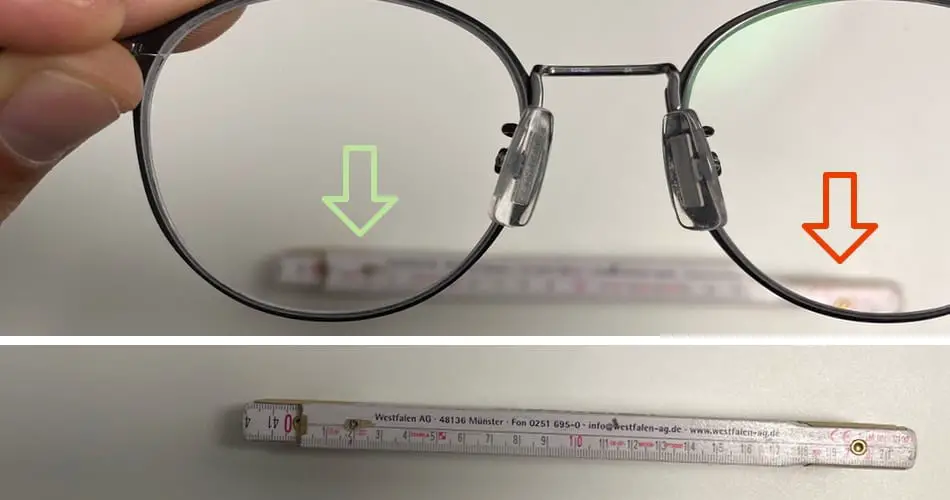



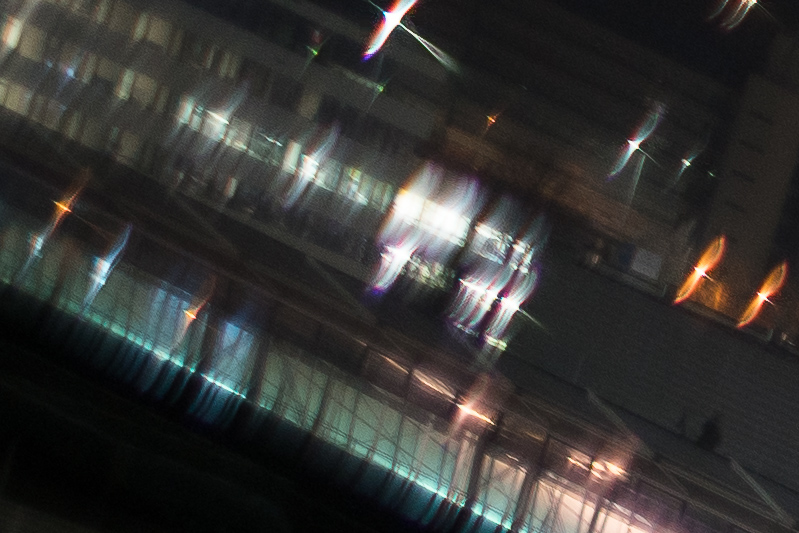
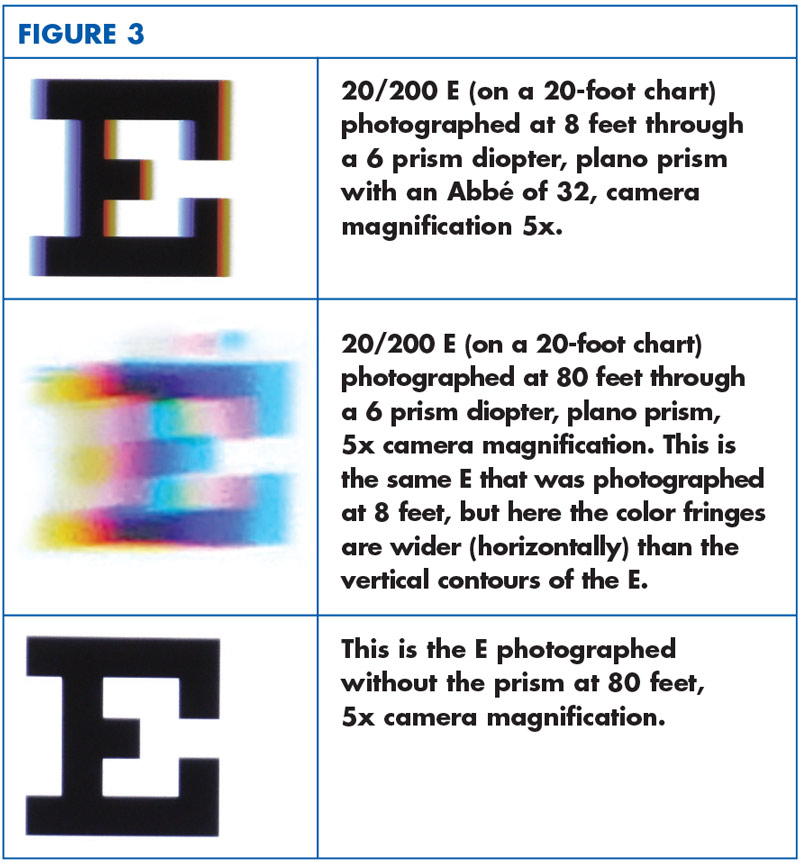


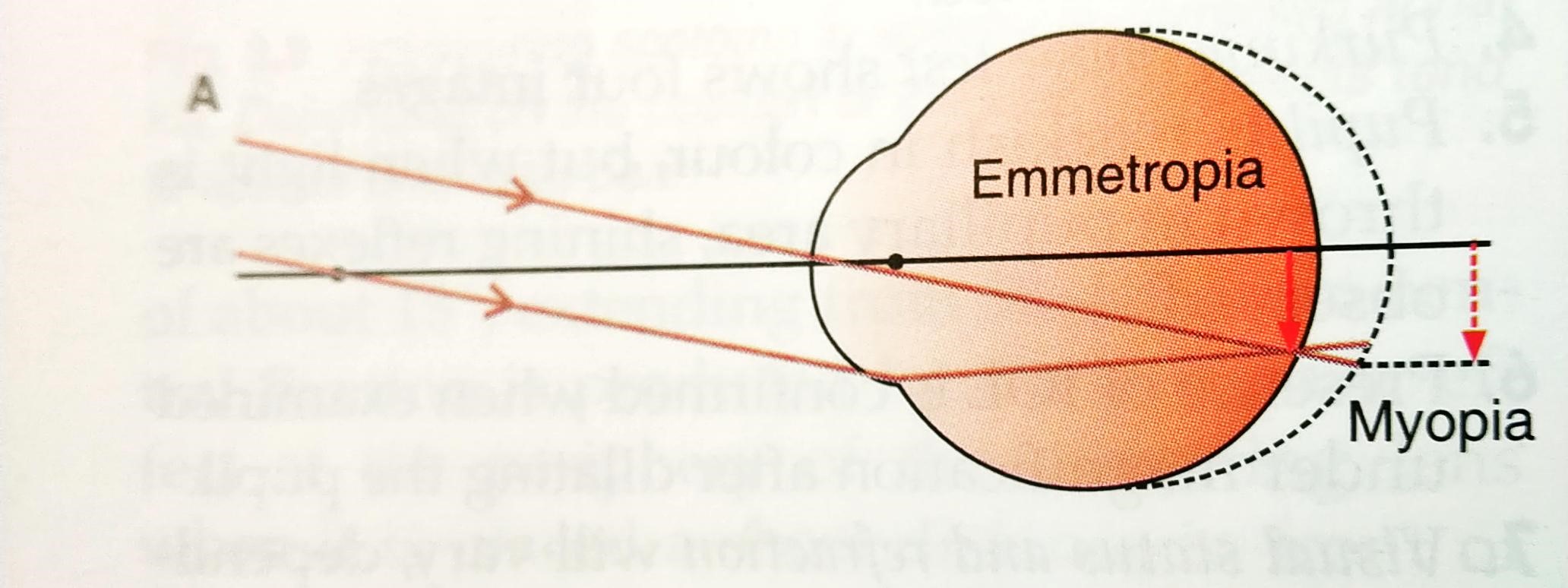
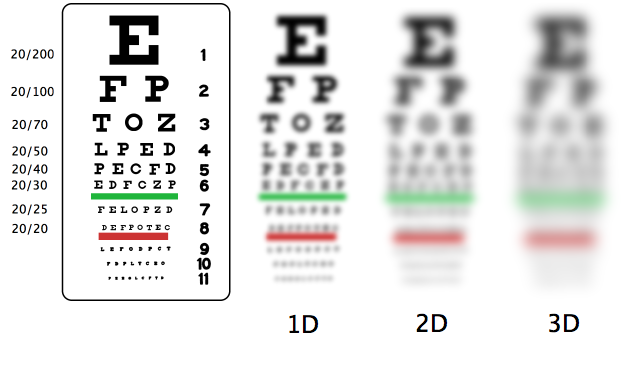
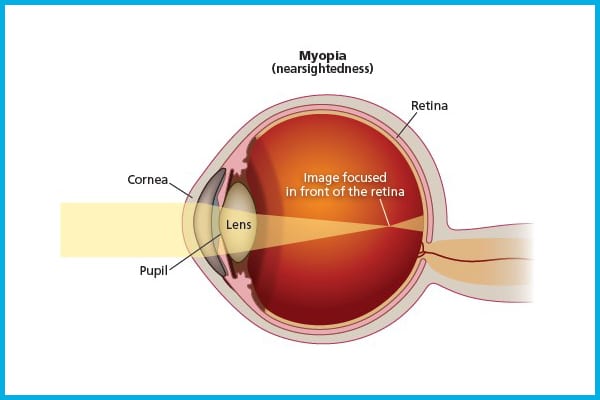
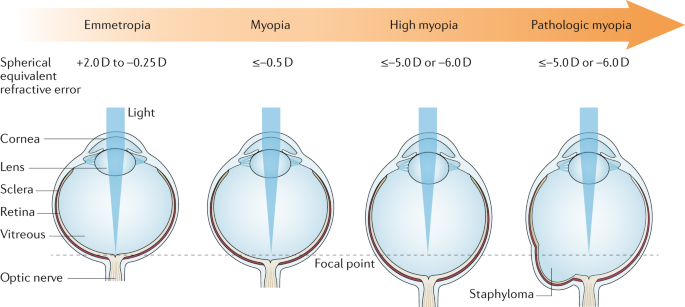
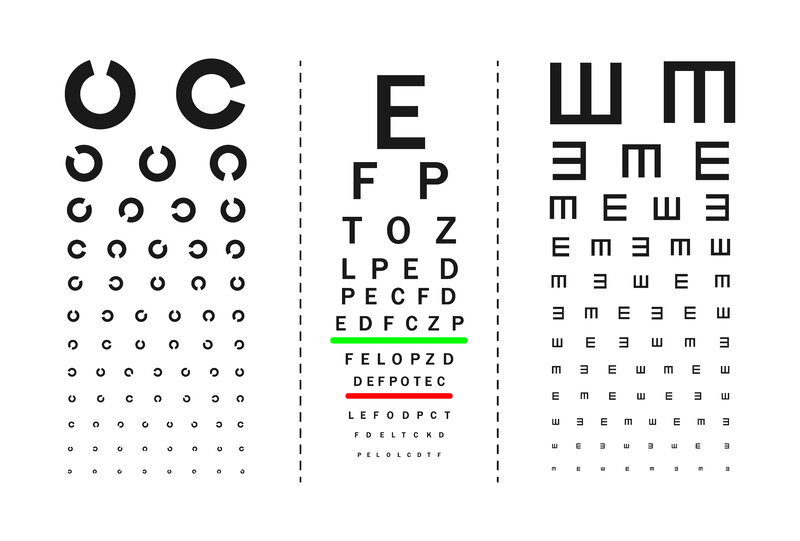
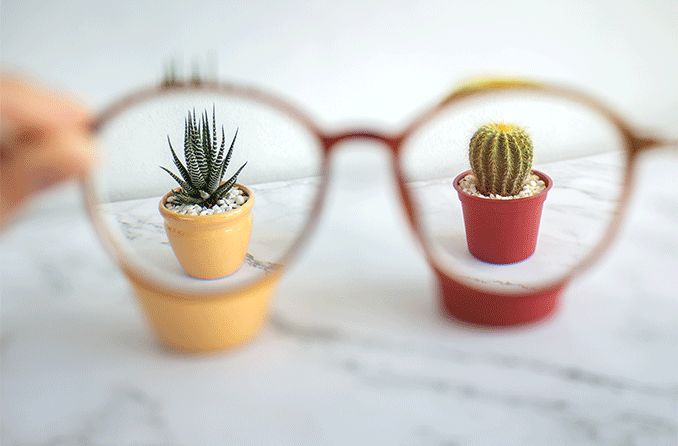
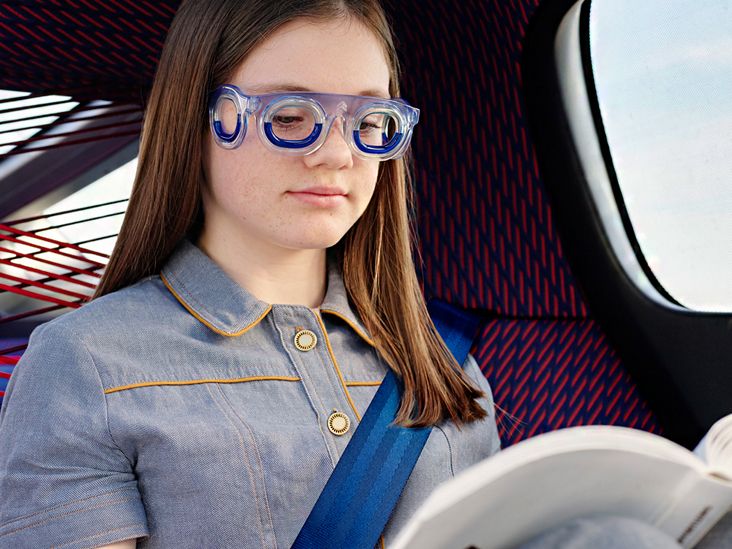


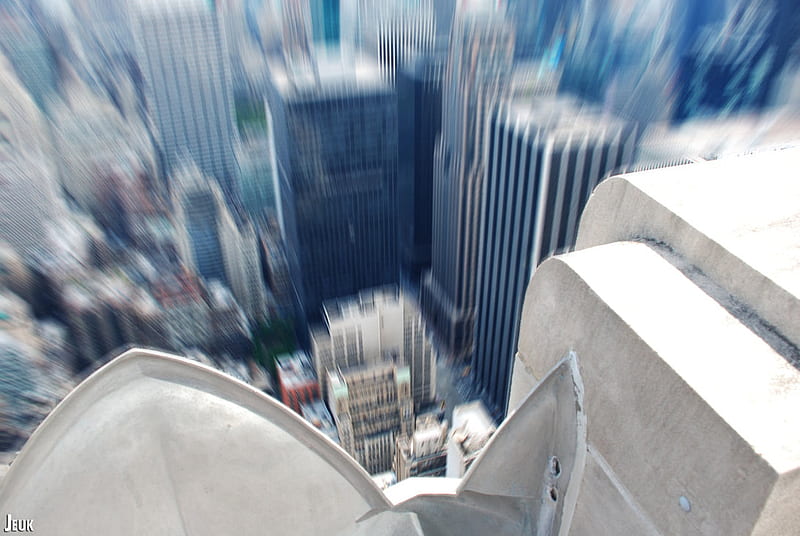

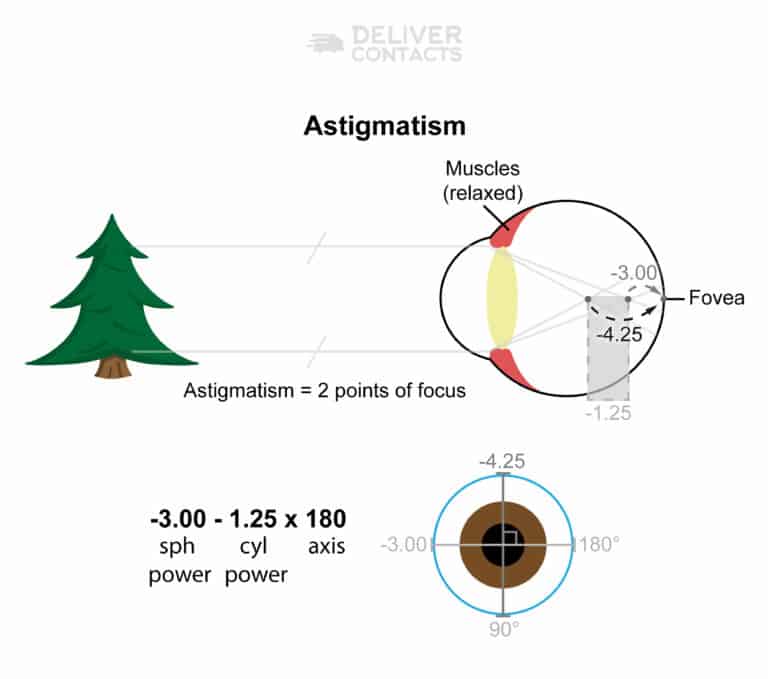



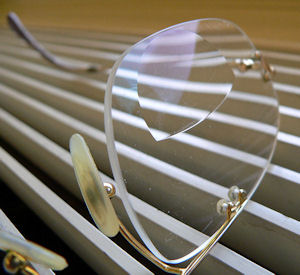


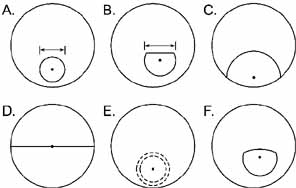

 Prescribing reading glasses effectively treats many of these problems. A convex plus lens relaxes the child’s focusing system, relieving much of the visual stress. In fact, prescribing a low power plus lens is so effective in keeping children’s visual system comfortable during extended close work at school that they are often called “learning lenses.”


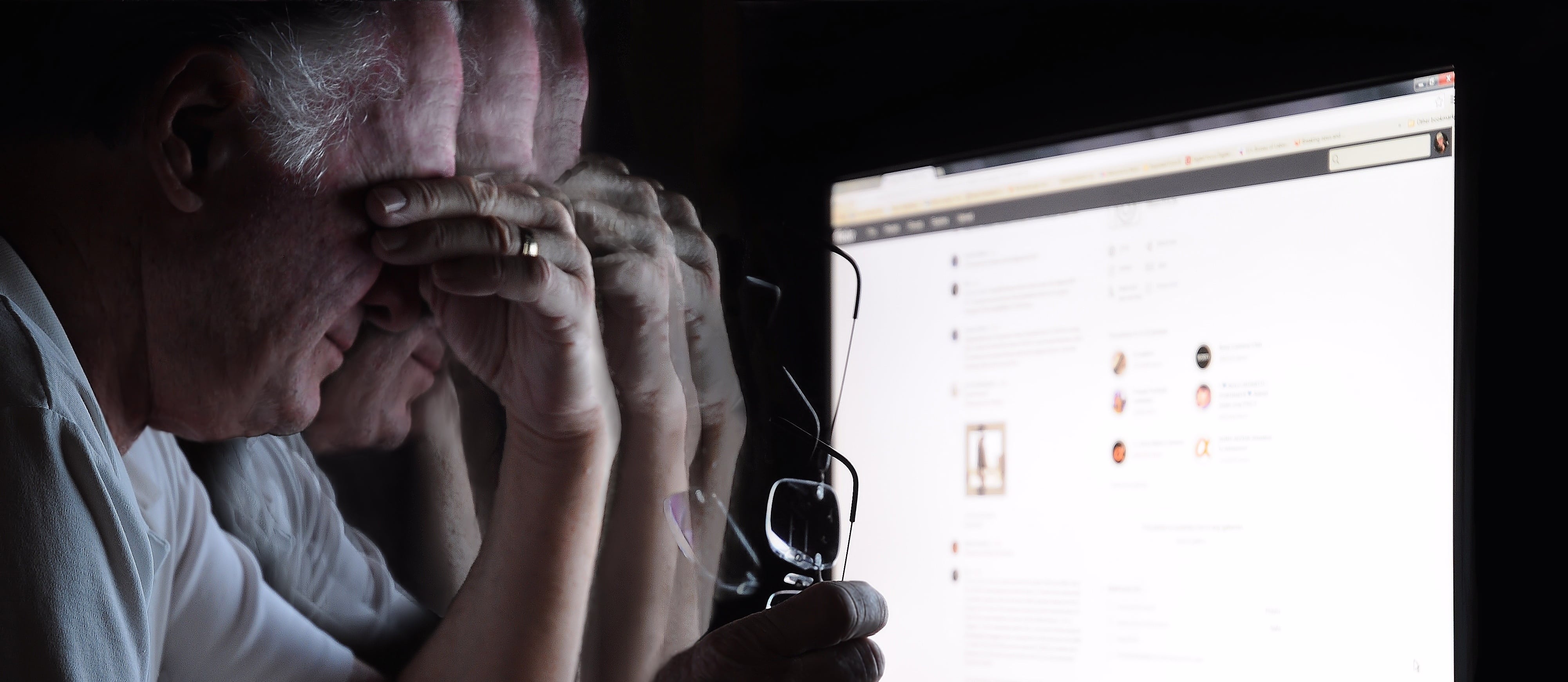

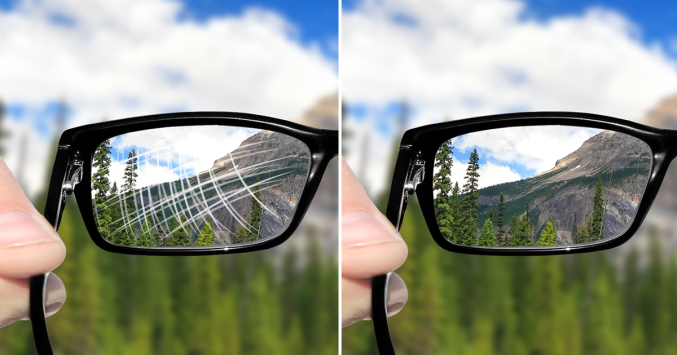

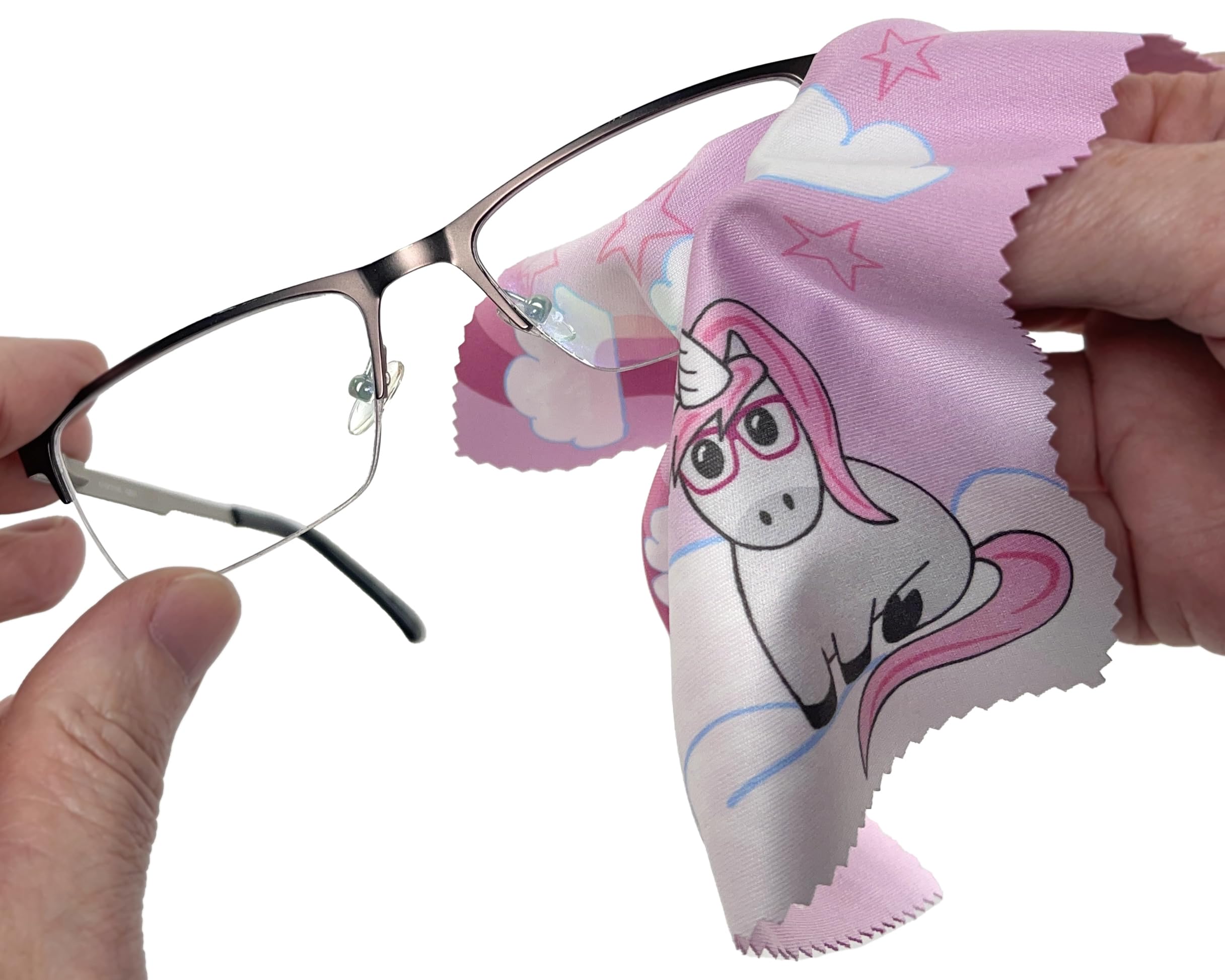
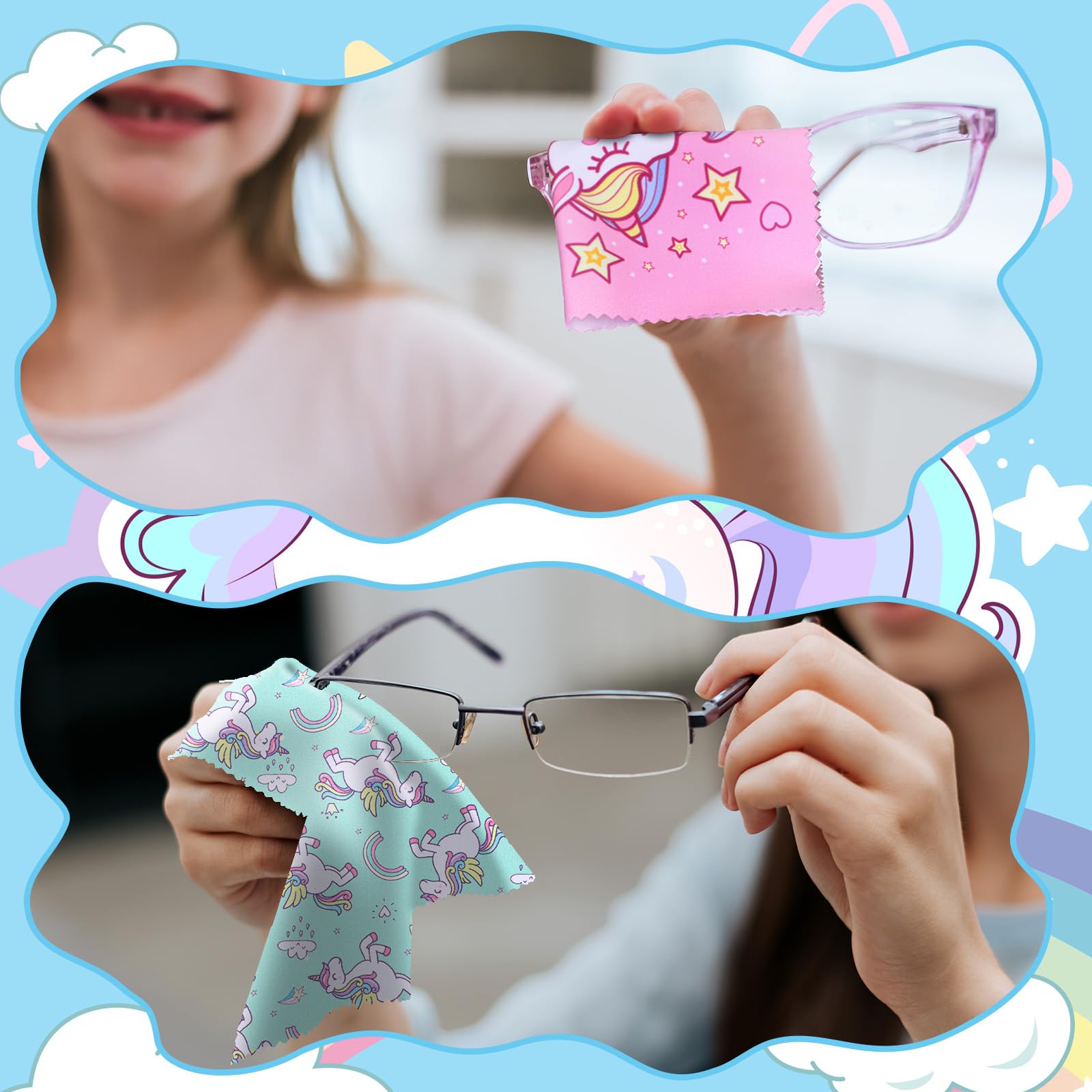


)





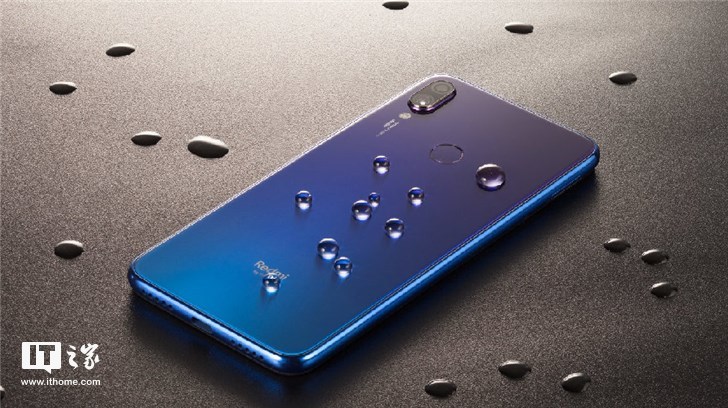

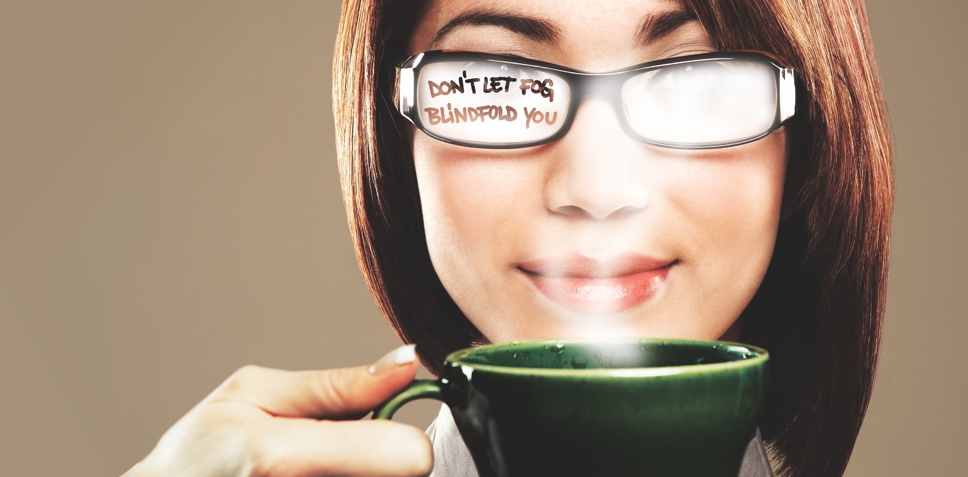


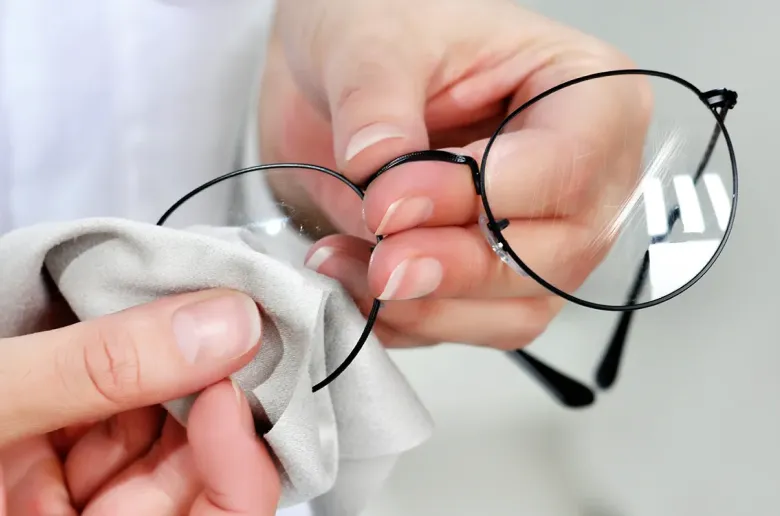

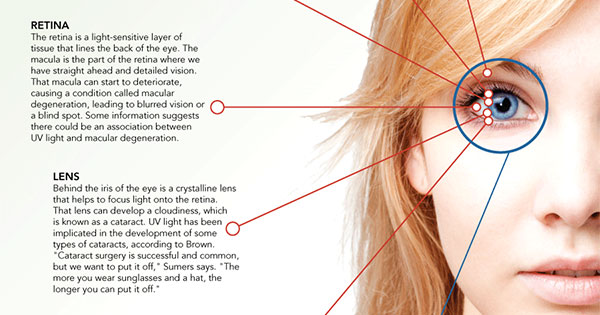
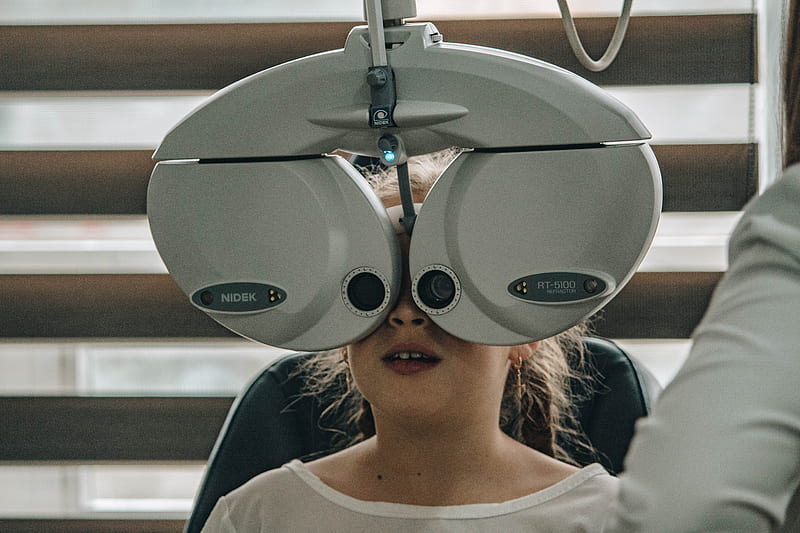
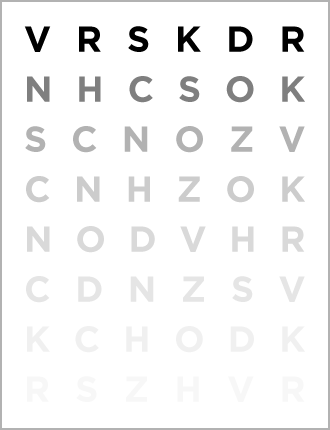

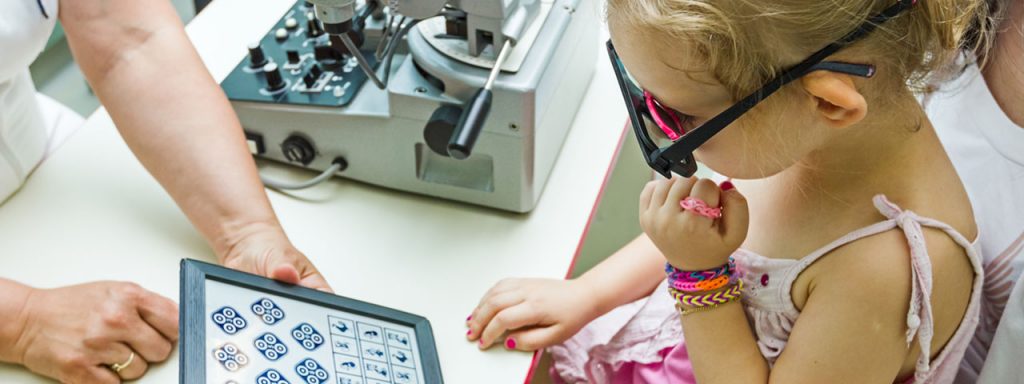


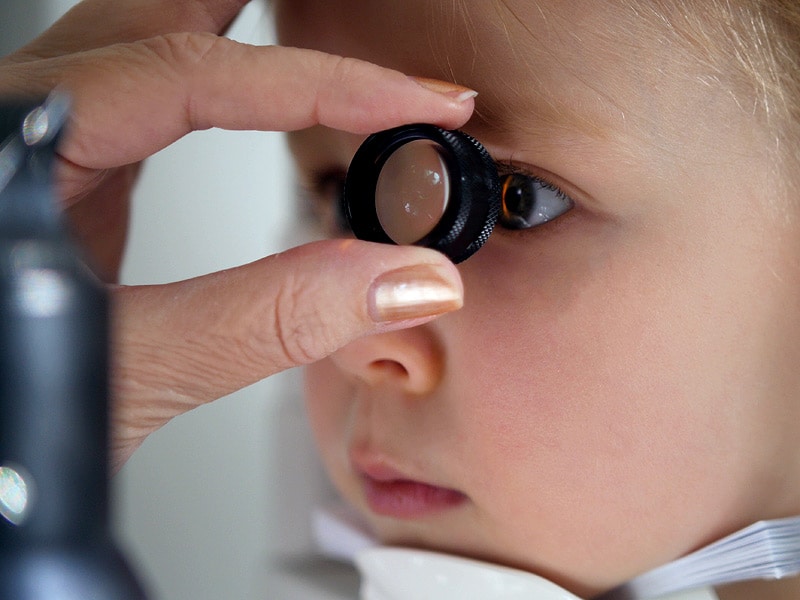
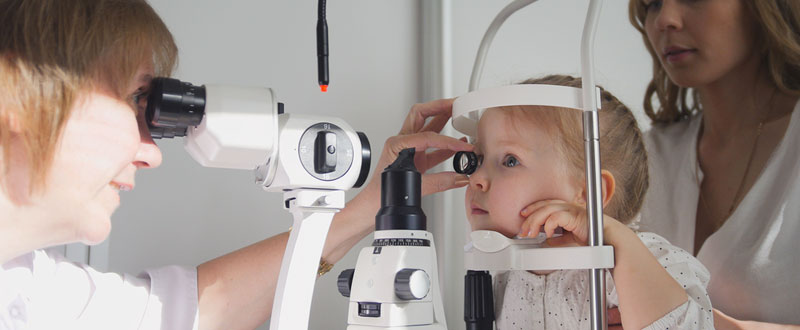
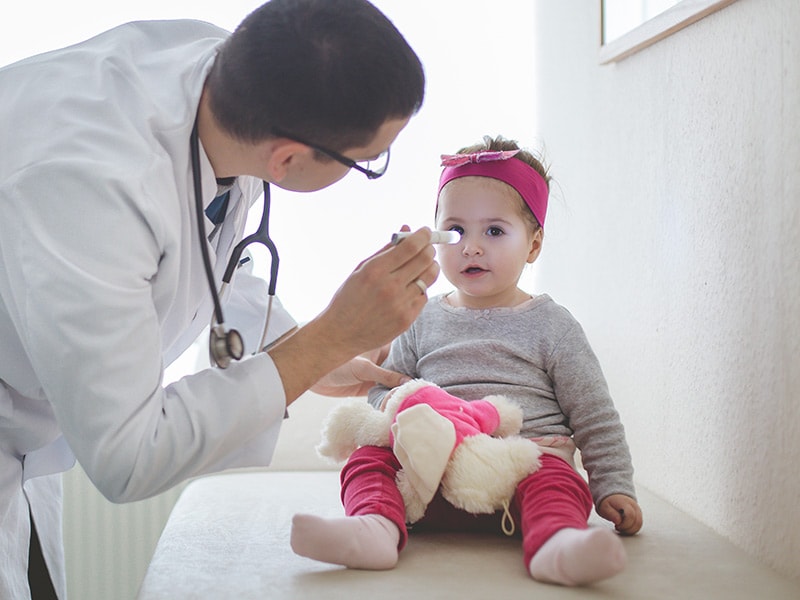

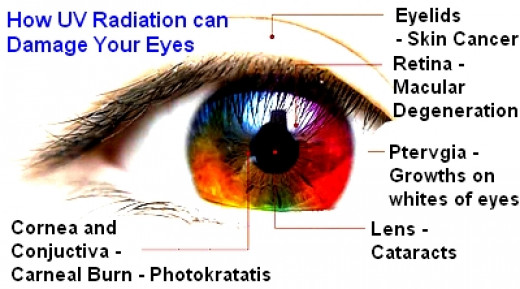


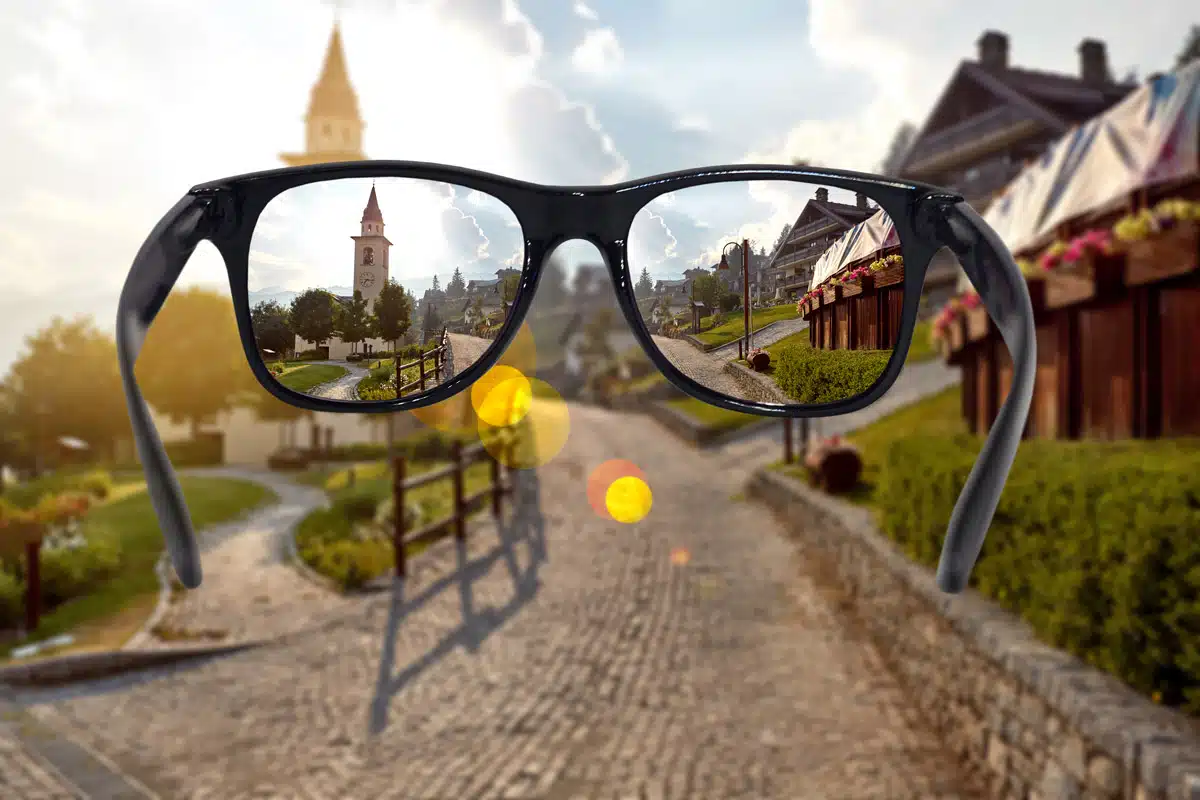
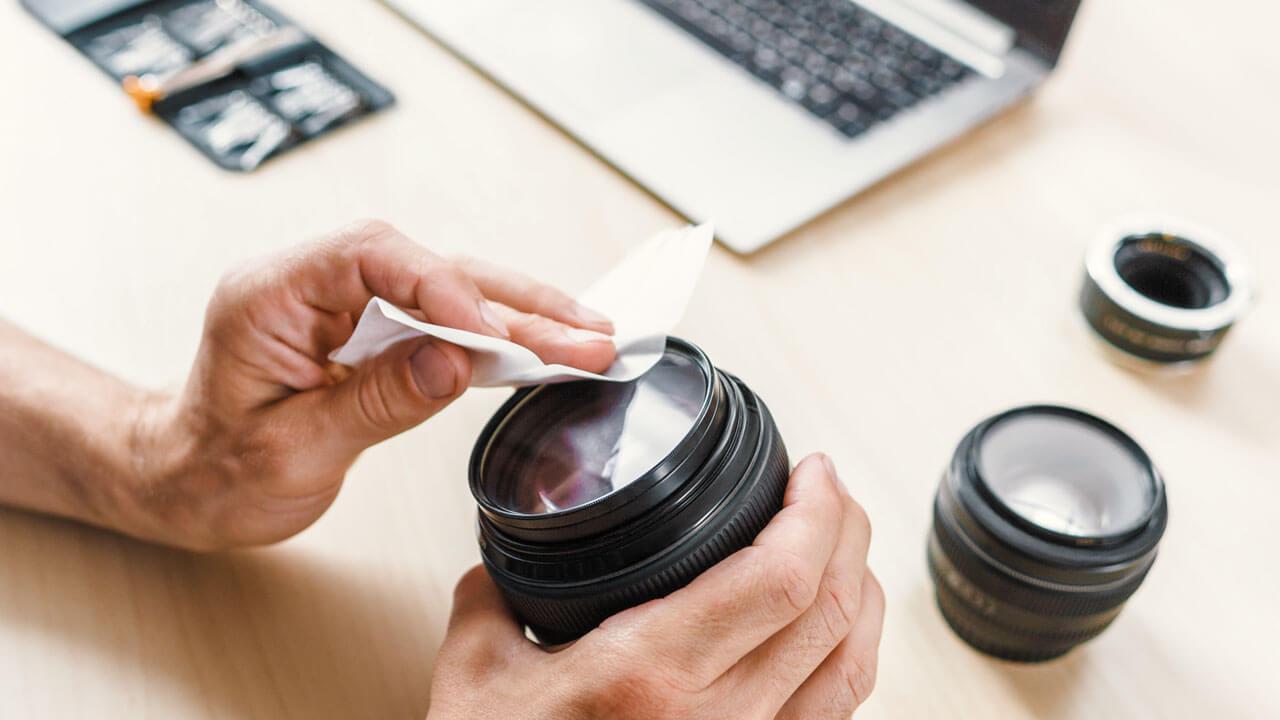

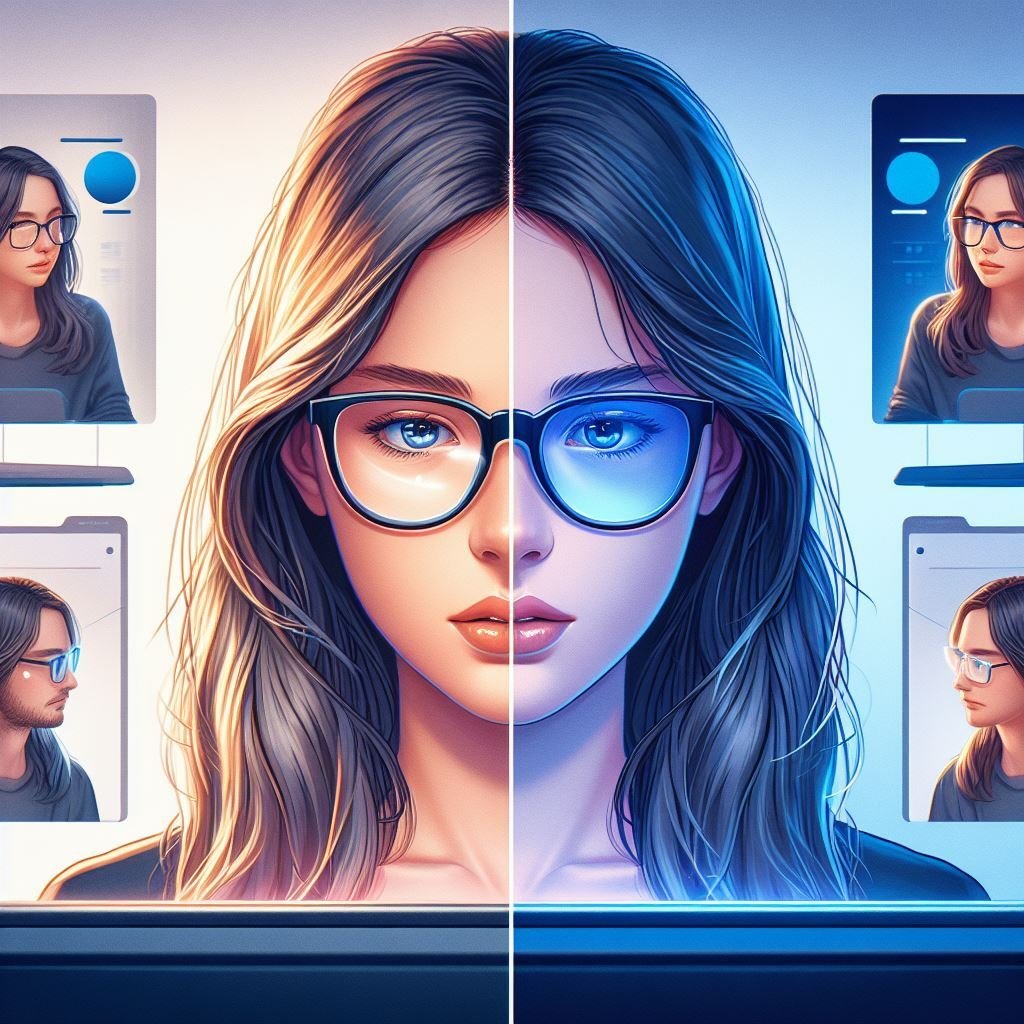
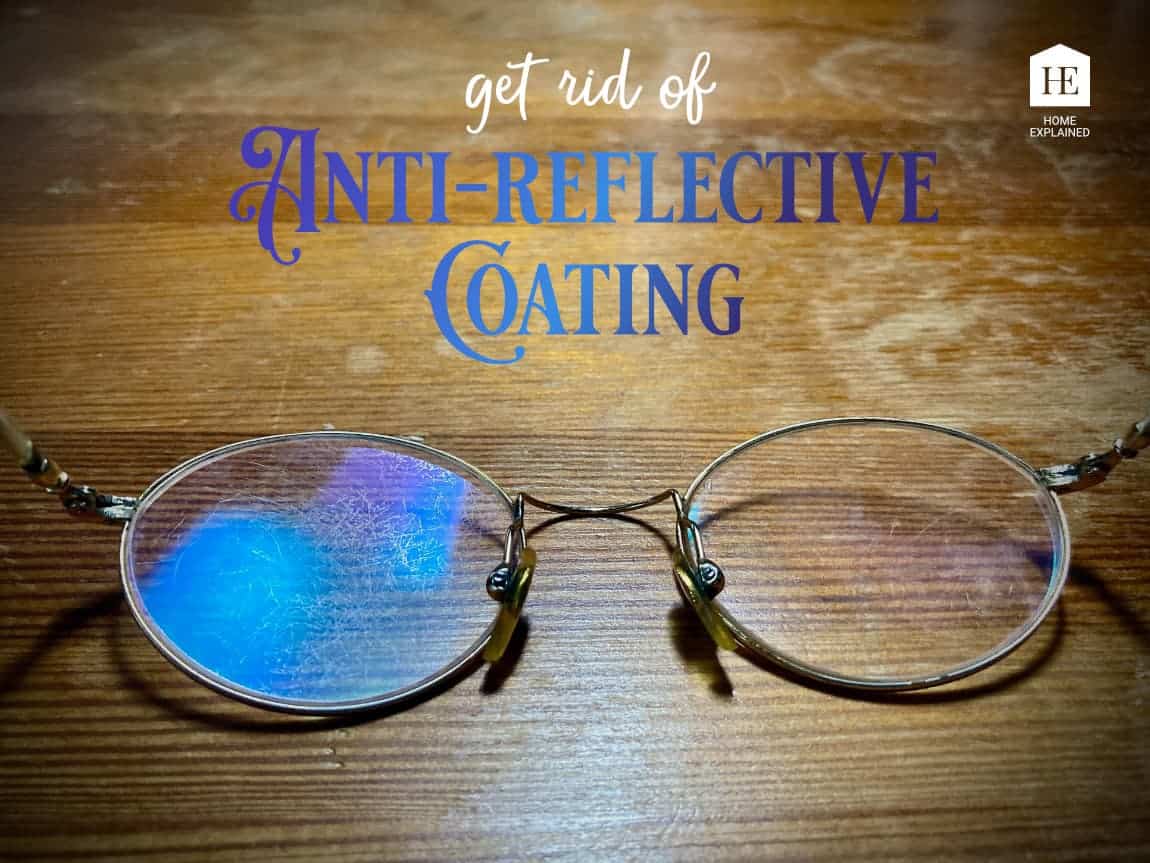
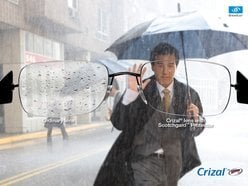
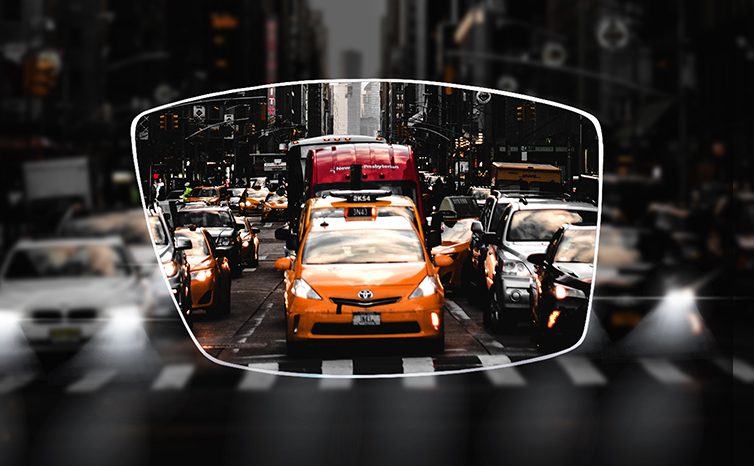
















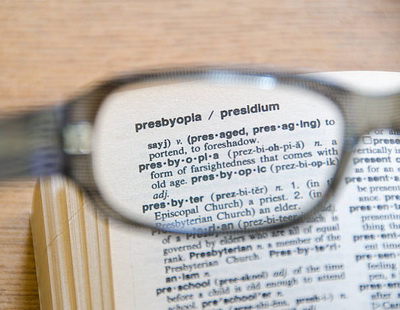
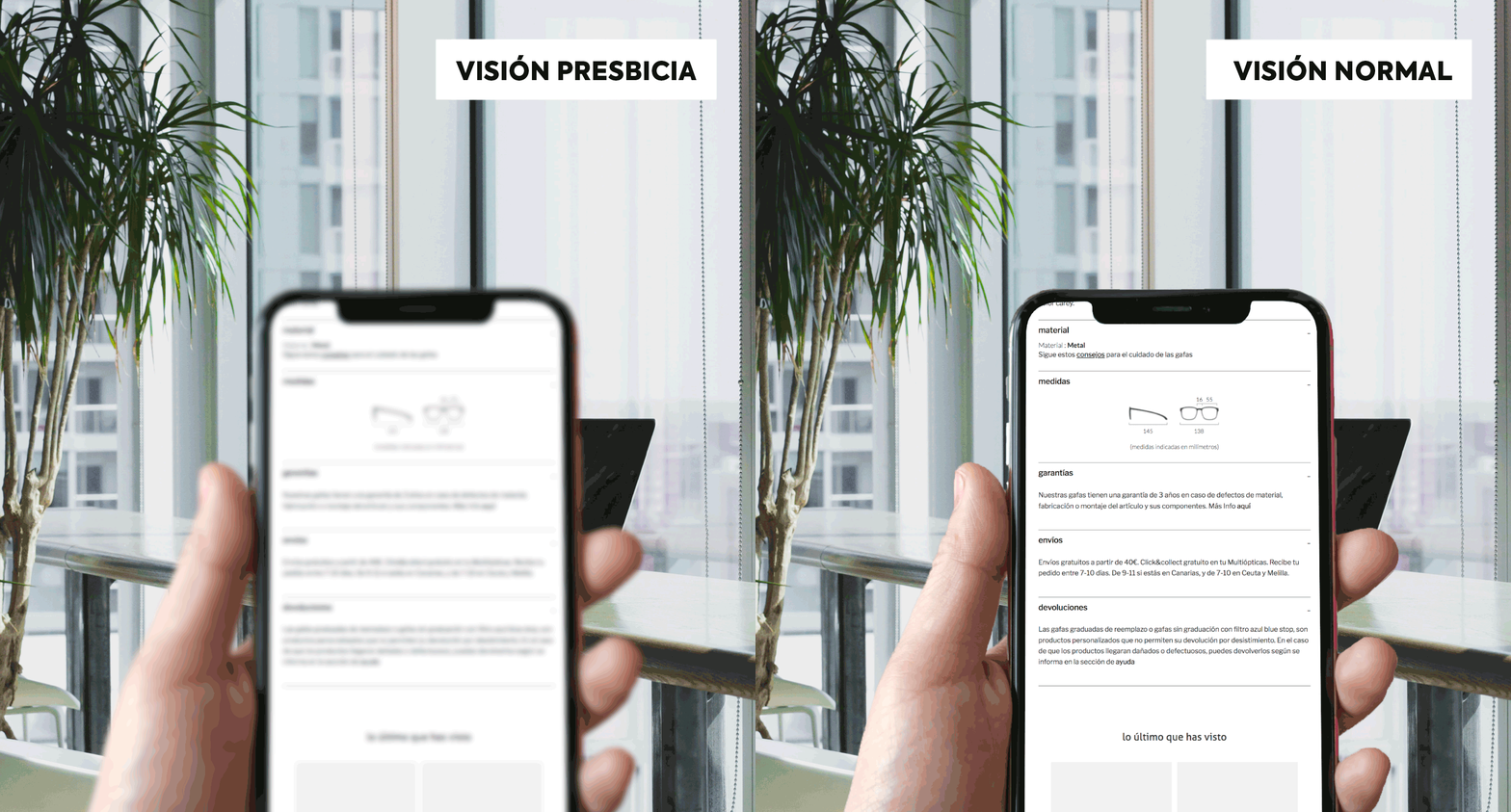

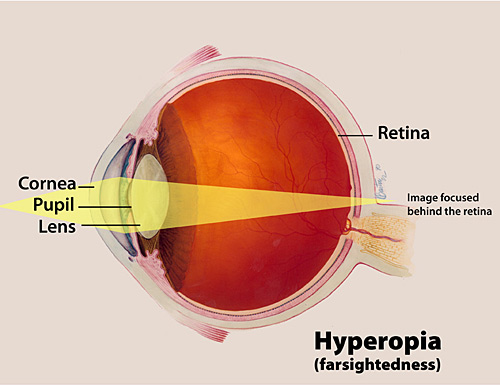





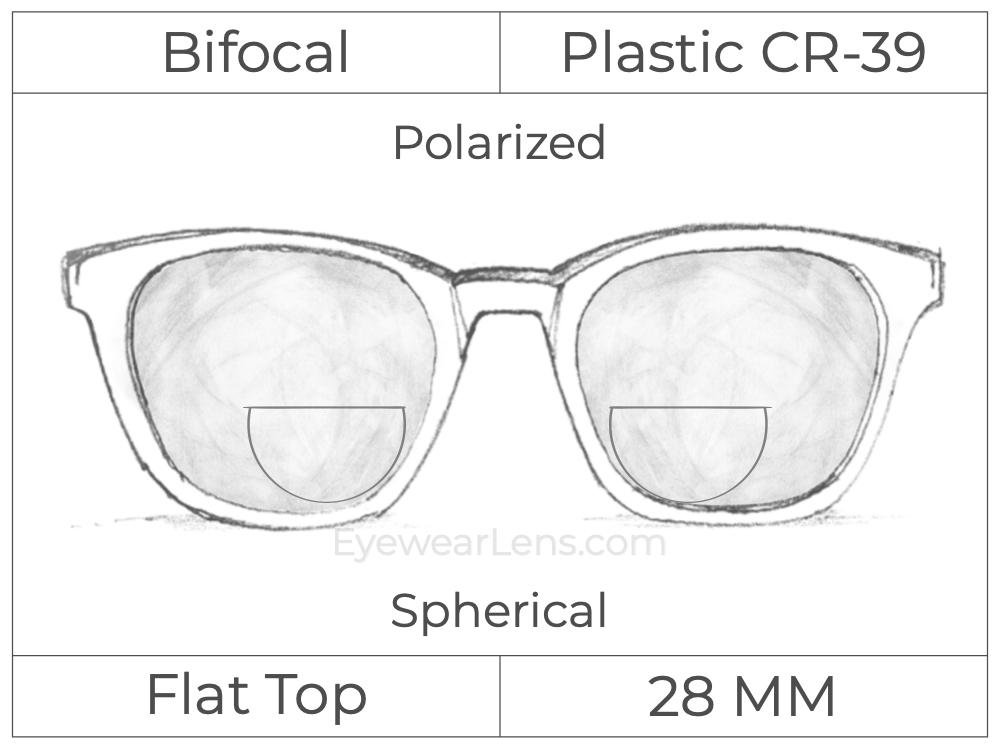
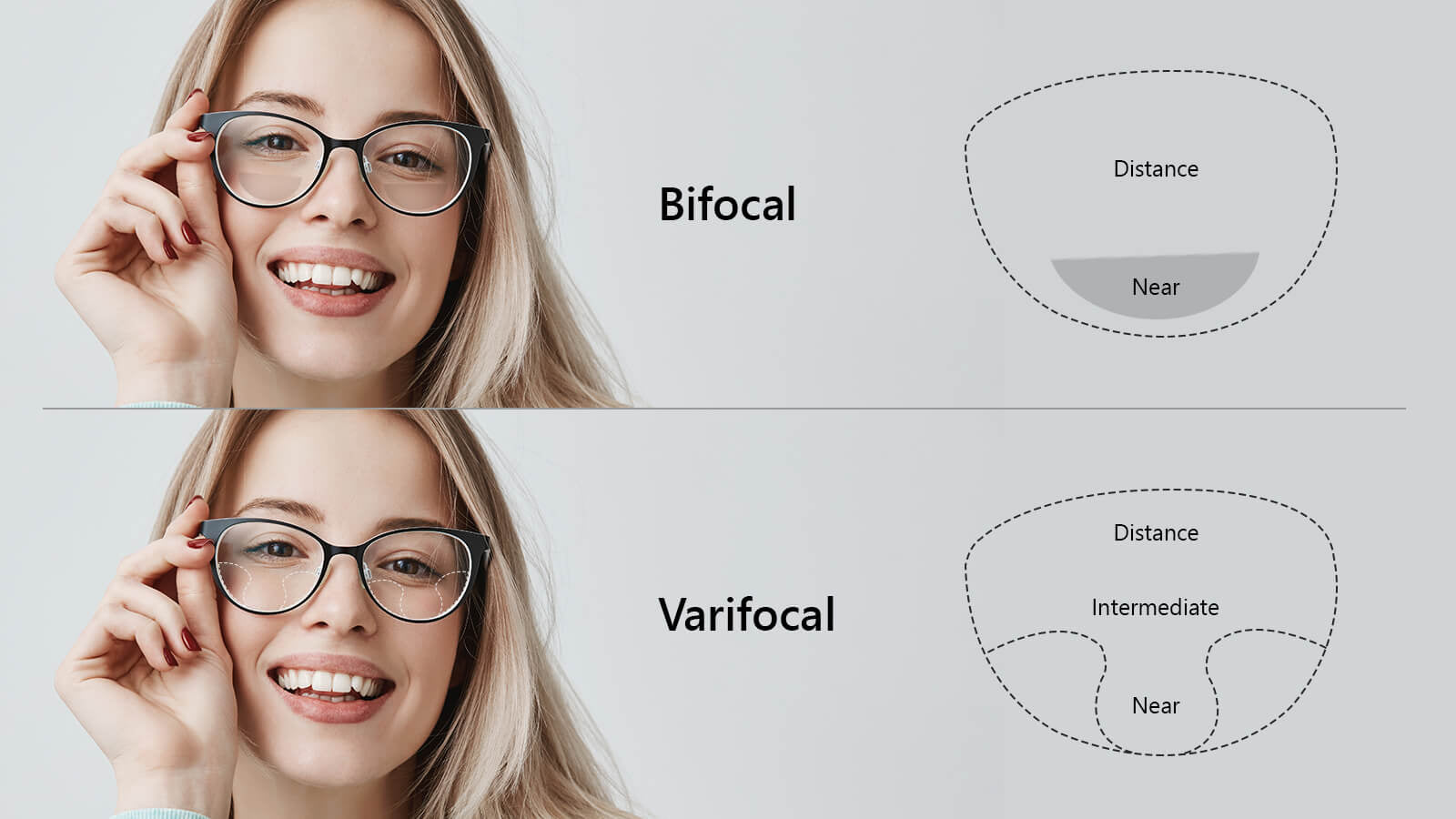
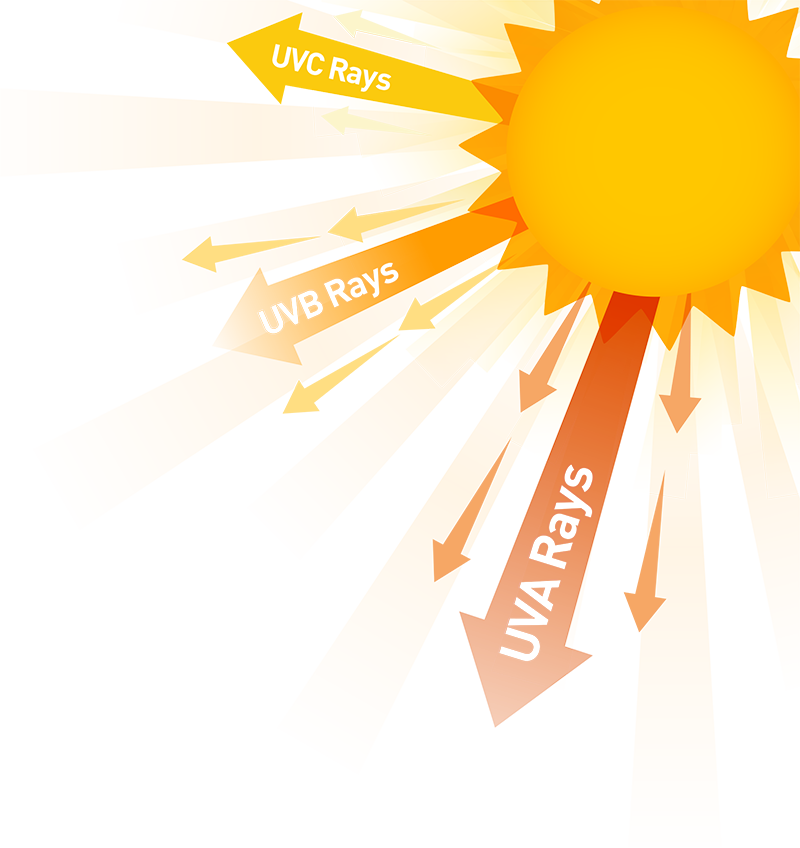
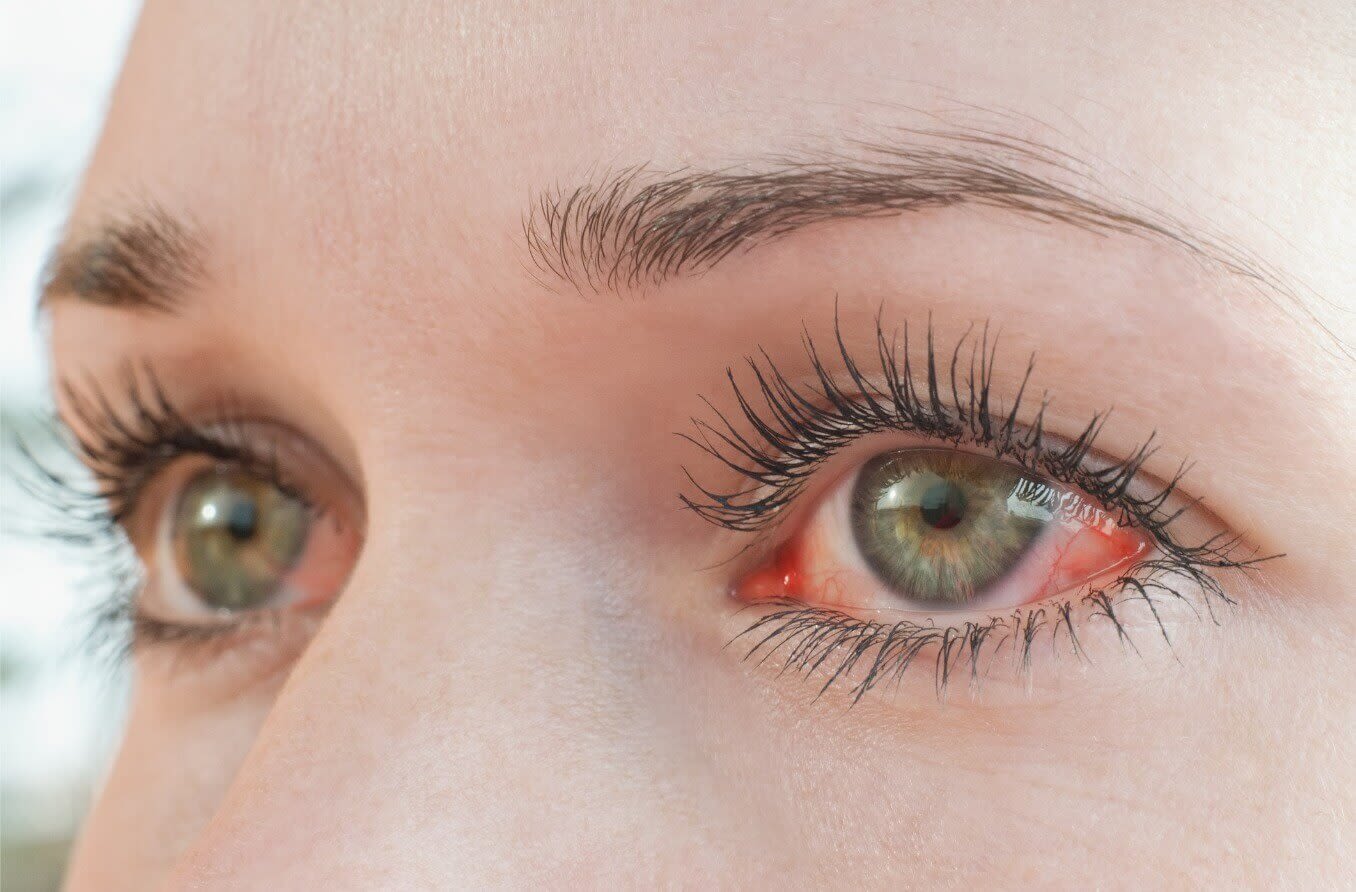



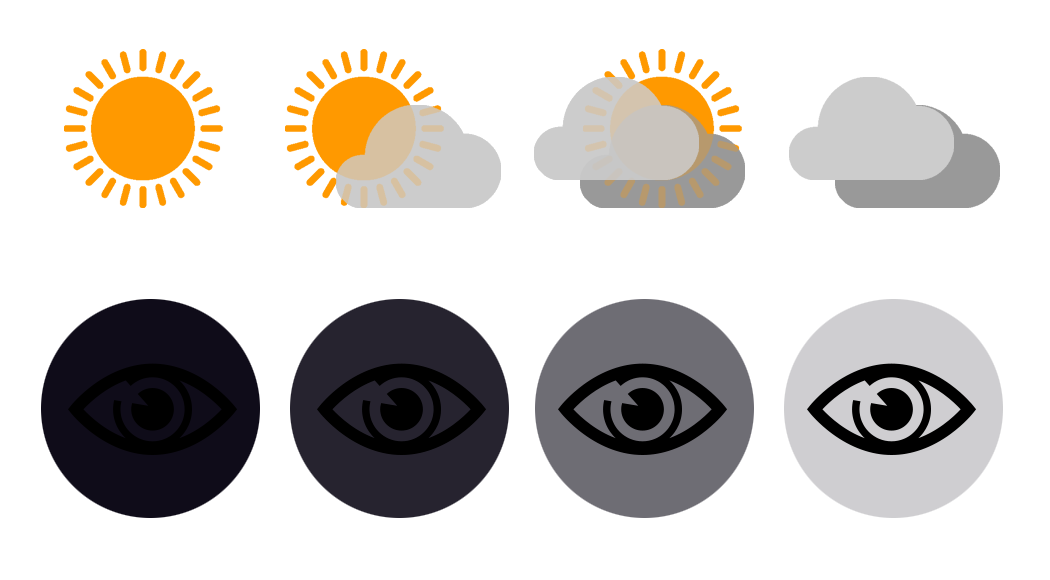
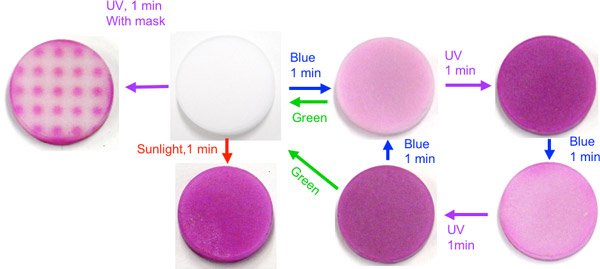

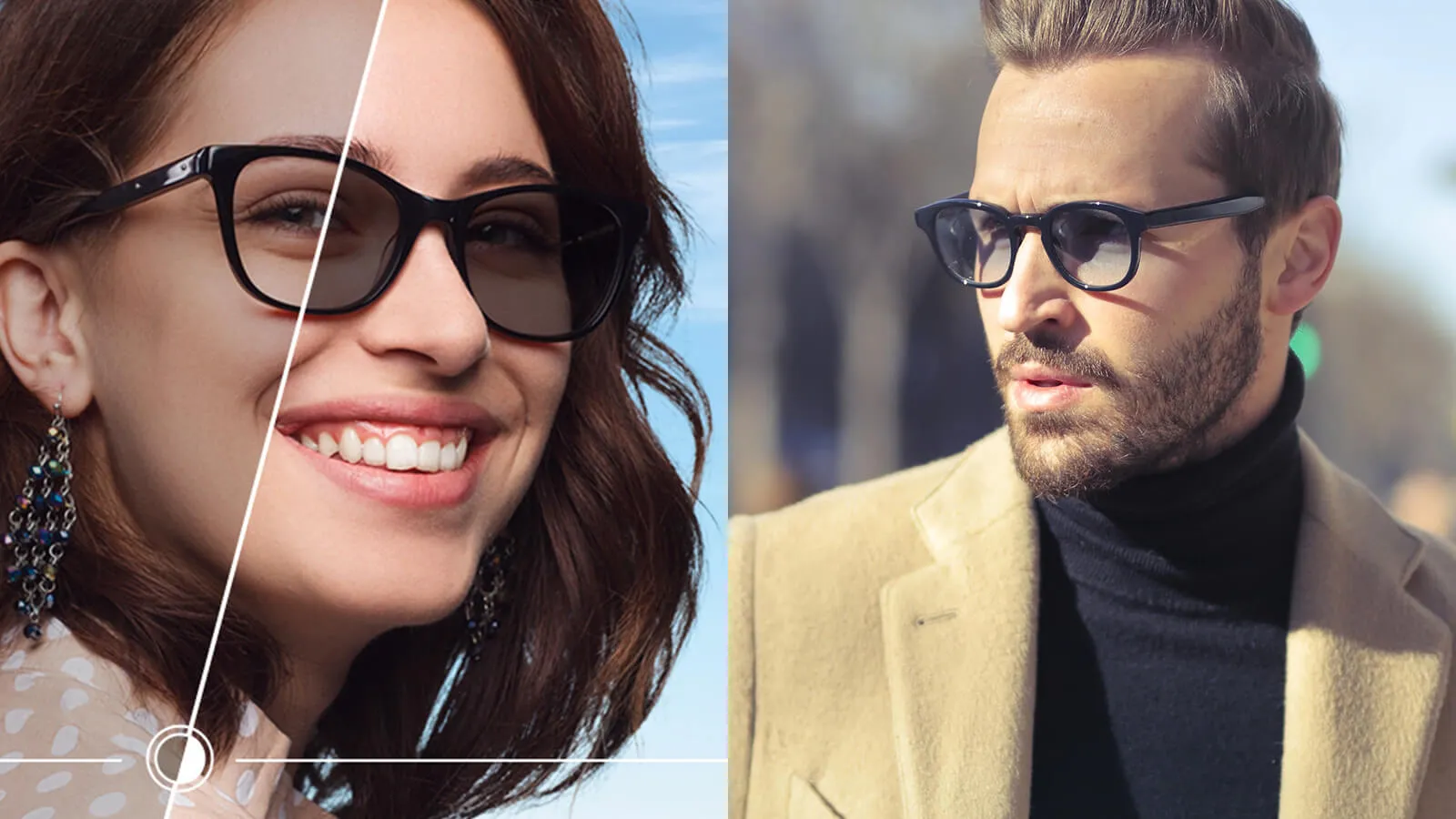
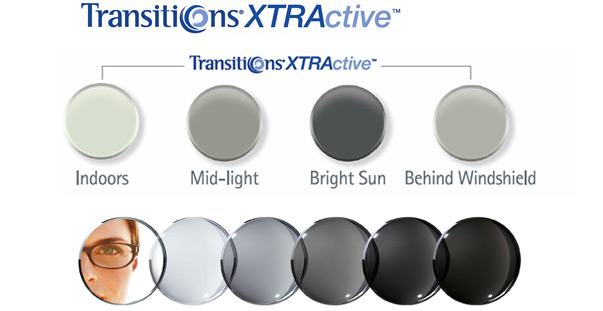
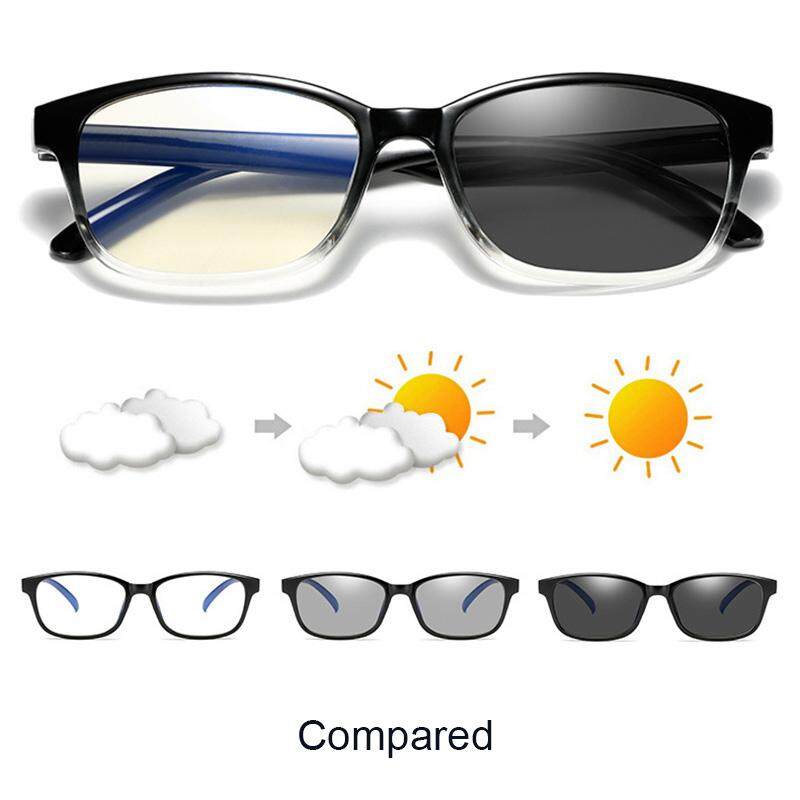
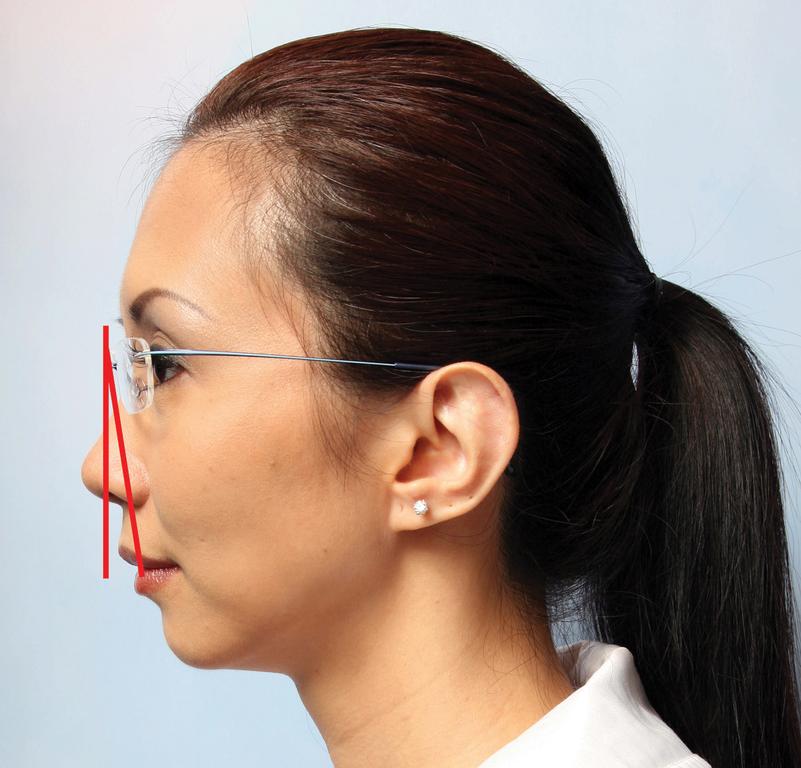
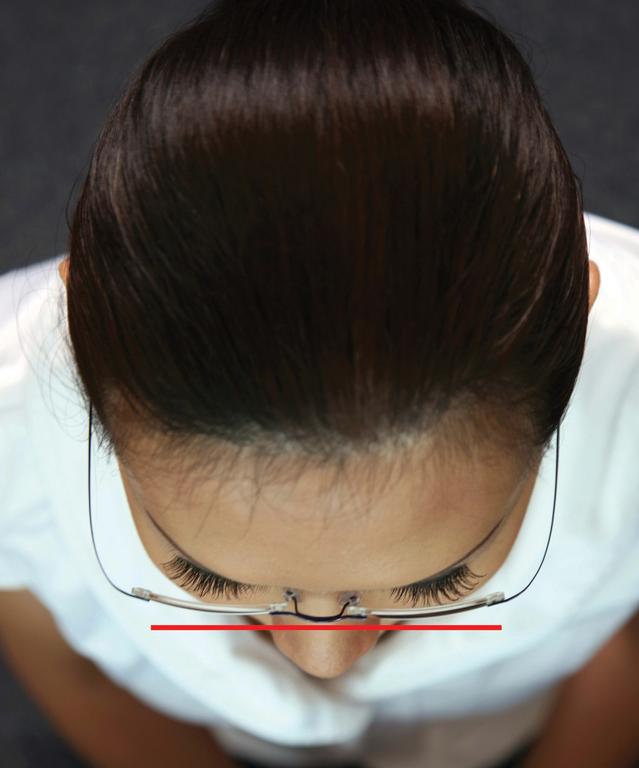
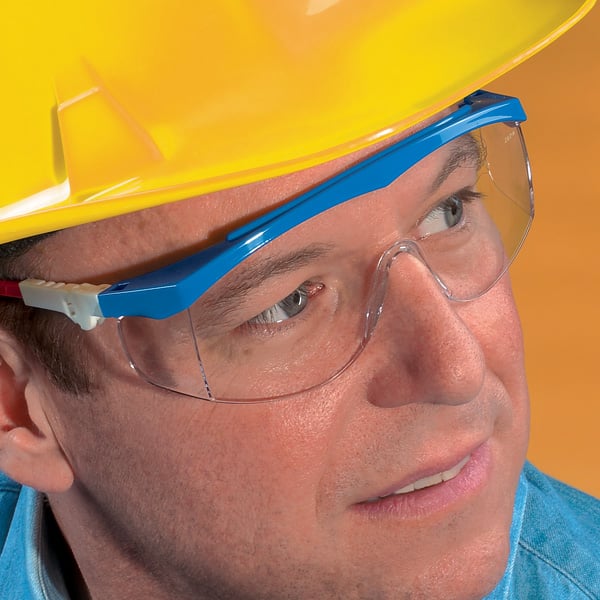

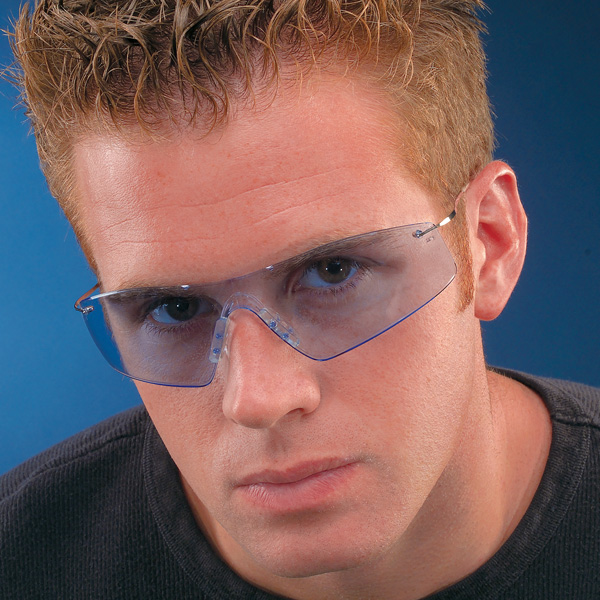



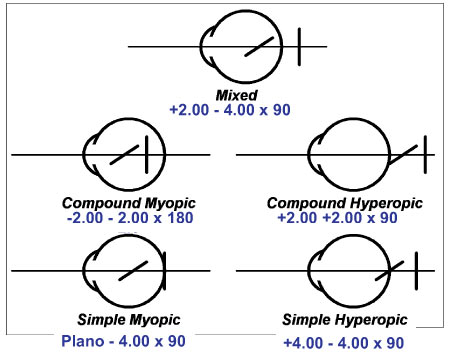



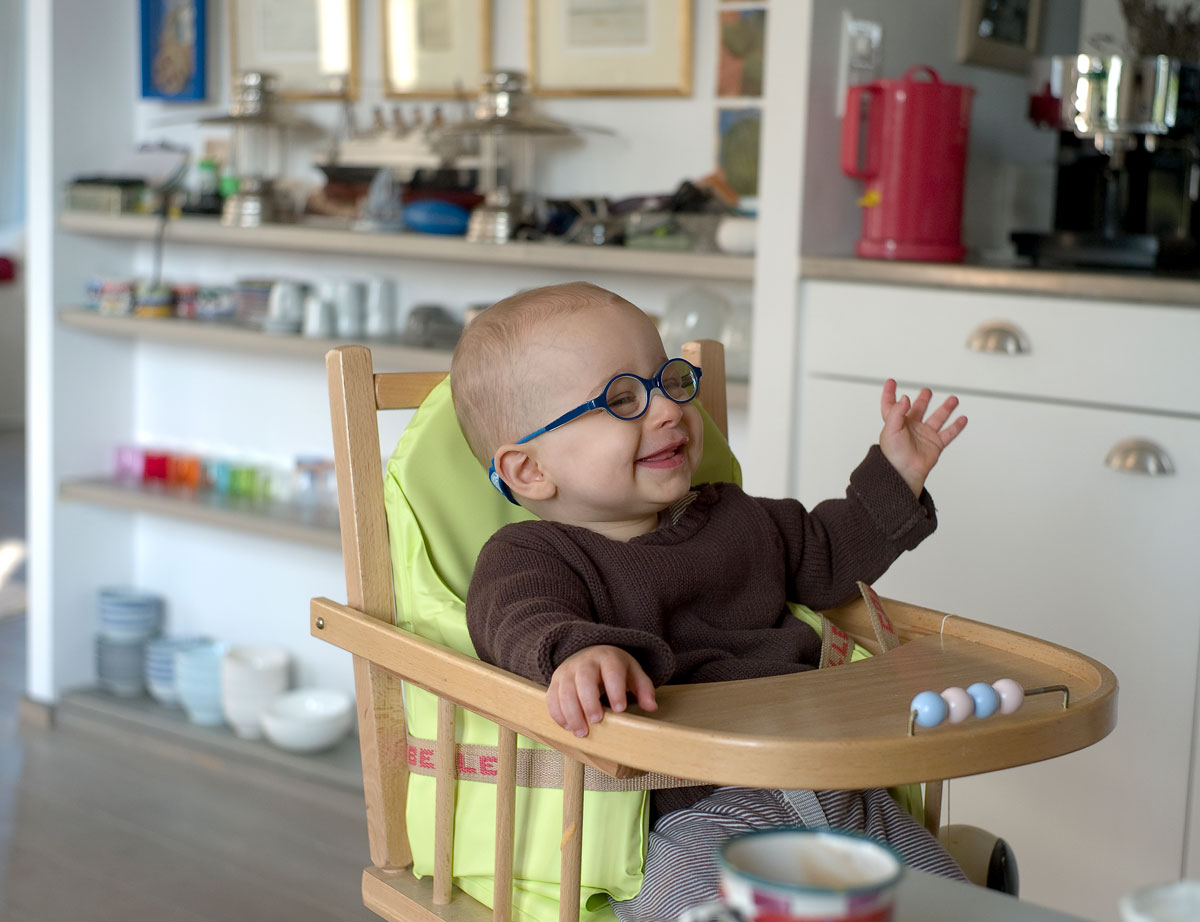



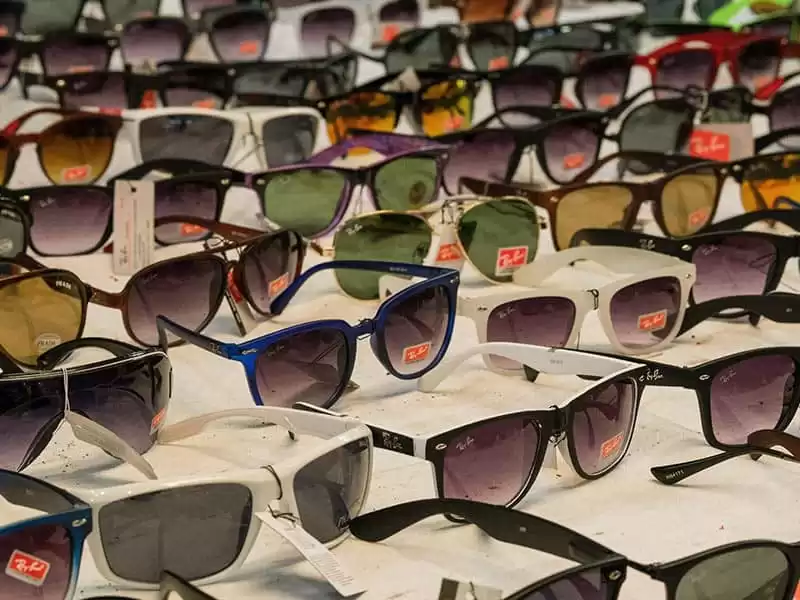


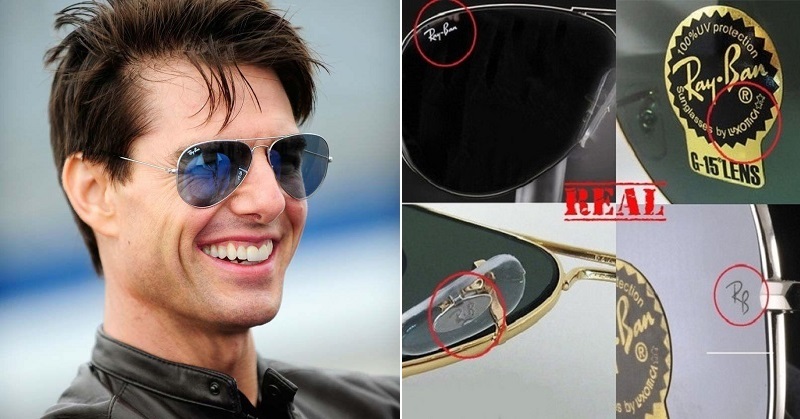
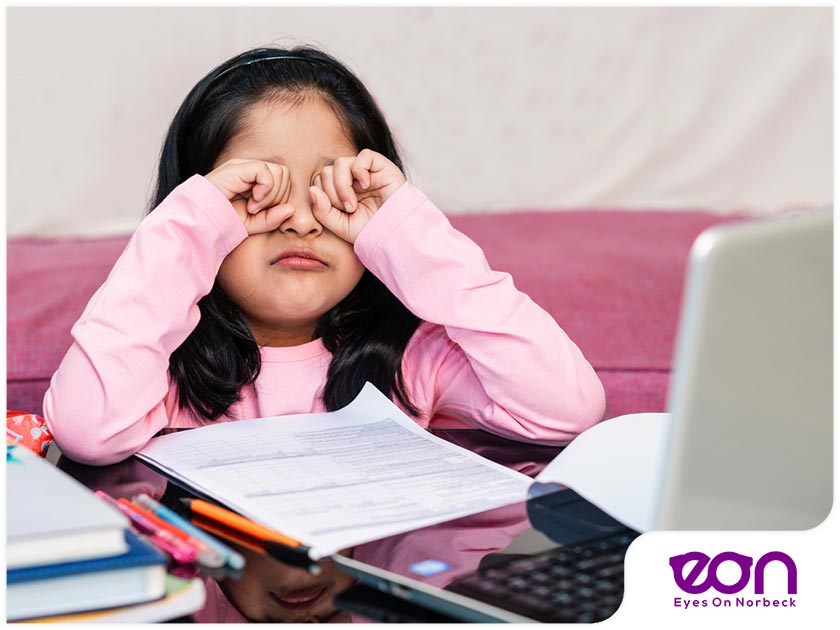

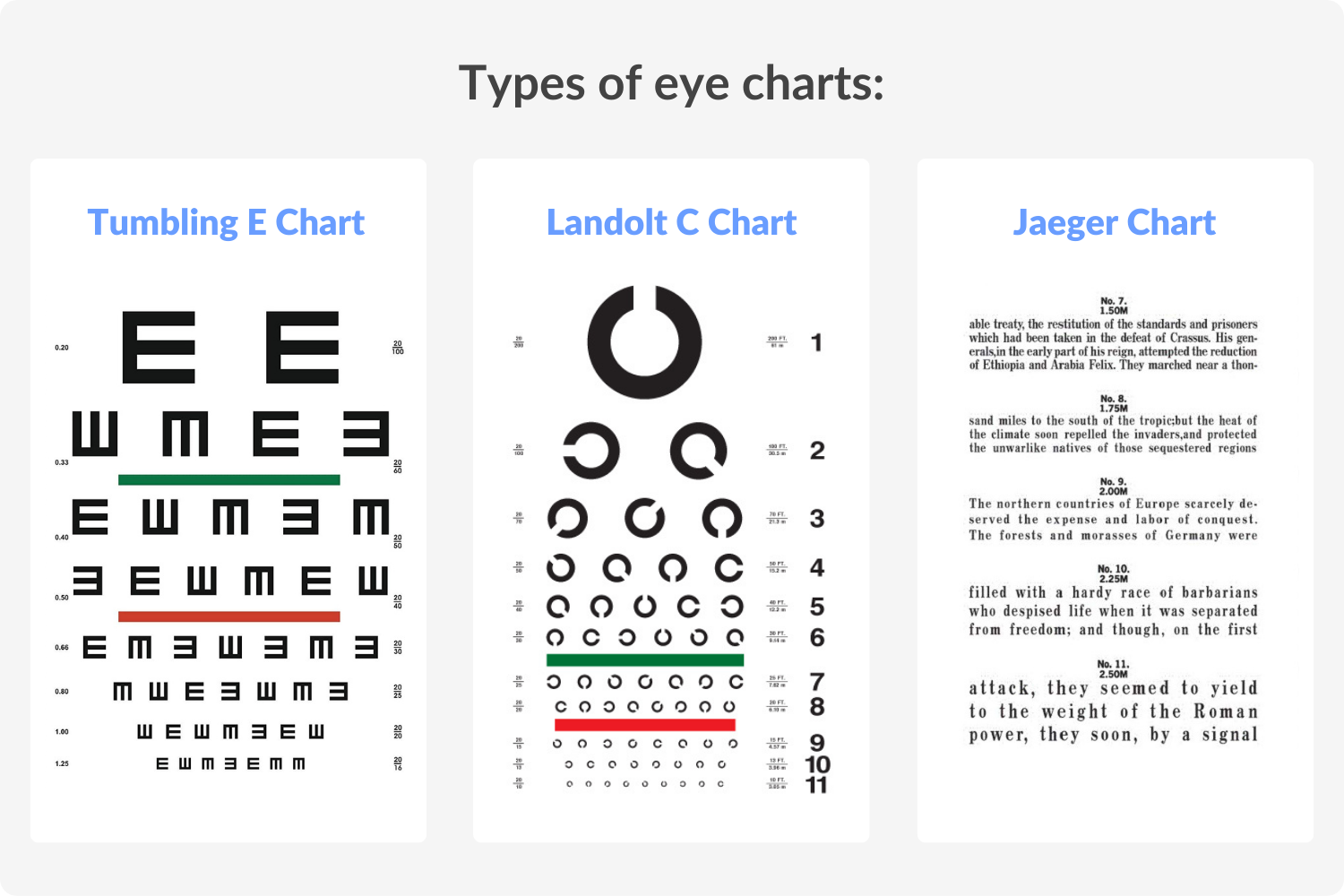

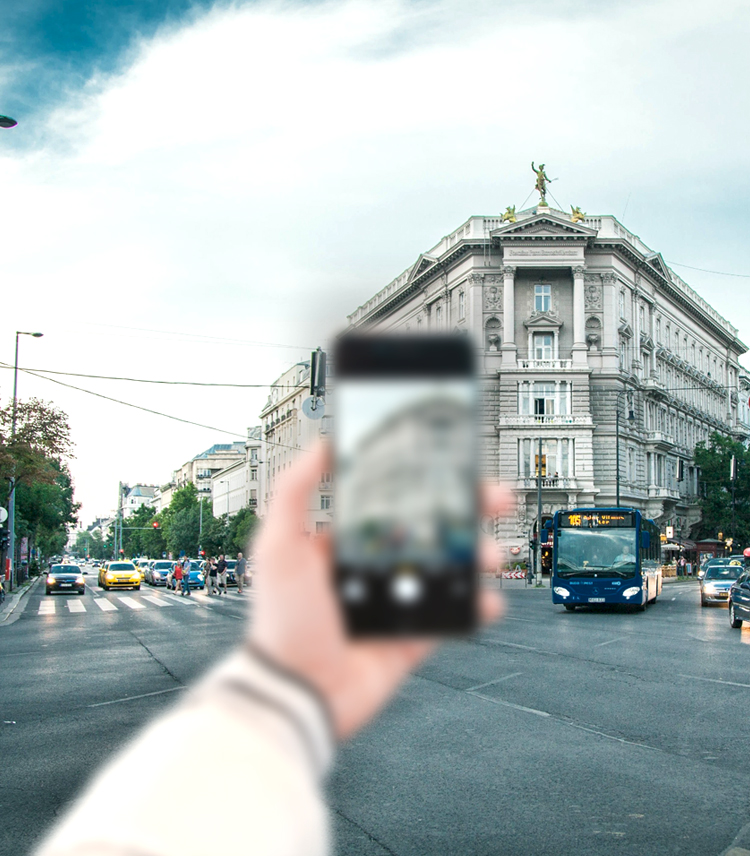
 Presbyopia is a condition in which the lens of the eye loses its ability to focus, making it difficult to see objects up close.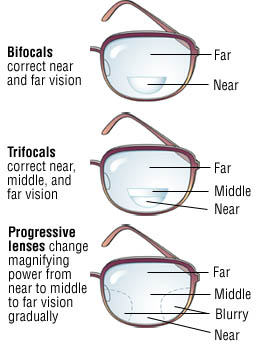

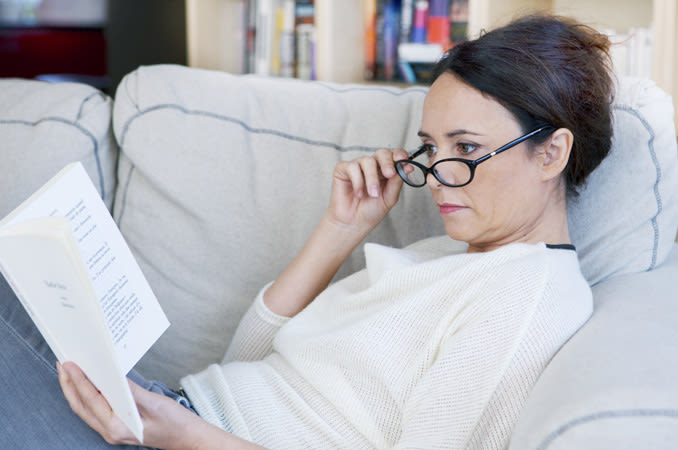






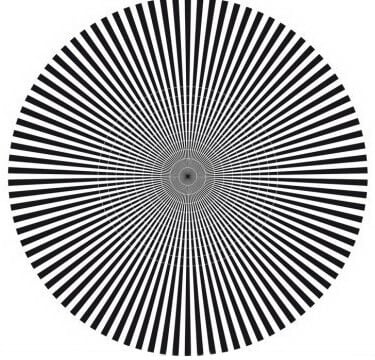
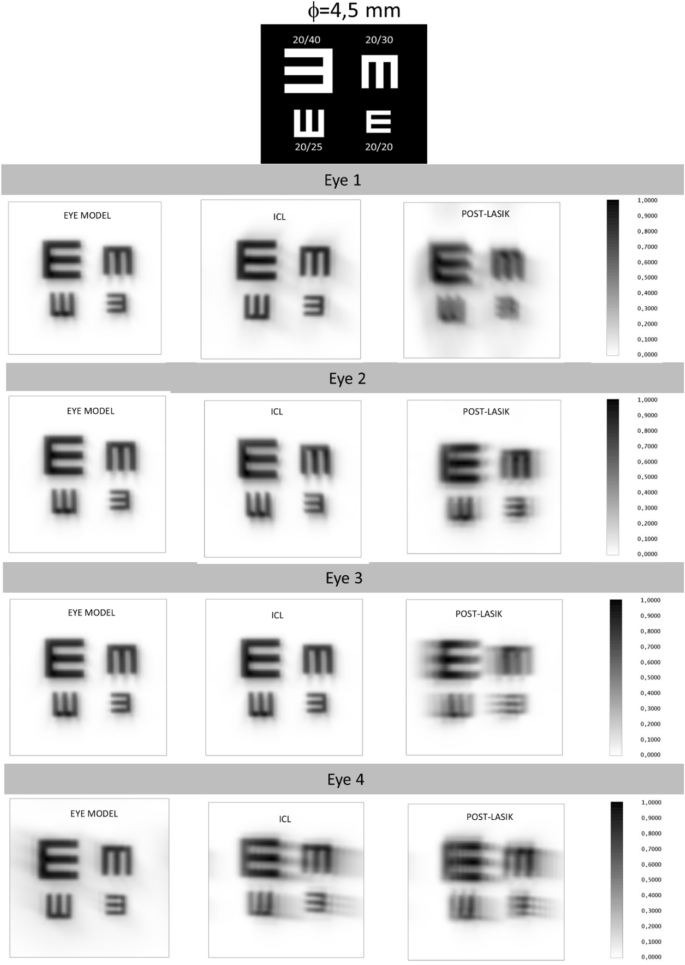



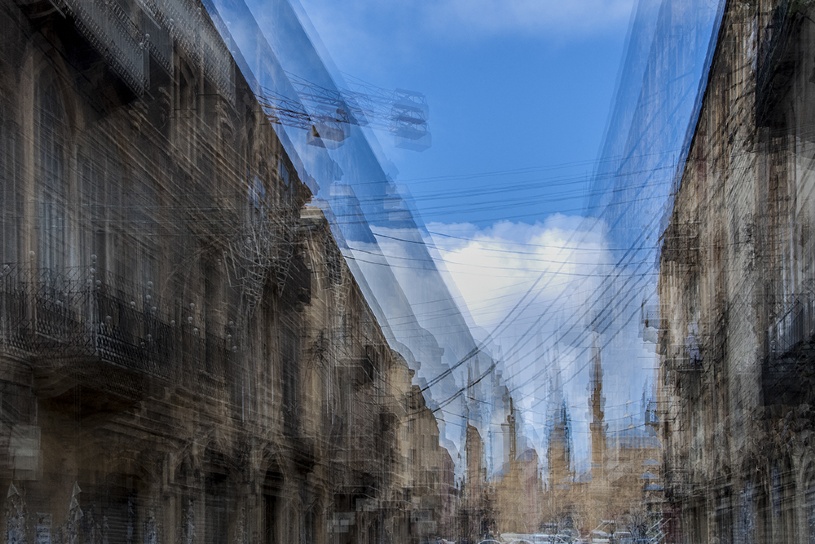
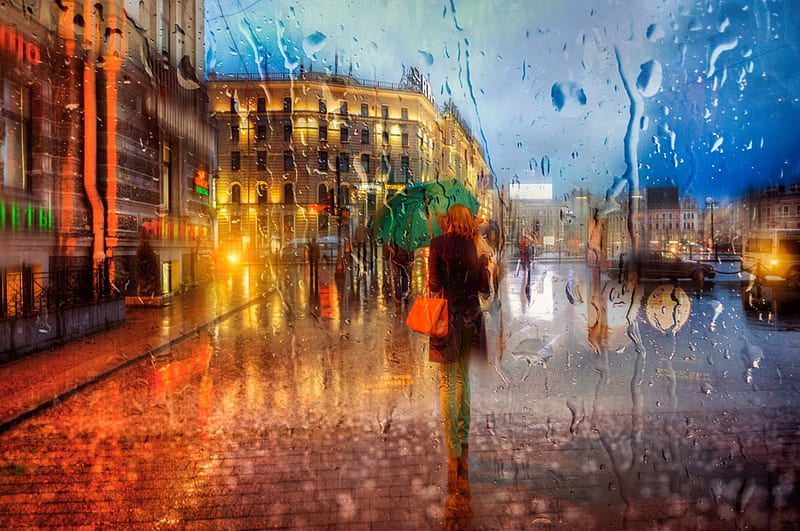





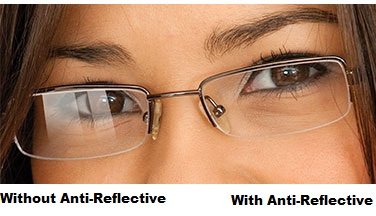

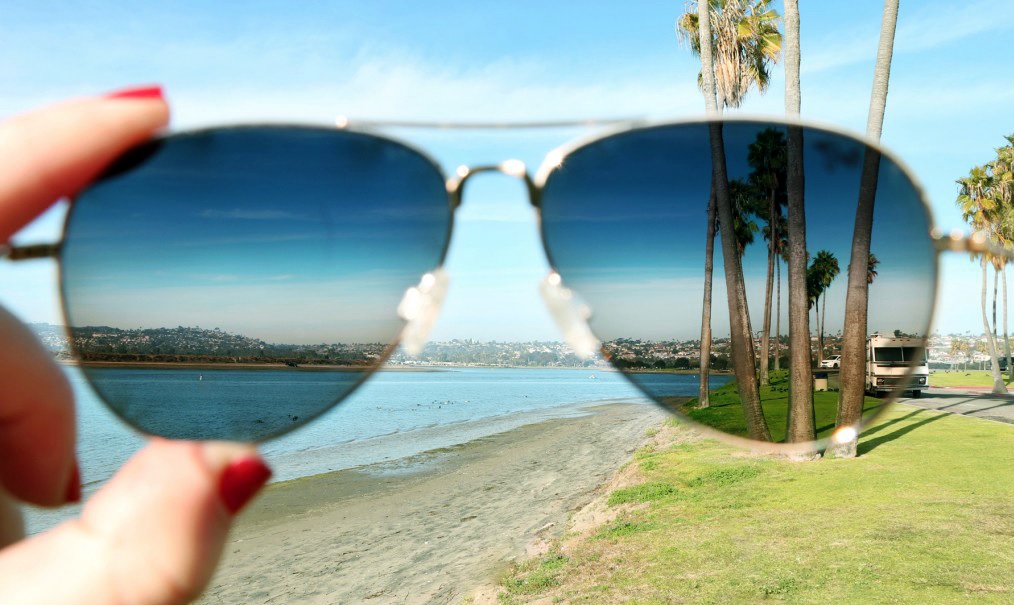
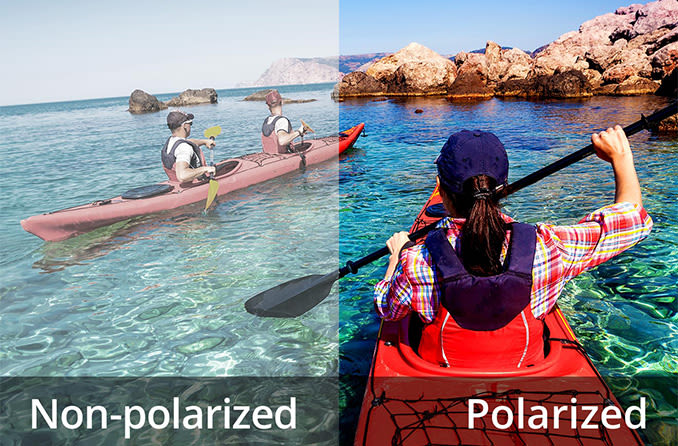

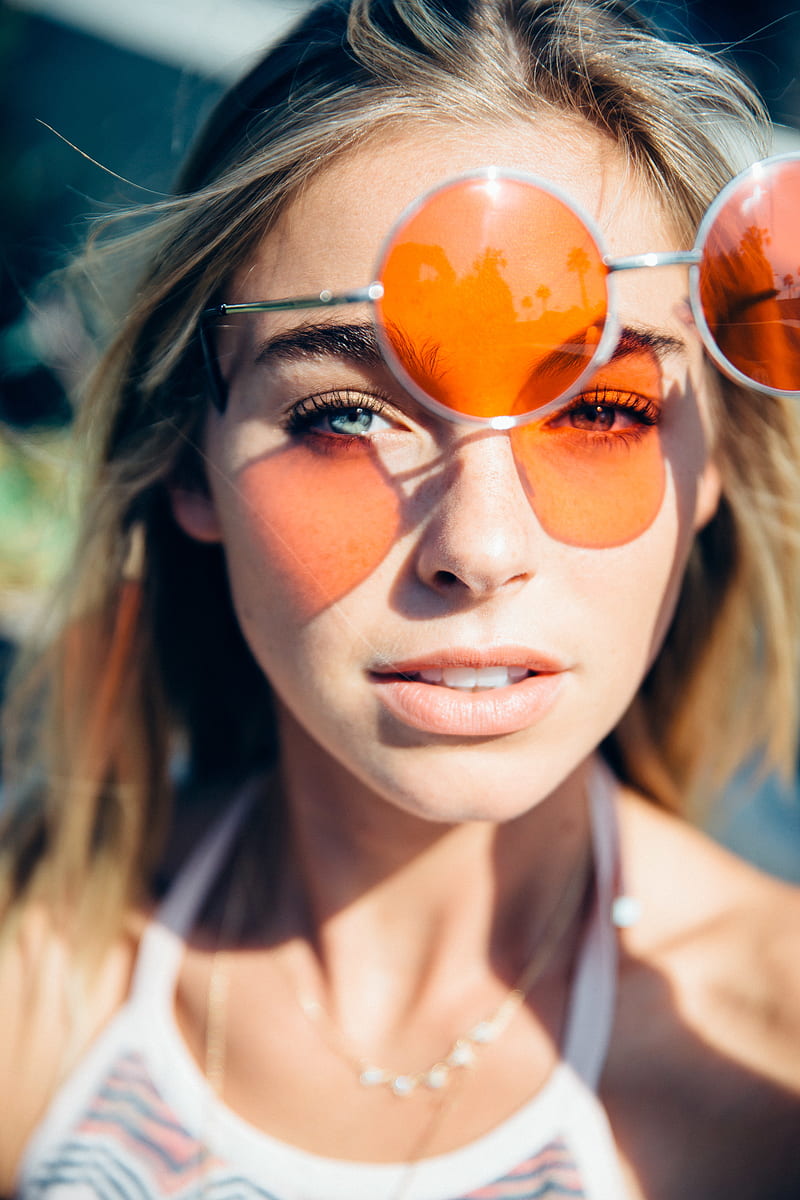



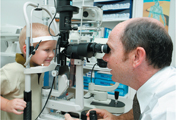



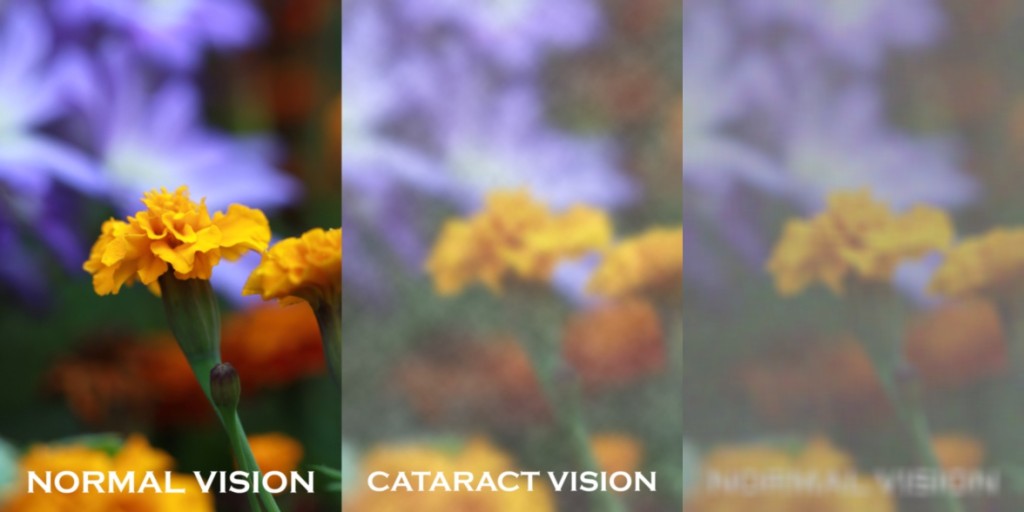

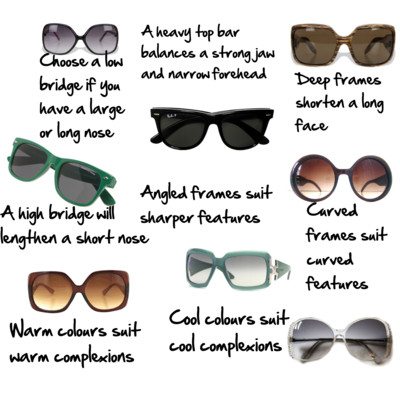

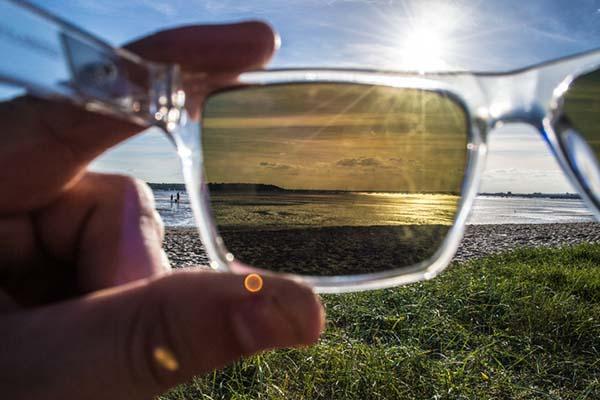



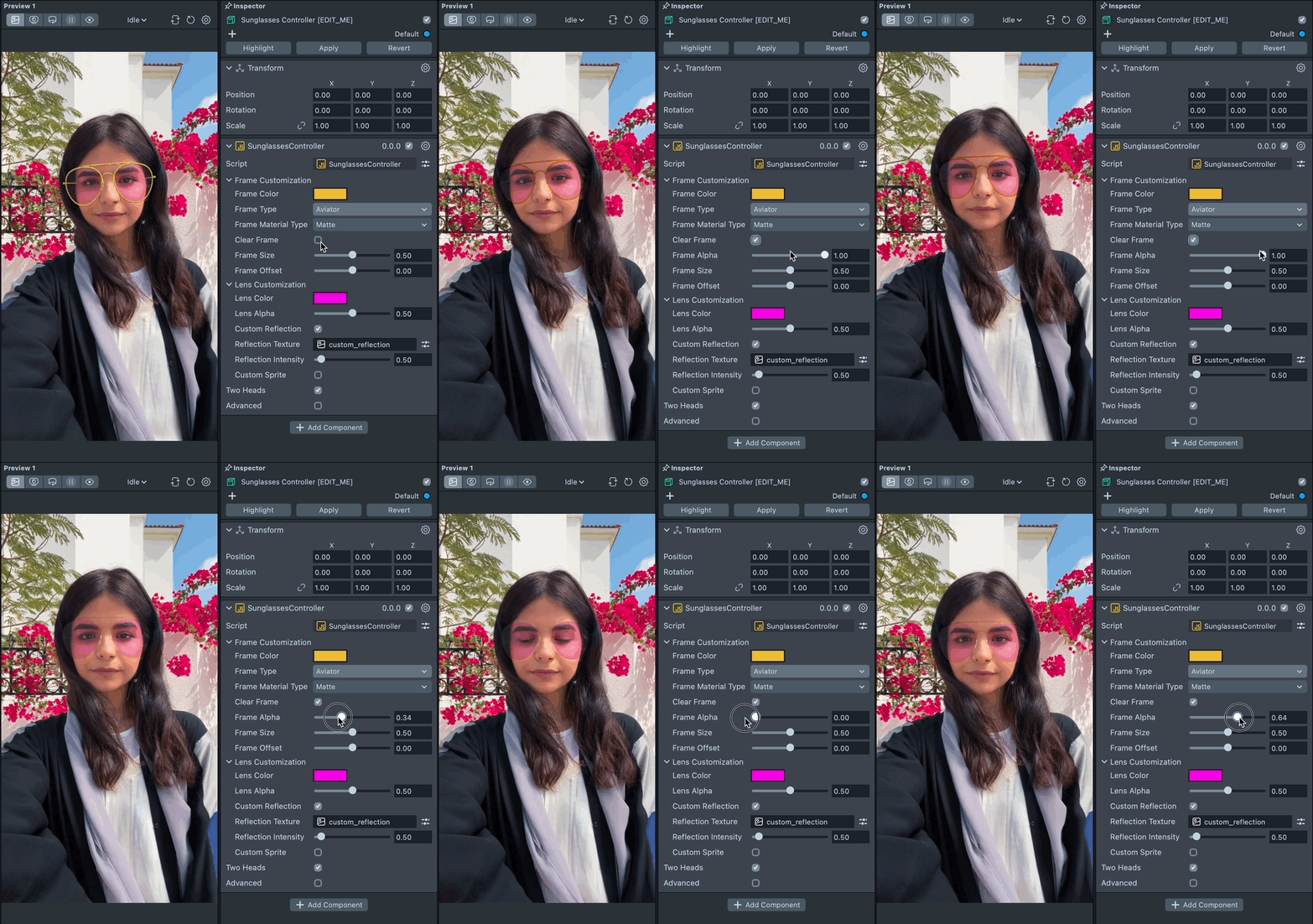




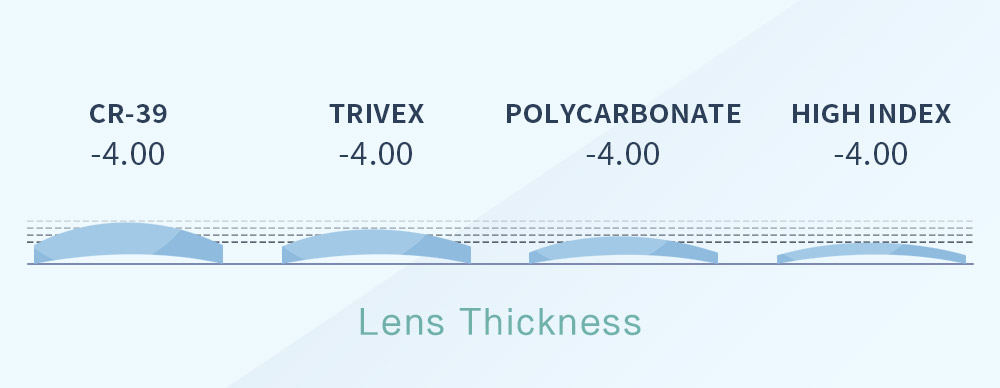
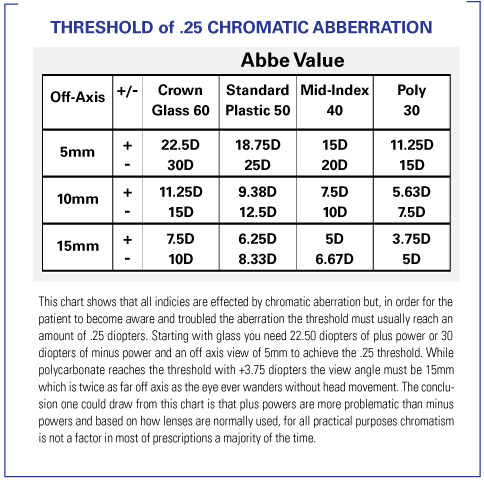
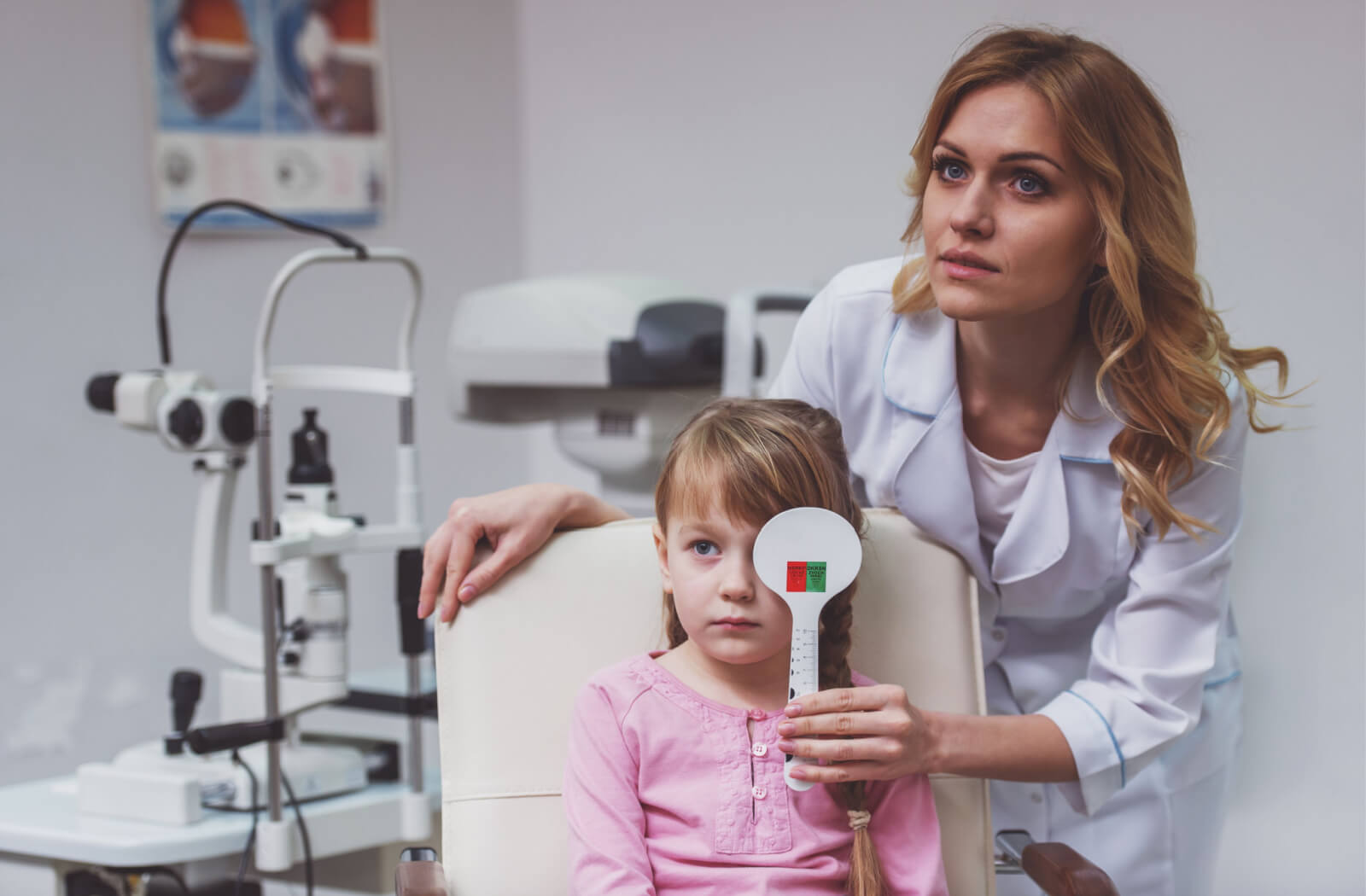

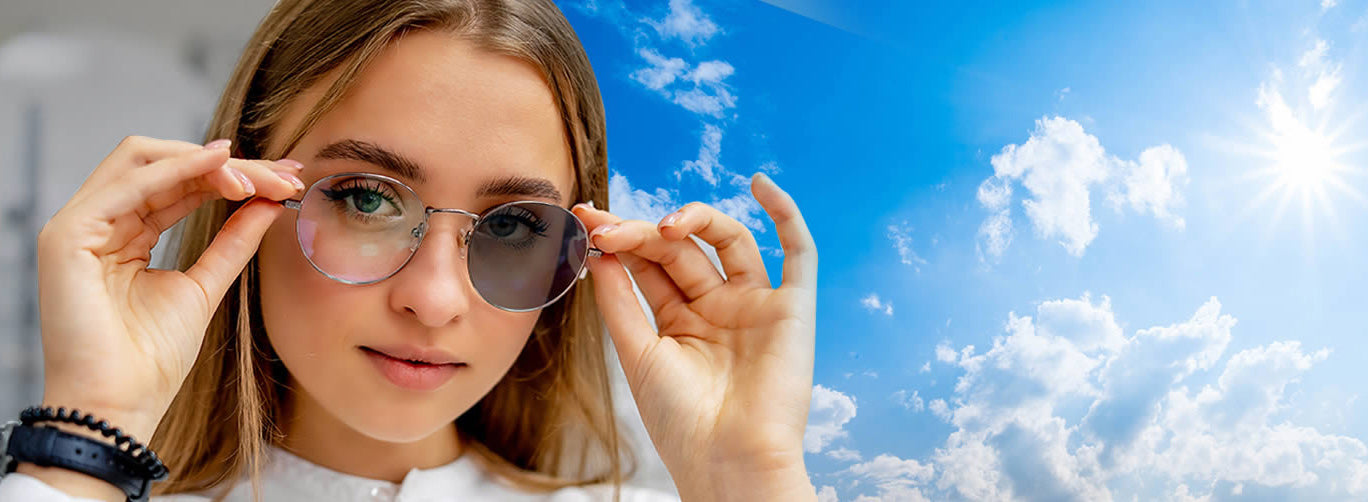
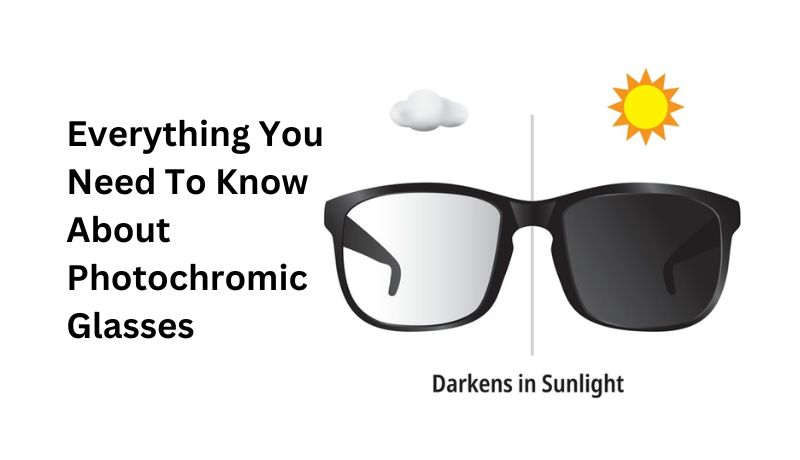
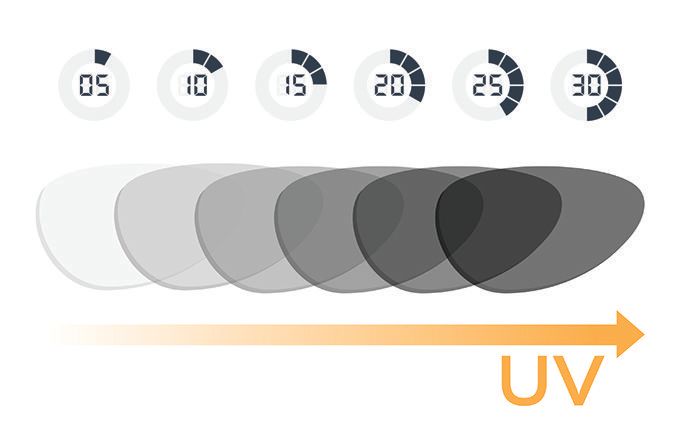

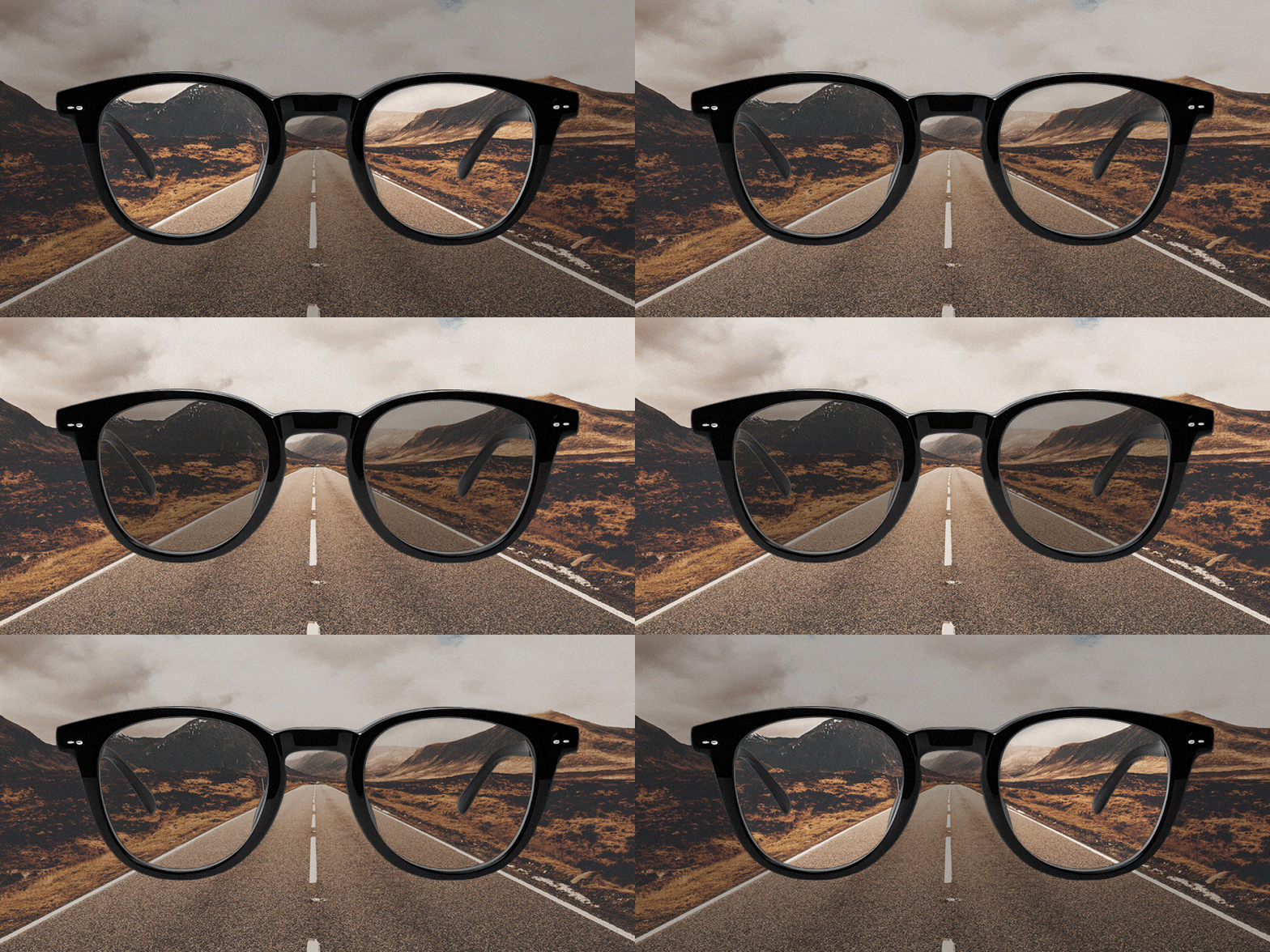

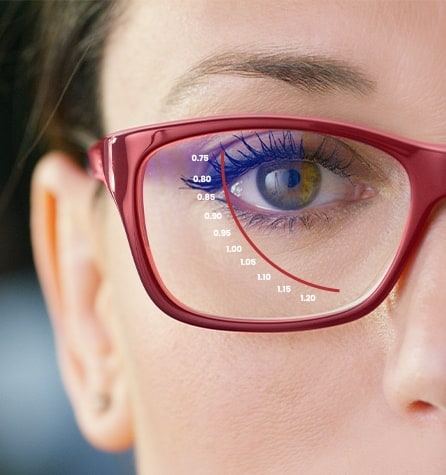

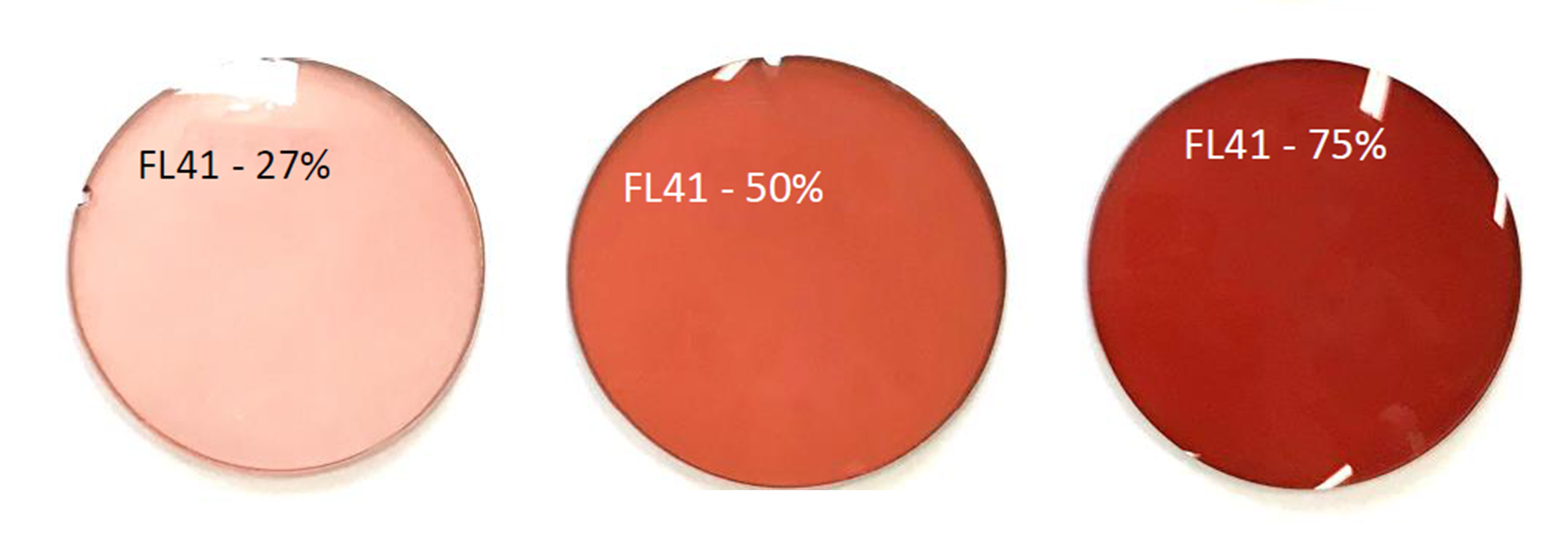
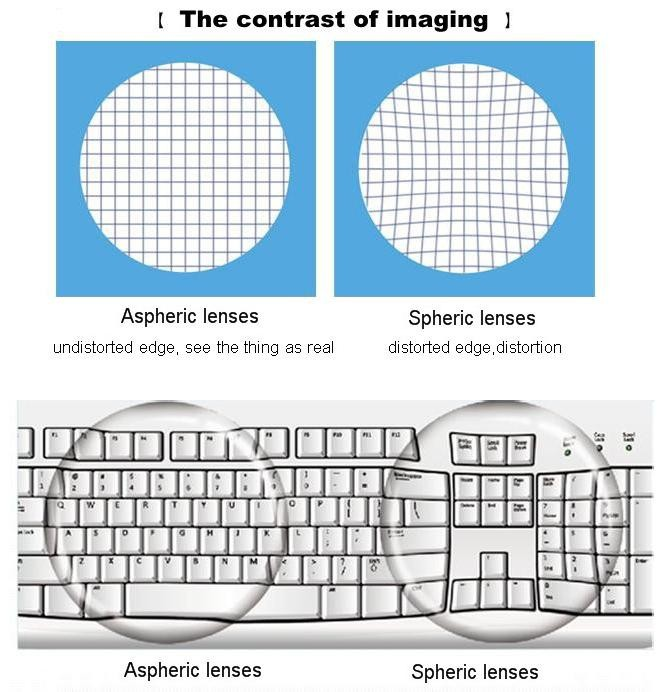
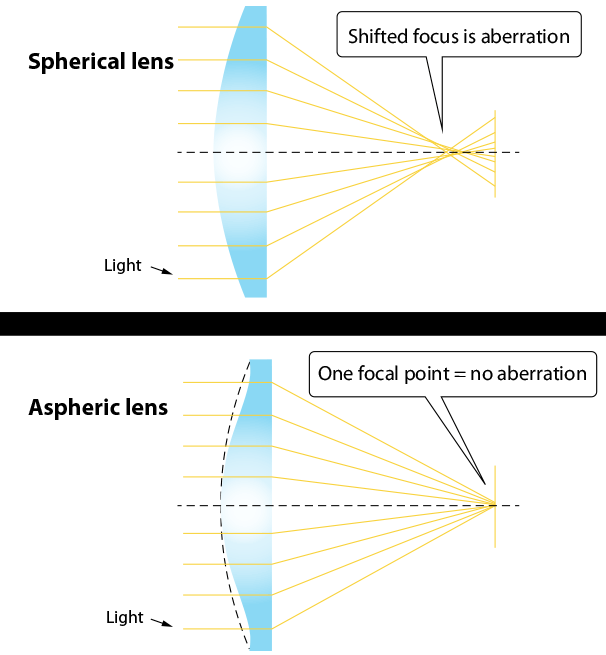
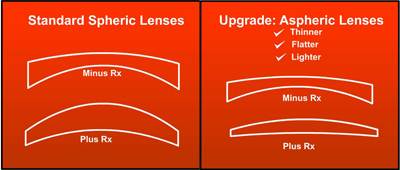

 وبلاگ تخصصی عینک شامل مجموعه مطالب پزشکی است که اطلاعات مفیدی در رابطه با عینک , چشم، لنز، سلامتی چشم و راه های پیشگیری از بیماریهای چشمی، کنترل و درمان آن را در اختیار شما کاربر محترم می گزارد.
