The popularity in Outdoor Sports activities such as mountain biking, rock climbing, snowshoeing, kayaking, golfing and in-line skating, to name just a few, has created a niche for sport and performance-oriented sunglasses.
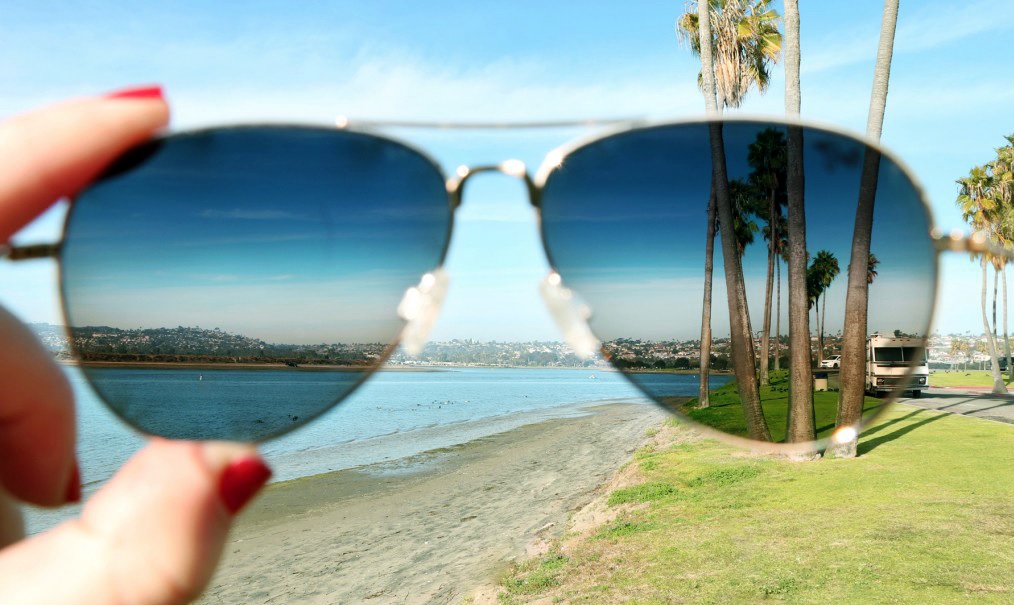
To meet the needs of the demanding sportsperson, eyewear manufacturers have invested much time and resources into technology research and investigated ways of providing the best possible sunglasses for all the different environments and conditions for which people need eye protection from the sun. From these efforts have come fantastic advances in durable and flexible materials for sunglasses which never fail to give the utmost performance to the casual sportsman or the professional outdoorsman.
Unquestionably the most significant feature to be developed in recent years of sports eye wear has been the optical clarity, panoramic field of view, and visual acuity of the lenses. There are many lens colors to choose from, each designed to be effective in some specific outdoor condition. The available choices range from brown, to green, gray, yellow, pink and, can you believe it, orange.
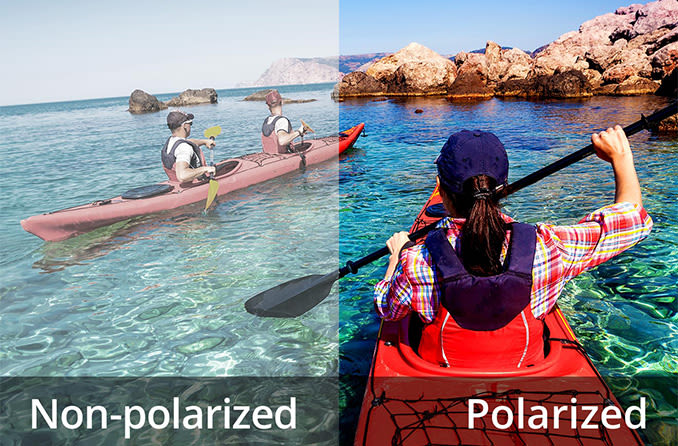
Even more phenomenal are the advances in polarized lenses. These lenses are in high demand because of their ability to lessen glare produced from flat surfaces such as standing water or a snow covered field. There are those who will argue that polarized lenses are not for everyone. For instance, downhill skiers need to see contrast and definition of the terrain to avoid holes and depressions to prevent falls and injuries.
Although glass lenses are still available they are rarely used in sports eyewear. The exception is sunglasses used for golfing which provide superior optical excellence. However, many sportsmen involved in outdoor recreation avoid glass because of the inability of glass to really resist impact from hard objects or debris.
There are numerous sports-related eye injuries each year. Many could have been avoided if the athlete used protective eyewear such as goggles with polycarbonate lenses. Skiers know that goggles are a necessity. So too are baseball or softball catchers, hockey, football players and even paint ballers learning that polycarbonate face shields can prevent eye damage. Ultraviolet light and glare bounce off snow and ice even on overcast days making it necessary for skiers to always wear tinted goggles or Sports Sunglasses. eResearch by Navid Ajamin -- spring 2010
Fishermen and boaters also require protection from UV light reflected off the water. You might even find some contact lenses that also provide extra UV blocking. If you plan on using contact lenses also wear sunglasses since the contacts only provide protection for the center part of your eye and may not provide the necessary full eye coverage.

What does transparent mean in sunglasses?
An object which allows light completely to pass through them is called a transparent object. If the object blocks the light completely, which means it is an opaque object. The sunglasses allow some amount of light to pass through it and forms a grey image.
What do orange polarized lenses do?
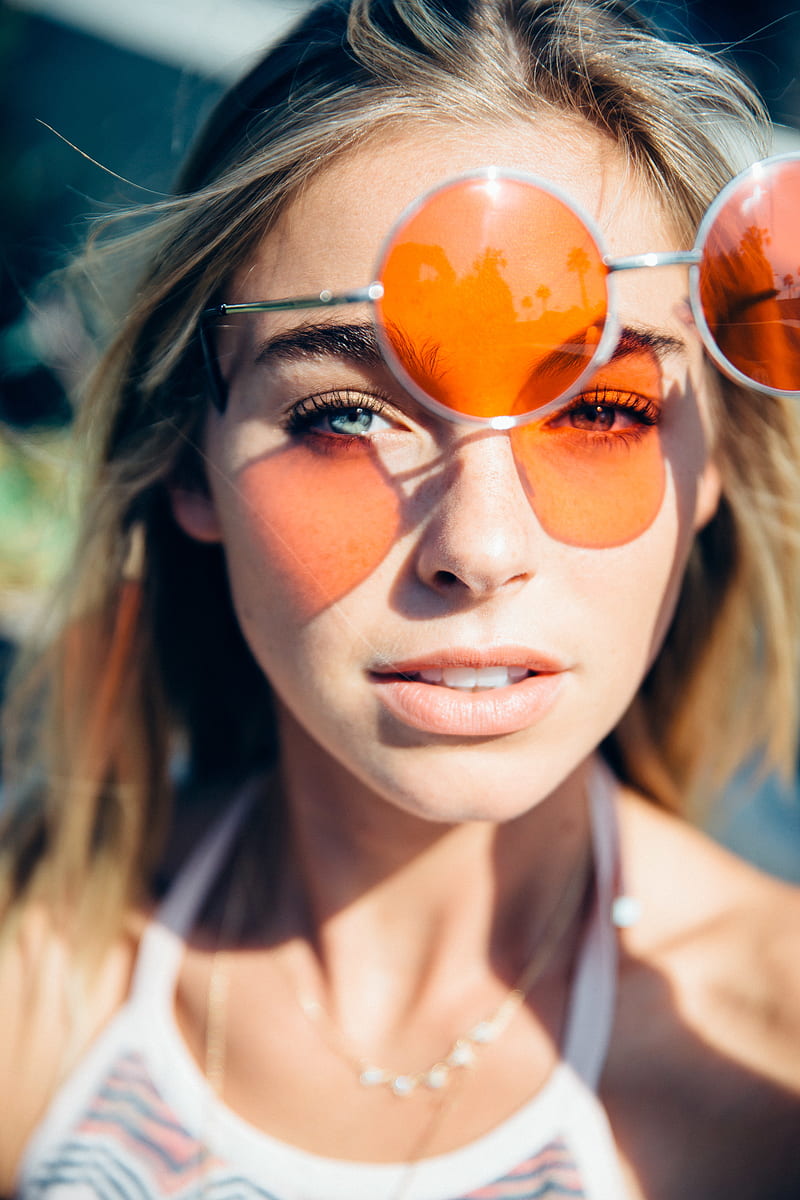
Copper, orange, yellow/amber and brown/bronze lens tints make your environment appear brighter and are commonly used in low-light conditions. These lens tints block blue light and enhance contrast and depth perception making them helpful for overcast, hazy and foggy conditions.
What are orange lens glasses for?
WHEN TO USE: Great for use outdoors where glare is a factor.
ORANGE LENS: The orange lens is like the yellow lens, it offers a high level of contrast and effectively blocks out blue and green light that can cause haze and sharpness reduction.
WHEN TO USE: Great for use in low light conditions indoors.

What is the point of mirrored sunglasses?
As the name suggests, mirrored sunglasses are lenses covered in a reflective coating on the surface that reflects bright, direct light away from your eyes, allowing you to see clearly in outdoor settings.
Is polarized better than UV?
UV protection is more important in terms of the health of your eyes, so if you can't have both, it is generally recommended to opt for UV protection and make sure you wear them whenever you are outside, even on cloudy days.
Are mirrored polarized sunglasses good for driving?
However, the reflective, mirrored coating can sometimes cause the glasses to become too dark, making it difficult to see in low-light conditions, such as dawn or dusk. If you use mirrored glasses, they should not be polarized, as this combination may make visibility difficult.
Are polarized sunglasses better than non-polarized shades?

 What color polarized lens is best?
Gray tint sunglasses are ideal for most outdoor activities. They provide good clarity in bright, high-sky sunny conditions. Gray lenses will not distort colors while providing light reduction like other colors of lenses.
How Polarized Sunglasses Reduce the Glare
o understand how polarized sunglasses work, we need to first recall that the light is emitted from any source is a large number of electromagnetic waves travelling through space. These waves are disorganized since they are oscillating in all possible planes perpendicular to the direction of propagation. The light stays unpolarized until it is, for example, reflected from the surface of the road and when this happens the polarized light becomes very intense which causes the glare. The reflected waves are mainly in the horizontal plane and if we use sunglasses with vertically polarized lenses, we would get rid of the intense light and enhance our vision. This is what polarized sunglasses do. They do greatly improve our vision, especially when driving for a long trip on sunny highways.
Notice on the picture that if we align two pairs of polarized sunglasses at 90° the plane-polarized light is blocked and we couldn’t see the jelly beans anymore.
The plane-polarized light is also obtained when the light passes through a sample of chiral molecule where one enantiomer is present in larger quantity than the other. This difference in the amount of the enantiomers is called enantiomeric excess which can be calculated using a polarimeter.

Reference:
- trans-antarctica.com
- allaboutvision.com/sunglasses/polarized-vs-non-polarized
- priverevaux.com/blogs/eyewear/best-sunglasses-for-driving
- chemistrysteps.com/how-polarized-sunglasses-reduce-the-glare
- libertysport.com/viewpoint/mirrored-sunglasses-vs-polarized-sunglasses
- ppeworksolutions.co.uk/pages/safety-glasses-what-s-with-all-the-different-lens-colours
- hi-techoptical.com/what-are-the-benefits-of-copper-orange-amber-yellow-and-brown-bronze-tints
- ninesoptics.com/blogs/nines-optics-blog/which-polarized-sunglasses-color-is-right-for-different-situations
- turito.com/ask-a-doubt/science-what-kind-of-objects-are-sunglasses-none-of-the-above-opaque-translucent-transparen
 وبلاگ تخصصی عینک شامل مجموعه مطالب پزشکی است که اطلاعات مفیدی در رابطه با عینک , چشم، لنز، سلامتی چشم و راه های پیشگیری از بیماریهای چشمی، کنترل و درمان آن را در اختیار شما کاربر محترم می گزارد.
