A problem in any part of the eye can cause sudden blurry vision, but when present in only one eye, it may be a medical emergency. It should be evaluated and treated by a physician as soon as possible — to prevent permanent damage and vision loss.
Sudden blurry vision may be the body’s warning about a serious health problem. Prompt medical treatment can lead to the best possible outcome.
The following warning signs may be an indication of a serious eye problem. If you experience even one of these, seek emergency medical services immediately for evaluation and treatment:
sudden unexplained change in your vision (e.g., blurred vision)
eye pain
eye injury
signs of a stroke, such as a facial droop, one-sided weakness, or difficulty speaking
marked vision impairment — especially if only in one eye
loss of one aspect of the visual field
sudden blurred vision secondary to a weakened immune system due to conditions like HIV or chemotherapy treatment
Reference: Sudden Blurry Vision: Potential Medical Emergency (assileye.com)
Blurry vision after eating occurs when a rapid increase in blood sugar levels causes the lens of the eye to swell. This changes the shape of the lens, thereby affecting your eyesight.[1]
Blurry Vision Causes [2]
The causes of blurred vision fall into four general categories:
Retinal. There's a problem with your retina, the structure at the back of your eye that senses light.
Clouding. The parts of your eye that light passes through to reach the retina are normally transparent. These include the cornea, lens, and jellylike substance that fills your eyeball, called the vitreous humor. If any of those things is clouded for some reason, your vision will be blurry.
Nerve issues. The path that carries messages from your eyes to your brain is disrupted in some way.
Refractive errors. These refer to problems in the way the light is focused on your retina.
Common signs and symptoms include:
Blurred vision when looking at distant objects
A constant need to strain eyes to look at far objects
Headaches after long periods of reading or other visual activities
Seek medical attentionas soon as possible following an injury, particularly if you have pain in the eye, blurred vision, loss of vision or loss of field of vision.
Eye emergencies include cuts, scratches, objects in the eye, burns, chemical exposure, and blunt injuries to the eye or eyelid. Certain eye infections and other medical conditions, such as blood clots or glaucoma, may also need medical care right away.
There are several simple first aid steps that can and should be taken until medical assistance is obtained.
Burns
Red eye
Double vision
Redness and swelling
Corneal lacerations
Burning or stinging
Blunt eye trauma
Discharge or blood in the eyes
Dealing with scratches or cuts
Objects stuck in the eye
Chemical exposure to the eye
Sensitivity to light
Sudden blurred vision
First aid for eye emergencies:
Chemicals in the eye
Immediatelyflush the eyewith water for at least 15 minutes. Place the eye under a faucet or shower, use a garden hose, or pour water into the eye from a clean container.
If you are wearing contact lenses, do not wait to remove the lenses. Begin flushing the eye immediately. This may wash the lens out of the eye.
Do not try to neutralize the chemical with other substances.
Do not bandage the eye.
Seek immediate medical attention after flushing.
Particles in the eye
Do not rub the eye.
Try to let your tears wash the speck out or irrigate the eye with an artificial tear solution.
Try lifting the upper eyelid outward and down over the lower eyelid to remove the particle.
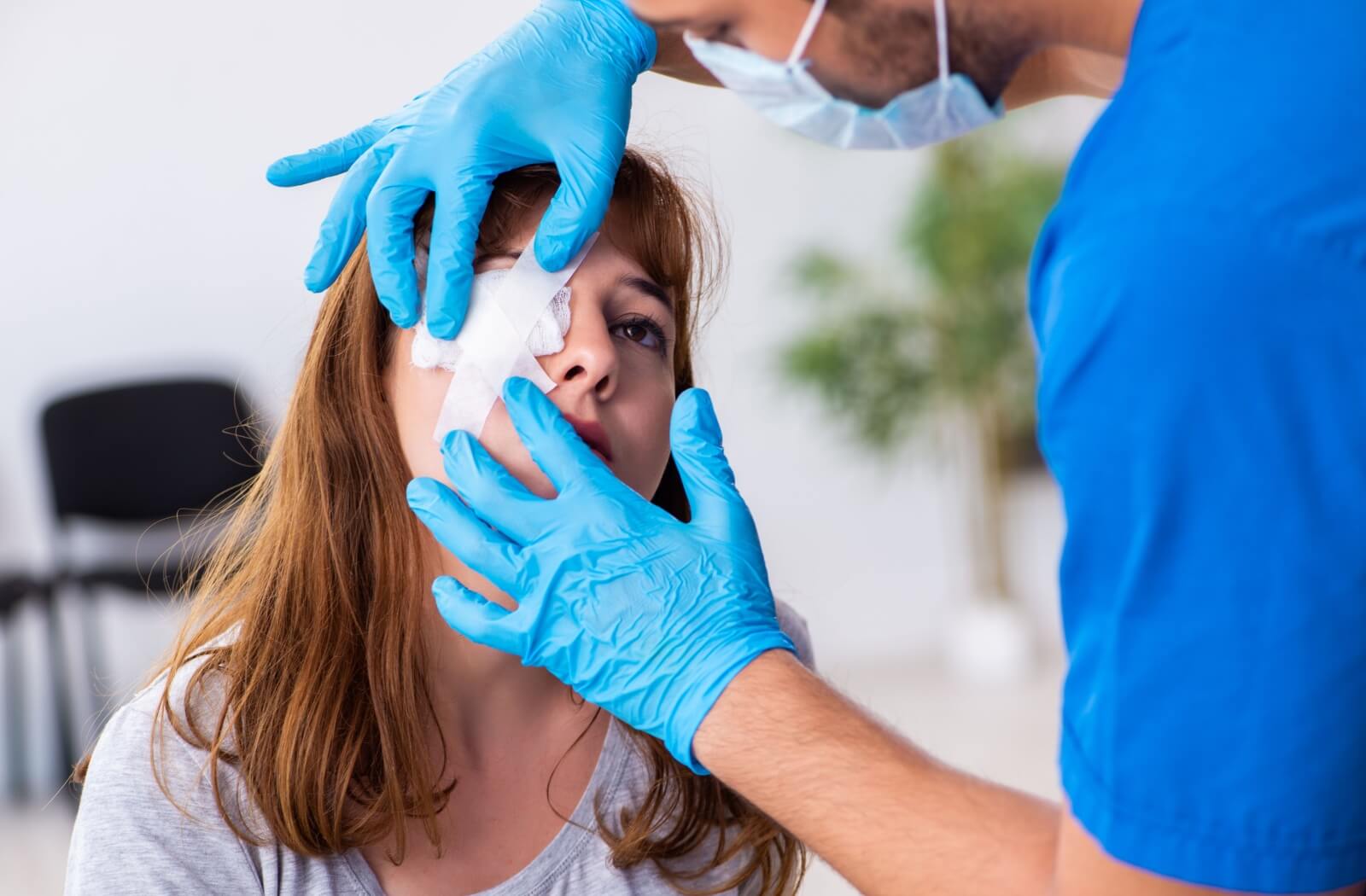
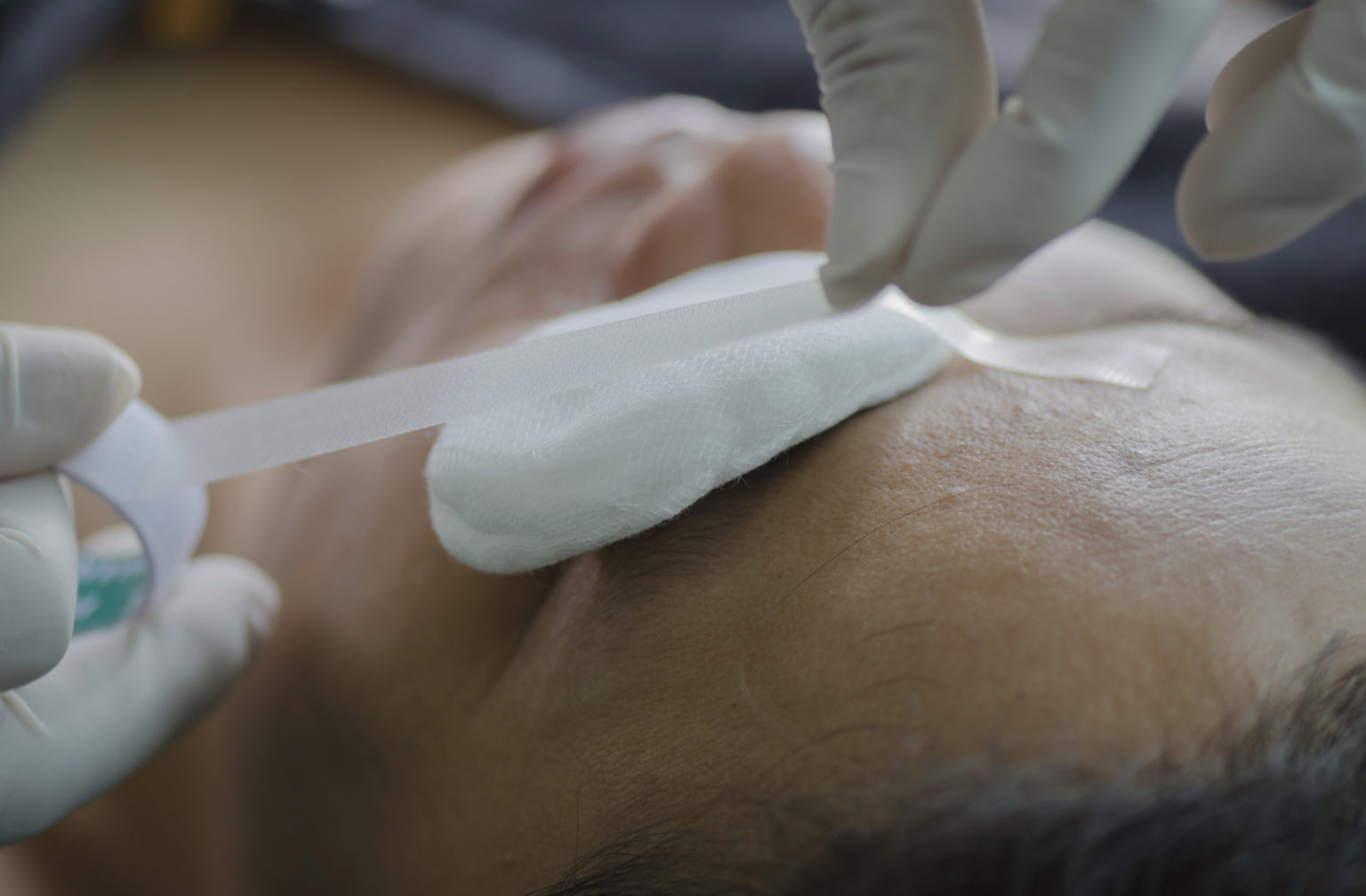
If the particle does not wash out, keep the eye closed, bandage it lightly and seek medical care.
Blows to the eye
Gently apply a cold compress without putting pressure on the eye. Crushed ice in a plastic bag can be placed gently on the injured eye to reduce pain and swelling.
In cases of severe pain or reduced vision, seek immediate medical care.
Cuts and punctures to the eye or eyelid
Do not wash out the eye.
Do not attempt to remove an object that is stuck in the eye.
Cover the eye with a rigid shield, like the bottom half of a paper cup.
Seek immediate medical care.
اورژانس های چشم پزشکی به مواردی گفته می شود که بایستی هرچه سریعتر برای درمان آن به چشم پزشک مراجعه نمود و عدم درمان به موقع، باعث وارد شدن آسیب های جبران ناپذیری به چشم و سیستم بینایی می شود.
ضربه به چشم از علل شایع نابینایی یک طرفه یا دو طرفه در گروه های سنی مختلف بخصوص در کودکان و نوجوانان است.
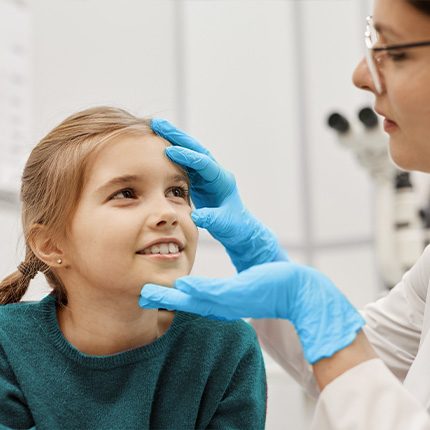
Pediatric eye emergencies
آسيب هاي چشمي ازمهم ترين مسائل طبي و مشكلا ت اجتماعي است. سالانه درجهان حدود نيم ميليون نفر، بدنبال آسيب هاي چشمي کور می شوند. مطالعات روي ترماهاي چشمي(ضربه های چشمی) در دنيا نشان داده است كه شيوع تروما در جوانان و گروههاي سني فعال و افراد با وضعيت اقتصادي و سطح آموزش پائين بیشتر است و منجر به اتلاف هزينه و صرف زمان زيادي از نيروي كار مي شود.
اورژانس های چشم پزشکی عبارتند از :
خراشیدگی و پارگی پلک ها
جسم خارجی ملتحمه یا قرنیه
اجسام خارجی داخل کره چشم
آسيبهاى نافذ و لهشدگى چشم و بافت های اطراف آن به علت ضربه و تصادفات
خون ریزی های داخل کره چشم
سوختگی های شیمیایی و حرارتی چشم
اثر اشعه های تشعشعی بر چشم (اشعه ماوراء بنفش)
قرمزی و درد چشم ها
کاهش ناگهانی دید Sudden decrease in vision
اندوفتالمیت حاد endophthalmitis یا عفونت چشم
Eye emergencies encompass a range of sudden changes in ocular health or vision that require prompt medical attention. These can include injuries, infections, chemical exposure, and other conditions that can potentially lead to vision loss or blindness if not addressed quickly. Examples include foreign objects in the eye, chemical burns, black eyes, and sudden vision changes.
eye trauma with emergency pathologies
Common Eye Emergencies and What to Do:
Foreign Objects: If a foreign object is visible and easily removable, attempt to flush it out with clean water. If it's embedded or causing significant pain, seek immediate medical attention.
Chemical Burns: Immediately flush the eye with copious amounts of water for at least 15-20 minutes and seek emergency care.
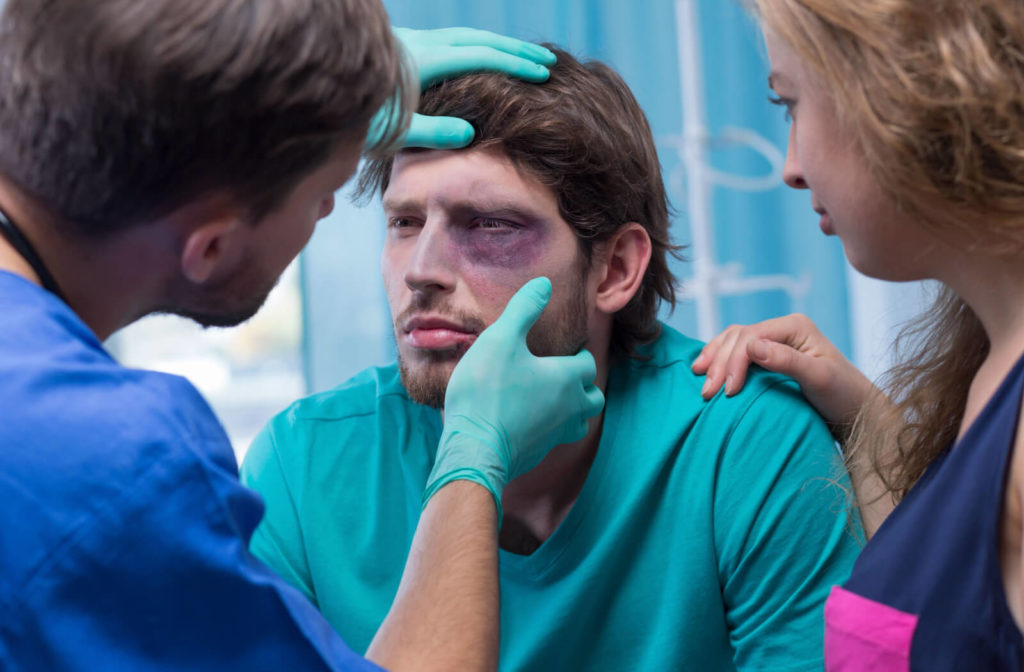
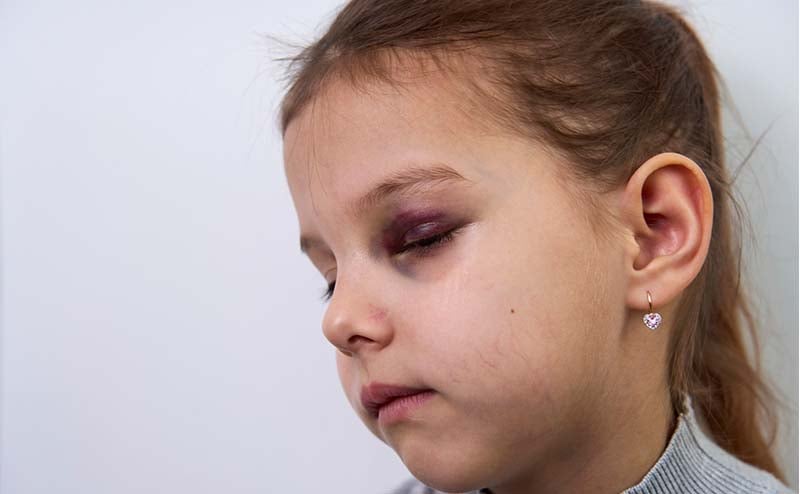
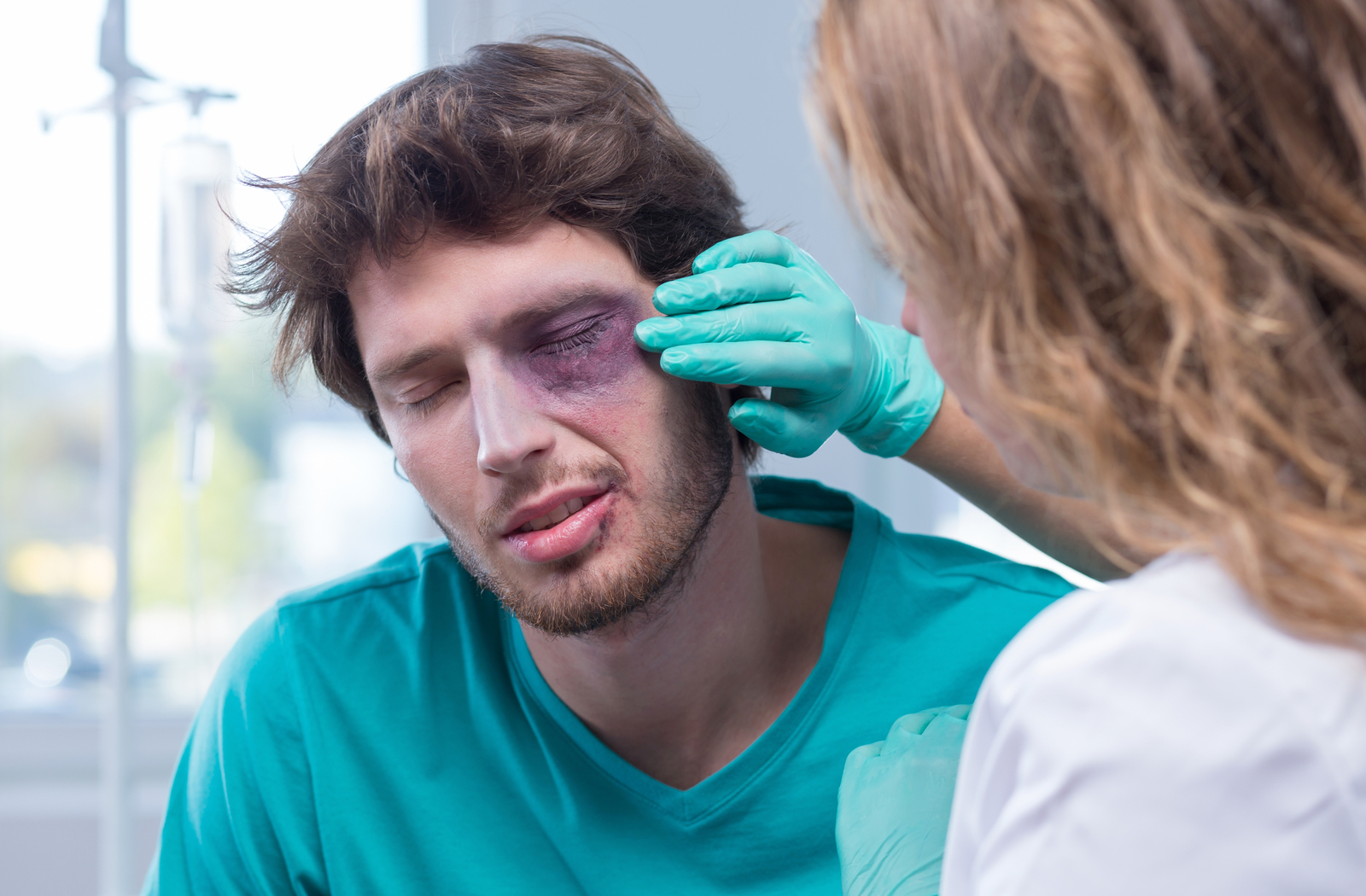
Black Eye: Apply a cold compress to reduce swelling and pain. If there is vision loss or severe pain, seek medical attention.
Sudden Vision Changes: This could indicate a detached retina, glaucoma, or other serious conditions. Seek immediate medical care.
Cuts or Scratches: Cover the eye with a clean bandage and seek medical care to prevent infection and further damage.
Importance of Prompt Action:
Many eye emergencies, if not treated promptly, can lead to permanent vision loss. Early intervention, often within hours, is crucial to preserving sight. For example, a retinal detachment or central retinal artery occlusion, two conditions that can cause sudden vision loss, require immediate treatment to prevent permanent blindness.
Here are five common types of eye emergencies that you need to be aware of and how you should handle them:
1. Black Eye eResearch by Navid Ajamin -- spring 2012
If you have experienced an eye injury that results in a black eye, apply a cold compress gently to the affected area without pressing on the eye itself. Do this several times a day for at least two days. However, visit your optometrist if you are experiencing any of the following:
Blood in your eye
Vision problems
Severe pain
Unusual pupil size or shape
One eye not moving the same as the other
One eye sticking out more than the other
2. Chemical Burn
Many chemical burns can be treated and managed and quick action will mean that your eyesight won’t be permanently affected. If you do experience any type of chemical burn to your eye, here is what you should do:
Determine the nature of the chemical that has caused the burn. Some chemicals should be flushed out with water while other chemical burns could be made worse if you use water.
If it is indicated that you can flush it with water, run your open eye under cool tap water or even jump in the shower.
Continue to do this for 10-15 minutes. This will remove any irritating particles or residual chemicals.
Call your optometrist and let them know what happened. When you go see them, take the chemical with you to accelerate the diagnosis.Eye wounds and emergencies
Note: Chemicals with a high pH level can penetrate your eye and cause permanent damage to your vision. That’s why swift and immediate emergency eye care is a necessity.
3. Viral Conjunctivitis (Pink Eye)
Viral conjunctivitis, also known as pink eye, can be highly uncomfortable. It can cause the surface of your eye to become red, irritated, itchy, or swollen — but you mustn’t rub it. In most cases, the symptoms will disappear within 2-3 weeks and you just have to let things run their course.
Your eye doctor can confirm the diagnosis and provide you with management options including:
Eye drops
Cold compresses
This will help relieve any discomfort you might have. You will be contagious for up to one week after developing the symptoms so talk to your eye doctor about how you can limit your chances of spreading pink eye to others.
4. Floaters and Flashes of Light
Floaters become more common as we age but if you do notice an increase in the quantity, size, or frequency of floaters, this could indicate a serious underlying condition. In such a case, you should contact your eye doctor immediately for an eye exam.
Flashes of light, on the other hand, are not normal and they can suggest some kind of internal trauma to your retina or optic nerve. If you are experiencing any flashes of light, this should be followed by a visit to your Calgary eye clinic.
5. Sudden Changes in Vision
Sometimes, a patient will experience a sudden impairment of vision (or even total blindness). This can happen in one or both eyes. In such a case, time is of the essence and you need to visit your optometrist immediately. At our Calgary eye clinic, our team’s expertise and state-of-the-art equipment make us your best option for diagnosing and treating the problem as quickly as possible.
Why is quick action so important? Quick, proactive action is the best way to try and reverse whatever condition has caused vision impairment and return your vision to normal.
تعریف: اورژانس های چشم و بینائی به مواردی گفته میشود که بایستی در اسرع وقت و فوری اقدام به درمان نمود و عدم درمان به موقع باعث وارد شدن صدمات جبران ناپذیر به چشم و سیستم بینائی می شود.
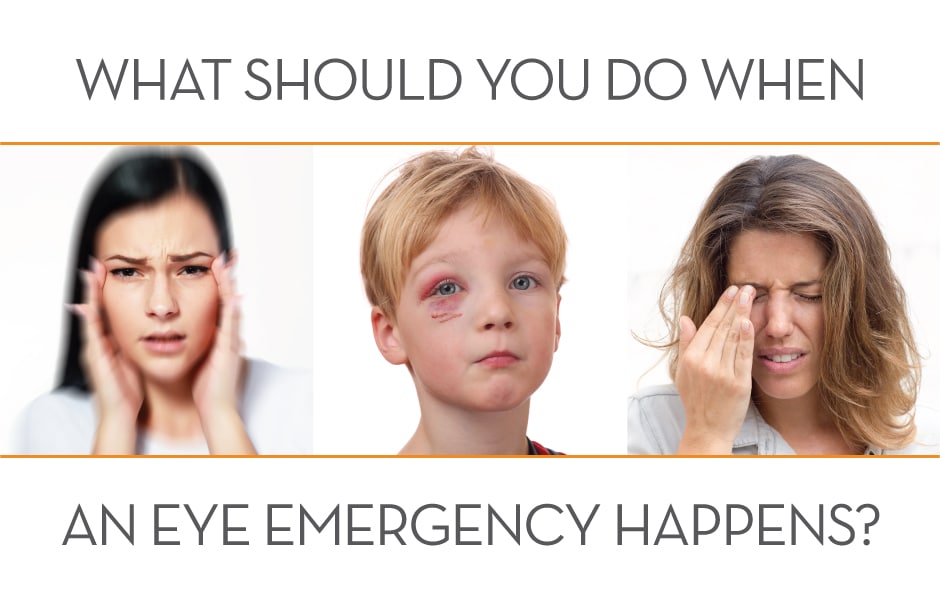
What to Do in an Eye Emergency
An eye emergency occurs any time you have a foreign object or chemicals in your eye, or when an injury or burn affects your eye area.
Remember, you should seek medical attention if you ever experience swelling, redness, or pain in your eyes. Without proper treatment, eye damage can lead to partial loss of vision or even permanent blindness.
Preventing eye injury Eye injuries can happen anywhere, including at home, work, athletic events, or on the playground. Accidents can happen during high-risk activities, but also in places where you least expect them.
What are 5 ophthalmic emergencies?
All ocular emergencies, including a penetrating globe injury, retinal detachment, central retinal artery occlusion, acute angle-closure glaucoma, and chemical burns, should be referred immediately to the emergency department or an ophthalmologist.
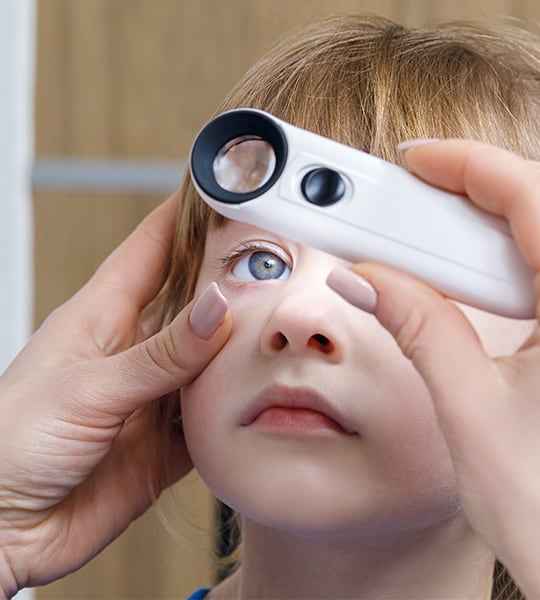
Careful eye examination and simple tests can help primary care physicians make decisions about appropriate treatment and referral. All patients with eye problems should be tested for visual acuity and ocular movements. Confrontation visual field examination, pupillary examination, and direct ophthalmoscopy of both eyes also should be performed. Ocular injury from high-velocity trauma or from chemicals may be easily misdiagnosed. After a chemical burn, thorough eye washing for at least 30 minutes or until the pH of the eye is within physiologic range is critical to prevent further damage. Use of an eye shield is required in patients with a ruptured globe to protect the injured eye and preserve the patient's vision.
There are things you can do to decrease your risk of eye injuries, including:
Wear protective eyewearwhen you use power tools orengage in high-risk sporting events. You’re at an increased risk any time you’re around flying objects, even if you’re not participating.
Follow the directions carefully when working with chemicals or cleaning supplies.
Keep scissors, knives, and other sharp instruments away from young children.
Teach older children how to use them safely and supervise them when they do.
Don’t let your children play with projectile toys, such as darts or pellet guns.
Childproof your home by either removing or cushioning items with sharp edges.
Use caution when cooking with grease and oil.
Keep heated hair appliances, like curling irons and straightening tools, away from your eyes.
Keep your distance from amateur fireworks.
To decrease your chances of developing permanent eye damage,you should always see an eye doctor after you experience an eye injury.
Symptoms of eye injury
Eye emergencies cover a range of incidents and conditions, each with their own distinct symptoms.
You should contact your doctor if it feels like you have something in your eye, or if you experience any of the following symptoms:
loss of vision
burning or stinging
pupils that are not the same size
one eye is not moving like the other
one eye is sticking out or bulging
eye pain
decreased vision
double vision
redness and irritation
light sensitivity
bruising around the eye
bleeding from the eye
blood in the white part of the eye
discharge from the eye
severe itching
new or severe headaches
If there’s an injury to your eye, or if you have sudden vision loss, swelling, bleeding, or pain in your eye, visit an emergency room or urgent care center.
Serious complications can occur from an eye injury. You shouldn’t attempt to treat yourself.
Although you may be tempted, be sure not to:
rub or apply pressure to your eye
try to remove foreign objects that are stuck in any part of your eye
use tweezers or any other tools in your eye (cotton swabs can be used, but only on the eyelid)
put medications or ointments in your eye
If you wear contact lenses, don’t take them out if you think you’ve suffered an eye injury. Attempting to remove your contacts can make your injury worse.
The only exceptions to this rule are in situations where you have a chemical injury and your lenses didn’t flush out with water, or where you cannot receive immediate medical help.
The best thing you can do in an eye emergency is to get to your doctor as soon as possible.
? What conditions are commonly misdiagnosed
Chemical injuries to the eye
Chemical burns result when cleaning products, garden chemicals, or industrial chemicals get into your eyes. You can also suffer burns in your eye from aerosols and fumes.
If you get acid in your eye, early treatment generally results in a good prognosis. However, alkaline products like drain cleaners, sodium hydroxide, lye, or lime can permanently damage your cornea.
If you get chemicals in your eye, you should take the following steps:
Wash hands with soap and water to remove any chemicals that may have gotten on your hands.
Turn your head so the injured eye is down and to the side.
Hold your eyelid open and flush with clean cool tap water for 15 minutes. This an also be done in the shower.
If you’re wearing contact lenses and they’re still in your eye after flushing, try to remove them.
Get to an emergency room or urgent care center as quickly as possible. If possible, continue to flush your eye with clean water while you’re waiting for an ambulance or traveling to the medical center.
Small foreign objects in the eye
If something gets in your eye, it can cause eye damage or a loss of vision. Even something as small as sand or dust can cause irritation.
Take the following steps if you have something small in your eye or eyelid:
Try blinking to see if it clears your eye. Don’t rub your eye.
Wash your hands before touching your eye. Look into your eye to try to locate the object. You may need someone to help you with this.
If necessary, look behind your lower lid by pulling it down gently. You can look under your upper lid by placing a cotton swab on the lid and flipping the lid over it.
Use artificial tear eye drops to help rinse out the foreign body.
If the foreign object is stuck on one of your eyelids, flush it with water.
If the object is in your eye, flush your eye with cool water.
If you cannot remove the object or if the irritation continues, contact your doctor.
Large foreign objectsstuck in your eye
Glass, metal, or objects that enter your eye at high speed can cause serious damage. If something is stuck in your eye, leave it where it is.
Do not touch it, do not apply pressure, and do not attempt to remove it.
This is a medical emergency and you should seek help immediately. Try to move your eye as little as possible while you wait for medical care. If the object is small and you’re with another person, it may help to cover both eyes with a clean piece of cloth. This will reduce your eye movement until your doctor examines you.
Sudden Blurry Vision or Vision Loss
Blurry vision can happen if you have a refractive error like myopia or hyperopia, but sudden blurred vision is concerning. Not all instances of sudden blurry vision are emergencies but seek treatment regardless. Only your eye doctor can determine the cause of your blurry vision.
Sudden blurry vision can be a symptom of:
Detached retinaTreating A Child In An Emergency
Concussion
Stroke
Hyphema
Age-related macular degeneration
Macular hole
Eye infection
Migraine
Eyestrain
If you ever experience sudden vision loss, seek immediate medical attention. Don’t assume this issue will resolve itself—protect your vision by seeing your optometrist.
Corneal Abrasion
A corneal abrasion is a scratch on your cornea. This injury can happen because of contact with dirt, dust, sand, wood, metal, contact lenses, and other materials. You may have a corneal abrasion if you’re experiencing:
Pain
A gritty feeling in your eye
Watery eyes
Redness
Light sensitivity
Headache
You require an assessment after scratching your cornea. In the meantime, you can rinse your eye with clean water to remove as much material as possible and blink several times to get rid of smaller particles.
اورژانس های چشم عبارتند از:
گلوکوم با زاویه بسته AACG
انسداد ورید و شریان مرکزی چشم
سوختگی های شیمیائی
سوختگی های تشعشعی
سوختگی های حرارتی
اجسام خارجی در چشم
پارگی های قرنیه و صلبیه
صدمات اوربیت
نارسائی پیوند چشم
1) گلوکوم
اصطلاحی است برای گروهی از بیماری های چشم به دلیل بالا رفتن فشار داخلی چشم (IOP) آسیب میبیند و در نتیجه بینائی شخص کاهش میلبد و اگر درمان نشود شخص بینائی خود را از دست میدهد.این افزایش IOP به دلیل گیر افتادن مایع زلالیه که بین عدسی و عنبیه جریان دارد می باشد(مایع زلالیه عدسی و قرنیه را تغذیه میکند).
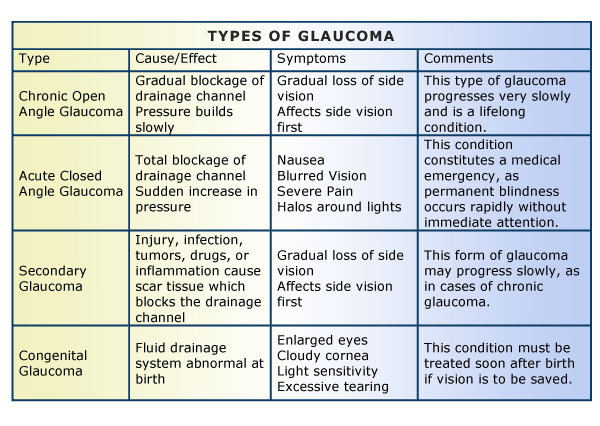
چندین نوع گلوکوم وجود دارد اما یکی از موارد خطرناک گلوکوم که یک اورژانس چشمی است گلوکوم با زاویه بسته می باشد. که عنبیه راه خروج مایع زلالیه را میبندد در نتیجه مایع زلالیه که دائما در حال تولید می باشد.در چشم تجمع پیدا میکند و فشار داخل چشم را به سرعت بالا میبرد.
علائم:
کاهش سریع و پیشرونده بینائی و تاری دید،درد پیرامون چشم،پر خونی ملتحمه(چشم شخص قرمز به نظر میرسد)و احتقان درد ممکن است با تهوع و برادیکاردی(کاهش ضربان قلب) توام باشد،کاهش دید مرکزی،مردمک ها به شکل بیضی عمودی در می آیند و در نیمه متسع تثبیت می شوند و به نور واکنش نمی دهند و قدرت تطابق خود را از دست میدهند.در صورت عدم درمان شخص ظرف ۱-۲ روز بینائی خود را از دست میدهد.
درمان:
جراحی لیزری فوری برای یاز کردن راه خروجی مایع زلالیه و همچنین از داروهای کاهنده IOP مثل پیلوکاربین استفاده کرد. چشم دیگر هم باید بوسیله پیلوکاربین یاجراحی درمان شود تا از حملات بعدی جلوگیری شود.
اگر شخص پیوند چشم زده باشد و دچار نشانه های بالا شد باید هر چه سریعتر به چشم پزشک مراجعه کند.
درمان: تجویز فوری کورتیکوستروئید های موضعی به صورت ساعتی و تزریق کورتیکوستروئیدها در پیرامون چشم می باشد.تمام تلاش ها متوجه جلوگیری از حفظ پیوند است که ممکن است در موارد شدید و مقاوم رد پیوند از عوامل تضعیف کننده سیستم ایمنی بدن استفاده شود.
۳)انسداد ورید و شریان مرکزی چشم:
علائم:دید چشم بطور ناگهانی بدون احساس هیچ دردی از بین میرود.از علت های آن می توان بیماری های دریچه ای قلب،رکود خون وریدی،افزایش غلظت خون و….را نام برد.این بیماری معمولا در افراد با فشار بالا و یا افرادی که دچار ارترواسکلروزیس هستند اتفاق بیافتد.اگر از بین رفتن بیماری به دلیل انسداد ورید و شریان مرکزی چشم باشد و وقت آن از ۱ ساعت بگذرد دیگر کاری نمیتوان انجام داد و بینائی برای همیشه از بین میرود،پس در این گونه موارد فوت وقت اصلا جایز نیست و باید شخص را هر چه سریعتر به چشم پزشک رسانید.
۴ )سوختگی های شیمیائی:
شامل سوختگی های اسید و باز می باشد که هر دو خطرناک است ولی باز از اسید خطرناک تر است و در میان بازها آمونیاک از همه خطرناکتر. بازها چون میتوانند بیشتر در چشم نفوذ کنند و تا مدت بیشتری به آسیبهای خود ادامه دهند.و iop را افزایش دهند.اسیدها به نسبت بازها خطر کمتری دارند زیرا پروتئین های مربوط به بافت های آسیب دیده رسوب کرده و به مانعی در برابر نفوذ بیشتر اسید تبدیل می شوند.
اساس درمان در این مواقع شتشوی چشم تا حدی است که ph چشم نرمال و ph قرنیه به حدود۷/۳-۷/۶ برسد.بهترین مایع برای شتشو محلول نرمال سالین و یا رینگر و اگر نبود آب استریل و یا آب جوشیده سرد شده و یا آب معمولی.باید پشت پلک ها را هم شست و سریع مصدوم را به مرکز تخصصی چشم انتقال داد.
۵)سوختگی های تشعشعی:
در این نوع سوختگی ها معمولا در اثر قرار گرفتن طولانی مدت قرنیه چشم در معرض اشعه های مضر مانند اشعه ماورای بنفش اتفاق میافتد و باعث سوختگی و زخم قرنیه میشود.اهم آن سوختگی در جوشکاران بدون عینک محافظ،اسکی بازان و سوختگی ناشی از لامپ های خورشیدی است.
علائم:درد شدید در چشم،حساسیت شدید به نور و ریزش اشک زیاد می باشد.
اساس درمان در این نوع سوختگی بستن چشم همراه با استراحت و استفاده از مسکن جهت کنترل درد و استفاده از قطره های آنتی بیوتیک و سیکلوپلژیک ها(برای اتساع مردمک چشم)که البته با تجویز پزشک انجام میشود.
اگر لایه های عمقی قرنیه در گیر نشده باشد معمولا ۲۴-۴۸ ساعت بهبودی حاصل میشود.از قطره های تتراکائین منحصرا در بیمارستان برای بیحسی موقت چشم برای عمل جراحی،معاینه استفاده میشود.و در حد یکی دو بار هم مصرف نمیگردد(شخص در هنگام استفاده از این قطره ها نباید چشم خود را بمالد چون ممکن است به قرنیه آسیب بزند.شروع اثر دارو ۲۰ ثانیه تا ۱ دقیقه و اثر آن ۱۰-۲۰ دقیقه باقی میماند.استفاده ی بیش از یکی دو بار به شدت به سلولهای قرنیه آسیب میرساند و زمینه را برای زخم وعفونتهای قرنیه فراهم میسازد،که نتیجه ی نهائی(ایجاد یک بافت جوشگاه)در قرنیه و افت شدید بینائی است.معمولا جوشکارها و تراشکارها ی بدون محافظ که دچار سوختگی قرنیه شده اند از این دارو سر خود و به دفعات زیاد مصرف میکنند و در نتیجه دچار مشکل میشوند.این افراد حتی بدون درمان ۶-۸ ساعته خوب میشوند و درد آنها تسکین می یابد.این افراد باید در طول ۶-۸ ساعت چشمها را بسته و از مسکنهایی مثل استامینوفن با یا بدون کدئین استفاده نمایند و استراحت کنند.
۶)سوختگی های حرارتی:
در سوختگی های حرارتی به علت بسته شدن غیر ارادی پلک ها اغلب تنها پلک ها آسیب میبینند و قرنیه آسیبی نمیبیند.تورم و قرمزی پلکها از علائم مهم این عارضه است.
کمک های اولیه شامل شستن چشم ها با آب فراوان است تا حرارت چشم گرفته شود و بعد باید چشم را پانسمان کرد و شخص را به مرکز درمانی مربوطه رساند.
اساس درمان در سوختگی های چشم مانند درمان سوختگی های سایر نقاط بدن است.یعنی استفاده از مسکنهای سیستمیک مانند مرفین و استفاده از پمادهای آنتی بیوتیک مانند تتراسیکلین،و یکی از مهمترین اقدامات دوختن پلک های بالا به پلک های تحتانی با نخ بخیه ۴ صفر سیلک است.تا از بروز چروکیدگی پلک و برگشتن پلک ها به سمت خارج جلوگیری شود.
۷)اجسام خارجی در چشم:
چنانچه اجسام خارجی در سطح قرنیه یا ملتحمه باشد و فرو نرفته باشد میتوان آن را از سطح قرنیه برداشت ولی اگر احتمال فرو رفتن آن باشد نباید دستکاری کرد و باید یک لیوان کوچک یا کاپ چشمی روی چشم گذاشت و بعد چشم را با باند بست.این عمل به این خاطر است که پانسمان روی چشم فشار وارد نکند و باعث تخلیه محتویات چشم نشود.
اجسامی مثل آهن،استیل،مس،و سبزیجات میتوانند موجب واکنش التهابی شدید شوند.اگر اجسامی مثل میخ یا چاقو در چشم فرو رفته باشد باید ابتدا در دو طرف آن ۲ باند گذاشت و یا با باند امامه ای آن را فیکس کرد و بعد ۱ لیوان روی آن گذاشت تا به چاقو یا جسمی که در چشم فرو رفته فشار نیاید و بیشتر در چشم فرو نرودبعد لیوان را با باند فیکس کرد.
در تمام موارد بالاباید هر دو چشم بست زیرا حرکت چشم سالم چشم آسیب دیده را هم تکان میدهد و باعث آسیب بیشتر آن میشود.در صدمات نافذ چشم آسپیرین منع مصرف دارد زیرا باعث تداوم خونریزی میشود.در صدمات نافذ چشم در صورت عدم حس نور تخلیه ی اولیه کره ی چشم انجام میشود که طی آن محتویات چشم با مقداری عصب بینائی خارج میشود. این عمل باید ظرف ۲ هفته از صدمه ی اولیه انجا م شود و گرنه باعث بروز افتالمی سمپاتیکی (ophthalmia sympathetic) میشود که التهاب ناشی از صدمه چشم مبتلا به چشم سالمتر نیز سرایت میکند و آن را نابینا میگرداند.
۸ )پارگی های قرنیه و صلبیه:
بسیار خطرناک هستند زیراقسمت های درونی چشم در معرض عفونت قرار میگیرند و در نتیجه دچار آسیب میشوند.در هنگام وارد شدن ضربه های سنگین و احتمالیه پارگی قرنیه و صلبیه نباید به چشم فشار آورد یا آن را پانسمان کرد زیرا ممکن است محتویات چشم در اثر فشار بیرون بریزد پس باید به شیوه ای که در بخش اجسام خارجی گفته شد با یک لیوان کوچک یا کاپ چشمی چشم را بست.
درمان شامل دوختن پارگی و پیشگیری از عفونت است که توسط پزشک انجام میشود.
۹)صدمات اوربیت:
در صدمات اوربیت چون صدمه به جمجمه خورده است اول باید علائم مغزی راچک کرد و وضعیت او را پایدار کرد بعد بینائی را چک نمود.بعد از پایداری وضعیت مصدوم برای وسعت صدمات چشم در اولین فرصت بینائی شخص را کنترل کرد که در چه حدی است.کره چشم باید از نظر صدمات بافت نرم مورد نظر قرار گیرد.
در ضربات کند مثل ضربه مشت ،زانو،آرنج،توپ گلف، و تنیس چون یک مرتبه اثر این ضربات فشار داخل اوربیت زیاد میشود استخوان کف اوربیت که کمترین مقاومت را دارد میشکند. در صدمات اوربیت نیز اگر خونریزی دارد باید هر چه سریعتر مصدوم را به مرکز تخصصی چشم انتقال داد.
پیشگیری از صدمات چشم:
هنگام سرخ کردن غذا در ماهی تابه کاملا آن را به روغن آغشته کنید تا از پاشیده شدن روغن به بیرون جلوگیری شود.
هنگام استفاده از مواد شیمیائی قوی از عینک ایمنی استفاده کنید و بعد از استفاده دست های خود را خوب بشورید.
برای حفاظت چشم در برابر اشعه های نور خورشید از عینک استفاده نمائید.
۴-در باغ یا جنگل مراقب برخورد شاخه درختها با چشم و صورت خود باشید.
به کسی اجازه ندهید جلو یا کنار ماشین چمن زنی بایستد.سنگها را از جلوی ماشین چمن زنی بردارید زیرا ممکن است با برخورد و یا از زیر ماشین در برود و صدمات جدی و شدیدی را به چشم وارد کند
برای مشاهده ی نور ماشین در شب از چراغ قوه استفاده نمائید و از کبریت یا شمع استفاده نکنید.
در هنگام استفاده از کابل پرشی در استارت ماشین از عینک محافظ استفاده نمائید.ابتدا اطمینان پیدا کنید که شخص با ماشین در تماس نیست،مطمئن شوید که کابل های مورد استفاده با هم اتصال ندارندو هرگز کابل را به پایانه ی منفی باطری وصل نکنید.
در ورزشهای تنیس،اسکواش و از این قبیل مراقب برخورد توپ با چشم باشید
در هنگام آتش بازی به کودکان اجازه ندهید آتش را شعله ور کنند و مواد محترقه در آتش بریزنند.سعی نکنید خاکستر را دوباره شعله ور کنید و در پایان روی آن آب بریزید.
وبلاگ تخصصی عینک شامل مجموعه مطالب پزشکی است که اطلاعات مفیدی در رابطه با عینک , چشم، لنز، سلامتی چشم و راه های پیشگیری از بیماریهای چشمی، کنترل و درمان آن را در اختیار شما کاربر محترم می گزارد.








 وبلاگ تخصصی عینک شامل مجموعه مطالب پزشکی است که اطلاعات مفیدی در رابطه با عینک , چشم، لنز، سلامتی چشم و راه های پیشگیری از بیماریهای چشمی، کنترل و درمان آن را در اختیار شما کاربر محترم می گزارد.
