این روزها بحث آلودگی هوا و وجود ذرات ریز معلق در آن، از جمله مهمترین موضوعاتی است که بر سلامتی ما سایه افکنده است. شاید تاثیر آلودگی هوا بر ریه و قلب مشخصتر از دیگر اندام های بدن باشد و کمتر کسی از تاثیر این آلودگیهای زیستمحیطی بر روی چشم اطلاع داشته باشند. این مشکل در کلانشهرها بهویژه در تهران بارزتر است.
تقریبا همه تاثیر آلودگی هوا را در بدن خود حس میکنند. در هوای آلوده، دود ناشی از سوخت خودروها، ریزگردها، مونوکسیدکربن، دیاکسیدنیتروژن، ازن، آلایندههای آلی، ذرات غیرعادی دیگر مثل آزبست، همه و همه تاثیرات مضر جبرانناپذیری روی بدن انسان میگذارند. البته آثار آلودگی هوا بر افراد، با مشکل قلبی و ریوی قابل مشاهده است. تنگی نفس و کبودی لبها از علایم آن میباشد.
ریزگردها ذراتی بسیار ریزتر از شن و به قطر چند میکرون هستند که به راحتی در ریه رفته و حتی از آن عبور می کنند و در طولانی مدت در عروق ریز رسوب کرده و باعث التهاب عروق میگردند (شبیه به آترواسکلروز) و باعث کمشدن کیفیت خونرسانی به چشم ها میشوند که درست مثل افزایش میزان مونوکسیدکربن خون، باعث خاکستری دیدن رنگها میگردند.
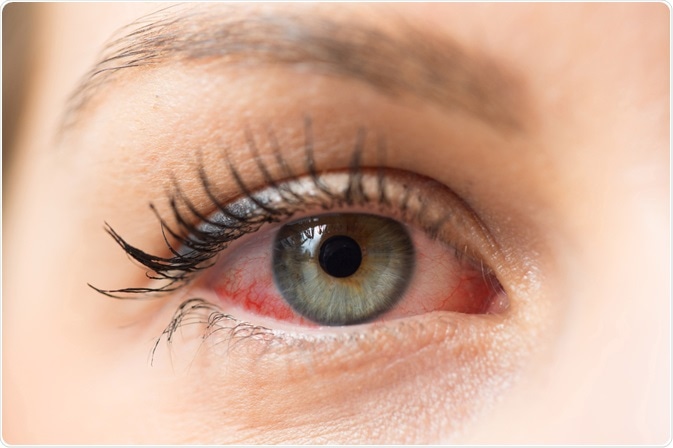
وقتی خونرسانی و اکسیژنرسانی به چشم مختل شود، در طولانی مدت باعث ایجاد آب مروارید میگردد (درست مثل عوارض سیگار).
قدرت چسبندگی مولکول های مونوکسیدکربن به گلبولهای قرمز خون، 200 برابر مولکول های اکسیژن است. در هوای سالم 6 ساعت و با کپسول اکسیژن خالص سیدقیقه طول میکشد تا مونوکسیدکربن از خون برود و خون پاک شود.
غیر از مونوکسیدکربن و دیاکسید نیتروژن، سرب نیز در هوا وجود دارد. سرب با غلظت 60 میکروگرم در دسیلیتر خون، سبب افزایش ورم مغزی میشود که علایم آن سردرد و کاهش دید است و حاصل مسمومیت مزمن آن کمخونی، افسردگی و کند ذهنی میباشد.
اشک ریزش
ذرات شیمیایی موجود در هوا مثل نیتراتها و ازون، سبب ایجاد سوزش چشم ناشی از اسیدی شدن سطح اشک میگردند و قرمزی و اشکریزش ایجاد میکنند (مثل بوی پیاز پوست کنده که با ایجاد اسید سولفوریک در چشم، اشک ریزش ایجاد میکند).
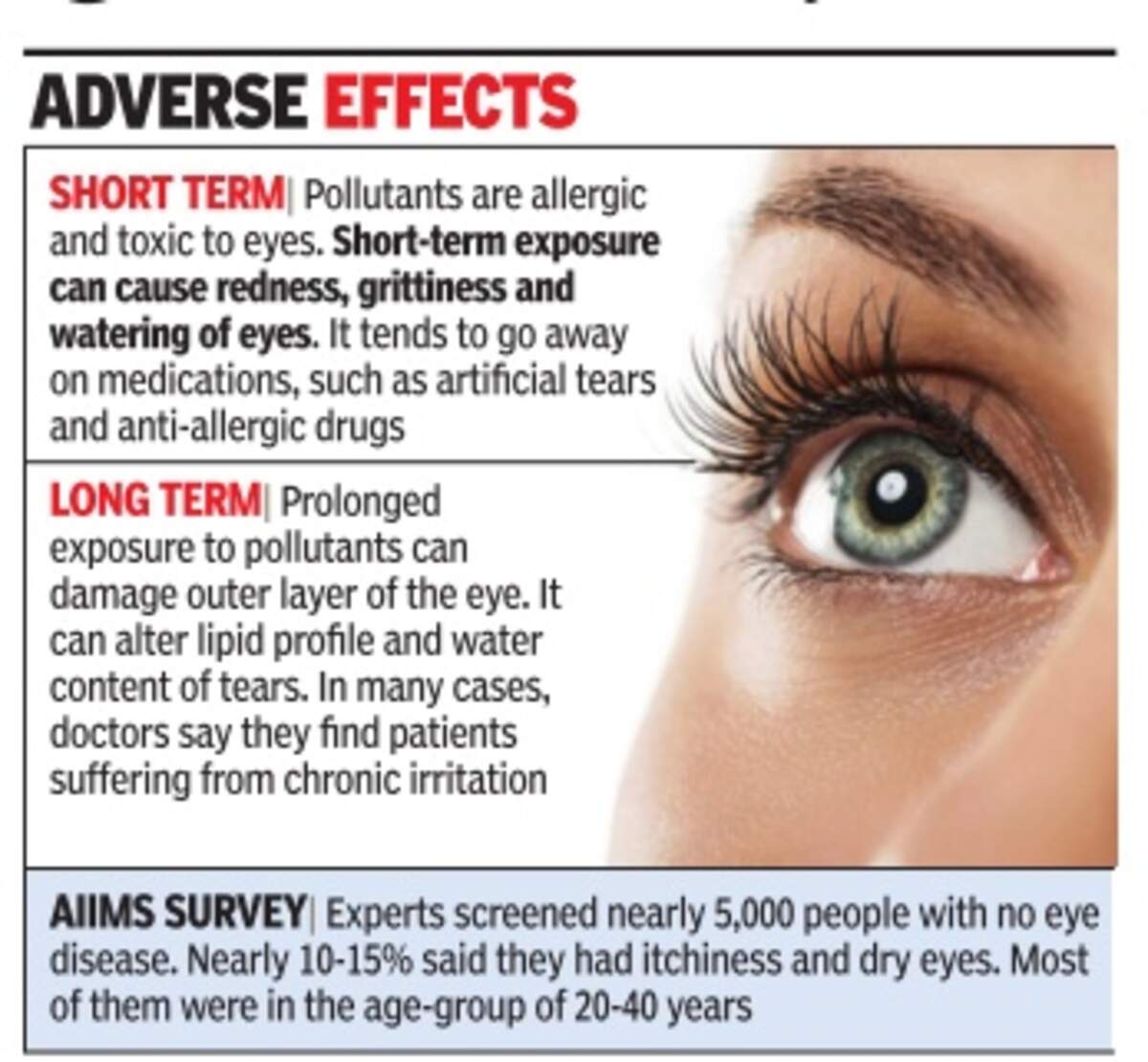
Studies have also linked high air pollution levels to increased occurrences of dry eye syndrome. Dry eye syndrome is a chronic condition in which your eyes can’t produce the right amount of tears to stay wet. This lack of moisture makes your eyes feel gritty, scratchy, or itchy, or produces a burning sensation.
Another study has shown some correlation between the levels of oxidants in the air and eye irritation at certain times of the year. The presence of aerosol is also suggested to be a critical factor. Oxidants can dissolve in the tear film and acidify it, further irritating the mucous membrane of the eye.
Commonly found air pollutants in metropolitan cities include:
- Carbon monoxide
- Nitrogen dioxide
- Sulfur dioxide
- Arsenic, asbestos, benzene, lead, chlorofluorocarbons, particulate matter and dioxin
Symptoms in the Eye

The frequently observed symptoms of air pollution-induced eye problem include:
- Burning and redness
- Irritation
- Watering
- Discharge
- Allergy with severe itching, redness, discharge, swelling of the eyes and difficulty in opening them
- Increased risk of infections
- Itching
- Gritty sensation
- Visual difficulties including refractive errors and impaired color vision
- Cataracts
- Cancers
- ...
The treatment of eye symptoms without infection or allergy is simply to cool the eyes by washing them gently with clean water, followed by a cool compress. Lubricating eye drops and using sunglasses are also helpful options. Contact lenses and eye makeup should be avoided until the eyes are healed completely.
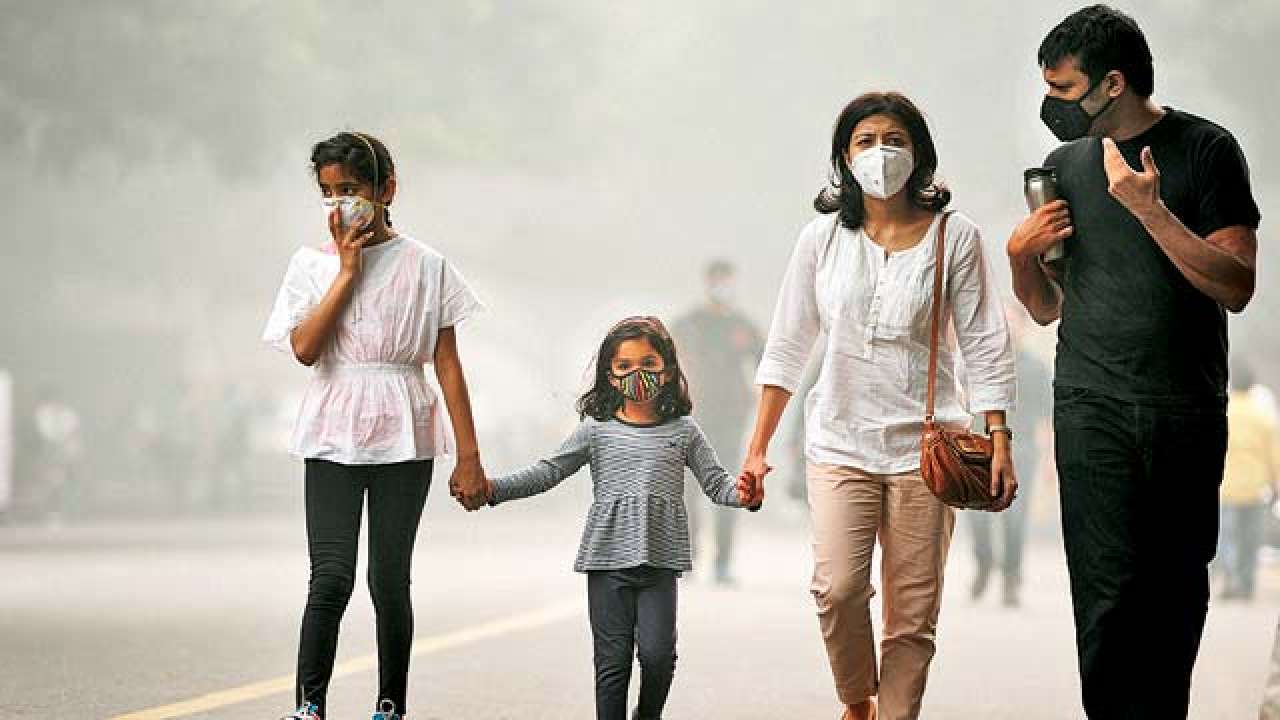
While you can’t always prevent dry eye syndrome as acquiring of this condition increases with age, there are many steps you can take to minimise your risk of infections.
These include: eResearch by Navid Ajamin -- winter 2009
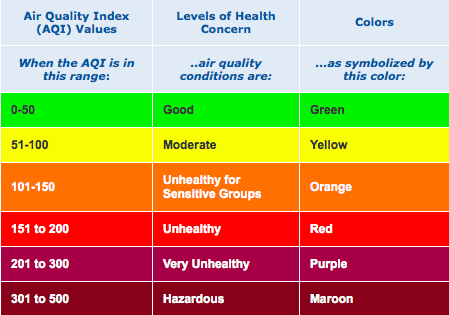
- The golden rule, of course, would be to avoid exposure to harmful pollutants. On days when the pollution levels are such that there is a public health warning, please stay indoors, especially in the early hours of the morning when the pollution levels are at their peak. In case you cannot avoid exposure to the environment and have to step out, make sure you wear protective eyeglasses which will minimize your exposure to the pollution causing agents.
- Wearing sunglasses or goggles while outdoors.
- Avoiding vigorous eye rubbing in case of irritation.
- Taking plenty of fluids to stay hydrated - if you don’t have enough water in your body, you won't be able to produce the amount of tears you need for pain-free eyes.
- Using lubricating eye drops given by eye specialists.
- Not wearing contact lens and eye makeup if eyes are feeling sore.
- Not smoking since cigarette smoke quickly dries out your eyes and cause constant eye irritation.
- Installing a high-quality air filter at home to keep outdoor air pollutants out of your nest.
- Have a healthy diet rich in Omega 3 fatty acid including lots of green leafy vegetables, carrots, spinach, almonds, walnuts, berries and fish which are extremely good for the eyes.
- Avoid the excessive use of screen devices, including mobile phones and laptops. If essential, ensure adequate periods of rest to avoid eye fatigue, dry eyes, and computer vision syndrome.

نفس کشیدن زن باردار در هوای آلوده باعث کند ذهنی جنین او به علت افزایش میزان سرب، مونوکسیدکربن و آلایندههای آلی در خون مادر میگردد. استفاده از منابع غذایی چربی امگا 3 ، ویتامین C و E ، آب نارنج، آب انار و چای سبز در پاک سازی خون از این آلاینده ها بسیار موثر است.
اگر موتور سواری، بدون عینک محافظ انجام شود، به علت خیس بودن چشم ها، ذرات آلاینده هوا ، در تمام مسیر فیلتر شده و روی چشم مینشینند و آلودگی هوا چند برابر در چشم رسوب میکند و عوارض زیادی بر جای میگذارد که قرمزی، سوزش، تغییر رنگ سفیدی چشم و کدر شدن آن، ضخیم شدن و قرمز شدن لبه پلک از عوارض آن است.
Beware! 5 Major Eye Problems Caused by Air Pollution
- Air Pollution Causes Dry Eye Syndrome
- Air Pollution Increases the Risk of Strabismus
- Air Pollution Causes Allergic Conjunctivitis in Children
- Air Pollution Causes Acute Uveitis
- Air Pollution Causes Open-Angle Glaucoma
To summarize, it can be said that air pollution contributes to a wide range of eye disorders. Dry eyes are the most common nuisance in big cities.
Children are particularly susceptible to pollutants as they can develop strabismus as well as allergic conjunctivitis. Fine particles can also acute uveitis while exposure to industrial pollutants can lead to glaucoma.
Hence, it can be seen that the eyes are the most vulnerable to damage caused by air pollution.
In fact, children and the elderly are more prone to developing diseases as their eyes are quite sensitive to any kind of particles.
Also, if you have a history of allergies, it is always advisable to protect your eyes, particularly during the daytime.
Reference:
- parsiteb.com
- eye7.in/eye-care-in-air-pollution
- news-medical.net/health/Air-Pollution-and-Eye-Health.aspx
- airhealth.in/health-problems/beware-5-major-eye-problems-caused-by-air-pollution
- zeenews.india.com/health/air-pollution-how-it-affects-your-eyes-helpful-tips-to-protect-your-vision-1948647
 وبلاگ تخصصی عینک شامل مجموعه مطالب پزشکی است که اطلاعات مفیدی در رابطه با عینک , چشم، لنز، سلامتی چشم و راه های پیشگیری از بیماریهای چشمی، کنترل و درمان آن را در اختیار شما کاربر محترم می گزارد.
