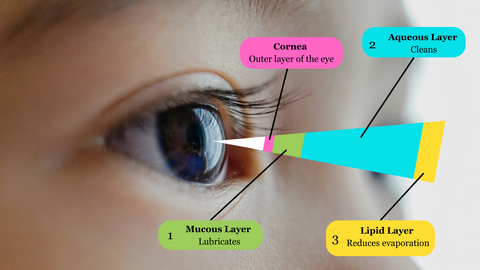
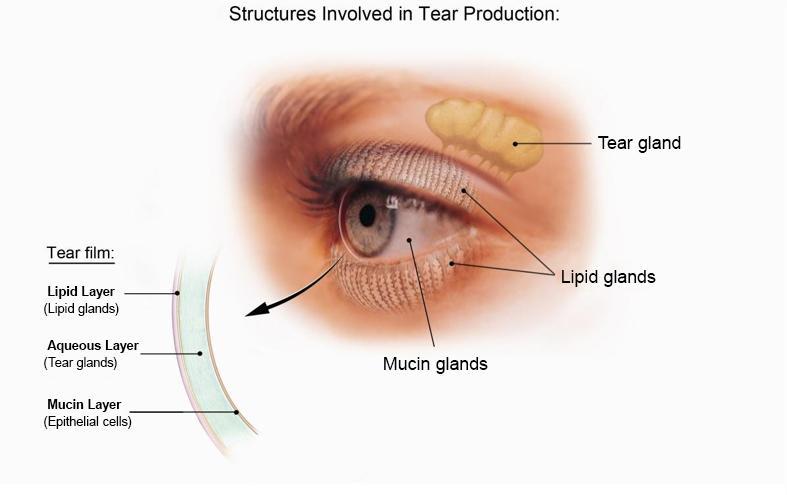
The tear film: The precorneal tear film is approximately 3–5 μm thick [1,2] and is composed of an aqueous-mucin gel phase and an anterior, superficial lipid layer (∼40–100 nm)
The tear film is a protective covering for the cornea composed of three layers:
a surface oily layer
an aqueous layer
deep mucous layer
Previous estimates of tear film thickness suggested that the aqueous layer comprised more than 95% of the tear film, but this has been reduced to 60%, with a larger component being provided by the mucous layer based on evidence from in vivo studies using the confocal corneal microscope.
Effects of tear film dynamics on quality of vision
In addition, clinical evaluation of the tear film involves an assessment of the tear meniscus height (TMH). The TMH reflects the volume of tears that collects at the contact line between the eyelid margin and the bulbar conjunctiva and has several other names, including the inferior marginal strip and the tear prism or rivus.
The ocular surface, tear film, lacrimal glands, and eyelids act as a functional unit to preserve the quality of the refractive surface of the eye and to resist injury and protect the eye against changing bodily and environmental conditions. Events that disturb the homeostasis of this functional unit can result in a vicious cycle of ocular surface disease.
The tear film is the most dynamic structure of the functional unit, and its production and turnover is essential to maintaining the health of the ocular surface. Classically, the tear film is reported to be composed of three layers: the mucin, aqueous, and lipid layers. The boundaries and real thickness of such layers is still under discussion. A dysfunction of any of these layers can result in dry eye disease.
Inadequate tear production can be a result of:
Age (tear production naturally decreases with age)
Preservatives in eye drops (chronic use can impact production and maintenance of the tear film)
Refractive eye surgery like LASIK(can reduce sensitivity to moisture needs, so the eye may not know when to produce more tears)
Some medications
Medical conditions (rheumatoid arthritis, lupus, Grave’s disease, Sjrogren’s syndrome, etc.)
Too much evaporation of the tear film can occur because of:
Dry, windy or smoky environments
Reduced blink rate (such as during prolonged computer use)
Contact lenses (lenses absorb tears)
Meibomian gland dysfunction (decreases the quality/amount of oil produced)
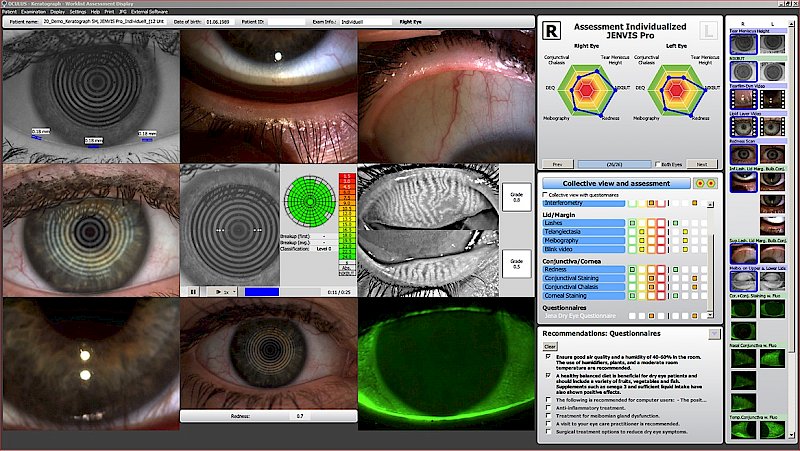
Testing for Dry Eye
Dry eye happens when your eyes don’t make enough tears to stay wet, or when your tears don’t work correctly. This can make your eyes feel uncomfortable, and in some cases it can also cause vision problems.
If your eyes feel dry and scratchy, see your eye doctor. Your eye doctor can do tests to see if your eyes are making enough tears. If the tests show you have dry eye, your doctor can recommend treatment.
Slit lamp test
In a slit lamp test, your eye doctor will use a microscope called a slit lamp to see if your eyes are making enough tears. First, they’ll put a drop in your eye that will make your tears easier to see. Then, they’ll shine a thin, bright light into your eye and look at your eye and eyelids with a microscope.
Schirmer’s test
A Schirmer’s test also tells your eye doctor if your eyes are making enough tears. Your eye doctor will give you eye drops to numb your eye. Then they’ll put a small piece of paper on the edge of your eyelid and ask you to close your eyes for 5 minutes. After 5 minutes, your doctor will see how much moisture (wetness) is on the paper.
Tear break up time (TBUT)
A TBUT test checks how long your tear film (layer of tears on your eyes) lasts after you blink.
Your eye doctor will place a small amount of dye in your eye, and you’ll blink to make the dye fully cover your eye. Then, you’ll look forward without moving your eyes or blinking. Your eye doctor will watch to see how long the dyed tear film covers your whole eye. If your tear film does not last long, you may have dry eye.
Questions:
1. What methods would you use to examine this patient’s tear film quantity?
A. Phenol red thread test
B. Schirmer test
C. Measuring tear meniscus
D. Any of these methods
2. The tear film meniscus height is measured at 0.05mm using the eye-piece graticule. What grade would you record?
A. Low
B. Medium
C. High
3. What factors could be affecting this patient’s tear quantity?
A. Age
B. Environment
C. Medication
D. All these factors
4. Which of the following management options could you consider?
A. Discontinue lens wear
B. Modify lens fit
C. Refit with two-weekly replacement silicone hydrogel lenses that are known to perform well in challenging environments
آیا تا کنون فکر کردید که چرا گریه می کنید؟ دلایل بسیاری در گریه کردن وجود دارد
گریه بخشی از طبیعت انسان است چه دوست داشته باشید یا نداشته باشید. هنگامی که دل انسان دچار درد و عذاب می شود، گریه باعث می شود که احساس بهتری پیدا کنید و اخلاق و رفتار تغییر کند.اشک در غده اشکی، نهفته است که بین پلک و کره چشم تولید می شود.
سیستم بیولوژیکی زنان به گریه بیشتر حساس است . گریه زنان 5.3 بار در ماه در حالی که گریه مردان تنها حدود 1.4 است. طول متوسط گریه برای زنان 6 دقیقه و برای مردان 2 تا 4 دقیقه است
در واقع، همه اشک یکسان دارند. انواع مختلفی از اشک است که به دلایل مختلف تولید می شود.
۱-اشك پايه (basal tears): درچشمان پستانداران سالم قرنيه پيوسته (24 ساعته) توسط اشك هاي پايه خيس و تغذيه ميگردد. اين اشك باعث لغزنده شدن چشم ها و شستشوي چشمها از ذرات خارجي ميگردد. مايع اشك حاوي آب+موسين+چربي ها+ليزوزيم+لاكتوفرين+ليپوكالين+ايمنوگلوبولين ها+گلوكز+سديم كلرايد+كلرايد پتاسيم+آنتي اكسيدان ها+برخي ويتامينها ميباشد.
2-اشك رفلكس(reflex tears): هر چزي كه باعث تحريك و يا خشك شدن چشم شود، ميتواند توليد اين نوع اشك را افزايش دهد.اين نوع اشك بطورغيرارادي و در پاسخ به مواد محرك چشم نظير ذرات خارجي،گردوغبار،آلرژن ها،پاتوژن ها و مواد محرك ديگري همچون بخارات پياز،گاز اشك آور و افشانه فلفل ترشح ميگردد.اين اشك ها سعي ميكنند تا مواد محرك و آزاردهنده را از چشم ها پاك كنند.باد شديد و نور شديد خورشيد نيز ميتواند باعث توليد اشك رفلكس گردند.اين اشك بيشتر آبكي بوده و از ليزوزويم و ايمنوگلوبولين بيشتري برخورداراست.
3-اشك احساسي و يا گريه(emotional tears/crying): اين اشك هنگام احساساتي شدن انسان ها (استرس هيجاني ) و يا احساس درد فيزيكي ترشح ميگردد. آغازگرهاي هيجاني اين نوع اشك معمولا خشم، اندوه، شادي، ترس، شوخ طبعي و ناكامي ميباشند. تركيبات شيميايي اين نوع اشك با تركيبات دو اشك قبلي متفاوت است. اشك احساسي حاوي هورمونها و پروتئين هاي بيشتري ميباشد. اين اشك حاوي هورمونهاي پرولاكتين، هورمون رشد، آدرنوكورتيكوتروپين، آندروفين و فلز منگنز ميباشد.
نكات جالب درباره اشك و گريه:
1-به غير از انسانها برخي معتقدند فيل ها و گوريل ها نيز ميتوانند گريه كنند اما نه به پيچيدگي گريه انسانها. حيوانات ديگر اغلب هنگام درد كشيدن، وارد شدن اجسام خارجي در چشمها و يا خشك شدن چشمها دچار اشك ريزش ميشوند. حيوانات (به ويژه نوزادان آنها) بصورت آوايي و مانند نوزادان تازه متولد شده گريه ميكنند بدون توليد اشك.
2-غدد اشكي روزانه در حدود 2 قاشق پر چايخوري اشك توليد ميكنند.
3-هر پلك زدن (باز و بسته كردن چشم) در حدود 100-150 ميلي ثانيه بطول مي انجامد. انسانها بطور متوسط هر 2 تا 10 ثانيه يكبار و 10 بار در دقيقه پلك ميزنند.
4-شور بودن اشك عمدتا به علت وجود كلرايد سديم و پتاسيم در اشك ميباشد. ميزان نمك موجود در اشك با ميزان نمك پلاسماي خون برابراست.
5-از آنجايي كه جنين نيز در درون رحم قادر به گريه كردن است بنابراين گريه كردن نميتواند يك رفتارآموختني باشد. اما فرهنگ، سن، جنسيت، فرآيند اجتماعي شدن، شخصيت، روابط و بافت اجتماعي همگي ميتوانند در شكل بيان گريه تعيين كننده باشند.
6-PH اشك اندكي قليايي و خود اشك ترش و شور مزه ميباشد.
7-سرفه شديد، استفراغ، احتقان بيني، آلرژي بيني، التهاب يا عفونت بيني و يا چشم و اختلالات عصبي نيز ميتواند باعث اشك ريزش گردند.
8-گريه كردن در برخي فرهنگها عملي كودكانه و غير موقر محسوب شده و گريستن در انظارعمومي تقبيح ميگردد.
9-علت اشك ريزش هنگام خميازه كشيدن و يا خنديدن وارد شدن فشار به غدد و كيسه اشكي ميباشد. علت ديگر آن ميتواند اين مسئله باشد كه غدد اشكي تحت كنترل سيستم عصبي خود مختار ميباشند. اين سيستم عصبي تمام كاركردهاي غيرارادي را كنترل مي كند. هنگامي كه اين اعصاب تحريك ميشوند (هنگام خميازه) غدد اشكي نيز اندكي تحريك ميگردند.
10-بسياري از افراد به علت مبتلا بودن به خشكي چشم قادر به گريه كردن نميباشند. اما دراختلال ديگري كه در پي آسيب به مغزايجاد ميگردد فرد مبتلا ممكن است بطور مداوم براي ساعتها بدون علت گريه كند.
11-علت سوزش و اشك ريزش چشمها هنگام خرد كردن پياز به علت وجود آنزيمها و آمينو اسيد سولفوكسايد موجود در سلولهاي پياز ميباشد. آمينو اسيد سولفوكسايد توسط آنزيمهاي پياز به سولفينيك اسيد تبديل ميشود، كه بسيار ناپايدار بوده و فورا به گازي فرار تبديل ميگردد. هنگامي كه اين گاز با آب درون چشم (اشك) تركيب ميگردد توليد اسيد سولفوريك ملايمي را ميكند كه باعث سوزش و اشك ريزش ميشود. با افزايش توليد اشك بدن سعي ميكند تا اسيد سولفوريك را رقيق و از چشمها بشويد. براي جلوگيري از سوزش و اشك ريزش چشمها هنگام خرد كردن پياز به توصيه هاي زير عمل كنيد:
* دستان خود وپياز را قبل از خرد كردن با آب خيس كنيد تا گاز متصاعد شده با، آب روي دستها و پياز واكنش نشان دهد نه با اشك چشمها.
* تنها با دهان خود تنفس كنيد. عمل دم گازها را به درون ريه كشانده و عمل بازدم نيز باعث پراكنده شدن گاز ميشود.
* قبل از خرد كردن پياز آن را نيم ساعت درون يخچال قرار دهيد. چراكه كاهش دما فعاليت آنزيمهاي پياز و انتشار گاز را كاهش ميدهد.
علل گريه كردن:Reasons for crying
1-نوزادان از گريه به عنوان ابزار بقا استفاده ميكنند. گريه كودكان يك وسيله ارتباطي با مادر بوده و از طريق آن طلب كمك ميكنند. علل اصلي گريه نوزادان گرسنگي، پوشك خيس، كثيف و يا نامناسب، نياز به تماس بدني و نوازش، درد ناشي از گاز معده و روده، سرما و گرماي شديد، كسالت و بي حوصلگي، استرس، محيط پر ازدحام، درد و جلب توجه ميباشد.
2-علل گريه در افراد بزرگسال عمدتا شامل غم و اندوه(49%)، شادي و خوشي(21%)، خشم(10%)، همدردي(7%)، اضطراب(5%) و ترس(4%) ميباشد.
3-انسان ها براي تحت تاثير قرار دادن و برانگيختن احساسات و ترحم ديگران نيز متوسل به گريه ميشوند.
The Benefits of Crying for Eye HealthTears also clean your eyes, flushing out particles of dust and debris that could harm your vision. Plus, the antibodies in your tears help fight off a multitude of bacteria and viruses that can cause infections. A good cry is like a mini-cleanse for your eyes!
Crying may support both the body and mind by restoring emotional balance, dulling pain, and activating your parasympathetic nervous system to help you self-soothe, among other benefits.
How Your Body Makes Tears
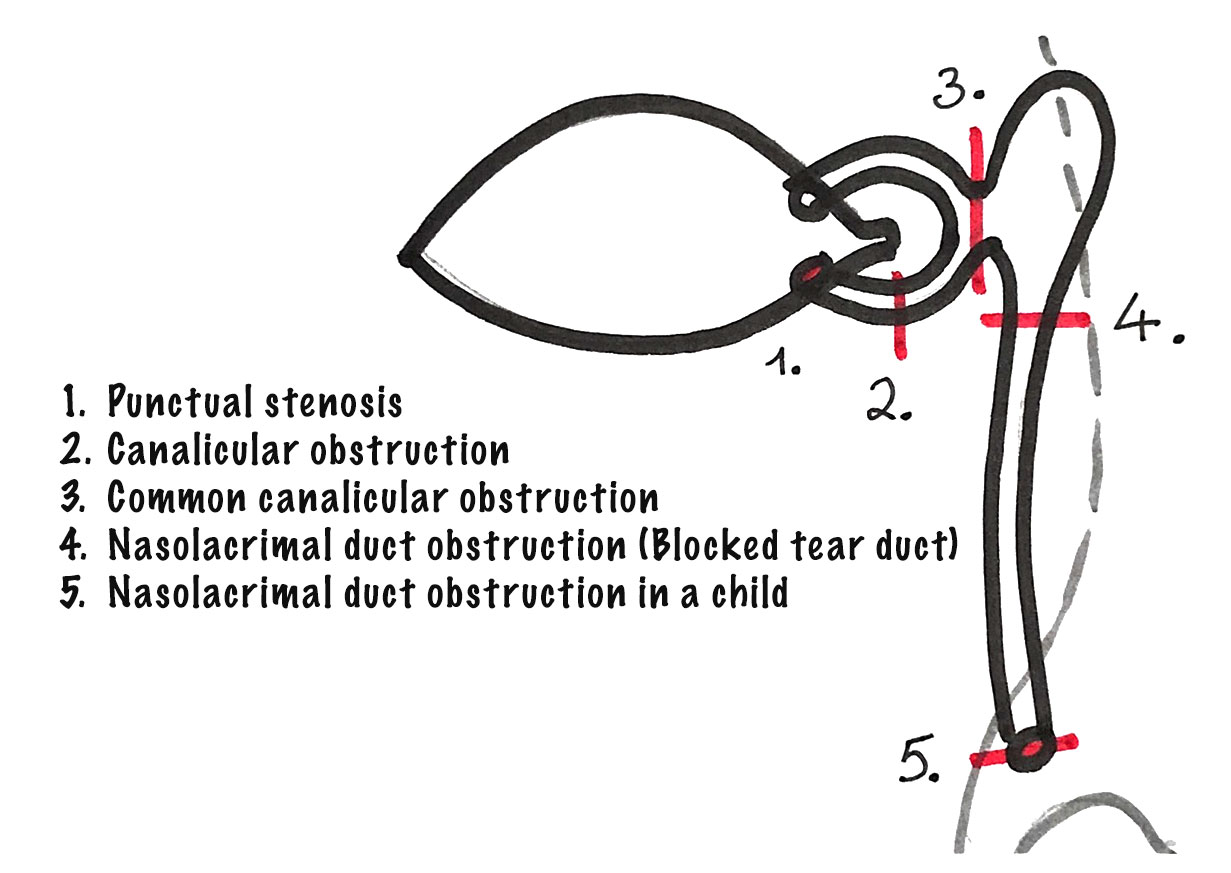
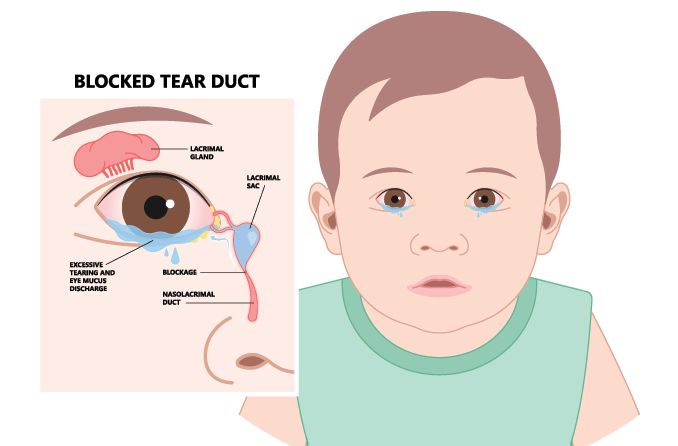
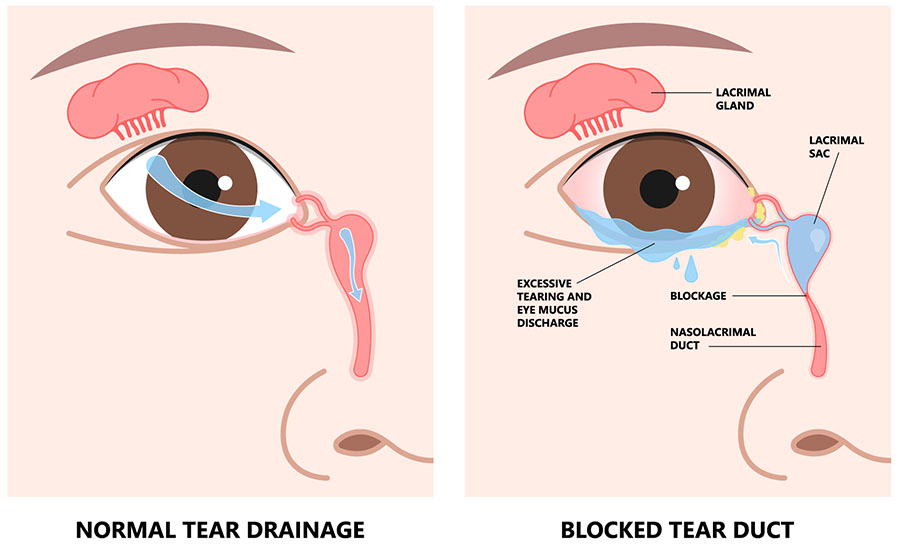
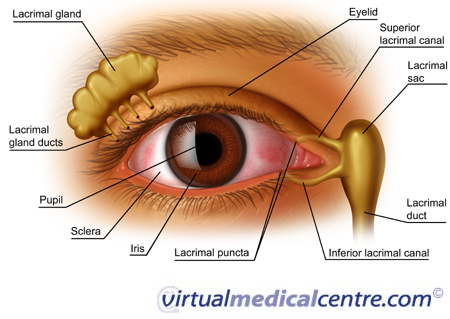
Lacrimal glands above each eye produce your tears. As you blink, tears spread across the surface of the eye. Then the tears drain into puncta, tiny holes in the corners of your upper and lower eyelids. Your tears then travel through small canals in the lids and down a duct before emptying into your nose. There, tears will either evaporate or be reabsorbed.
Sometimes babies are born with a blocked tear duct, a condition that usually resolves on its own. An eye infection, swelling, injury or a tumor can cause a blocked tear duct in adults.
When a lot of emotional or reflex tears are made, they overwhelm the lacrimal drainage system. That’s why these tears can spill out of your eyes, run down your cheeks and sometimes dribble out of your nose.
Humans produce three types of tears:
Basal: The tear ducts constantly secrete basal tears, which are a protein-rich antibacterial liquid that help to keep the eyes moist every time a person blinks.
Reflex: These are tears triggered by irritants such as wind, smoke, or onions. They are released to flush out these irritants and protect the eye.
Emotional: Humans shed tears in response to a range of emotions. These tears contain a higher level of stress hormones than other types of tears.
فوايد گريه كردن: Benefits of crying
1-هنگامي كه ما دچار استرس هيجاني مي شويم، مغز وبدن ما شروع به توليد تركيبات شيميايي و هورمونهاي خاصي ميكند. گريه كردن كمك ميكند تا اين تركيبات شيميايي زائد كه نيازي به آنها نيست از بدن حذف گردند.
2-اشكهاي احساسي در واقع مواد سمي اي كه در پي استرس هيجاني در خون تجمع مي يابند را از بدن دفع ميكند.
3-اشكهاي احساسي سطح منگنز بدن را كاهش ميدهند. اين مواد معدني بروي خلق و خو تاثير مستقيم ميگذارد. غلظت منگنز اشك احساسي 30 برابر بيشتر از منگنز موجود در سرم خون است.
4-اشك احساسي نسبت به اشك پايه و رفلكس حاوي 24 درصد پروتئين آلبومين بيشتري ميباشد.
5-گريه مانند ادرار و تعريق باعث حذف مواد سمي و محصولات زائد بدن ميشود.
'Things to Say Instead of 'Stop Crying
6-گريه يك مكانيسم رايگان، طبيعي و قدرتمند براي كنار آمدن با درد، استرس و اندوه ميباشد.
7- هورمونهايي كه پس از استرس در بدن انباشته ميشوند به حد سطح سمي رسيده و باعث تضعيف سيستم ايمني بدن و ديگر فرآيندهاي بيولوژيكي ميشوند. اشك هاي احساسي به عنوان دريچه اطمينان براي قلب عمل ميكنند.
8-تركيباتي كه حين استرس در بدن تجمع مي يابد با اشك خارج ميگردند. همين امر باعث كاهش استرس ميگردد. اين مواد شامل آندورفين (lucine-enkephaline)، كه در كنترل درد موثر است، پرولاكتين كه در تنظيم توليد شير نقش دارد، و آدرنوكورتيكوتروپين (ACTH) كه يك نشانگر مهم استرس است، ميباشند. سركوب گريه و اشك باعث افزايش استرس ميگردد.
9-نه تنها گريه باعث ارتقاي سطح سلامتي فرد ميشود بلكه در افزايش حس تعلق در گروه نيز تاثير گذاربوده و موجب افزايش حضور و دخالت ديگران در تامين رفاه فرد ميشود. اشك ها يك روش موثر در ايجاد ارتباط بوده و در برانگيختن حس همدردي و دلسوزي سريعتر ازهر ابزار ديگري عمل ميكنند. گريه بطور موثري بازگو كننده آنست كه شما در مورد يك دلمشغولي خاص صادق و بي ريا بوده و در كنار آمدن با آن مشكل مضطرب ميباشيد.
10-گريه عملي طبيعي، سالم و شفا بخش است.
? What happens when you cry, exactly
11-گريه در كاهش و جلوگيري از بيماريهاي مرتبط با استرس موثر ميباشد.
12-خنده و گريه دو ابزار كارآمد دركاهش استرس و رهايي ازاحساسات منفي ميباشند.
14- به باور دانشمندان سركوب و امتناع از گريه كار معقولي نيست. اما برخي افراد كه پس از مورد انتقاد قرار گرفتن، مشاجره با دوستان، مواجهه با ناكاميهاي كوچك فورا شروع به گريستن ميكنند، بايد به روانشناس مراجعه كنند. چراكه معمولا علت اصلي اين نوع گريه ها اعتماد بنفس پايين و يا مشكلات رواني مزمن در فرد بوده و بايستي فرد تحت درمان قرار گيرد.
15-انسان ها پس از گريه كردن از لحاظ جسمي و رواني احساس بهتري ميكنند و در واقع سبك و خالي ميشوند. (به علت دفع مواد انباشته شده كه توضيح داده شد)
16-گريه يك ابزار برقراري ارتباط است يك زبان جهاني براي درخواست كمك و حمايت اجتماعي.
17-گريه كمك ميكند به آزاد سازي آندورفين ها به جريان خون. آندورفين ها تركيبات شيميايي اي هستند كه باعث بهبود خلق و خو و تسكين درد ميشوند.
Crying, especially a "good cry," can offer a sense of liberation and emotional release, often leading to a feeling of lightness, calm, and clarity. This is due to the release of endorphins and oxytocin, which ease physical and emotional pain and promote well-being.
Here's a more detailed explanation: eResearch by Navid Ajamin -- spring 2012
Emotional Release: Crying can be a way to release pent-up emotions and trauma, allowing individuals to process difficult experiences and feel more in control of their feelings.
Physical Release: Crying also helps the body release tension and stress. After a good cry, the parasympathetic nervous system (responsible for "rest and digest") can take over, shifting the body out of a "fight or flight" response, leading to a sense of relief and clarity.
Chemical Release: Crying triggers the release of oxytocin and endorphins, which have mood-boosting and pain-relieving effects.
Psychological Relief: Crying can provide a sense of catharsis, allowing individuals to feel like a weight has been lifted and that they are moving forward.
Self-Soothing: Crying can be a way to self-soothe and manage difficult emotions, providing comfort and a sense of safety.
تفاوت گريه در مردان و زنان: The difference between crying in men and women
1-زنان 4 تا 5 برابر بيشتر از مردان گريه ميكنند.5.4 بار در ماه.
2-دختران و پسران تا قبل از بلوغ به يك ميزان گريه ميكنند، چراكه ترشح هورمون پرولاكتين كه باعث تحريك توليد اشك ميشود به يك ميزان در هر دو جنس توليد ميشود.
3-پس از بلوغ ميزان ترشح پرولاكتين كه در توليد و تناوب گريه موثر است در زنان 60 درصد بيشتر از مردان ميشود.
4- غدد اشكي مردان از لحاظ ساختاري متفاوت و كوچكتر از غدد اشكي زنان ميباشد. شايد يكي از دلايل بيشتر گريه كردن زنان نيزهمين مسئله باشد. مردان و زنان نميتوانند يكديگر را بخاطر چگونه گريه كردنشان مورد سرزنش قرار دهند.
5-يكي ديگر از علل بيشتر گريه كردن زنان باورهاي فرهنگي ميباشند، كه اجتماع گريه كردن زنان را بيشتر مورد پذيرش قرار ميدهد.
6-مردان آرام، بدون صدا و با اندكي اشك گريه ميكنند. بطوري كه معمولا كاسه چشمان آنها از اشك پر ميشود، اما بندرت اشك به گونه ها سرازير ميگردد.
7-اما زنان معمولا پر سرو صدا و با اشك هاي فراوان گريه ميكنند.
8-مردان اغلب در نتيجه احساسات مثبت و زنان پس از درگيري و مشاجره با ديگران و يا در نتيجه احساس بي كفايتي گريه ميكنند.
همچنان علت و فرآيند اشك هاي احساسي مبهم و رازآلود باقي مانده است. كماكان پرسشهاي بدون پاسخ مانده ي بسياري وجود دارند نظير: چنانچه گريه كردن به منظور كاهش استرس طراحي گرديده پس فلسفه اشك شوق وشاديچيست؟ و يا اگر گريه يك وسيله ارتباطي با ديگر همنوعان است پس چرا انسانها در خلوت وتنهايي خود نيز گريه ميكنند؟
Epiphora is an overflow of tears, usually caused by insufficient drainage of the tear film from the eye. The most common cause is a blockage of the lacrimal (tear) ducts located next to the nose , but the condition may also result from the excessive production of tears. Epiphora is a symptom rather than a disease and may be caused by a variety of conditions.
The role of tears
Tears are secreted from the tear ducts in the corner of the eye.
The main role of tears is to protect the eyeball but they also have a lot of other duties.
As a lubricant for your eyelids.
As a nutritional supplement for the surface of the eyeballs.
To protect your eyes from bacteria or ultraviolet rays.
To disinfect bacteria.
epiphora /ɪˈpɪf(ə)rə/ excessive watering of the eye. another term for epistrophe.
The purpose of normal tears is to lubricate, nourish, and protect the eye from dust and other irritants. Spread by blinking (about every six seconds), tears keep the surface of the eye optically clear and smooth, and also protect from infection. Tears flow into the eye through ducts from tiny glands located under the upper eyelids and drain from the eye through the puncta (singular: punctum), which are small openings near the nose.[1]
More sinister causes of watery eyes
Watery eyes can occur at any time, but babies up to 12 months old and people over 60 seem to be more prone.
Watery eyes, sometimes referred to by the medical name of “epiphora” either from the Latin word meaning repetition, or maybe the Greek word meaning bringing upon, can be caused by a few things that are a bit more sinister:
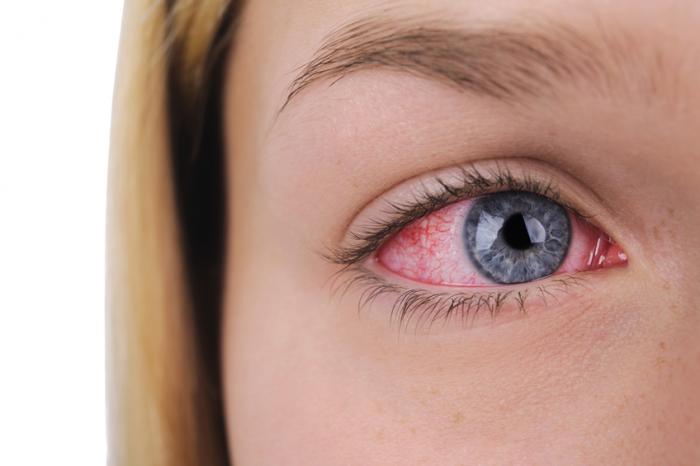
Conjunctivitis, of which there are several types ranging from mild to severe, produce red eyes almost always watery eyes.
Blepharitis – this is the medical term used for inflamed eyelids with scaly surfaces, a bit like eczema, with smoke and sunlight especially make the eyes water
Eyelashes growing inward, so as to contact the eye – there are two ways this can happen. The term “entropion” is used to describe what happens when the lower lid turns inwards (and the eyelash with it), whilst “trichiasis” causes a similar effect, but happens due to the eyelashes themselves growing inwards (curving the wrong way). Whatever way it happens of course, it will be quite uncomfortable.
Lower eyelid turning down –called “ectropion”. In this condition, the eyelid turns down and sags outwards, preventing them from effectively draining the tears away.
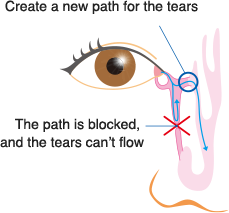
Blocked tear ducts – tears lead outwards to the nose through what’s appropriately called the nasolacrimal duct. If this is blocked in any way then watery eyes are a consequence. This can sometimes be just flushed with a syringe and sterile saline or require reconstructive surgery.
Epiphora applies to excessive tearing caused by excessive tear production or secondary to poor drainage.
Epiphora is sometimes subdivided into. [3]
Gustatory epiphora ("crocodile tears" caused by aberrant nerve regeneration)
Reflex epiphora (reactive tear production caused by any ocular surface trauma or stimulation)
Treating Watery Eyes
Mild cases of watery eyes can often be “cured” by waiting and watching – why introduce treatments when nature can and probably will take its course? The various underlying causes of watery eyes need active management:
Dry eyes can be treated by a programme of eye drops developed “under the watchful eye” of an Optometrist, taking care not to use drops more than four times a day unless they are in ampules and non-preserved.
Infections such as a mild conjunctivitis can be remedied using antibiotics or anti-inflammatories.
Allergies are mostly cleared up by use of an antihistamine / mast cell stabilisers – but the best approach is to try and identify the cause of the allergy and remove it if possible.
Blepharitis is not always serious and you may not even know you have it; it will of course be spotted by your optometrist if he or she is on the ball. Preservative-free artificial tears can be used as eye drops for treatment of minor cases, antibiotics in more severe cases and steroid creams only in the worst of cases, but then ideally only in the short term. eResearch by Navid Ajamin -- spring 2012
In the cases of the eyelash entropion and ectropion surgical reconstruction is likely to be the best option.
Blocked tear ducts – if the watery eye symptoms occur more than ten times a day then surgery to introduce a channel from the eye to the nose may be needed, usually after first injecting a dye into the tear duct to see if and where it comes out.[2]
Dry eye syndrome is when the eye is unable to maintain a healthy layer of tears to coat it.
Causes, incidence, and risk factors
Dry eye syndrome often occurs in people who are otherwise healthy. It is more common with older age, because you produce fewer tears with age.
In rare cases, it can be associated with rheumatoid arthritis, lupus erythematosus, and other similar diseases. It may also be caused by heat (thermal) or chemical burns.
In areas of the world where malnutrition is common, vitamin A deficiency is a cause. This is rare in the United States.
Signs and tests
Signs include:
Reduced visual acuity
Thick cornea
Tests may include:
Slit lamp (biomicroscope) exam of the film of tears (a dye such as fluorescein may be placed in the eye to make the tear film more visible)
Schirmer's test -- measures the rate of tear production using a calibrated paper wick placed on the edge of the eyelid
Treatment
Treatments may include:
Hot compresses or eyelash cleaning
Lubricating ointments (in more severe cases)
Medications such as Restasis, topical corticosteroids, and oral tetracycline and doxyccycline
Tiny plugs placed in the tear drainage ducts to help the tears stay on the surface of the eye
Wetting drops called artificial tears
Surgery may be used if the eyelids are in an abnormal position.
Expectations (prognosis)
Most patients with dry eye have only discomfort, and no vision loss. With severe cases, the clear window on the front of the eye (cornea) may become damaged or infected.
Complications
Ulcers or infections of the cornea are serious complications.
Calling your health care provider
See your health care provider immediately if you have dry eyes and have:
A sudden increase in discomfort or redness
A sudden decrease in vision
Prevention
There is no way to prevent dry eye syndrome. You can prevent complications by using wetting and lubricating drops and ointments. eResearch by Navid Ajamin -- spring 2012
سيستم اشكي از غده اشكي شروع ميشود كه كار آن توليد اشك ميباشد. غده اشكي در قسمت خارجي و بالاي حدقه (كاسه چشم) قرار دارد. كار اشك نرم كردن و ضدعفوني كردن چشم است و به عنوان يك سطح انكساري با قدرت بالا جهت بينايي چشم به كار ميرود. اگرچشمي فاقد اشك باشد، باعث خشكي چشم، زخم قرنيه و كاهش بنيايي ميشود. اشك بعد از توليد بايستي از طريق دو مجرا كه در قسمت داخلي پلك بالا و پائين قرار دارند، با پلك زدن وارد كيسه اشكي شود؛ سپس از طريق يك كانال وارد بيني شده و در بيني جذب ميشود.
nasolacrimal duct obstruction
علائم باليني Clinical symptoms
علائم انسداد مجاري اشكي به صورت اشك ريزش، ترشح آبكي در مواقعي همراه با ترشحات چركي، قرمزي چشم، قرمزي و تورم لبه پلكها، كوچك شدن چشمهاست و در مواردي ممكن است همراه با بزرگ شدن كيسه اشكي و عفونت و يا آبسه كيسه اشكي باشد.
درمان جراحي
چون اكثر مواقع تا يكسالگي با درمان موضعي بهبود مييابد، توصيه به درمان جراحي نميشود، درمان جراحي شامل سونداژ (ميل زدن) است كه يك عمل ساده بدون عوارض بوده و ظرف مدت چند دقيقه قابل انجام ميباشد و اكثر مواقع اگر به موقع سونداژ شود، مجاري اشكي باز شده و مشكل اشك ريزش از بين ميرود. در مواقع نادري ممكن است با يك بار ميل زدن بهبودي پيدا نكند و نياز به سونداژ مجدد و يا روشهاي تكميلي ديگري باشد؛ مثل گذاشتن لوله سيليكون داخل مجاري اشكي براي مدت چند ماه، گشاد كردن مجاري اشكي توسط بالن و در مرحله آخر اگر به روشهاي بالا جواب ندهد، توصيه عمل جراحي ميشود. در بعضي مواقع كه عفونت، شديد و علائم عفونت به خارج از اطراف كيسه سرايت كرده باشد، صبر كردن تا يكسالگي معنا ندارد و بايستي هر چه زودتر علاوه بر درمان عفونت كيسه اشكي ميل زدن (سونداژ) سريع انجام شود، چون عفونتهاي حاد كيسه اشكي ميتواند عارضههاي وخيمي براي نوزاد يا كودك ايجاد كند.
تشخيص افتراقي
عفونتهاي ملتحمه، حساسيتهاي لبه پلك، جسم خارجي در قرنيه و آب سياه مادرزادي است كه در آب سياه مادرزادي علائم به صورت اشكريزش، ترس از نور، اندازه قرنيه بزرگتر از حد طبيعي و در مواقعي همراه با كدورت قرنيه ميباشد.
Blocked tear ductsare a fairly common problem in children. It has been estimated that approximately 5% of babies have tear duct problems. Although the vast majority of them get better on their own, not all do. In order to best understand how a blocked tear duct is treated, it helps to know something about the way a normal tear duct functions. [2]
Causes of blocked tear duct include: [7]
Remodeling of the boney skull
Age
Stones
Foreign bodies
Previously placed punctal plug
Infections
Tumors
Trauma
Previous sinus surgery
Radiation and chemotherapy
How does the tear system work?
Typically, your tear system keeps your eyes slightly wet but not too watery. Your tear system has three parts:
Lacrimal glandscreate tears.
Puncta are small openings at your eye corner where tears flow out.
Nasolacrimal ducts connect to the puncta and drain the rest of your tear fluid into the nose. [6]
What are the symptoms of a blocked tear duct?
Because infants do not produce tears until they are several weeks old, a blocked tear duct may not be noticed at birth. The following are the most common symptoms of a blocked tear duct. However, each child may experience symptoms differently. Symptoms may include:
Tears pooling in the corner of your baby's eye
Tears draining down your baby's eyelid and cheek
Mucus or yellowish discharge in the eye
Reddening of the skin from rubbing
A blocked tear duct may be noticeable only when a baby cries, or in cold or windy weather when tears are stimulated. The symptoms of a blocked tear duct may resemble other conditions or medical problems. Always consult your child's healthcare provider for a diagnosis. [4]
علل ريزش اشك
توليد زياد اشك كه ميتواند تحريكي باشد؛ مثل اصابت جسم خارجي به چشم كه باعث تحريك و توليد اشك زياد ميشود و مجاري اشكي نميتواند اشك زيادي را خارج كند؛ لذا اشك از درياچه اشكي كه در گوشه داخلي چشم قرار گرفته خارج و باعث اشكريزش ميشود. انسداد مسيرهاي خروجي اشك كه معمولاً اين انسداد در انتهاي مسير خروجي اشك ايجاد ميشود، در انتهاي مسير خروجي اشك يك دريچه وجود دارد كه معمولاً در 5 درصد نوزادان كه سالم و بموقع متولد ميشوند، باز نميشود و مدت چند روز تا چند ماه بعد باز ميشود (اكثر مواقع بعد از تولد تا قبل از يكسالگي)؛ اما در مواقع نادري اين دريچه باز نميشود و نياز به باز كردن دارد.
درمان غيرجراحي
در اكثر مواقع بدون درمان انسداد باز شده و اشك ريزش قطع ميگردد، اما اگر اشك ريزش همراه با عفونت باشد، استفاده از قطرههاي آنتيبيوتيك توصيه ميشود همراه با ماساژ كيسه اشكي روزي چهار بار و هر بار ماساژ چهار بار تكرار شود، طريقه ماساژ از قسمت داخلي و پايين تيغه بيني كانتوس داخلي به طرف پايين است كه با ايجاد فشار هيدرواستاتيك باعث باز شدن دريچه ميشود. در اين مرحله ميتوان كودك را تا يكسالگي تحت نظر گرفت. اگر تا اين مدت انسداد برطرف نشود، ميل زدن يا سونداژ توصيه ميگردد. در مواردي كه عفونت كيسه اشكي همراه با قرمزي و تورم كيسه اشكي و اطراف آن باشد، درمان اورژانسي لازم است و كودك بايستي بستري شود و درمان مناسب از طريق آنتيبيوتيكهاي تزريقي انجام گيرد.
Not everyone needs to be treated for a blocked tear duct. For example, with most babies, the blockage will clear up as the child's drainage system matures. Some infants are born with a piece of tissue called a membrane covering the duct, but it usually opens up on its own in the first year of life. eResearch by Navid Ajamin -- spring 2012
Exams and Tests
Most of the time, the health care provider will not need to do any tests.
Tests that may be done include:
Eye exam
Special eye stain (fluorescein) to see how tears drain
X-ray studies to examine the tear duct (rarely done)[5]
When a blocked tear duct doesn't open on its own, these techniques can help infants and adults: [3]
Massage One of the easiest ways to fix a blockage in babies (or adults) is to massage the lacrimal sac -- the area where tears drain from the eye into the tear duct.Twice a day -- in the morning and at night -- take a cotton swab or clean fingers and gently rub the lower corners of your baby's eyes, next to the nose for a few seconds. This motion should cause a clear fluid to drain out of the corners of the eyes. The pressure of the massage can pop open the membrane that covers the tear duct.
Antibiotics Your doctor may prescribe antibiotic eye drops or ointment. Antibiotics won't open the blockage, but they can treat an infection and clear up any discharge coming from the eye.
Tear Duct ProbingIf your child's tear duct doesn't open on its own by age one, the doctor can do a procedure to remove the blockage. While your baby is asleep, the doctor places a thin probe into one or both holes that tears drain through and opens up the tissue that covers the tear duct. This is a pain-free procedure and, most of the time, undoes the blockage.For a few hours after tear duct probing, some children have blood-colored fluid drain from the eye. Using antibiotic eye drops or ointment a few times a day for about a week can help prevent an infection.
Balloon Catheter DilationIf the blockage doesn't get better on its own or with probing, the doctor might try balloon catheter dilation.While your child is asleep, the doctor threads a thin tube called a catheter into the tear duct. A pump inflates a balloon at the end of the tube. The doctor then deflates and inflates the balloon again to widen the duct. Then he removes the balloon.
Intubation Intubation may be another option if other treatments don’t work. In this procedure, the doctor threads a tiny tube through the holes, or puncta, in the corners of the eyes. The tube passes through each tear duct to the inside of the nose.The procedure takes about an hour. The tubes stay in place for three to six months to open up the ducts and let tears drain.
Surgery A type of surgery called “DCR” (dacryocystorhinostomy) bypasses the blocked tear duct. Doctors usually do it in adults who haven't improved with other treatments. They rarely use it in children. DCR creates a new route for tears to drain from the eye. Sometimes the new opening totally bypasses the tear drainage system and lets tears flow straight into the nose.
Your child always seems to have tears streaming down their face. And they can’t stop rubbing their eyes. But they aren’t sad — so what’s going on?
Babies usually don’t make tears for at least a few weeks after birth.
After that time your child may have a blocked tear duct if they have:
Eye mucus or discharge with a yellowish color.
Redness or crusting around their eye.
Tears that build up near the inner corner of their eye but don’t drain.
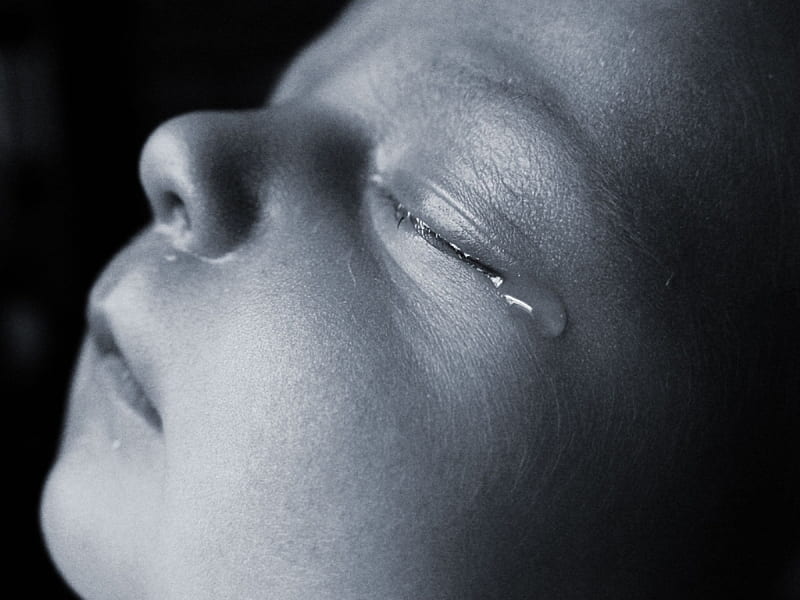
Tears that run down your their cheek when they’re not crying (epiphora).
Crusting and discharge on their eyelashes when they wake up in the morning.
اصولا علل اشک ریزش را می توان این طور دستهبندی کرد :
1) تولید اشک زیادتر از حد طبیعی باشد (وجود ایرادی در غدد اصلی سازنده اشک)
2) اشکال در مسیر خروج اشک باشد که اصطلاحا انسداد مجرا نامیده میشود (دلیل آن اختلالی در کار خروج اشک از چشم و هدایت آن به داخل بینی است.)
یکی از علل مهمی که شیرخواران را به مطب چشم پزشک میآورند، همین اشکریزش است. حدود 10 درصد نوزادانی که متولد میشوند، مبتلا به انسداد مجرای اشکی هستند، یعنی موقع تولد، هنوز مجرای اشکی آنها به داخل بینی باز نشده و این شیرخواران با اشکریزش و گاهی با ترشحات چرکی مواجه میشوند.
تجمع مواد کنار مژهها و گاه چسبیدن مژهها به هم خصوصا هنگام خواب و لزوم دستکاری پلکها در موقع بیدار شدن از مشکلات عمدهای است که موجب نگرانی والدین میشود و معمولا مجبورند پلکها را تمیز کنند تا چشمها از یکدیگر بازگردد.
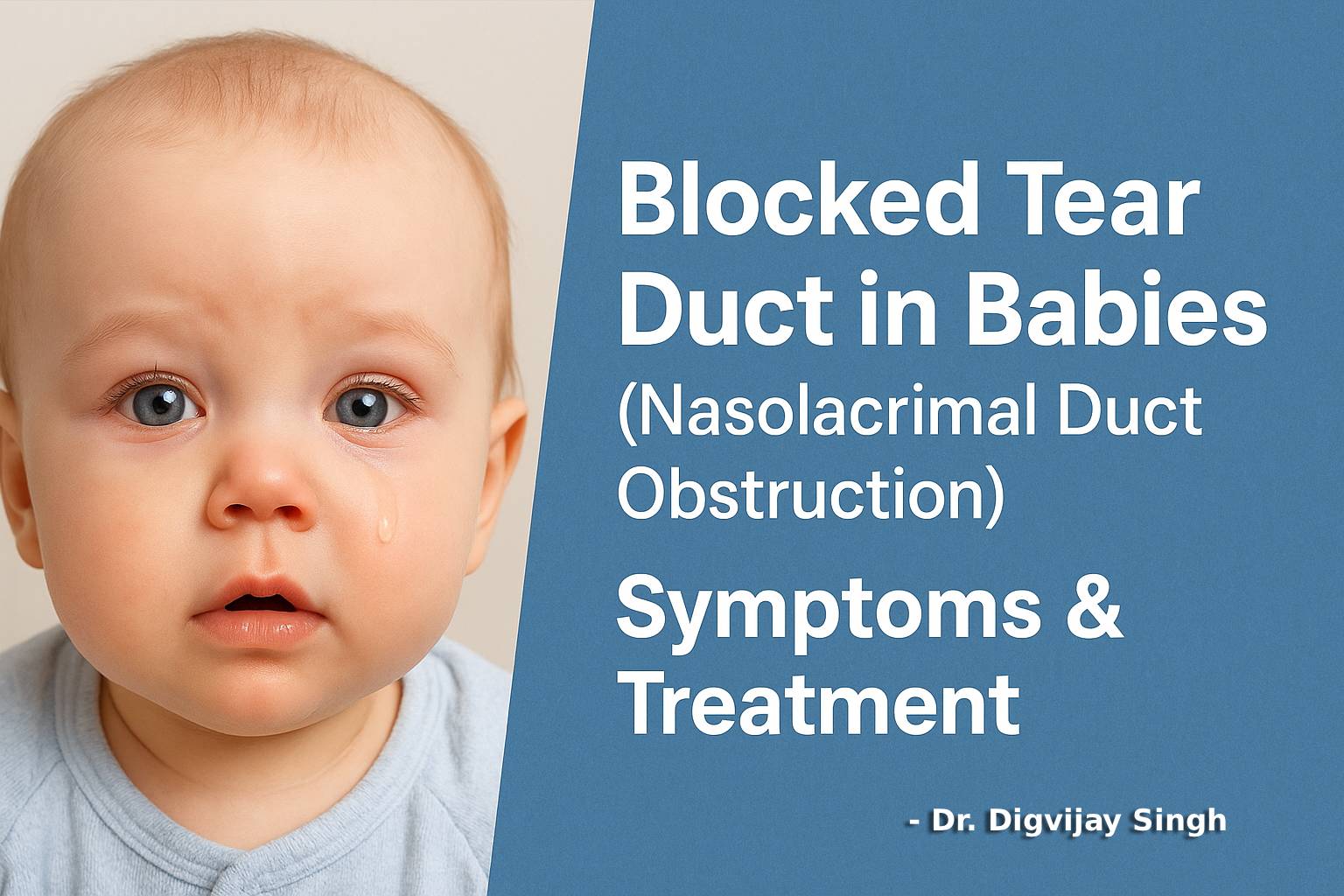
Blocked Tear Duct in Children
The most common cause is tear duct (the tube that drains tears away from the eyes) blockage. This condition occurs in up to 20% of children in the first year of life, as the tear duct is slow to develop or the lower end of the tract is not fully opened.
Watery eyes can be due to many factors and conditions.
In infants, persistent watery eyes, often with some matter, are commonly the result of blocked tear ducts. The tear ducts don't produce tears, but rather carry away tears, similar to how a storm drain carries away rainwater. Tears normally drain into your nose through tiny openings (puncta) in the inner part of the lids near the nose. In babies, the tear duct may not be fully open and functioning for the first several months of life.
In older adults, persistent watery eyes may occur as the aging skin of the eyelids sags away from the eyeball, allowing tears to accumulate and flow out.
Sometimes, excess tear production may cause watery eyes as well.
Allergies or viral infections (conjunctivitis), as well as any kind of inflammation, may cause watery eyes for a few days or so.
Medication causes
Chemotherapy drugs
Epinephrine
Eyedrops, especially echothiophate iodide and pilocarpine
Common causes
Allergies
Blepharitis (which is eyelid inflammation)
Blocked tear duct
Common cold
Corneal abrasion (scratch): First aid
Corneal ulcer
Dry eyes (caused by decreased production of tears)
Ectropion (a condition in which the eyelid turns outward)
Entropion (a condition in which the eyelid turns inward)
Foreign object in the eye: First aid
Hay fever (allergic rhinitis)
Ingrown eyelash (trichiasis)
Keratitis (which is inflammation of the cornea)
Pink eye (conjunctivitis)
Stye (sty) (a red, painful lump near the edge of your eyelid)
Tear duct infection
Trachoma
Other causes
Bell's palsy
Blow to the eye or other eye injury
Burns
Chemical splash in the eye: First aid
Chronic sinusitis
Granulomatosis with polyangiitis
Inflammatory diseases
Radiation therapy
Rheumatoid arthritis
Sarcoidosis
Sjogren's syndrome
Stevens-Johnson syndrome
Surgery of the eye or nose
Tumors affecting the tear drainage system
به طور کلی انسداد مادرزادی مجرای اشکی در بچهها به سه صورت دیده میشود:
- اولین حالت، اشک ریزش مداوم بدون همراه بودن ترشحات چرکی است.
- دوم، اشکریزش مداوم همراه با ترشحات چرکی به خصوص هنگام ماساژ کیسه اشکی است که این بیانگر انسداد کامل مجرای اشکی میباشد (این فرم شایعی است).
- سوم، اشکریزش متناوب به خصوص هنگام سرماخوردگی است که بیانگر مشکلات بینی می باشد که هنگام سرماخوردگی شدت یافته و به طور موقت مجرای اشکی را میبندد.
هریک از سه حالت فوق باید توسط والدین مورد پیگیری قرار گیرد و بچه توسط چشمپزشک معاینه شود.
معمولا این بچهها نسبت به نور حساس نیستند، ولی قرنیه، شفاف و کره چشم سالم است و تنها انسداد مجرا مطرح است.
حدود 90 درصد این بچهها تا سن یک سالگی انسدادشان برطرف میشود و والدین نباید نگران باشند. تنها لازم است معاینه شوند و دستور ماساژ صحیح و درمان طبی توسط پزشک معالج به والدین داده شود.
هیچ اقدام خاصی برای باز شدن مجرا لازم نیست و نباید در درمان جراحی سونداژ بیمورد عجله شود و باید منتظر بمانیم تا مجرا باز شود. تنها در موارد عفونت حاد کیسه اشکی است که سونداژ را زودتر از موعد توصیه میکنیم.
سونداژ یک عمل کاملا ساده و موفقیتآمیز است که در بیمارستان تحت بیهوشی عمومی انجام میشود.
بهترین زمان انجام سونداژ حوالی یک سالگی است و تاخیر میتواند شانس موفقیت را کم کند، ولی تا پنج سالگی هم ، بهتر است اولین اقدام سونداژ (به تنهایی) و یا سونداژ همراه با لولهگذاری باشد. eResearch by Navid Ajamin
Teary eyes: other causes
Another common cause of tearing in children is epiblepharon, where an extra horizontal fold of muscle causes the lashes to turn inwards.
This is usually more common in the lower lids. The constant rubbing of the lashes against the cornea causes irritation, tearing, redness and glare, and increases the risk of scarring and infection of the cornea. Mild cases can resolve with age as the facial structures elongate and mature, while severe cases need to be corrected with surgery. Surgery is usually performed to direct the lashes outwards, away from the cornea. Viral or bacterial infections of the eye can also cause tearing. These are usually transient and resolve once the acute infection resolves. Viral conjunctivitis can be preceded by a cold or there may be a positive contact history with someone who has a similar infection. However, if a newborn has red and sticky eyes from birth, bacterial infections such as chlamydia have to suspected. This is usually passed from the mother to the baby through the birth canal. Hence patients with severe conjunctivitis should be evaluated by an eye specialist, who will advise on the appropriate treatment. A rare but serious cause of tearing in infants that needs to be excluded is congenital glaucoma. It is commonly diagnosed between the ages of three and six months and typically presents with – apart from tearing – over-sensitivity to light, involuntary closure of the eyes, redness, cloudiness or enlargement of the eyes. A thorough examination of the eye pressure and other parts of the eye is needed to diagnose the condition and its severity. Delayed diagnosis or treatment of this condition would result in potentially irreversible blindness. Generally, once the more serious causes have been excluded, tearing in children is a relatively harmless condition that can be managed conservatively. Unless there is a definite bacterial infection, usually just keeping the lids clean and wiping away any discharge without antibiotic eyedrops is sufficient.
The eye depends on the flow of tears to provide constant moisture and lubrication to maintain vision and comfort. Tears are a combination of water, for moisture; oils, for lubrication; mucus, for even spreading; and antibodies and special proteins, for resistance to infection. These components are secreted by special glands located around the eye. When there is an imbalance in this tear system, a person may experience dry eyes.
When tears do not adequately lubricate the eye, a person may experience:
Pain
Light sensitivity
A gritty sensation
A feeling of a foreign body or sand in the eye
Itching
Redness
Blurring of vision
Sometimes, a person with a dry eye will have excess tears running down the cheeks, which may seem confusing. This happens when the eye isn't getting enough lubrication. The eye sends a distress signal through the nervous system for more lubrication. In response, the eye is flooded with tears to try to compensate for the underlying dryness. However, these tears are mostly water and do not have the lubricating qualities or the rich composition of normal tears. They will wash debris away, but they will not coat the eye surface properly.
Anatomy of lacrimation, showing a) Lacrimalgland b) Superior lacrimal punctum c) Superior lacrimal canal d) Lacrimal sac e) Inferior lacrimal punctum f) Inferior lacrimal canal g) Nasolacrimal canal
What Causes Dry Eyes? eResearch by Navid Ajamin -- summer 2011
In addition to an imbalance in the tear-flow system of the eye, dry eyes can be caused by situations that dry out the tearfilm. This can be due to dry air from air conditioning, heat, or other environmental conditions. Other conditions that may cause dry eyes are:
The natural aging process, especially menopause.
Side effects of certain medications such as antihistamines and birth control pills.
Diseases that affect the ability to make tears, such as Sjogren's syndrome, rheumatoid arthritis, and collagen vascular diseases.
Structural problems with the eye lids that don't allow them to close properly.
How Are Dry Eyes Treated?
Though dry eyes cannot be cured, there are a number of steps that can be taken to treat them. You should discuss treatment options with an ophthalmologist.
Treatments for dry eyes may include:
Artificial tear drops and ointments. The use of artificial teardrops is the primary treatment for dry eye. Artificial teardrops are available over the counter. No one drop works for everyone, so you might have to experiment to find the drop that works for you. If you have chronic dry eye, it is important to use the drops even when your eyes feel fine, to keep them lubricated. If your eyes dry out while you sleep, you can use a thicker lubricant, such as an ointment, at night.
Temporary punctal occlusion. Sometimes it is necessary to close the ducts that drain tears out of the eye. This is first done via a painless test where a plug that will dissolve over a few days is inserted into the tear drain of the lower eyelid to determine whether permanent plugs can provide an adequate supply of tears.
Permanent punctal occlusion. If temporary plugging of the tear drains works well, then silicone plugs (punctal occlusion) may be used. The plugs will hold tears around the eyes as long as they are in place. They can be removed. Rarely, the plugs may come out spontaneously or migrate down the tear drain. Many patients find that the plugs improve comfort and reduce the need for artificial tears.
Restasis. In 2002, the FDA approved the prescription eye drop Restasis for the treatment of chronic dry eye. It is currently the only prescription eye drop that helps your eyes increase their own tear production with continued use.
Other medications. Other medications, including topical steroids, may also be beneficial in some cases.
Surgery. If needed, the ducts that drain tears into the nose can be permanently closed to allow more tears to remain around the eye. This is done with local anesthetic on an outpatient basis. There are no limitations in activity after having this surgery.
Dry eyes can be diagnosed through a comprehensive eye examination. Testing, with emphasis on the evaluation of the quantity and quality of tears produced by the eyes, may include:
Patient history to determine the patient's symptoms and to note any general health problems, medications or environmental factors that may be contributing to the dry eye problem.
External examination of the eye, including lid structure and blink dynamics.
Evaluation of the eyelids and cornea using bright light and magnification.
Measurement of the quantity and quality of tears for any abnormalities. Special dyes may be put in the eyes to better observe tear flow and to highlight any changes to the outer surface of the eye caused by insufficient tears.
You can take the following steps to reduce symptoms of dry eyes:
Remember to blink regularly when reading or staring at a computer screen for long periods of time.
Increase the humidity in the air at work and at home.
Wear sunglasses outdoors, particularly those with wraparound frames, to reduce exposure to drying winds and the sun.
Nutritional supplements containing essential fatty acids may help decrease dry eye symptoms in some people. Ask your optometrist if taking dietary supplements could help your dry eye problems.
Avoiding becoming dehydrated by drinking plenty of water (8 to 10 glasses) each day.
Related to:
Dry eyes due to smoking and radiations
Dry eyes due to hormoneimbalance
Dry eyes due to alcoholusage
Dry eyes due to sun exposure
Dry eyes due to lasik
Dry eyes due to bell'spalsy
Dry eyes due to allergies
Dry eyes due to sjogren's syndrome
Dry eyes due to contacts
Dry eyes due to lowhumidity
Dry eyes due to dryair
Dry eyes due to glacuma
Dry eyes due to hypothyroidism
Dry eyes due to lack of sleep
Dry eyes due to dehydration
Dry eyes due to thyroid
Dry eyes due to inflammation
Dry eyes due to sinus infection
Dry eyes due to vitamin D deficiency
Dry eyes due to computer , LCD/LED , Lamp , tablet , phoneset or any digital devices
Dry eyes due to some medications, including antihistamines, nasal decongestants, birthcontrolpills, and antidepressants
فیزیولوژی (به فرانسوی: Physiologie ) یا کاراندامشناسی یا تنکردشناسی دانش عملکرد سامانههای زنده است و یکی از شاخههای زیستشناسی است که به مطالعه اعمال حیاتی موجود زنده، اندامها، بافتها، سلول و عناصر آن میپردازد.
محلول اشک خاصیت ضد ویروسی و ضد باکتری دارد که تا ۹۵ درصد باکتریها را نابود می سازد . اشک مایعی است که با فرآیند ایجاد آن در چشم ها تولید می گردد. وظایف اشک شامل تمیز کردن و شستشوی سطح چشم، ضد عفونی کردن چشم ها، لغزنده کردن چشم ها برای حرکت آسان کره چشم و پلک ها، جلوگیری از خشک شدن چشم ها و پلک ها، ایجاد ارتباط میان انسان ها، دفع مواد تجمع یافته در چشم ها و پاسخی به استرس می باشد.
فقدان اشک باعث ایجاد سوزش، خارش و قرمزی در چشم ها، احساس وجود شن در چشم ها، حساسیت به نور، از دست رفتن شفافیت قرنیه، ایجاد زخم در قرنیه، عفونت های مکرر و شدید چشم ها، خشکی چشم ها و در نهایت نابینایی می گردد.
فیلم (پرده) اشک از سه لایه مجزا تشکیل یافته است:
۱) لایه موکوسی(mucous): داخلی ترین لایه پرده اشک می باشد. چسبناک و لزج بوده و از موسین تشکیل یافته است. این لایه توسط سلول های ملتحمه و قسمت داخلی پلک ها ترشح می شود. این لایه قرنیه را می پوشاند تا یک لایه آبگریز برای پخش و گسترش یکنواخت لایه آبی فراهم آید. این لایه پرده اشک را روی سطح چشم می چسباند. بدون این لایه، پرده اشک به صورت قطره های ریز در خواهد آمد. ۲) لایه آبی(aqueus): این لایه، آبکی بوده و ۹۰ درصد پرده اشک را تشکیل می دهد. حاوی آب و مواد دیگری مثل پروتئین های لاکتوفرین، لیزوزیم و لیپوکالین، الکترولیت ها، آنتی اکسیدان ها و برخی ویتامین ها می باشد. این لایه عمدتا توسط غدد اشکی ترشح می شود. ▪ وظایف این لایه شامل: اکسیژن رسانی به سطح چشم، مبارزه با عفونت توسط آنتی بیوتیک های طبیعی (لیزوزیم و لاکتوفرین)، صاف کردن سطح چشم، شستن چشم ها از سلول های مرده و گرد و غبار، مواد محرک و حساسیت زاست.
why crying may be a nonverbal signal
۳) لایه چربی(lipid): این لایه، روغنی است و خارجی ترین لایه پرده اشک را تشکیل می دهد. این لایه توسط غدد میبومین(meibomian) که در لبه پلک ها ی فوقانی و تحتانی واقع می باشند ترشح می شود. این لایه با ایجاد یک حایل آبگریز، از تبخیر لایه اصلی پرده اشک (لایه آبی) جلوگیری می کند. ▪ وظایف دیگر این لایه شامل: افزایش کشش سطحی و جلوگیری از سر ریز شدن اشک از پلک ها، لغزنده کردن چشم و تسهیل عمل باز و بسته کردن پلک ها می باشد.
● غدد اشکی(lacrimal glands): غدد اشکی در گوشه خارجی چشم ها و پشت پلک های فوقانی قرار گرفته اند. غدد اشکی هر کدام به اندازه یک بادام بوده و ۲ سانتی متر طول دارند. مایع اشکی از طریق ۶ تا ۱۲مجرای کوچک ترشحی به فضای میان چشم و پلک فوقانی وارد می گردد. با هر بار باز و بسته کردن چشم ها اشک از مجاری ترشحی غدد اشکی چکیده شده و به سمت مجرای اشکی- بینی که به صورت دو سوراخ بسیار ریز در گوشه داخلی چشم ها قرار گرفته، هدایت می گردد. در انتها اشک به کیسه اشک و سپس به حفره بینی می ریزد. به همین علت است که هنگام گریه کردن ممکن است دچار آبریزش بینی گردید.
Tears are made up of water, electrolytes, proteins, lipids, and mucins that form layers on the surface of eyes.
The different types of tears—basal, reflex, and emotional—vary significantly in composition.
Chemical composition
Tears are made up of three layers: lipid, aqueous, and mucous. Tears are composed of water, salts, antibodies, and lysozymes (antibacterial enzymes); though composition varies among different tear types. The composition of tears caused by an emotional reaction differs from that of tears as a reaction to irritants, such as onion fumes, dust, or allergens. Emotional tears contain higher concentrations of stress hormones such as adrenocorticotropic hormone and leucine enkephalin (a natural pain killer), which suggests that emotional tears play a biological role in balancing stress hormone levels.
Some mammals, such as cats, camels, polar bears, seals and aardvarks, have a full translucent third eyelid called a nictitating membrane, while others have a vestigial nictitating membrane. The membrane works to protect and moisten the eyelid while maintaining visibility. It also contributes to the aqueous portion of the tear film and possibly immunoglobulins. Humans and some primates have a much smaller nictitating membrane; this may be because they do not capture prey or root vegetation with their teeth, so that there is no evolutionary advantage of the third eyelid. eResearch by Navid Ajamin -- winter 2010
● انواع اشک: ۱) اشک پایه (basal tears): درچشم های پستانداران سالم، قرنیه پیوسته (۲۴ ساعته) توسط اشک های پایه خیس و تغذیه می گردد. این اشک باعث لغزنده شدن و شستشوی چشم ها از ذرات خارجی می گردد. مایع اشک حاوی آب، موسین، چربی ها، لیزوزیم، لاکتوفرین، لیپوکالین، ایمنوگلوبولین ها ،گلوکز، سدیم کلراید، کلراید پتاسیم، آنتی اکسیدان ها و برخی ویتامین ها می باشد. ۲) اشک رفلکس(reflex tears): هر چیزی که باعث تحریک یا خشک شدن چشم شود، می تواند تولید این نوع اشک را افزایش دهد. این نوع اشک به طور غیر ارادی و در پاسخ به مواد محرکی نظیر ذرات خارجی، گرد و غبار، آلرژن ها(مواد حساسیت زا)، عوامل بیماری زا(مثل باکتری و ویروس) ، بوی پیاز، گاز اشک آور و افشانه فلفل ترشح می گردد. این نوع اشک سعی می کند تا مواد محرک و آزاردهنده را از چشم ها پاک کند. باد شدید و نور شدید خورشید نیز می تواند باعث تولید اشک رفلکس گردد. این اشک بیشتر آبکی بوده و از لیزوزویم و ایمنوگلوبولین بیشتری برخوردار است. ۳) اشک احساسی یا گریه کردن (emotional tears/crying): این اشک هنگام احساساتی شدن انسان ها (استرس هیجانی) و یا احساس درد بدنی ترشح می گردد. آغازگرهای هیجانی این نوع اشک معمولا خشم، اندوه، شادی، ترس، شوخ طبعی و ناکامی می باشند. ترکیبات شیمیایی این نوع اشک با ترکیبات دو اشک قبلی متفاوت است. اشک احساسی حاوی هورمون ها و پروتئین های بیشتری است. این اشک حاوی هورمون پرولاکتین، هورمون رشد، آدرنوکورتیکوتروپین، آندروفین و عنصر منگنز می باشد.
در قسمت بالا و گوشه هر چشم غده کوچکی وجود دارد که غده اشکی یا لاکریمال نامیده میشود.چشمها برای پاکیزگی و از بین بردن عوامل سوزشآور و تحریککننده، اشک تولید میکنند. بخش کوچکي از اشک توليد شده به علت تماس با هواي بيرون بخار ميشود ولي بخش اعظم آن به وسيله سيستم تخليه اشک به خارج از چشم پمپ ميشود.وقتی پلک میزنید، پلک شما اشکها را به روی چشمتان پخش میکند تا آن را مرطوب نگه دارد. سپس اشکها به یک کانال کوچک در سمت داخلی چشم به داخل یک کیسه ریخته میشوند. از آنجا به یک مجرا که مجرای اشک نامیده میشود جریان یافته و به بینی میریزد. اما گاهي اتفاق ميافتد که اين سير طبيعي دچار اختلال شده و فرد را به آبریزش چشم دچار می کند.
آبریزش چشم در هر سنی ممکن است اتفاق بیفتد اما در در میان نوزادان با سن کمتر از ۱۲ ماه و افراد بالای ۶۰ سال متداولتر است. این مشکل ممکن است برای یکی از چشمها یا هر دو آنها اتفاق بیفتد.
The Healing Power of Emotional Tears
آبریزش چشم ممکن است به علت عفونت سینوس ها ، اشکال لنز ، استفاده زیاد از کامپیوتر ، دود ، کمبود اشک ، شل شدن پوست پلک و بینی ، ضرب دیدگی چشم و آلرژی چشمی یا مصرف خوراکی های تند و ترش، آلایندههای شیمیایی باشد.
در کودکان:
آلرژی (حساسیت)
عفونت ویروسی چشم ها (ورم ملتحمه ویروسی)
در بزرگسالان:
التهاب و ورم پلک چشم ( بلفاریت )
خشکی چشم ها (کاهش تولید اشک)
قرمزی چشم
انسداد مجرای اشکی
(گاهی اوقات مجرای اشک به طور کامل بسته نمیشود اما آنقدر باریک میشود که همه اشکها را تخلیه میکند. و ندرتاً هم ممکن است ورودی کانالیکولی در گوشه داخلی چشم بسته شود که ممکن است بخاطر التهاب یا زخم باشد.پلیپ بینی نیز ممکن است از بیرون آمدن اشکها از مجرای اشکی جلوگیری کند.)
اکتروپیون (برگشت لبه پلک به سمت بیرون ، اکتروپیون ممکن است باعث شود که که اشکها به جای اینکه به سمت کیسه اشک بروند، از گوشه پایین پلک پایین بیایند.)
انتروپیون (برگشت لبه پلک به سمت داخل)
تحریک و سوزش قرنیه چشم? How are tears produced and drained
عفونت مجرای اشکی
وجود یک جسم خارجی در چشم مثل مژه یا گرد و خاک
تب یونجه (یک نوع آلرژی فصلی)
بیماری تراخم چشم
افزایش مواد آلرژیزا همچون گرد و غبار و خاک در محیط زندگی
عفونت غشای روی پلک چشم
التهاب، سوزش یا خراش زیاد چشم
* از جمله عواملی که به میزان کمتر باعث آبریزش دائمی چشم ها می شوند می توان به ضربه به چشم و یا سایر آسیب های چشمی ، سینوزیت مزمن ،گلوکوم ( آب سیاه چشم ) مادرزادی یا گلوکوم زودرس در نوزادان ، سندرم نرمی و سستی پلک چشم ، سایر بیماری های التهابی، اشعه درمانی (رادیوتراپی یا پرتودرمانی)، فلج عصب هفتم (آسیب عصب صورت)، سندرم شوگرن (این سندرم اغلب باعث خشکی چشم ها و دهان می شود)، جراحی چشم و یا بینی، بیماری های غده تیروئید، تومورهایی که سیستم دفع اشک را مختل می کنند، اشاره کرد.
درمان آبریزش چشم
در اغلب موارد آبریزش چشم می تواند به طور موثر درمان شود. بسته به شدت علایم، آبریزش چشم می تواند گاهی اوقات برای رانندگی سخت و خطرناک باشد.اگر آبریزش چشم خفیف باشد یا زیاد اذیتتان نکند، نیازی به درمان ندارد.
انسداد مجرای اشکی با عمل جراحی قابل درمان است. در این عمل کانالی جدید از کیسه اشک به داخل بینی گذاشته می شود. سپس اشک ها از هر انسداد عبور می کند..باریک شدن کانالی که به کیسه اشک می رسد که کاملاً بسته نشده باشد، با وارد کردن یک میله بازتر می شود. اما اگر کاملاً بسته شده باشد، برای آبکشی کردن اشک به داخل بینی نیاز به عمل خواهد بود.مژه هایی که جلو چشم را از بین می برد (انتروپیون) قابل برداشتن است. قرمزی چشم معمولاً با قطره چشم قابل درمان است..اکتروپیون معمولاً با یک عمل جراحی عمومی روی پلک پایینی قابل درمان است.اگر خشکی چشم ها باعث آبریزش چشم شود، استفاده از قطره اشک مصنوعی به میزان ۴ تا ۵ بار در روز و یا گذاشتن کمپرس گرم (مثل حوله گرم) روی چشم ها برای مدت چند دقیقه می تواند برای رفع آبریزش مفید باشد.اگر آبریزش چشم های شما همچنان ادامه داشت، نزد چشم پزشک بروید.
روانشناسی اشک tear psychologyیکی از موضوعاتی است که افراد زیادی در مورد آن تحقیق کرده اند. مثلا آیا تا به حال برایتان پیش آمده است که با دیدن یک فیلم یا یک سریال اشک بریزید و ناراحت شوید و یا هنگامی که یکی از دوستانتان و یا خودتان در یک مسابقه مقامی را کسب کرده اید از خوشحالی اشک ریخته باشید.
به گفته محققان، گریه کردن ذاتی است و انسان روزانه حدود 280 گرم و سالانه 30 گالن اشک تولید میکند. این میزان بر اساس جنسیت، متفاوت بوده و زنان بیش از مردان گریه میکنند.
گریه تولد و مرگ آدمی را نشانهگذاری میکند. گریستن نخستین واکنش نوزادی است که متولد میشود و فردی که از دنیا میرود واکنش ماتمی را در بازماندگان بر میانگیزد که با گریه همراه است.
اشک نشانهای جهانی است. از زمانهای قدیم، فیلسوفان و دانشمندان سعی کردهاند گریه را به عنوان بخشی از زبان مشترک انسان برای بیان عاطفی توضیح دهند. اما، در واقع، اشک به تنهایی بار معنایی ندارد. اشک از چشمانمان سرازیر میشوند یا بر گونههایمان میچکند و معنی این قطرات نمک تنها میتوانند به طور آزمایشی توسط دیگران استنباط شوند؛ این درک تنها زمانی حاصل میشود که اطرافیان اطلاعات بیشتری در مورد زمینههای ذهنی، اجتماعی و روایی خاصی داشته باشند که باعث گریه ما شده است.
در عین حال که اشک فوایدی مانند حفظ آب بدن و محافظت در برابر محرکها را برای چشم به ارمغان میآورد به نوعی نشان میدهد که حمایت عاطفی و اجتماعی مورد نیاز است. افراد گریه را با پریشانی جسمی و عاطفی مرتبط میدانند اما اشک نقش مهمی در نحوه ابراز طیف گستردهای از احساسات دارد. وقتی کلمات کافی نیستند اشک می تواند به انتقال احساسات کمک کند.
Get help with low mood, sadness or depression
گریه کردن تنها به خیس کردن چند برگ دستمال کاغذی خلاصه نمیشود. محققان دریافتهاند که گریه کردن شاید یک نقش تکاملی بسیار مهم و حیاتی داشته است، مبنی بر اینکه اشکها یک سیگنال شیمیایی را به دیگر انسانها منتقل کرده و این گلولههای مایع نمکدار میتوانند برق تولید کنند. علاوه بر این رازهایی در مورد گریه و اشک وجود دارد، مانند این که برخی افراد اغلب هنگام پرواز اشک میریزند در حالی که برخی دیگر هنگام خنده کردن اشکشان جاری میشود.
از زیبایی غیرمنتظره شکل بزرگ شده اشک تا نقششان در بیماری دیابت، آینده گریه کردن در انسان هم بسیار عجیب و غریب و هم ارزشمند است.
چرایی و چگونگی گریستن همواره یکی از رازهای پیچیده زندگی انسان بوده است.به ندرت پیش میآید که کسی از روی افسردگی و اندوه بخندد ولی گریستن در هنگام شادی و خوشحالی غیرمعمول نیست. ما با تعبیرات گوناگونی مانند اشک شادی، اشک شوق، اشک ماتم و اشک اندوه آشناییم.
چشم هر سال به طور متوسط ۱۵ تا ۳۰ گالن اشک تولید می کند. با افزایش سن اشک کمتری تولید می شود و فقدان اشک می تواند به چشم ها آسیب برساند. اشک از غده اشکی واقع در بالای چشم سرچشمه می گیرد.
از آنجا اشکها از طریق کانالهای کوچک به داخل بینی جریان می یابند. جایی که دوباره جذب یا تبخیر میشوند. آن ها به هیدراته ماندن چشم کمک می کنند و از نفوذ باکتری ها، گرد و غبار، کثیفی و سایر عوامل محرک محافظت می کنند. اشک همچنین نشان دهنده نیاز به پیوند اجتماعی و حمایت همه جانبه است.
گریه کردن فواید زیادی دارد. نه تنها سیگنالی برای دریافت کمک هنگام پریشانی جسمی و عاطفی است بلکه گریه میتواند به کاهش استرس و کاهش سطح هورمون کورتیزول در بدن کمک کند. همچنین گریه فرصتی برای رابطه عاطفی، دلبستگی و اصالت فراهم می کند. اشک ریختن می تواند نشانه آسیب پذیری نیز باشد. مطالعه ای در سال ۲۰۱۴ نشان می دهد که اشک حتی ممکن است در موارد پرخاشگری را کاهش دهد و در عین حال اتحاد و همدردی دیگران را فراخوانی کند و در افزایش اعتماد و همدلی بین افراد و بهبود روابط عاطفی موثر واقع شود.
از نظر فیزیکی اشک به عنوان سپری برای چشم عمل می کند. از نظر احساسی اما هدف بسیار پیچیده تری را دنبال می کند.
بسیاری از مردم از این اشکها میترسند و آرزو میکنند که میتوانستند به طور کامل از آن ها دوری کنند. برخی حتی در تولید اشک مشکل دارند حتی زمانی که احساس می کنند به یک هق هق عمیق نیاز دارند.
اگر همراه با آبریزش چشم ها، علائم زیر را داشتید، فورا نزد چشم پزشک بروید:
احساس وجود جسم خارجی در چشم foreign body sensation in eye
کاهش بینایی چشم decrease in vision
درد اطراف چشم Pain around the eyes
Should I be worried if I don't cry?
If you can't cry at all, you might have a hard time working through your own emotions, and you could also find it tough to connect with others. In the end, crying is normal, so don't worry about trying to hold those tears back — they're completely natural.
Is it normal to not cry tears?
Yes, it is possible for a person to cry without producing tears, although it's less common. There are several reasons why someone might experience crying without tears. They are: Dry eye syndrome: The eyes do not produce enough tears, or the tears evaporate too quickly.
What are tears for?
Tears are essential to the cornea. They play three key roles:
Protection:
Cleaning the eye surface
Providing lubrication, so the eyelids can move more easily
Hydrating and protecting the cornea (water, antibodies, complement system)
Nutrition:
Providing oxygenation and nutrients
Optical support:
Smoothing the surface of the cornea
Maintaining its refractive properties, for optimal vision
قطره هاي چشمي مي توانند در درمان بيماريها يا رفع ناراحتيهاي چشمي بسيار مفيد باشند. اما مهم است كه بياد داشته باشيد كه تمامي داروها مي توانند عوارض جانبي داشته باشند. داروها بيماريها را درمان مي كنند اما مي توانند گاهي اوقات مشكل ايجاد كنند.
قطره چشم، شکل مایع دارویی استریل به صورت حلال یا سوسپانسیون است که برای معالجه بیماریهای چشم انسان یا حیوان استفاده میشود. ممکن است قطره چشم برای معالجه عفونت، آب سیاه، حساسیت و چشم خشک مصرف شود.
انواع قطره ها[3] قطره های چشمی بنابر کاربردهایی که دارند به چند نوع تقسیم می شوند:
قطره های ضد احتقان
قطره های ضد التهاب
قطره های ضد آلرژی
قطره های آنتی بیوتیک
قطره درمان گلوکوما(آب سیاه)
قطره های کورتونی
قطره هایچند منظوره
بسياري از بيماريهاي چشمي را مي توان با قطره ها درمان كرد. اغلب اثر داروها در چشم باقي مي ماند و فقط مقدار كمي از آن به ساير نقاط بدن ميرسد بنابراين خطر كمي نسبت به داروهاي خوراكي در ايجاد عوارض جانبي دارند.
Eye drops or eyedrops are liquid drops applied directly to the surface of the eye usually in small amounts such as a single drop or a few drops. Eye drops usually contain saline to match the salinity of the eye. Drops containing only saline and sometimes a lubricant are often used as artificial tears to treat dry eyes or simple eye irritation such as itching or redness.
Non-prescription vs. prescription eye drops
Eye drops and ointments can be broken down into two categories: non-prescription eye drops and prescription eye drops.
You might see "prescription" abbreviated as "Rx." Non-prescription eye drops can also be called over-the-counter or "OTC" eye drops.
Non-prescription drops work well in many cases, and they usually cost less than their prescription counterparts. Doctors may choose to prescribe prescription eye drops for a more complex condition requiring a specific treatment that isn't available over the counter.
OTC eye drops may be available without a prescription, but it's always good practice to ask an eye doctor for help. Doctors are specially trained to help patients figure out the best form of treatment.
Eye drops have less of a risk of side effects than do oral medicines, and such risk can be minimized by occluding the lacrimal punctum (i.e. pressing on the inner corner of the eye) for a short while after instilling drops.
بعضي از عوارض قطره هاي چشمي موضعي هستند بدين معني كه روي چشم اثر مي كنند ولي در تمامي بدن اثري ندارند. اما مانند هرگونه داروي ديگري قطره هاي چشمي مي توانند سلامتي شما از جمله سلامتي چشمانتان را به خطر بياندازند.
داروها را صحيح استفاده كنيد: وقتيكه پزشك شما دارويي را برايتان تجويز مي كنند بايد نکات مهم زير را درنظر داشته باشيد:
مطمئن شويد كه اسم دارو را مي دانيد. داروها همواره يك اسم ژنريك و يك اسم تجارتي دارند. اسم ژنريك را مي توان با حروف ريز زير نام دارو پيدا كرد.
مطمئن شويد كه ميزان دفعات مورد نياز استفاده از دارو را مي دانيد.
بروشور دارو كه حاوي جزئيات درباره عوارض جانبي و تذكرات لازم مي باشد را بخوانيد. چنانچه سئوالي داشتيد، با چشم پزشكتان تماس بگيريد.
چنانچه در هنگام استفاده از دارو ناراحتي برايتان ايجاد شد بلافاصله با چشم پزشكتان تماس بگيريد.
گاهي اوقات چشم پزشك مي تواند داروي ديگري را تجويز كند يا از روش ديگري براي درمان استفاده كند. اما گاهي اهميت قطره هاي چشمي بحدي است كه ممكن است شما مجبور باشيد بعضي از عوارض جانبي را در ضمن درمان تحمل كنيد.
حساسيت هاCan eye drops cause eye sensitivity
بياد داشته باشيد که هر گونه حساسيت دارويي را بايد به پزشک یا چشم پزشک معالجتان اطلاع دهيد. هر دارويي ميتواند باعث ايجاد حساسيت شود حتي قطره هاي ساده كه احتياج به نسخه ندارند چون بهر حال حاوي مواد شيميايي هستند. گاهي اوقات داروهائي هستند كه ممكن است در گذشته براي شما مشكل آفرين بوده اند. مهم است كه هر گونه واكنش حساسيتي را که در گذشته داشته ايد به پزشك بگوئيد. واكنشهاي حساسيتي نسبت به قطرههاي چشمي معمولا باعث ايجاد خارش ،تورم وايجاد دانه هاي قرمز در اطراف چشم مي شوند. در صورت مشاهده هر يک از اين عوارض متعاقب مصرف قطره هاي چشمي حتماً با چشم پزشک خود تماس بگيريد.
Eye drops are a key part of your ophthalmologist’s tool kit. Some of the common eye drops you might encounter are: [9]
Dilating drops during eye exams
Redness-relieving drops
Lubricating drops for dry eye
Itch-relieving (anti-allergy) drops
Numbing drops before surgery
Antibiotic drops for some infections
Pressure-lowering drops for long-term treatment of glaucoma
Because there are so many kinds of eye drops, it’s hard to generalize about them. But there are a few things that are true for all eye drops.
Different pharmacological classes of eye dropscan be recognized by patients by their different colored tops. For instance the tops to dilating drops are a different color than anti-allergy drops.
Rinse eye drops
Eyes drops sometimes do not have medications in them and are only lubricating and tear-replacing solutions.
Drug administration
Dry eyes There is a wide variety of artificial tear eye drops that provide different surface healing strategies. One can find bicarbonate ions, hypotonicity, viscosity, and non-preserved types. They all act differently and therefore, one may have to try different artificial tears to find the one that works the best.
]Steroid and antibiotic eye drops Steroid and antibiotic eye drops are used to treat eye infections. They also have prophylactic properties and are used to prevent infections after eye surgeries. They should be used for the entire time prescribed without interruptions. The infection may relapse if the use of the medication is stopped.
Glaucoma Eye drops used in managing glaucoma help the eye's fluid to drain better and decrease the amount of fluid made by the eye which decreases eye pressure. They are classified by their active ingredient and they include: prostaglandin analogs, beta blockers, alpha agonists, and carbonic anhydrase inhibitors. There are also combination drugs available for those patients who require more than one type of medication.
Allergies Some eye drops may contain histamine antagonists or nonsteroidal anti-inflammatory drug (NSAIDs), which suppress the optical mast cell responses to allergens including (but not limited to) aerosolized dust particles.
Pink eye Antibiotic eye drops are prescribed when conjunctivitis is caused by bacteria but not when it is caused by a virus. In the case of allergic conjunctivitis, artificial tears can help dilute irritating allergens present in the tear film.
Mydriatic eye drops These make the eye's pupil widen to maximum, to let an optometrist have the best view inside the eyeball behind the iris. Afterwards in sunny weather they can cause dazzling and photophobia until the effect of the mydriatic has worn off. In Russia, Tropicamide, a mydriatic eye drop, is used to some degree as an inexpensive recreational drug. Like other anticholinergics, when taken recreationally, tropicamide acts as a deliriant. According to one reporter, when injected intravenously, as is most often the case, the drug often "brings on suicidal feelings."
Eye drops or eyedrops are saline-containing drops used as an ocular route to administer.
Depending on the condition being treated, they may contain steroids, antihistamines, sympathomimetics, beta receptor blockers, parasympathomimetics, parasympatholytics, prostaglandins, nonsteroidal anti-inflammatory drugs (NSAIDs), antibiotics, antifungals, or topical anesthetics. Eye drops sometimes do not have medications in them and are only lubricating and tear-replacing solutions.
Eye drops have less of a risk of side effects than do oral medicines, and such risk can be minimized by occluding the lacrimal punctum (i.e. pressing on the inner corner of the eye) for a short while after instilling drops. Eye drops are also used for stopping itching and redness of the eyes. Prior to the development of single-use pre-loaded sterile plastic applicators, eye drops were administered using an eye dropper, a glass pipette with a rubber bulb.[6]
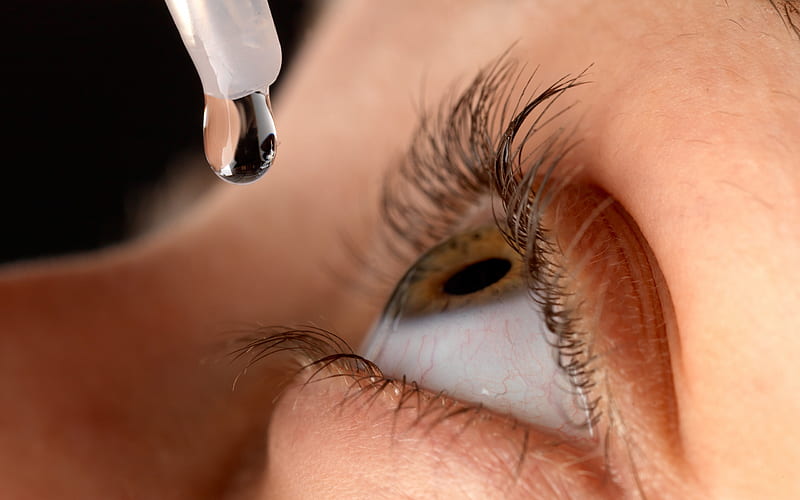
Step-By-Step ApproachTo Putting In Eye Drops
Wash your hands with soap and water; then dry them with a clean towel.
If you are wearing contact lenses, remove them. The only exception is if you are using eye drops that are specifically formulated to remoisten your contacts or if your doctor advised you to use the drops in this manner.
Remove the dropper cap and look closely at the tip to make sure it's not cracked or otherwise damaged.
Do not touch the tip.
Either lie down or tilt your head back, and look up at the ceiling. Concentrate on a point on the ceiling, keeping your eye wide open.
Place one or two fingers on your face about an inch below your eye; gently pull down to create a pocket between your lower eyelid and your eyeball.
Use your other hand to hold the eye drop bottle, pointing the tip downward. Resting your hand on your forehead may help steady it.
Hold the bottle close to your eye (about an inch away). Be careful not to let the dropper touch your eye or eyelashes, since this can introduce bacteria and other organisms into the eye drops in the bottle.
Squeeze lightly to instill one drop inside your lower lid.
Remove your hands from your face, gently close your eyes and tilt your head down for a few seconds.
Try not to blink, as this can force some of the drop out of your eye before it has had a chance to be absorbed.Knowing how to apply eye drops properly will save you time, aggravation and, especially in the case of prescription drops, quite a bit of money.
To keep as much of the drop on your eye as possible, press lightly on the inner corner of your eyelid, next to your nose. A small duct that drains tears away from your eye and into your nose is located here. By pressing at this point, you close down the opening of this drainage duct, allowing the eye drop to remain on the surface of your eye longer. This technique also minimizes the funny taste you may get in your mouth after applying certain eye drops.
Use a clean tissue to absorb and wipe away any drops that spill out of your eye and onto your eyelids and face.
If you are using eye drops on both eyes, repeat this procedure for the secondeye.
Replace the cap of the bottle and screw it on securely. Never wipe the dropper tip with anything, as this may contaminate the drops.
Wash your hands to clean away any stray eye drops.[2]
As with any medication, it’s important that eyedrops be taken as directed. Missing doses or overusing drops can affect treatment.
You may want to move an eyedrop bottle from one location to another once it's been used. If you prefer, keep a log or draw up a chart and check off the dose whenever a drop is applied.
Mind the Expiration Date
Eye drops usually expire about one to two years after the manufacturing date. However, once your eye drops are opened, you should throw them away after three months of use, as there is a greater risk of contamination. You should never use eye drops after their expiration date, or after three months of use.[7]
When having a prescription filled, check the expiration date to make sure it won’t lapse during your treatment. If eyedrops do expire, speak to your doctor about whether they're safe to continue using or if you need a new prescription.
Don’t Self-Diagnose
Don’t treat yourself for red eyes. For minor concerns, if a condition does not improve in 24 to 48 hours, then you should absolutely follow up with the doctor to make sure and identify what you have.If you have more severe symptoms like vision loss, consult a doctor immediately.
Know What You’re Taking
Always double-check the bottle in your hand before putting drops in your eye. The worst mistake is actually confusing the eyedrop with the ear drop, and vice versa.Some people will put ear drops in their eyes, and sometimes that can be disastrous.[4]
Is it OK to put eye drops in the refrigerator?
Keep your eye drops in the refrigerator. (Note: Most eye drops are fine to store at temperatures between 40 and 60 degrees Fahrenheit once they are opened.) This way, you can feel the cool drop as it falls onto your skin. If you are using a gel-based eye drop, then keeping it cool may make it difficult to squeeze out the drop. These drops are best kept at room temperature.
Initially, you might want to practice these techniques with artificial tears instead of using your actual eye drop medication.
Wash your hands before putting in your eye drops.
Be careful not to let the tip of the dropper touch any part of your eye.
Make sure the dropper stays clean.
If you are putting in more than one drop, wait at least two to five minutes before putting in the next drop. This will prevent the first drop from being washed out by the second.
If the instructions say “Shake well before using,” this is the time to do it.
Start by lying down flat. Position the dropper directly over your eye and then close your eyes. Place a drop in the inner corner of your eyelid (the side closest to your nose). By opening your eyes slowly, the drop should fall right into your eye.
Close your eyes gently and wait a few moments.
Gently blot around your eyes to remove any excess [8]
وبلاگ تخصصی عینک شامل مجموعه مطالب پزشکی است که اطلاعات مفیدی در رابطه با عینک , چشم، لنز، سلامتی چشم و راه های پیشگیری از بیماریهای چشمی، کنترل و درمان آن را در اختیار شما کاربر محترم می گزارد.





















 وبلاگ تخصصی عینک شامل مجموعه مطالب پزشکی است که اطلاعات مفیدی در رابطه با عینک , چشم، لنز، سلامتی چشم و راه های پیشگیری از بیماریهای چشمی، کنترل و درمان آن را در اختیار شما کاربر محترم می گزارد.
