نيستاگموس حركت ناگهاني غير ارادي چشم ها است. نيستاگموس معمولاً دو چشم را گرفتار مي كند وغالباً با نگاه به سمت ويژه اي تشديد پيدا مي كند.
Nystagmus /nɪˈstæɡməs/ is a condition of involuntary eye movement, acquired in infancy or later in life, that may result in reduced or limited vision.[1]
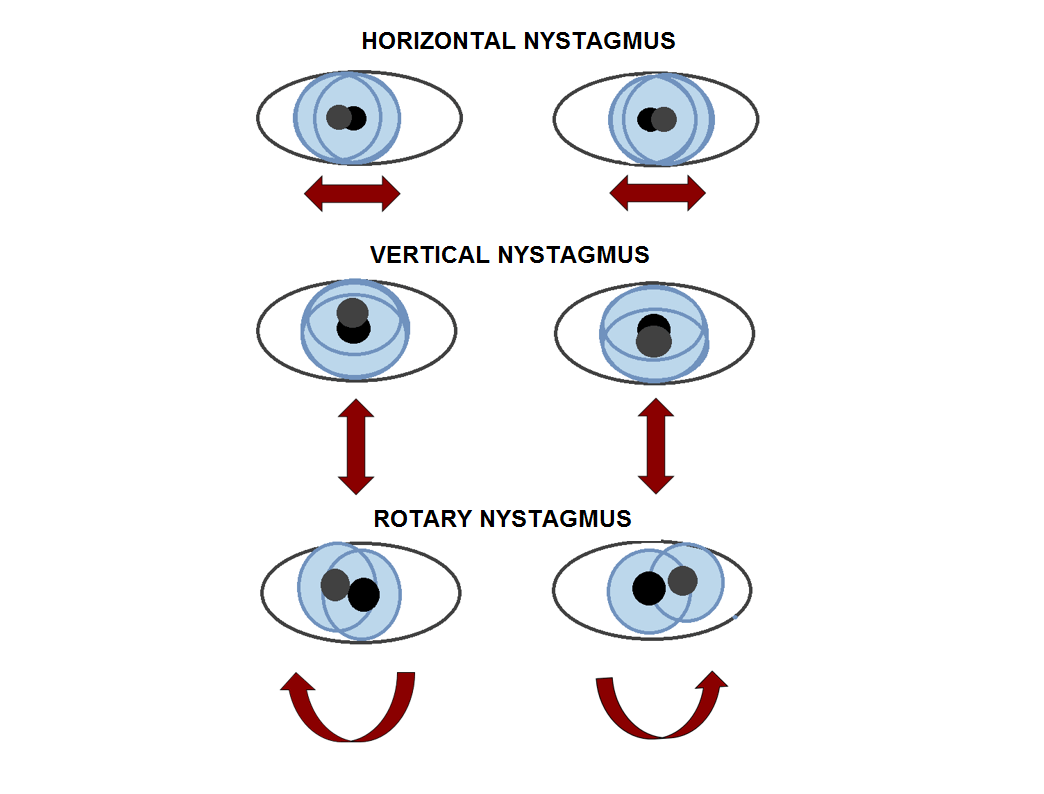
Nystagmus is a term to describe fast, uncontrollable movements of the eyes that may be:
- Side to side (horizontal nystagmus)
- Up and down (vertical nystagmus)
- Rotary (rotary or torsional nystagmus)
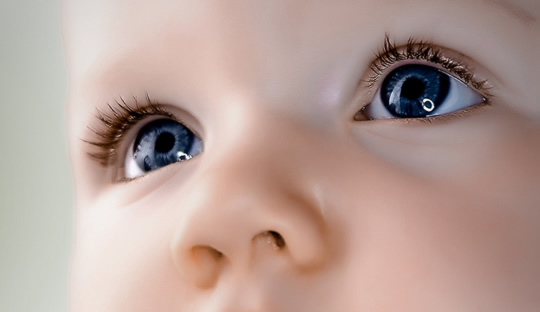
Depending on the cause, these movements may be in both eyes or in just one eye.
How Nystagmus Affects Vision [10]
Involuntary eye movements cause several vision issues, including:
- Blurry Vision
- Shaky Vision
- Light Sensitivity
- Dizziness
- Vertigo
- Poor Coordination
- Trouble Seeing Well in the Dark
Nystagmus can have a profound effect on your life and make it difficult to read, drive, keep your balance, write legibly, judge distances, or play sports. Eyestrain and headaches can become chronic complaints for people with nystagmus, as can fatigue when reading for short periods. Tilting or turning your head may make it a little easier to see, although holding the head in an unnatural posture could stress the muscles in your neck and shoulders.

The condition may affect your child's school performance. A child who has untreated nystagmus might fall behind in his or her schoolwork, struggle to complete homework, or act out during class due to frustration. Often, adults and other children don't understand the condition, which can lead to feelings of depression, shame, and anxiety.
Considerations

The involuntary eye movements of nystagmus are caused by abnormal function in the areas of the brain that control eye movements. The part of the inner ear that senses movement and position (the labyrinth) helps control eye movements.
There are two forms of nystagmus:
- Infantile nystagmus syndrome (INS) is present at birth (congenital).
- Acquired nystagmus develops later in life because of a disease or injury.[7]
Defining the Condition
Nystagmus is a rhythmic oscillation of one or both eyes about one or more axes. It is further divided into jerk nystagmus and pendular nystagmus, according to the characteristics of the oscillation. In jerk nystagmus, there is slow movement in one direction followed by a rapid movement in the other direction. In pendular nystagmus, there is no obvious distinction between the speed of movement in either direction. eResearch by Navid Ajamin -- spring 2012
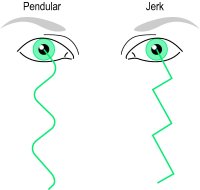
Infantile nystagmus is defined by onset in the first few months of life. Although the term “congenital nystagmus” is often used synonymously, nystagmus is seldom diagnosed at birth. Infantile nystagmus has traditionally been divided into sensory (afferent) and motor (efferent) types. While this distinction may be conceptually correct, it does not always reflect the underlying pathophysiology.
More clinically useful are the descriptive categories: congenital motor nystagmus, sensory defect nystagmus, periodic alternating nystagmus and latent nystagmus. While these forms of infantile nystagmus are benign, other forms, discussed in “Differential Diagnosis,” can signal serious CNS pathology.[6]
There are two key forms of Nystagmus:
pathological and physiological, with variations within each type.
Nystagmus may be caused by congenital disorders, acquired or central nervous system disorders, toxicity, pharmaceutical drugs or alcohol. Previously considered untreatable, in recent years several pharmaceutical drugs have been identified for treatment of Nystagmus.[1]
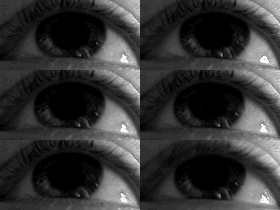
click the link below
Sample 1 Sample 2 fast-phase horizontal and vertical eye movement vision


علل نيستاگموس
وضعيت هاي بسياري با نيستاگموس همراهند. گاهي كنترل مغزي حركت هاي چشم ضعيف است كه به ناتوانايي در نگاه كردن ثابت به شي منجر مي شود. برخي از اشكالات نيستاگموس با كاهش ديد همراهند همچنان كه در افراد مبتلا به آلبينوز, افراد نزديك بين يا دوربين يا افرادي كه داراي اسكارهايي روي شبكيه يا عصب بينايي هستند ديده مي شود. به ندرت نيستاگموس در اثر تومورهاي مغزي يا اختلالات عصبي شديد رخ مي دهد مي توان نيستاگموس را در خانواده ها به عنوان مشكل منحصر به فرد و جداي از وضعيت هاي ديگر مشاهده نمود.

در صورت وجود نيستاگموس چه اقدامي مي توان انجام داد؟
ارزيابي كامل متخصص چشم و احتمالاً پزشكان متخصص ديگر بسيار حائز اهميت است. معمولاً مي توان علت را تشخيص داد. عوامل مهم تشخيص به سن شروع, سابقه خانوادگي,سلامتي عمومي بيمار يا استفاده از داروهاي ويژه بستگي دارد. چشم پزشك ممكن است نوع نيستاگموس,سرعت و جهت آن را بسنجد و مشكلات چشمي ديگر را همچون افتادگي پلك ها، كاتاراكت (آب مرواريد) يا حالت غير طبيعي در شبكيه يا عصب بينايي جستجو كند. آزمايشات خوني يا گرفتن عكس هاي ويژه مي توانند در تشخيص علت مفيد باشند.
آيا مي توان نيستاگموس را درمان كرد؟
گاهي با برطرف كردن علت مي توان نيستاگموس را درمان نمود. اگر چه نيستاگموس غالباً دائمي است اما مي توان بينايي كاهش يافته را با استفاده از عينك و وسايل كمك كننده كاهش بينايي, بهبود بخشيد. اگر چشم-ها در جهت ويژه اي ثابت ترند, استفاده از عينك هاي منشوري يا جراحي عضلات چشمي ممكن است وضعيت سر را بهبود بخشيده و بينايي بهتري را ارائه دهند به ندرت بازخورد حياتي (Biofeed back) و تمارين چشمي مي توانند در كنترل نيستاگموس كمك كنند.
شايع ترين انواع نيستاگموس كدامند؟
به نظر مي رسد ”نيستاگموس حركتي“ از سنين 6 هفتگي تا سه ماهگي شروع مي شود. اعضاء ديگر خانواده ممكن است دچار حركات چشمي غير طبيعي مشابهي نيز باشند, حركت معمولاً افقي است. غالباً نگاه كردن بسيار نزديك به اشياءيا ديدن در جهت هاي غير عادي از شدت نيستاگموس مي كاهد و بينايي را بهبود مي بخشد. خوشبختانه حركت چشم هاي بيماران باعث ديدن متحرك اشيا نميشود. با دور شدن اشياء بينايي ممكن است كاهش يابد اما با نزديكي آنها بينايي تقريباً طبيعي است. معمولاً هيچ گونه محدوديتي در پتانسيل يادگيري افراد مبتلا به نيستاگموس حركتي, وجود ندارد.
”نيستاگموس حسي“ با بينايي كاهش يافته به هر دليلي همراه است. نيستاگموس حسي معمولاً در سن 6 تا 8 هفتگي شروع مي شود. چشم ها متحرك به نظر مي رسند و حركت آنها گاه تند و گاه كند است. در اغلب موارد چشم ها به طرف بالا مي چرخند و پلك ها نيز ممكن است تكان بخورند. با بزرگ شدن كودك,وي ممكن است روي چشم هاي خود را بفشارد يا اين كه دست خود را جلوي آنها تكان دهد. گاهي علت بينايي كاهش يافته قابل درمان است. همچنان كه در نوزادان متولد شده با كاتاراكت (آب مرواريد) ديده مي شود. وضعيت هاي ديگري كه به ”نيستاگموس حسي“منجر مي شوند ممكن است قابل درمان نباشند. با اين حال شناخت علت زمينه اي براي پيش بيني وضعيت كودك در آينده از اهميت ويژه اي برخوردار است.

علل ديگر نيستاگموس كدامند؟
داروها مي توانند علت نيستاگموس باشند. اين نوع نيستاگموس به ندرت با دوبيني همراه است و غالباً ديدن اطراف را با مشكل مواجه مي سازد. علل ديگر شامل نوشيدن پيش از حد الكل يا استفاده از داروهاي كنترل بيماري است. غالباً اين گونه نيستاگموس با قطع مصرف دارو بهبود مي يابد.
برخي از افراد مي توانند ”نيستاگموس ارادي“ ايجاد كنند همان طوري كه مي توانند گوش هاي خود را تكان دهند. حركت هاي افقي,سريع و خوب را مي توان ايجاد كرد و براي مدت كوتاهي آنها را ادامه داد. غالباً اين گونه نيستاگموس براي جلب توجه به كار گرفته مي شود.
”نيستاگموس ناشي از بيماري كمتر ديده ميشود. غالباً با نشانه ها و علائم نورولوژيكي كه شدت بيماري را نشان مي دهند همراه است.
خلاصه:
در صورت وجود نيستاگموس معاينه كامل چشمي توسط چشم پزشك ضروري است. دلايل زمينه اي كه اثر نيستاگموس را روي زندگي و بينايي بيمار تعيين مي كنند تا حدود زيادي متغيرند.[2]
Generally, nystagmus is a symptom of another eye or medical problem. Fatigue and stress can make nystagmus worse. However, the exact cause is often unknown.
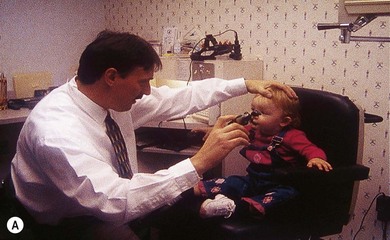
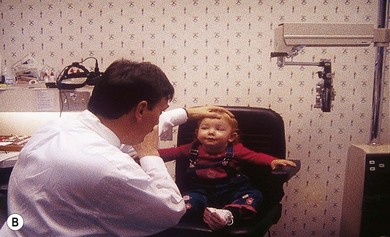
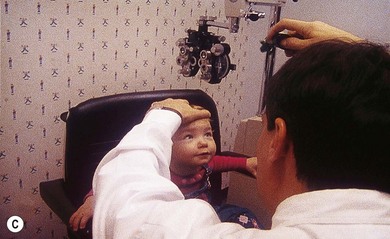
The child is seated while the head is held steady and targets are placed in the peripheral visual field horizontally (A,B) and vertically (C).
The forms of nystagmus include:
- Infantile. Most often develops by 2 to 3 months of age. The eyes tend to move in a horizontal swinging fashion. It is often associated with other conditions, such as albinism, congenital absence of the iris (the colored part of the eye), underdeveloped optic nerves and congenital cataract.
- Spasmus nutans. Usually occurs between 6 months and 3 years of age and improves on its own between 2 and 8 years of age. Children with this form of nystagmus often nod and tilt their heads. Their eyes may move in any direction. This type of nystagmus usually does not require treatment.
- Acquired. Develops later in childhood or adulthood. The cause is often unknown, but it may be due to central nervous system and metabolic disorders or alcohol and drug toxicity.
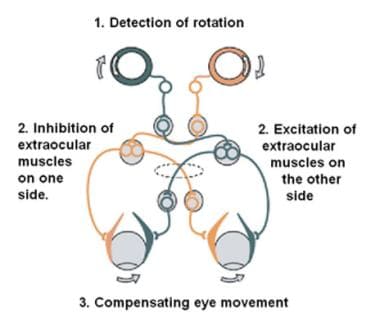
Some of the diseases that present nystagmus as a pathological sign or symptom are as follows:
- Aniridia
- Benign paroxysmal positional vertigo
- Brain tumors (medulloblastoma, astrocytoma, or other tumors in the posterior fossa.)
- Canavan disease
- Head trauma
- Lateral medullary syndrome
- Ménière's disease and other balance disorders
- Multiple sclerosis
- Optic nerve hypoplasia
- Pelizaeus–Merzbacher disease
- Superior canal dehiscence syndrome
- Tullio phenomenon
- Whipple's disease [1]
Nystagmus is most commonly caused by a neurological problem that is present at birth or develops in early childhood. Acquired nystagmus, which occurs later in life, can be the symptom of another condition or disease, such as stroke, multiple sclerosis or trauma.

Other causes of nystagmus include:[8]
- Lack of development of normal eye movement control early in life
- Albinism
- Very high refractive error, for example, nearsightedness (myopia) or astigmatism
- Congenital cataracts
- Inflammation of the inner ear
- Medications such as anti-epilepsy drugs
- Central nervous system diseases
The following is a list of types of nystagmus and their causes: [5]
- Seesaw nystagmus
- Rostral midbrain lesions
- Parasellar lesions (eg, pituitary tumors)
- Visual loss secondary to retinitis pigmentosa
- Downbeat nystagmus
- Lesions of the vestibulocerebellum and underlying medulla, including the following:
- Arnold-Chiari malformation
- Demyelination (eg, multiple sclerosis)
- Microvascular disease with vertebrobasilar insufficiency
- Brain stem encephalitis
- Tumors at the foramen magnum (eg, meningioma, cerebellar hemangioma)
- Trauma
- Drugs (eg, alcohol, lithium, antiseizure medications)
- Nutritional (eg, Wernicke encephalopathy, parenteral feeding, magnesium deficiency)
- Heat stroke
- Approximately 50% have no identifiable cause
- Lesions of the vestibulocerebellum and underlying medulla, including the following:
- Upbeat nystagmus
- Medullary lesions, including perihypoglossal nuclei, the adjacent medial vestibular nucleus, and the nucleus intercalatus (structures important in gaze holding)
- Lesions of the anterior vermis of the cerebellum
- Benign paroxysmal positional vertigo
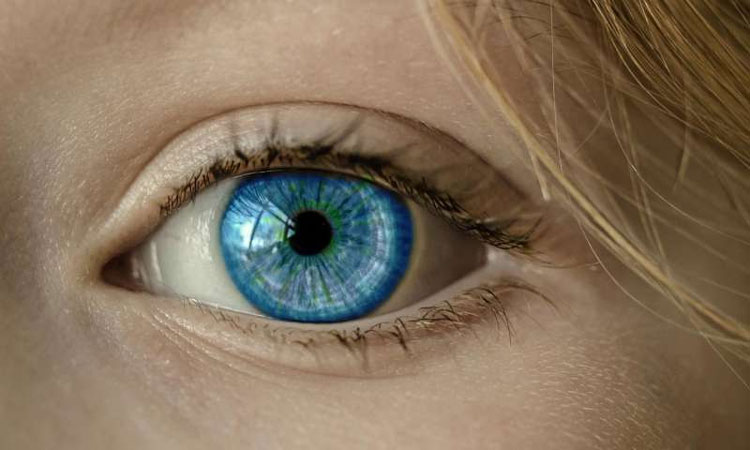
Nystagmus treated with magnetic implant
- Periodic alternating nystagmus
- Arnold-Chiari malformation
- Demyelinating disease
- Spinocerebellar degeneration
- Lesions of the vestibular nuclei
- Head trauma
- Encephalitis
- Syphilis
- Posterior fossa tumors
- Binocular visual deprivation (eg, ocular media opacities)
- Pendular nystagmus
- Demyelinating disease
- Monocular or binocular visual deprivation
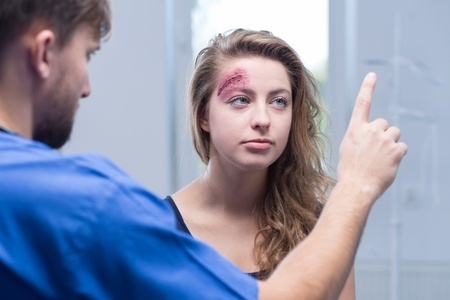
FIELD SOBRIETY TESTS – HGN TEST - Oculopalatal myoclonus
- Internuclear ophthalmoplegia
- Brain stem or cerebellar dysfunction
- Spasmus nutans
- Usually occurs in otherwise healthy children
- Chiasmal, suprachiasmal, or third ventricle gliomas may cause a condition that mimics spasmus nutans
- Torsional – Lateral medullary syndrome (Wallenberg syndrome)
- Abducting nystagmus of internuclear ophthalmoplegia
- Demyelinating disease
- Brain stem stroke
- Gaze evoked
- Drugs – Anticonvulsants (eg, phenobarbital, phenytoin, carbamazepine) at therapeutic dosages
- Alcohol


The two basic types of nystagmus are: [9]
- Optokinetic (eye related)
- Vestibular (inner ear related)
People with inner ear problems can develop something called "jerk nystagmus" — the eyes drift slowly in one direction and then jerk back in the other direction. Because of the motion of the eyes, people with this condition can develop nausea and vertigo. This type of nystagmus, usually temporary, also can occur in people with Meniere's disease (inner ear disorder) or when water settles into one ear. Taking a decongestant sometimes can clear up this type of nystagmus.
47 Types of Nystagmus [3]
- Acquired
- Anticipatory(Induced)
- Arthrokinetic(Induced,Somatosensory)
- Associated(Induced,Stransky’s)
- AudioKinetic(Induced)
- Bartel’s(Induced)
- Brun’s
- Centripetal
- Cervical(NeckTorsion,Vestibular-0basilarArteryInsufficiency)
- Circular/Elliptic/Oblique (Alternataing Windmill, Circumduction, Diagonal, Elliptic, Gyratory, Oblique, Radiary)
- Congenital (Fixation, Hereditary)
- Convergence
- Convergence Invoked
- Disaccociated, Disjunctive
- Downbeat
- Drug Induced (Barbiturate, Bow Tie, Induced)
- Epileptic (Ictal)
- Flash Induced
- Gaze-Evoked (Deviational, Gaze-Paretic, Neurasthenic, Seducible, Setting-In)
- Horizontal
- Induced (Provoked)
- Intermittent Vertical
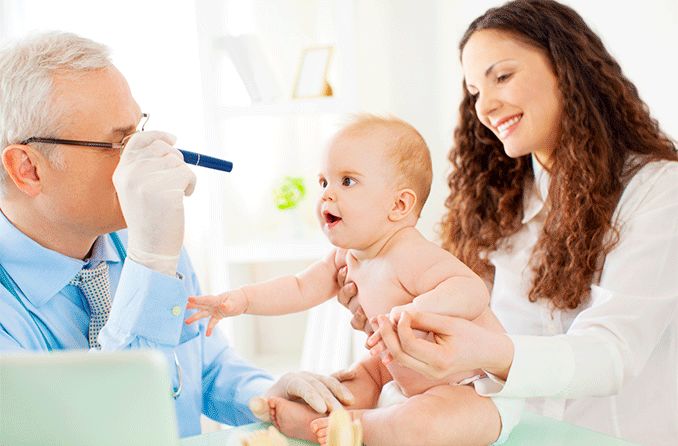
Nystagmus in Babies & Children - Jerk
- Latent/Manifest Latent (Monocular Fixation, Unimacular)
- Lateral Medullary
- Lid
- Miner’s (Occupational)
- Muscle Paretic (Myasthenic)
- Optokinetic (Induced, Optomotor, Panoramic, Railway, Sigma)
- Optokinetic After-Induced (Post-Optokinetic, Reverse Post-Optokinetic)
- Pendular (Talantropia)
- Periodic/Aperiodic Alternating
- Physiologic (End-Point, Fatigue)
- Pursuit After Induced
- Pursuit Defect
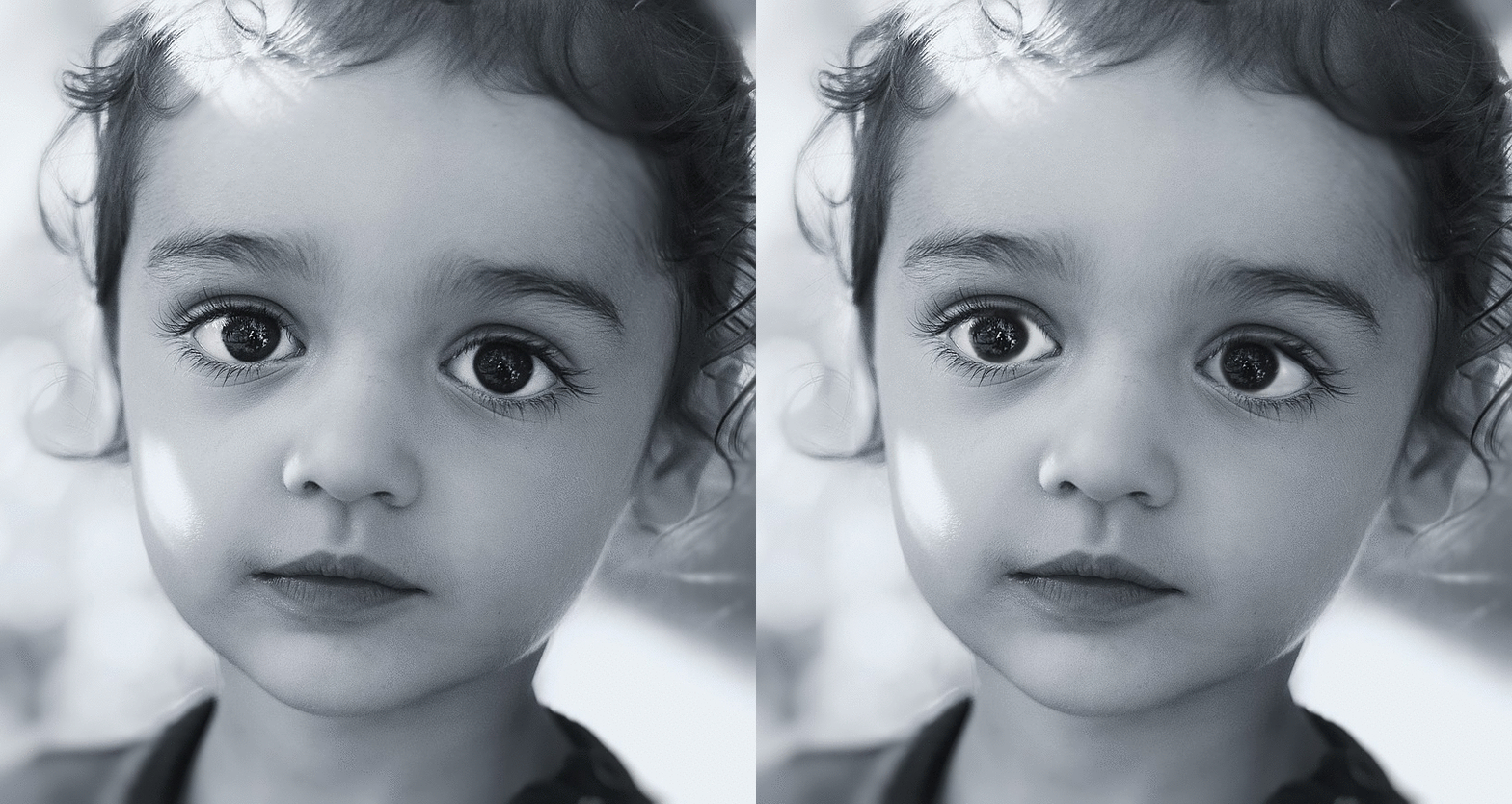
Tips for Living with Nystagmus - Pseudo Spontaneous
- Rebound
- Refelx (Baer’s)
- See-Saw
- Somatosensory
- Spontaneous
- Stepping Around
- Torsional
- Uniocular
- Upbeat
- Vertical
- Vestibular (Agotropic, Geotro-Pic, Bechterew’s, Caloric, Compensatory, Electrical/Faradic/Gal Vanic, Labyrinthine, Pneumatic/Compression, Positional/Alcohol, Pseudo Caloric)

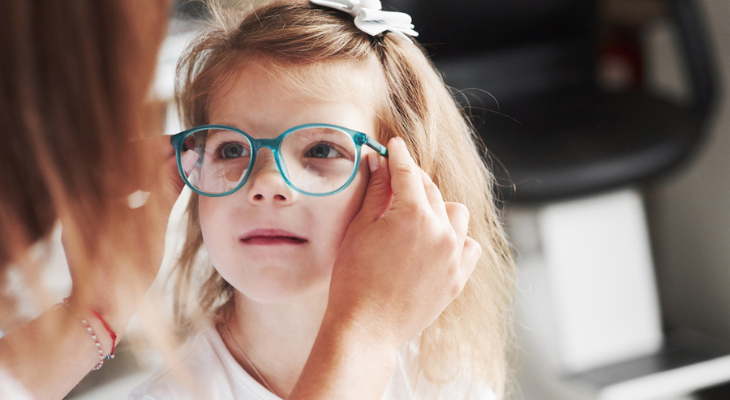
What it means if your child has it..
Having Nystagmus does not have to mean the end of the world for your child. You are the biggest determining factor in what it will mean. I’ve included some information from the American Nystagmus Network (ANN) here and encourage you to get involved with them.
Don’t limit your child. Vision typically continues to improve until the age of 10 in children with Nystagmus. Don’t train your child to say they can’t do something due to the eye condition. This will set them up to be in a bad way later in life. This doesn’t mean you should sign them up for football, but did you know there are surgeons with Nystagmus?
If you notice your child is struggling ask them to talk to you about it so you can find ways to help.
Prepare the teachers for dealing with Nystagmus. Although it is fairly common compared to other things teachers often don’t know what to do. Give them the resources to work with your child. For example larger font on blue paper is a great technique in the schools.
Become involved with ANN so you can get support from other parents and/or adults with Nystagmus…you’d be amazed at the resources available.
Teach your child to honor his/her limits. If your child genuinely can’t do something well teach them to find things they do well and encourage them.
Treat your child like a normal child.

Difficulty With Eye Movements Following A Brain Injury Give your child every opportunity to succeed.
Don’t let your fear run your life or your child’s life.
Remember every child deserves an abundant life and yours is no different.
Teach your child not to let fear run his/her life. There are many of us that are successful, it is not a sentence to failure.
Help your child connect with role models that have abundance and Nystagmus. [4]\
While eyeglasses and contact lenses do not correct the nystagmus itself, they can sometimes improve vision.
Using large-print books, magnifying devices and increased lighting can also be helpful.
Some types of nystagmus improve throughout childhood. Rarely, surgery is performed to change the position of the muscles that move the eyes. While this surgery does not cure nystagmus, it may reduce how much a person needs to turn his or her head for better vision.
What worsens nystagmus?
Generally, nystagmus is a symptom of another eye or medical problem. Fatigue and stress can make nystagmus worse.[11]
Video: The Neuro-Ophthalmology Virtual Education Library BCM - Baylor College of Medicine
Reference:
- en.wikipedia.org/wiki/Nystagmus
- lodportal.org
- dwidude.com/47-types-of-nystagmus
- homeremediesmd.com/08/30/2011/child-with-nystagmus
- complexchild.org/articles/2012-articles/march/nystagmus
- aao.org/eyenet/article/how-to-assess-treat-infantile-nystagmus?novemberdecember-2005
- medlineplus.gov/ency/article/003037.htm
- aoa.org/patients-and-public/eye-and-vision-problems/glossary-of-eye-and-vision-conditions/nystagmus
- allaboutvision.com/en-in/conditions/nystagmus allaboutvision.com/conditions/nystagmus-causes
- angelesoptometric.com/articles/general/951920-december-newsletter-how-vision-therapy-helps-with-nystagmus
- aoa.org/healthy-eyes/eye-and-vision-conditions/nystagmus?sso=y
- cambridge.org/core/books/abs/dizziness/symptoms-and-examination-of-the-patient-with-vertigo-and-dizziness
See also:
- Nystagmus: Eyes in Motion
- WHY DO MY EYES RANDOMLY SHAKE SIDE TO SIDE?
- Infantile nystagmus: Types, symptoms, causes and more
 وبلاگ تخصصی عینک شامل مجموعه مطالب پزشکی است که اطلاعات مفیدی در رابطه با عینک , چشم، لنز، سلامتی چشم و راه های پیشگیری از بیماریهای چشمی، کنترل و درمان آن را در اختیار شما کاربر محترم می گزارد.
