ابزار وبمستر

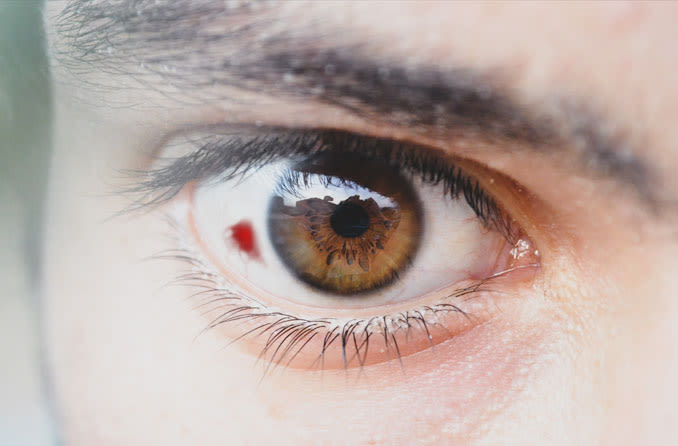
خراشيدگي يا زخم قرنيه عبارت است از وجود يك زخم باز در لايه هاي بافت نازك و شفاف قرنيه . اين زخم علاوه بر قرنيه ، تأثيراتي روي ملتحمه (پوشش روي ناحيه سفيدي چشم )، مردمك ،قسمت رنگي چشم و مايع داخل فضاي جلويي چشم مي گذارد.

زخم قرنیه یک بیماری چشمی نسبتا شایع است که اغلب از زخم باز آلوده ناشی می شود. قرنیه نقش چشمگیری در سلامت چشم و قدرت بینایی دارد. درمان مناسب این اختلال توسط چشم پزشک برای جلوگیری از آسیب بیشتر به چشم و جلوگیری از تغییرات دائمی در بینایی یا نابینایی حیاتی است.

این زخم ممکن است با چشم غیر مسلح قابل مشاهده باشد. اما گاهی فقط توسط چشم پزشک قابل تشخیص است. اگر زخم قرنیه بزرگ باشد، ممکن است بتوانید آن را به صورت یک نقطه خاکستری یا سفید روی چشم مشاهده کنید. البته تشخیص دقیق توسط خودتان غیر ممکن است.
در حالی که خود بیماری زخم قرنیه مسری نیست، اما عفونت آن می تواند مسری باشد. اکثر عفونت های ایجاد شده در این زخم باکتریایی هستند. اما گاهی نیز زخم های قرنیه در نتیجه موارد زیر ایجاد می شود:

علايم شايع :

  • انقباضات ناگهاني و شديد در پلك چشم
  • درد چشم كه معمولاً شديد است
  • قرمزي در ناحيه سفيدي چشم
  • حساسيت به نور زياد
  • ترشح از چشم
  • اشك ريزش
  • تاري ديد

عوامل :

  • - ویروس ها
  • - قارچ ها
  • - خشکی چشم
  • - آسیب های چشمی
  • - کمبود ویتامین A
  • - استفاده افراطی از پاک کننده ها
  • - استفاده از لنز تماسی نامناسب

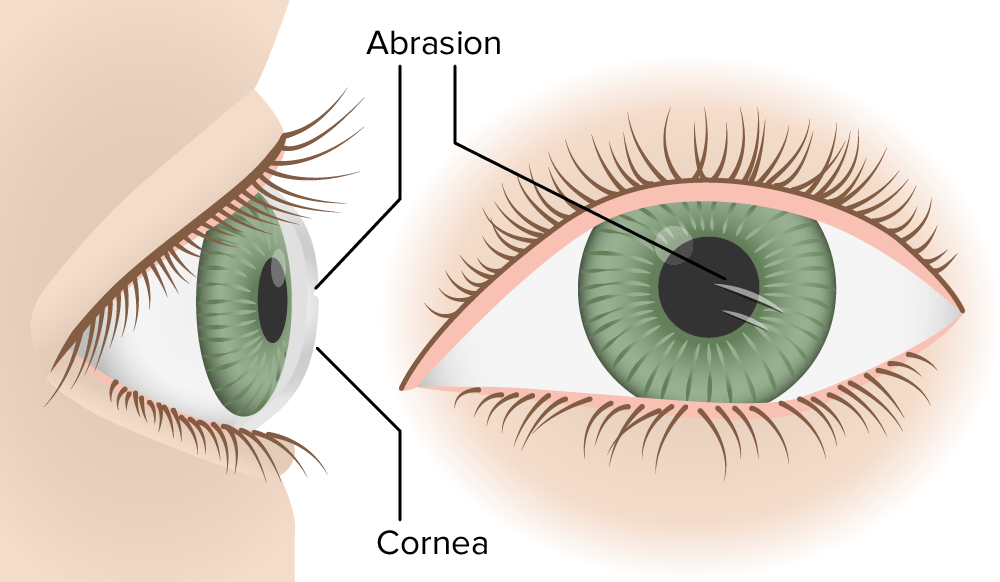
ساییدگی و یا خورده شدن قسمتی از قرینه را اصطلاحاً زخم قرنیه می نامند. این زخم ها می توانند خیلی دردناک باشند و اگر درمان نشوند ممکن است باعث ایجاد اسکار ( باقی ماندن جای زخم ) شده و منجر به کاهش دایمی بینایی، نابینایی و یا حتی از دست دادن چشم شوند. افرادی که از لنز استفاده می کنند بیشتر در خطر ابتلاء به زخم قرینه هستند.

Causes of Corneal Ulcer:

Infectious

  • Bacterial causes
  • Viral causes
  • Fungal causes
  • Protozoal
  • Chlamidial
  • Spirochaetal

nonInfectious

  • Allergic
  • Trophic
  • Traumatic
  • Idiopathic
  • Vitamin A deficiency
  • Drug-Induced Epithelial Keratitis
  • Keratoconjunctivitis Sicca (Sjogren's Syndrome)

Most cases of corneal ulcer are due to a bacterial infection that invades the cornea — often following eye injury, trauma or other damage. Contact lens wearers particularly are susceptible to eye irritation that can lead to a corneal ulcer.

How do you treat an eye ulcer?

A corneal ulcer is a small crater (ulcer) on the front part of the eye, usually resulting from infection. Bacteria, viruses, or fungi can cause a corneal ulcer. People who wear contact lenses are at higher risk for corneal ulcers because infectious agents may get trapped behind a lens. eResearch by Navid Ajamin -- summer 2013

A corneal ulcer is an open sore, a defect in the outer layer of your cornea called the epithelium. These ulcers can have a significant impact on our vision and overall eye function. They can be caused by various factors such as infections (bacterial, viral, or fungal), injuries or trauma to the eye, dry eyes, or other underlying medical conditions

Symptoms of a corneal ulcer include:

  • Red swollen eyes
  • Severe pain and inability to see light
  • Foreign body sensation
  • Tearing and blurring of vision
  • Round white spot on the cornea
  • pain,
  • redness,
  • feeling like the eye is scratched or something is in it,
  • sensitivity to light, and
  • blurry vision.

Causes of Corneal Ulcers:

  • Infections _Bacterial _Viral _Fungal _Parasitic
  • Wearing contact lenses for excessive periods of time
  • An inadequate contact lens sterilization
  • Eye injury
  • Lack of tear production
  • Complications of herpes simplex keratitis, neurotrophic keratitis, chronic blepharitis, conjunctivitis, trachoma, bullous keratopathy and cicatricial pemphigoid
  • Vitamin A deficiency or protein malnutrition
  • Eyelid abnormalities

Causes of Corneal Abrasion:

  • Poke your eye with a fingernail, pen, or makeup brush
  • Get dirt, sand, sawdust, ash, or some other foreign matter in your eye
  • Get chemicals in your eye
  • Rub it too hard
  • Wear poor-fitting or dirty contact lenses
  • Get a certain type of eye infection
  • Have surgery without proper eye protection
  • Play sports or engage in high-risk physical activity without safety eyewear
  • Overwear your contact lenses

If you suspect a corneal ulcer or have the symptoms of a corneal ulcer and wear contact lenses, see your ophthalmologist immediately. High potency antibiotics and pain medications are the treatments for this condition.

Self-treatment consists of removing contact lenses, applying a cool compress to the affected eye, washing hands often, and OTC pain medications such as Tylenol or Motrin.

Corneal abrasion is a scratch to the surface of the cornea of the eye.Symptoms include pain, redness, light sensitivity, and a feeling like a foreign body is in the eye.Most people recover completely within three days.

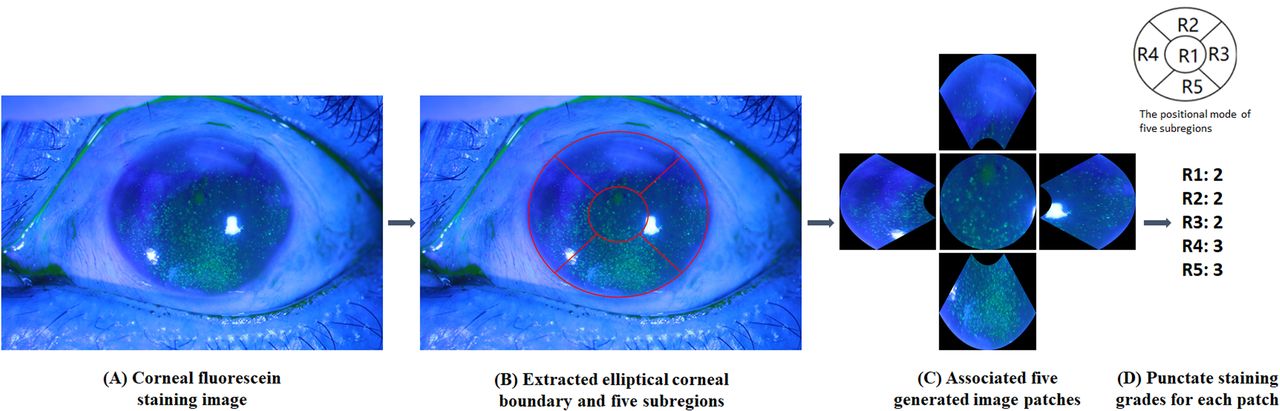
Most cases are due to minor trauma to the eye such as that which can occur with contact lens use or from fingernails. About 25% of cases occur at work. Diagnosis is often by slit lamp examination after fluorescein dye has been applied. More significant injuries like a corneal ulcer, globe rupture, recurrent erosion syndrome, and a foreign body within the eye should be ruled out.
Risk factors of Corneal Ulcers:

  • Contact lens wear
  • Steroid eye drops
  • Severe dry eye and blepharitis
  • Eyelashes that grow inward (Trichiasis)
  • Eyelids that turn inward (Entropion)
  • Conditions that affect your eyelid and keep it from closing all the way.
  • Chemical burns or other cornea injuries
  • Severe allergic eye disease

علل

  • استفاده از لنزهاي تماسي به مدت طولاني يا لنزهاي تماسي كه درست در جاي خود قرار نمي گيرد.
  • آسيب به قرينه ، يا پريدن يك جسم خارجي مثل تكه كوچكي از فلز، شن ، يا شيشه به درون قرينه .
  • امكان دارد يك عفونت باكتريايي ، معمولاً در اثر پنوموكوكك ، استرپتوكك ، يا استافيلوكك ، به دنبال اين آسيب به وجود آيد.
  • عفونت با ويروس هرپس سيمپلكس كه در دهان باعث تب خال مي شود.
  • عفونت پلك ها و ملتحمه
  • بسته نشدن كامل پلك ها تمام عفونت هاي فوق مسري هستند و از فرد به فرد يا از يك قسمت از بدن به قسمت ديگر انتقال مي يابند، كه اين امر خصوصاً در مورد انتقال عفونت در تب خال در اثر تماس انگشت با چشم مصداق دارد.

Corneal abrasion and ulcer

عوامل‌ افزایش‌دهنده‌ خطر:

  • پركاری‌ تیرویید
  • عفونت‌ اخیر یا آسیب‌ به‌ چشم‌
  • سیگار كشیدن‌ یا قرار گرفتن‌ در معرض‌ سایر تحریك‌كننده‌های‌ چشم‌ در محیط‌

پیشگیری‌:

دستان‌ خود را مرتب‌ بشویید. از وارد آمدن‌ آسیب‌ به‌ قرنیه‌ خود جلوگیری‌ كنید. به‌ هنگام‌ تراشكاری‌ و كار با فلز و چوب‌ از عینك‌های‌ مخصوص‌ محافظت‌ از چشم‌ استفاده‌ كنید. اگر تب‌ خال‌ دارید، دست‌ به‌ چشمان‌ خود نزنید. در استفاده‌ از لنزهای‌ تماسی‌ كمال‌ دقت‌ را به‌ كار گیرید.

عواقب‌ مورد انتظار:

زخم‌ قرنیه‌ یك‌ مشكل‌ جدی‌ چشم‌ به‌ حساب‌ می‌آید. این‌ مشكل‌ معمولاً در عرض‌ 3-2 هفته‌ با درمان‌ خوب‌ می‌شود. اگر بافت‌ جوشگاهی‌ كه‌ از التیام‌ زخم‌ قرنیه‌ به‌ جای‌ مانده‌ است‌ باعث‌ بروز مشكل‌ در بینایی‌ شود، با انجام‌ پیوند قرنیه‌ (تعویض‌ قرنیه‌ با یك‌ قرنیه‌ سالم‌) ممكن‌ است‌ بتوان‌ بینایی‌ را تقریباً به‌ حالت‌ اول‌ برگرداند.

عوارض‌ احتمالی‌:

در صورت‌ غفلت‌ از زخم‌ قرنیه‌، تخریب‌ بافتی‌ می‌تواند در قرنیه‌ نفوذ كرده‌ و به‌ این‌ ترتیب‌ باعث‌ ورود عفونت‌ به‌ داخل‌ كره‌ چشم‌ شود. در این‌ صورت‌ ممكن‌ است‌ بینایی‌ به‌ طور دایم‌ از دست‌ برود.

درمان‌:

آزمایشات‌ تشخیصی‌ عبارتند از: معاینه‌ چشم‌، گاهی‌ انجام‌ سنجش‌ دقت‌ بینایی‌، و كشت‌ خرده‌های‌ تراشیده‌ شد از سطح‌ قرنیه.‌

درمان‌ عبارت‌ است‌ از در آوردن‌ هرگونه‌ جسم‌ خارجی‌ از قرنیه‌، قطره‌ یا پماد چشمی‌، گذاشتن‌ كمپرس‌ محكم‌ و پوشش‌ روی‌ چشم.‌ می‌توان‌ از كمپرس‌ آب‌ خنك‌ تا زمانی‌ كه‌ احساسی‌ خوبی‌ به‌ دست‌ می‌دهند استفاده‌ كرد.

داروها:

قطره‌ها یا پمادهای‌ آنتی‌بیوتیكی‌ یا آنتی‌بیوتیك‌های‌ خوراكی‌ برای‌ عفونت‌ باكتریایی.‌ دارو برای‌ عفونت‌های‌ ویروسی‌ و قارچی.‌ برای‌ درد خفیف‌ می‌توان‌ از استامینوفن‌ استفاده‌ كرد.

فعالیت‌:

پس‌ از درمان‌، فعالیت‌ طبیعی‌ خود را زودتر از زمان‌ ممكن‌ مجدداً آغاز كنید.

رژیم‌ غذائی‌:

رژیم‌ خاصی‌ توصیه‌ نمی‌شود.

در این‌ شرایط‌ به‌ پزشك‌ خود مراجعه‌ نمائید:

۱. تغییر بینایی‌
۲. تب‌ بالای ۳۸/۳ درجه‌ سانتیگراد
۳. دردی‌ كه‌ با استامینوفن‌ خوب‌ نمی‌شود.
۴. اگر شما یا یكی‌ از اعضای‌ خانواده‌ تان علایم‌ زخم‌ قرنیه‌ را دارید.
۵. اگر دچار علایم‌ جدید و بدون‌ توجیه‌. داروهای‌ مورد استفاده‌ در درمان‌ که ممكن‌ است عوارض‌ جانبی‌ به‌ همراه‌ داشته‌ باشند.

پزشک ممکن است قطره ای حاوی رنگ فلورسئین به داخل چشم شما بریزد و سپس چشم را با دستگاه اسلیت لامپ زیر نور آبی معاینه نماید. اگر مشخص شد که زخم قرنیه وجود دارد ممکن است برای درمان آن قطره های چشمی آنتی بیوتیک یا آنتی ویرال ( ضد ویروس ) تجویز شود. حتی زخم های شدید نیز معمولاًدر عرض یک یا دو هفته پس از شروع درمان برطرف می شوند اما جای زخم های می تواند باقی مانده و باعث بروز اختلالات دایمی بینایی شود.

Reference:

  • nature.com
  • webmd.com
  • lecturio.com
  • msdmanuals.com
  • medicinenet.com
  • allaboutvision.com
  • clinicalondon.co.uk
  • medicinenet.com/corneal_ulcer/article.htm
  • drhc.ae/corneal-ulcers-treatment/ophthalmology
  • slideshare.net/LutfiAbdallah/laso-corneal-ulcer-presentation

See also:

  • Types Of Corneal Ulcer
  • Corneal ulcers in children

Before we elaborate on the pink eye remedy, we have to find out what is pink eye (conjunctivitis)?

Pink eye is an inflammation of conjunctiva - the membrane that covers the eye and lines the inner surface of the eyelid.

Related image

The three most common types of pink eye are:

  • viral,

  • allergic, and

  • bacterial

Each requires different pink eye remedy.

Other than the allergic type, pink eye is typically contagious.

What are the signs and symptoms of pink eye?

Various combinations of the following symptoms may be present in cases of pink eye:

  • Itching eye

  • Redness in eye

  • Photophobia (sensitivity to light)

  • Swelling of the lids and/or discharge from the eyes The consistency of possible discharge may range from watery to purulent (pus-like), depending on the specific cause of the pink eye.

What causes pink eye (conjunctivitis)?

Pink eye (conjunctivitis) is often caused by viruses. It can also be caused by bacterial infections, allergies, chemicals, irritation from contact lenses or pollutants, as well as eye injury. Viral and bacterial pink eye are very contagious.

Bacterial or viral infections
These may occur when micro organisms are introduced or transmitted into the eye through contaminated hands, the use of washcloths or towels, cosmetics, use of false eyelashes or through the extended usage of contact lenses.

It is also quite common for a minor pink eye to accompany a viral cold or flu. Although bacterial infections and some of viral infections, particularly herpes, are not very common, they are potentially serious. Both types of infection are contagious.

Irritants
Another major cause of pink eye is the presence of irritants, which may take the form of pollutant or particles in the air, smoke, soap, hairspray, makeup, chlorine, cleaning fluids, among other. Some people may also get pink eye due to a seasonal allergic response to grass and pollen.

Pink Eye Remedy

It usually takes about a few days or up to two weeks for pink eye remedy to clear up the eye problem. Pink eye that occurs due to an allergy may continue for as long as the offending pollen or irritant is present. With such conditions, symptoms are likely to recur each year or on a regular basis, even with proper pink eye remedy.

Pink eye remedy may vary depending on the cause. Eye health medication in the form of ointments, eye drops or pills may be used to eliminate the infection in the eye, or to alleviate and relieve the allergic symptoms and discomfort. In the case of pink eye that occurs due to a viral cold or flu, your doctor may recommend that you be patient and let the viral infection run its course.

These are some of the steps you should take in the pink eye remedy:

  • Apply a cool compress to the infected eye or eyes about three to four times a day for 10-15 minutes. Make sure you use a clean washcloth or towel each time. This should help to reduce itching and swelling and alleviate some of the discomfort.

  • Wash your hands frequently and be sure to keep them away from your eyes in order to reduce or prevent recontamination.

  • Avoid rubbing your eyes. This may contribute to the spread of the infection and increase the irritation.

  • Wear sunglasses if your eyes are sensitive to the light.

  • Avoid exposure to the irritants that may be causing the pink eye.

  • Dispose of old eye makeup if the culture for bacteria, taken by the doctor, turns out to be positive.

  • Change your pillowcase each night. Alternatively, you can change your pillowcase every other day and turn it over nightly.

  • Avoid wearing contact lenses while you are using medication on your eyes, or if you feel discomfort in the eyes. Clean your contact lenses thoroughly before you begin using them again.

Can pink eye (conjunctivitis) be prevented?

Although many kinds of pink eye (conjunctivitis) are hard to prevent, you can take some measures to decrease the risk of re-contamination or spreading it to someone else .

Here are some eye health measures you can take to prevent re-contamination:

  • Do not share eye makeup or cosmetics of any kind with someone else. As far as possible, avoid sharing washcloths or towels.

  • Wash your hands frequently and keep them away from the eyes.

  • Wear protective goggles when you go swimming or when you have to work in a place that is exposed to chemicals that may irritate the eyes.

  • Do not use eye health medication, such eye drops, ointment, etc., which have not been prescribed for you. Someone else's prescription is not be suitable for you.

  • Avoid swimming in stagnant lakes or ponds.

  • Do not save remaining eye health medication for future use. Dispose of expired medication.

Red Eyes: Prevention & Cool Tips on How to Take Care!

Image result for red eye

A red eye is a very common condition, an eye that appears red due to illness or injury. Fortunately, many a time, the red eye is of short duration, not very troublesome, and resolves by itself.


causes of red and bloodshot eyes
Simple red eyes usually clear by remedies such as washing with plain cold water, applying cold packs to closed eyes, taking a short period of rest, etc.

Commonest cause is conjunctivitis, either due to allergy, or due to infection. Allergies can cause itchy, red eyes that appear swollen. Infection, on the other hand, can cause stickiness of the eye lids or eye lashes with some discharge in addition. While the very mild may clear by themselves, others will need specialist treatment.

Other causes of red eye, which need proper treatment are, keratitis (injury/infection of cornea), scleritis & episcleritis (involvement of white layers of eye).

Glaucoma or iritis can also cause redness of the eye, and these conditions would need immediate treatment. Acute glaucoma, if treatment is delayed, can lead to permanent loss of vision.

To prevent delay in treatment, any one of the following feature indicates that an urgent consultation with an ophthalmologist is important:

Along with redness of eyes, if there is:

(1) pain in or around the eyes.
(2) watering from the eyes.
(3) photophobia, or inability/hypersensitivity to tolerate light.
(4) diminution of ability to see clearly, which was good until the onset of red eye.

Lubricating eye drops and general soothing eye drops usually give some relief in almost all the conditions. That could be a reason sometimes when we may delay seeking specialist consultation.
One big danger is in using steroid eye drops, while very essential in treating some of the conditions mentioned above, has exactly the opposite and very harmful result in some other conditions. Hence, only a well trained ophthalmologist can identify these conditions quickly and advise accordingly.

Eye haemorrhage: Causes and treatments

Eye redness occurs when the vessels in your eye become swollen or irritated. Redness of the eye, also called bloodshot eyes, can indicate the presence of several different health problems. While some of these problems are quite innocent, others are serious and require proper medical attention.

Red eyes may be caused by anything from a poor night’s sleep to a more serious medical condition. But Mark Mifflin, M.D., an ophthalmologist with University of Utah Health Care’s Moran Eye Center, warns that attempts to whiten eyes often do more harm than good.

A subconjunctival hemorrhage often occurs without any obvious harm to your eye. Even a strong sneeze or cough can cause a blood vessel to break in the eye. You don't need to treat it. A subconjunctival hemorrhage may look alarming, but it's usually a harmless condition that disappears within two weeks or so.

To safely reduce redness of the eye, the following courses of action should be followed:

A professional eye exam. Many factors, including dry eye, eyelid inflammation, allergy, skin type, smoking, and exposure to dust or chemicals can cause or contribute to eye redness. Preservative free artificial tears or prescription eye drops prescribed by your eye care provider can help. Also, getting enough sleep is important, as is eating a variety of fruits and vegetables, and protecting the eyes from UV rays and dry air.

Avoid any eye drops or other medications that promise to reduce redness. “Generally these medicines temporarily narrow blood vessels. The effect may last for several hours, but they are always followed by rebound dilation,” says Mifflin. He also says that nearly all of these eye drops contain medications or preservatives which can be toxic to the surface of the eye when used repeatedly.

Be aware: discoloration of the white of the eyes can sometimes be a sign of a serious medical condition. For example, a yellow tinge could signify liver disease, or a dramatic increase in red might be due to an abnormality of the blood vessels inside the head or neck. Once again, consulting your optometrist is a good place to start.

Reference:

  • eye-exercises-for-good-vision.com
  • dejonghoptometry.co.za/red-eyes-night-driving-tips
  • practo.com/healthfeed/red-eyes-prevention-cool-tips-on-how-to-take-care
nicetoview.blogfa.com
عینک eyewear وبلاگ تخصصی عینک شامل مجموعه مطالب پزشکی است که اطلاعات مفیدی در رابطه با عینک , چشم، لنز، سلامتی چشم و راه های پیشگیری از بیماریهای چشمی، کنترل و درمان آن را در اختیار شما کاربر محترم می گزارد.

Always Be Healthy
همیشه سلامت باشید

Navid Ajamin نوید عجمین
eMail: navid.aj@outlook.com
موضوعات وب
پیوندها

unicef for every child

شمارنده