ابزار وبمستر

Parents and coaches play an important role in making sure young athletes protect their eyes and properly gear up for the game. Protective eyewear should be part of any uniform because it plays such an important role in reducing sports-related eye injury.

Eye injuries | Magrabi Hospitals

Eye injuries are the leading cause of blindness in children in the United States and most injuries occurring in school-aged children are sports-related. These injuries account for an estimated 100,000 physician visits per year at a cost of more than $175 million.

Ninety percent of sports-related eye injuries can be avoided with the use of protective eyewear. Protective eyewear includes safety glasses and goggles, safety shields, and eye guards designed for a particular sport. Ordinary prescription glasses, contact lenses, and sunglasses do not protect against eye injuries. Safety goggles should be worn over them.

Currently, most youth sports leagues do not require the use of eye protection. Parents and coaches must insist that children wear safety glasses or goggles whenever they play.

Protective eyewear, which is made of ultra-strong polycarbonate, is 10 times more impact resistant than other plastics, and does not reduce vision. All children who play sports should use protective eyewear-not just those who wear eyeglasses or contact lenses. For children who do wear glasses or contact lenses, most protective eyewear can be made to match their prescriptions. It is especially important for student athletes who have vision in only one eye or a history of eye injury or eye surgery to use protective eyewear.

Whether you are a parent, teacher, or coach, you can encourage schools to adopt a policy on protective eyewear. Meanwhile, parents and coaches should insist that children wear protective eyewear whenever they play sports and be good role models and wear it themselves.[1]

Types of injury

Three types of eye trauma can result from sports injuries:

  • corneal abrasion, blunt injuries and penetrating injuries.

Corneal abrasion, a scrape of the outer surface of the eye, usually is painful but not severe. The most common cause, in sports and recreation, is a scratch from a fingernail. Many professional basketball players wear goggles when they play to protect themselves from such an injury.

Blunt injuries occur when impact from an object (tennis ball, racquet, fist, elbow, etc.) causes sudden compression of the eye.

Mild blunt injuries sometimes only result in bleeding of the eyelids, or a black eye. Also, a subconjunctival hemorrhage may develop. This involves bleeding from the delicate blood vessels of the conjunctive, which lie on top of the white outer coat of the eye. Neither of these types of bleeding poses a threat to the eye itself. However, these injuries may be seen in more severe cases in which the eye is damaged. As symptoms of severe injury are not always obvious, it is crucial that all cases of eye trauma get a thorough eye examination from an ophthalmologist.

One of the common results of more severe blunt trauma is bleeding in the front of the eye between the clear cornea and colored iris. This condition is known as a hyphema. In addition, blunt injury may cause a cut or tear of the eyelids, which may need special suturing. Also, the bony walls surrounding the eye may be fractured by severe blunt trauma. Severe blunt trauma also may damage important structures inside the eye, such as the retina or optic nerve, resulting in potentially permanent visual loss. Therefore, if you suffer a blunt injury to the eye, see an ophthalmologist as soon as possible.

Penetrating injuries occur when a foreign object pierces the eye. A common cause of these injuries in children is BB pellets. Also, a piece of glass from spectacles shattered during sports play sometimes can penetrate the eye. Penetrating injuries often cause severe, sight-threatening damage; they are true emergencies and must be evaluated promptly by an ophthalmologist.

Symptoms and evaluation

The warning signs of potentially serious eye injury include:

  • Visual loss

  • Bleeding on the surface or inside the eye

  • Tears in the outer ocular walls

  • A foreign body inside the eye

The evaluation of sports-related eye injuries is the same as for other types of eye trauma. More emergent injuries, such as head trauma with loss of consciousness, are always treated first.

Treatment

Prompt first aid after eye injury may greatly improve the chance of preserving vision. The recommended first aid involves placing a protective cover over the eye to prevent further damage. (If no shield is available, tape the bottom of a paper cup over the eye.) Seek emergency care as soon as possible.

The type of treatment given depends on the injury. Surgery may be required to repair blunt or penetrating injuries.

Prevention

The best treatment is prevention, as the old adage goes. The best prevention of eye injury while involved in sports and recreation is to wear specially designed protective eyewear. Such eye guards, while they cannot eliminate risk, greatly reduce the chance of ocular injury. Regular eyeglasses and contact lenses do not offer adequate protection from sports injuries. As already mentioned, glass lenses may even shatter and cut the eye.

Racquet sports—Stricter standards for eyewear for racquet sports have helped reduce the number of eye injuries from these activities. Research done at the UIC Eye Center and elsewhere has led to the improvement of these eye protection devices.

Today, the standard eye guard designed for use in sports such as racquetball, baseball and basketball is made of polycarbonate (plastic) and has closed lenses and sports frames. Avoid open lenses, as a small ball traveling at high speed can be compressed through the opening and cause severe eye damage.  eResearch by Navid Ajamin -- spring 2012

Collision sports—Total head and face protection is essential for any collision sport, for example, a helmet in football and a face mask in hockey. In hockey the risk of eye injury is not so much from collision as from a flying puck. The standardization and use of face masks in organized amateur ice hockey in Canada led to a 66 percent reduction in eye injuries.

The identification of patterns in sports eye trauma is important in helping prevent many of these injuries. The National Eye Trauma System (NETS) is collecting data on the frequency and types of eye injuries, including those due to sports. The UIC Eye Center is one of 50 regional eye trauma centers that are sending the data to NETS.[2]

Kids need our full support in practising sports! A perfect present ...

Reference:

  1. nei.nih.gov/sports

  2. uic.edu/com/eye/LearningAboutVision/EyeFacts/SportsEyeInjuries.shtml
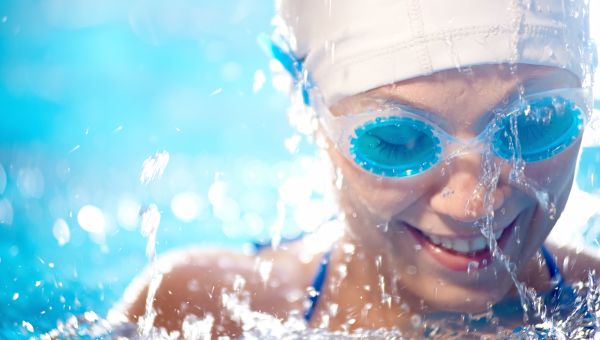
كلر موجود در آب استخرها موجب تحریك و قرمزی چشم می‌شود و استفاده از عینك شنا برای پیش‌گیری از آسیب به چشم ضروریست.

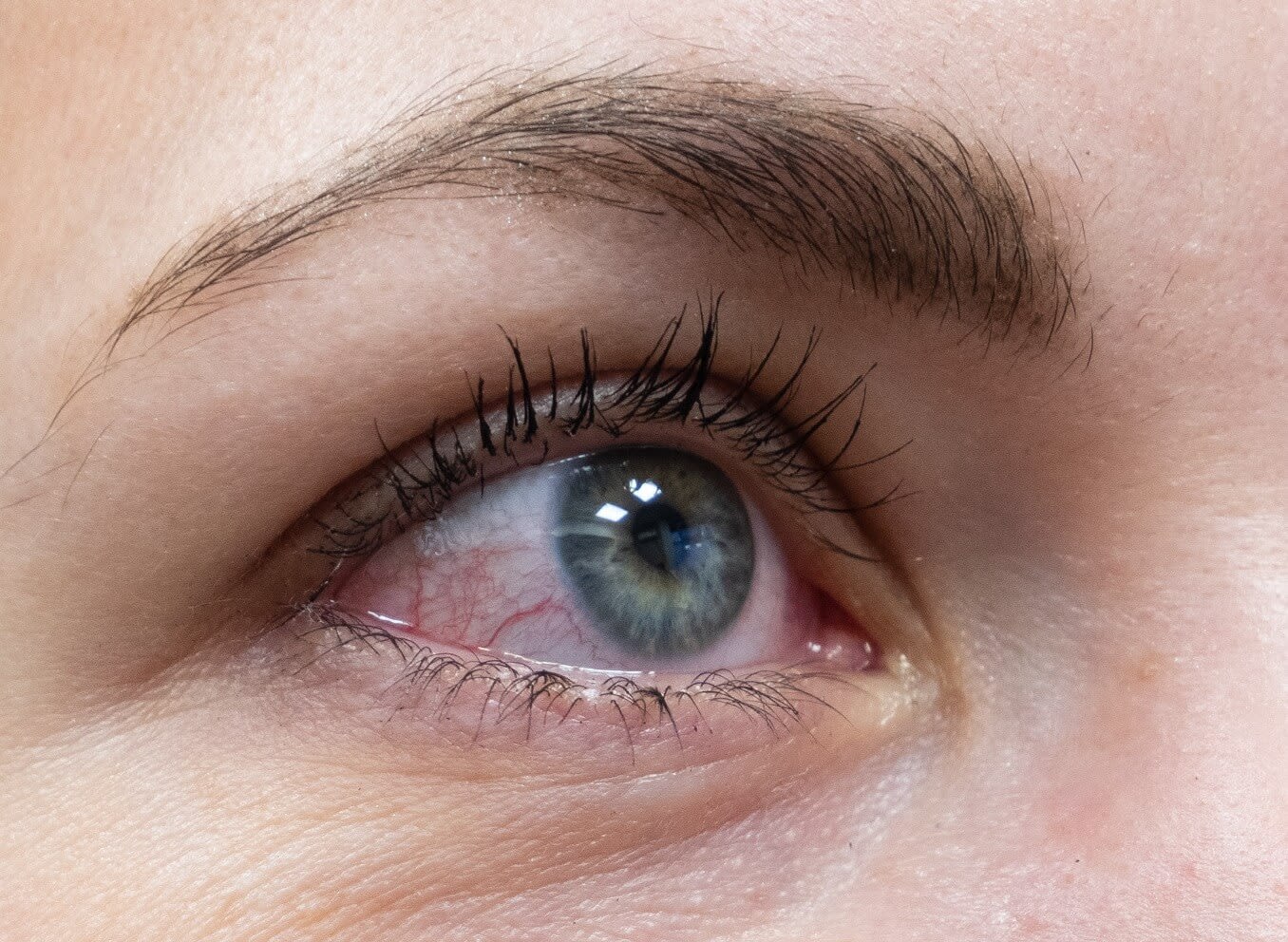
قرمزی و التهاب چشم پس از خروج از استخر نشانه آسیب به چشم است و در استخر باید حتما از عینك شنا استفاده شود.

كلر موجود در آب استخرها موجب تحریك چشم می‌شود و در درازمدت برای سلامت چشم مشكل‌ساز خواهد شد.

درباره استفاده از قطره‌های استریل چشمی پس از خروج از آب استخر، اصولا نیازی به ضدعفونی کردن چشم نیست زیرا اشك موجود در درون چشم این كار را به خوبی انجام می‌دهد.

در صورتی كه چشم فردی خشك است و اشك زیادی تولید نمی‌كند، می‌تواند به صورت كوتاه مدت از قطره‌های چشمی استفاده كند، ولی استفاده طولانی مدت به چشم آسیب می‌رساند.

قطره‌های استریل چشمی با تنگ كردن عروق چشم مانع از قرمزی چشم می‌شوند و نقشی در ضدعفونی چشم ندارند. بهترین روش برای حفظ بهداشت چشم پس از خروج از آب استخر، حمام كردن و شست و شوی صورت و اطراف چشم است.

روزهاي گرم فصل تابستان زمان استخر رفتن و شنا كردن است. هر چند شنا از جمله ورزش هايي نيست كه آسيب هاي چشمي يكي از خطرات آنهاست (مثل فوتبال، تنيس، بيس بال، ...) ولي قرمزي و سوزش چشم بعد از شنا كردن بويژه در استخر يكي از مسائلي است كه بسياري با آن مواجه اند. ولي آيا بايد نگران اين مسئله بود؟ خير. قرمزي پس از شنا در استخر سبب آسيب درازمدت نمي شود.

كلر كه براي ضد عفوني كردن و از بين بردن باكتري ها به آب استخر اضافه مي شود بخودي خود مشكل ساز نيست. مشكل زماني رخ مي دهد كه كلر در مجاورت نيتروژن يا آمونياك موجود در آب قرار مي گيرد و از تركيب اينها كلرامين تشكيل مي شود. در حقيقت علت اصلي قرمزي و چشم كلرامين است. عروق سطحي روي سفيدي چشم بر اثر تماس با كلرامين ملتهب شده و چشم قرمز مي شود. كلرامين همچنين لايه موقتي روي قرنيه ايجاد مي كند كه سبب التهاب، حساسيت، خشكي و قرمزي چشم مي شود. به اين وضعيت كراتيت مي گويند.

Chlorine strips away the tear film that protects your cornea, making your eyes vulnerable to the dirt and bacteria floating around that wasn’t eliminated by the chlorinated water. (Ironic, right?) This can result in these three common eye issues:

  1. Pink eye or conjunctivitis. This is one of the most common eye infections swimmers can get, as it can be either viral or bacterial and spreads quickly and easily through the water.
  2. Red, irritated eyes. This is a result of your eyes becoming dehydrated due to the chlorine and the removal of your tear film. Sometimes you may also experience blurriness and distorted vision, though this is usually only temporary.
  3. Acanthamoebic keratitis. This is a severe eye infection that is caused by amoeba becoming trapped between the cornea and the contact lens. It can begin to live there, which can result in ulcers on your cornea and permanent damage to your vision.

With all of these risks to your eyes from chlorine, swimming might seem a bit scarier than before. However, there is no need to fear! By taking simple safety precautions, you can protect your eyes and enjoy time by the pool. Here are some swimming safety tips from the Eye Docs:

  • If you do experience redness and irritation, know that these symptoms should disappear within a few minutes.
  • Use lubricating eye drops to restore your cornea’s protective tear film and find relief from irritation and dryness.
  • Remove your contact lenses before entering the pool.
  • If you do swim with contacts on, remove them immediately after swimming and sanitize them with lens solution. Do not sleep in them. If possible, the safest move is to throw those lenses away and use a fresh pair.
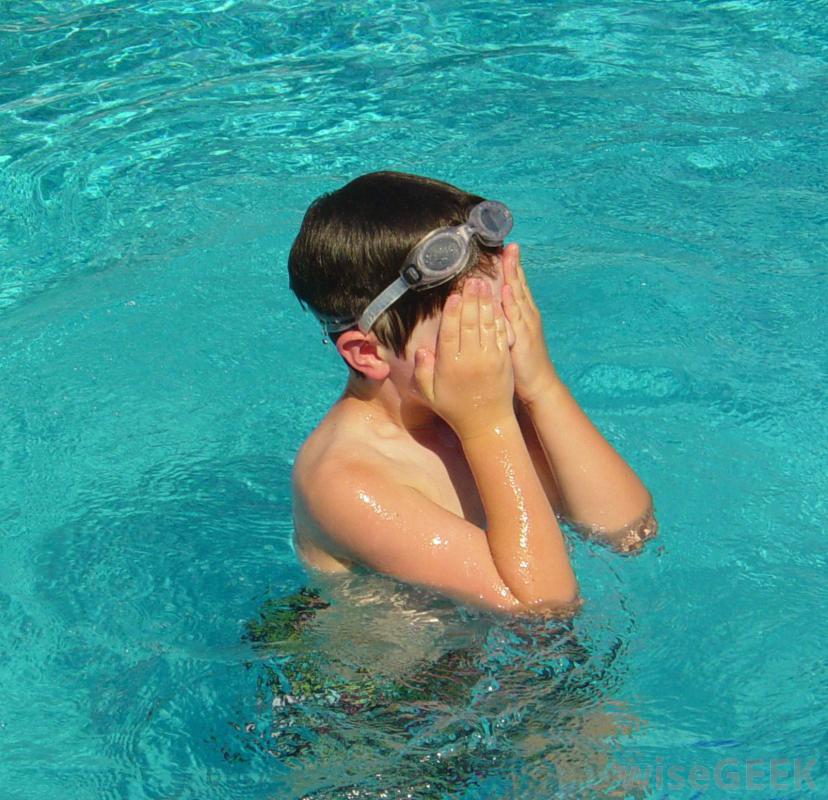
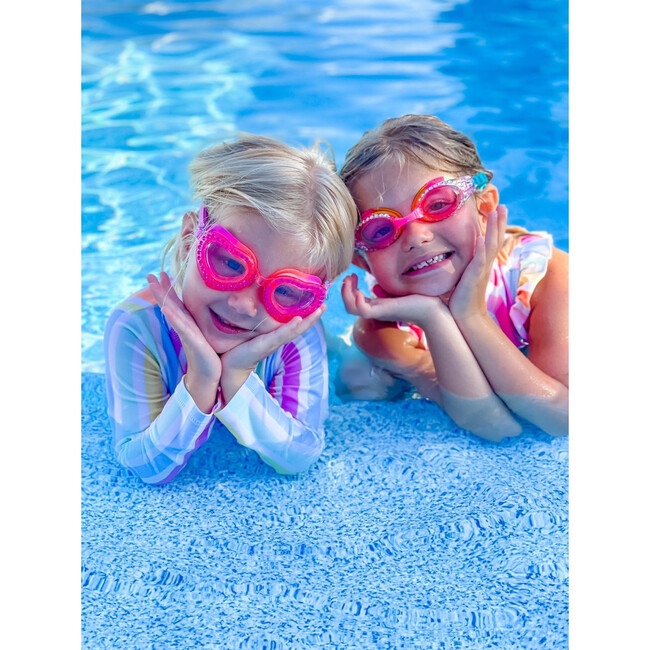
  • ALWAYS wear water-tight goggles with a strong seal when swimming.

بر خلاف بسياري كه تصور مي كنند درمان اين وضعيت استفاده از قطره هايي است كه قرمزي چشم را كم مي كنند درمان صحيح استفاده از تركيباتي نظير اشك مصنوعي است. اشك مصنوعي لايه اي روي قرنيه ايجاد كرده و به آن فرصت مي دهد التيام يابد. مكانيسم اثر تركيباتي كه قرمزي چشم را كم مي كنند منقبض كردن عروق خوني است و قطع اين داروها سبب شديدتر شدن مشكل خواهد شد. اگر قرمزي و سوزش چشم شديد باشد و يا به دفعات تكرار شود يك راه ديگر استفاده از عينك شنا است.

Burning or stinging eyes, a runny nose, coughing, and sneezing might all sound like symptoms of a cold or other illness, but they could also be the result of swimming in a poorly maintained or poorly ventilated indoor swimming pool. Many people believe that high chlorine levels in swimming pool water make their eyes hurt, but the opposite is true; part of the problem is not enough chlorine.

Chloramines are a byproduct of the pool disinfectant chlorine. Without some form of pool disinfection, you would get very sick when you swim.

Pool Chlorine Allergy: Chlorine Rash Signs and Symptoms

Related image

Chlorine allergy and swimming pool water chemistry. Good weekly pool maintenance and pool water balance to give you the pool perfect for you.

If you're wondering if you have a real allergy (not chlorine poisoning), you'll be looking for signs and symptoms for a chlorine allergic reaction. So the questions are what is a real allergy to chlorine, what are the symptoms, and what are the possible treatments? Pool chlorine has many beneficial uses including sanitizing swimming pools and drinking water.

You can rest easy in knowing that if you practice good swimming pool care your pool will be well sanitized and free from any kind of bacteria.

Many people have a chlorine allergy and/ or chlorine sensitivity. This is actually more common in competitive swimmers. Higher than normal levels of chlorine can contribute to their allergies, but there's more to consider. Lower pH and high combined chlorine are also factors that should be taken into consideration. Contrary to popular belief, higher pH levels do not cause swimming irritation, nor do they contribute to faded swimsuits.

There's no doubt swimming is a great exercise and can be enjoyed by nearly everyone. But what about the chlorine? Can you be allergic to it? A real allergy to chlorine is called Allergies Type-4, cell mediated, or delayed allergies. According to some allergists, you might not be actually allergic to chlorine. What you may have is a sensitivity or reaction.

It might be asthma or bronchoconstriction which is brought on by swimming in an indoor or outdoor pool that is not properly treated. Chlorine reactions may include itchy red skin or hives that is known as "irritant dermatitis" that many people experience with slight chemical burns.

Tips for preventing a chlorine rash

Some of the ways to prevent a chlorine rash include:

  • Taking a bath or shower before and after you’re exposed to chlorine. If you apply lotions to skin that has chlorine present, it’s only likely to irritate it more.
  • Applying petroleum jelly, such as Vaseline, to areas that are irritated before going into a pool or doing cleaning. This provides a protective barrier between your skin and the water.
  • Another option is to take a break from a pool or cleaning solution that contains chlorine for a while and allow the skin to heal.

اغلب تصور مي شود قرمزي چشم ناشي از زياد بودن كلر آب استخر است در حاليكه واقعيت دقيقا بر عكس اين است و اين مسئله اغلب ناشي از كم بودن كلر آب است. حتي بوي تندي كه اغلب افراد تصور مي كنند ناشي از زياد بودن كلر است نيز بخاطر كم بودن كلر آب ايجاد مي شود. دليل اين مسئله اين است كه مولكول هاي آزاد كلر با نيتروژن و آمونياك تركيب مي شوند و كلرامين ايجاد مي كنند. افزايش كلر آب علاوه بر اينكه مانع رشد باكتري ها در آب استخر مي شود سبب شكسته شده پيوند هاي شيميايي كلرامين و شكسته شدن مولكول هاي آن شده و مشكلات مربوطه را كاهش مي دهد. در صورتيكه كلر آب كم باشد احتمال عفونت چشم ناشي از وجود باكتري ها در آب افزايش مي يابد. عفونت چشمي (اغلب كنژنكتيويت) معمولاً علاوه بر قرمزي و التهاب با درد و ترشح همراه است. در صورتيكه قرمزي بعد از شنا در استخر از حد يك التهاب خفيف فرا تر رفته و با ترشح همراه باشد بهتر است به چشم پزشك مراجعه كنيد. eResearch by Navid Ajamin -- autumn 2011

در مجموع رعايت نكات زير تا حدود زيادي مانع از مشكلات چشم ناشي از شنا در استخر مي شود:

  • بلافاصله پس از بيرون آمدن از آب دوش بگيرید. دوش گرفتن سبب مي شود كلرامين از پوست، مو و چشم شما شسته شود.
  • بلافاصله پس از شنا از قطره هاي اشك مصنوعي استفاده كنيد.
  • از عينك شنا استفاده كنيد.

What is swimmer’s eye?

Swimmer’s eye is a type of chemical conjunctivitis (pink eye), usually caused by chlorine from the pool. Chemical conjunctivitis is a non-contagious form of pink eye caused when chemical irritants harm the eye. Swimmer’s eye is relatively mild compared to other types of chemical conjunctivitis.

Adenoviral conjunctivitis, also called pharyngoconjunctival fever or PCF, is another type of pink eye that can be contracted through pool water. PCF is an infectious disease seen predominantly in children. It is caused by adenoviruses, which are viruses that can be transmitted through water.

PCF often affects one eye one to three days before the other eye. Symptoms — such as fever, sore throat, red and itchy eyes — usually don’t appear until a few days after PCF is contracted. PCF is highly contagious for one to two weeks after the onset of symptoms. Most cases of PCF are mild, but the syndrome can become chronic.

Even in a carefully tended pool, chlorine may not kill all the bacteria and viruses that make it into the water. If you experience any eye pain or prolonged symptoms after swimming, contact your eye doctor.

Symptoms of chlorine in the eyes

Even if a pool is well-maintained and chloramines are not present, opening your eyes underwater in a chlorinated pool may lead to:

  • Red eyes

  • Watery eyes

  • Sensitivity to light

  • Itchiness of the eye

  • Eye irritation

If you swim often, it’s also possible to develop dry eye, which can leave your tear film unstable and prevent your eyes from properly making tears. It can lead to blurry vision, a gritty feeling in your eyes, soreness and other symptoms.

How to treat swimmer’s eye

Swimmer’s eye is caused by chlorine or other pool chemicals damaging your tear film and drying out your eyes.

To help relieve mild redness and irritation at home, you can:

  • Flush your eyes with cool, clean water or sterile eye wash.

  • Apply warm compresses.

  • Apply lubricating eye drops and topical creams to soothe irritation.

Make an appointment with your eye doctor if you have prolonged symptoms following a trip to the pool, especially if you start to experience eye pain, discharge, swelling or vision issues.

Reference:

  • allaboutvision.com/conditions/swimmers-eye
  • theeyedocs.com/2013/09/24/does-chlorine-hurt-your-eyes
  • liveabout.com/eyes-sting-when-i-swim-3168643
  • healthline.com/health/chlorine-rash#prevention
  • clean-pool-and-spa.com/chlorine-allergy.html

See also:

  • How to Prevent Red Eyes, Dry Skin, and Green Hair from Swimming
  • Why you should avoid swimming with pink eye
  • Why does it feel like something is in my eye?
  • Is it bad to open your eyes in the pool?
  • After Swimming Eyecare


Many people enjoy participating in sports and like to make sure that they have the appropriate equipment required to optomise their enjoyment and performance.


One essential aspect of performing any sport is your vision. It is important to protect and enhance your eyesight to get the most out of your sport.

Sports Eyewear Solutions offers a range of high quality, technically advanced eyewear for all of your sporting needs, designed by the leading sports brand adidas.

Every sport has different conditions and requirements, it only makes sense that your eyewear is designed for that specific sport.


Fashion V Sports sunglasses. People often choose sunglasses because they are fashionable and then use these same sunglasses for use during sport. Unfortunately fashion sunglasses are not designed to be worn for sporting purposes and therefore lack many features and benefits that make sports sunglasses more comfortable and practical. Why not give yourself a sporting edge and choose the correct eyewear dsigned for the sport you love - just like the professional athletes do? eResearch by Navid Ajamin -- summer 2008


Reference: www.sportseyewear.com.au Related To: Exercise and children

nicetoview.blogfa.com
عینک eyewear وبلاگ تخصصی عینک شامل مجموعه مطالب پزشکی است که اطلاعات مفیدی در رابطه با عینک , چشم، لنز، سلامتی چشم و راه های پیشگیری از بیماریهای چشمی، کنترل و درمان آن را در اختیار شما کاربر محترم می گزارد.

Always Be Healthy
همیشه سلامت باشید

Navid Ajamin نوید عجمین
eMail: navid.aj@outlook.com
موضوعات وب
پیوندها

unicef for every child

شمارنده