Pain behind the eye can stem from common issues like migraines, eye strain, or sinus infections. However, it can also signal more serious conditions such as optic neuritis, which is an inflamed optic nerve, or glaucoma, an eye condition related to increased internal eye pressure. If you experience consistent or severe pain, it's crucial to see a healthcare professional to get a proper diagnosis and appropriate treatment.
درد پشت چشم میتواند علل گوناگونی داشته باشد، از جمله میگرن، سردرد تنشی، سینوزیت، خشکی چشم، و مشکلات بینایی مانند نزدیکبینی یا آستیگماتیسم. اگر درد شدید، همراه با علائم دیگری مانند تب، تاری دید، یا مشکلات تنفسی باشد، یا اگر به طور ناگهانی رخ دهد، لازم است به پزشک مراجعه کنید.
Common Causes
Headaches:
Migraines (a type of severe headache), cluster headaches (excruciating pain, usually on one side), and tension headaches (a feeling of pressure) can all cause pain behind the eyes.
Eye Strain:
Spending long hours looking at screens, reading, or driving can tire your eye muscles, leading to pain behind the eyes.
Sinusitis:
Infections or inflammation in the sinus cavities, located behind the nose and eyes, can increase pressure and cause pain.
Dry Eye Syndrome:
Insufficient tear production can make the cornea dry and irritated, leading to a gritty or painful sensation.
More Serious Conditions
Optic Neuritis:
Inflammation of the optic nerve can cause pain behind the eye and is a significant reason to see an eye doctor.
Glaucoma: This condition involves increased pressure inside the eye (intraocular pressure), which can cause discomfort and pain.
Graves' Disease:
Also known as thyroid eye disease, this condition can cause pressure and pain behind the eyes.
When to Seek Medical Help
Persistent or severe pain:
If the pain is regular, intense, or doesn't improve, you should have it evaluated.
Accompanying symptoms:
Look out for other signs like changes in vision, redness, sensitivity to light, or a stiff neck, which may point to a more serious problem.
Early diagnosis: Getting your eyes checked by an optometrist or other healthcare provider is essential for peace of mind and to ensure proper treatment for any underlying condition.
Conjunctivitis: Also called pink eye, conjunctivitis
is inflammation of the thin membrane lining the eye and eyelid (conjunctiva). This condition is caused by an infection (viral or bacterial) or allergies. Pink eye symptoms include burning or soreness with discharge. Bacterial conjunctivitis leads to eye pain, while allergic conjunctivitis also causes itchy eyes and puffy eyelids.
Blepharitis
Blepharitis is inflammation of the eyelash follicles, typically arising from excess bacteria at the base of the lashes. Symptoms include swollen, itchy eyelids, eyelash problems, light sensitivity, dandruff-like flakes, and a sensation of something in the eye. Symptoms are often worse in the morning.
Tear duct infection: Also called dacryocystitis
this is an infection in the tear drainage system, usually caused by bacteria. Symptoms include pain, redness, and swelling near the inner corner of the eye, along with excess tears or pus draining from the eye. In severe cases, a fever may also occur.
Yes, high cortisol levels, often associated with chronic stress, can negatively impact eyesight and contribute to various vision problems.
Cortisol, the body's primary stress hormone, can disrupt blood flow to the eyes and brain, potentially leading to issues like blurry vision, eye strain, increased light sensitivity, and in severe cases, even contribute to conditions like glaucoma.
Increased Eye Pressure: Elevated cortisol levels have been associated with an increase in intraocular pressure. Over time, this can lead to a greater risk of developing glaucoma, a potentially sight-threatening condition.
Dry Eyes: Stress can contribute to the development or exacerbation of dry eye syndrome.
Stress hormones include, but are not limited to, cortisol, catecholamines such as adrenaline and norepinephrine, vasopressin, and growth hormone.
Stress hormones play a complex role in fighting diseases and infections, as they can have both positive and negative effects on the immune system.
Here's a more detailed explanation:
Cortisol's Role:
Cortisol is released in response to stress, triggering a "fight-or-flight" response that can affect various bodily functions, including those of the eyes.
Impact on Blood Flow:
High cortisol levels can disrupt blood flow from the eye to the brain, potentially causing vision problems.
Stress-Related Vision Problems:
Blurry Vision: Stress can cause muscles around the eyes to tense up, leading to temporary or persistent blurry vision.
Chronic stress and elevated cortisol levels can manifest in several ways, including:
Eye Strain: Muscle tension and focusing difficulties due to stress can cause eye strain.
Increased Light Sensitivity: Some individuals may experience heightened sensitivity to light under stress.
Eye Twitching: Muscle spasms in the eyelids, often triggered by stress, can lead to eye twitching.
Headaches: Stress-related headaches can also impact vision.
Long-Term Effects:
Chronic stress and high cortisol levels may contribute to more serious eye conditions over time, such as glaucoma and optic nerve damage.
Managing Stress for Eye Health: Managing stress through techniques like relaxation exercises, mindfulness, and regular eye exams can help mitigate the negative impact of cortisol on vision.
Seeking Professional Help: If you experience persistent vision problems, especially if they coincide with stress or other health issues, it's crucial to consult with an eye care professional for proper diagnosis and management.
Normal cortisol levels vary throughout the day, typically peaking in the morning (around 6-8 AM) and reaching their lowest point at night (around midnight). For a blood test, the normal range in the morning (6-8 AM) is generally 10-20 micrograms per deciliter (mcg/dL) or 275-555 nanomoles per litre (nmol/L), while around 4 PM, it's usually 3-10 mcg/dL or 80-275 nmol/L. These ranges can vary slightly between laboratories.
More Details:
Diurnal Rhythm: Cortisol follows a circadian rhythm, meaning its levels fluctuate naturally throughout the day.
Morning Peak: Cortisol levels are typically highest in the morning, helping to prepare the body for the day's activities.
Afternoon Decline: Cortisol levels gradually decrease throughout the day, reaching their lowest point at night.
Lab Variation: Normal ranges can differ slightly between laboratories due to differences in testing methods and reference ranges.
Other Factors: Factors like age, health conditions, medications, and stress levels can also influence cortisol levels.
Anxiety and stress are two different terms that are often confused.
Stress is a process in response to environmental demands. It would be the physiological response of our organism. In this process, we interpret whether or not we are going to be able to give an adaptive response. If this is not the case, we perceive a threat that triggers the emotional response, which is what we call Anxiety.
Intense and sustained stress causes a series of hormonal alterations in the body, such as hypersecretion of cortisol and increased secretion of prolactin and melatonin, which inhibit ovulation and interfere with reproduction, making it difficult to achieve pregnancy in a natural way. The effect of cortisol in the body is to maintain vital signs and block those functions that are not necessary for survival.
In addition to cortisol, the brain also sends signals to manufacture adrenaline in response to fight or flight. This hormone causes an increase in blood pressure and heart rate.
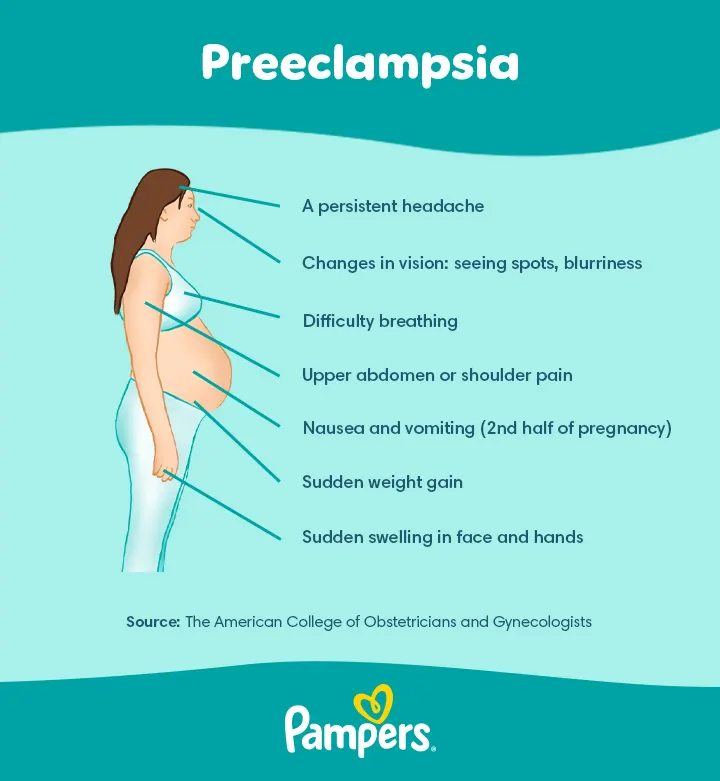
Preeclampsia and eclampsia are complications of pregnancy. The nurse plays a vital role in helping detect these conditions. Therefore, it’s important to know how to detect this condition in a pregnant patient.
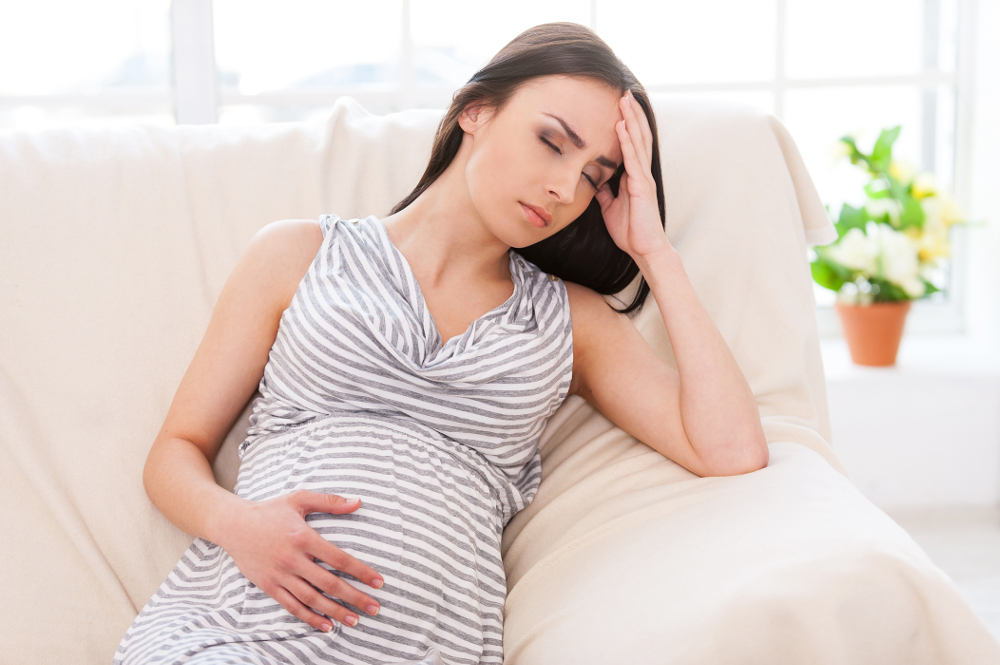
The hormonal changes associated with pregnancy can impact a variety of things, including vision. In some cases, pregnant women may experience blurred vision as a result of high blood pressure. If vision loss is significant, this could be a sign of a serious health issue called preeclampsia. Typically occurring late in pregnancy, this condition can put both mother and child at serious risk if not treated. If you are pregnant and experiencing any significant vision problems, consult with your doctor immediately.
Blurred vision is the most common visual complaint. Focal or generalized arteriolar narrowing is the most common ocular finding in preeclampsia/eclampsia syndrome. Other ocular manifestations include photopsia, visual field defects, sudden inability to focus, and in severe cases, complete blindness.
Causes of Blurred or Distorted Vision
The preeclampsia/eclampsia syndrome is a multisystem disorder that can include cardiovascular changes, hematologic abnormalities, hepatic and renal impairment, and neurologic or cerebral manifestations. It also can affect the eye and visual pathways. Visual symptoms concern up to 25% of patients with severe preeclampsia and 50% of patients with eclampsia. This review discusses the ophthalmic complications of preeclampsia/eclampsia with focus on the hypertensive retinopathy, exudative retinal detachment and cortical blindness.
How common is preeclampsia?
Preeclampsia is a condition unique to pregnancy that complicates between 5% and 8% of all births in the United States. It’s also the cause of about 15% of premature deliveries (delivery before 37 weeks of pregnancy) in the U.S.
Preeclampsia is a serious medical condition that can occur about midway through pregnancy (after 20 weeks). People with preeclampsia experience high blood pressure, protein in their pee, swelling, headaches and blurred vision. But you may have no symptoms.
Treatment is necessary to avoid life-threatening complications. It typically goes away after childbirth.
Preeclampsia is a serious blood pressure condition that develops during pregnancy. People with preeclampsia often have high blood pressure (hypertension) and high levels of protein in their urine (proteinuria). Preeclampsia usually develops after the 20th week of pregnancy.
Preeclampsia can also affect other organs in your body and cause kidney and liver damage, brain injury and other serious side effects. It’s dangerous for both you and the developing fetus. Because of these risks, your healthcare provider will need to monitor your pregnancy closely and recommend treatment right away.
Preeclampsia Vision Changes
Preeclampsia is a hypertensive disorder affecting pregnant women, typically occurring after the 20th week of gestation.
In modern days, preeclampsia remains a leading cause of maternal and perinatal morbidity and mortality worldwide.
The most common symptoms include high blood pressure (hypertension) normally occurring in conjunction with proteinuria (presence of protein in the urine), signs of organ dysfunction, and preeclampsia vision changes.
The extended list of symptoms to look out for includes:
High blood pressure
Vision changes and disturbances
Proteinuria (presence of protein in the urine)
Excessive face & body swelling (edema)
Persistent and severe headaches
Pain or tenderness in the upper right side of the abdomen, just below the ribs
Pain or tenderness in the shoulder
Reduction in urine output (kidney dysfunction)
Severe nausea and vomiting in the second half of pregnancy
Shortness of breath
Another one of the prominent symptoms of preeclampsia is visual disturbances. They often occur during pregnancy and may persist postpartum.
The rise in blood pressure occurring with the condition affects organ systems, including the eyes. Which contributes to a range of visual difficulties. The fluctuations in vision can be alarming and significantly impact a woman's daily life, adding to the already substantial burden of this condition.
Preeclampsia vision changes commonly include blurry vision, light sensitivity (photophobia), and visual disturbances like seeingflashing lightsor floaters.
Preeclampsia vision changes may indicate potential severe complications.
Eye problems are way easier to detect than high blood pressure. So they are quite often the reason a pregnant woman or new mom gets the diagnosis and receives timely medical care.
Blurry vision
The vascular changes and low blood flow to the eyes affect visual function. Blurry vision may occur as a result of changes in the cornea, lens, or retina, leading to a decrease in visual acuity and sharpness. Fluid retention and eye swelling may contribute to blurriness.
Photophobia
Photophobia, as a preeclampsia symptom, makes individuals highly sensitive to light. Thus causing discomfort and a strong aversion to bright light sources. It can further lead to eye strain, headaches, and visual disturbances, adding to the burden of preeclampsia vision changes.
Preeclampsia Flashes
Flashes of light are another ocular discomfort we commonly associate with preeclampsia vision changes. These flashes, often described as brief, bright flickers or streaks of light, can appear suddenly and sporadically in a woman's visual field. Their occurrence is a result of abnormal retinal stimulation, due to vascular alterations.
Preeclampsia Floaters
Preeclampsia floaters are dark spots or specks that appear to "float" in a person's visual field. The causes are tiny protein or cell aggregations in the vitreous humor (the gel-like substance that fills the eye). They may appear as small dots or cobweb-like shapes, often moving with eye movements. Preeclampsia floaters are indicative of abnormal blood flow in the retinal blood vessels.
Blurry vision and headaches can occur together with migraine headaches or may be a sign that your eyes are overtaxed or that they are changing. It could also indicate a health issue or emergency condition that isn't specific to your eyes at all.
Why is my headache affecting my eyes?
Types of headaches that can cause pain behind your eyes include migraines, cluster headaches, sinus headaches, and tension headaches. Eyestrain can also cause this kind of pain. You can get a headache behind your eyes for a range of reasons, including migraine and eyestrain.
Common causes of blurry vision and headache include:
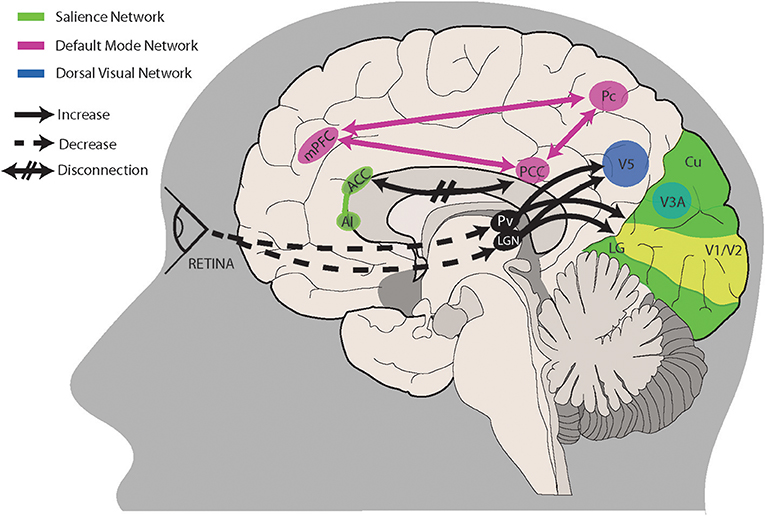
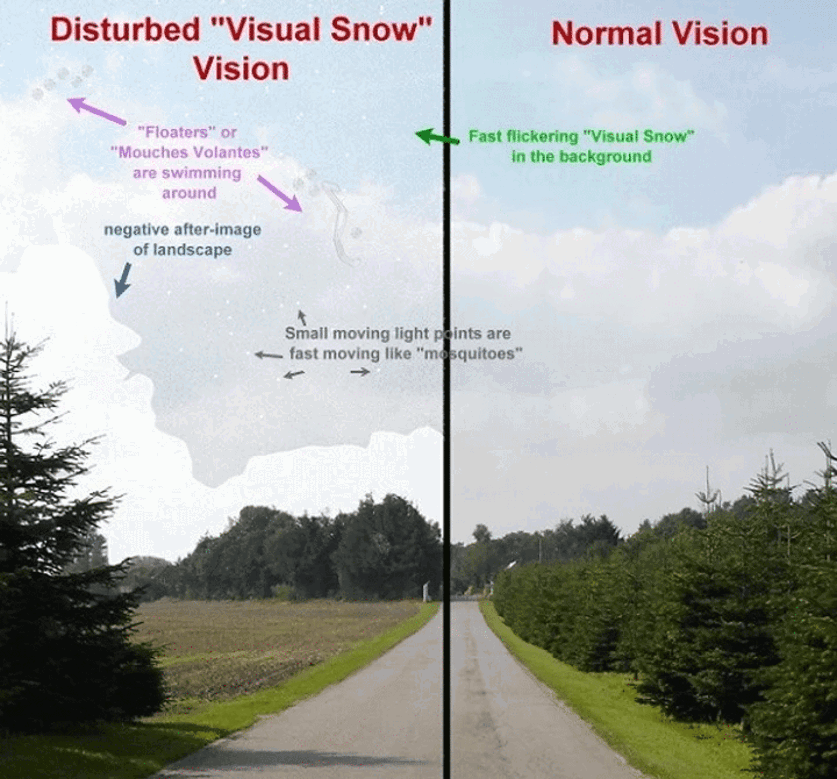
Flickers are sparkles that shimmer in vision("scintillations") Flickers usually come from activated visual cortex in migraine, but importantly also in transient ischemic attack, seizure, damaged retina, and damaged optic nerve.
Flashes are bright sparks or streaks of light that appear suddenly and briefly in vision
Flashes usually come from tugging on retinal photoreceptors, which may signal impending or actual vitreous detachment, retinal hole, or retinal detachment
Flickers are sparkles that shimmer in vision ("scintillations")
Flickers usually come from activated visual cortex in migraine, but importantly also in transient ischemic attack, seizure, damaged retina, and damaged optic nerveOcular migraines vs. migraine auras
Flashes appear abruptly like lightning bolts in outer edge of visual field
Flashes may be provoked by eye movement
Flickers may be transient or persistent
Flickers that are part of visual aura of migraine often expand across hemifield in 20-30 minutes and disappear
Flickers of migraine usually precede headache and other manifestations
Flickers of damaged retina or optic nerve are often persistent
In visual perception, flicker is a human-visible change in luminance of an illuminated surface or light source which can be due to fluctuations of the light source itself, or due to external causes such as due to rapid fluctuations in the voltage of the power supply (power-line flicker) or incompatibility with an external dimmer. eResearch by Navid Ajamin -- summer 2024
What is a migraine?
Migraine is a neurological condition that is characterized by often incapacitating symptoms including severe, throbbing and recurring pain that’s usually centered on one side of the head.
Other disabling symptoms of a migraine are nausea, vomiting, dizziness, tingling or numbness in the extremities or face, and extreme sensitivity to sound, light, touch and smell.
Migraine affects about 1 billion men, women and children worldwide and approximately 40 million Americans.
Migraine headaches can last up to three days and produce moderate to severe pain.
Migraines are most common between the ages of 18 and 44, and they affect women disproportionately. Eighteen percent of American women suffer from migraines, compared to 6 percent of men and 10 percent of school-age children.
There is a strong genetic link for migraines, with about 90 percent of sufferers reporting a family history of these headaches.
Migraine is a "diagnosis of exclusion," which means it is reached by a process of elimination since there is no test or biomarker to confirm its presence.
Just as every person is unique, so are migraine headaches. Migraines differ from person to person, and migraines also can present in different ways and with different symptoms in the same person.
Retinal migraine is a retinal disease often accompanied by migraine headache and typically affects only one eye. It is caused by ischaemia or vascular spasm in or behind the affected eye.
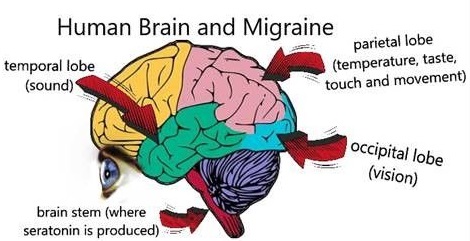
The terms "retinal migraine" and "ocular migraine" are often confused with "visual migraine", which is a far-more-common symptom of vision loss, resulting from the aura phase of migraine with aura. The aura phase of migraine can occur with or without a headache. Ocular or retinal migraines happen in the eye, so only affect the vision in that eye, while visual migraines occur in the brain, so affect the vision in both eyes together. Visual migraines result from cortical spreading depression and are also commonly termed scintillating scotoma.
Northern lights, aurora, borealis, scenic
Migraine aura
A migraine aura starts in your brain, not your eye. The aura is one or more symptoms that can happen right before a headache starts. These visual symptoms happen in both eyes.
Migraine with aura (also called classic migraine) is a recurring headache that strikes after or at the same time as sensory disturbances called aura. These disturbances can include flashes of light, blind spots, and other vision changes or tingling in your hand or face.
Treatments for migraine with aura and migraine without aura (also called common migraine) are usually the same. You can try to prevent migraine with aura with the same medications and self-care measures used to prevent migraine.
Symptoms
Migraine aura symptoms include temporary visual or other disturbances that usually strike before other migraine symptoms — such as intense head pain, nausea, and sensitivity to light and sound.
Migraine aura usually occurs within an hour before head pain begins and generally lasts less than 60 minutes. Sometimes migraine aura occurs without headache, especially in people age 50 and older.
Visual signs and symptoms
Most people who have migraine with aura develop temporary visual signs and symptoms, which tend to start in the center of the field of vision and spread outward. These might include:
Blind spots (scotomas), which are sometimes outlined by simple geometric designs
Zigzag lines that gradually float across your field of vision
Shimmering spots or stars
Changes in vision or vision loss
Flashes of light
Some people experience an aura without any pain at all. Doctors call this an “acephalgic migraine” or a “migraine aura without headache.”
It's also common for people to call them "visual migraines." This may be why they get mixed up with ocular migraines so often. Here is an easy way to remember the difference: "visual migraines" happen in your vision, but "ocular migraines" happen in your eye.
About 8% of the population gets migraines with aura.
One in every four people who get migraines sees an aura beforehand. Others will only experience symptoms like headache, nausea and vomiting.
Refer patient with flashes urgently to ophthalmologist because they suggest intraocular disorder (vitreous, retina, optic nerve)
Refer patient with flickers urgently to ophthalmologist, neuro-ophthalmologist or neurologist unless diagnosis of migraine is obvious because they could also suggest transient ischemic attack or seizure
Vitreous detachment may rarely cause retinal tear and detachment which must be repaired promptly to protect vision
Visual aura of migraine is usually harmless, but transient ischemic attack and seizure have health consequences
?Does Migraine Cause Hallucinations
How do I tell the difference between aura and stroke?
Strokes produce visual, sensory and/or speech symptoms almost instantaneously, and most frequently they are “negative” phenomena—that is, a loss of vision, numbness or weakness. Also with strokes, there is no sense of movement of the phenomena to other parts of the body. They don’t progress but are maximal at onset. Strokes usually are continuous and do not remit in one hour. A headache may or may not occur with a stroke. In addition, an aura occurring for the first time after the age of 40, with numerous vascular risk factors such as hypertension, diabetes and hyperlipidemia, should be investigated for transient ischemic attacks. If the visual symptom is ONLY negative (that is, a hemianopic scotoma), the person should be further investigated.
A migraine is a recurrent and severe headache which a whopping one in ten New Zealanders suffer from.
There are a few different types of migraines which people usually experience:
A classic migraine occurs in about 40% of migraine sufferers and has an aura (visual, auditory, olfactory or tactile).
A common migraine occurs in about 60% of migraine sufferers and has no aura.
A silent migraine is when a person experiences the aura, but no headache or pain afterwards.
A visual migraineis a silent migraine when the aura is visual.
A retinal migraineis very rare and its visual symptoms are the partial or total loss of vision, temporarily in one eye. In recurrent cases, it is most likely to affect the same eye each time. The vision fades out over five minutes, and can be described as a dimming of vision, flashes of light or patches of blank spots (scotomas) that enlarge to block out all sight in that eye. The vision returns to normal within an hour. This loss of vision is caused by reduced blood flow or spasms of the blood vessels in the retina or behind the eye, not in the brain.
Migraines might occur rarely, once or twice a year, or they could strike several times a month. The frequency differs drastically between sufferers and is often associated with an underlying cause. Migraines usually run in families as they have a genetic component. People with two parents who suffer from migraines have a 75% chance of having migraines themselves. Women are also three times more likely than men to get them.
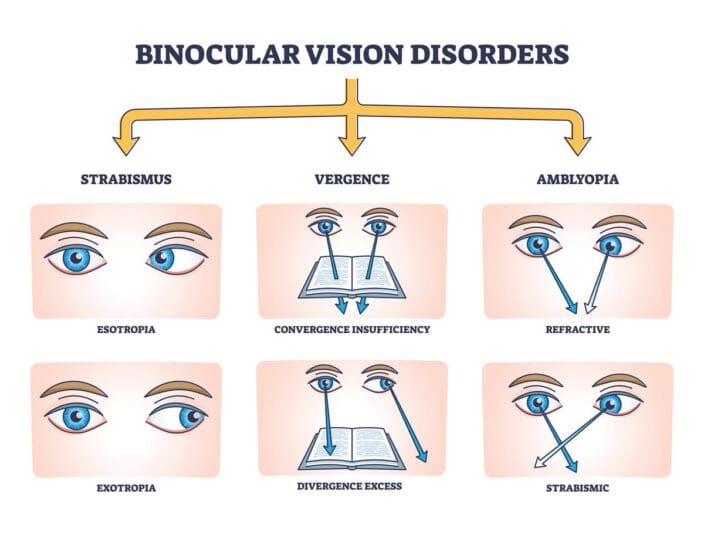
Convergence insufficiency occurs when your eyes don't turn inwardproperly while you're focusing on a nearby object. When you read or look at a close object, your eyes should converge — turn inward together to focus — so that they provide binocular vision and you see a single image. But if you have convergence insufficiency, you won't be able to move your eyes inward to focus normally.
Convergence insufficiency is caused by complications coronating eye movements and muscles. Instead of the eyes coming together (converging) to focus on objects close by, one or both eyes point outward. Because the brain controls all eye movement, damage to the brain is the leading cause of convergence insufficiency. However, the exact cause of this condition remains a mystery. The working theory among researchers is that neurogenerative disease such as Parkinson’s disease, myasthenia gravis and Alzheimer’s disease in some way cause CI.
Convergence insufficiency (CI) is a common eye condition that affects the ability of the eyes to work together. This condition occurs when the eyes are unable to converge or move inward effectively, making it difficult to focus on objects that are close up. This can cause a variety of symptoms, including eye strain, headaches, blurred vision, and difficulty reading.
Symptoms
Not everyone with convergence insufficiency experiences symptoms. Signs and symptoms occur while you're reading or doing other close work and may include:
Tired, sore or uncomfortable eyes (eyestrain)
Headaches
Blurred vision
Difficulty reading — words seem to float on the page, you lose your place or you read slowly
Double vision
Difficulty concentrating
A "pulling" feeling around your eyes
Sleepiness
Squinting, rubbing or closing one eye
Trouble concentrating. It can be difficult to focus and pay attention. In school, children may do work slowly or avoid reading, which can affect learning.
If you or your child experiences symptoms of convergence insufficiency or has problems reading, consult an eye care professional, such as an ophthalmologist or an optometrist. A technician called an orthoptist may assist the eye care professional in evaluating and treating convergence insufficiency.
Convergence insufficiency results from misalignment of the eyes when focusing on nearby objects. The exact cause isn't known, but the misalignment involves the muscles that move the eye. Typically, one eye drifts outward when you're focusing on a word or object at close range.
Complications
Difficulties with reading and concentrating can adversely affect a child's learning. Convergence insufficiency typically isn't detected in routine eye exams or school-based vision screenings. A child with the condition may be evaluated for learning disabilities because of his or her reading troubles.
Tests and diagnosis
People with convergence insufficiency may have otherwise normal or "20-20" vision, and the condition may not be detected during a routine eye exam. To diagnose convergence insufficiency, your eye doctor may do the following, including special eye-focusing tests:
Treatments and drugs
If convergence insufficiency isn't causing symptoms, you generally don't need treatment. But for people with symptoms, treatment with eye-focusing exercises can increase the eyes' convergence ability. Treatment may take place in the office of a trained therapist or at your home.
Treatments may include:
A study sponsored by the National Eye Institute of the National Institutes of Health compared home-based treatment with doctor office-based treatment for convergence insufficiency in children ages 9 to 17. Study results showed that the most effective therapy was a weekly hourlong session of in-office vision therapy with at-home reinforcement exercises. Other studies have also found that office-based treatment is effective about 75 percent of the time.
Home-based treatment with pencil pushups or computer programs hasn't been shown to be as effective — in some studies, it works only about one-third of the time. But home treatment costs less and is more convenient. Only a small percentage of eye care providers offer in-office therapy for convergence insufficiency. Many people who can't find or can't afford in-office therapy opt for home-based treatment.
If you choose home treatment, many experts recommend using computer software programs along with pencil pushups. The combined approach may be more effective, and the computer therapy is more engaging for children.
Treatment for convergence insufficiency may take three months or longer, though you'll likely start to see improvement in your symptoms after four weeks. After your convergence ability has improved, you can help maintain your improved vision by continuing to read and do other near tasks. Treatment can permanently cure convergence insufficiency, but symptoms may come back after an illness, lack of sleep or when you're doing a lot of reading or other close work. In rare cases, eye-focusing exercises don't work and your doctor may recommend surgery.
eResearch by Navid Ajamin -- spring 2013
Take a medical history. This may include questions about problems you have with focusing, blurred or double vision, headaches, and other signs and symptoms.
Vision Therapy for Convergence Insufficiency
Measure the near point of convergence (NPC). This test measures the distance from your eyes to where both eyes can focus without double vision. For this simple test, the examiner holds a small target, such as a glass ball, printed card or penlight, in front of you and slowly moves it closer to you until either you experience double vision or the examiner recognizes that your eyes can no longer focus together.
Assess positive fusional vergence (PFV). During this test, you're asked to read letters on an eye chart while looking through prism lenses. The examiner will note when you begin to have double vision.
Perform a routine eye exam. If you have any other vision problems, such as nearsightedness, your ophthalmologist or optometrist may conduct tests to assess the degree of the problem.
Pencil pushups. In this simple exercise, you focus on a small letter on the side of a pencil as you move it closer to the bridge of your nose, stopping the movement if you have double vision. The exercise is often done for 15 minutes a day, five or more days a week.
Computer vision therapy. Eye-focusing exercises are done on a computer using special software designed to improve convergence. You may print out the results to share with your eye doctor.
Reading glasses. Glasses with built-in prisms force your eyes to work harder to align and are sometimes used for people who need help with their reading vision. But they can be tiring to your eyes and generally haven't proved effective.
Your brain controls all your eye movements. When you look at a nearby object, your eyes move inward to focus on it. This coordinated movement is called convergence. It helps you do close work like reading or using a phone.
Convergence insufficiency is a problem with this movement. The condition causes one or both eyes to drift outward when you look at something close by.
Doctors don’t know what causes convergence insufficiency. However, it’s associated with conditions that affect the brain.
These may include:
traumatic brain injury
concussion
Parkinson’s disease
Alzheimer’s disease
Graves’ disease
myasthenia gravis
Convergence insufficiency appears to run in families. If you have a relative with convergence insufficiency, you’re more likely to have it, too.
Your risk is also higher if you use the computer for long periods of time. Diagnosing convergence insufficiency
It’s common for convergence insufficiency to go undiagnosed. That’s because you can have normal vision with the condition, so you can pass a normal eye chart exam. Plus, school-based eye exams aren’t enough to diagnose convergence insufficiency in children.
You’ll need a comprehensive eye exam instead. An ophthalmologist, optometrist, or orthoptist can diagnose convergence insufficiency.
Visit one of these doctors if you are experiencing reading or visual problems. Your child should also see an eye doctor if they’re struggling with schoolwork.
At your appointment, your doctor will do different tests.
They might:
Ask about your medical history. This helps your doctor understand your symptoms. Perform a full eye exam. Your doctor will check how your eyes move separately and together. Measure near point of convergence. Near point convergence is the distance you can use both eyes without seeing double. To measure it, your doctor will slowly move a penlight or printed card toward your nose until you see double or an eye moves outward. Determine positive fusional vergence. You’ll look through a prism lens and read letters on a chart. Your doctor will note when you see double.
Vision Exams
Following symptom analysis, a comprehensive vision exam is vital. These exams are not just about checking visual acuity; they involve a series of tests specifically designed to evaluate the eyes’ ability to converge when focusing on close objects. Key tests include:
Cover Test: Determines how the eyes move and work together.
Near Point of Convergence (NPC): Measures the closest point at which the eyes can focus together without double vision.
Positive Fusional Vergence (PFV) at Near: Assesses the ability to sustain focus on a close target without experiencing double vision or discomfort.
Headache is one of the most common ailments. But not all headaches are the same — the location of the pain, how severe it is, how long it lasts and how often it occurs, and sometimes what brings on the pain, are some of the variables that doctors use to define different types of headache.
Knowing what type of headache you have can help you and your doctor to manage and treat your headaches.
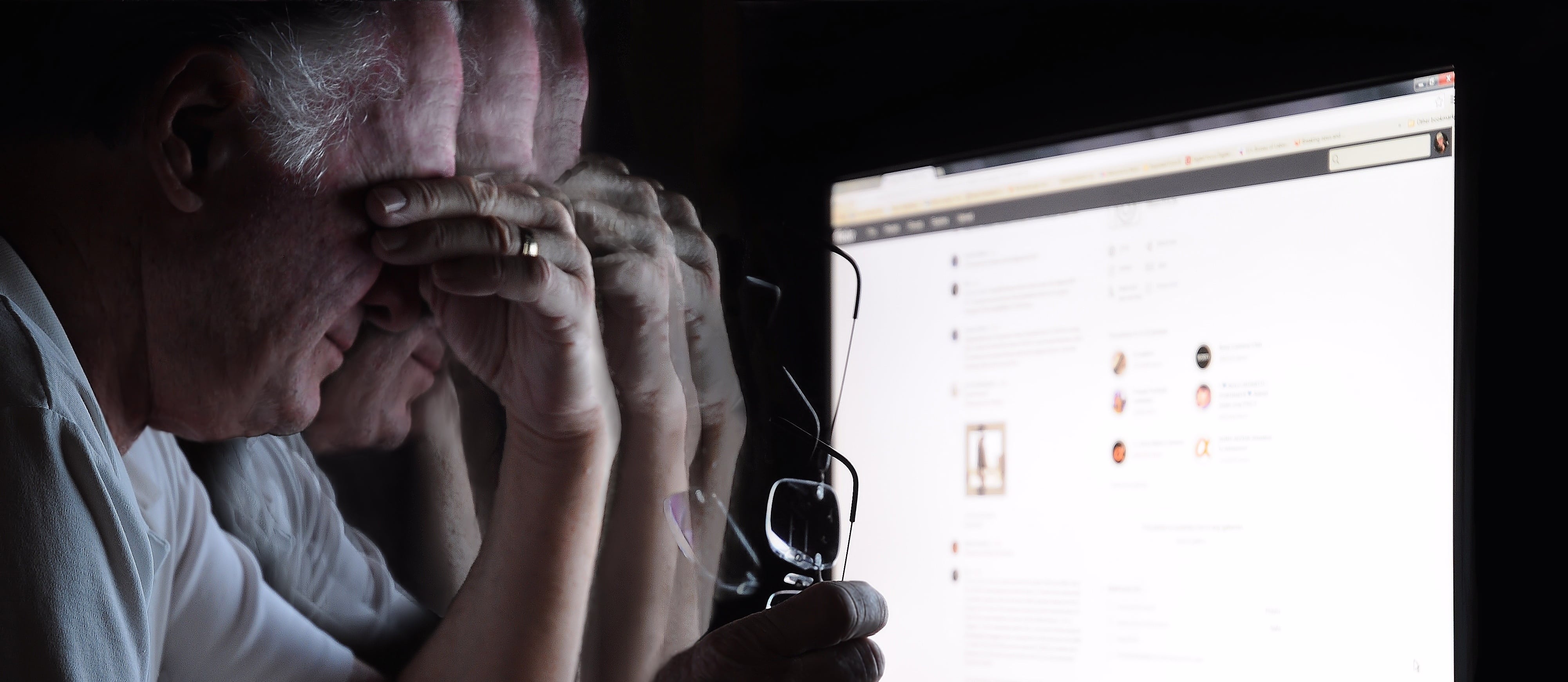
There are several types of headaches, some common and some complex, resulting in many types of treatments; but for those working specificially with computers may experience a computer eye strain headache. An Eye strain headacheis a common type of tension headache.[1]
eye·strainn. Pain and fatigue of the eyes, often accompanied by headache, resulting from prolonged use of the eyes, uncorrected defects of vision, or an imbalance of the eye muscles.
eyestrainn (Medicine / Pathology) fatigue or irritationof the eyes, resulting from excessive use, as from prolonged reading of small print, or uncorrected defects of vision [4]
Symptoms ofEye Strain
Headaches
Double vision
Tired or sore eyes
Dry eyes
Watery eyes
Itchy eyes
Burning eyes (even when closed)
Heaviness of the eyelids/forehead
Fatigue
Reading problems
Lack of concentration
Back/neck aches
Spasms/twitches around the eyes
Dizziness
Lightheadedness
Car sickness
Nausea
Blurred vision[2]
Tension headaches are by far the most common type of headache. Estimates are that from 70 to 90% of all headaches are tension headaches resulting from muscle spasms in the neck and skull. Common causes like eye strain, muscle fatigue, poor posture, overwork, and stress can bring them on. Anything that can help the body to relax can help relieve the pain such as rest, massage, especially to the skull, neck and shoulders, and exercise. We have developed headache relief exercises for the eyes, using a device specifically designed for the relief from a tension headaches that occur when doing near work such as reading and using the computer.
If you still get headaches after using the eye exercises for a few weeks, the cause may be from one of the following: eResearch by Navid Ajamin -- spring 2013
Hormonal headaches that revolve around the menstrual cycle. Since homones induce the pain response, mens headaches can be prompted by hormones as well.
Vascular headaches such as migraines afflict up to 29.5 million people. Women get 3 times as many migraines than men so hormones may be involved here as well. It is probably tension that causes a constriction of the blood vessel in the brain that produces the visual effect or aura. Shortly thereafter it is replaced with a very severe headache as the involved blood vessel overly dilates to provide increase blood flow to the affected area. Some get physically sick from the severe pain, which is why they have been called sick headaches. There is most likely a genetic component since 4 out of 5 afflicted report family members also get them.
Cluster headaches have been described as the most painful of all headaches. They last around 1/2 hour but may reoccur multiple times during the day. Around 5 times as many men as women suffer this type of pain. Fortunately less than 1% of the population get them.
Sinus headaches occur when the sinuses get inflammed either from an allergy, an infection or a growth.
Organic headaches result in less than 5 % of the cases and are caused from an abnormality in the brain or skull such as a tumor, infection, hemorrhage, aneurysm, hematoma, meningitis, brain abcess or encephallitis.
Remember a headache while at the computer is usually a tension type headache so anything that will help the eye muscles to relax should bring significant relief to an eye strain headache.[3]
If you have visual problems that have not been addressed by prescription glasses or contact lenses, you can get an eye strain headache, which typically causes pain and a heavy feeling around the eyes.[1]
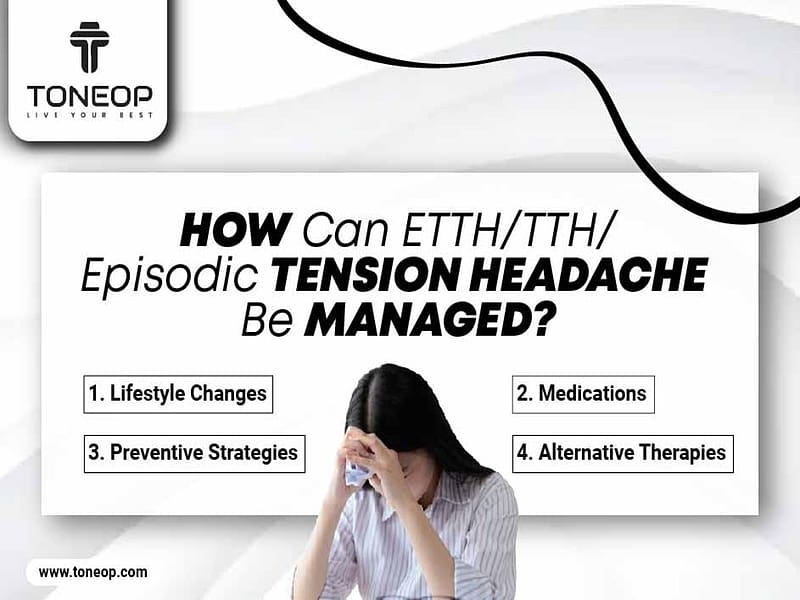
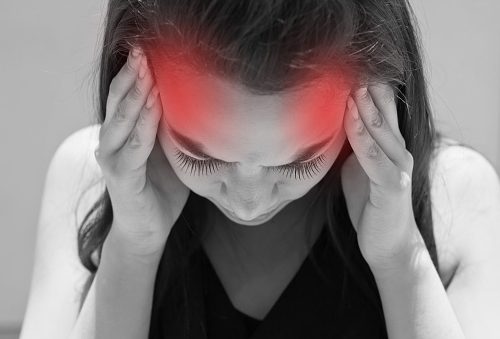
Tension headaches are the most common type of headache. Stress and muscle tension are often factors in these headaches. Tension headaches typically don't cause nausea, vomiting, or sensitivity to light. They do cause a steady ache, rather than a throbbing one, and tend to affect both sides of the head. Tension headaches may be chronic, occurring often, or every day.
The following activities can contribute to tension headaches:
Constantly looking down at your cell phone.
Working on your laptop in your home office all day.
Driving for hours without rest.
Playing video games for hours.
Clenching your jaw at night or during the day.
Sleeping on your stomach.
There are 3 main types of headaches:
Tension headache – a “normal” headache, no special factors, can usually be taken care of with over the counter medication like aspirin or ibuprofen.
Cluster headache – these headaches are known for coming on fast and causing an incredibly strong pain, usually around the eye. They’re more common in men, the reason for this is not clear yet. They usually effect one side of the head. Over the counter medication can help with these as well.
Migraines – These headaches occur more often in women. Pain with these headaches can be harsh and intense. Symptoms can include vomiting, nausea, or light sensitivity in the midst of an attack. They can be counteracted with dietary changes, reducing caffeine intake, and prescription/non-prescription medications.
Tension Headaches
Common symptoms of the different types of tension headaches:
“Episodic” (headaches less than 15 days per month)
Light to medium, consistent pain in a band
Usually affects the top of the head (forehead, above the ears)
Can come on slowly, commonly in the middle of the day
Can last anywhere from 30 minutes to several days
“Chronic” (headaches more than 15 days per month)
Can vary in pain level throughout the day, but almost always present
Comes and goes over a long period of time
Other symptoms include:
A headache upon waking
Difficulty sleeping
Fatigue
Irritation
Light sensitivity
Noise sensitivity
Muscle aches
Migraines
Common symptoms:
Medium to high pain
Light sensitivity
Noise sensitivity
Smell sensitivity
Blurred vision
Nausea or vomiting
Sensations of being very warm or cold
Paleness
Fatigue
Dizziness
Cluster
Common symptoms:
Intense pain on one side of the head
Pain is usually located an eye
“Short” period of pain from half an hour to an hour and a half usually but can last up to 3 hours
Headaches occur on a somewhat regular schedule
Other triggers of tension headaches include:
Physical or emotional stress
Alcohol use
Caffeine (too much or withdrawal)
Colds, the flu, or a sinus infection
Dental problems such as jaw clenching or teeth grinding
Eye strain
Excessive smoking
Fatigue or overexertion
Tension headaches can occur when you also have a migraine. Tension headaches are not associated with brain diseases.
Treatment
The goal is to treat your headache symptoms right away and to prevent headaches by avoiding or changing your triggers. A key step in doing this involves learning to manage your tension headaches at home by:
Keeping a headache diary to help you identify your headache triggers so that you and your health care provider can make changes in your lifestyle to reduce the number of headaches you get
Learning what to do to relieve a headache when it starts
Learning how to take your headache medicines the correct way
Many people can treat their tension headaches with conservative therapy, such as relaxation or stress-management training, including:
Massage
Biofeedback
Cognitive behavioral feedback
Acupuncture
Ice or hot packs
When needed, medicines that may relieve a tension headache include:
Over-the-counter (OTC) pain medicines, such as aspirin, ibuprofen, or acetaminophen
Narcotic pain relievers are generally not recommended
Muscle relaxers
Tricyclic antidepressants to prevent recurrences
Be aware that:
Taking medicines more than 3 days a week may lead to rebound headaches. These are headaches that keep coming back due to overuse of pain medicine.
Taking too much acetaminophen can damage your liver.
Too much ibuprofen or aspirin can irritate your stomach or damage the kidneys.
If these medicines do not help, talk to your provider about prescription medicines.
Outlook (Prognosis)
Tension headaches often respond well to treatment. But if the headaches are long-term (chronic), they can interfere with life and work.
When to Contact a Medical Professional
You are experiencing "the worst headache of your life."
You have speech, vision, or movement problems or loss of balance, especially if you have not had these symptoms with a headache before.
The headache starts very suddenly.
The headache occurs with repeated vomiting.
You have a high fever.
Also, contact your provider if:
Your headache patterns or pain change.
Treatments that once worked are no longer helpful.
You have side effects from medicines, including irregular heartbeat, pale or blue skin, extreme sleepiness, persistent cough, depression, fatigue, nausea, vomiting, diarrhea, constipation, stomach pain, cramps, dry mouth, or extreme thirst.
You are pregnant or could become pregnant. Some medicines should not be taken when pregnant.
Prevention
Learn and practice stress management. Some people find relaxation exercises or meditation helpful. Biofeedback may help you improve the effect of doing relaxation exercises, and may be helpful for long-term (chronic) tension headache.
Tips to prevent tension headaches:
Keep warm if the headache is associated with cold.
Use a different pillow or change sleeping positions.
Practice good posture when reading, working, or doing other activities.
Exercise the neck and shoulders frequently when working on computers or doing other close work.
Get plenty of sleep and rest.
Massaging sore muscles may also
How do you stop tension headaches?
For some people, taking hot or cold showers or baths may relieve a headache. You may need to make lifestyle changes if you have a lot of tension headaches. For example, you made need to change your sleep habits, usually you'll need more sleep, get more exercise, and stretch your neck and back muscles.
اساسا سردرد یك واكنش دفاعی است در برابر خستگی و دغدغه ها و دلهره های درونی ، توان سازگاری هركس با اوضاع دشوار زندگی ، وابسته به شخصیت و خلق وخوی اوست ، اما هنگامی كه دشواریها از حد معینی در گذرد ، سازگاری از میان می رود و سردرد پدید می آید. این حد و مرز ، درمورد اشخاص مختلف ، متفاوت است .
سردرد به خودی خود یك بیماری نیست ، بلكه از نشانه های بیماری است ، احساسی است واقعی و بسیار ناگوار . ممكن است نشانه نوعی ناراحتی و اختلال باشد كه با مغز شخص ، یا یكی از اندامهای او یا شخصیت وی یا محیط زندگی و اطرافیان ارتباط دارد و نیز ممكن است تركیب و آمیزه ای از این عوامل مختلف باشد . بیشتر سردردها گذرا هستند و اهمیتی ندارند اما گاهی هم ممكن است سردرد نشانه و مقدمه ی یك بیماری خطرناك باشد. به همین دلیل ، كسانی كه به سردرد مزمن مبتلا هستند ، حتما باید به پزشك مراجعه كنند . در مورد بیشتر سردردهای خفیف ، خوردن یك داروی مسكن درد همراه با یك آرام بخش معالجه موثری است ، چرا كه اولی نوعی بی حسی در برابر درد به وجود می آورد ، و دومی از واكنش شدید اعصاب در برابر درد می كاهد ، اما داروی مسكن نباید مواد مخدر داشته باشد . این شیوه معالجه در مورد میگرن موثر نیست ، معالجه میگرن پیچیده تر است و در این مورد می باید ریشه درد را قطع كرد . میگرن علاوه بر سردرد برخی نشانه های ویژه دیگر نیز دارد ، مثل اختلال در بینایی همراه با درد شدیدی كه معمولا فقط نیمی از جمجمه را فرا می گیرد حالت تهوع ، وگاهی حتی اختلال عمومی در برخی از اعمال بدن كه نتیجه اش سرگیچه ، تب و لرز و تعرق بیش از اندازه است.
خستگی چشمها نیز ممكن باعث سردرد شود اما در این مورد میان ناراحتی خفیف چشم و سردرد شدید باید فرق گذاشت . دوربینی چشم ، آستیگماتیسم یا عدم تطابق عضلات چشم ، ممكن است سبب سردرد بشود . اما همین واكنشهای یكسان پدید نمی آورد مثلا بیمار عصبی ، حتی پیش از مراجعه به چشم پزشك معمولا متقاعد می شود كه باید عینك بزند و حتی ممكن است با استفاده از عینكی كه شیشه های معمولی دازد سردردش تخفیف یابد .
Headaches behind the eyes are common, and they may result from underlying health issues ranging from eye strain to migraine.
Focusing and refocusing on a screen for long periods can cause eye strain, which can also result from problems with vision.
Fatigue from eye strain can cause pain behind one or both eyes. A person may also experience pain in their eyes or blurry vision.
Staring at a computer, TV, or phone screen for long periods can also cause eye strain.[3]
Headache, which is one of the most common complaints today and is often tried to be relieved with painkillers, can be a warning about various systems in the body. It is especially important to be careful about headaches caused by eye diseases and to take the necessary precautions immediately.
Pain behind the eye may be a sign of sinusitis Neurological headaches; tension-induced and hypertension-related headaches, migraines, and very rarely tumors or other vascular diseases in the brain. Sinusitis is also one of the most important causes of headaches. Sinusitis can be confused with eye diseases because it is felt behind the eyes especially in pediatric age. In this case, it is absolutely beneficial to consult a specialist.[2] eResearh by Navid Ajamin -- winter 2010
Sinusitis is inflammation or congestion of the sinuses. This can create pressure, causing pain behind the eyes.
It can also cause pain and pressure in other parts of the face, such as the forehead and cheeks.
Some common symptoms of sinusitis include:
nasal congestion
fatigue
pain that worsens when the person is lying down
aching in the upper teeth[3]
Care for increased headaches in the evening Refractive defects are the most important causes of eye headache, myopia, hyperopia and astigmatism, known as eye defects that affect the person’s vision. If the patient does not know that there is a refractive error in his eyes, or if he uses insufficient glasses even though the glasses number changes, he will encounter headaches. The pain starts with increased forehead pain, especially in the evenings, but the tendency to sleep and fatigue may be added to the pain.
Eye pressure can cause headaches
Glaucoma, or eye pressure, is the second most important cause of headache. There are two types of glaucoma: open-angle glaucoma and closed-angle glaucoma.
In open-angle glaucoma, eye pressure is constantly high. In this case, the patient only complains of faint blunt headaches; however, open-angle glaucoma may not present unless eye pressure is elevated. However, when diagnosed late, it can cause irreversible blindness. In the second type of eye pressure closed-angle glaucoma, the patient experiences eye pressure crises that cause severe headache and the pain usually starts in the evening. However, blurred vision and nausea may occur. This picture, which is confused with migraine, can only be detected by a careful eye examination. The patient may experience blindness in the eye when the diagnosis is missed. The treatment of this disease can be done easily by a laser method.
Always consult an expert Headache can be seen frequently and maybe the first sign of very serious diseases. If a person experiences this kind of pain, he or she should consult a doctor. After the necessary examinations and examinations, eye, ear nose, and throat and neurology doctors can be treated with a multidisciplinary approach.[2]
A migraine headache can cause extreme pain behind the eyes, and it can last for up to 72 hours.
In addition to a migraine headache, a person may experience:
eye pain
dizziness
weakness
nausea
sensitivity to light and sound
mood changes
vomiting
impaired vision [3]
Different headache types have different triggers. Some of the more common include:
alcohol use
hunger
exposure to strong perfume odors
loud noises
bright lights
fatigue
hormonal changes
lack of sleep
emotional stress
infection
effective treatments to improve pain symptoms from headaches include:
exercising daily
avoiding or reducing the intake of processed foods
avoiding or limiting alcohol use
eliminating tobacco use
avoiding or limiting caffeine intake
If your condition worsens after implementing these treatment methods, or if you begin to experience irregular symptoms paired with your headache pain, seek immediate medical attention. It could be a sign of a more serious vision issue that needs correction or a medical issue needing treatment.[4]
وبلاگ تخصصی عینک شامل مجموعه مطالب پزشکی است که اطلاعات مفیدی در رابطه با عینک , چشم، لنز، سلامتی چشم و راه های پیشگیری از بیماریهای چشمی، کنترل و درمان آن را در اختیار شما کاربر محترم می گزارد.
:max_bytes(150000):strip_icc()/VWH-EVERGREEN-Left-Eye-Pain-Why-It-Hurts-and-How-to-Relieve-It-1-FINAL-TEXT-1-1-f39feb0d4c644f6db182c332c7e922ca.png)


:max_bytes(150000):strip_icc()/Parents-Blurry-Vision-Pregnancy-207bb2797209420d915dc2ccc4f57ba8.jpg)

:max_bytes(150000):strip_icc()/vision-and-headache-3422017_final-f90b31917b244236a7424b143a537fd3.jpg)























 وبلاگ تخصصی عینک شامل مجموعه مطالب پزشکی است که اطلاعات مفیدی در رابطه با عینک , چشم، لنز، سلامتی چشم و راه های پیشگیری از بیماریهای چشمی، کنترل و درمان آن را در اختیار شما کاربر محترم می گزارد.
