Yes, high cortisol levels, often associated with chronic stress, can negatively impact eyesight and contribute to various vision problems.
Cortisol, the body's primary stress hormone, can disrupt blood flow to the eyes and brain, potentially leading to issues like blurry vision, eye strain, increased light sensitivity, and in severe cases, even contribute to conditions like glaucoma.
Increased Eye Pressure: Elevated cortisol levels have been associated with an increase in intraocular pressure. Over time, this can lead to a greater risk of developing glaucoma, a potentially sight-threatening condition.
Dry Eyes: Stress can contribute to the development or exacerbation of dry eye syndrome.
Stress hormones include, but are not limited to, cortisol, catecholamines such as adrenaline and norepinephrine, vasopressin, and growth hormone.
Stress hormones play a complex role in fighting diseases and infections, as they can have both positive and negative effects on the immune system.
Here's a more detailed explanation:
Cortisol's Role:
Cortisol is released in response to stress, triggering a "fight-or-flight" response that can affect various bodily functions, including those of the eyes.
Impact on Blood Flow:
High cortisol levels can disrupt blood flow from the eye to the brain, potentially causing vision problems.
Stress-Related Vision Problems:
Blurry Vision: Stress can cause muscles around the eyes to tense up, leading to temporary or persistent blurry vision.
Chronic stress and elevated cortisol levels can manifest in several ways, including:
Eye Strain: Muscle tension and focusing difficulties due to stress can cause eye strain.
Increased Light Sensitivity: Some individuals may experience heightened sensitivity to light under stress.
Eye Twitching: Muscle spasms in the eyelids, often triggered by stress, can lead to eye twitching.
Headaches: Stress-related headaches can also impact vision.
Long-Term Effects:
Chronic stress and high cortisol levels may contribute to more serious eye conditions over time, such as glaucoma and optic nerve damage.
Managing Stress for Eye Health: Managing stress through techniques like relaxation exercises, mindfulness, and regular eye exams can help mitigate the negative impact of cortisol on vision.
Seeking Professional Help: If you experience persistent vision problems, especially if they coincide with stress or other health issues, it's crucial to consult with an eye care professional for proper diagnosis and management.
Normal cortisol levels vary throughout the day, typically peaking in the morning (around 6-8 AM) and reaching their lowest point at night (around midnight). For a blood test, the normal range in the morning (6-8 AM) is generally 10-20 micrograms per deciliter (mcg/dL) or 275-555 nanomoles per litre (nmol/L), while around 4 PM, it's usually 3-10 mcg/dL or 80-275 nmol/L. These ranges can vary slightly between laboratories.
More Details:
Diurnal Rhythm: Cortisol follows a circadian rhythm, meaning its levels fluctuate naturally throughout the day.
Morning Peak: Cortisol levels are typically highest in the morning, helping to prepare the body for the day's activities.
Afternoon Decline: Cortisol levels gradually decrease throughout the day, reaching their lowest point at night.
Lab Variation: Normal ranges can differ slightly between laboratories due to differences in testing methods and reference ranges.
Other Factors: Factors like age, health conditions, medications, and stress levels can also influence cortisol levels.
Anxiety and stress are two different terms that are often confused.
Stress is a process in response to environmental demands. It would be the physiological response of our organism. In this process, we interpret whether or not we are going to be able to give an adaptive response. If this is not the case, we perceive a threat that triggers the emotional response, which is what we call Anxiety.
Intense and sustained stress causes a series of hormonal alterations in the body, such as hypersecretion of cortisol and increased secretion of prolactin and melatonin, which inhibit ovulation and interfere with reproduction, making it difficult to achieve pregnancy in a natural way. The effect of cortisol in the body is to maintain vital signs and block those functions that are not necessary for survival.
In addition to cortisol, the brain also sends signals to manufacture adrenaline in response to fight or flight. This hormone causes an increase in blood pressure and heart rate.
What we see is the result of signals sent from the eyes to the brain. Usually the brain receives signals from both (bi) eyes (ocular) at the same time. The information contained in the signal from each eye is slightly different and with well-functioning binocular vision, the brain is able to use these differences to judge distances and coordinate eye movements.
Binocular vision anomalies are among the most common visual disorders. They are usually associated with symptoms such as headaches, eye strain, eye pain, blurred vision, and occasionally double vision. There are many reasons binocular vision might become reduced or lost altogether, including: Reduced vision in one eye, Loss of coordination of movement between the two eyes (strabismus) and Problems with the brain comparing images from both eyes.[12]
In Binocular Vision Dysfunction(BVD), the line of sight from one eye tends to be slightly out of alignment with the line of sight from the other eye. This misalignment can be vertical, horizontal or both and puts heavy strain on the eye muscles as they are constantly trying to correct the misalignment to achieve single focus. This heavy strain on the eye muscles results in dizziness, headaches, disorientation, neck aches and reading difficulties. These common symptoms are not traditionally thought to be to be associated with your vision but they are.
Symptoms of Binocular Dysfunction may include: (the inability to coordinate the eyes together effectively)
Only being able to read for short periods
Difficulty maintaining body control
Bumping into walls or objects
Occasionally seeing double
Poor depth perception
Frequent eye rubbing
Poor handwriting
Motion sickness
Double vision
Visual fatigue
Headaches
Who should receive a Binocular Vision Assessment?
The short answer is that anyone with two eyes has the potential to need a Binocular Vision Assessment.
The main groups of people that we see for Binocular Vision Assessments include:
Amblyopia – Amblyopia, sometimes called lazy eye, is a vision condition where one or both eyes fails to see 20/20 because of barriers to visual development. Amblyopia often results in glasses wear and patching, but should also include a Binocular Vision Assessment. If one eye is weaker than the other, an assessment of eye teaming should be performed so further treatment can be initiated. Treatment prescribed at a Binocular Vision Assessment helps many patients with amblyopia achieve 20/20 vision even when their previous doctor told them nothing more could be done.
Strabismus – This is a general term for eye turn. An eye turn is a form of binocular vision dysfunction (makes sense right, the eyes have such a hard time working together that one turns away). There are several treatment options for strabismus and a Binocular Vision Assessment allows the doctor to determine the best treatment course for the specific case.
Double Vision – Double vision results when the two eyes do not work together. People who see double, even occasionally, should have a Binocular Vision Assessment to determine
1) what is causing the double vision 2) how to resolve the double vision.
Headaches – Not every headache is caused by vision. But if you get headaches after reading, working on the computer, or at the end of a school or work day it is important to rule out vision as a contributing factor.
Eyestrain – This one seems obvious, and an eye exam with the right doctor can solve many cases of eyestrain. Many doctors, however, do not test the necessary visual skills that result in eyestrain, which is why a Binocular Vision Assessment is needed.
Struggling Students – 80% or more of what we learn in class occurs through the visual system. This creates a situation where many struggling students have undiagnosed vision conditions (1 in 4 students actually have a vision condition significant enough to impact learning). Step number one with a struggling student: make sure they can see and hear. This means more than can they see 20/20 and can they hear the tone. A Binocular Vision Assessment evaluates the visual skills necessary for success in the classroom.
Acquired Brain Injury Patients – Head injuries result in a number of visual deficits, often times affecting the visual skills evaluated in a Binocular Vision Assessment. A Neuro-Optometric Assessment, performed by an optometrist with residency-training in neuro-optometry, is tailored to the needs of acquired brain injury patients. Rehabilitation cannot be successful if visual barriers are not addressed early in the process. You must see to improve.
Patients in Occupational, Speech or Balance Therapy – Vision plays a central role with most everything we do. If a person is receiving therapy for deficits in one area, vision should be evaluated prior to therapy to know if additional visual barriers are present. Handwriting is a visual-motor task. Language requires sight-sound connections. Balance relies of visual-vestibular input.
Athletes – Competitive sports require extremely high levels of visual function. An Athlete Vision Assessment is tailored to the needs of athletes and the specific visual demands of their sport.
Along with the aforementioned symptoms of BVD, additional problems associated with the condition include:
Vertical Heterophoria (VH). This is a condition in which there’s a very slight, often imperceptible difference in the height of the eyes. The right eye may be marginally higher than the left eye or vice versa. If not detected and treated, VH can cause pain and discomfort throughout the patient’s life.
Post Concussive Syndrome. This condition can develop following a blow to the head sustained during a sporting event, motor vehicle accident, military action or other trauma. When a patient has post concussive syndrome, the headaches and dizziness that commonly characterize the condition can last for weeks or even months.
There are three forms of Binocular Vision Dysfunction:
Vertical heterophoria
Superior oblique palsy
horizontal misalignment
Vision Therapy
Vertical heterophoria can be present at birth, but symptoms can only occur later in life after prolonged strain on the muscles surrounding the eye. The eyes will try to overcompensate for the small height difference and move up or down straining the eye muscles continuously so images can be seen clearly together, instead of resulting in double vision. However, after a certain time, prolonged eye muscle strain can lead to vertical heterophoria. The muscles simply give out. This is when symptoms of dizziness, headaches, and blurred vision appear.[10]
Superior oblique palsy is an eye disorder involving a weak or paralyzed superior oblique muscle, responsible for rotation. It can be congenital, or acquired through an injury.[9]
Sensory strabismus is strabismus due to vision loss or impairment, leading to horizontal, vertical or torsional misalignment or to a combination thereof, with the eye with poorer vision drifting slightly over time. Most often, the outcome is horizontal misalignment.[11]
The corrective measures taken by the eye muscles in order to keep the lines of sight aligned, i.e. vision that is not blurred or double, results in overuse of the eye muscles making them strained and fatigued which results in many of the symptoms of BVD. Head tilt is known to occur in Vertical Heterophoria and Superior Oblique Palsy to minimize misalignment and avoid double vision. In order to achieve single focused vision, the brain takes a corrective measure by tilting the head slightly resulting in neck pain and other BVD symptoms.[8]
Our visual system has evolved to keep track of head and body movements
Most people get along just fine without true binocular vision. Some do have some difficulty with certain tasks under certain situations. Driving a motor vehicle, especially if the left eye is blurred or otherwise unused, can sometimes be troublesome. Threading a needle is chore. Some sports need good binocular vision as does viewing holographs.
A young child who is delayed in learning to walk or, later, bumps into things (more than normal) should be examined by an eye doctor, preferably an optometrist or someone who understands and can test binocular function. Sometimes there is a fairly straightforward diagnosis and management plan. There are a number of vision system causes for loss of binocular function. It is possible, although much more rare, for higher level neurological dysfunction to be the culprit. These would be problems within the brain or the connections between the eyes and the visual processing center in the brain. eResearch by Navid Ajamin -- Spring 2011
What are the causes for loss of binocular vision? There are number of causes for the lose of binocular vision. The two primary issues are amblyopia and strabismus.[1]
What Is a Binocular Vision Assessment
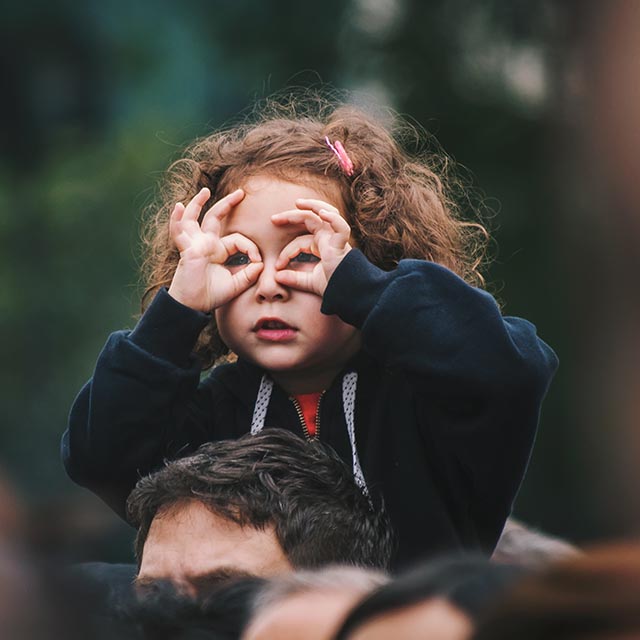
What is Binocular Vision? Usually the brain gets images from both (bi) eyes (ocular) at the same time. The brain combines the two images into one, to make vision. The images that the brain gets from the eyes are however slightly different from each other. The brain uses these small differences to work out how far away an object is. This is called depth perception. It can also help to work out how quickly an object is moving towards or away from a person. This is a type of movement perception.
What causesloss of binocular vision? There are lots of reasons why binocular vision might become reduced or lost altogether.
Reasons include:
Reduced vision in one eye
Loss of coordination of movement between the two eyes (squint)
Problems with the brain comparing images from both eyes [2]
Binocular Vision Problems Headaches, eyestrain, fatigue, blurred and double vision are common symptoms for someone with a binocular vision problem. A perfectly healthy eye with 20/20 vision can still have a disorder of the focusing system or the extra-ocular muscles. Binocular vision problems can be a major problem for young students and can impact reading and learning.
Vision therapy can effectively treat and relieve the symptoms of most binocular vision problems. All children should have a professional eye exam before 30 months, to rule out any possible binocular vision problems.[3]
Why Binocular Vision Dysfunction in Children Is Frequently Mistaken for Something Else
Binocular interaction Apart from binocular summation, the two eyes can influence each other in at least three ways.
Pupillary diameter. Light falling in one eye affects the diameter of the pupils in both eyes. One can easily see this by looking at a friend's eye while he or she closes the other: when the other eye is open, the pupil of the first eye is small; when the other eye is closed, the pupil of the first eye is large.
Accommodation and vergence. Accommodation is the state of focus of the eye. If one eye is open and the other closed, and one focuses on something close, the accommodation of the closed eye will become the same as that of the open eye. Moreover, the closed eye will tend to converge to point at the object. Accommodation and convergence are linked by a reflex, so that one evokes the other.
Interocular transfer. The state of adaptation of one eye can have a small effect on the state of light adaptation of the other. After effects induced through one eye can be measured through the other.[4]
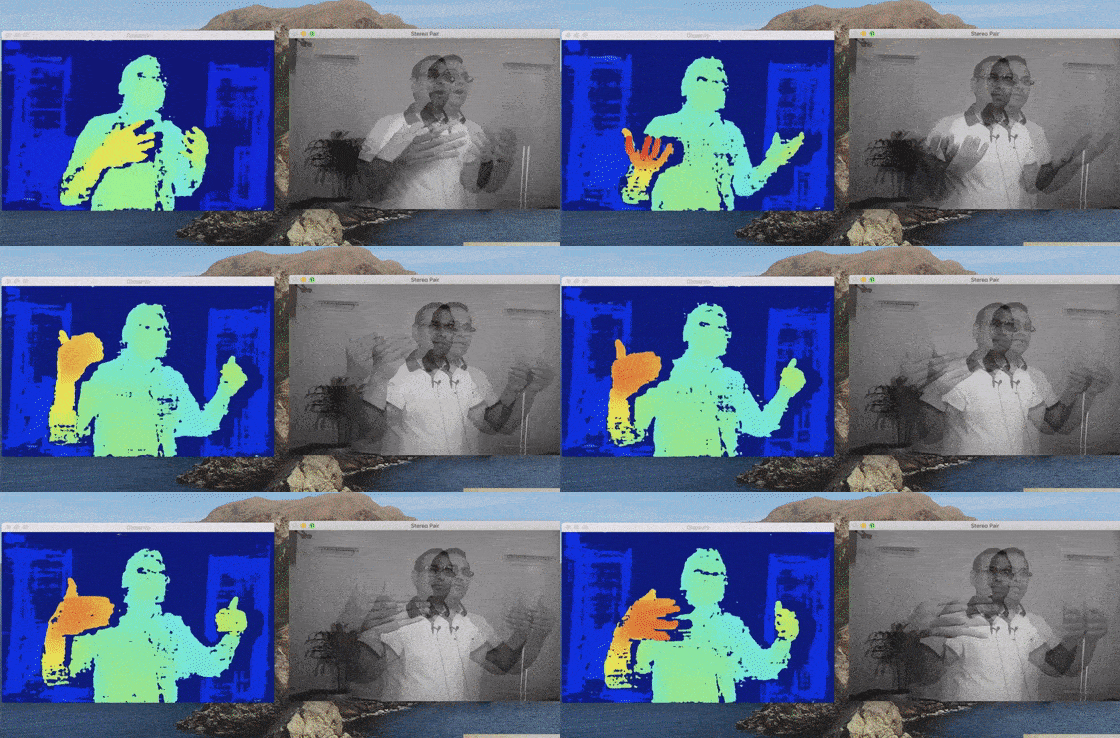
With stereo vision you see an object as solid in three spatial dimensions--width, height and depth--or x, y and z. It is the added perception of the depth dimension that makes stereo vision so rich and special.
Stereopsis (from the Greek στερεο- stereo- meaning "solid", and ὄψις opsis, "appearance, sight") is a term that is most often used to refer to the perception of depth and 3-dimensional structure obtained on the basis of visual information deriving from two eyes by individuals with normally developed binocular vision. Because the eyes of humans, and many animals, are located at different lateral positions on the head, binocular vision results in two slightly different images projected to the retinas of the eyes. The differences are mainly in the relative horizontal position of objects in the two images. These positional differences are referred to as horizontal disparities or, more generally, binocular disparities. Disparities are processed in the visual cortex of the brain to yield depth perception. While binocular disparities are naturally present when viewing a real 3-dimensional scene with two eyes, they can also be simulated by artificially presenting two different images separately to each eye using a method called stereoscopy. The perception of depth in such cases is also referred to as "stereoscopic depth".[7]
There are two aspects of stereopsis: the nature of the stimulus information specifying stereopsis, and the nature of the brain processes responsible for registering that information.
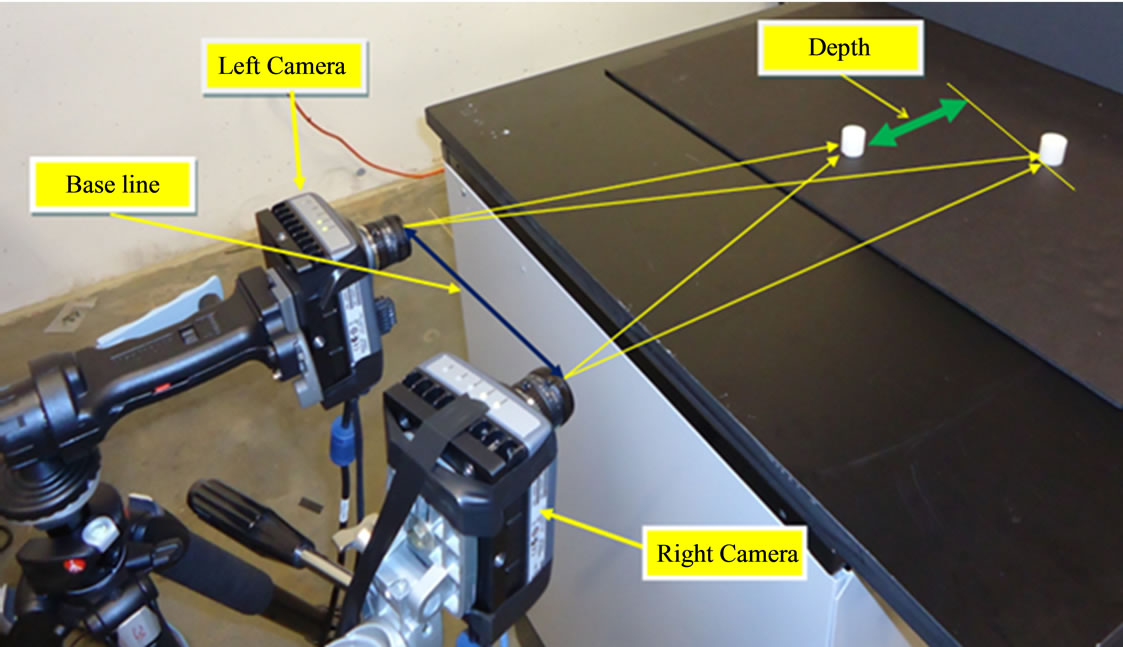
The distance between the two eyes on an adult is almost always 6.5 cm and that is the same distance in shift of an image when viewing with only one eye. Retinal disparity is the separation between objects as seen by the left eye and the right eye and helps to provide depth perception. Retinal disparity provides relative depth between two objects, but not exact or absolute depth. The closer objects are to each other, the retinal disparity will be small. If the objects are farther away from each other, then the retinal disparity will be larger. When objects are at equal distances, the two eyes view the objects as the same and there is zero disparity.[4]
Retinal disparity, sometimes called binocular disparity, is part of the process in visual perception that generates the depth and dimensionality. In the sequence of perception, this would occur at the surface/object stage. Specifically, retinal disparity is the space between the eyes that allows binocular vision to create depth perception.
The diagram below indicates a left and right eye. Both eyes converge on a box but due to retinal disparity, the angle of viewing is slightly different for each eye. The brain combines the two images to create the perception of a three-dimensional object.[13]
Retinal disparity is usually thought of as a 2D vector representing the deviation from retinal correspondence. It's assumed to decompose naturally into two orthogonal components, called horizontal and vertical disparity. Extensive literature has shown these components to be processed in fundamentally different ways. But when eye movements and non-identical correspondence patterns are taken into account, the simple definition of retinal disparity breaks down. In general, neither horizontal, nor vertical disparity, nor, indeed, the disparity vector itself, are well defined entities. Retinally, a binocular target is represented by one 2D position vector for each eye, or four dimensions. If disparity is assumed to be the difference between these projection vectors and a retinal correspondence pattern, the resulting entity has eight degrees of freedom - four more than a retinally located 2D disparity vector would have. Only when empirical retinal correspondence obeys certain constraints can disparity be reduced to such a vector. But even then it can not be simply split into retinal horizontal and vertical components, because moving eyes change the relationship between retinal locations and epipolar projection geometry. A practical consequence of these theoretical issues is demonstrated using the induced effect as an example.[14]
Stereoscopy creates the illusion of three-dimensional depth from given two-dimensional images. Human vision, including the perception of depth, is a complex process, which only begins with the acquisition of visual information taken in through the eyes; much processing ensues within the brain, as it strives to make sense of the raw information. One of the functions that occur within the brain as it interprets what the eyes see is assessing the relative distances of objects from the viewer, and the depth dimension of those objects.[6]
Stereo Vision Has Many Advantages
Stereo vision--or stereoscopic vision --probably evolved as a means of survival. With stereo vision, we can see WHERE objects are in relation to our own bodies with much greater precision--especially when those objects are moving toward or away from us in the depth dimension. We can see a little bit around solid objects without moving our heads and we can even perceive and measure "empty" space with our eyes and brains.[5]
Two Eyes = Three Dimensions (3D) Each eye captures its own view and the two separate images are sent on to the brain for processing. When the two images arrive simultaneously in the back of the brain, they are united into one picture. The mind combines the two images by matching up the similarities and adding in the small differences. The small differences between the two images add up to a big difference in the final picture! The combined image is more than the sum of its parts. It is a three-dimensional stereo picture.[5]
Stereoblindness (also stereo blindness) is the inability to see in 3D using stereopsis, or stereo vision, resulting in an inability to perceive stereoscopic depth by combining and comparing images from the two eyes.
Learning disability is a general term that describes specific kinds of learning problems. A learning disability can cause a person to have trouble learning and using certain skills. The skills most often affected are:reading, writing, listening,speaking,reasoning, and doing math.
5 Most CommonLearning Disabilities
School requires hard work in order to be successful. However, for some students, even hard work may not be enough. Some students are faced with additional challenges in the classroom due to learning disabilities. A learning disability is a disorder that inhibits the ability to process and retain information. Because there are numerous mental processes that affect learning, learning disabilities can vary dramatically. Here are five of the most common learning disabilities in classrooms today.
Dyslexia
ADHD(Attention Deficit/Hyperactivity Disorder)
Dyscalculia
Dysgraphia
Processing Deficits
Learning disabilities are also connected to processing deficits. When students have a processing deficit, they have trouble making sense of sensory data. This makes it hard for students to perform in a traditional classroom without instructional supports. These deficits are most often auditory or visual, and they can make it hard for students to distinguish and remember important information that is needed to succeed.
These five learning disabilities can manifest with varying degrees of severity, and some students may struggle with more than one. By understanding these disabilities, it is possible to find workable solutions so that every student can succeed in the classroom.
Learning disabilities (LD)vary from person to person. One person with learning disabilities may not have the same kind of learning problems as another person with learning disabilities. One person may have trouble with reading and writing. Another person with learning disabilities may have problems with understanding math. Still another person may have trouble in each of these areas, as well as with understanding what people are saying.
Researchers think that learning disabilities are caused by differences in how a person's brain works and how it processes information. Children with learning disabilities are not "dumb" or "lazy." In fact, they usually have average or above average intelligence. Their brains just process information differently.
Examples of signsand symptomsassociated with eye problems in people with learning disabilities
Eye poking or rubbing
Persistently red eyes
Discomfort with bright lights
Anxiety in unfamiliar situations
Hesitancy in poorly lit environments, especially on steps or at pavement edges
Unwillingness to venture out of their immediate environment or be involved
Depression, anger or frustration
Reduction in social or domestic skills and participation
Loss of interest in family, friends, TV or social activities
Undue alarm at unfamiliar noises or when approached
Bumping into furniture or accidentally knocking over cups
Types of Learning Disabilities
Attention Deficit/Hyperactivity Disorder (ADHD)
Auditory Processing Disorder (APD)
Visual Perceptual/Visual Motor Deficit
Non-Verbal Learning Disabilities
Language Processing Disorder
Executive Functioning
Dyscalculia
Dysgraphia
Dyslexia
Dyspraxia
Memory
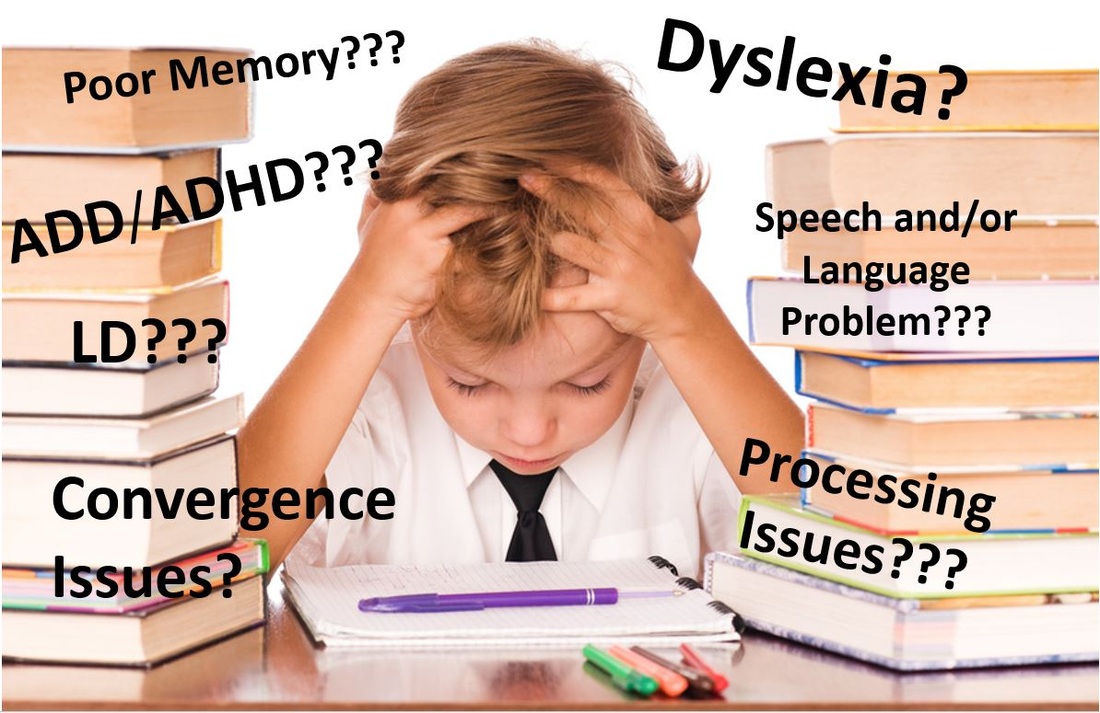
When people think of eyesight, they usually think about accuracy, as in 20/20 vision. But vision is much more than that. The brain, not the eyes, processes the visual world, including things like symbols, pictures and distances. Weaknesses in these brain functions are called visual processing disorder or visual processing issues.
While there are ways to help kids compensate for those weaknesses, visual processing issues present lifelong challenges. They are not considered a learning disability. But they’re fairly common in kids who have learning issues.
Visual processing issues don’t just affect how a child learns. They also impact his ability to do ordinary thinks like sorting socks or playing a simple game of kickball. Visual processing issues can cause problems with socializing and self-esteem, too. Some kids may become frustrated and withdrawn.
Types of visual processing disorders
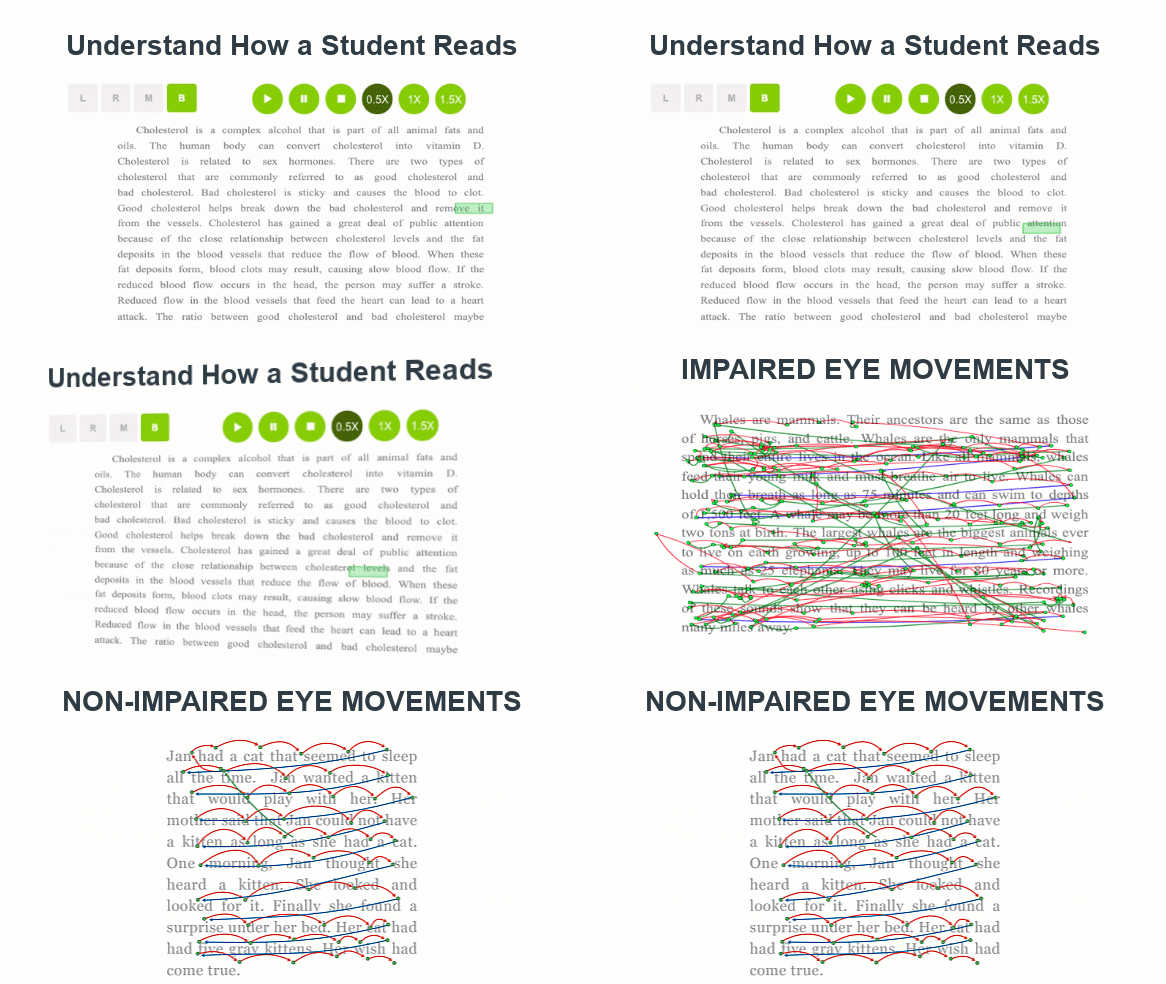
Eye-tracking difficulties: When you read, the left-to-right movement of your eyes is called a saccade. This is one of the most complicated muscle movement the body makes, and eye tracking problems occur when one or both eyes have a problem moving smoothly or in synch in this side-to-side motion. When an eye tracking issue occurs while reading, the eyes often jump back and forward, moving sometimes two or three times as much as necessary.
Convergence Issues: Convergence describes a condition when the eyes focus either in front or beyond an object. This is not a problem with the physical eye but a neurological problem. An eye chart test does not screen for this effectively. In short periods of time, the eye and brain can adjust for this and recognize shapes of letters. This allows a patient to pass the test.
Strabismus: Strabismus is a condition often described as wandering eye. It results from imbalances in the muscles that control eye movement. Over time, a child with strabismus will develop neurological vision issues that severely affect depth perception. Sometimes the strabismus is intermittent, meaning it comes and goes. It’s easy to think you were seeing things or the child is just tired and that is why the eye turned in temporarily. Strabismus is not transitory. It is a medical condition that needs treatment.
Double vision: Double vision is an indicator of many possible issues. It can indicate convergence issues and strabismus as well as physiological issues.
Eight Types of Visual Processing Issues
Visual processing issues are complex. That’s because there are eight different types, and people can have more than one. These issues often go undetected because they don’t show up on vision tests. Here are the different types of visual processing issues scientists have identified:
Visual discrimination issues: Kids with this type have difficulty seeing the difference between two similar letters, shapes or objects. So they may mix up letters, confusing d and b, or p and q.
Visual figure-ground discrimination issues: Kids with this type may not be able to pull out a shape or character from its background. They may have trouble finding a specific piece of information on a page.
Visual sequencing issues: Kids with these issues have difficulty telling the order of symbols, words or images. They may struggle to write answers on a separate sheet or skip lines when reading. They also may reverse or misread letters, numbers and words.
Visual-motor processing issues: Kids with these issues have difficulty using feedback from the eyes to coordinate the movement of other parts of the body. Writing within the lines or margins can be tough. Kids also may bump into things and have trouble copying from a book.
Long- or short-term visual memory issues: Kids with either type have difficulty recalling what they’ve seen. Because of that they may struggle with reading and spelling. They may also have trouble remembering what they’ve read and using a calculator or keyboard.
Visual-spatial issues: Kids with these issues have difficulty telling where objects are in space. That includes how far things are from them and from each other. It also includes objects and characters described on paper or in a spoken narrative. Kids may also have a tough time reading maps and judging time.
Visual closure issues: Kids with these issues have difficulty identifying an object when only parts are visible. They may not recognize a truck if it’s missing wheels. Or a person in a drawing that is missing a facial feature. Kids may also have great difficulty with spelling because they can’t recognize a word if a letter is missing.
Letter and symbol reversal issues: Kids with these issues switch letters or numbers when writing. Or make letter substitutions when reading after age 7. They also have trouble with letter formation that affects reading, writing and math skills.
Patients with learning disabilities can have the same range of visual problems as the general population. It has been estimated that people with learning disabilities are ten times more likely to have specific ocular conditions, including:
amblyopia
blepharitis – common in people with Down’s syndrome
cataract
concomitant strabismus
cortical visual impairment
entropion – common in people with Down’s syndrome
field defects
high refractive error – especially myopia and astigmatism
impaired accommodation
keratoconus
nystagmus
reduced vision.
The major causes of learning disability in the UK are:
A thorough eye exam can test all of the eight vision skills needed to read. If your child is having trouble in school, it could be eyesight-related. Learn more about vision changes in school-age children. Good vision is vital to reading well. And although vision may not be the only cause of reading difficulties, it is one cause that is sometimes overlooked.
Neededto readeight vision skills Reading requires the integration of eight different vision skills. The typical school eye chart test checks only one. Quick eye examinations may cover only one or two. Since a comprehensive eye examination will cover the eight vision skills, it is a must for anyone who is having trouble reading .
The eight skills include:
Visual acuity,or the ability to see objects clearly at a distance. Visual acuity is sometimes measured in a school vision screening. Normal visual acuity is referred to as 20/20 vision (or 6/6 vision in the metric system) — a measure of what can normally be seen at a distance of 20 feet, or 6 meters. If a problem is discovered in the screening, a thorough optometric examination should follow.
Visual fixation,or the ability to aim the eyes accurately. One type of fixation, called direct fixation, has to do with the ability to focus on a stationary object or to read a line of print. The other type, called pursuit fixation, is the ability to follow a moving object with the eyes.
Accommodation,or the ability to adjust the focus of the eyes as the distance between the individual and the object being observed changes. Children frequently use this skill in the classroom as they shift focus between books and blackboards.
Binocular fusion,or the brain's ability to gather information received from each eye separately and form a single, unified image. Eyes must be precisely aligned physically or double vision may result. If it does, the brain often subconsciously suppresses or inhibits the vision in one eye to avoid confusion. That eye may then develop poorer visual acuity (amblyopia or lazy eye).
Stereopsis,a function of proper binocular fusion enhancing the perception of depth, or the relative distances of objects from the observer.
Convergence,or the ability to turn the two eyes toward each other to look at a close object. Any close work, such as desk work, requires this vision skill.
Field of vision,or the area over which vision is possible. It is important to be aware of objects on the periphery (left and right sides and up and down) as well as in the center of the field of vision.
Perception,the total process of receiving and recognizing visual stimuli. Form perception is the ability to organize and recognize visual images as specific shapes. A reader remembers the shapes of words, which are defined and recalled as reading skills are developed.
Most people don’t realize that you need17 visual skills to succeed in reading, learning, sports, and in life!
1. Eye Movement Control The ability to move both eyes together to point at an intended target or follow along a path, like a line of text
2. Simultaneous Focus at Far Forming a clear image of something in the distance
3.Sustaining Focus at Far Keeping an image of something in the distance clear
Eye chart with sports figures
4. Simultaneous Focus at Near Forming a clear image of something close to the eyes
5. Sustaining Focus at Near Keeping a clear image of something close to the eyes
6. Simultaneous Alignment at Far Lining up both eyes at the same point the distance
7. Sustaining Alignment at Far Holding both eyes lined up at the same point in the distance
8. Simultaneous Alignment at Near Lining up both eyes at the same point up close
9. Sustaining Alignment at Near Holding both eyes lined up at the same point up close
10. Central Vision (Visual Acuity) This is where "20/20" vision comes in!
11.Peripheral Vision Being able to see what's on either side of you while your eyes are pointed forward
12. Depth Awareness Being able to tell that things are further away or closer up than each other (also know as depth perception)
13. Color Perception Being able to tell different colors apart (if you are not color-blind)
14. Gross Visual-Motor Moving yourself through space without bumping into things by using information from your vision
15. Fine Visual-Motor Writing, sewing, texting, and doing other small and close-up activities with accuracy by using information from your vision
16. Visual Perception Being aware of your environment and what is going on around you in your visual field (the area you can see)
17.Visual Integration Bringing together your vision and your other senses to accomplish complex tasks, like reading while walking a balance beam
Important Vision Skills for Sports
Dynamic Visual Acuity
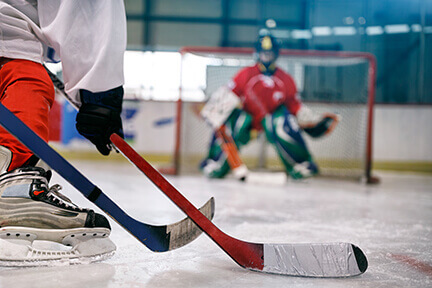
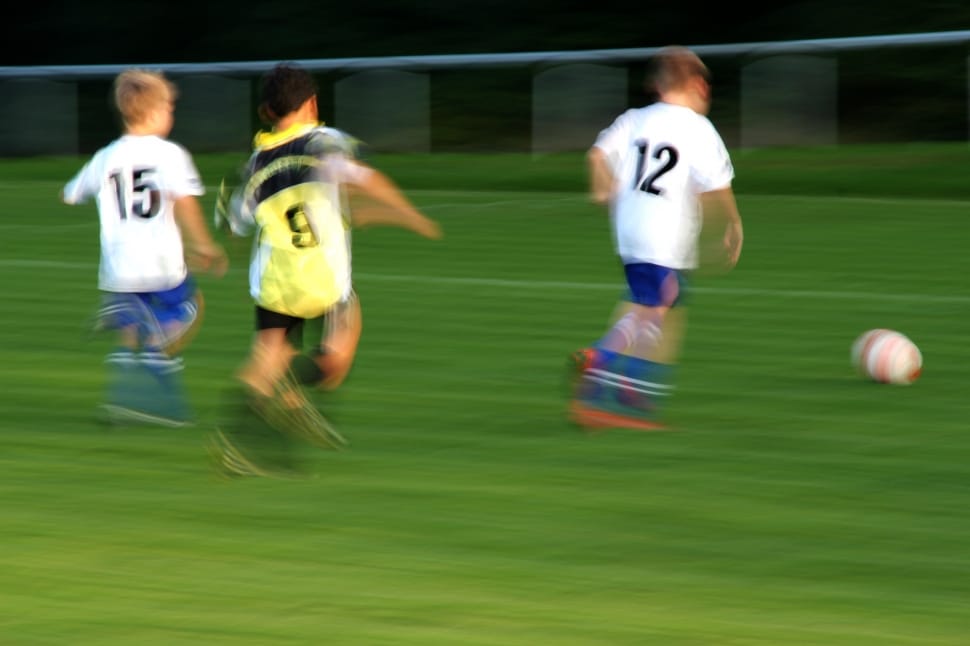
If you are playing a sport like racquetball, tennis, soccer or hockey, you need to be able to clearly see objects while you and/or the objects are moving fast. Without good dynamic visual acuity, you will have a difficult time in sports like these.
Visual Concentration
When you commit an error on an easy ground ball or miss a short putt, you might be distracted by things that are happening around you. Our eyes normally react to anything that happens in our field of vision-spectators, other participants or even rustling leaves on an overhanging branch. Visual concentration is the ability to screen out these distractions and stay focused on the object or the target.
Eye Tracking
When you are playing any sport with a ball or a fast-moving opponent, you need to be able to follow objects without much head motion. Eye tracking helps you maintain better balance and quickly react to the situation.
Eye-Hand-Body Coordination
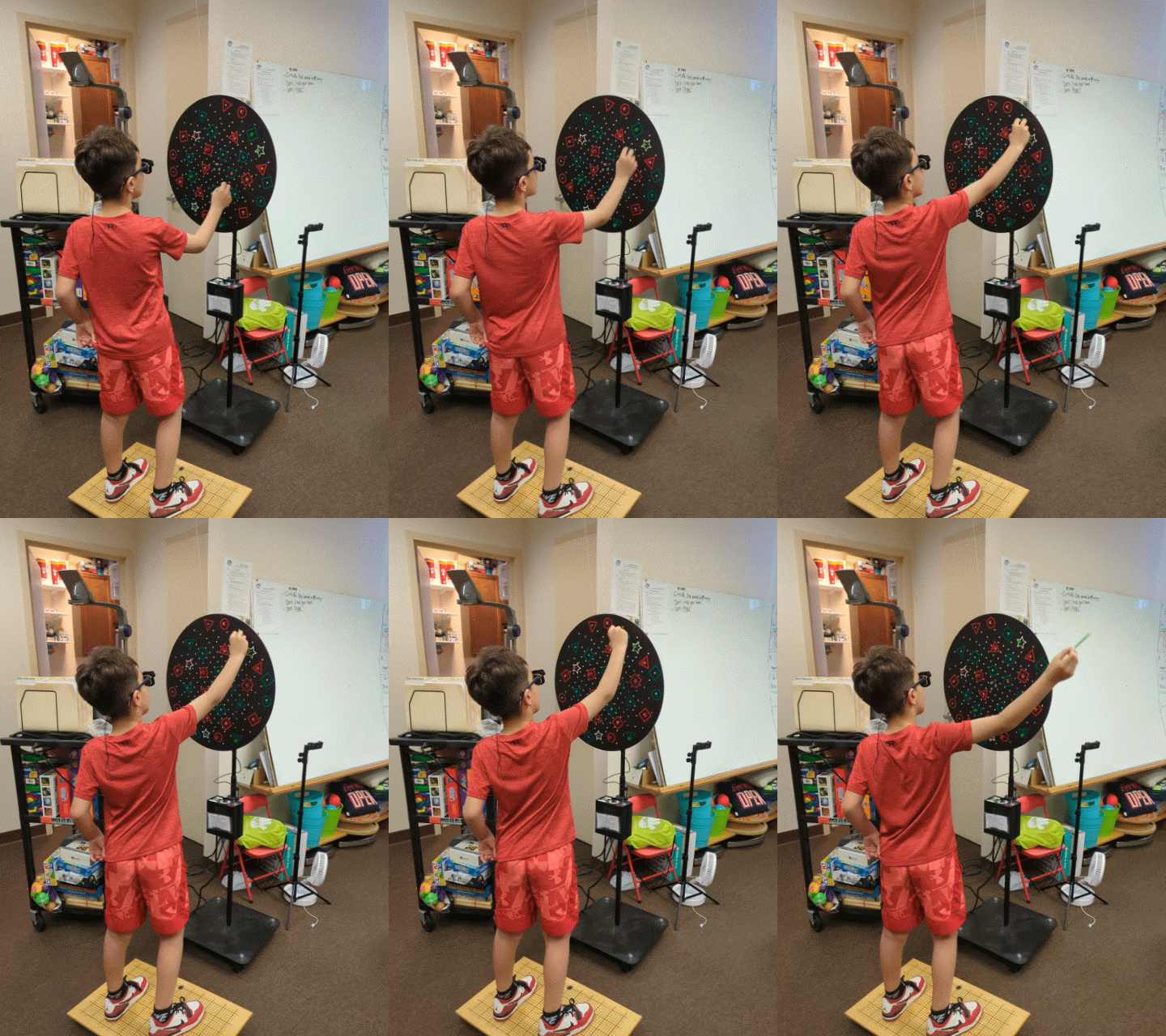
Eye-hand-body coordination is how your hands, feet and body and other muscles respond to the information gathered through your eyes. It is an important part of most sports because it affects both timing and body control.
Visual Memory
When you are pushing a fast break up the basketball court, leading a rush up the ice in hockey or catching the big wave amid a crowd of surfers, you need to process and remember a fast-moving, complex picture of people and things. This is called visual memory. The athlete with good visual memory always seems to be in the right place at the right time.
Visualization
Picture yourself hitting a perfect drive ... long and right down the middle of the fairway. Believe it or not, picturing yourself doing it can actually help you do it. Through visualization, you see yourself performing well in your "mind's eye" while your eyes are concentrating on something else, usually the ball. Using scanning techniques, researchers have found that the same areas of the brain that light up during performance also are at work when you visualize the performance.
Peripheral Vision
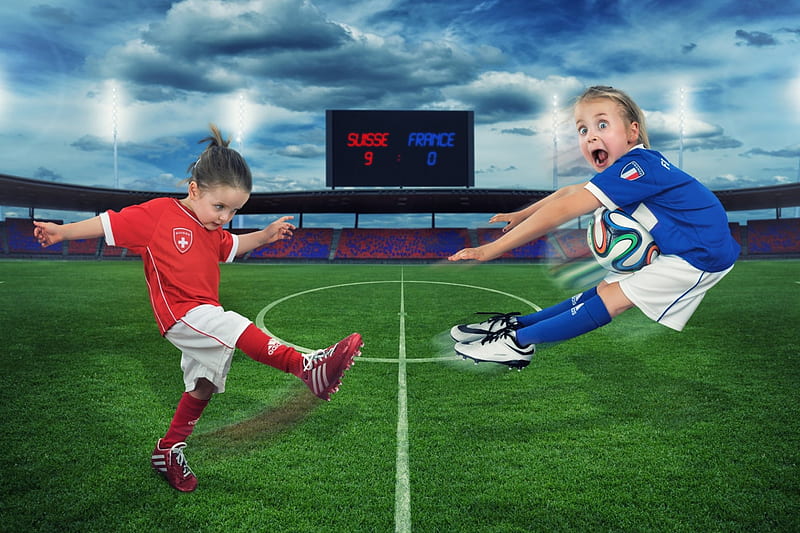
When a soccer player sees her teammate out of the corner of her eye, she is using her peripheral vision. Much of what happens in sports does not happen directly in front of you. Therefore, increasing your ability to see action to the side without having to turn your head is important.
Visual Reaction Time
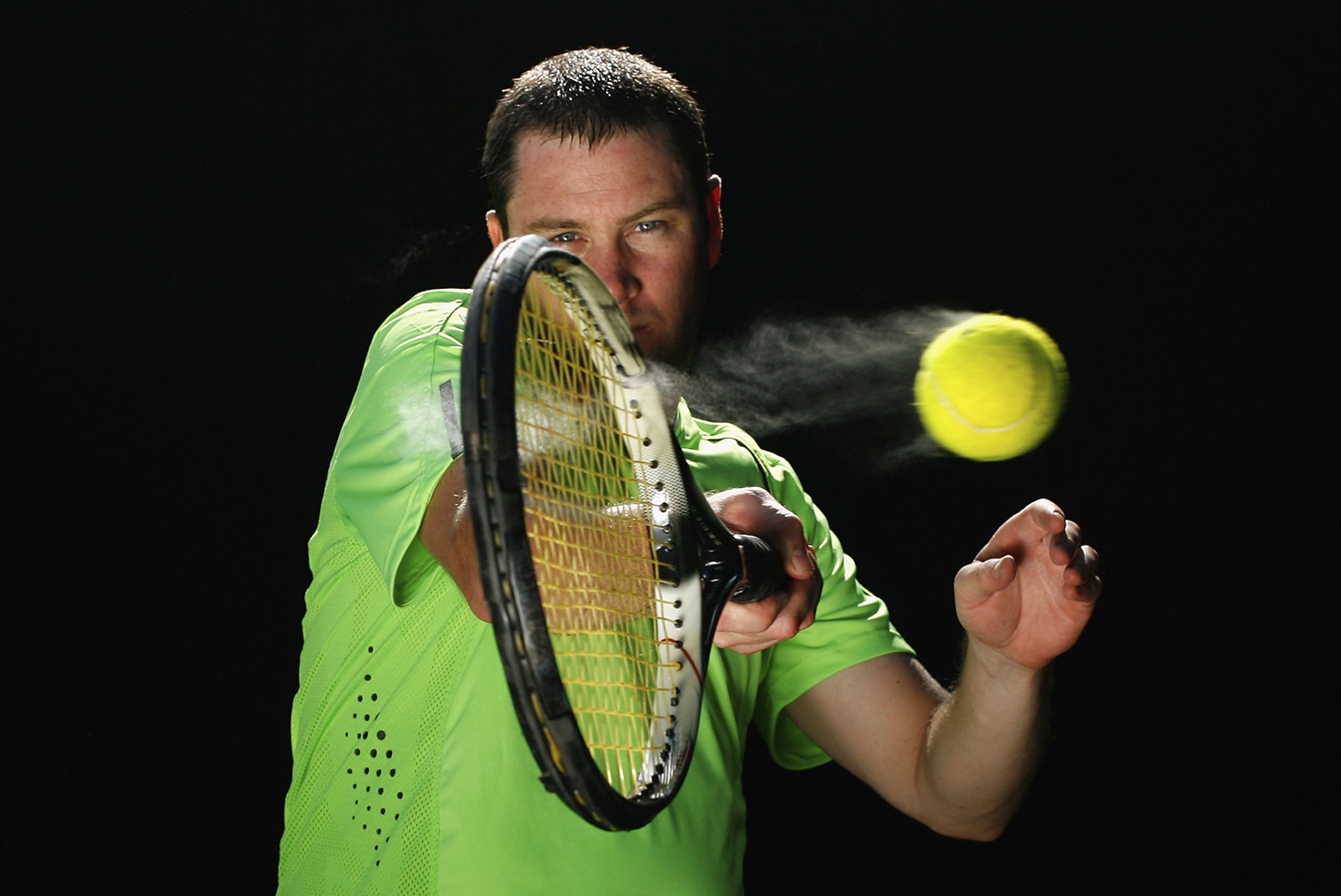
The pitcher releases the ball and you swing ... a little late and you hit a weak foul down the line, or worse, you miss the ball completely. Or maybe you can't quite return that tennis serve. You need to improve your visual reaction time, or the speed with which your brain interprets and reacts to your opponent's action.
Depth Perception
In racket sports, depth perception enables you to quickly and accurately judge the distance between yourself, the ball, your opponents, teammates, boundary lines and other objects. If you consistently over- or underestimate the distance to your target, poor depth perception may be the reason.
Is your child myopic (or nearsighted)?
Which type of myopia does your child have?
Myopia is a condition in which one can see clearly up close but unable to see clearly far away. In a myopic person, the eye is longer than it should be and so light coming into the eye from far away is focused in front of the retina rather than right on it, producing a blurred image. If the myopia starts in a child at a young age, chances are that it will worsenrapidly as the child grows.
There is actually more than one type of myopia, depending on its cause:
Infantile myopia: the child is born with high myopia, often associated with abnormal pregnancy or poor nutrition during gestation.
Stress-induced myopia: the child begins reading at a very young age and tends to be very detail-oriented. This is myopia caused by excessive near work at an age when the child ought to be spending time playing outdoors.
Myopia induced by binocular dysfunction: the child’s binocular system did not develop properly, therefore reading creates excess stress on the focusing system which in turn, induces elongation of the eye resulting in worsening eyesight.
Here are some of the many visual skills that are improved through Sports Vision Training.
Visual Acuity at All Distances (Adaptable Clear Vision) Do the two eyes maintain clear vision at varying distances at all times? Clear vision at all distances is important to sports success.
Eye Focusing Skills - Shifting and Sustaining Sharp Vision: Do the two eyes shift and sustain focusing power quickly and easily? Accurate eye focusing skills are a big boon for an athlete in any game with moving objects and/or players, especially in aVision Therapy and Sports Vision Trainingfast-paced game. Sports Vision Training can enhance focusing power, agility, and speed.
Eye Tracking, Eye Teaming, and Eye Movement Skills: Do the two eyes aim, move, and work as an effective coordinated team? Fast, fluid, binocular vision with coordinated eye movements and smooth eye tracking skills are essential to success in sports. Sports Vision Training conditions all of these visual skills simultaneously.
Depth Perception: Good binocular depth perception enables accurate assessment of relative distances, such as where the athlete's body is in relation to other objects or people. Sports Vision Training can increase and stabilize binocular depth perception.
Peripheral Vision and Awareness:Widening your peripheral field of vision and peripheral awareness allows a better perception of action, motion, space, and objects to the sides of your eyes and body without having to move your eyes in that direction. In other words, you can perceive what is happening around you without having to move your eyes away from a single focal point or visual target.Good or heightened peripheral vision and awareness add greatly to sports performance, such as in team sports. In addition, good peripheral vision contributes greatly to a well functioning vestibular system (good balance).
Of these three types of myopia, myopia induced by binocular dysfunctionis the easiest to treat with vision therapy. When a child’s eyes do not work together properly as a team, he may respond by having a performance issue in reading, or he may learn to work his focusing system extra hard in an attempt to overcome the binocular dysfunction. In such cases, treating the underlying binocular dysfunction is key to eliminating the excess strain which induced the worsening myopia to begin with.
Because the binocular dysfunction varies from person to person, we do not prescribe the same vision therapy exercises for myopia control to all patients. There are many programs for natural vision improvement out there, but we don't typically recommend them because they are not customized to address each individual patient's binocular problems.
? What are Visual Skills
For stress-induced myopia, vision therapy may be helpful but it requires constant vigilance and continual therapy. Patients will need to learn drills to reduce the stress on their eyes, learn proper posture and improve visual hygiene. In addition, plus lenses may be prescribed to further decrease the stress on their eyes when reading. For such patients, orthokeratology, an overnight contact lens which reshapes the eye while sleeping, tends to work better in arresting the worsening of their eyesight.
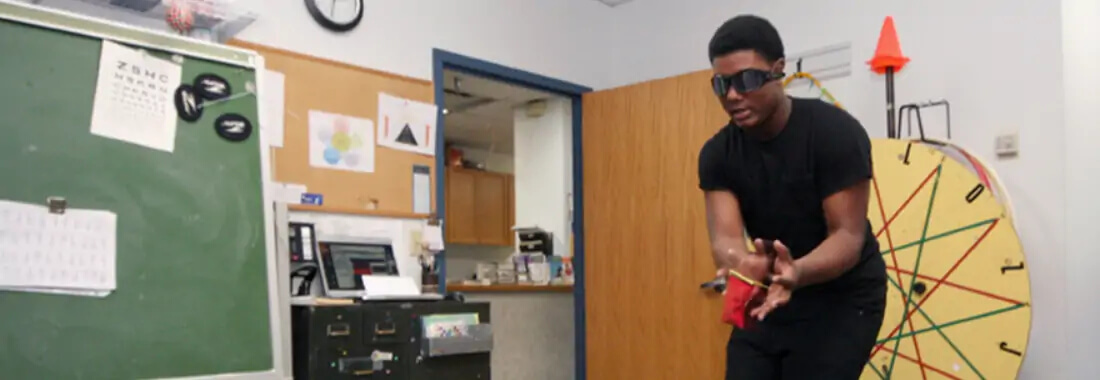
There are several key visual skills that are enhanced through sports vision programs for athletes that aim to achieve their optimal sports performance, these include: Dynamic visual acuity: this refers to the patient’s ability to see objects clearly while in motion. This is exceptionally important as hand-eye coordination and reflex reactions are essential for success in most sporting activities. Contrast sensitivity: good contrast sensitivity is needed to determine the difference between an object and its surroundings. Contrast sensitivity is particularly important in situations where there may be low light, fog or glare that could diminish the natural contrast between objects and backgrounds. Eye tracking: this refers to the ability to follow a fast-moving object, such as a ball or puck. Switching eye focus: athletes need to be able to change their focus quickly and accurately from one distance to another. Binocular vision skills: also known as eye teaming skills, these skills determine how well your eyes work with one another to produce a single, clear image.
Processing speed: visual processing speed is defined as the amount of time it takes to make a correct judgement about a visual stimulus – for example, how fast a ball is travelling towards them. Peripheral awareness: athletes also need to be able to be aware of what is happening at the edges of their vision while also concentrating on a fixed object in front of them.
Sports vision testing can enable your eye doctor to spot any weaknesses that you may have in any of these key visual skills. By identifying them, it is possible for you to undergo treatment to overcome theses issues and meet your specific goals that will ultimately enhance your overall athletic performance. This is known as sports vision training.
وبلاگ تخصصی عینک شامل مجموعه مطالب پزشکی است که اطلاعات مفیدی در رابطه با عینک , چشم، لنز، سلامتی چشم و راه های پیشگیری از بیماریهای چشمی، کنترل و درمان آن را در اختیار شما کاربر محترم می گزارد.






















 وبلاگ تخصصی عینک شامل مجموعه مطالب پزشکی است که اطلاعات مفیدی در رابطه با عینک , چشم، لنز، سلامتی چشم و راه های پیشگیری از بیماریهای چشمی، کنترل و درمان آن را در اختیار شما کاربر محترم می گزارد.
