presbyopia /ˌprɛzbɪˈəʊpɪə/
long-sightedness caused by loss of elasticity of the lens of the eye, occurring typically in middle and old age.
Presbyopia is the gradual loss of your eyes' ability to focus on nearby objects. It's a natural, often annoying part of aging. Presbyopia usually becomes noticeable in your early to mid-40s and continues to worsen until around age 65.
If presbyopia is your only vision problem (you do not have nearsightedness, farsightedness or astigmatism), glasses may be all you need.
Reading glasses help correct close-up vision problems by bending (refracting) light before it enters your eye.
LASIK effectively corrects nearsightedness, farsightedness, and astigmatism—but it does not cure presbyopia.
By far the most common (and simplest) treatment for presbyopia is bifocal or progressive lens eyeglasses. A bifocal lens is split into two sections. The larger, primary section corrects for distance vision, while the smaller, secondary section allows you to see up close.
طبق تحقیقاتی که در خصوص شروع سنین پیر چشمی در شهر تهران به عمل آمده ، این سن 37.5 سالگی مطرح شده ، فردی که عادت دارد اشیاء را دورتر از چشم نگه دارد، دیرتر پیر چشم میشود و برعکس شخصی که اشیاء را نزدیکتر به چشم نگه میدارد، زودتر پیر چشمی میگیرد. داشتن دستان بلند و یا کوتاه در این زمینه موثر است. فردی که مبتلا به دوربینی است، زودتر پیر چشم میگردد و هر چه مقدار دوربینی وی بیشتر باشد پیر چشمی زودتر است.
در مورد اینکه آیا میتوان از پیرچشمی جلوگیری کرد و یا آن را به تعویق انداخت، بایستی گفته شود که تاکنون به این سوال پاسخ مشخص داده نشده و تحقیقات تاکنون نتوانسته است راه حلی را پیشنهاد نماید.
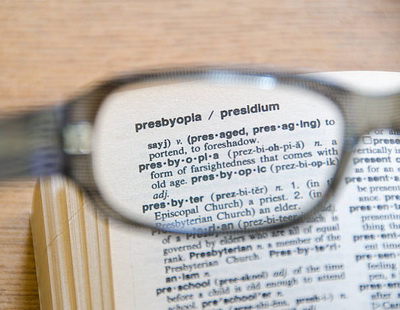
دلیل بروز پیر چشمی
یکی از دلایل عمده پیر چشمی سخت شدن پوسته عدسی چشم (اسکروزیس) میباشد، در اینحالت عضلات مژگانی قادر نیستند که انحنای لازم را برای عدسی بوجود بیاورند، ضمنا خود این عضلات نیز با افزایش سن دچار اسکروزیس میگردند. بطور کلی یک سری تغییرات در بدن به علت افزایش سن ایجاد میگردد که غیر قابل برگشت میباشد و پیرچشمی یکی از این تغییرات است، پیرچشمی مساله نگران کنندهای نیست و براحتی قابل درمان است، منظور از درمان همان اصلاح است.
علائم پیر چشمی
- کاهش بینایی نزدیک یکی از مهمترین علائم پیر چشمی است. در این حالت افراد برای رؤیت شیء نزدیک و یافتن مورد مطالعه ، سعی میکنند که سر خود را عقبتر ببرند و یا اینکه شیء یا کتاب را دورتر از چشم نگاه دارند و بدین وسیله مقداری از تاری دید نزدیک را برطرف نمایند. در هنگامی که روشنایی کافی نباشد، بخصوص در هنگام عصر که مردمک چشم بازتر میگردد، این مشکل افزایش پیدا میکند.
- از علائم دیگر این که فرد پیر چشم خطوط ریز کتاب و یا متن مورد مطالعه را نمیتواند واضح ببیند و تلاش برای واضح دیدن منجر به ایجاد علائمی مثل خستگی چشم ، سردرد ، بخصوص در ناحیه پشت سر ، اشک ریزی ، سوزش چشم و چشم درد میگردد. یکی از رایج ترین شکایت خانمهای مبتلا به پیرچشمی در مراجعه به پزشک عدم توانایی آنها در سوزن نخ کردن است.
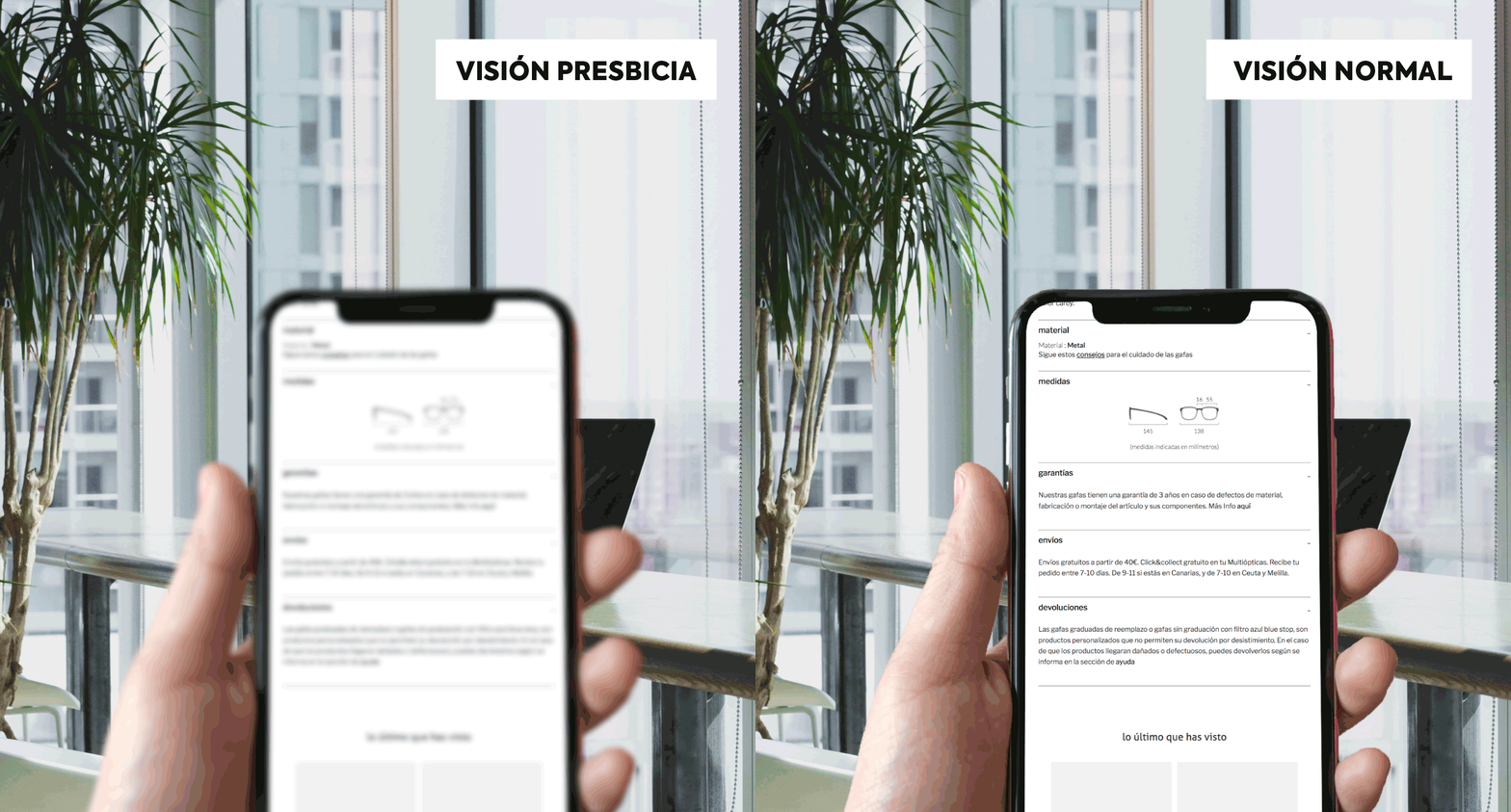
اصلاح پیرچشمی
درمان پیرچشمی براحتی توسط یک عدسی محدب صورت میگیرد، نظر به اینکه نقطه نزدیک در افراد پیر چشم از چشم دور شدن است، به کمک یک عدسی همگرا میتوان آنرا براحتی بجای اول خود برگرداند. لذا یکی از مواردی که درمان بسیار موفقیت آمیزی دارد، درمان پیرچشمی است، بطوری که فرد پیر چشم وقتی که عینک مناسب را دریافت میکند، ملاحظه میکند که بطور شگفت انگیزی بینایی خود را باز یافته است. در حالیکه طبق تصورات خود فکر کرده است که به علت پیری بینایی وی کاهش یافته و غیر قابل برگشت است.
نظر به اینکه تجویز عینک نزدیک برای افراد مسن به عوامل متعددی بستگی دارد، لذا مهارت فرد تجویز کننده در حصول یک بینایی مناسب برای فرد پیر چشم بسیار موثر است. فاصله کاری یا شغل فرد ، عادت فرد در حین کار یا مطالعه و در نظر گرفتن وضعیت انکساری چشم فرد ، در این تجویز بسیار مؤثر است. لذا عینک نزدیک همه افراد یکسان نمیباشد، از نظر سنی میتوان گفت که افراد مسن در سنین مساوی تقریبا نمرات نزدیک به همی دارند.
The human eye is designed to see very clearly for far. The near is usually out of focus, unless the eye makes an effort to contract its ciliary muscles, changing the shape of the crystalline lens to become more convex, hence bending light even further and getting the image of a close object on to the retina. Interestingly, the camera works by the exact same mechanism. A camera is designed to take great photos for far objects. For near objects, the camera will need to autofocus else the “macro” mode needs to be on.
Presbyopia is the age-related inability of the human eye to “autofocus” for near, due to the weakening of the muscles of the eye’s natural lens. It is most prominent after the age of 40, and progressively gets worse till around age 60. People then have to wear glasses to read the time off their watch, to read and write messages on mobile phones, read newspapers, and work on computers.
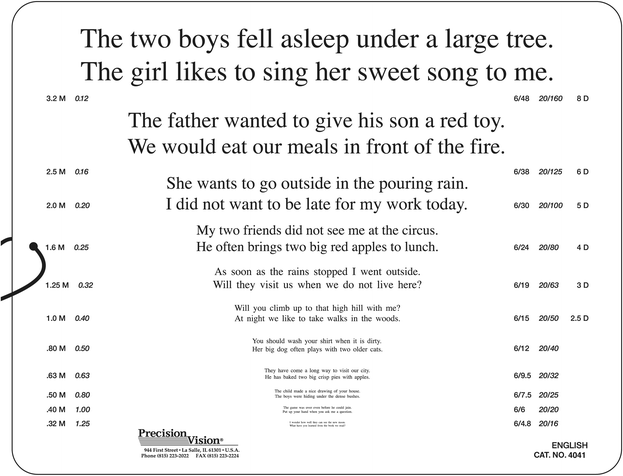
Common symptoms of presbyopia are:
- having eyestrain or headaches after reading or doing close work
- having difficulty reading small print
- having fatigue from doing close work
- needing brighter lighting when reading or doing close work
- needing to hold reading material at an arm’s distance to focus properly on it
- overall problems seeing and focusing on objects that are close to you
- squinting
Hyperopia, or farsightedness, is a condition that has symptoms similar to presbyopia. However, they’re two different disorders. In both conditions, distant objects are clear but closer objects appear blurred.
Hyperopia occurs when your eye is shorter than normal or your cornea is too flat. With these malformations, the light rays focus behind your retina, as in presbyopia. However, hyperopia is a refractive error that’s present at birth. It’s possible to have hyperopia and then develop presbyopia with age.
Causes of Presbyopia
When you’re young, the lens in your eye is flexible and relatively elastic. It can change its length or shape with the help of a ring of tiny muscles that surround it. The muscles that surround your eye can easily reshape and adjust your lens to accommodate both close and distant images.
With age, your lens and the muscle fibers surrounding your lens slowly lose flexibility and stiffen. As a result, your lens becomes unable to change shape and constricts to focus on close images. With this hardening of your lens, your eye gradually loses its ability to focus light directly onto your retina.
Presbyopia is a vision condition in which the shape of the crystalline lens of your eye changes. These changes make it difficult to focus on close objects.
Presbyopia may seem to occur suddenly, but sight reduction occurs over several years. Presbyopia usually becomes noticeable in the early to mid-40s, but the reduction of your focusing starts as early as childhood.
Presbyopia is a natural part of the aging process of the eye. It is not a disease, and it cannot be prevented.
Some signs of presbyopia include holding reading materials at arm's length, blurred vision at normal reading distance and eye fatigue along with headaches when doing close work. A comprehensive optometric examination will include testing for presbyopia.
To help you compensate for presbyopia, your doctor of optometry can prescribe reading glasses, multifocal glasses or contact lenses. Presbyopia can complicate other common vision conditions like nearsightedness, farsightedness and astigmatism. Your doctor will determine the specific lenses to allow you to see clearly and comfortably. You may only need to wear your glasses for close work like reading, but you may find that wearing them all the time is more convenient and helpful.
The effects of presbyopia will continue over your lifetime. Therefore, you may need to periodically change your eyewear to maintain clear and comfortable vision.
یرچشمی در افراد عینکی
فردی که مبتلا به دوربینی است، زودتر پیر چشم میگردد و هر چه مقدار دوربینی وی بیشتر باشد پیرچشمی زودتر اتفاق میافتد. و افراد نزدیک بین یا پیرچشم نمیشوند و یا خیلی دیرتر پیرچشم میشوند. این بیماری بگونهای هست که در نتیجه آن افراد با دید طبیعی (بدون ضعف چشم) احتیاج به عینک مطالعه پیدا میکنند و افراد نزدیک بین یا دوربین احتیاج به دو عینک یکی برای دور و یکی برای نزدیک یا عینک دو دید (عینک بایفوکال) پیدا میکنند.
یک مزیت نزدیک بینی کمتر از 3 دیوپتر این است که این افراد بعد از شروع پیرچشمی میتوانند عینک دور خود را بردارند و قادر به خواندن بدون عینک باشند. بعد از انجام جراحی لیزری برای اصلاح نزدیک بینی ، این توانایی از دست خواهد رفت، چرا که این افراد همانند سایر افراد طبیعی نیاز به عینک مطالعه خواهند داشت. اما افراد با نزدیک بینی متوسط و شدید پس از شروع پیرچشمی علاوه بر عینک دور نیاز به عینک مطالعه هم خواهند داشت و در واقع مزیتی نسبت به افراد طبیعی ندارند.
Reference:
- aoa.org/patients-and-public/eye-and-vision-problems/glossary-of-eye-and-vision-conditions/presbyopia
- mayoclinic.org/diseases-conditions/presbyopia/symptoms-causes/syc-20363328
- doctorawwad.com/en/patientDetailsInfo/presbyopia-treatments-0
- bettervisionguide.com/7-presbyopia-treatments
- healthline.com/health/presbyopia#causes
- daneshnameh.roshd.ir
 وبلاگ تخصصی عینک شامل مجموعه مطالب پزشکی است که اطلاعات مفیدی در رابطه با عینک , چشم، لنز، سلامتی چشم و راه های پیشگیری از بیماریهای چشمی، کنترل و درمان آن را در اختیار شما کاربر محترم می گزارد.
