مگس پران و جرقه در چشم Floaters and Flashes
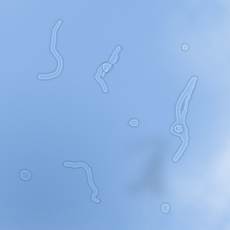
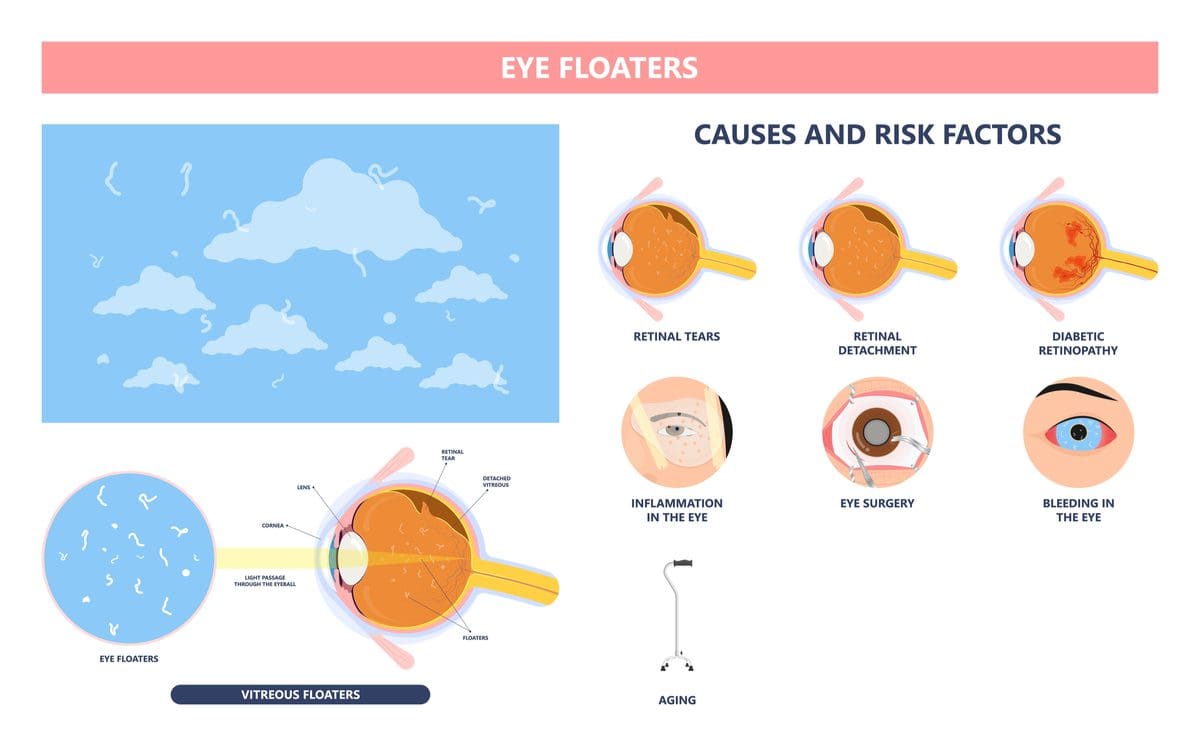
مگسپران در حقیقت سایه کدورتهای موجود در مایع زجاجیه Vitreous humor داخل چشم است که به صورت سایه های تیره دیده میشود. علت آن می تواند ناشی از ضخیم شدن رشتههای زجاجیه، جمع شدن سلولهای التهابی و یا خونریزی در داخل چشم باشد.
هنگام خیره شدن به یک زمینه روشن و صاف (مثل آسمان آبی یا دیوار سفید) این پدیده به صورت ذرات کوچک غبار مانندی جلوی چشم ظاهر و حرکت می کند. با حرکت چشم این ذرات نیز حرکت می کنند.

علت مگسپران چیست؟
مگسپران در بین تمام سنین شایع است. با افزایش سن شیوع آن زیاد می شود، به طوریکه بیش از ۷۰- ۶۰% افراد بالای ۶۰ سال مگسپران را تجربه کردهاند.
رشتههای موجود در مایع زجاجیه چشم در کودکان و افراد جوان معمولاً بسیار ظریف است و دیده نمیشود اما با بالا رفتن سن این رشتهها ضخیمتر میشوند و در بعضی جاها به هم میچسبند و باعث ایجاد کدورت میشوند که سایه این کدورت بر روی شبکیه به صورت مگسپران احساس میشود. در بسیاری از افراد مسن بخشی از رشتههای محیطی زجاجیه که به شبکیه متصل بوده و از جای خود کنده میشود و به داخل بخشهای مرکزی زجاجیه میافتد. این حالت که آن را (جداشدگی خلفی زجاجیه) مینامندکه شایعترین علت ایجاد مگسپران است. گاهی اوقات هم وجود التهاب داخل چشمی (یووئیت) سبب تجمع سلولهای التهابی در زجاجیه میشود که باعث ایجاد مگسپران میشود. یک علت دیگر مگسپران وجود خونریزی در داخل زجاجیه است؛ مثلاً در افراد مبتلا به دیابت ممکن است خونریزی خفیف چشمی ابتدا به صورت یک مگسپران دیده شود.
جرقه چیست؟
به معنای دیدن یک نور در میدان بینایی بدون وجود حقیقی یک محرک نوری است. در چشم پزشکی جرقه به معنای احساس وجود نور در میدان بینایی است وقتی که در حقیقت محرک نوری وجود ندارد. می تواند به صورت خطوط درخشان یا اجسام ریز درخشنده به نظر برسد. جرقه ممکن است فقط در یک نقطه خاص و یا به صورت نقاط ریز متعدد در بخشی از میدان بینایی درآید. احساس دیدن جرقه معولاً فقط چند ثانیه طول میکشد اما غالباً تکرار می شود. معمولاً در محیطهای تاریک جرقه ها بیشتر تظاهر میکنند. به علاوه حرکات ناگهانی سر یا چشمها ممکن است باعث دیدن جرقه شود.
چگونه جرقه ایجاد می شود؟
چون پاسخ سلول های شبکیه به هر نوع محرکی بصورت درک نور می باشد، هر عامل تحریک کننده از جمله اثر مایع چسبنده زجاجیه روی شبکیه می تواند باعث جرقه شود. به همین علت وقتی شبکیه تحت کشش قرار گیرد جرقههای نوری دیده میشود.
اهمیت بررسی مگس پران و جرقه چیست؟
گاهی اوقات در حین جدا شدن زجاجیه بخشی از شبکیه نیز همراه با آن کنده میشود و باعث ایجاد سوراخ یا پارگی در پرده شبکیه میشود که می تواند سبب جدا شدن پرده شبکیه و مشکلات شدید بینایی شود. پس هر نوع مگس پران و یا جرقه جدید می بایست تحت بررسی قرار گیرد.
برای انجام معاینه ابتدا مردمک با استفاده از قطرههای مخصوص باز میشود و سپس معاینه انجام میشود. در صورتی که در معاینه هیچ مشکلی به جزء (جداشدگی زجاجیه خلفی) وجود نداشته باشد و شبکیه سالم باشد معمولا خطری وجود ندارد و اقدام خاصی لازم نیست اما در مواردی که آسیبی به پرده شبکیه وارد شده باشد یا خونریزی یا التهاب داخل چشمی وجود داشته باشد باید درمان انجام شود. گاها نیاز به تکرار این معاینه در فواصل زمانی مشخص است.
درمان جرقه و مگس پران چیست؟
مگسپران معمولاً علت خطرناکی ندارد و نیازی به درمان ندارد. در اکثر موارد پس از چند هفته تا چند ماه مگس پران به تدریج کوچک می شود و فرد نیز عادت می کند که آن را ندیده بگیرد. اما در مواردی که مگس پران با سوراخ یا پارگی پرده شبکیه همراه باشد ممکن است نیاز به اقدامات درمانی مثل لیزر یا عمل جراحی برای جلوگیری از پارگی پرده شبکیه وجود داشته باشد.
جرقه نیز در صورتی که علت خطرناکی نداشته باشد پس از چند روز تا چند هفته برطرف میشود و نیاز به درمان ندارد.
What Are Floaters?
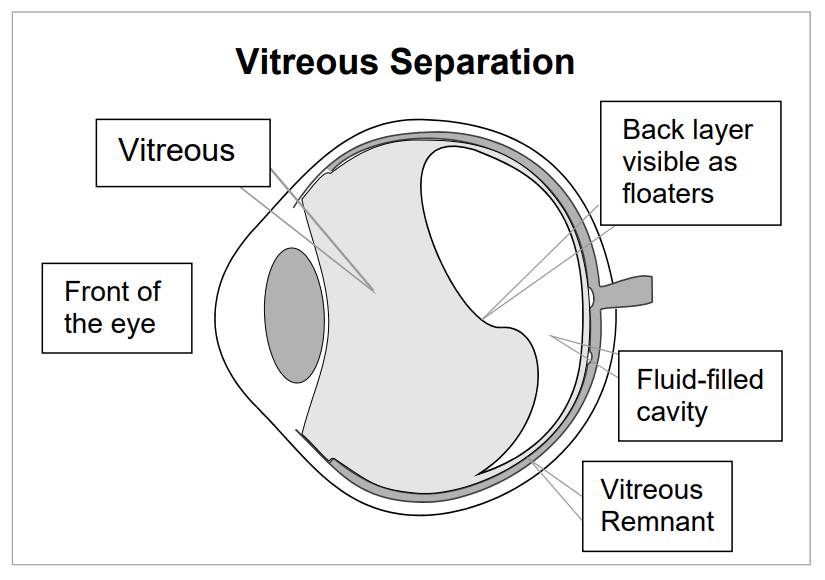
As the name says, floater are structures that are floating. They are clumps of different size, shape, consistency of collagen fiber (primary floaters) or cells(secondary floaters) that develop inside the vitreous and moves with the movements of the eye.
The primary floaters are caused by the normal aging process of the vitreous and the secondary floaters as a result from other diseases (for example diabetes) or conditions (inflamation).

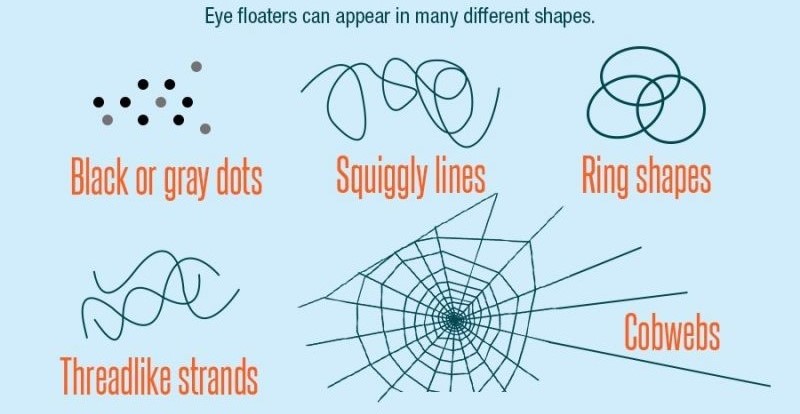
The shadow that these floaters cast on the retina is what we perceive like dots, lines, circles, clouds or cobwebs.
سردرد و جرقه
افرادی که میگرن دارند اغلب نوع دیگری از جرقه را تجربه میکنند. این جرقهها به صورت خطوط زیگزاگی لرزان یا نقاط بزرگ شونده دیده میشود. معمولاً این جرقهها ابتدا در وسط میدان بینایی ظاهر میگردد (یعنی روبروی فرد دیده میشود) و در عرض ۱۵ تا ۲۰ دقیقه به تدریج به کنارههای میدان بینایی کشیده شده، کمکم محو میگردد. پس از آن سر درد شروع میشود که معمولاً یک طرفه و ضرباندار است. البته در بعضی از افراد فقط جرقه تظاهر میکند و سردرد اتفاق نمیافتد. این حالت را “میگرن چشمی” میگویند. یک نکته مهم آن است که جرقه ناشی از میگرن همزمان در هر دو چشم دیده میشود اما جرقه ناشی از مشکلات چشمی فقط در چشم مبتلا تظاهر میکند. ضربه ناگهانی به سر علت دیگر جرقه است.
What is Posterior Vitreous Detachment (Floaters & Flashes)?
The inside cavity of the eye is filled with a gel-like material called vitreous. When people are young, this material is dense, like jelly. As part of the aging process, the gel begins to liquefy and become more like water. As this happens, the vitreous can shrink and pull away from the retina, the tissue that lines the inner surface of the eye. When the vitreous separates from the retina, this is called a posterior vitreous detachment. In addition to aging, a posterior vitreous detachment is especially common in people who have had cataract surgery or are nearsighted.

What are the symptoms of a Posterior Vitreous Detachment?
The most common symptoms are floaters and flashes. Floaters are small clumps of vitreous gel and collagen fibrils that float around inside the eye. Floaters can look like dots, circles, line, or cobwebs, and they move when the eye moves. Sometimes, when the vitreous pulls away from the retina, it causes a small amount of bleeding into the eye, and this can cause numerous, string-like floaters. People notice floaters more often when they are in bright light, such as on a sunny day, or in a bright room with white walls. Most people get accustomed to their floaters and are no longer bothered by them. Over time, the floaters will thin and move away from the central vision. eResearch by Navid Ajamin -- spring 2011
Flashes of light, or lightening streaks, can be seen when the vitreous separates from the retina. During this process, the vitreous pulls on the retina which causes the appearance of flashing lights (the retina has no pain sensors, so traction on the retina is represented by flashes of light). Usually, the process of a posterior vitreous detachment happens over the course of several weeks, and flashes of light can be seen during this period of time.
Is a Posterior Vitreous Detachment serious?
Usually, this is not a serious problem. However, when the vitreous is pulled away from the retina, it sometimes creates a hole or tear in the retina. A retinal hole or retinal tear can lead to a retinal detachment, which is a serious problem.
When is it necessary to see a Retina Specialist if you have floaters or flashes?
Without an examination by an eye doctor, there is no way for a patient to determine if floaters or flashes are serious. If you are having new onset floaters or flashes, or a significant increase or change of these symptoms, you should be examined by a retina specialist as soon as possible. It is necessary to have a complete, dilated eye exam with scleral depression to check for retinal holes, retinal tears, or a retinal detachment.
Causes of Eye Floaters

Eye floaters are naturally occurring and are often a product of aging. As we get older, the proteins in our eyes break down and fibres within the vitreous become more visible, and drift through the eye’s fluid. When eye floaters are occasionally present and seem to be consistent in pattern, they can be normal.
Some people may be born with proteins or fibrous particles in the eye’s vitreous. These specks can remain in the fluid as the eye grows. Sometimes eye floaters can be confused with particles trapped under a contact lens. Other common reasons for eye floaters include:
- Being over the age of 50
- Nearsightedness (myopia)
- Diabetic retinopathy
- Eye inflammation
- Previous eye trauma
- Previous eye surgery

When should I worry about eye floaters?
Symptoms that should be seen by a doctor include light flashes in one or both eyes, a dark shadow or curtain in your peripheral or center field of vision, and more floaters than are common with aging. You should also see an ophthalmologist if you have never experienced floaters before.
Eye floaters and eye flashes are examples of entoptic phenomena — which means they are visual effects whose source is within the eye itself.
The key differences between eye floaters and flashes are their appearance and causes:
Appearance
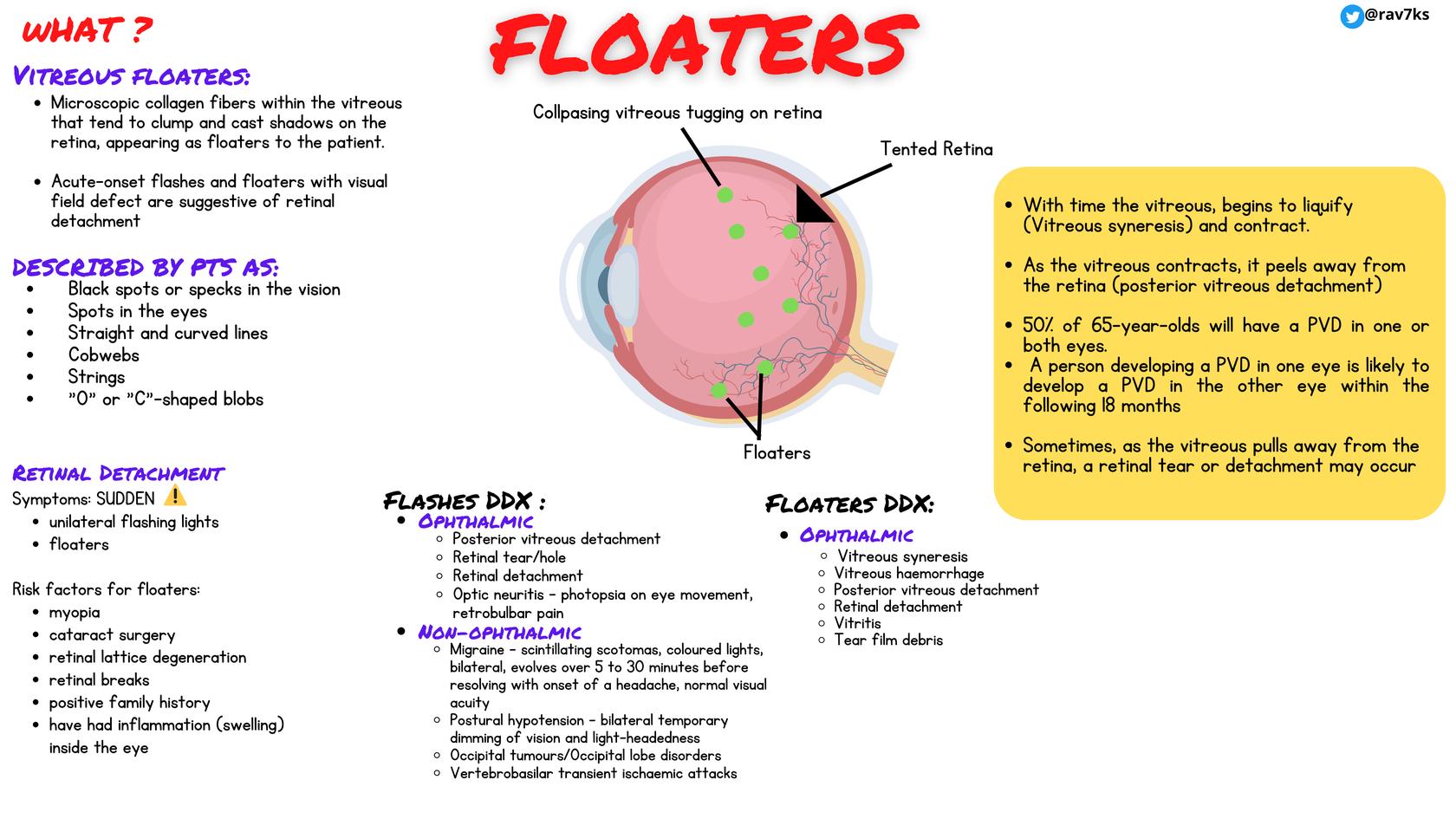
Eye floaters are shadowy spots, clumps, and irregular linear and fuzzball-like shapes (like the “pilling” of the fibers of a sweater) that drift slowly across your field of view — which makes them appear as though they are floating in front of your eyes.
Eye flashes appear just as their name suggests — they are bright (often arc-shaped or jagged) flashes of light, which tend to appear more frequently in your peripheral vision.
Tips for preventing new eye floaters include:
- Maintain a healthy, balanced diet rich in antioxidants
- Quit smoking and reduce alcohol intake
- Drink plenty of water
- Get quality sleep
- Limit screen time
- Wear sunglasses outdoors
- Dim bright lights
- Reduce stress and anxiety

Reference:
- verywellhealth.com/when-should-i-worry-about-eye-floaters-5091976
- discovereyecare.com/when-should-i-worry-about-eye-floaters
- visioncenter.org/blog/reduce-floaters-naturally
- allaboutvision.com/conditions/floaters-flashes
- thefloatersociety.com/what-are-floaters
- retinastl.com/services/floaters-flashes
- grepmed.com/images/15175/floaters
See Also:
- Is It Normal for Kids to Have Eye Floaters?
- How to reduce floaters in eyes naturally
- Sudden large floater in one eye


:max_bytes(150000):strip_icc()/eye-floaters-5092386-Final-6a0994f357a74ba7af1f0a49b53269e9.gif)
 وبلاگ تخصصی عینک شامل مجموعه مطالب پزشکی است که اطلاعات مفیدی در رابطه با عینک , چشم، لنز، سلامتی چشم و راه های پیشگیری از بیماریهای چشمی، کنترل و درمان آن را در اختیار شما کاربر محترم می گزارد.
