ابزار وبمستر

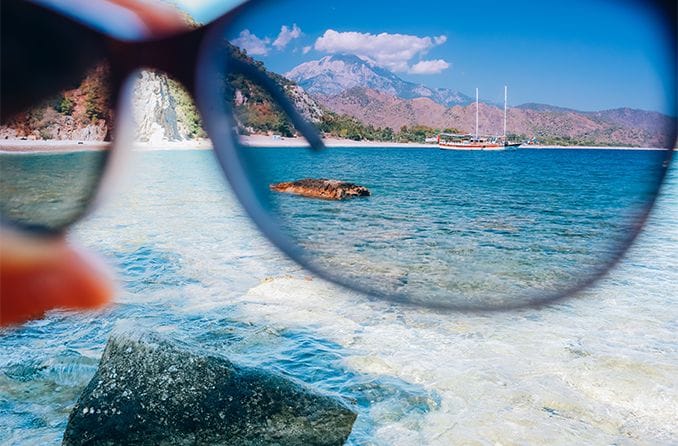
When it comes to effectively shielding your eyes from the sun, there are plenty of sunglass options to suit your specific needs, including polarized and gradient lenses. So, what is the difference between polarized vs gradient sunglasses?

Polarized sunglasses utilize a laminate filter that reduces glare and minimizes eye strain, whereas gradient lenses feature a gradual shift in tint from (generally) darker at the top to lighter at the bottom.

Before you purchase a new pair of shades, let’s explore the key differences between polarized and gradient sunglasses, and which option will suit you best.

Polarized vs. gradient lenses

Polarized and gradient lenses both offer plenty of benefits, but there are instances in which you’ll definitely want to reach for one over the other.

Here are some key considerations:

  • Environment: Polarized sunglasses are best for high-glare settings, such as water, snow and pavement. Gradient lenses may be preferred for afternoon sun and daytime driving as they tend to block more glare from overhead.
  • UV protection: Neither lens coating offers on its own is better at blocking the sun’s damaging UV rays, so look for UV400 protection, as nothing is more important in sunwear than safeguarding your vision.
  • Cost: High-quality polarized lenses tend to be more expensive than gradient lenses, but price also will depend on the style and brand.
  • Availability: Both polarized and gradient lenses are available in designer styles, as well as with or without a sunglasses prescription.
  • Versatility: Gradient lenses are generally more versatile, while polarized lenses may be too dark in some settings.

Can you see through gradient sunglasses?

If glare reduction isn't a priority, go for gradient lenses. The darkest tint at the top of the lenses shades your eyes when the sun is overhead. The lighter tint allows you to see clearly when you're looking down or straight ahead.

How do polarized lenses work?

When polarized sunglasses are manufactured, a chemical laminate with a vertical pattern is applied to the lenses. When sunlight strikes flat surfaces, the reflected light beams travel in a horizontal direction, intensifying glare and reducing visibility.

Polarized sunglasses block the horizontal rays as they won’t fit through the vertical laminate pattern, similar to how window blinds work.

Because polarized lenses provide superior glare protection, they’re a great choice for anyone who enjoys outdoor activities especially around water and other glare-prone surfaces.

When wearing polarized performance sunglasses, harsh glare is eliminated and image details are easier to see clearly.

However, there are some instances in which polarized lenses aren’t beneficial. For example, polarized lenses can make it difficult to read LCD screens, such as auto dashboard screens.

Polarized lenses also can clash with certain tints on windshields, so they aren’t always the best choice for driving sunglasses. The darkened polarized lenses also may cause eye strain in low-light situations.

It’s best to use polarized sunglasses in high-light outdoor activities. But even then, there are instances in which gradient sunglasses could be a better choice.

How do gradient lenses work?

Gradient lenses are tinted, usually from the top down, with the darkest portion at the top gradually fading to either minimal or no tint at the very bottom.

There are also double gradient lenses with a darker tint on the top and bottom of the lenses and the lightest tint in the middle. There are also double- and triple-gradient options — these lenses don’t just fade from dark to light but from one color into another.

While polarized lenses are best for bright, high-glare activities, gradient lenses are typically the best choice for driving and time spent in overhead sunlight, as the lenses shield from the top while still allowing you to comfortably see through the middle of the lens.

Also, if you find that some polarized sunglasses are too dark, double-gradient lenses can shield your eyes from bright light and other reflective surfaces from the ground while maintaining less altered vision through the middle of the lenses.

Do polarized lenses offer better UV protection?

While polarized lenses may be the best option for minimizing glare and eye fatigue, it doesn’t mean they’re better at shielding your eyes from harmful ultraviolet rays. In fact, polarization has no effect on UV protection.

For maximum effect, it’s best to ensure your sunglasses, polarized or otherwise, offer 100% UV protection.

Also, while polarized has become synonymous with high-quality sunglasses, it’s always best to do your research before making a purchase as not all polarized lenses are created equal.

The best polarized lenses have the laminate applied between layers of lens, while the cheaper versions are laminated only on the back or front of the lenses, making them prone to wear and tear.

Can you get polarized gradient sunglasses?

If you’re torn between polarized and gradient lens coating options, gradient polarized sunglasses may be just what you’re looking for.

The gradient tint will shield your eyes from overhead sunlight and the polarization will help eliminate road glare, making them a great choice for driving and other activities in bright sunlight.

While polarized and gradient lenses are widely available, polarized gradient sunglasses may require a little more searching.

POLARIZED, GRADIENT, OR POLARI

Reference:

  • allaboutvision.com/eyewear/sunglasses/lenses/polarized-vs-gradient-sunglasses
  • fostergrant.com/blogs/helpful-resources/polarized-vs-gradient-sunglasses

Ultraviolet Light (UV) Protection- Overexposure to ultraviolet light is thought to be a cause of cataracts, retinal damage and other eye problems, so protection from UV rays is an essential function of sunglasses, all our sunglasses offer 100% UV protection, no UV light will pass through the lens.

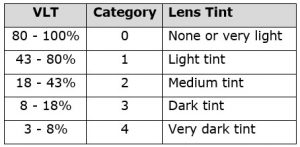
Visible Light Transmission (VLT) - This is the measure of how much light your sunglass lens lets through to your eye and can be expressed as a percentage, therefore a VLT of 1% means very dark glasses indeed, and a VLT of 100% means all the light is getting through and the lens is therefore a 'clear lens'.

Rather than quote a percentage for each lens they are categorised as follows:

  • Category 0; 80-100% VLT
  • Category 1; 46-79% VLT
  • Category 2; 18-45% VLT
  • Category 3; 8-17% VLT
  • Category 4; 3-8% VLT

The UV Index is a relative measure of the amount of solar ultraviolet (UV) radiation reaching the Earth's surface at "solar noon" — when the sun is at its highest point in the sky. It was created to help people determine the appropriate sun-protective measures to reduce their risk of sunburn, skin cancer and eye damage from the sun.

Sunglass lenses are typically made from plastic for their lightness, durability and versatility.

Not all sunglasses lenses are the same colour; here is a simple guide to what the different colours mean.

  • Grey lenses ensure natural colour and offer protection in all weathers.
  • Pink or red lenses are an alternative look for night time or low light.
  • Green allows vision very close to natural human eyesight, excellent for precision sports such as golf
  • Yellow lenses enhance contrast.
  • Blue or mauve lenses are stylish and fashionable. They provide good protection in moderate sunlight conditions.
  • Brown lenses warm colours and enhance contrasts. They offer a good level of protection in all circumstances.

Only the portion of the electromagnetic spectrum called the visible spectrum stimulates the human eye. Wavelengths in this part of the electromagnetic spectrum are measured in nanometers (nm), which are one billionth of a meter.

Visible light ranges between 400nm to 700 nm.

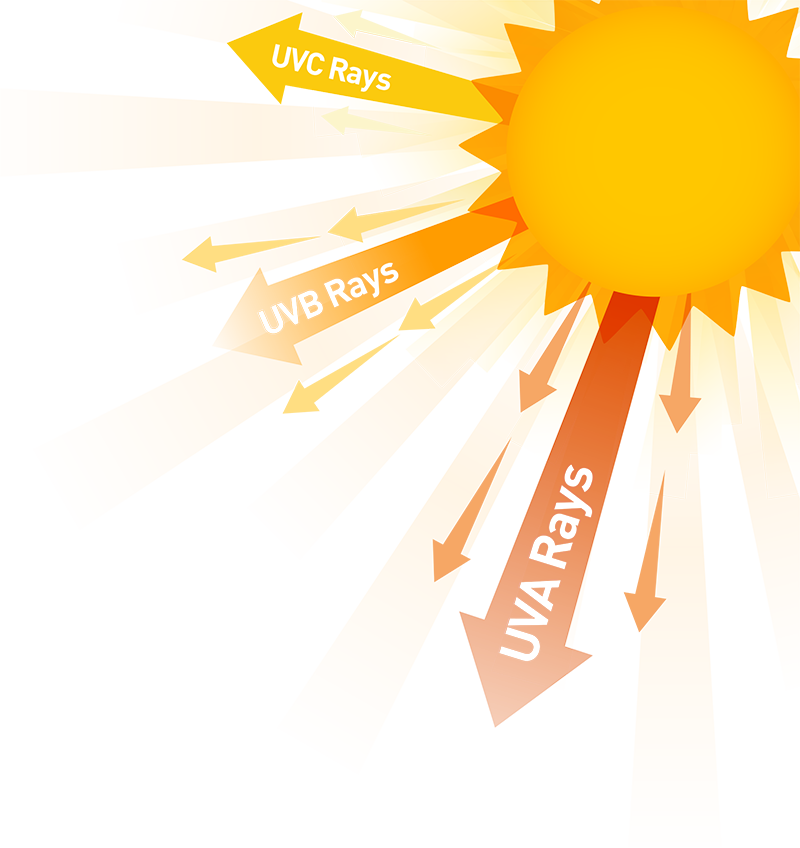
Other parts of the spectrum are also important for our health, including the ultraviolet (UV) portion of the spectrum. UV rays are separated into three groups:

  • UVC runs from 200 nm to 280 nm and is extremely hazardous to the skin and eyes. Fortunately UVC is blocked out by the protective ozone layer of the atmosphere.
  • UVB has wavelengths from 280 nm to 315 nm. These rays cause sunburn and are linked to skin cancer. The cornea and most lens materials absorb these rays.
  • UVA is closest to the visible spectrum at 31 nm to 380 nm. Long-term exposure can lead to pterygium growth and is linked to cataract development. eResearch by Navid Ajamin -- spring 2016
Polarized-Light Mosaic

The color of the lens can vary depending on style, fashion, and purpose, but for general use, red, grey, green, or brown are recommended to avoid or minimize color distortion, which could affect safety when, for instance, driving a car or a school bus.

  • Gray and green lenses are considered neutral because they maintain true colors.
  • Brown lenses cause some color distortion, but also increase contrast.
  • Turquoise lenses are good for medium and high light conditions, because they are good at enhancing contrast, but do not cause significant color distortion.
  • Yellow is "optimum for object definition, but creates a harsh visible light"; amber "allegedly makes distant objects appear more distinct, especially in snow or haze. These lenses are popular with skiers, hunters, boaters and pilots".
  • Blue or purple lenses are popular with shooters as they increase the contrast of orange targets against green foliage or grass backdrops.

Mirrored sunglasses are sunglasses with a reflective optical coating (called a mirror coating or flash coating) on the outside of the lenses to make them appear like small mirrors. The lenses typically give the wearer's vision a brown or grey tint. The mirror coating decreases the amount of light passing through the tinted lens by a further 10–60%, making it especially useful for conditions of sand, water, snow, and higher altitudes. Mirrored sunglasses are one-way mirrors.

The color of the mirror coating is independent of the tint of the lenses. It is determined by the thickness and structure of the layer.

The simplest version of a mirror coating is a single layer of a deposited thin film of a suitable metal, usually prepared by ion beam deposition, sputter deposition or vapor deposition. However, this kind of coating is very prone to scratching, and degrades, especially in a corrosive environment like salt water.

More modern reflective coatings usually have several alternating layers of specific thickness, made of dielectric materials and sometimes metals. The metal layer can be made from titanium, nickel or chromium, or from an alloy like Nichrome or Inconel, and has thickness ranging from 0.5 to 9 nanometers. The dielectric layer comprises a suitable oxide, e.g. chromium oxide, silicon dioxide, or titanium dioxide; its thickness determines the reflective properties of the resulting dielectric mirror. The manufacturing process is similar to making anti-reflective coating, and mirror and antireflective coatings can be deposited in the same sequence of operations.

Suitable for...

Characteristics

Category

Cat 0 lenses are either clear or have a very light tint, they are used for safety glasses or spectacles where you need to see clearly what you are doing.0
Fashion

Cat 1 lenses are for casual use, used as a comfort filter in cosmetic and fashion eyewear.

1
General Purpose, watching and taking part in sportCat 2 lenses are the most common category to be found in sunglasses, for general use they provide good protection from visible light and from UV rays. This lens will have a tint which allows through less light than category 1 but more light than category 32
Open mountain rangesCat 3 - Provide extra protection from both visible and UV light. These lenses will usually only allow less than 20% of visible light to penetrate the lens. This means that they will block out 80%+ of light.3
High altitude trekking and mountaineeringCat 4 - Provide a high level of protection from visible and UV light. These lenses are not to be worn when driving as they are too dark. These lenses will allow less than 10% of light to transmit through the lens. They are to be used for specific situations only - not for a pair of everyday sunglasses.4

UV+420cut™ technology is used to make clear lenses that cut HEV light in the 400–420 nm part of the spectrum, in addition to blocking all UV wavelengths. This means it provides greater protection against the types of light that can damage the eyes.

UV400 Blocks all UV rays from 100 to 400 nm (UVA, UVB plus UVC). BUT THEY DO NOT PROTECT AGAINST BLUE LIGHT (HEV = 400 to 500 nm), which is suspected of being 30% responsbile for Macular Degeneration.

The safest bet is to buy sunglasses that provide 100% UV protection, or UV 400 protection. That means that the glasses protect your eyes from both UVA and UVB radiation. Most expensive sunglasses offer this level of protection on all models. That being said, you shouldn't confuse lens quality with UV protection.

The tint of the lens has nothing to do with the UV protection of the glasses. A clear lens with no tint and 100% UV protection is better for your eyes than dark, heavily tinted sunglasses without UV protection.

UV400 protection provides our eyes with the highest level of protection. It blocks out 100% of all harmful light from the sun including harmful UV rays. Polarized lenses use a special film to further filter reflected light and reduce glare from smooth surfaces.

If the sunglasses have the polarized lenses, they won't lose their polarize effects. If you think your sunglasses lose their polarization effects, you might have something else that is causing you to be more sensitive to the light, though. Higher elevation, medication changes, illness.

Plus, polarized lenses typically use dark lens tints, which dramatically reduces visible light transmission. Which means your night vision would be reduced to nearly zero. Eyewear with mirrored lenses will reduce headlight glare.

Kids Mirrored Sunglasses

Driving can cause a strain on your eyes especially at night because of the lights of oncoming traffic. So what is considered the best lens color for night driving…well, there are 2 options; either a clear lens with an AR (anti-reflective) coating or a yellow lens with an AR coating.

Wearing a clear lens with an AR coating is popular because some people feel that having an AR coating helps eliminate the glare of headlights on your lenses and increases the transmittance of light through the lens to the eye. Some people prefer a yellow lens with an AR coating because they feel that it it filters out the glare and enhances vision especially on foggy or hazy days.

What are UVA, UVB and UVC?

The ultraviolet (UV) region of the light spectrum covers the wavelength range 100 to 400 nm and is divided into three bands

  1. UVA (315 to 400 nm)
  2. UVB (280 to 315 nm)
  3. UVC (100 to 280 nm)

Unprotected exposure to UVA and UVB rays can cause premature ageing, sunburn and skin cancers. Fortunately, the atmosphere absorbs almost all UVC, the most damaging type of UV ray.

What is UV 400?

UV 400 refers to ultraviolet rays of up to 400 nm in wavelength. Ideally, you would want sunglass lenses that offer UV 400 protection because they deliver 100% protection from UVA and UVB rays.

Sunglasses lenses should also filter between 75% to 90% of visible light (400 nm to 700 nm) from the sun.

Is UV400 better than polarized?

However, it is widely considered that UV400 lenses are more important for protecting your eyes long term when compared to the benefits of Polarized lenses.

The polarization of a lens doesn’t mean that the lens is protecting your eyes from UV rays, and equally a lens that is able to block 100% of UV rays up to 400 nanometers doesn’t mean that the lens is protecting your eyes from the effects of surface glare. However, it is widely considered that UV400 lenses are more important for protecting your eyes long term when compared to the benefits of Polarized lenses.

While non-polarized lenses also help safeguard the eyes and are a great option for many, their main drawback is that they don't provide the same level of protection that polarized lenses do. This means they don't block reflected light, potentially contributing to eye strain and headaches, even with dark lenses.

Which is better, UV 400 or 420?

The higher the rating, the better, so look for sunglasses labeled UV 400, which provides nearly 100% protection from harmful ultraviolet light rays.

Reference:

  • rx-safety.com
  • uv420cut.com
  • allaboutvision.com/uv
  • smithandhamylton.co.uk
  • wikipedia.org/wiki/Sunglasses
  • ultralightoutdoorgear.co.uk
  • optometrytimes.modernmedicine.com
  • en.m.wikipedia.org/wiki/Mirrored_sunglasses
  • lucyd.co/blogs/news/uv400-lens-versus-polarized
  • exploratorium.edu/snacks/polarized-light-mosaic
  • allaboutvision.com/sunglasses/best-uv-protection
  • rocketeyewear.com/blogs/news/why-is-uv-protection-important
  • oscarwylee.com.au/glasses/best-uv-sunglasses-for-eye-protection
  • revantoptics.com/blogs/the-lens/polarized-vs-non-polarized-sunglasses
  • heddels.com/2023/11/talex-shinzo-tamura-and-how-sunglass-lenses-actually-work

We protect our skin with sunscreen, but what about our eyes?

Most of us are aware of the dangerous effects ultraviolet (UV) rays have on our skin, but few of us realize the danger imposed on our eyes.

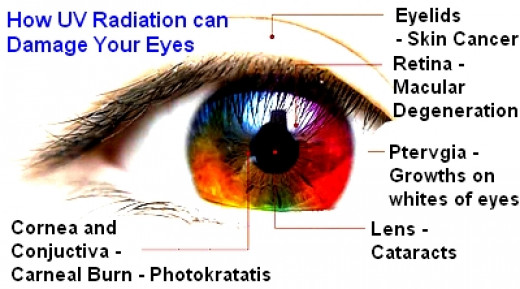
UV radiation, whether from natural sunlight or artificial UV rays, can damage the eye's surface tissues as well as the cornea and lens. UV radiation can burn the front surface of the eye, much like a sunburn on the skin.

UV radiation consists of invisible rays from the sun.

There are three types of UV radiation: UVA, UVB and UVC.

UVC rays do not pose any threat, as they are absorbed by the ozone layer. However, exposure to UVA and UVB rays can have adverse effects on your eyes and vision. Short- and long-term exposure to these dangerous rays can cause significant damage damage. It is important to note that UV radiation can also be given off by artificial sources like welding machines, tanning beds and lasers.

Two types of harmful light rays come from the sun:

ultraviolet A radiation (UVA), and ultraviolet B radiation (UVB).

  • UVA radiation can cause photoaging, or premature aging of the skin, resulting in wrinkles, uneven pigmentation, and texture changes.
  • UVB radiation is the main cause of sunburn.

Short-Term Effects of UV Radiation

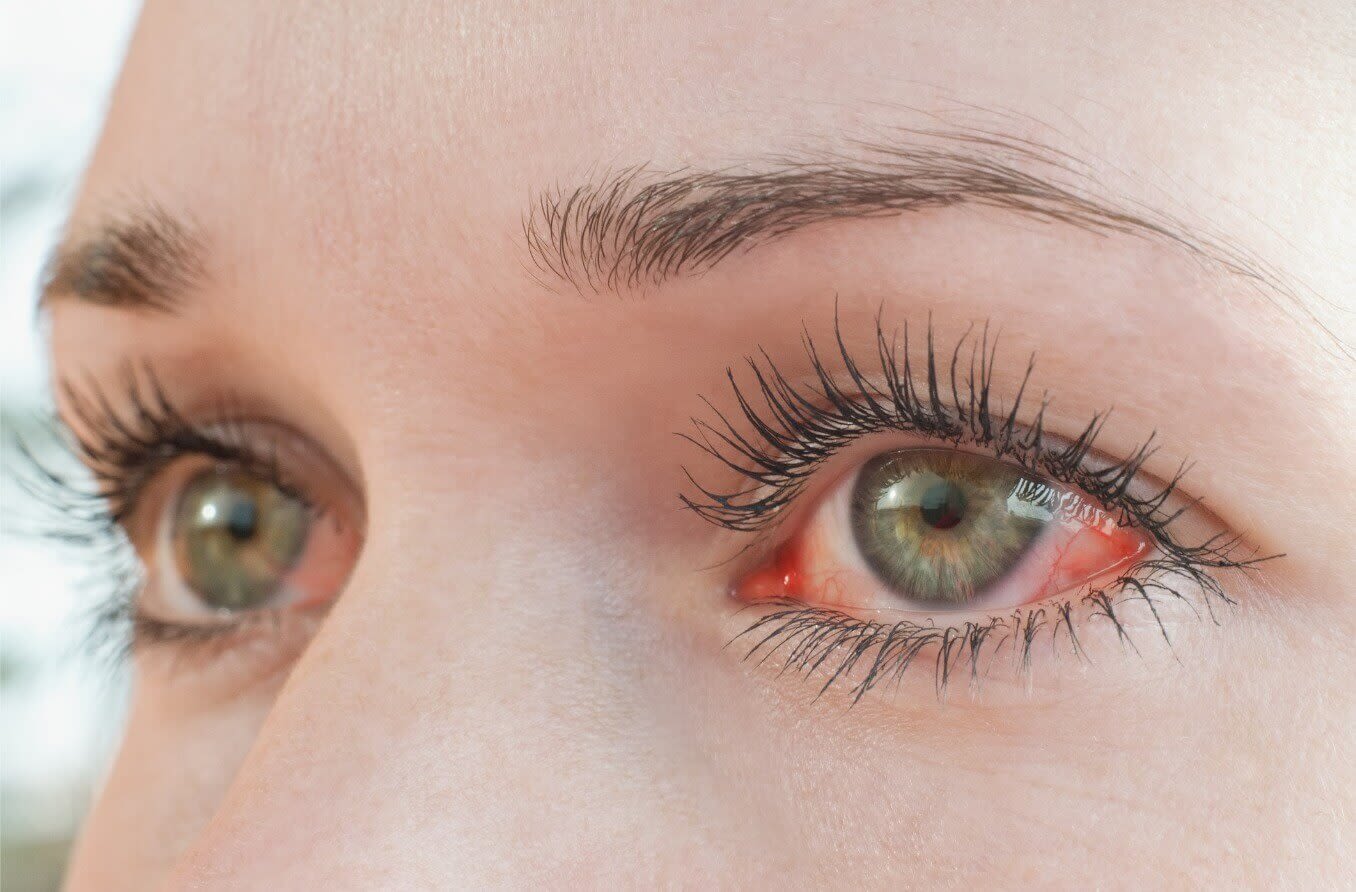
If you are exposed, unprotected, to excessive amounts of UV radiation over a short period of time, you are likely to experience an effect called photokeratitis. Photokeratitis is an inflammation of the cornea caused by a brief exposure to UV radiation, usually when combined with cold wind and snow. Like a "sunburn of the eye", it may be painful and may create symptoms including red eyes, a foreign body sensation or gritty feeling in the eyes, extreme sensitivity to light and excessive tearing. Fortunately, this is usually temporary and rarely causes permanent damage to the eyes.

Long-Term Effects of UV Radiation

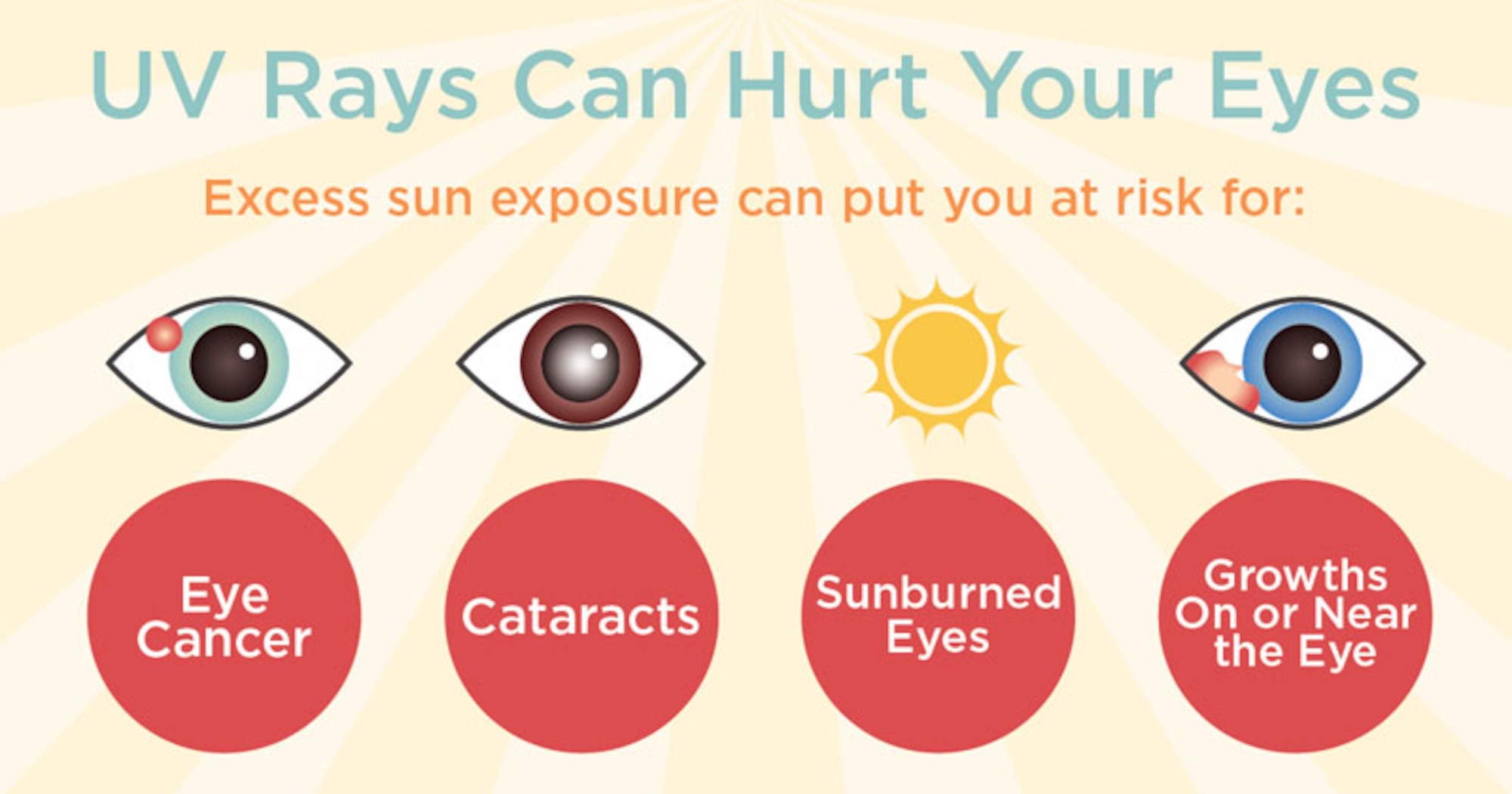
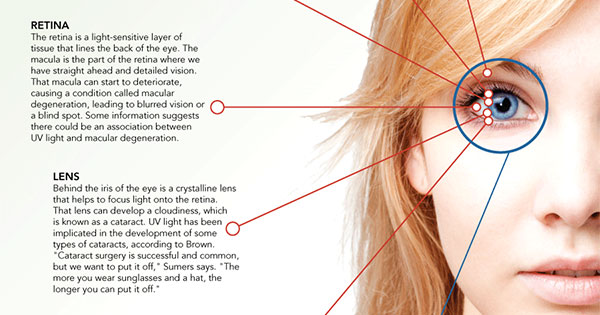
Long-term exposure to UV radiation can be more serious. Scientific studies and research growing out of the U.S. space program have shown that exposure to small amounts of UV radiation over a period of many years may increase the chance of developing a cataract, and may cause damage to the retina, the nerve-rich lining of the eye that is used for seeing. This damage to the retina is usually not reversible. Cumulative damage of repeated exposure may contribute to chronic eye disease, as well as increase the risk of developing skin cancer around the eyelids. Long-term exposure to UV light is also a risk factor in the development of pterygium (a growth that invades the corner of the eyes) and pinguecula (a yellowish, slightly raised lesion that forms on the surface tissue of the white part of your eye.)

UV Radiation Protection

It is not yet known how much exposure to UV radiation will cause how much damage, but a good recommendation is to wear quality sunglasses that offer good protection and a wide-brimmed hat when working outdoors, participating in outdoor sports, taking a walk, running errands or doing anything in the sun.

To provide protection for your eyes, your sunglasses should:

  • block out 99 to 100 percent of both UV-A and UV-B radiation

  • screen out 75 to 90 percent of visible light

  • be perfectly matched in color and free of distortion and imperfection

  • have lenses that are gray for proper color recognition

If you spend a lot of time in bright sunlight, wrap-around frames can provide additional protection from harmful UV radiation by keeping UV rays from reaching the eyes. Also, remember UV eye protection for children and teenagers. eResearch by Navid Ajamin -- summer 2013

They typically spend more time in the sun than adults. Finally, even if you are wearing contact lenses that have UV protection, you still need to wear sunglasses.UV rays will likely affect the eye tissue that is not covered by the contacts. Your eyes will be more comfortable, too, with most of the bright light blocked.

Reference: Vision.about.com Source: American Optometric Association. U/V Protection. 14 Jun 2007.

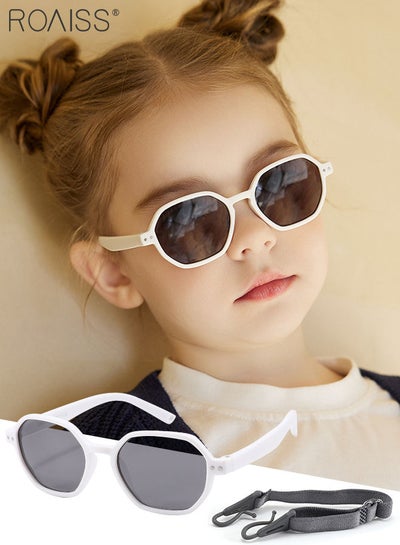
With summer fast approaching, parents should be keeping a closer eye on their children's vision. According to research from the 2010 Transitions Healthy Sight Survey, which was released to coincide with World Sight Day on 14 October 2010, only a third (34%) of South African parents actively protect their children's eyes from harmful ultraviolet (UV) rays. Worrying considering children spend - on average - three times more time outdoors than adults and yet only one in 10 children wear UV protective sunglasses.

"Most parents know the irreversible damage UV rays can have on the skin but few are aware of the potential danger repeated UV exposure poses to eye health," says Dr Caradee Wright, senior researcher at the Council for Scientific and Industrial Research in Pretoria. Whilst eyes of all ages need UV protection, children’s crystalline lenses are incapable of filtering out UV light. As the damaging effects of UV rays are cumulative, extended exposure over many years can lead to the early onset of cataracts and macular degeneration later in life.

UV damage is cumulative eResearch by Navid Ajamin -- spring 2012

Increased life expectancy of today’s young people further adds to a child’s eventual risk of developing vision problems. Therefore, protecting the eyes at an early age is essential. Proper lenses can safely block UV radiation and wearing a hat can cut by half the amount of UV rays that reach the eyes.

"Parents need to be informed that UV damage is cumulative and more often than not only detected much later in adulthood. Early prevention of extended UV exposure is better than the possibility of a cure in the long term," adds Wright. "Parents should also bear in mind that UV protection is needed year-round, even on cloudy days as over 90% of UV rays can penetrate light clouds."

In addition, the Transitions Healthy Sight Survey revealed that only 10% of South African children wear spectacle lenses with built-in UV protection. "This is not entirely surprising since most adults are not aware of the benefits of premium lens options for themselves, much less for their children," says Riette Botha, business manager for Transitions Optical South Africa (SA).

"Young eyes are sensitive to bright sunlight and glare. As Transitions® adaptive lenses automatically adapt to changing light it’s easier for children to see better while significantly reducing the discomfort of squinting, eye strain and eye fatigue."

Eyewear for children has advanced significantly in recent years and can now address unique visual needs as well as long-term eye health concerns like never before.

Eyewear should provide 100% protection

All types of eyewear, including sunglasses and prescription spectacles, should provide 100% UV protection.

"If your child does need everyday corrective spectacles, Transitions® adaptive lenses, which automatically adapt from clear indoors to dark outdoors when exposed to UV light, are the ideal option. Transitions® adaptive lenses automatically provide 100 percent protection against harmful UVA and UVB rays. "Transitions® adaptive lenses can also help boost a child's willingness to wear glasses," adds Botha.

Vision plays a key role in a child’s early functional, educational and social development and approximately 80% of learning in a child’s first 12 years comes from the eyes3. Changes in children’s vision can occur without parents noticing them.

This is why it is recommended children undergo regular eye exams as they grow and as their eyes continue to change and adapt.

Furthermore, conditions such as myopia, hypermetropia and astigmatism, all of which can have an impact on a child's ability to learn and perform in the classroom, are easily detected by means of an eye exam.

Educating children today about their vision and how to better take care of their eyes can help prevent irreversible eye damage in future.

Did you know?

One child goes blind every minute in the world. (World Health Organisation)

More than 12 million children aged five to 15 are visually impaired because of uncorrected refractive errors (near-sightedness, far-sightedness or astigmatism). (World Health Organisation)

The clear crystalline lens of the child under age 10 transmits more than 75% of incident UV rays, compared to only 10% at age 30. (Healthy Sight Counseling and Children, 2007)

Sunglasses that have not been treated for UV rays may be more detrimental to your eyes than not wearing sunglasses at all. Dark lenses reduce the amount of light entering the eye, causing the pupil to dilate. This exposes the inside of your eye to more UV radiation than without the sunglasses.

Many surfaces reflect the sun’s rays and add to the overall UV exposure, e.g. grass, soil and water reflect less than 10% of UV radiation; fresh snow reflects up to 80%; dry beach sand reflects 15%, and sea foam reflects 25%.

UV increases by 4% for each 300 metre increase in altitude.

Children spend much time in school, and UV radiation exposure during the school years contributes significantly to total lifetime sun exposure.

Reference:

  • health24.com
  • visionmonday.com/multimedia/infographic/article/this-is-what-the-sun-does-to-your-eyes

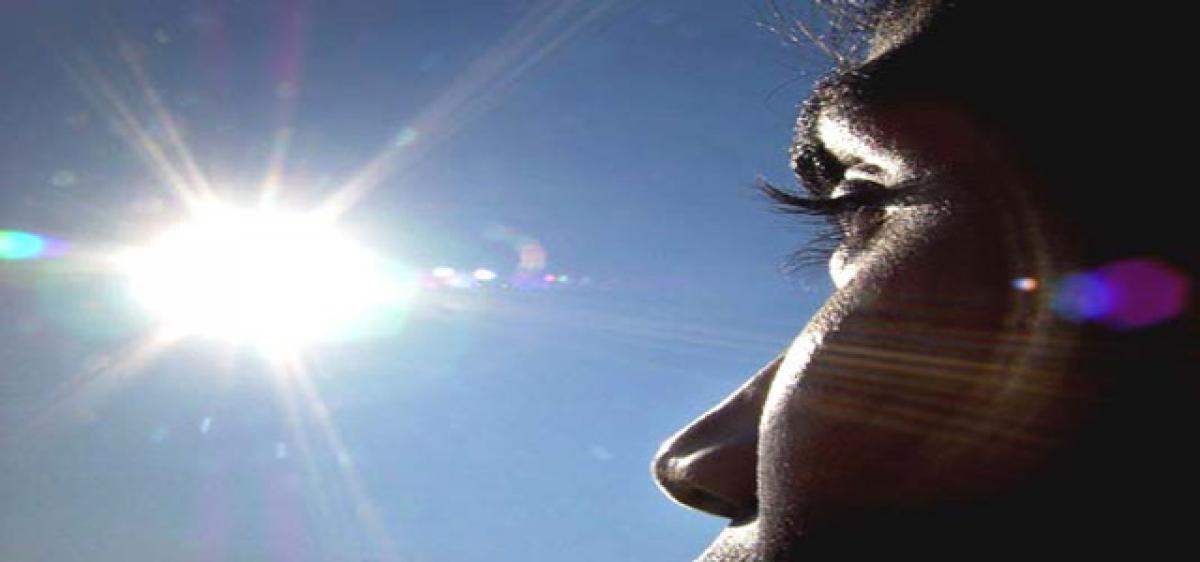
اشعه ماوراء بنفش یا همان (UV) دارای سه نوع طول موج UVA ،UVB و UVC است که اشعه «UVC» در لایه ازن جذب شده و به زمین نمی‌رسد و آن قسمتی که برای چشم مضر است UVB است که موجب سوختگی پوست و اثرات مضر روی چشم است.
Image result for sun

مثلا وقتی UVB به روی برف تابیده می‌شود، می‌تواند موجب کوری برگشت‌پذیر شود و برای ۱۲ تا ۴۸ ساعت بینایی خود را از دست دهد.

دانشمندان بر این اعتقادند که تماس زیاد با اشعه UVB می‌تواند در مدت زیاد بیماری‌های برگشت‌ناپذیر، مانند: آب مروارید، تغییر در مرکز دید و ناخنک چشم را فراهم آورد.

اشعه «UVA» بیشتر توسط عدسی چشم جذب می‌شود و مدرکی برای ضرر چشم وجود ندارد. اشعه‌ای که باید چشم را از آن مصون نگه داشت UVB است.

عینک‌ها باید حداقل ۹۸ درصد از UVA و UVB را جذب کنند چون عینکی که استاندارد نیست، بسیار مضرتر از نزدنش است، چراکه عینک آفتابی باعث می‌شود مردمک چشم باز شود و حال اگر UV را جذب نکند، تمام اشعه‌های مضر به داخل چشم نفوذ می‌کنند.

استفاده از عینک‌های آفتابی  به عنوان یک ضرورت و حفظ سلامت چشم‌ها مطرح شده است . محافظت چشم در مقابل نور شدید آفتاب و اشعه فرابنفش موجود در آن بسیار مهم است. استفاده از عینک آفتابی مناسب در شرایطی که نور آفتاب شدید است، باعث بهتر شدن دید و پیشگیری از صدمه به عدسی و شبکیه چشم می‌شود. استفاده از عینکهای تقلبی نه تنها این خاصیت را ندارند بلکه سبب بسیاری از عوارض چشمی‌می‌شوند که از آن جمله می‌توان، کاهش بینایی، آب مروارید و بیماری شبکیه را نام برد.

در نور شدید، چشم احساس خستگی و کاهش دید رنگی می‌کند. در صورتی که چشم‌ها بدون محافظ هر روز برای ساعات طولانی در نور آفتاب به سر برد احتمال ابتلا به آب مروارید بسیار افزایش می‌یابد.

Image result for Sun damage to eyes

توصیه های لازم در مورد انتخاب عینک آفتابی

۱- افرادی که در حال اسکی کردن، حمام آفتاب گرفتن و کوهنوردی در ارتفاعات هستند باید حتماً از عینک آفتابی استفاده کنند. برای اینگونه محیط‌ها عینک‌هایی لازمند که فقط ۱۲ ـ ۸ درصد نور را از خود عبور دهند.

۲ ـ عینکهای رنگی متمایل به سبز و قهوه ای به علت مختل کردن طیف رنگ ، مضر هستند . البته برای افرادی که می‌خواهند به مدت طولانی رانندگی کنند ، توصیه می‌شود از عینکهای قهوه ای استفاده کنند ، چرا که این عینکها نور آبی آسمان را کاهش وحدت بینایی را افزایش می‌دهند، لذا برای مصارف روزمره توصیه به استفاده از این رنگ نمی‌شود .

 ۳ -اگر پشت فرمان می‌نشینید توصیه می‌شود که از عینکهای آفتابی سبز رنگ استفاده نکنید چرا که تشخیص نور قرمز و زرد را مختل می‌کند و از این نظر مناسب نیستند. به عنوان یک اصل بدانید که بهترین رنگ برای عینکهای آفتابی در وهله اول خاکستری و پس از آن قهوه ای است.

۴ـ  شیشه‌های عینک آفتابی باید مقاومت کافی داشته باشد. پلی کربنات از همه مواد مقاوم تر است.

۵ ـ قاب عینک باید بزرگ باشد تا محافظت کامل در این خصوص صورت گیرد .

۶ – یک عینک آفتابی استاندارد عینکی است که وقتی آن را در مقابل یک صفحه طرح دار تکان می‌دهیم نباید صفحه موجدار تار و کج و معوج دیده شود .

۷ – اگر می‌خواهید بدانید که تیرگی عینک آفتابی شما مناسب است یا نه، در یک اتاق با نور معمولی با عینک آفتابی به آینه نگاه کنید اگر عینک آفتابی شما مناسب باشد نباید چشمان خود را ببینید .

۸ – کودکانی که برای ساعتهای طولانی در زیر نور آفتاب در حال بازی کردن هستند باید از عینکهای مخصوص خودشان استفاده کنند .

۹ – اگر در محل کار خود با اشعه‌های زیاد در تماس هستید، عینک آفتابی جوابگو نخواهد بود لذا توصیه می‌شود عینکهای متفاوت و مخصوص استفاده نمایید (برای مثال در جوشکاری ویا کار با وسائلی که تولید اشعه میکند عینک ویا محافظ های خاصی لازم است )

۱۰ – افرادی که تحت عمل آب مروارید یا لیزیک یا لازک قرار گرفته‌اند باید در مواجهه با آفتاب از عینکهای آفتابی مجاز استفاده کنند .

۱۱- بعضی داروهای پوستی یا چشمی‌حساسیت چشم‌ها را به نور آفتاب بیشتر می‌کند در صورت استفاده از این داروها ( به عنوان مثال کسانی که از قطره های چشمی‌یا قرص داکسی سیکلین استفاده می‌کنند ) باید حتماً از عینک آفتابی استفاده کنند .

۱۲- عینکهای آفتابی با شیشه‌های رفلکس که دارای پوشش آینه‌ای هستند برای مصارف اسکی یا کوهنوردی مناسب می‌باشند .

۱۳- با توجه به هزینه‌های مختلف که روزمره متحمل می‌شوید خرید یک عینک آفتابی استاندارد نه تنها عملی درست و به جا بلکه ضروری می‌باشد . بهای استفاده از عینکهای تقلبی به خطر انداختن سلامتی چشم هایتان می‌باشد .

۱۴ – برای تهیه عینک آفتابی بهتر است با یک چشم پزشک مشورت کنید و یا از یک اپتومتریست کمک بگیرید . و جهت خرید آن به عینک فروشیهای معتبر مراجعه نمایید . با خرید یک عینک خوب به راحتی می‌توانید تا چند سال از آن استفاده کنید .

۱۵- اگر دچار اختلال در بینایی هستید و از عینک طبی استفاده می‌کنید چنانچه مایل بودید می‌توانید از عینکهای آفتابی مخصوص که بر روی عینک طبی قرار می‌گیرند استفاده نمایید و یا برای عینک طبی خود شیشه های فتوکروم و یا شیشه های رنگی سفارش دهید .

نحوه شناخت عینک استاندارد

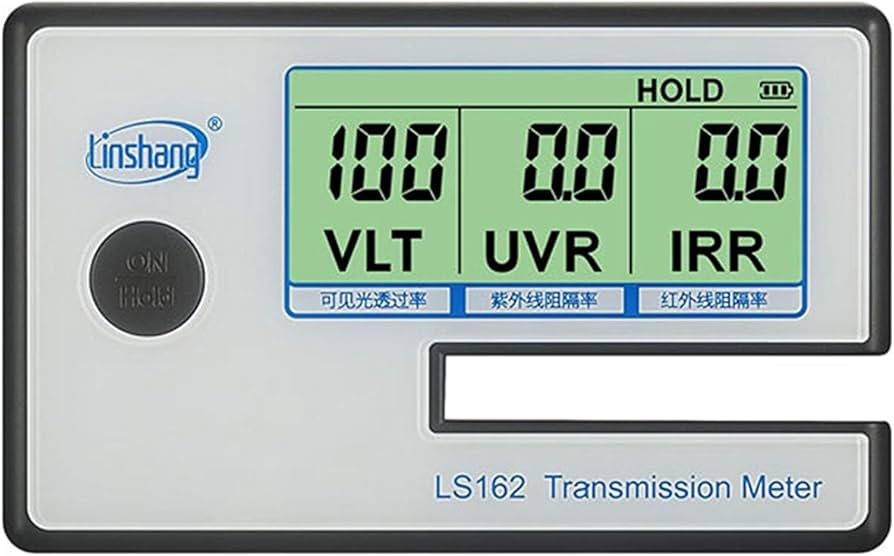
«در لنز عینک‌های ارزان ماده‌ای به نام (Triace tate) است که فقط ۴۰ درصد ازUV را جذب می‌کند و برای چشم بسیار مضر هستند بنابراین بهترین راه شناخت عینک‌های استاندارد، استفاده از دستگاه UV متر است که اغلب در عینک‌فروشی‌های معتبر یافت می‌شود.»

بدون استفاده از دستگاه «یووی متر» جهت شناخت استاندارد بودن عینک‌های آفتابی، تشخیص یک عینک آفتابی مناسب، حتی برای چشم پزشکان نیز سخت و غیرممکن خواهد بود.

گفتنی است این دستگاه باید UV عینک را از ۹۸‌درصد به بالا نشان دهد. همچنین گاهی علامت «۴۰۰ UV» در کنار برخی از عینک‌ها درج شده است که نشان‌دهنده قابلیت حفاظت بر علیه UVB است.

نمی‌توان هر عینک گران‌قیمتی را استاندارد قلمداد کرد و باید تمامی آنها توسط دستگاه (یووی‌متر)‌ تست شوند.

خاصیت عینک‌های شیشه‌ای بدون نمره

در حال حاضر اکثر عینک‌های طبی و آفتابی به‌دلیل هزینه‌های بالای آن از شیشه‌ای تبدیل به تلق شده‌اند، ولی جالب است که بدانید اگر شیشه بدون شماره‌ای را جلوی چشمان خود بگذارید، باعث می‌شود ۹۸ درصد از UV توسط آن جذب شود. آنچه در انتخاب عینک آفتابی مهم می‌باشد، این است که باید کل چشم توسط آن گرفته شود، بنابراین استفاده از عینک‌های کوچک که بیشتر برای زیبایی طراحی شده‌اند و هیچ پوششی ندارند، توصیه نمی‌شود.

آیا کودکان هم به عینک آفتابی نیاز دارند ؟

کودکان به دلیل این که ممکن است بیش از سایرین در معرض آفتاب قرار گیرند، احتیاج به عینک‌های آفتابی دارند.  هر قدر افراد جوانتر باشند UV بیشتر به چشم آنها صدمه خواهد زد، چرا که قرنیه و عدسی چشم کودکان بسیار شفاف است وUV بدون برگشت داخل چشم می‌رود در صورتی که در افراد سن بالاتر به دلیل کدر بودن عدسی و قرنیه، مقداری ازUV بازتاب خواهد داشت، پس بهتر است کودکان و بزرگسالان در معرض آفتاب از ۱۰ صبح تا ساعت‌۱۴ زدن عینک را به هیچ وجه فراموش نکنند؛ چرا که در این مدت زمان، حتی اگر شخص در سایه نیز قرار داشته باشد، خطر صدمه اشعهUV چشمان را تهدید می‌کند.

فیلتر پلاریزه

اغلب اشعه‌های مضر از استوا می‌آیند و به‌شکل افقی‌اند. عینک‌های پلاریزه می‌توانند جلوی این اشعه‌ها را به خوبی بگیرند، چرا که این عینک‌ها اجازه می‌دهند فقط اشعه‌های عمودی، داخل چشم شوند و تنها مشکل این عینک‌ها این است که اگر خودرویتان (ال‌سی‌دی)‌ دارد شما به هنگام نگاه کردن به این صفحه، کمی دچار مشکل شده و ممکن است این صفحه را واضح نبینید. بنابراین، این نوع از عینک‌ها بیشتر برای افرادی که دارای دید بسیار خوب و شغل خلبانی یا تیراندازی هستند توصیه می‌شود.

آیا رنگ رنگ شیشه عینک هم مهم است ؟

رنگ و لایه‌های مختلف موجود در شیشه هر‌یک با توجه به کاربرد آن طراحی می‌شود مثلا رنگ خاکستری به دلیل این که شدت نور را در تمامی رنگ‌ها به طور یکسان کم می‌کنند و کمترین اختلالی را در دید رنگی ایجاد می‌کنند، برای رانندگی و سایر کاربردهای روزمره مناسبند. دکتر اساسی درخصوص عینک‌های شیشه زرد می‌افزاید: این عینک‌ها نور آبی را تا حد زیادی جذب می‌کنند، بنابراین بیشتر سطح‌ها می‌توانند آن را منعکس و منتشر کنند و به همین دلیل عینک‌های اسکی بیشتر زرد هستند.

همچنین عینک‌های قهوه‌ای علاوه بر جذب بهتر نور آبی و فرکانس‌های بالا، اشعه‌ ماوراءبنفش را هم بیشتر جذب می‌کنند و عینک‌های سبز بخشی از نور آبی را فیلتر کرده و درخشندگی سطوح را کاهش می‌دهد و در پایان عینک‌های قرمز و ارغوانی که بیشتر برای شکار و اسکی روی آب مناسبند در محیط‌های سبز و آبی استفاده می‌شود.

Related image

آیا در زمستان هم احتیاج به عینک آفتابی داریم ؟

استفاده از عینک آفتابی در زمستان، بخصوص در برف را توصیه می شود . از آنجا که برف بازتاب ۸۰ درصد ازUV را دارد و زمین و آب فقط ۱۰ درصد ازUV را منعکس می‌کنند، اهمیت استفاده از عینک آفتابی در زمستان کمتر از استفاده از آن در فصل تابستان نیست.

عیـنـک آفتابی خوب باید شرایط زیر را داشته باشد :

۱- چشمان شما را در برابر اشعه ماوراء بنـقش محافظت کند.

۲- چشمان شما را در برابر نور شدید خورشید محافـظت کند.

۳- چـشمـان شما در برابر نورهای زننده و خـیـره کـنـنـده محافظت کند.

۴- وضوح و کنتراست را بهبود ببخشد.

یـک عیـنـک ارزان قیـمت و بی کیفیت مـعمـولا مـزایای فـوق را در اختیار شما قرار نمی دهـند بـلکه تنها از شدت نور میکاهد ولی اشعه ماوراء بنفش را حذف نمی کنـد. از ایـن رو عـنـبـیــه چـشمـان بـواسطـه کـاهش شـدت نـور منبسط تـر و بازتر شده و اجازه می دهد اشـعـه مـاوراء بنـفـش بیـشتری به آنها برسد که سبب آسیب به شبکیه چشم و در پی آن ابتلا به آب مروارید و حتی سرطان چشم می گردد. بنـابـرایـن حتما از عیـنـک هـای آفـتـابی دارای حداقل حفاظت UV-400 بـا مـارک هـای مـعـتبر استفاده کنید.

انواع جنس فریم عینک های آفتابی

۱- پلاستیکی

* CELLULOSE ACETATE – ZYL: مقرون به صرفه و خیلی سبک میباشد.
* PROPIONATE: پـلاسـتـیـک نـایـلونی که حساسـیـت زا نمیباشد و سبک وزن است.
* NYLON – GLIDAMIDE: گلیدامید مقـاوم در بـرابر گـرما و سـرمـا بــوده و انـعــطاف پذیر اما سخت و حساسـیـــت زا نمیباشد. فریم های پلاستیکی شکننده تر از فریم های فلزی بوده و در برابر تابش خورشید بمرور استحکامشان کاهش می یابد.

۲- فلزی
* MONEL: آلیاژی از چند فلز میباشد. ضد خـوردگی بوده و معمولا دارای روکش پالادیوم است.
* TITANUM: سبک و بادوام، با استحکام و مقاوم دربرابر خوردگی (نقره ای رنگ میباشد)
* BERYLLIUM: ارزان قیمـت، مـقـاوم در برابر خوردگی و کدر شدن، بسیار قابل انعطاف(خاکستری مات)
* STAINLESS STEEL: اسـتـیـل ضـد زنـگ سـبـک وزن و حساسیت زا نمی بـاشد، مـقـاوم در بـرابـر خــوردگــی و ساییدگی بواسطه داشتن فلز کرمیوم در ترکیبش
* FLEXON: نـوعـی آلـیـاژ تـیـتـانیـوم مـــی بـاشـد که بـه “فلز حافظه” موسوم است چون در صـورت آسـیـب دیـدن مـجـددا بـه شـکـل اولیه خود باز می گردد. حـتـی پـس از پیچاندن خم کردن و له کردن. سبک وزن، ضـد خـوردگی و حساسیت زا نمیباشد.
* ALUMINUM: سبک، بسـیـار مـقاوم در برابر خوردگی، برای استحام بیشتر با آهن و سیلیکون ترکیب میگردد. فریـم باید هم اندازه و مکمل شکل و رنگ پوست شما باشد. مـثـلا افـراد بـا صـورت گـرد بهتر است فریمهای مستطیل شکل را انتخاب کنند و افـرادی که فرم صورتشان مربعی و مستطیلی شکل است بهتر است فریمهای بیضی شکل را انتخاب کنند. نکته دیگر آنکه سطح بالای فریم نباید ابروهای شما را بپوشاند.
انواع فریم، جنس لنز…


انواع فریم


۱- WRAP-AROUND: به فریمهایی اطلاق میگردد که از قوس صورت تبعیت کرده و چشمها را کاملا میپوشاند. در مقابل برف و باد و باران نیز محافظند.

۲- CLIP-ON: به فریمهایی اطلاق میگردند که مستقیما روی عینکهای طبی قرار میگیرند.

جنس لنز (عدسی)                       eResearch by Navid Ajamin --- Winter 2012

۱- CR-39: نـوع پلاستیکی کـه از یـک نـوع رزیـن سـاخته میشود

۲- POLYCARBONATE: پلاستیک مصنوعی بسیار سبک وزن و دارای استحکام زیاد میباشد.

۳- ACRYLIC: لـنـزهـای آکــریلی ارزان قـیـمـت و سـخـت میباشد اما وضوحشان کمتر از پلی کربنات میباشد. ولی زود خراشیده میشوند.

۴- شیشه: سنگین وزنتر از لنزهای پلاستیکی بوده اما در برابر خراشیدگی مقاومت بیشتری دارند. خطر شکستن.
* لنزهای پلاستیکی سبکتر بوده و در برابر ضربه مقاومت بیشتری دارند.
* لنزهای قابل تعویض لنزهایی می بـاشنـد کـه دارای تـه رنـگهای متـفــاوت بوده و روی فریمهای ویژه قابل جایگزینی با یکدیگر میباشند.

چرا بعضی از لنزها از لنزهای دیگر تیره تر است ؟ 
میزان تیرگی لنز بستگی به محیطی دارد که می خواهـیـد از عیـنـک استـفـاده کنید. در محیطهایی که شدت نور شدید است مانند ورزش کـوهنـوردی و اسکی روی برف، شما نیاز به لنزی دارید که بیشتر نور را سد کند %۹۵ برای رانندگی و کنار دریا %۹۰-۷۰ نـــور را جذب کند و لنزهایی که %۲۰-۱۰ نور را کاهش میدهد صرفا برای نـمایـش مد و خوش نمایی مناسب میباشد. نکته مهم این است که میزان تیرگی لنز هیچ ارتباطی با میزان حفاظت کنندگی آن عینک در برابر اشعه ماوراء بنفش ندارد. رنگ ها لنز و کاربرد آنها، پوششهای لنز…

ته رنگ لنز
لنزهـا در تـه رنـگای متـفـاوتی مـوجود می باشند که هر کدام برای فعالیت های ویژه ای مناسب است.

۱- ته رنگ خاکستری: یک ته رنگ فوق العاده که سبـب کـاهش کـلـی روشنـایــی نور گشته و چشمها را در برابر تابشهای زننده (خیره کننده) محافظت کرده و بـرای رانندگی و استفاده عمومی مناسب میباشد.

۲- ته رنگ زرد و طلایی: میزان نور آبی را کاهش داده و در عـیـن حـال به فرکانسهای دیگر نور اجازه عبور می دهـد. تـه رنـگ زرد بـطور کـلی رنـگ آبـی را حـذف کرده و سبب میگردد همه چیز واضح تر بنظر برسد (چـون نور آبی تمایل به پخش و بازتاب فراوان دارد از این رو حذف آن در وضوح دید موثر است) و به همین خـاطر اسـت کـه بیشتر عینکهای ویژه اسکی روی برف زرد رنگ میباشند. در واقع این ته رنگ دید نور را مختل میکند برای رانندگی در شب، هوای ابری و مه آلود نیز مناسب است.

۳- ته رنگ قهوه ای و کهربایی: ته رنگهای عمومی میباشند و مزایای آن کاهش نور زننده و حذف فرکانسهای بالای نور مانند نـور آبـی و مـاوراء بنـفش را دارد. مانند ته رنگ زرد دید نور را مختل میکند اما کنتراست و وضوح را افزایش میدهد. برای دویدن، دوچرخه سواری و رانندگی مناسب است.

۴- ته رنگ سبز: کاهش نور زننده و حـذف نـور آبی از ویژگیهای آن میـباشد از آن رو که ته رنگ سبز بالاترین میزان کنتراست و بیشترین درجه تیزبینی را فراهم می آورد بسیار محبوب میباشد.

۵- ته رنگ صورتی و قرمز: کنتراست عالی را از اجسام بـا پـس زمیـنـه آبـی و سـبـز فراهم می آورد. برای شکار و اسکی روی آبی مناسب است.

۶- ته رنگ آبی: بیشترین نور آبی را از خود عبور می دهند. بـرای گـلف و تـنـیـس و یـا نشانه گیری به سوی هدفهای سبز رنگ.

پوشش های لنز

۱- ultraviolet: این پوشش اشعه ماوراء بنفش را بلوکه می کند. حـتــما هنگام خرید عـیـــنکی را انتخاب کنید که تا امواج ۴۰۰ نانومتر را حذف کرده و ۱۰۰ درصد امـواج مـاوراء بنفش را بلوکه کند. برخی از عینکهای آفتابی اشعه مادون قرمز را نیز حذف میکنند.

۲- scratch-resistant: ضـد خـش بــروی پلاستیکها اعمال می گـردد چـون لـنـزهـای شیشه ای خودشان تقریبا ضد خش می باشند.

۳- photochromic: لنزهای فتو کرومیک هنگامیکـه در معرض نور خورشید قرار میگیرند تیره می شوند. پوشش این لنـزهـا از تـرکیـبـات نـقره مـانـنـد کـلرید نـقـره و هـالـید نقره میباشد. توجه داشته باشید که فتوکرومیکها به نور مرئی واکنش نسان نمیدهند و تنها هنگامی که در معرض اشعه ماوراء بنفش واقع میگردند تیره میشوند از ایـن رو در داخـل اتومبیل بخاطر آنکه شیشه اتومبیل اشعه ماوراء بنفش را اجازه عبور به آن نمی دهـــد، بنابراین لنز فتوکرومیک تیره نمی شود. زمانی که نیاز است تا لنز تیره گردد گاهی اوقات به ۸ دقیقه میرسد.

۴- flash یا mirroring: ایـن پـوششها لنز را مـانـند آینه کرده و ۱۰ الی ۶۰ درصد بیشتر نور را کاهش داده و جذب میکند. میتواند از نقره -طلا و یا مس باشد. در ارتفاعات و برای برف وشن وآب مناسب است.

۵- ar یا anti-reflective: پوشـشـی اسـت کـه ضـریب شــکسـتــی مــابـــیـن هـوا و شـیـشـه داشـتـه و شدت نـور بـاز تـابیده از سطح داخلی و خارجی لنز یکسان میگردد. در واقــع این پوشش سبب میگـردد نـور بـیـشـتـری بــه چـشمـها رسیـده در عـیــن حال که نور زننده را بسـیار کاهش میدهـد و هــمچنین چشمـان شمـا نـمایـان تـر می گردد. بسیار مناسب برای رانندگی در شب.

۶- polarization: امـواج نــور خــورشـیـد و یـا مـنابع نور مصنوعی مـانند لامپ ارتعاش یافـتـه و در تـمـام جـهـات پخش می گـردد. در ایـن پـوششـها از مــواد استفاده شده که به طـور طـبـیـعی در یـک پـیـوند مـوازی در بـرابر هم ردیف شده اند. زمانی که نور به لنـز می تـابـد مانند یک فیلتر میکروسکوپی عمل کرده و امواج نوری را که با ردیفهای مـوازی مطابقت داشته را جذب کرده و به مابقی اجــــازه عـــبور میدهد. بیـشتـرین نـور زننده از سـطـوح افـقی حاصل می گردند بنابراین این لنزها طوری تنظیم می شــونـد کـه امــواج انعکاسهای یافته افقی را حذف میکنند و بـه شـمـا اجازه میدهد به سطوحی مانند آب، یخ و برف نگاه کنید...

Reference: pezeshk.us 
Photokeratitis is a painful eye condition caused by exposure to ultraviolet (UV) rays, most commonly from the sun. You can compare photokeratitis to sunburn, but it's a burn that affects parts of your eye instead of your skin. It's generally bilateral (affects both eyes).

Higher sun exposure may cause eye freckles

Exposure to UV rays can cause damage to both the cornea and conjunctiva of your eye. In addition to the sunlight or reflected sunlight, other sources of UV rays include welding arcs, tanning equipment and lights used for medicine.

Sometimes, people call this condition a name that reflects the cause. For instance, snow blindness is a type of photokeratitis that occurs when snow and ice reflect UV rays. It’s more common near the North and South Poles or in mountainous regions where the air is thinner and provides less protection against UV rays. People who get photokeratitis from welding may say they have arc eye or welder’s flash.

Types of photokeratitis

Photokeratitis can be acute or chronic.

  • Acute photokeratitis, a temporary condition, happens after a short exposure to higher levels of UV light.
  • Chronic photokeratitis happens after exposure to lower levels of UV light over time. This type is less common than acute photokeratitis.

What causes photokeratitis?

Ultraviolet rays can damage your eyes. UV-A and UV-B rays from the sun can cause short- and long-term damage to your eyes and affect your vision. The ozone layer absorbs UV-C radiation, so those rays don’t damage your eyes.

Besides direct sunlight, other sources of ultraviolet light that can cause photokeratitis include:

  • Sunlight that’s reflected into your eyes from snow, ice, water, sand or cement.
  • Lamps used in tanning beds or booths.
  • Laser light.
  • Mercury vapor lamps or halogen desk lamps.
  • Lightning or electric sparks.
  • Arc welding equipment or photographic flood lamps.
  • Light used to disinfect or used as medical treatment.

Staring directly at the sun, such as during a solar eclipse, can cause more long-lasting and considerable damage — a burn — to your retina.

What are the risk factors for photokeratitis?

You’re at greater risk of getting photokeratitis if you:

  • Spend a lot of time outdoors in the sun, doing activities like mountain climbing, hiking, skiing swimming.
  • Use a sunlamp, tanning bed or work or spend time in environments where there’s a UV light source.
  • Live in higher altitudes (greater exposure to UV rays) or in the U.S. sunbelt, which is the southern part of the country below the 36th parallel.

What are the complications of photokeratitis?

Long-term exposure to even small amounts of UV radiation can increase your risk of developing a cataract or macular degeneration. UV exposure adds up over time. Long-term UV exposure can also cause tissue elevations on the surface of your eye. These are called pingueculae and pterygia. Using sunglasses faithfully when outdoors may limit these.

Blue and violet shorter-wavelength visible light, emitted from LED lights, computers and smartphones, can also be harmful to your retina and be a risk factor for macular degeneration later in life.

Treatment options for photokeratitis

Treatment for photokeratitis usually centers on managing and relieving symptoms. Topical ointments, artificial tears or oral pain relief medication as recommended by an ophthalmologist may be used to ease eye discomfort as the cornea heals.

Other treatment-related recommendations for photokeratitis may include doing the following:

  • Remove contact lenses promptly.
  • Avoid sun or UV exposure.
  • Remain in a darkened room.
  • Avoid rubbing the eyes.
  • Apply a cold washcloth to closed eyes.

Reference:

  • Photokeratitis: Symptoms, Causes and Treatment Options (clevelandclinic.org)
  • Photokeratitis: Causes, Symptoms, Treatment and Prevention (allaboutvision.com)
nicetoview.blogfa.com
عینک eyewear وبلاگ تخصصی عینک شامل مجموعه مطالب پزشکی است که اطلاعات مفیدی در رابطه با عینک , چشم، لنز، سلامتی چشم و راه های پیشگیری از بیماریهای چشمی، کنترل و درمان آن را در اختیار شما کاربر محترم می گزارد.

Always Be Healthy
همیشه سلامت باشید

Navid Ajamin نوید عجمین
eMail: navid.aj@outlook.com
موضوعات وب
پیوندها

unicef for every child

شمارنده