SMILE is an acronym for small incision lenticule extraction. While it’s not a perfect acronym of those terms, the “m” is kept from “small” to make it an easier vernacular to use. More importantly, SMILE is a laser eye surgery that uses some of the latest technology. It utilizes a special femtosecond laser to provide incredibly precise sculpting techniques for the surgeon to correct vision issues.
The SMILE procedure involves using the femtosecond laser to build up the matter within the corneal flap. Once the area is shaped, the same laser will make an incision, and the excess tissue will be removed. This effectively creates a new lens shape on the cornea, correcting vision problems. The procedure typically heals within days, and it produces rapid vision improvement.
It’s important to understand that SMILE has been developed specifically to treat nearsightedness. It can be used to treat cataract issues, astigmatism and other sources of nearsightedness.
The Risks and Complications
These are risks, complications, and side-effects. None of these issues are expected to happen. In fact, most of the impact a severe minority of patients, but these issues have been observed and should be considered as possible risks. Here is your complete list of SMILE laser eye surgery side effects.
Night Vision Issues
Any laser surgery has a risk of side-effects regarding night vision. In general, glare from bright lights and halos around lights are known to happen. This doesn’t necessarily afflict patients immediately out of the operation. It can develop years later. The glare and halos can also occur during the day. That said, the issue is usually at its worst when bright lights contrast against general darkness.
ReLEx SMILE _ refractive eye surgery
Night lenses can help deal with the glare and halos, and other treatments may be available for extreme cases.
Debris
The extraction SMILE procedure involves removing tissue from the surface of the cornea. This leads to a possible issue of debris, and it typically stems from the removal of the corneal disc. The debris can include additional problems of its own, including irritation and inflammation.
In extreme cases, the debris may require a followup treatment, but in most cases, it can be flushed with non-invasive treatments. Debris symptoms are typically temporary, but they can add to recovery time and make recovery more complicated in general.
Infection
Any treatment includes a risk of infection. SMILE infection risks are much smaller than most surgical procedures, but the risk does exist. Infections are usually curable when caught early, so it’s important to be on the lookout for symptoms.
Red eyes, excessive itching, pain or a loss of vision are the primary indicators that a patient may be suffering from an infection. Contacting the ophthalmologist immediately is the best way to receive treatment and resolve the issue. Typically, prescription eye drops will be used for a remedy and can even prevent infection in the first place.
Inflammation
While inflammation is not an expectation, it is one of the more common side-effects and is typically accounted for in the recovery process. Inflammation can impact vision and lead to discomfort in the face or headaches.
In the majority of cases, inflammation is temporary and treatable. In extreme cases, it can make recovery more complicated and add to total recovery time. Any pain, vision problems or other signs of inflammation should be communicated to the doctor for treatment.
Clouded Vision
Clouded vision makes everything in sight appear to be hazy. It can be temporary or permanent, depending on circumstances, but it is not a common issue. Clouded vision is at a higher risk for more extreme nearsightedness. Because of this, your doctor should discuss this risk depending on the level of correction you need.
In most cases, clouded vision is not debilitating and is not related to suction loss.
Double Vision
Double vision will most often present as seeing a ghost image. This is a type of double vision called diplopia. It stems from a slight misalignment between the image receptors. When this happens, the brain can struggle to reconcile the separate images coming from each eye. As a result, the ghost image will perform alongside the “true” image.
When severe enough, double vision can lead to follow up procedures for correction. The nature of that followup will be determined case by case, but as the issue is usually created in the surgical process, it is often treatable.
Dry Eyes
This issue is notably less common with SMILE than other laser surgeries. That said, it is still the most common side-effect reported by laser surgery recipients. In most instances, the dry eye symptoms will be at their worst directly after the operation is performed and lessen over time. They can be treated with lubricating drops.
Dryness is a larger concern for people with a pre-existing issue with dryness. The excimer laser can exacerbate those symptoms, and the ophthalmology consultant should discuss this issue beforehand, especially in a case of suction loss.
Miscorrection
It is possible to over or under correct vision problems with a SMILE Lasik operation. This issue is not unique to SMILE. Regardless, vision problems can be worse after the operation than before. In the case of under-correction, vision problems will be reduced, but not to the point of expectation. In overcorrection, nearsightedness may be replaced by farsightedness.
Miscorrection can lead to retreatment. The nature of that treatment will have to be discussed by the surgeon and patient. In some cases, a repeat of a procedure is sufficient. In other cases, a separate procedure may be warranted.
Cornea Bulging
This is one of the most uncommon side-effects of the procedure. It can happen if the eye becomes weak. In that case, the lens will bulge forward. Bulging is an issue that can affect people without ever having refractive surgery. Corrective surgeries increase the risk of bulging in a case of weakened eyes, but it is very uncommon.
Bulging can lead to vision problems. They will typically be treated with corrective glasses or contact lenses. In the most extreme cases, a transplant can be used to resolve the issue.
Blindness
Incision lenticular extraction SMILE involves cutting flesh. That means that the worst-case scenario includes blindness or partial loss of sight. It is exceedingly uncommon, but the risk does exist and must be discussed. Any eye operation can potentially go wrong and lead to blindness. It is something your surgeon should discuss before committing to the procedure.
Other general medical issues can be attached to this treatment course, but they are no more likely with SMILE than any other application. The full list of risks and issues should always be discussed with your doctor before proceeding with treatment.
High Order Aberrations (HOA): It is no surprise that the human eye is not a perfect optical system but suffers from many high order aberrations that degrade the retinal image quality. Light aberration causes blurred vision.
Aberration simply means anything that prevents light from traveling in a straight line. In other words, an aberration causes the ray of light to be misdirected from its desired image point.
Zernike Polynomials are derived by mathematically converting the wavefront error created by a specific aberration and transforming it into a three-dimensional model that mimics the shape of the aberration.
Even though over 65 total aberrations up to the eighth order have been identified, the human eye is able to perceive distortion effects only up to the fifth or sixth order.
Clinically significant High Order Aberrations (HOA) can degrade vision in spite of full correction being used for defocus (Myopia, Hyperopia) and Astigmatism.
There are two main types of light aberrations:
Low Order Aberrations: These aberrations are corrected with prisms, glasses and contact lenses.First-Order Aberrations: These include: Piston (or plano; i.e., no prescription lenses) and Prism correction, which is used if your eyes are misaligned; for example, if you have Crossed Eyes. Prisms divert light from its original path so that you do not have Double Vision.
Second-Order Aberrations: These include: lenses to correct for Myopia, Hyperopia, Presbyopia, and Astigmatism.
High Order Aberrations (HOA): Everything higher than Low Order Aberrations is considered HOA. Your set of HOA is unique to your eye, as your fingerprint is unique to you.
Another way to demonstrate how your vision may be distorted by aberrations is using a tool known as a Point Spread Function (PSF), which uses another mathematical calculation.
Basically, when a point of light passes through the eye, the aberration(s) that eye possesses will disperse or spread the beam, causing the point to blur. The point of light will take on a characteristic appearance when it hits the retina, depending on the aberration(s) present.
What causes HOA?
Any condition that affects the optics of the eye will result in changes in HOA.
These include, but are not limited to:
Tear film abnormalities; for example, as seen in Dry Eyes
Distortion of the cornea as seen in Keratoconus , Pterygium, Corneal Degenerations, Corneal Dystrophies, Corneal Scarring, Corneal Infection or Inflammation, Refractive Surgery, Distortion of the Crystalline Lens as seen in Cataracts and Lens Implants
Even conditions that result in irregular Retina surfaces may create High Order Aberrations such as:
Macular Edema
Epiretinal Membranes
Macular Degeneration
Trauma or Diseases affecting any of the optical components of the eye
Large or slowly-responding pupils because the effects of HOA increase with pupil size.
Pupil issues may be seen in:
Children
Individuals who work in low-light situations
Individuals who take medications that dilate the pupils such as Antidepressants, Beta-blockers, Antihistamines, Amphetamines, and Nitroglycerine
What are symptoms of HOA?
Uncorrected HOA may cause specific bothersome symptoms in vision such as:
Double images
Lack of contrast or crispness
Reduced color perception
Glare sensitivity
Night vision problems
Starburst patterns and/or comet’s tails around lights at night. These complaints may be seen in Third-Order Aberrations such as Coma.
Halos: This complaint may be seen with Fourth-Order Aberrations such as Spherical Aberration.
Decreased distance and near vision: This complaint may be seen with Fourth-Order Aberrations such as Secondary Astigmatism, which can have a negative effect on vision, often described as “central island”-type distortion. The light appears pushed out to the edges of the image.
How are HOA measured?
High Order Aberrations are measured using an aberrometer. There are several commercial brands available which work on the same general concept.
In a nutshell, two or more parallel beams of light are passed through the eye and then a method is used to measure the extent to which those beams cease to travel in a visually optimal path. Complex mathematical formulas then predict aberrations based on the altered angle of those beams.
The most commonly used method today is known as the Shack-Hartmann Method, which is used in several wavefront refractive surgery platforms. In this technique, a bright beam of light is projected into the retina and reflects back out through the eye.
The exiting beam then passes through an array of lenses (called lenslets) where it is split into many tiny beams that project spots of light on a digital camera. The displacement of these spots corresponds to the amount of aberration.
The commercial brands available can give the eye care provider much more information about each patient than he or she ever had previously.
For example, there is a brand of wavefront aberrometer that incorporates auto refraction (estimating the prescription of the patient; i.e. calculating the low-order aberrations), corneal topography (showing a map of the corneal surface), keratometry (measuring corneal curvatures), pupillometry (measuring the distance between the pupils), along with measuring High Order Aberrations.
Corneal abberations can cause vision distortion particularly around bright lights.
(A) Normal vision, (B) halo effect, (C) starburst, and (D) coma.
Provided courtesy of Dr. John Males.
How can HOA be corrected?
HOA can be corrected with spectacle glasses, for example. Some contact lenses companies are touting that their lenses help correct High Oder Aberrations.
In the area of spectacle correction, there is a commercial brand aberrometer available which is a high resolution system measuring more than 11,300 points within a 6 mm pupil diameter.
Benefits of using this equipment include:
You can have your eyeglass prescription calculated in a completely objective way (not relying on your responses of which image is clearer)
Your eye doctor can show you a printout that explains to you your eye’s aberrations.
The process takes only a few minutes for a full measurement
Can provide information to manufacture spectacle lenses to correct many HOA
Because your HOA are as unique to you as your fingerprint, this evaluation is often referred to as an “optical fingerprint,” or “iPrint.”
Not everyone needs to have their HOA corrected and this instrument estimates which patients are most suitable for this correction.
Fatigue, lack of light, compromised night vision, rush hour and impaired drivers all contribute to making driving at night more dangerous than during any other time of day. In fact, the risk of a fatal crash is three times greater at night, according to National Safety Council research.
Common night vision problems that sometimes develop after having Lasik include glare, halos, and starbursts, which can make driving at night difficult. For some people, these can become long-term problems after surgery.
Night vision is the ability to see in low light conditions. Whether by biological or technological means, night vision is made possible by a combination of two approaches: sufficient spectral range, and sufficient intensity range. Humans have poor night vision compared to many animals, in part because the human eye lacks atapetum lucidum.[1]
The tapetum lucidum is a biologic reflector system that is a common feature in the eyes of vertebrates. It normally functions to provide the light-sensitive retinal cells with a second opportunity for photon-photoreceptor stimulation, thereby enhancing visual sensitivity atlow light levels.
Causes of Night Vision Problems After Lasik
Glare, halos, starburstsand difficulty seeing in dim light are common problems after having Lasik due to swelling of the cornea. Some night vision problems persist past the recovery period, however, and may be due to the following:
Residual refractive error: This refers to remaining refractive error including myopia, hyperopiaor astigmatism. Refractive error may be caused by an over- or under-response of your cornea to the procedure, causing your eyes to either over- or under-correct your refractive error.
Enlarged pupils: Sometimes after Lasik your pupil dilates to a size that is larger than the actual treatment zone, causing persistent night vision problems. The pupil sometimes becomes so large that light passes into the eye and causes glare and halos. Because the pupil naturally becomes larger in the dark, the effects are more noticeable at night.
Corneal flap problems: Sometimes the corneal flap produced by the laser does not adhere correctly to the eye after it is replaced. There are cases where it will not be centered perfectly on the eye. These problems can cause light to bend irregularly at the point where the treated and untreated cornea meet, causing night vision problems.
LASIK, PRK, and other forms of refractive surgery sometimes cause double vision. When the corneas are altered, it may initially cause light rays to scatter instead of focusing properly. Fortunately, this issue usually clears up on its own within a few weeks or months.[10]
Decenteredablations: A decentered ablation occurs when the laser treatment is not perfectly centered over the pupil. Decentered ablations occur infrequently, as newer lasers contain advanced eye tracking systems. While decentered ablations do not produce a detrimental effect during the day, they occasionally result in night vision problems.[2]
Night vision problems / disturbances (NVD) is a hot topic of refractive surgery. It will always be a hot topic, and will never be fully resolved (due to the inherent problems of how much tissue can be safely vaporized, and the distortions created when tissue is vaporized). When we talk about night vision, what we are actually talking about is visual distortions in dim light or artificially lit (not specifically very dark) environments.
some basic terminology :
Photopic – Vision in bright daylight Mesopic – Vision in artifical light, down to quite dim light (like in a movie theatre) Scotopic – Vision in no lighting – A moonless night outdoors in the countryside , with only starlight to see by (pretty dark!)
Your pupils will be very small in photopic light, bigger in mesopic light and largest in scotopic light. As your pupil expands, more light comes in. Like the arperture of a camera, it allows more light in, so that you can see better in these different environments. Maximum pupil size varies from person to person.
The laser however, can only safely create an optical zone up to 6.5mm, this is due to limitations in how much tissue can be ablated (vaporized) safely.
Above 6.5mm, they create a blend zone which is not a fully corrected area, but acts to smooth out the surface.
Night vision disturbances generally occur when the optical zone created is less than the size of scotopic pupil size. Now there is a caveat, there is something called the effective optical zone and target optical zone. The surgeon may target you for a 6.5mm optical zone, but you could easily end up with a 4mm effective optical zone. This is because the laser loses power on the periphery of the cornea (the outer bit), and it therefore does not recieve the amount of treatment it should have recieved. This results in a smaller optical zone than intended, meaning that even people with 6.5mm scotopic pupils, can end up with night vision disturbances (there are other reasons that result in small optical zones also).
Wavefront ablations attempt to compensate for this, but it generally doesnt work that well, which is why so many people who have had wavefront have night vision disturbances also. eResearch by Navid Ajamin -- spring 2017
Small optical zones are also referered to as something called spherical aberration, and is what generally causes distorted vision, mostly in very dim light (when the pupil is large), but for many with severe spherical aberration it will affect them in anything other than photopic environments.
If you have a scotopic (maximum size) pupils larger than the target optical zone of the laser, you will have a 100% chance of having worse quality vision, and will to some varying extent suffer from halo / glare, starbursting and ghosting.
Distortions can be defined as (but not limited to)
Halo
Starburst
Glare
Ghosting (multi-focal vision)
Poor contrast sensitivity
These distortions can be debilitating, and cannot be corrected with standard contact lenses or glasses.
What is rainbow glare?
Rainbow glare is a rare side effect of femtosecond optical LASIK. It was first described in 2008 by Krueger and al. It affects has very few percentage of the patients that benefit from femtosecond LASIK technology to become spectacle and contact lens independent.
Rainbow glare is usually transient, but may take some months to disappear. In some rare cases, it leads to persistent and disturbing visual symptoms, on which this page will focus.
Femtosecond laser technology to create the corneal flap (which is specific to the technical LASIK) was introduced about 15 years ago. It has progressively replaced the conventional microkeratome (blade cut of the flap) in the hands of most high volume refractive surgeons.
Patients affected by glare describe seeing rainbow has spectrum of colored bands proceeding in rainbow-like fashion. The effect is most prominent in the dark when looking at pinpoint light sources, such as oncoming car headlights at night.
When looking at monochromatic sources (for example a green neon gold traffic light), lacross vertical and "ghosts" or replications or the source can be perceived.[6]
Rainbow glares are caused by femtosecond laser spots which cause constructive interference due to plasma disruption leading to splitting of light into its constituent colours with blue being closest to point light source and red colour being farthest. So defect lies in the poor laser alignment during raster type pattern of corneal flap formation. But if the laser spots are made in a random array rather than in a regular pattern, this phenomenon usually disappears. Patients who undergo this treatment develop around 4 to 12 bands usually with 6 being the commonest. With study it has been found that there's no relationship of developing rainbow glare with age, gender and refractive error but a positive association has been found with laser energy used particularly seen with 1.0 microJ or 1.1 microJ.34 Another study has reported the corneal flap interface to be the source of rainbow glare postoperatively.[5]
It can be impossible for the brain to adapt, and remember, as pupils get larger, more light is let in, and the worse the distortion. Those with large pupils are particularly at risk of problems. It is almost impossible to correct these problems once introduced, have a google, and you will see many websites written by people with these specific problems, many of whom have tried ‘retreatments’ to no avail. In fact for many people, retreatments have made their problems far worse.
A large number of post LASIK patients initially have very good visual acuity, perhaps 20/20 in bright daylight, but are partially sighted in other environments, such as in the office, where there is only artificial lighting. Incidentally, artificial lighting has less of the spectrum of light that normal daylight has and therefore does not provide enough light for the post LASIK eye.
If you enjoy having an active lifestyle, driving at night, going to the movies, watching TV, using a computer (under artificial lighting – not necessarily in the dark), then we believe you are a poor candidate for Laser Vision Correction.[3]
Many people struggle with night driving. Some have a terrible time with the glare of oncoming headlights. Others have difficulty seeing street signs or judging distance especially when it is raining or foggy.
Why is night driving so dangerous? One obvious answer is darkness. According to the National Safety Council 90% of a driver’s reaction time depends on vision, and vision is severely limited at night. Depth perception, visualacuity, colour recognition, and peripheral vision are compromised after sun down. Older drivers have even greater difficulty seeing at night. A 50 year old driver many need twice as much light as a 30 year old. Older drivers also take longer to recover from glare.
Corneal irregularities vary widely among LASIK patients. Consequently, visual aberrations reported by LASIK patients also vary widely. Patients may complain of blurry vision, ghost images, starbursts, smeared vision, halos around lights or illuminated objects, and loss of contrast sensitivity (inability to distinguish detail in dim light). Glasses and soft contact lenses cannot correct these aberrations.[7]
Fortunately, you can take steps to minimize after-dark dangers by preparing your car and yourself. Be sure to mention your night driving difficulties at the time of your eye examination.
Prescriptionlenses may need to be worn for night driving. This prescription may be different than your daytime distance glasses due to night myopia. The prescription may require prism.
Headlights, tail lights and street lights create glare which can make night driving more difficult. Glare is a distracting problem that may cause the driver to lose sight of the road. Optometrists recommend an anti-glare coating on your glasses to reduce glare and provide more comfortable night-time vision.
How to reduce night glare after LASIK? [14]
Prescription Eye Drops. Your doctor will prescribe you to use eye drops regularly, as they are designed to reduce inflammation, swelling, and dryness in the eyes. Not only will this reduce LASIK halos and glare, but will also speed up the healing process.
Special Lenses & Contacts. By limiting the amount of light that enters the eye, halos, and glare can be reduced without compromising your vision. However, you may notice that the effectiveness of these lenses are reduced at night. This is largely due to lights at night being more directional and focused than their ambient, day-time counterparts.
Further Surgery. Under and overcorrection can cause halos and glare, so it’s not uncommon for a surgeon to recommend LASIK enhancement surgery in cases where vision is continuing to be negatively impacted. This basically involves repeating the LASIK treatment, touching up problem areas with an excimer laser, and repositioning the corneal flap.
Contrast enhancement or glare reduction filters may need to be prescribed. These lenses are usually yellow or orange in colour. They are quite effective especially in rainyconditions. If you find yourself wearing sunglasses at night, you might be better off with one of these filters instead. These lenses are available in both prescription and non-prescription.
Dry eyescan make night driving worse. Artificial tear drops are helpful.
Central vision could be affected by dry eye, macular degeneration, diabetes, high blood pressure or medication.
Clean your windshield inside and out.
Apply a water repellent such as Rain X to the outside surface of all windows and windshield.
The faster your speed, the less reactiontime you have. With objects already more difficult to see because of reduced lights, adjustment to lower speeds is necessary. Avoid driving when you feel fatigued and take breaks during long trips.
Avoid smoking while you drive. Smoke’s nicotine and carbon monoxide hamper night driving. The residue is also left on the inside of the windshield.
When approaching oncoming vehicles keep the eyes roving especially to the right.[4]
Does night glare go away after LASIK?
In most cases, the halos and glare you see after LASIK will not go away for about two to three weeks. However, it is common for you to see the halos and glare for a month after the LASIK surgery or possibly even longer than this.[8]
Decentered ablation is when the area reshaped by the laser in PRK, LASEK, Lasik, Epi-Lasik, and other laser assisted refractive surgery techniques is not centered to the eye's visual axis. This often means the edge of the ablation zone is within the visual axis, producing ghosting, starbursts, and/or halos. It is possible that an enhancement will correct the decentered ablation, but that process may increase refractive error and make you overcorrected.
What is decentered ablation?
A decentered ablation is a complication of LASIK eye surgery that occurs when the laser treatment is not properly centered over the pupil. Laser ablations that are off-center by as little as 0.5mm can cause visual symptoms, including glare and halos, ghost images, and blurred vision.
A decentered ablation will cause a shift in the refractive error across the visual axis, resulting in poor vision quality.
Excimer lasers that use high frequency eye tracking systems significantly reduce the probability of a decentered ablation, however a decentered ablation can occur even with a tracker. It is important for the patient to fixate on the target within the laser during surgery.
Decentered ablations: A decentered ablation occurs when the laser treatment is not perfectly centeredoverthepupil. Decentered ablations occur infrequently, as newer lasers contain advanced eye tracking systems. While decentered ablations do not produce a detrimental effect during the day, they occasionally result in nightvisionproblems. eResearch by Navid Ajamin -- winter 2017
There are two types of refractive surgery: surgical procedures that involve actually cutting the cornea and the more common laser procedures which include:
Laser Assisted in-Situ Keratomileusis, or LASIK/IntraLASIK
Custom Wavefront LASIK
Photorefractive Keratectomy, or PRK
Laser Assisted sub Epithelial Keratomileusis, or LASEK
Epi-LASIK/Epi-LASEK
Custom, Transepithelial, One-Step, No Touch Ablation, or cTEN
Latest Innovations and Advancements in LASIK
As we embark on 2024, let us delve into the latest innovations and advancements in LASIK technology that are revolutionizing the field of vision correction.
Femtosecond Laser Technology
One of the significant strides in LASIK procedures is the use of femtosecond lasers for creating the corneal flap during surgery. These ultrafast lasers offer a level of precision and safety that surpasses the traditional microkeratome blade, reducing the risk of complications and enhancing the overall surgical experience. This technology enables surgeons to create corneal flaps with incredible accuracy, contributing to better visual outcomes for patients.
Wavefront-Guided and Topography-Guided LASIK
Wavefront-guided and topography-guided LASIK are advanced techniques that provide highly customized treatments. Wavefront-guided technology maps the eye’s unique irregularities and guides the laser to correct specific imperfections, addressing higher-order aberrations for more precise vision correction. Topography-guided LASIK uses corneal topography to create a highly personalized treatment plan, further enhancing visual outcomes and reducing side effects like glare or halos.
Smart LASIK Systems
The integration of artificial intelligence (AI) and machine learning in LASIK technology has given rise to smart LASIK systems. These systems use AI algorithms to analyze vast amounts of patient data, aiding surgeons in making more precise treatment plans and predicting post-operative outcomes. By improving the accuracy of diagnostics and treatment, smart LASIK systems contribute to higher success rates and improved patient satisfaction.
Enhanced Eye-Tracking Technology
Eye-tracking systems have also undergone significant improvements. The latest advancements in eye-tracking technology allow for real-time adjustments during the surgery, compensating for any subtle eye movements. This ensures that the laser remains precisely aligned, enhancing the accuracy and safety of the procedure.
Less-Invasive LASIK Alternatives
For individuals who might be hesitant about traditional LASIK surgery, less invasive alternatives are viable options. Advanced surface ablation techniques, such as PRK (Photorefractive Keratectomy), offer vision correction without creating a corneal flap, appealing to those concerned about flap-related complications.
The Evolution Continues...
What happens after 10 years of LASIK?
As time goes on, some people might see some blurriness return. This sometimes occurs with age-related changes but can be corrected. Most people still see the effects of their LASIK forever. However, some may need to have enhancement LASIK surgery after 10 years.
Why is my vision not 100% after LASIK?
While LASIK offers remarkable immediate results, it's essential to recognize that achieving optimal vision is not instantaneous. Patients often experience temporary side effects (including blurry vision) as part of the healing process, and vision can take up to 4-6 weeks to fully stabilize.
Why is my vision worse 5 years after LASIK?
It permanently reshapes the tissue in the front of your eye, and these changes last your whole life. However, most people's vision gets worse over time as part of the natural aging process. LASIK can't stop this, so your vision may become blurry again as you get older.
LASIK Eye Surgery Risk Factors And Limitations
Not everyone is a suitable candidate for LASIK eye surgery. Certain conditions and anatomical factors can increase your risk of an undesirable outcome or limit optimal LASIK results.
These include:
Too thin or irregular corneas
Large pupils
High refractive error
Unstable vision
Dry eyes
Your age
If you are pregnant
If you have certain degenerative or active autoimmune disorders
For a full checklist on LASIK risk factors and whether or not you are an appropriate candidate
Left: What someone with post-op starbursts might see at night. Right: Nighttime halos.
Some problems associated with LASIK flap complications include:
Irregular astigmatism. This is caused by an unequally curved corneal surface. Irregular astigmatism also can occur from laser correction that is not centered properly on the eye or from irregular healing. Resulting symptoms may include double vision (diplopia) or "ghost images." In these cases, the eye may need re-treatment or enhancement surgery.
Epithelial ingrowth. This is when cells from the outer layer of the cornea (epithelium) grow under the flap after LASIK surgery. In most cases, epithelial ingrowth is self-limiting and causes no problems. But in some cases (reported to be 1 to 2 percent of LASIK procedures), symptoms of discomfort and/or blurred vision can occur, and additional surgery is needed to lift the flap and remove the epithelial cells.
Diffuse lamellar keratitis (DLK). Nicknamed "Sands of the Sahara," this is inflammation under the LASIK flap that may have several causes. Some inflammation of the cornea after LASIK surgery is normal. But if it is uncontrolled, as in DLK, it can interfere with healing and cause vision loss. If DLK occurs, it usually responds to therapies such as antibiotics and topical steroids. Also, the flap might need to be lifted and cleaned for removal of inflammatory cells and to prevent tissue damage.
Keratectasia or keratoconus. This is a very uncommon bulging of the eye's surface that can occur if too much tissue is removed from the cornea during LASIK or if the cornea prior to LASIK is weak as evidenced from corneal topography mapping. Rarely does keratoconus develop after LASIK with no known risk factors. Enhancement laser surgery is usually not suitable, and gas permeable contact lenses or corneal implants (Intacs) may be prescribed to hold the cornea in place, or a treatment called corneal collagen crosslinking may be performed to strengthen the cornea.
LASIK and other forms of laser refractive surgery (i.e. PRK, LASEK and Epi-LASEK) change the dynamics of the cornea. These changes make it difficult for your optometrist and ophthalmologist to accurately measure your intraocular pressure, essential in glaucoma screening and treatment. The changes also affect the calculations used to select the correct intraocular lens implant when you have cataract surgery. This is known to ophthalmologists as "refractive surprise."
Approximately 64% of Americans wear prescription eyeglasses, according to The Vision Council.
The Vision Council (also known as the Vision Council of America or VCA) is a nonprofit trade association for manufacturers and suppliers of the optical industry in the United States.Its services include research, training and industry networking events. It is located in Alexandria, Virginia.
If the document is approved, some of the characteristics that the FDA might deem unsafe for LASIK include:
Cornea not thick enough
Eye inflammation
Active autoimmune or connective tissue disease
Uncontrolled glaucoma
Uncontrolled diabetes
What age is best for LASIK? 25-40 Generally speaking, most LASIK eye surgeons agree on 25-40 as the ideal age range for LASIK eye surgery candidacy for a few reasons. By the age of 25, eyeglasses and contact lens prescriptions have most likely stabilized. A stable prescription is one of the hallmarks of a good LASIK candidate.
What is the new procedure instead of LASIK?
? What is the procedure for LASIK
EVO ICL. EVO ICL is a vision correction procedure ideal for those with moderate to high myopia, even if they have thin corneas or dry eyes. Unlike laser-based surgeries, EVO ICL doesn't remove corneal tissue. Instead, a biocompatible collamer lens is implanted behind the iris and in front of the natural lens.
Should I choose LASIK or SMILE?
There is no right answer as to whether LASIK or SMILE is better. The question is, Which is better for you? As SMILE can't fix problems with seeing things close up, LASIK is the better option for farsightedness. And if you have dry eyes, SMILE is probably your better bet.
Is LASIK 100% successful?No surgical procedure is 100% effective.
What is the best country for lasik eye surgery?
The United States, Canada, Germany, Turkey, Thailand, India, and Mexico are among the top destinations offering high-quality LASIK surgery.
The correct intraocular pressure and intraocular lens power can be calculated if you can provide your eye care professional with your preoperative,operative and postoperative eye measurements.
One sign of Lasik surgery failure is pressure-induced stromal keratitis (PISK).
PISK is an inflammatory reaction caused by the instruments used during the procedure that can erode the corneal stroma. This condition can occur within days or sometimes even years after the surgery.
Eligible Candidates LASIK eye surgery is not an option for every person who wishes to correct their vision. Generally, it is highly advised that people under the age of 18 wait until their eyesight stabilizes after their growing period. Pregnant women should not undergo this surgery as well since the eye has a tendency to change shape during pregnancy. First, it is always important to establish the total medical and structural health of the eye prior to proceeding with any kind of eye surgery. Pregnant women are known to be at risk for the development or worsening of diabetes and can develop significant blood pressure problems such as preeclampsia. These blood pressure or diabetes related problems can manifest in the eye, and therefore a complete dilated exam of the eye, to look for any changes or pathology in the retinal blood vessels, is extremely important.
Patients can potentially present with bleeding or leaking blood vessels which can causedistortion of vision. Any changes of these kinds need to be handled very carefully to prevent long term damage to the eyes. These conditions can lead to an acute medical or surgical situation and the patient would definitely be precluded from having Lasik eye surgery. Other rare pregnancy related eye disorders can occur that induce swelling of the optic nerve or retina and can also be detected with a complete eye exam by an ophthalmologist.
Examination Before Laser Eye Surgery
But not all eye changes during pregnancy are necessarily pathologic. In some otherwise healthy women, it has been observed that their glasses prescription actually changes during pregnancy. Similar changes can also occur after the baby is delivered while the woman is breast-feeding her child. In some cases, these changes may be temporary but in others they can be permanent. Unfortunately there is no way to distinguish which cases are temporary. Actually, the majority of women never have these prescription changes during pregnancy at all. The exact mechanism of action is unknown although it has been shown that changes in the corneal thickness and curvature occur, possibly due to swelling. Some have postulated that the same hormonal changes which allow for bodily changes to accommodate for growth of the baby within the woman’s body also allow for growth of the eye as well. Usually, growth changes of the eye leading to near-sightedness come to a conclusion when a person stops growing in their late teens or early twenties, but perhaps the hormonal changes of pregnancy allow for some of these changes to re-occur later in life.
Does LASIK increase the risk of cataracts?
patients that have had LASIK will still need cataract surgery in time, and it's performed frequently. Many patients who had LASIK in their 20s or 30s are now entering their 50s, 60s, or 70s and developing cataracts, which naturally occur with age
Cataracts are primarily age-related changes in the natural lens of the eye. LASIK only reshapes the cornea — it does not touch or alter the lens. Clinical research confirms no direct link between LASIK and a higher incidence of cataracts.
Cataract surgery corrects cataracts, which involve clouding of the lens in the eye. In contrast, LASIK surgery corrects the way light is focused on the retina by reshaping the cornea.
Why can't women who are pregnant or nursing have LASIK ?-- chicagocornea.com
Is it safe to have vision-correction surgery during pregnancy ?-- babycenter.com
Is Lasik Safe During Pregnancy ?
The AftermathPotential side-effects are possible right after the LASIK procedure. Some patients develop dry eyes and become sensitive to light after the surgery. Some develop temporary visual problems such as glare or halos around objects, particularly at night. This can make night driving difficult and potentially dangerous. Your eye surgeon may prescribe medication in the form of eye drops to help alleviate most of these symptoms.
Irreversible Damages There are a few extreme but rare cases where negative results are permanent. The changes made to the cornea of the eye using LASIK eye surgery cannot be reversed or altered. Additional surgeries may correct some small errors, but in the event that a rather large mistake was made, the damage will be irreversible. There are also situations where the surgery may not produce desirable results and the outcome prevents the patient from using glasses or contact lenses, thus leaving them without an available form of vision correction.
Retreatment Supplementary surgeries to correct minor mistakes are common. Each operation, of course, adds medical costs and recovery time. In addition, the initial surgery doesn't always produce the desired result in one try, especially for those with extremely poor vision to begin with. In this case, further treatments may be needed to enhance the patient's vision.
Driving Problems
Daybursts
Starburst
While many patients have problems driving at night after LASIK, some patients also have problems driving during the day. In general, daytime vision after LASIK is better because sunlight shrinks the pupil, blocking light from entering through a larger surface area of the irregular post-LASIK cornea.
However, some patients report blurry vision and ghosting even in the best lighting conditions. Some patients can't even pass a driving test, which generally requires 20/40 vision. Many of these patients worry that states may eventually adopt vision quality testing, and that they could lose their license even with 20/40 vision.[2]
Costs
A patient of LASIK eye surgery can expect to pay several thousands of dollars for the procedure. Despite the fact that it is a medical procedure and that it has great benefits, most insurance companies do not cover the costs related to LASIK under their belief that this type of eye surgery is elective and not necessary since there are other forms of vision correction. Most patients have to pay for the surgery out of their own pockets because of this.[3]
Difficulties Immediately Following LASIK Surgery Patients will most likely experience burning, itching and discomfort in the eyes immediately following LASIK surgery. The eyes may be bloodshot and watery, and vision may be blurry. Light sensitivity, glare and "halos" around light sources, such as lamps and streetlights, may also occur. Lubricating eye drops and ointments are used to aid in the healing process and prevent excessive discomfort, although sometimes a pain reliever may be necessary. The Food and Drug Administration (FDA) recommends that patients who have LASIK take three days off from work after the procedure.
FDA Considers Requiring Warning Patients About Side Effects
LASIK: TheFirst Few Months Additional difficulties with the eyes and vision may occur as a result of LASIK four weeks to six months following the procedure. A patient may continue to experience glare, halos and double-vision, or a noted reduction in night vision. Vision can fluctuate for up to six months. Dry eyes during this period are also common, and a doctor may recommend continued use of lubricating drops or gels. Patients who experience extremely dry eyes may consider a procedure to have plugs placed in the tear ducts to keep tears from draining from the eyes' surface. Sometimes, the corneal flap will become infected or grow back abnormally.
Long-term Difficulties With LASIK Surgery Loss of visual quality (increase in higher order aberrations) is an expected outcome of LASIK, even with the latest technology. LASIK for myopia increases the need for reading glasses after the age of 40 by changing the eye's focus from near to far. In some cases, a patient may experience loss of vision following LASIK that cannot be corrected with glasses, contact lenses or additional surgery. Glare, halos and reduced night vision may persist, and somepatients will develop permanently dry eyes that require therapeutic use of lubricating eye drops or gels. LASIK surgery can result in an overcorrection or undercorrection of the patient's vision, making use of corrective lenses necessary. The FDA warns that patients with serious vision impairments may not experience optimal results with LASIK surgery and recommends discussing potential outcomes with one'sphysician before making the decision to have the procedure done.[4]
Imperfect CorrectionLASIK surgery does not always result in 20/20 vision without the aid of glasses or contact lenses. Occasionally,the surgery can result in an over- or under-correction of vision. When this occurs, a patient may need additional surgery to achieve the desired correction, putting herself at additional risk for other complications. In some cases, the ideal correction may never be attained, even with additional treatment: the patient will alwaysrequire glasses or contacts to have perfect vision.
Infections There is a tiny risk of developing a corneal infection with LASIK. Though rare, such an infection is a fairly serious complication. If not treated promptly it can result in a scarred cornea or a severe and permanent loss of vision. Doctors regularly prescribe antibiotic eye drops post-procedure to prevent infections, but you should contact your doctor immediately if you suspect that you have developed aninfection.
Dry Eyes A common complication following LASIK surgery is dry eye syndrome. Patients with this condition cannot produce enough tears to keep their eyes comfortably moist. According to Medicinenet.com, dry eyes syndrome is a temporary condition in most patients and self-resolves shortly after the surgery. However, the condition can remain or become worse in certain patients --particularly those that had dry eyes before the surgery --and they can suffer from burning, redness, a scratchy feeling in the eyes, or even reduced vision. Dry eye syndrome is typically treated by applying artificial tears to the eyes, or with medication that increases tear production.
Preventing a Total Melt Down
Distorted Vision Sometimes the surgeon can remove too much tissue from the cornea or cut the corneal flap too deeply. If this happens, keratectasia--a bulging of the cornea --can occur, which results in distorted vision. This distortion cannot be repaired through surgery, although certain types of contact lenses may be used to keep the cornea in place. Patients with thin corneas are at the greatest risk for this complication and might be advised against LASIK surgery.
Impaired Night Vision LASIK surgery can also result in problems with seeing bright objects in the dark or at night. Patients see starbursts, halos or glare around bright objects in dark places, making driving at night or in low light difficult or impossible. This condition may eventually improve, but for some people it is a permanent visual defect.
Loss of Vision Very rarely,there can be a problem with the creation of the corneal flap, equipment malfunction, scarring, or medical malpractice in the course of a LASIK surgery. As a result of such errors, a patient can have a permanent loss or reduction of vision.[5]
Diffuse Lamellar Keratatitis. (DLK) This condition is extreme inflammation of the cornea following the Lasik procedure, and if not treated it will interfere with the corneal tissue healing process and can lead to loss of vision. The corneal flap may need to be raised and the inflammatory cells washed away. Treatment can be given in the form of antibiotics and topical steroid ointment.
To Infinity and Beyond LASIK
Irregular Astigmatism If the beam from the laser has not been positioned precisely above the centre of the eye, then the surface of the cornea may be irregular,this can cause double vision or ‘ghost images’. The eye will need retreatment by the enhancement surgery process. Keratectasia or Keratoconus. If the eye cornea was initially weak, cut to deeply or too much tissue was removed during Lasik surgery, then a bulging of the eye surface can be experienced leading to much distorted vision, which cannot be corrected by enhancement surgery. In such a case,corneal implants (Intacs) may be necessary to retain the cornea in position. There is a possible new treatment for keratectasia known as ‘Ectasia’, (Corneal Collagen Cross Linking) or CXL. Riboflavin eyedrops (vitamin B2) are used and then activated by ultraviolet light. This tends to strengthen the collagen connective tissue within the cornea and correct the bulging on the eye’s surface.[6]
Ectasia Corneal ectasia (also called "kerectasia" or "keratectasia") is an infrequent but serious complication of LASIK surgery. keratectasia /ker·a·tec·ta·sia/ (ker″ah-tek-ta´zhah) protrusion of a thinned, scarred cornea.[7]
"Ectatic changes can occur as early as 1 week after LASIK, or they can be delayed up to several years after the initial procedure. In many cases, [corneal transplant] is eventually performed to manage this complication... The continuously growing popularity of refractive surgery procedures, namely LASIK, has caused increased concern regarding the serious complication of keratectasia." (Meghpara et al, 2008)In an apparent attempt to hide the truth about post-LASIK ectasia, LASIK surgeons may deliberately misdiagnose post-LASIK corneal ectasia as post-LASIK keratoconus. Keratoconus is a naturally occuring disorder of the cornea which usually affects both eyes and typically begins during puberty or late teen years. If a patient did not have keratoconus or early signs of keratoconus before LASIK and experienced steepening of the cornea with vision loss after LASIK, then the correct diagnosis is likely ectasia.[8]
If the laser removes too much tissue during LASIK or the flap made too deep, the structure of the cornea can be weakened. This weakening can cause the cornea to bulge forward in an irregular fashion, causing increasing astigmatism and distorted vision that cannot be corrected with eyeglasses, contact lenses, or a LASIK enhancement procedure. In its most extreme form, treatment of ectasia may require a corneal transplant.
Drug Therapy for LASIK Complications
A corneal transplant is performed by replacing damaged central corneal tissue with healthy tissue from a donor. Corneal transplants are performed routinely in the United States, however this surgery still has a certain amount of risk attached to it.Patients with thin corneas have a higher risk of developing ectasia. Keratectasia after LASIK is similar to a condition that afflicts 1 in 2,000 people, called keratoconus. Patients with keratectasia should not have additional eye surgery that removes corneal tissue. Rigid gas permeable (RGP) contact lenses are often the treatment of choice for restoring good vision. A new treatment to strengthen the cornea called C3-R (Corneal Collagen Cross-Linking Riboflavin) is showing promise in controlling corneal ectasia. The non-invasive procedure consists of placing riboflavin eye drops on the eye and activating it with UV light. The activated riboflavin penetrates the cornea and strengthens the corneal tissue, stabilizing the corneal shape.[9] Corrective eye surgery such as LASIK and PRK aims to correct anemmetropic vision. This is accomplished by ensuring the curvature of the cornea, the shape of the lens and their distances from each other and the retina are in harmony. By shaping the cornea, emmetropic vision can be achieved without corrective lenses. The correction for only emmetropic vision is often why patients are still advised to wear glasses to read as they age due to presbyopia.[10]
A lucrative business for ophthalmologists, PRK is a harmful, unnecessary eye surgery. PRK preceded LASIK, but then fell out of favor as LASIK was introduced. From the ophthalmologist's perspective, LASIK did not require as much chair time as PRK, and LASIK was more marketable than PRK. After widespread problems from LASIK came to light, PRK was reintroduced under new marketing terms such as "advanced surface ablation". We believe PRK will someday be abandoned once and for all to the junk heap of refractive surgeries.
PRK stands for photorefractive keratectomy. Like LASIK, the goal of PRK is to reduce or eliminate the need for glasses or contact lenses. PRK is similar to LASIK surgery in that a laser is used to burn away corneal tissue, which changes how light rays focus on the retina. The primary difference is that, in LASIK, a corneal flap is made with a blade or a laser to expose the corneal stroma to the laser. In PRK, the surface layer of the cornea, the epithelium, is scraped away or otherwise removed without cutting a flap.
Epithelial cells regenerate over a period of several days after PRK; however, Bowman's membrane, which plays a vital role in health of the cornea, is permanently destroyed. Some ophthalmologists speculate that permanent destruction of Bowman's membrane during PRK may lead to late-onset complications, as Bowman's membrane is a protective barrier between the environment and the corneal stroma.[11]
How Long Do Starbursts and Halos Last After LASIK Surgery
LASIK stands for Laser-Assisted In Situ Keratomileusis and is a procedure that permanently changes the shape of the cornea, the clear covering of the front of the eye, using an Excimer laser. A mechanical microkeratome (a blade device) or a laser keratome (a laser device) is used to cut a flap in the cornea. A hinge is left at one end of this flap. The flap is folded back revealing the stroma, the middle section of the cornea. Pulses from a computer-controlled laser vaporize a portion of the stroma and the flap is replaced. There are other techniques and many new terms related to LASIK.
Halos, starbursts, and glare are all potential complications with LASIK surgery.
These instances can be caused by two factors:
The corneal flap not adhering properly after surgery
The pupil dilating to a size larger than the treatment zone
Your risk for corneal flap problems may be reduced with blade-less LASIK, but this complication is still possible no matter what type of LASIK you choose to have.
Fortunately, most people experience this rare side effect for little more than 30 days. During this period, you will have follow-up visits with your eye doctor. Make sure you inform him of any difficulties you are having, and let him know if they last for more than one month. In rare cases, these issues may require LASIK enhancement surgery, or the use of prescription eye-wear to completely correct.
Other Potential LASIK Complications
In addition to glare, halos, and starbursts, other potential risks and complications with LASIK surgery include:
Sensitivity to light
Dry eyes
Ghost images
Blurry vision
IMPORTANT NOTICE: Due to the failure of LASIK surgeons to report LASIK complications as required by federal law, patients who experience Complications after LASIK should file a MedWatch report with the FDA. eResearch by Navid Ajamin -- spring 2012 Last update: November 14, 2025
Laser eye surgery, or laser vision correction, is a procedure in which laser is used to reshape the front surface of the cornea of your eyes, so that you can focus and see better. The cornea is the clear window-like structure at the front of the eye.
Laser surgery can correct short-sightedness (myopia), long-sightedness (hyperopia) and astigmatism. Almost anyone who is over 18 years old is likely to be suitable for treatment, depending on how high the prescription is, the thickness of the cornea and the shape of the cornea. In addition, your eye prescription must have remained stable for 2 to 3 years.
Broadly, there are three types of laser eye surgery; LASIK, advanced surface ablation (also known as LASEK) and SMILE. All three procedures have very similar outcomes but significant differences in how they are performed and the recovery period.
Most people are suitable for LASIK surgery but some may find they are not due to pre-existing conditions or unique characteristics of their eye. LASEK may be recommended for those with pre-existing medical conditions, thinner corneas, or higher prescriptions for short-sightedness.
The main difference between them is that with LASIK, a corneal flap is created and replaced, and with LASEK, the top layer of the cornea is loosened, moved, and reattached. It will regenerate itself in about three to five days.
LASIK complications can be categorized to intraoperative and postoperative complications:
Blurred Vision After Lasik
1. LASIK causesdry eye : Dry eye is the most common complication of LASIK. Corneal nerves that are responsible for tear production are severed when the flap is cut. Medical studies have shown that these nerves never return to normal densities and patterns. Symptoms of dry eye include pain, burning, foreign body sensation, scratchiness, soreness and eyelid sticking to the eyeball. The FDA website warns that LASIK-induced dry eye may be permanent. Approximately 20% of patients in FDA clinical trials experienced "worse" or "significantly worse" dry eyes at six months after LASIK.
2. LASIK results inloss of visual quality
LASIK patients have more difficulty seeing detail in dim light (loss of contrast sensitivity) and experience an increase in visual distortion at night (multiple images, halos, and starbursts). A published review of data for FDA-approved lasers found that six months after LASIK, 17.5 percent of patients report halos, 19.7 percent report glare (starbursts), 19.3 percent report night-driving problems and 21 percent complain of eye dryness. The FDA website warns that patients with large pupils may suffer from debilitating visual symptoms at night.
3. The cornea is incapable of complete healing after LASIK
The flap never heals. Researchers found that the tensile strength of the LASIK flap is only 2.4% of normal cornea. LASIK flaps can be surgically lifted or accidentally dislodged for the remainder of a patient’s life. The FDA website warns that patients who participate in contact sports are not good candidates for LASIK.
LASIK permanently weakens the cornea. Collagen bands of the cornea provide its form and strength. LASIK severs these collagen bands and thins the cornea. The thinner, weaker post-LASIK cornea is more susceptible to forward bulging due to normal intraocular pressure, which may progress to a condition known as keratectasia and corneal failure, requiring corneal transplant.
4. There are long-term consequences of LASIK
• LASIK affects the accuracy of intraocular pressure measurements, exposing patients to risk of vision loss from undiagnosed glaucoma.
• Like the general population, LASIK patients will develop cataracts. Calculation of intraocular lens power for cataract surgery is inaccurate after LASIK. This may result in poor vision following cataract surgery and exposes patients to increased risk of repeat surgeries. Ironically, steroid drops routinely prescribed after LASIK may hasten the onset of cataracts.
• Research demonstrates persistent decrease in corneal keratocyte density after LASIK. These cells are vital to the function of the cornea. Ophthalmologists have speculated that this loss might lead to delayed post-LASIK ectasia.
5. Bilateral simultaneous LASIK is not in patients’ best interest In a 2003 survey of American Society of Cataract and Refractive Surgery (ASCRS) members, 91% of surgeons who responded did not offer patients the choice of having one eye done at a time. Performing LASIK on both eyes in the same day places patients at risk of vision loss in both eyes, and denies patients informed consent for the second eye. The FDA website warns that having LASIK on both eyes at the same time is riskier than having two separate surgeries.
6. Serious complications of LASIK may emerge later
The medical literature contains numerous reports of late-onset LASIK complications such as loss of the cornea due to biomechanical instability, inflammation resulting in corneal haze, flap dislocation, epithelial ingrowth, and retinal detachment. The LASIK flap creates a permanent portal in the cornea for microorganisms to penetrate, exposing patients to lifelong increased risk of sight-threatening corneal infection. Complications may emerge weeks, months, or years after seemingly successful LASIK.
7. LASIK does not eliminate the need for glasses
Since LASIK does not eliminate the need for reading glasses after the age of 40 and studies show that visual outcomes of LASIK decline over time, LASIK patients will likely end up back in glasses – sometimes sooner rather than later.
8. The true rate of LASIK complications is unknown
There is no clearinghouse for reporting of LASIK complications. Moreover, there is no consensus among LASIK surgeons on the definition of a complication. The FDA allowed laser manufacturers to hide complications reported by LASIK patients in clinical trials by classifying dry eyes and night vision impairment as "symptoms" instead of complications.
9. Rehabilitation options after LASIK are limited
LASIK is irreversible, and treatment options for complications are extremely limited. Hard contact lenses may provide visual improvement if the patient can obtain a good fit and tolerate lenses. The post-LASIK contact lens fitting process can be time consuming, costly and ultimately unsuccessful. Many patients eventually give up on hard contacts and struggle to function with impaired vision. In extreme cases, a corneal transplant is the last resort and does not always result in improved vision.
10. Safer alternatives to LASIK exist Some leading surgeons have already abandoned LASIK for surface treatments, such as PRK, which do not involve cutting a corneal flap. It is important to remember that LASIK is elective surgery. There is no sound medical reason to risk vision loss from unnecessary surgery.
How To Manage Blurred Vision After Lasik?
When you first get Lasik, your vision will be a bit hazy and blurred. This is normal and will improve within the first few days. However, if you experience blurred vision after Lasik that lasts longer than a week, there are a few things you can do to help improve it. These include:
Wearing eyeglasses
It is important to wear eyeglasses or sunglasses when outdoors, especially during the first few weeks after Lasik. This will help protect your eyes from the sun and wind, which can cause irritation and dryness.
Using artificial tears
If your eyes feel dry or irritated, using artificial tears can help. Be sure to use a sterile product that is safe for use after Lasik. After Lasik surgery, it is important to keep your eyes hydrated and lubricated. This will help your eyes heal and improve your vision.
Resting your eyes
It is important to rest your eyes after Lasik surgery. This means avoiding activities that require you to use your eyes for extended periods of time, such as reading or using a computer. Taking breaks often and getting enough sleep will help your eyes heal and reduce irritation and blurred vision. For example, take a 15-minute break every hour when working on the computer.
Avoiding rubbing your eyes
This is probably the most important thing you can do to prevent further irritation and damage. Remember that your eyes are still healing, and rubbing them can cause serious problems. If you must touch or rub your eyes, be sure to wash your hands thoroughly first. Because it can be difficult to keep your hands away from your eyes, you may want to wear sunglasses or protective eyewear to avoid accidentally touching or rubbing them.
Glasses and contact lenses are the safest alternatives.
The risk for a patient of suffering from disturbing visual side effects such as halos,double vision (ghosting), loss of contrast sensitivity (foggy vision) and glareafter LASIK depends on the degree of ametropia before the laser eye surgery and other risk factors. For this reason, it is important to take into account the individual risk potential of a patient and not just the average probability for all patients. The following are some of the more frequently reported complications of LASIK .
LASIK or Lasik (laser-assisted in situkeratomileusis) is a type of refractive surgery .PRK, (also called ASA, Advanced Surface Ablation).
What are different types or techniques of laser eye surgery?
PRK, LASIK and LASEK are acronyms for three different laser eye surgery techniques or types:
PRK - Photo-refractive keratotomy
LASIK - Laser in-situ keratomileusis
LASEK - Laser in-situ epithelial keratomileusis
IntraLASIK, also known as Femto-LASIK or All-Laser LASIK, is a form of refractive eye surgery similar to LASIK that creates a corneal flap with a femtosecond laser microkeratome rather than with a mechanical microkeratome, which uses a steel blade. The only difference between LASIK and IntraLASIK is the method by which the LASIK flap is created.[3]
Complications due to LASIK have been classified as those that occur due to preoperative, intraoperative, early postoperative, or late postoperative sources.[2]
Lasik and other forms of laser refractive surgery (i.e. PRK, LASEK and Epi-LASEK) change the dynamics of the cornea. These changes make it difficult for your optometrist and ophthalmologist to accurately measure your intraocular pressure, essential in glaucoma screening and treatment. The changes also affect the calculations used to select the correct intraocular lens implant when you have cataract surgery. This is known to ophthalmologists as "refractive surprise." The correct intraocular pressure and intraocular lens power can be calculated if you can provide your eye care professional with your preoperative, operative and postoperative eye measurements.[2]
FDA clinical trials demonstrate alarming numbers of patients experience complications such as dry eyes and night vision problems after LASIK. A published review of data from twelve FDA clinical trials for LASIK, including newer technology, reveals that six months after LASIK, 17.5% of patients report halos, 19.7% report glare (starbursts), 19.3% havenight-driving problems and 21% complain of eye dryness.
Source: Bailey MD, Zadnik K. Outcomes of LASIK for myopia with FDA-approved lasers. Cornea 2007 Apr;26(3):246-54.
Before the surgery, you may get tests that include:
After that, your surgeon will answer any questions you have. Then, you’ll schedule your surgery.
Corneal thickness measure
Refraction
Corneal mapping
Eye pressure check
Many PRK patients experience some discomfort in the first few days after surgery, and almost all experience sensitivity to light. Other rare but potential side effects may include:
loss of vision that can't be corrected with eyeglasses or contact lenses.
permanent changes to night vision that include seeing glare and halos.
double vision.
severe or permanent dry eye.
diminished results over time, especially in older and farsighted people.[5]
Loss of best vision achievable with glasses.
Glare symptoms related to light scattering or halos around images.
Corneal haze related to abnormal wound healing after PRK. This is rarely a source of vision problems and usually improves with time. A medicine called mitomycin C is sometimes used during surgery to minimize the risk of haze after PRK.
Corrections for larger amounts of farsightedness and astigmatism may be more prone to regression (partial loss of the treatment effect) after PRK than after LASIK. This may depend on the laser system used, and adjustments are often made in the targeted correction to account for historical trends with that particular laser system. Your surgeon will be able to provide guidance based on your particular situation.
Other potential side effects include delayed surface healing or mild corneal irregularity that could affect the best vision achieved with glasses. Usually, the quality of vision long-term is as good as that achieved with LASIK.[4]
Patients place theirtrust in LASIK surgeons to disclose risks and potential problems of the surgery. LASIK surgeons behave more like used car salesmen than physicians, talking up the supposed benefits of LASIK while downplaying or concealing complications.
If you suffer from dry eyes, night vision problems, or other complications of LASIK, it is very important that you file a MedWatch report with the FDA so that your complications will be counted.[1] eResearch by Navid Ajamin -- spring 2010
Related to:
ABC Good Morning America 2/25/2010 Former FDA Regulator Says LASIK Side Effects Weren't Taken Seriously Enough
ميزان واقعي خطر نامعلوم است و كمتر از مقدار واقعي آن اعلام مي گردد قبل از جراحي معمولا به بيماران گفته مي شود كه خطر بروز عوارض جانبي ناشي از ليزيك 1% و يا حتي كمتر از آن در صورتي كه توسط يك جراح با تجربه انجام پذيرد مي باشد . بايد توجه نمود كه اين خطر مربوط به يك چشم است و خطر كلي بروز صدمه دائمي به حداقل يك چشم با اين ارقام واقعا 2 درصد است آيا واقعا عالي نيست ؟ درنشست فوق العاده محققين بينايي و چشم پزشكي در فلوريدا محققين گزارش دادند كه تا 21% بيماراني كه اصلاح انكساري با روش ليزري انجام داده اند از مشكلات ديد در شب كه ناشي از كاهش حساسيت CONTRAST و همچنين GLARE و هاله مي باشد رنج مي برند. بر طبق يك مطالعه ديگر 12% از بيماران بعد از عمل ليزيك از اختلالات بينايي در شب رنج ميبرده اند در حالي كه ارقام براي بيماران PRK رقم 6% را نشان مي دهد در يك مطالعه ديگر 22.8% از بيماران ليزيك شده بعد از عمل دچار حساسيت به نور شده اند و 7.1% از سردرد رنج مي برده اند و 31.9% از GLARE شكايت داشته اند و 32% هم دررانندگي در شب مشكل داشته اند.
در يك مطالعه كه در مجله REVIEW OF OPTOMETRY به چاپ رسيد عوارض جراحي ليزيك به شرح زير آمده است:
- عوارض ضمن عمل فلاپ 2.7 %
- عوارض بعد از عمل فلاپ 4%رشد اپي تليال به درون چشم
- 14.7%نقايص اپي تليال
- پنج درصدچين و چروك فلپ
- 5.9%اين عوارض اغلب توليد آستیگما تیسم غير منظم مي كند همانطور كه مي دانيد آستيگماتيسم منظم با عينك قابل اصلاح است در حاليكه آستيگماتيسم نامنظم با عينك قابل اصلاح نمي باشد و در اين موارد چاره اي جز استفاده از عدسيهاي تماسي سخت (RGP) نمي باشد ولي بدليل مسطح شدن قرنيه بعد از ليزيك يافتن لنزي كه بخوبي بر روي قرنيه در مركز قرار گيرد تقريبا غير ممكن مي باشد نتيجه اينكه لنزهاي RGP در وضعيت بعد از ليزيك براي اين افراد بسيار ناراحت كننده خواهد بود و بنابر اين نمي توان از آن براي رفع آستيگماتيسم نامنظم ايجاد شده بهره برد .
بسياري از چشم پزشكان از خطرات واقعي ليزيك بي اطلاع هستند و اغلب ترجيح مي دهند از پذيرش بيماران دچار عوارض بعد از ليزيك خودداري كنند زيرا درمان چنين بيماراني مطمئنا سود كمتري نسبت به عمل بر روي يك بيمار جديد دارد بنابر اين اين پزشكان هرگز آگاهي درستي از ميزان ضايعه اي كه توسط ليزيك ايجاد شده پيدا نمي كنند .
تكنولوژي ليزيك هنوز در ابتداي راه است : جامعه جراحي انكساري از نظر اقتصادي به خواست هاي زود گذر افراد متكي است . اين تمايل طبيعي انسان براي جراحان انكساري و تجهيزات پزشكي آنها تعداد زيادي بيمار فراهم مي كند كه بدين وسيله جراحان تكنيك ها و ابزار كارشان را توسعه مي دهند .براي مثال در حال حاضر هيچ اتفاق نظري در مورد اينكه چه نوع ليزر اگزايمري بهترين نتيجه را مي دهد وجود ندارد روش ablat قرينه توسط ليزر Nidek با ليزر visx متفاوت است با اين وجود هر دو خود را بهترين مي دانند . خيلي از جراحان فلپ ليزيك را از يك طرف تا طرف ديگر با ميكروتوم chiron بر مي دارند در حاليكه ساير جراحاني كه در كار با ميكروتوم Hansatom تبحر دارند يك فلپ فوقاني از بالا به پايين را بر مي دارند .جراحي انكساري هنوز در ابتداي راهست بطوريكه بسياري از جراحان ابزارهاي خاص خودشان را براي كارهايي مانند برش ، برداشتن و شستن فلپ ابداع و روانه بازار مي نمايد بسياري از تلاشهايي كه براي توسعه ليزيك صورت مي گيرد با هدف سود آوري سريع با ترويج فروش ابزار جراحي و پذيرش تكنيكهاي جديد جراحي و پذيرش تكنيك هاي جديد جراحي انجام مي گيرد . بازاريابان نوعي از مشتريان را كه با عنوان پذيرندگان اوليه مشهورند مي شناسند اينها مايل به خريد جديدترين محصولات و تكنولوژي مي باشند . جراحان انكساري نيز از اين موصوع با اطلاع هستند وبيشتر كتابهاي جراحي انكساري داراي حداقل يك يا دو فصل در مورد چگونگي كسب سود با هدف قرار دادن اين افراد مي باشد .بحث استراتژي هاي بازار يابي در كتابهاي پزشكي بسيار قابل توجه مي باشد و بخشهاي متعددي از اين كتابها درباره طبيعت تجاري اين زمينه فعاليت از پزشكي مي باشد در مورد بازيهاي كامپيوتري يا laptop اگر ما همان ابتداي كار آنها را قبول كنيم مشكلي پيشم نمي آيد ولي در مورد يك روش جراحي با آثاري غير قابل برگشت بر روي چشم چه پيش مي آيد يكي از پزشكان در اين باره مي گويد : ما صدها و هزاران چشم پزشك را براي استفاده از تكنيك آموزش مي دهيم كه همزمان شامل نحوه انجام كار و شناسايي عوارض پيامد هاي احتمالي آن مي باشد . آيا هم براي بيماران و هم براي حرفه ما بهتر نبود تا به شيوه اي تدريجي عمل مي نموديم تا تكنيك را بر روي تعداد كمتري از بيماران ( يا حتي در آزمايشگاه ) امتحان مي نموديم و آموزش عمومي پزشكان را براي زماني نگه مي داشتيم كه تكنيك ها را آزمايش نموده بوديم و نتايج قابل قبولي در باره صحت و كارآيي تكنيك بدست آورده بوديم ؟يكي ديگر از جراحان برجسته انكساري معتقد است كه روش ليزيك هنوز كامل نشده است يك گروه ديگر اظهار مي دارند كه هر چه كه تكنولوژي و تكنيها توسعه مي يابند ما بايد درك بهتري از اهميت تداخل عمل ليزر و بافت ، ترميم زخم قرنيه و نقش عوامل دارويي در تعديل نتايج انكساري بدست آوريم . اين پيشرفت ها بايد در جهت قابل پيش بيني نمودن PRK و ليزيك همراه با عوارض جانبي كمتر بوده باشد . آيا شما مي خواهيد كه چشمهاي شما همان چشماني باشد كه به اين پزشكان ياد مي دهد چگونه عمل ليزيك را ايمن تر و موفقيت آميز تر نمايد .
ليزيك ايجادانحرافات اپتيكي مي كند كه چشم پزشكان اطلاعات كاملي درباره آن ندارند .جراحي انكساري تلاش مي كند خطاهاي انكساري اسفريك و سيلندريك را حذف نمايد اما در اين روش به ساير انحرافات اپتيكي چشم توجهي نمي گردد بر طبق نظر دكتر ريموند از دپارتمان چشم پزشكي دانشگاه تگزاس اين انحرافات طبيعي توام با انحرافاتي كه در اثر جراحي انكساري ايجاد مي شود مي تواند باعث كاهش عملكرد سيستم بينايي عليرغم حذف خطاهاي انكساري اسفروسيلندريك گردد . انحرافات اپتيكي كه در اثر جراحي ايجاد مي گردند عليرغم اهميتي كه در عملكرد ايده آل سيستم بيناي دارند كمتر مورد توجه قرار گرفته اند .علاوه بر اين قرنيه طبيعي تقريبا عاري از هر گونه مشكلي است در حالي كه قرنيه بعد از عمل داراي عملكردي توام با انحرافات اپتيكي است و اغلب بي ثبات و عملكرد آن در شب و يا در بيماراني كه داراي مردمك بزرگتر از متوسط هستند بدتر مي گردد لنز هاي تماسي و عينك فيزيولوژي اپتيك چشم را به طور دائمي تغيير نمي دهند ولي جراحي انكساري اين كار را مي كند .يكي از چشم پزشكان مي گويد : ما واقعا اپتيك چشم را در موقع عمل ليزيك تخريب مي كنيم اگر مردمك كوچك باشد مشكلي پيش نمي آيد ولي وقتي مردمك بزرگ شود مانند وضعيتي كه در شب ايجاد مي شود مشكل ايجاد مي گردد .
ليزيك باعث كاهش حساسيت به Contrast مي گردد .بيشتر مردم چيزي درباره حساسيت به كنتراست نمي دانند مگر اينكه در اثر ليزيك آن را از دست داده باشند نمونه اي از كاعش حساسيت به كنتراست شخصي است كه به طرف شما مي آيد در حالي كه نور از پشت سرش مي تابد و خودش مانند شبحي به نظر ميرسد در وضعيت قبل از ليزيك مشخصات چهره اين فرد بخوبي قابل شناسايي است از دست رفتن حساسيت به كنتراست دائمي است و به درجات متغير افرادي را كه ليزيك مي كنند گرفتار مي سازد .اخيرا مطالعه اي در مركز مطالعات جراحي انكساري انجام شده و در آن بيماران بين دو تا هفت سال بعد از جراحي انكساري تحت نظر بوده اند نشان مي دهد كه 58 درصد از آنان در تست حساسيت كنتراست براي رانندگي شب مردود شده اند .
ليزيك باعث كاهش ثبات ساختماني قرنيه مي شود .با افزايش سن قرنيه به طور طبيعي نازكتر مي گردد و همراه با اين برداشتن بافت قرنيه از طريق جراحي ليزيك مي تواند مشكلات جدي را به دنبال داشته باشد مطالعات اخير نشان مي دهد كه افرادي كه تحت عمل ليزيك قرار گرفته اند در معرض خطر بيشتري براي بروز كراتكتازي Iatrogenic ناشي از نازك شدن قرنيه هستند اكتازي ضعف ثبات ساختماني قرنيه است كه باعث مي شود قرنيه به طرف جلو خميده شود و منجر به تاري ديد ، بازگشت ميوپي (نزديك بيني ) ، ديد متغير و حتي نازك شدگي بيشتر قرنيه گرد در بدترين شكل اكتازي تنها درمان پيوند تمام عيار قرنيه مي باشد حتي بيماران داراي مقادير كم نزديك بيني نيز ممكن است دچار اكتازي ناشي از ليزيك گردند
ليزيك باعث ايجادفتوفوپي يا ترس از نور مي گردد : فتوفوپي حساسيت دردناك به نور است كه اغلب ناشي از ليزيك مي باشد اگرچه كه علت اصلي آن معلوم نيست بعضي از جراحان معتقدند تفرق نور ، glare ، و التهاب خفيفي بعد از ليزيك مي تواند علت بروز اين مشكل باشد.
نزديك بيني بالاخره با شما باقي خواهد ماند : جراحي انكساي براي حذف نزديك بيني باعث بهبود ديد دور مي شود اما ممكن است باعث بدتر شدن ديد نزديك گردد و دير يا زود بايد به سراغ عينك هاي ديد نزديك براي مطالعه رفت .ميوپي باعث كاهش نياز به عينك هاي مطالعه مي گردد و با افزايش سن ، سختي لنز نيز افزايش مي يابد و به تدريج نزديك بيني دوباره باز مي گردد در موارد خفيف ميوپي براحتي مي توان براي مطالعه عينك را برداشت اما مشكل در مورد موارد شديدتر ميوپي مشكل بروز مي كند زيرا نياز به عينك هاي دو ديد پيدا مي شود .
ليزيك باعث افزايش خطر بروز كاتاراكت مي گردد .ليزيك از دو طريق باعث افزايش خطر بروز آب مرواريد مي گردد نخست داروهاي استروئيدي مانند Tobradex و Alrex و pred fort و FML كه داروهاي استاندارد براي درمان عوارض بعد از ليزيك هستند . در صورت استفاده مي توانند كاتاراكت خلفي تحت كپسولي ايجاد نمايند . اگر چه كه استروئيد بعد از ليزيك بصورت طولاني مصرف نمي شوند عوارض متعدد ديگري وجود دارند (مانند خراش قرينه، عفونت و كدورت)كه ممكن است به درمان طولاني مدت با قطره هاي استروئيدي نياز داشته باشند .راه دوم : پوشش ضد UV روي شيشه هاي عينك يك سد محكم در برابر اشعه UV خورشيد كه اثر كاتاراكت زايي دارد مي باشد عدم استفاده از عينك و حدف اين سد محكم باعث قرار گرفتن بيشتر چشم شما در معرض نور خورشيد مي شود و بتدريج بروز كاتاراكت را در سنني بالاتر افزايش مي دهد .
ليزيك باعث ايجاد خشكي چشم مي گردد: چشم آن خشك بعد از ليزيك Post Lasik Ory Eye) PLDE) كاملا شايع است و درمان آن يكي از مشكلات مهم جراحان انكساري مي باشد .براي اين بيمار وضعيتي دردناك و ناراحت كننده براي مدتي نامحدود ايجاد مي گردد اگر چه كه همه بيماران دچار اين مشكل نمي شوند ولي درصد بالايي از بيماران با اين مشكل مواجه اند .دليل آن هم اين است كه ليزيك باعث اختلال در مكانيسم هاي طبيعي توليد اشك مي گردد . نخست گذاشتن اسپكولوم براي آماده كردن بيمار براي جراحي باعث اختلال عمل پلك مي گردد و وضعيتي را بوجود مي آورد كه به آن لاگوفتالموس مي گويند . اسپكولوم همچنين باعث صدمه به مجموعه بالا برنده پلك مي گردد و مي تواند كاهش ميزان پلك زدن و يا نيمه بازماندن آن در موقع خواب گردد و در نتيجه باعث افزايش تبخير اشك گردد.ثانيا گذاشتن حلقه مكش در لمب براي ثابت ساختن چشم براي ايجاد فلپ توليد اشك توسط Gobletcellsرا مختل مي نمايد اين سلولهاي مسئول ترشح اشك پايه در چشم هستند .ثالثا پروسه برش فلپ بسياري از اعصابي را كه غدد اشكي را وادار به ترشح مي نمايند قطع مينمايد تقريبا هفتاد درصد اعصاب قرينه در ضمن ايجاد فلپ آسيب مي بيند .قطع اين اعصاب باعث بي حسي سطح قرنيه مي گردد .رابعا ablate قرنيه با ليزر باعث تخريب بيشتر اعصاب مي گردد .خامسا ليزر انحناي قرنيه را تغيير مي دهد و ايجاد و نگهداري مداوم لايه اشكي را مشكل مي سازد .بيماران ليزيك تا حدقال دو ماه بعد از عمل دچار خشكي چشم خواهند بود قطره هاي چشمي بايد بطور دائم بكار برده شوند و ممكن است شخص نيمه شب با چشم هاي خشك و قرمز بيدار شود و نياز به قطره هاي اشك پيدا نمايند . خشكي چشم همچنين مي تواند باعث كاهش حدت بينايي گردد .
خطرات طولاني مدت ليزيك ناشناخته هستند :چشم پزشكان خودشان هم موافقند كه خطرات ليزيك شناخته شده نيستند . يك جنبه قضيه به برداشتن بافت قرنيه ضمن ليزيك مربوط مي شود بدين ترتيب كه براي دفعات بعدي نياز به ablate قرنيه كه ممكن است بعدها در طول عمر نياز به آن باشد درمان هاي ليزري مانند PTK ممكن است به خاطر برداشته شدن بيش از حد بافت توسط ليزيك غير ممكن باشند .يك جنبه ديگر قضيه تغيير شكل قرنيه در ليزيك ارزيابي وجود گلوكوم را براي چشم پزشكان مشكل مي سازدتست هاي تونومتري بر روي قرنيه بعد از ليزيك بدليل تغيير استحكام قرنيه از دقت كافي برخوردار نخواهد بود و بنابراين ممكن است بيماران گلوكومي بسياري كشف نشده باقي بمانند .
در جراحي ليزيك پس از برداشتن فلپ (ورقه نازكي) از قرنيه ليزر انجام مي شودو بعد از انجام ليزر ، فلپ قرنيه به جاي خود برگردانده مي شود. در جراحي لازك ، اپي تليوم سطح قرنيه به كمك الكل برداشته مي شود و سپس از ليزر اگزايمر استفاده مي شودو مجددا فلپ اپي تليال سرجايش برگردانده شده و بعد از عمل از لنز تماسي پانسماني به مدت 3 تا 4 روز تا زمان ترميم مجدد اپيتليوم استفاده مي شود. در جراحي PRK : اپيتليوم سطح قرنيه به روش مكانيكي برداشته شده و پس از انجام ليزر اگزايمر از لنز پانسماني روي سطح قرنيه تا بهبودي اپيتليوم استفاده مي شود.
(در هر مرحله آسیبی که به چشم وارد میشود غیر قابل جبران است که تا آخرعمر بیمار بایستی عوارض این جراحی ها را تحمل کند)
نتيجه :
هر كدام از اين ده نكته را بايد هنگام تصميم به انجام عمل ليزيك در نظر گرفت بسياري از چشم پزشكان به اين نكات توجه دارند اما بيشتر جراحان انكساري و صنعت ليزر اگزايمر كه مايل به كسب حداكثر سود از راه ليزيك هستند به اين نكات توجه ندارند . قرنهاست كه عينك بهترين ديد را براي مردم فراهم نموده است .
از هر 200 عمل ليزيك چشم در ايران يك عمل منجر به كوري وكاهش ديد در فرد ميشود دكتر هرمز شمش با بيان اين مطلب افزود متاسفانه به دليل ورود بدون كـنترل و محدوديت دستگاههاي گران قيمت ليزيك به داخل كشور و راه اندازي موج بزرگي از تبليغات مثبت بدون آموزش عوارض منفي اين عمل موجب شده تا در ايران بيشترين استـقبا ل از اين عمل نسبت به ساير كشورهاي دنيا وجود داشته باشد وي ابتلا به كوري و كاهش ديد را بهايي سنگين براي خلاصي ازعينك دانست و ادامه داد ا حتمال ابتلا به عوارض جزيي نظيرمبدل شدن فرد نزديك بين به دوربيـن -ايجاد لك قرنيه-عفونت چشم- تـنگ شدن شبكيه-انسداد عروق چشمي- بسيار بيش از يك در 200 عمل است كه معمولا بسياري از افراد از اين موارد بي اطلاع بوده و انجام اين عملها را صد در صد موفق و بي عيب مي پندارند.
procedures
side effects statistics
side effects
surgery
risks & Candidates
complications
دكتر شمس افزود تنها كاري كه وزارت بهداشت ميتواند انجام دهد تدوين دستورالعمل مشخصي براي پزشكان است تا انجام اين عمل گران قيمت را براي هر فردي توصيه نكنند و فقط در مواردي كه مطمئن باشندمثبت وكارامد است از اين عمل استفاده شود .وي مدت انجام عمل ليزيك چشم را حدود 3 دقيقه و هزينه آن را بيش از دويسـت هزار تومان عنوان كرد و گفت گران بودن هزينه خريد و نگهداري دستگاههاي ليزيك چشم عمده دليل بالا بودن قيمت اين عملها است و همچنينبعضي از پزشكان براي درامد بيشتر تمايلي به آگاهي بخشي و آموزش عمومي نسبت به عوارض منفي و خطرناك اين عملها در جامعه ندارند.
eResearch by Navid Ajamin -- winter 2009
عوارض عمل لیزیک چشم
وجود مشکل دید به هنگام رانندگی در شب و سختی مطالعه
احساس خستگی در چشم
تاری دید و مه آلودگی دید
خشکی چشم
حساسیت به نور
بازگشت مقداری از عیب انکساری چشم
ایجاد انواع آستیگماتیسم نا پایدار و نا منظم
عدم بهبود کامل عیوب چشم ها
عفونت قرنیه
هاله بینی مخصوصا در شب
دوبینی در روزهای ابتدایی بعد از عمل
حساسیت به نور در هفته های اول که با عینک آفتابی کنترل میشود
نیاز مبرم به عینک آفتابی استاندارد
نیاز مبرم به عینک های طبی جهت استفاده از گوشی هوشمند و کامپیوتر
مشکلات دید در شب
امکان ایجاد آستیگماتیسم ناخواسته
امکان عفونت قرنیه در صورت عدم رعایت مراقبتها
ایجاد بیماری های ناشناخته و متقاوت که بیماران گزارش می کنند مثل تغییر در رنگ ها و ...
...
عوامل خطرساز جراحی:
تمامی افراد، واجد شرایط انجام لیزیک نمی باشند. شرایط خاص و عوامل آناتومیک می تواند خطر ابتلا به یک نتیجه نامطلوب را افزایش داده
این موارد بدین ترتیب میباشند:
قرنیه های بیش از حد نازک یا نامنظم
مردمک بزرگ
عیوب انکساری شدید
نوسان در بینایی
خشکی چشم
سن شما (بیش از 50) و کمتر از 18
باردار بودن ،پرستاری
داشتن اختلالات خودایمنی
...
Complications that result in a loss of vision are very rare. But certain side effects of LASIK eye surgery are common. These include dry eyes and temporary visual problems such as glare. These symptoms usually clear up after a few weeks or months. Few people consider them to be a long-term problem.
Risks of LASIK surgery include:
Dry eyes. LASIK surgery causes a temporary decrease in tear production. For the first six months or so after your surgery, your eyes may feel unusually dry as they heal. Dry eyes can reduce the quality of your vision.
Your eye doctor might recommend eye drops for dry eyes. If you experience severe dry eyes, your eye doctor may recommend additional management, including tear drain plugs or medicated eye drops.
Glare, halos and double vision. You may have a hard time seeing at night after surgery. This usually lasts a few days to a few weeks. You might notice increased light sensitivity, glare, halos around bright lights or double vision.
Even when a good visual result is measured under standard testing conditions, your vision in dim light (such as at dusk or in fog) may be reduced to a greater degree after the surgery than before the surgery.
Undercorrections. If the laser removes too little tissue from your eye, you won't get the clearer vision results you were hoping for. Undercorrections are more common for people who are nearsighted. You may need another LASIK procedure within a year to remove more tissue.
Overcorrections. It's also possible that the laser will remove too much tissue from your eye. Overcorrections may be more difficult to fix than undercorrections.
Astigmatism. Astigmatism can be caused by uneven tissue removal. It may require another surgery, glasses or contact lenses.
Flap problems. Folding back or removing the flap from the front of your eye during surgery can cause complications, including infection and excess tears. The outermost corneal tissue layer may grow abnormally underneath the flap during the healing process.
Corneal ectasia. Corneal ectasia, a condition in which the cornea is too thin and weak, is one of the more-serious complications. The abnormal cornea tissue is unable to maintain its shape, which can lead to cornea bulging and worsening vision.
Regression. Regression is when your vision slowly changes back toward your original prescription. This is a less common complication.
Vision loss or changes. Rarely, surgical complications can result in loss of vision. Some people also may not see as sharply or clearly as previously.
Conditions that increase risks
Certain health conditions can increase the risks associated with LASIK surgery or make the outcome less predictable.
Doctors may not recommend laser refractive surgery for you if you have certain conditions, including:
Autoimmune disorders, such as rheumatoid arthritis.
A weakened immune system caused by immunosuppressive medications or HIV.
Constantly dry eyes.
Recent changes in vision due to medicines, hormonal changes, pregnancy, breastfeeding or age.
Inflammation of the cornea, lid disorders, eye injuries or eye diseases, such as uveitis, herpes simplex affecting the eye area, glaucoma or cataracts.
Disorders of the cornea, including keratoconus or corneal ectasia.
LASIK surgery is usually not recommended if you:
Have an eye disease that causes the cornea to thin and bulge, such as keratoconus.
Have a family history of keratoconus or other corneal ectasia.
Have good overall vision.
Have severe nearsightedness.
Have very large pupils or thin corneas.
Have age-related eye changes that cause vision to be less clear.
Participate in contact sports that may be associated with blows to the face.
If you're considering LASIK surgery, talk to your doctor about your questions and concerns. Your doctor will discuss whether you're a candidate for the procedure or other similar procedures.
During the procedure
LASIK surgery is usually completed in 30 minutes or less. During the procedure, you lie on your back in a reclining chair. You may be given medicine to help you relax. After numbing drops are placed in your eye, your doctor uses an instrument to hold your eyelids open.
A suction ring is placed on your eye just before cutting the corneal flap. This may cause a feeling of pressure, and your vision may dim a little.
Your eye surgeon uses a small blade or cutting laser to cut a small hinged flap away from the front of your eye. Folding back the flap allows your doctor to reach the part of your cornea to be reshaped.
Using a programmed laser, your eye surgeon reshapes parts of your cornea. With each pulse of the laser beam, a tiny amount of corneal tissue is removed. After reshaping the cornea, the surgeon lays the flap back into place. The flap usually heals without stitches.
During the surgery, you'll be asked to focus on a point of light. Staring at this light helps you keep your eye fixed while the laser reshapes your cornea. You may notice a distinct odor as the laser removes your corneal tissue. Some people describe smelling an odor similar to that of burning hair.
If you need LASIK surgery in both eyes, doctors will generally do the procedure on the same day.
Special situations
Pregnancy: Hormonal changes associated with pregnancy can lead to changes in the corneal curvature. This change in turn can cause the eye power to fluctuate. So if you are planning to get pregnant in the next 1 year, you should consider postponing the Lasik surgery. The right time is after the pregnancy and period of lactation.
Diabetes: People with diabetes can develop fluctuations in blood sugar levels. This in turn can cause fluctuations in eye power. So for diabetics the rule of thumb is no LASIK unless there is strict control of blood sugar levels for the past several years.
Stability of numbers
Most people tend to achieve a stable eye power by the age of 20-23 years. It is important that eye power is stable prior to considering Lasik. Stable eye power signifies 2 things.
Firstly it signifies that the growth phase of eye has completed and hence the possibility of future increases in eye power is lesser.
Secondly it suggests that the eye is healthy and there are no eye diseases or other external factors like diabetes, hormonal changes etc influencing the eye power.
The truth is, having LASIK doesn't guarantee you'll never have to wear glasses or contacts again. But chances are, you may not need them for a very long time, depending on how old you are when you have your procedure done.
Almost everyone over 40 struggles with at some point, called presbyopia. From the Greek words “presbys” and “opia,” meaning “old man” and “eye” respectively, presbyopia is when the lens in one’s eyes loses flexibility as they age, which affects their ability to focus on things up close. There comes a day when your arm just isn’t long enough — as hard as you might try — to get your phone far enough away from your face so you can actually read your texts. At that point, people typically need reading glasses.
So while LASIK may help correct your vision, it can’t stop the aging process. People who have had LASIK will eventually experience presbyopia too, and may need glasses or contacts.
It is important to realize that presbyopia will eventually affect everyone regardless of LASIK. The age of onset to become presbyopic will not be different if you wear glasses/contacts, have LASIK or are naturally 20/20 at distance.
وبلاگ تخصصی عینک شامل مجموعه مطالب پزشکی است که اطلاعات مفیدی در رابطه با عینک , چشم، لنز، سلامتی چشم و راه های پیشگیری از بیماریهای چشمی، کنترل و درمان آن را در اختیار شما کاربر محترم می گزارد.

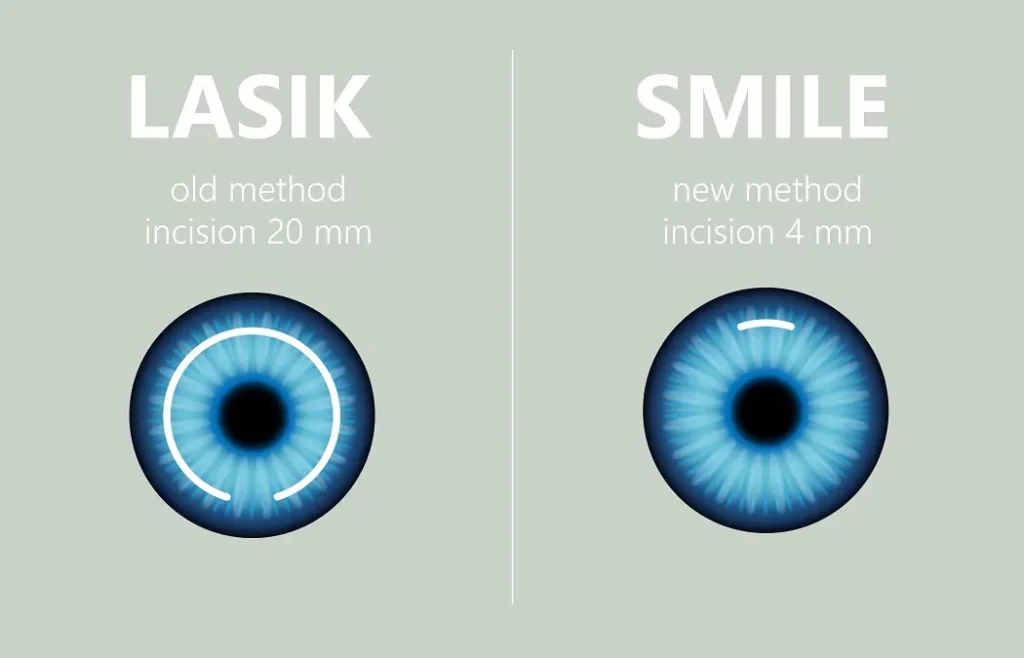
.jpg)
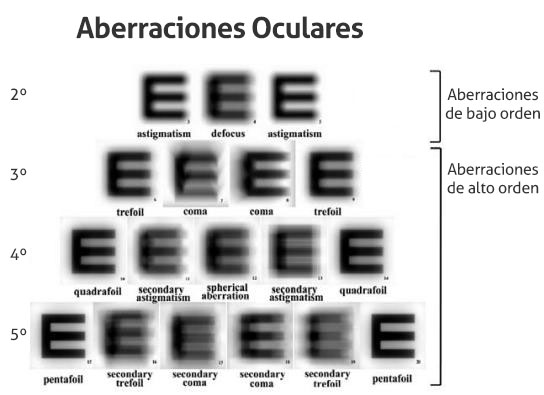
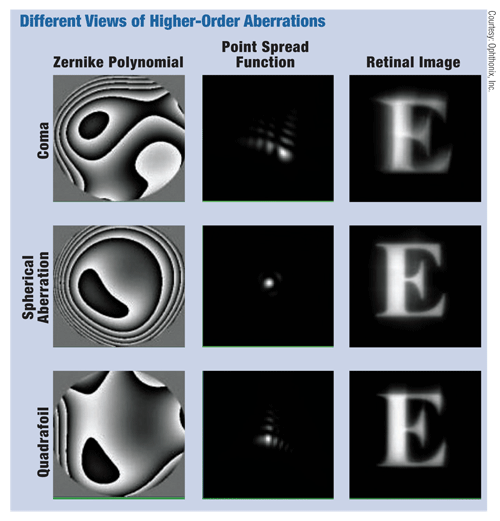
/ectasia-visual-simulation-NF(425).jpg)
.jpg)


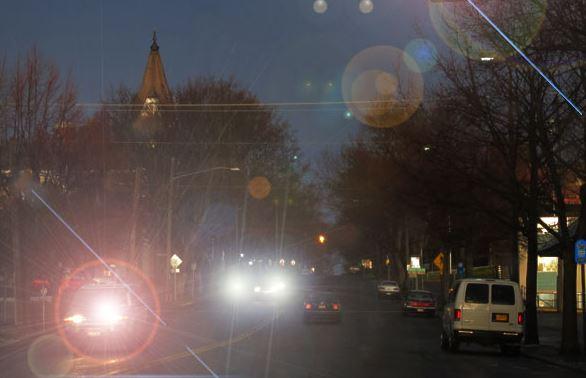
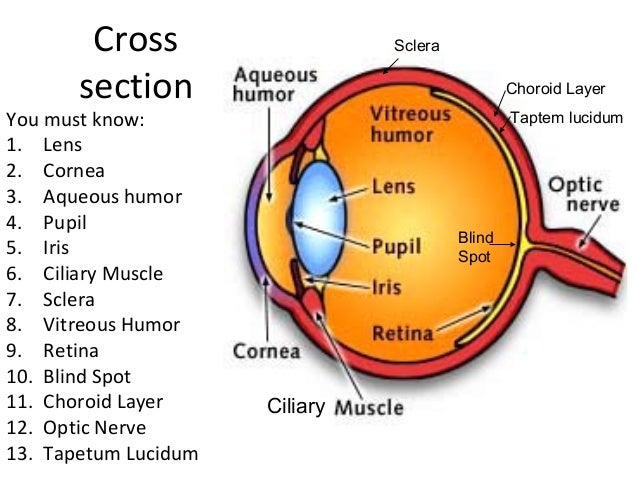
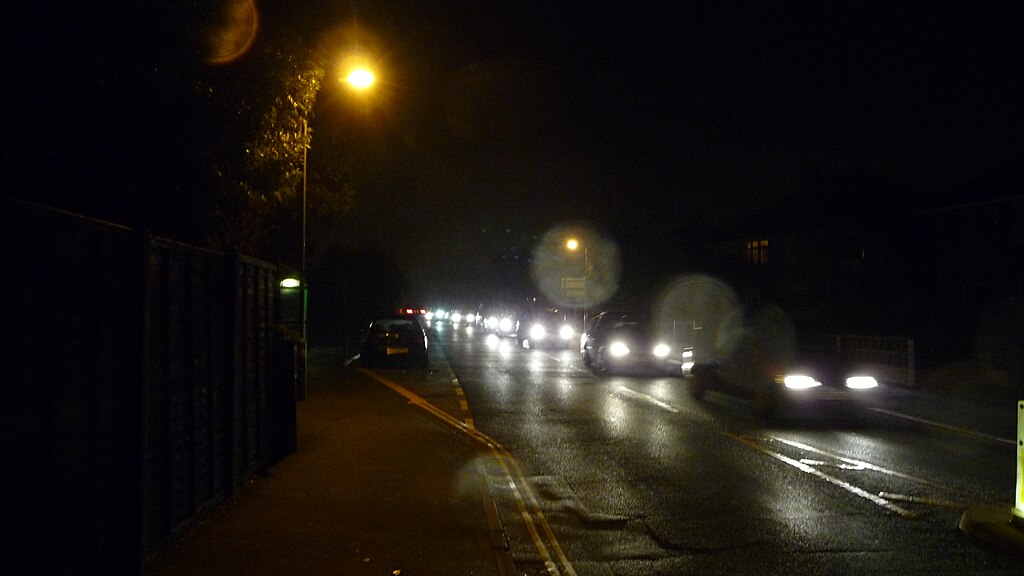
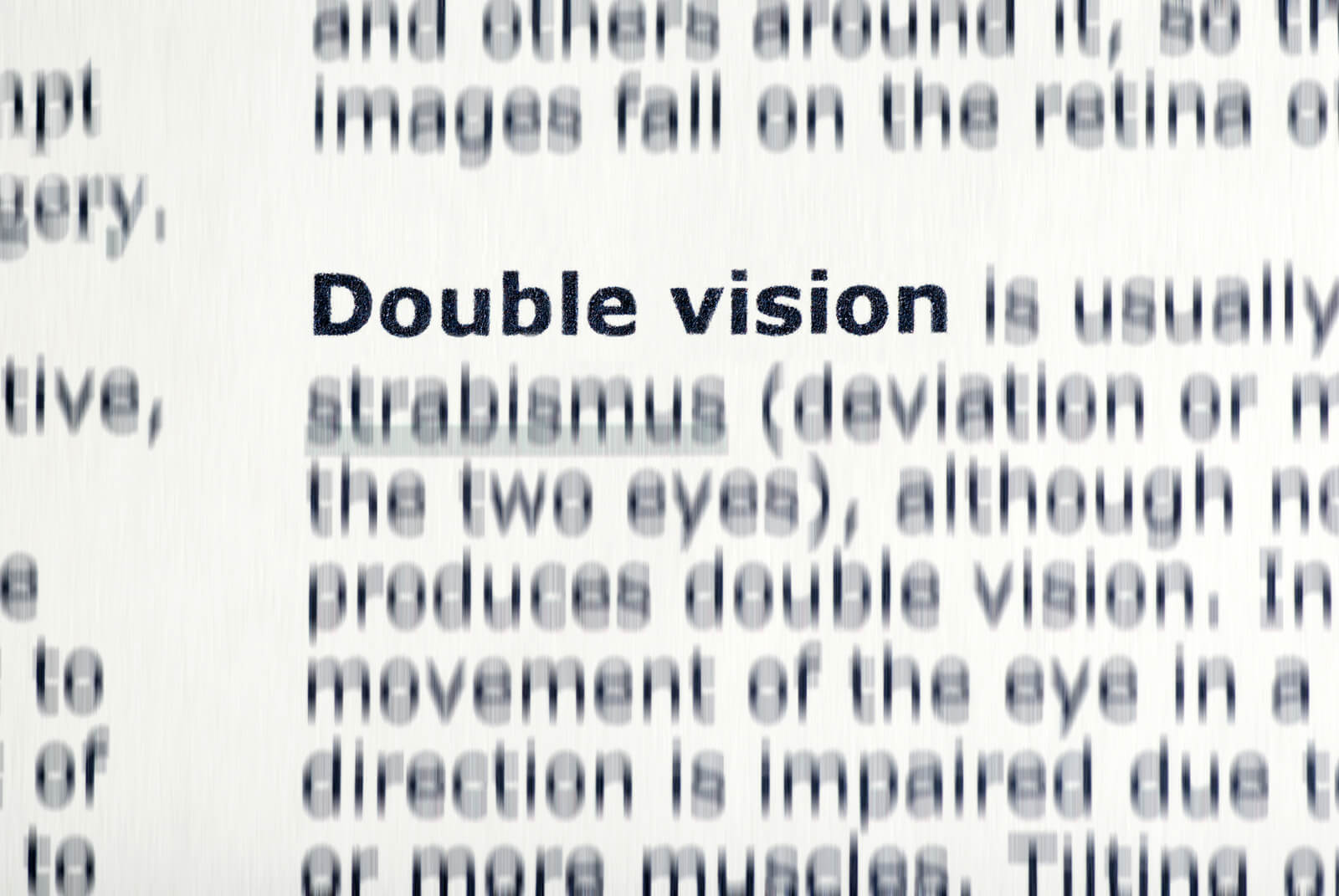



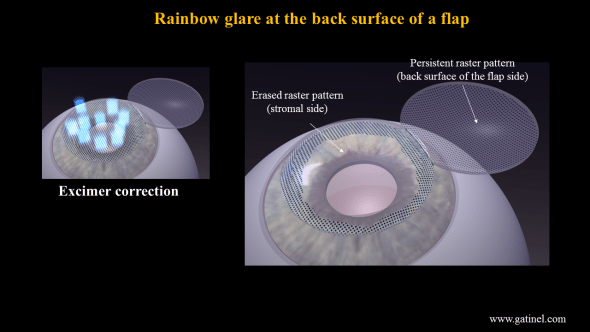
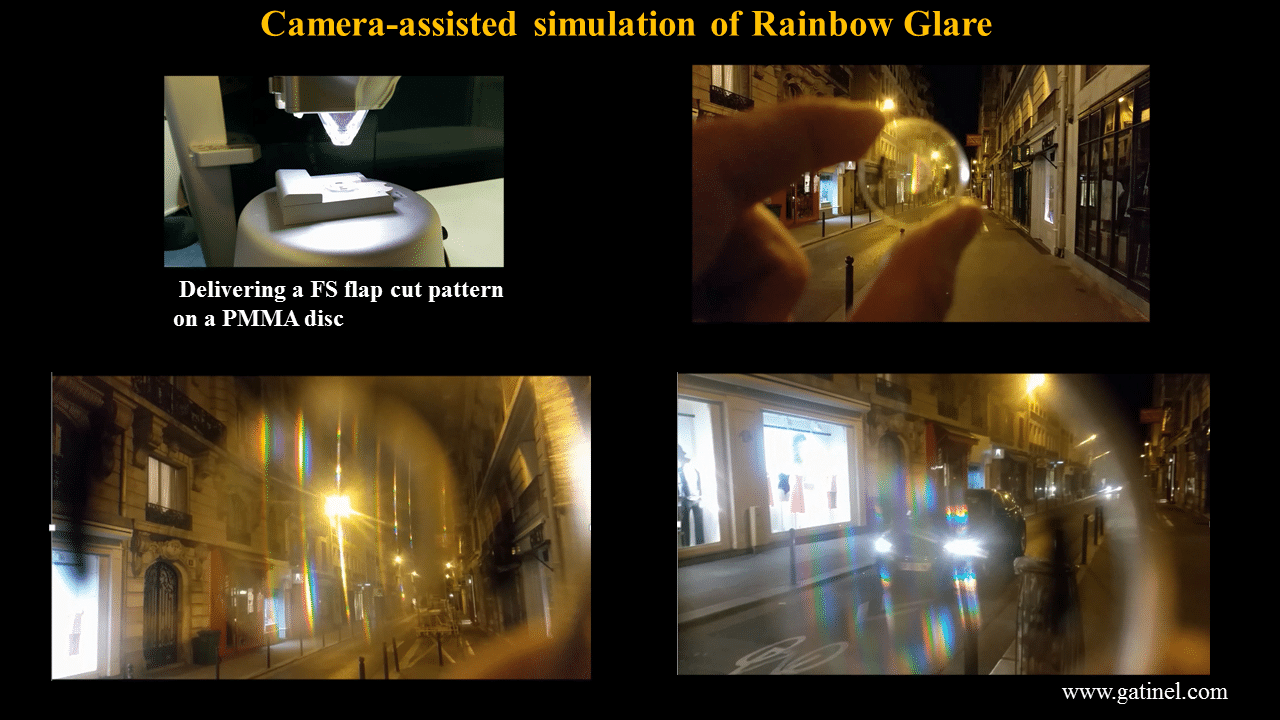
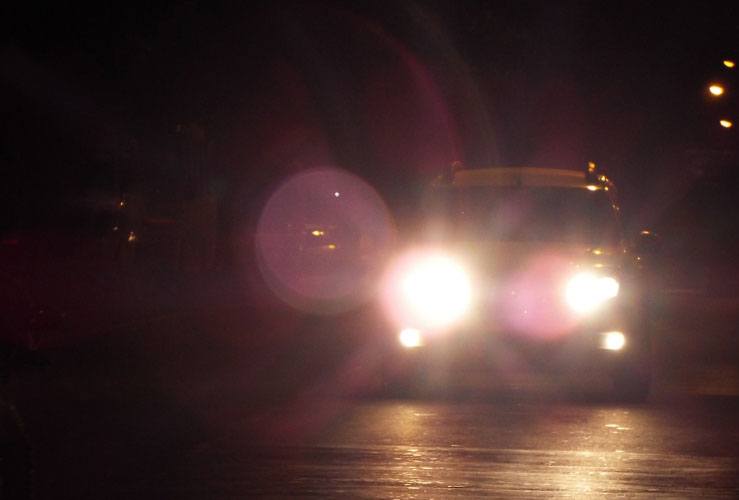

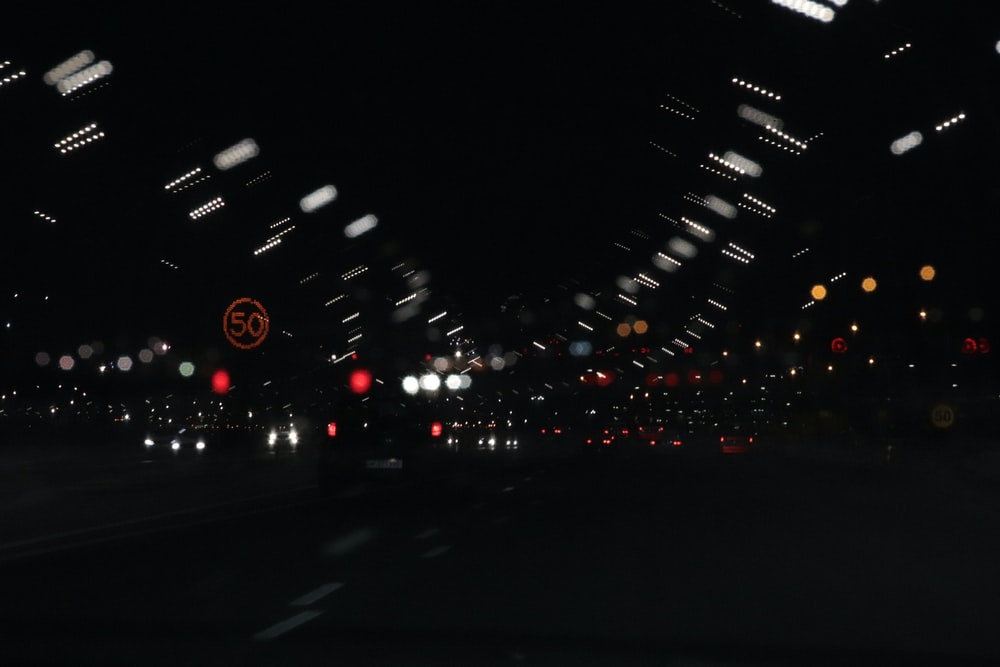
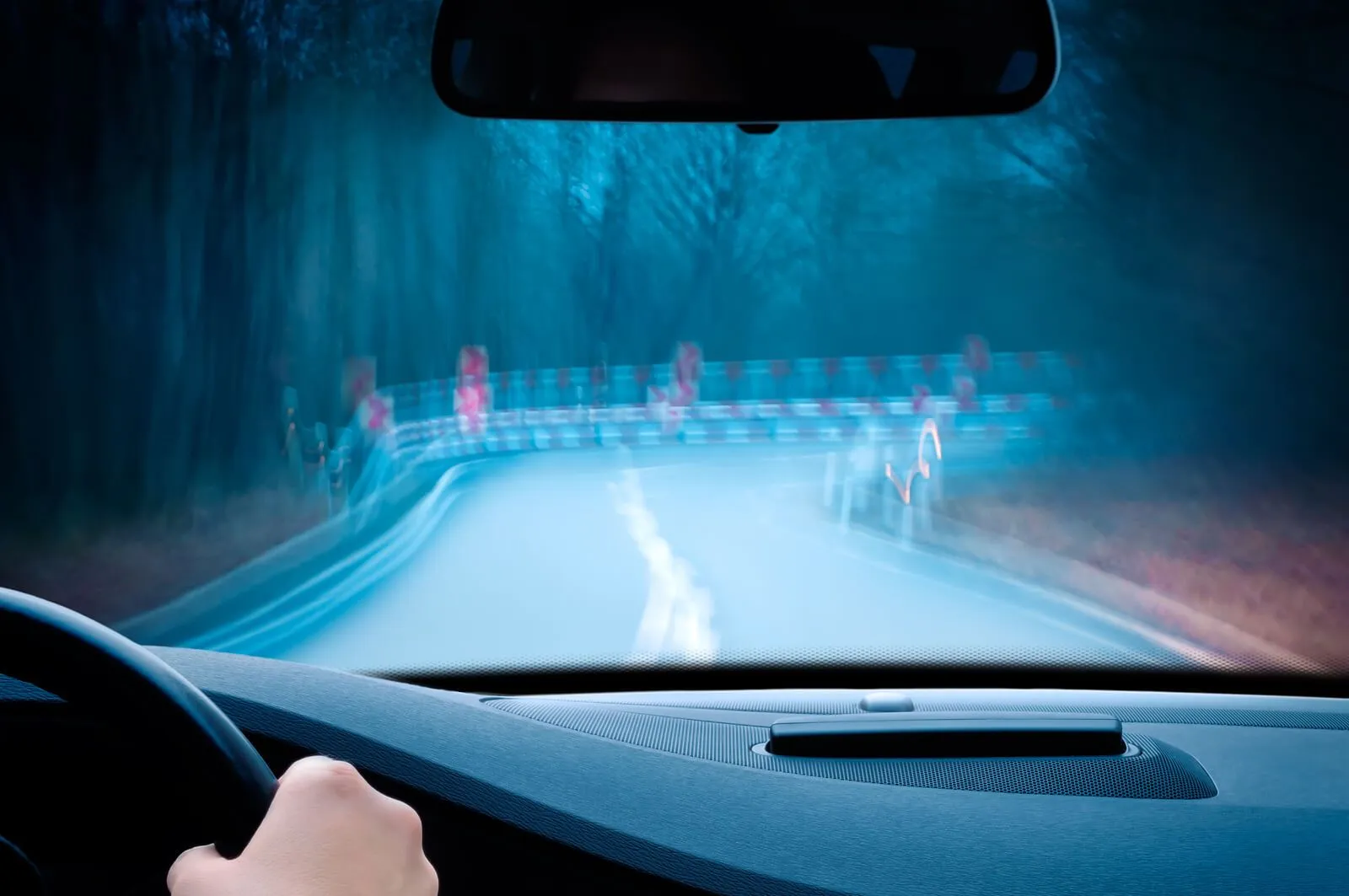


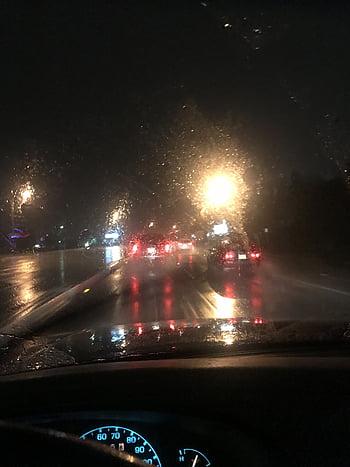

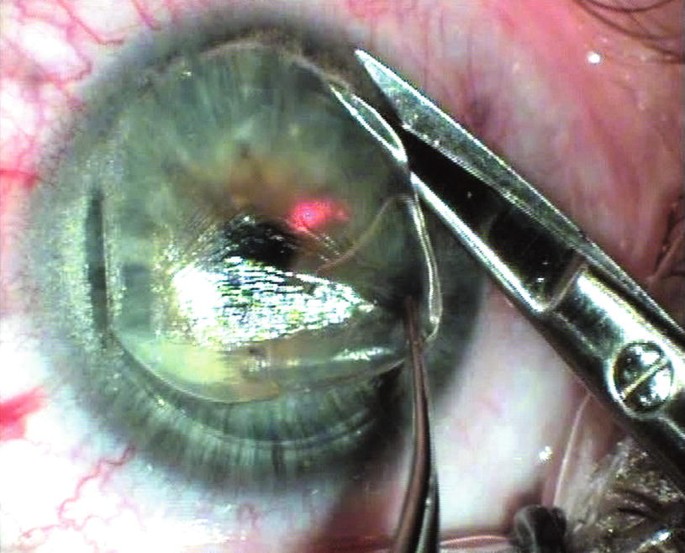


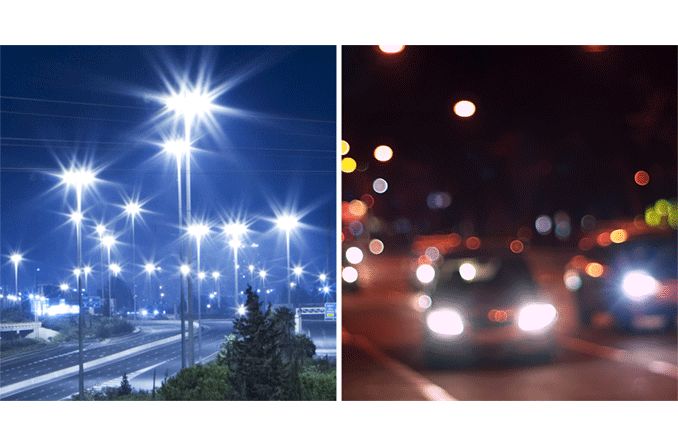
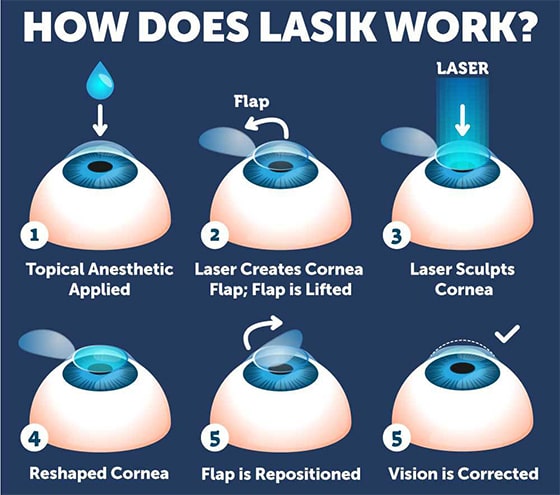
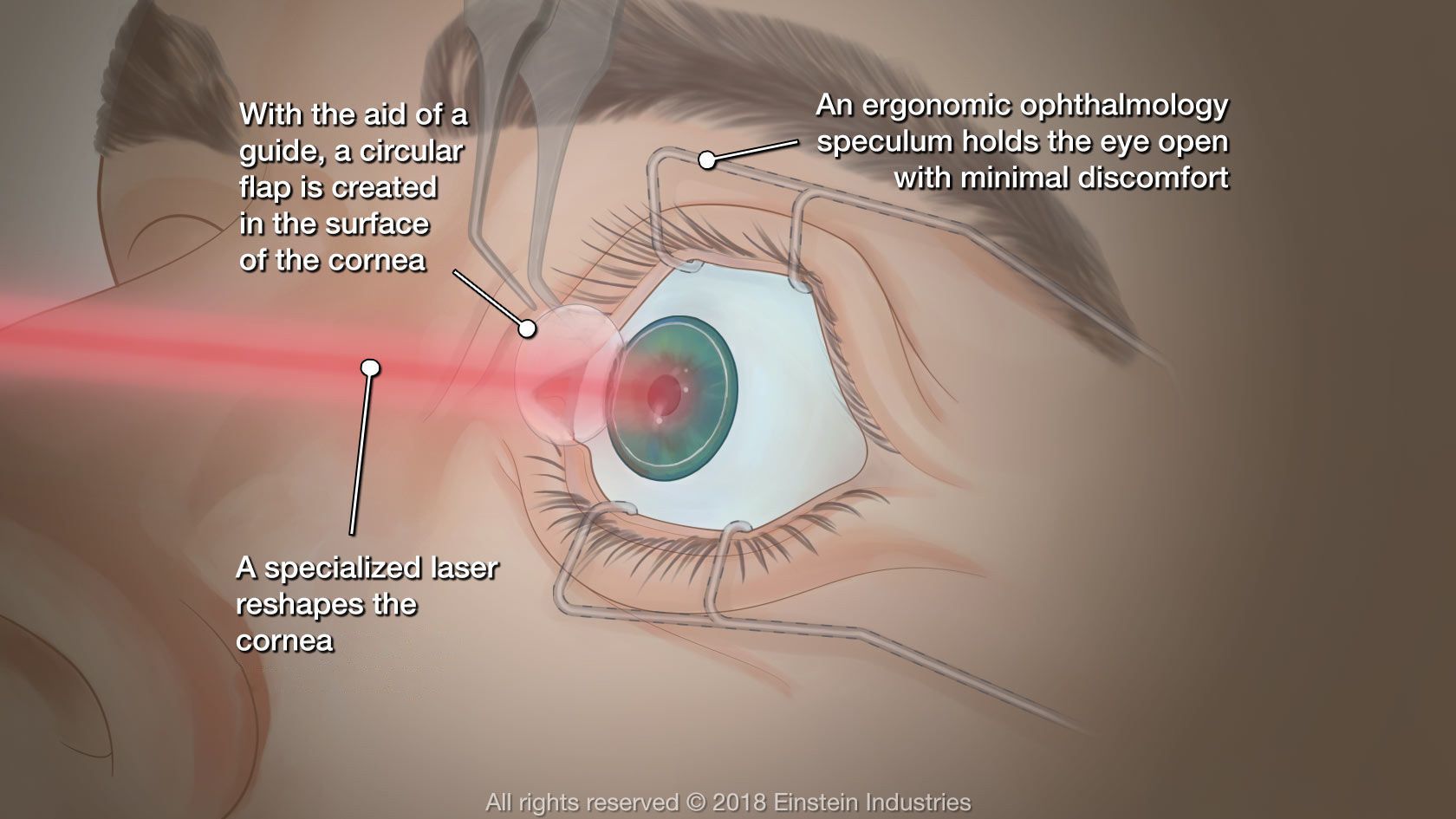

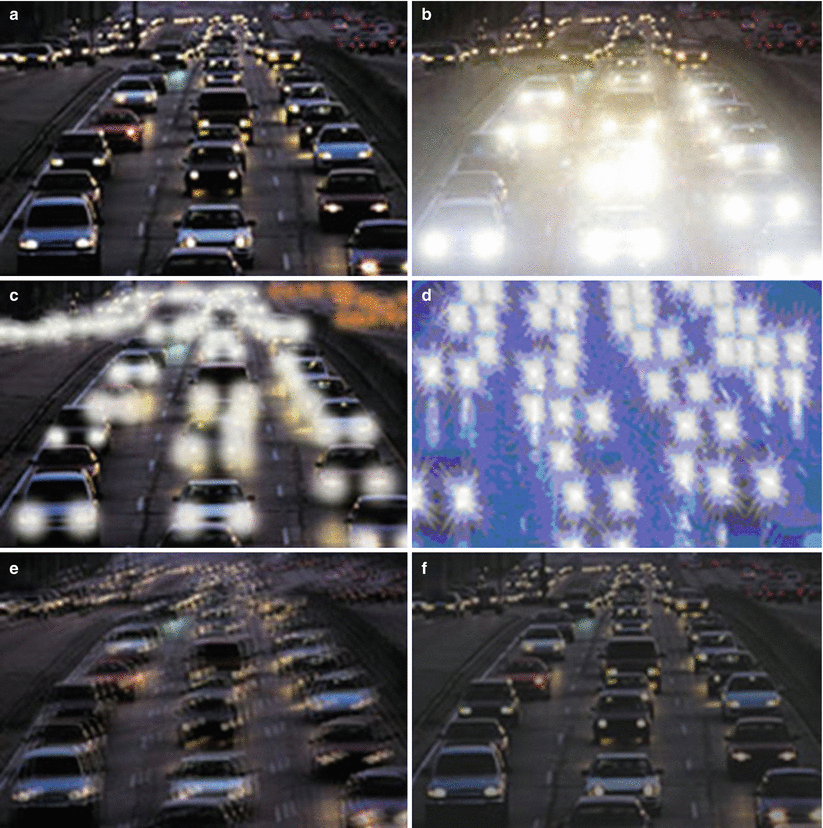

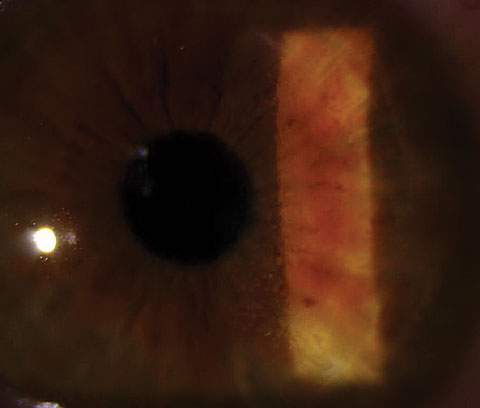
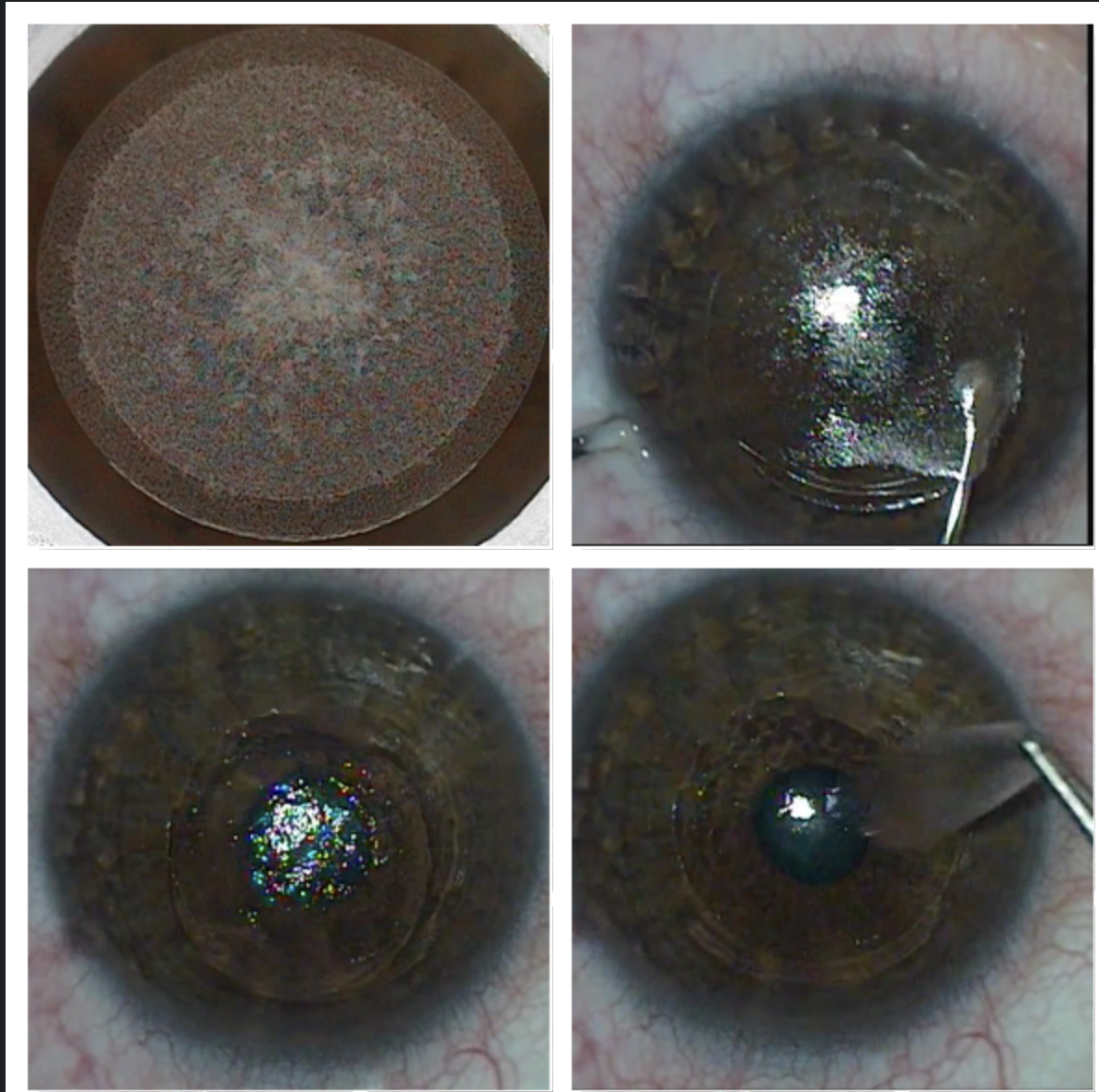
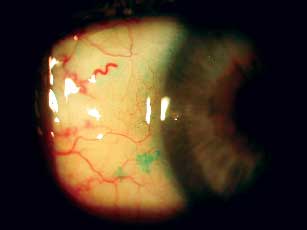


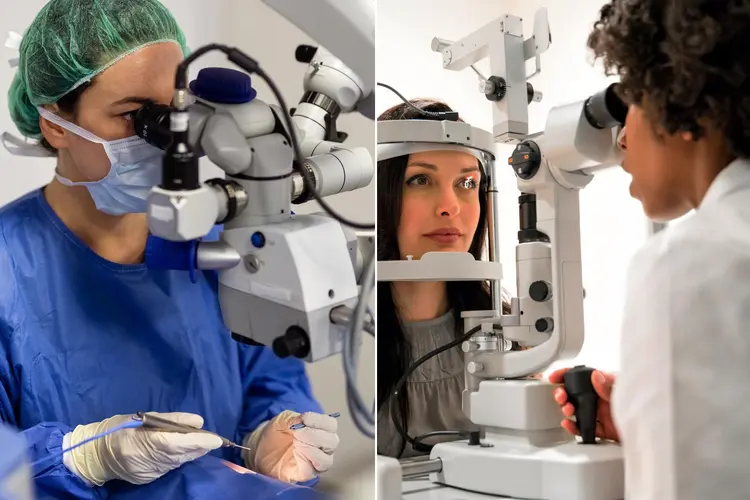
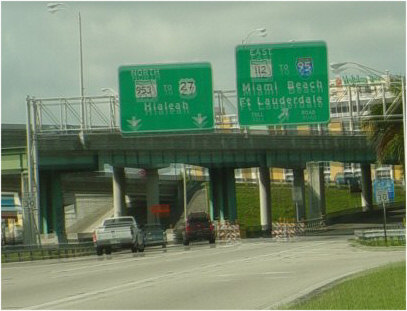
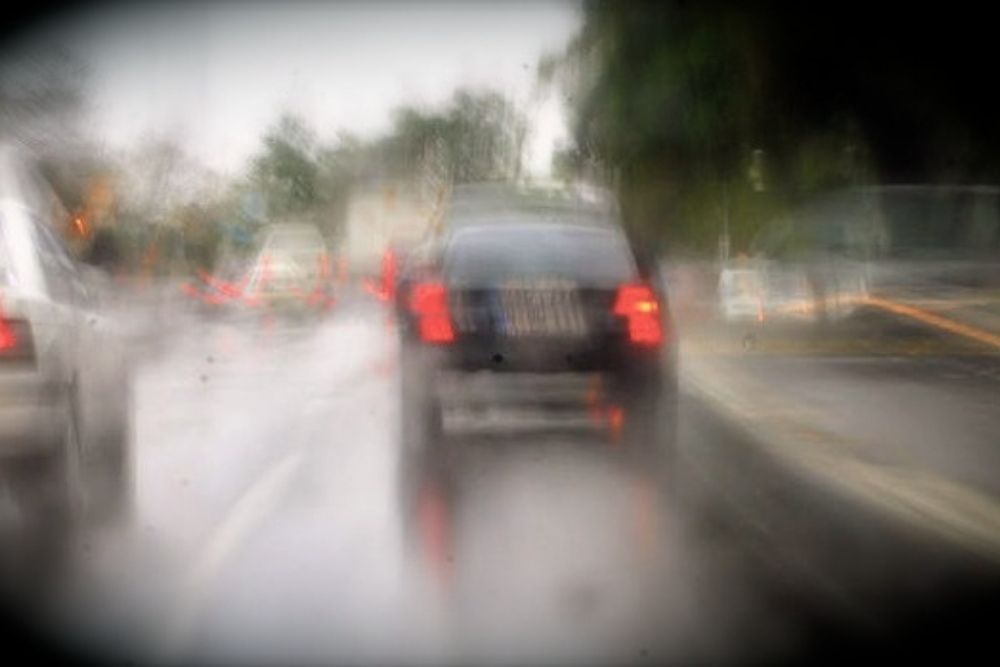
/flap_edge(425).jpg)
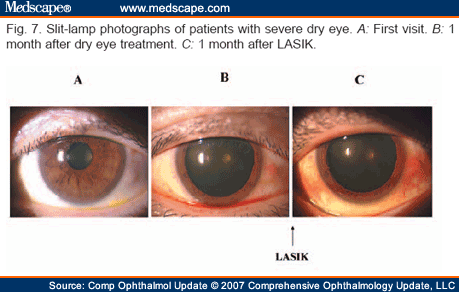
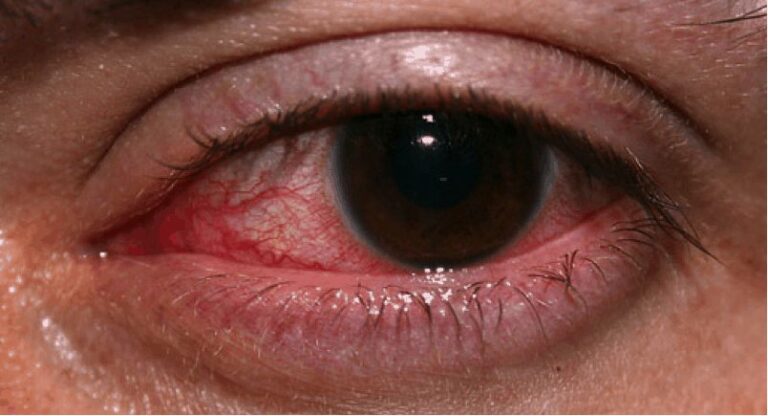


 وبلاگ تخصصی عینک شامل مجموعه مطالب پزشکی است که اطلاعات مفیدی در رابطه با عینک , چشم، لنز، سلامتی چشم و راه های پیشگیری از بیماریهای چشمی، کنترل و درمان آن را در اختیار شما کاربر محترم می گزارد.
