Workplace Eye Safety
Why is eye safety at work important?
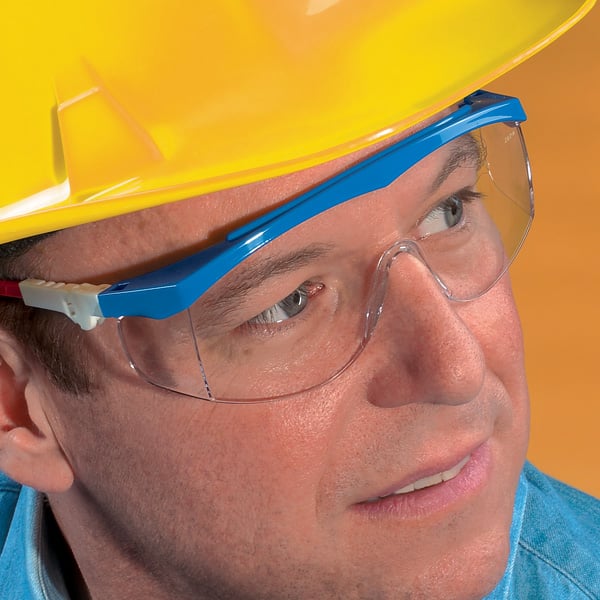

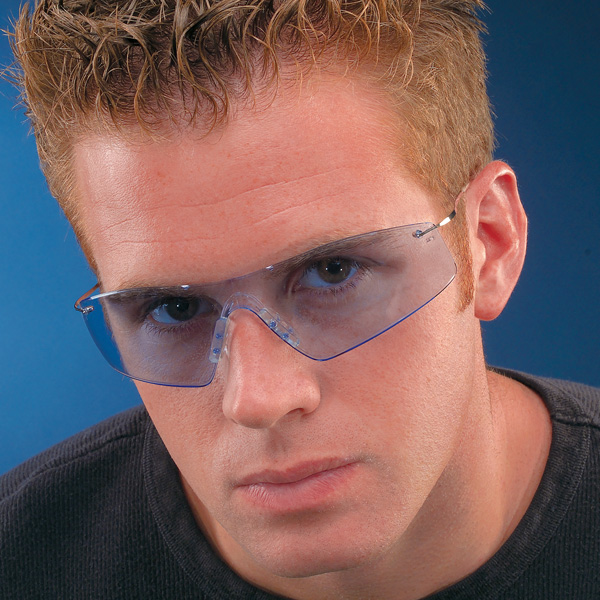
Eye injuries in the workplace are very common. More than 2,000 people injure their eyes at work each day. About 1 in 10 injuries require one or more missed workdays to recover from. Of the total amount of work-related injuries, 10-20 % will cause temporary or permanent vision loss.
Experts believe that the right eye protection could have lessened the severity or even prevented 90% of eye injuries in accidents.
What are the common causes of eye injuries?
Common causes for eye injuries are:
Flying objects (bits of metal, glass)
Tools
Particles
Chemicals
Harmful radiation
Any combination of these or other hazards
What is my best defense against an eye injury?
There are three things you can do to help prevent an eye injury
Know the eye safety dangers at work-complete an eye hazard assessment
Eliminate hazards before starting work. Use machine guarding, work screens, or other engineering controls)
Use proper eye protection.
When should I protect my eyes at work?
You should wear safety eyewear whenever there is a chance of eye injury. Anyone working in or passing through areas that pose eye hazards should wear protective eyewear.
What type of safety eyewear is available to me?
Safety eyewear protection includes:
Non-prescription and prescription safety glasses
Goggles
Face shields
Welding helmets
Full-face respirators
What type of safety eye protection should I wear?

The type of safety eye protection you should wear depends on the hazards in your workplace. If you are working in an area that has particles, flying objects, or dust, you must at least wear safety glasses with side protection (side shields). If you are working with chemicals, you should wear goggles. If you are working near hazardous radiation (welding, lasers, or fiber optics) you must use special-purpose safety glasses, goggles, face shields, or helmets designed for that task.
What is the difference between glass, plastic, and polycarbonate safety lenses?
All three types of safety lenses meet or exceed the requirements for protecting your eyes.
 Glass lenses
Are not easily scratched
Can be used around harsh chemicals
Can be made in your corrective prescription
Are sometimes heavy and uncomfortable
Plastic lenses
Are lighter weight
Protect against welding splatter
Are not likely to fog
Are not as scratch-resistant as glass
Polycarbonate lenses
Are lightweight
Protect against welding splatter
Are not likely to fog
Are stronger than glass and plastic
Are more impact resistant than glass or plastic
Are not as scratch resistant as glass
Reference: preventblindness.org/safety/worksafe.html -- Prevent Blindness America
 وبلاگ تخصصی عینک شامل مجموعه مطالب پزشکی است که اطلاعات مفیدی در رابطه با عینک , چشم، لنز، سلامتی چشم و راه های پیشگیری از بیماریهای چشمی، کنترل و درمان آن را در اختیار شما کاربر محترم می گزارد.
