ابزار وبمستر

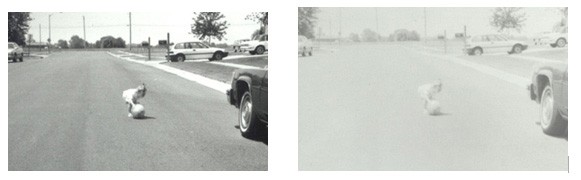
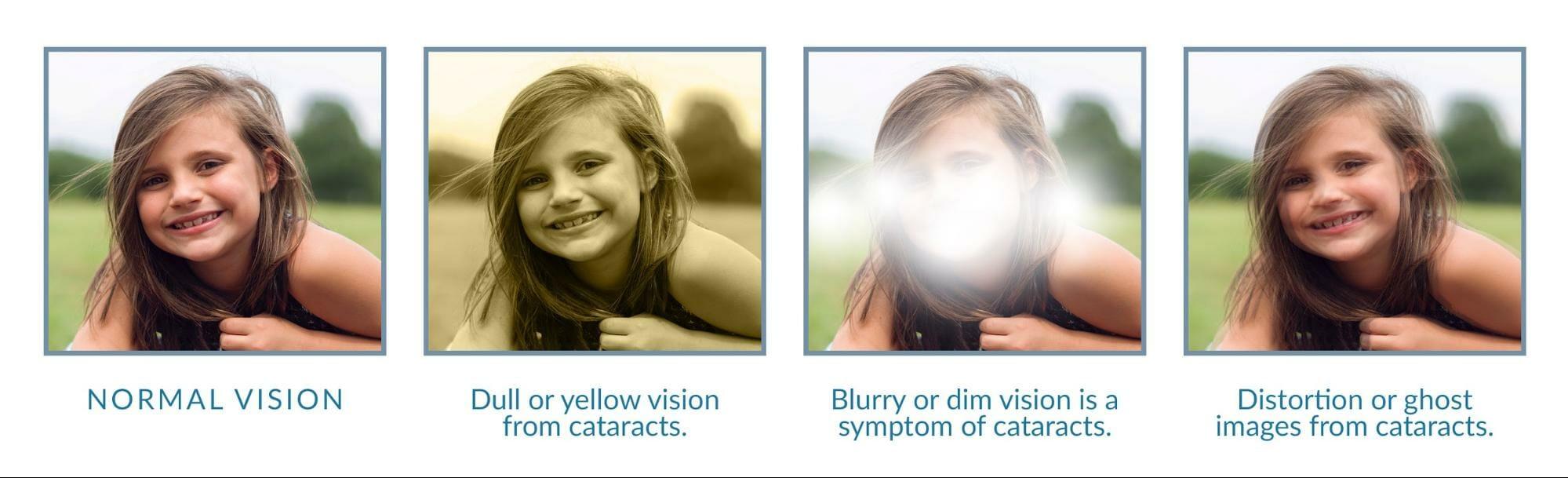
Dimness of vision may be noted due to muted color vision or gray areas.

This is a symptom of a variety of conditions, including amblyopia, optic neuritis, retinal detachment, macular degeneration, glaucoma, cataracts, or brain tumor.
  • dimness /dˈɪmnəs/

What is the meaning of dimness of light?

lacking in light; not bright or harsh. “a dim light beside the bed” synonyms: subdued. dark. devoid of or deficient in light or brightness; shadowed or black.
What is a word for dimness?

dimness: blackness، dark، duskiness، gloom، murk، murkiness، shade.

What does dimness mean?

dimness noun [U] (NOT CLEAR)
the quality of not having or giving much light: The light bulb formed a bright spot in the dimness of the barn. The dimness of the weak candle hid the little blemishes on her face.

Why is my vision bad in dim light?

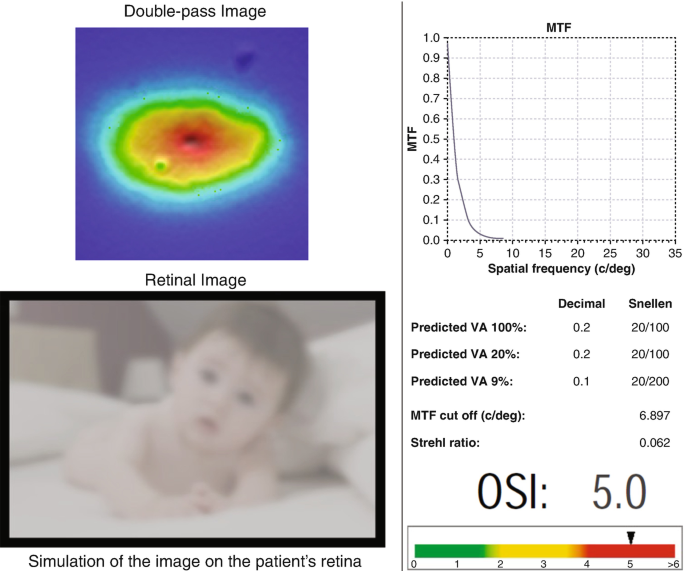
The tissues that make up the forward parts of your eyes need to be clear so light can pass through them. When they aren't clear or don't allow light to pass through them correctly, it limits how much light reaches your retinas and can cause difficulties seeing in dim light.

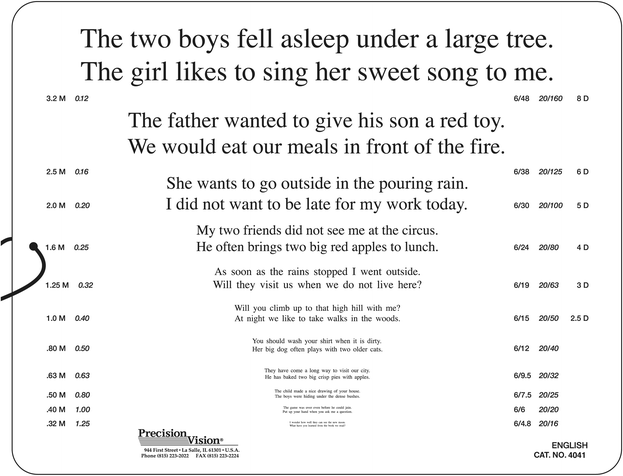
Pelli Robson chart

There is currently no evidence at all to suggest that reading in poor light damages your eyes. However, one thing is clear: reading by light requires more strain on the eyes to make out the words. This makes reading more strenuous, and the eyes get tired more quickly, potentially resulting in red eyes and headaches.
What is Pelli Robson?

Pelli-Robson test measures contrast sensitivity using a single large letter size (20/60 optotype), with contrast varying across groups of letters. Specifically, the chart uses letters (6 per line), arranged in groups whose contrast varies from high to low.

A Pelli-Robson score of 2.0 indicates normal contrast sensitivity of 100 percent. Scores less than 2.0 signify poorer contrast sensitivity. Pelli-Robson contrast sensitivity score of less than 1.5 is consistent with visual impairment and a score of less than 1.0 represents in visual disability.

Who invented the Pelli Robson chart?

Developed by Dr D Pelli of Syracuse University, New York and Dr J Robson of University of Cambridge, England. The Pelli-Robson chart utilises letters of the same size but with reducing contrast to provide a quick means of assessing patient contrast sensitivity thresholds.

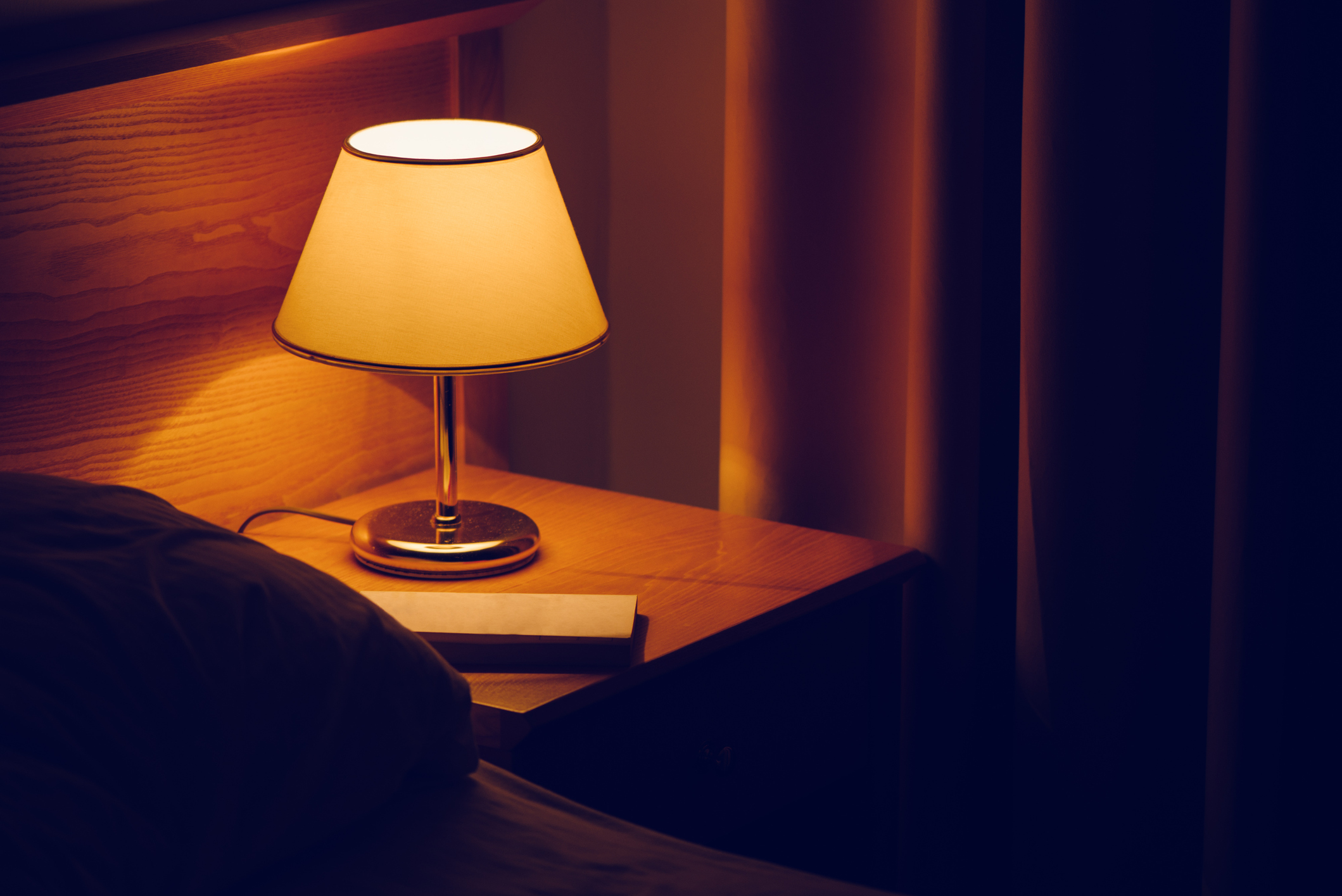
Winter is probably the best time to get round to reading a good book, especially by candlelight or the soft light of a bedside lamp. Children even like to hide under the covers with a pocket lamp. However, the joy of burying oneself in a book is often tempered by the fear that doing so might damage our eyes. Almost everyone's been told it at one time or another: "Put the light on, you'll damage your eyes!" But there's no need to worry – reading in the dark doesn't damage your eyes at all. However, if you need reading glasses, you should wear them.

What's the difference between Pelli Robson and Snellen?

Answer: Similar to the Snellen test, the Pelli-Robson test is where the optician asks you to identify the letters on a chart. Unlike the Snellen test, this uses printed letters of decreasing contrast, with three letters at each contrast level. It's designed to identify patients with poor sensitivity to contrast.
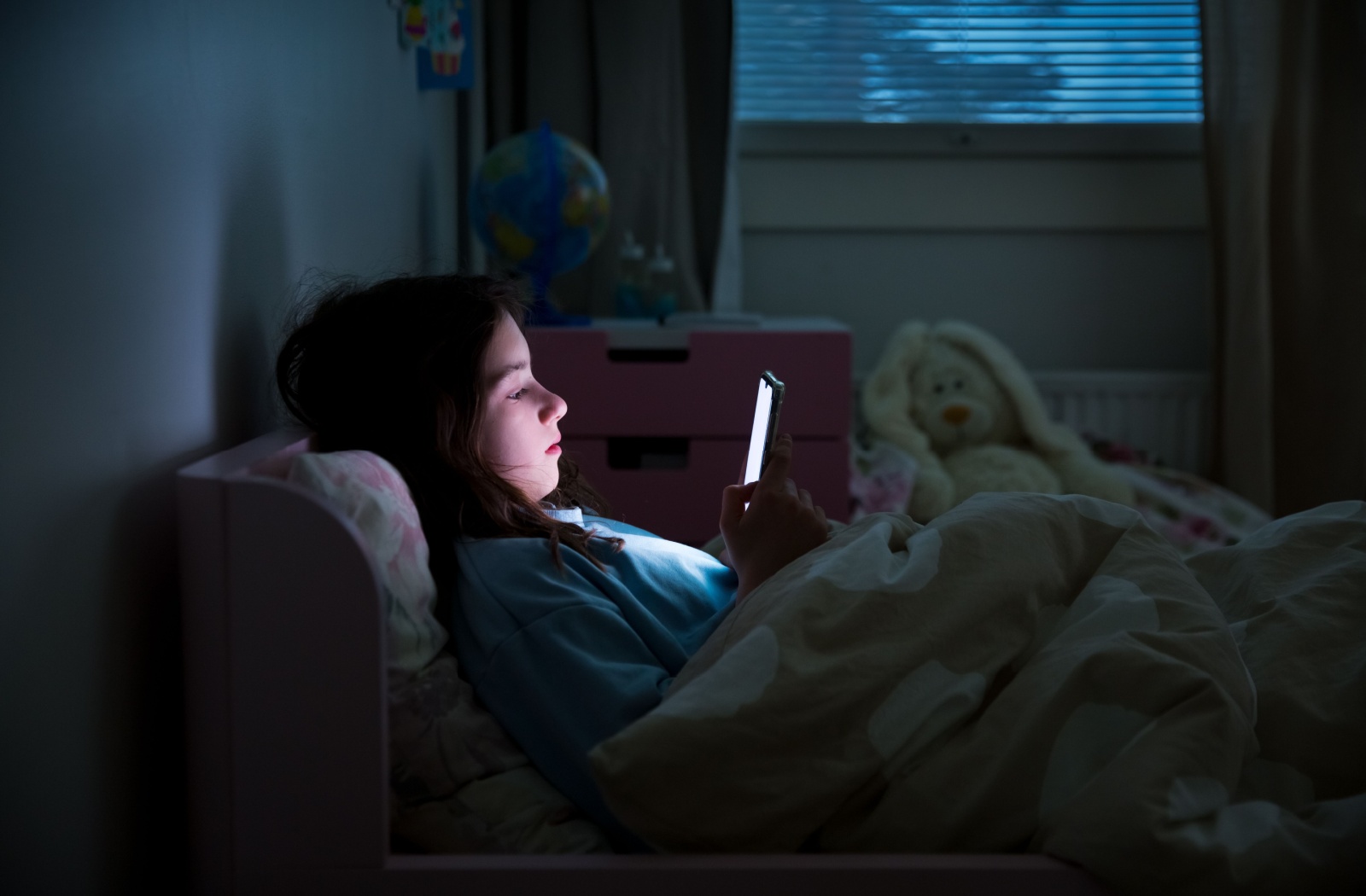
Knowing that smartphone use in the dark can damage your retina, it's important to take the proper precautions to protect your vision. Here are some ways to do this. It may sound difficult to give up time on your smartphone, but doing so can help you sleep better, avoid health problems and preserve your vision.

Mobile phones emit high-energy blue light, which can penetrate deep into the eye and potentially cause damage to the retina over time. Prolonged exposure to blue light, especially before bedtime, may disrupt sleep patterns by suppressing melatonin production, leading to insomnia and other sleep-related issues.

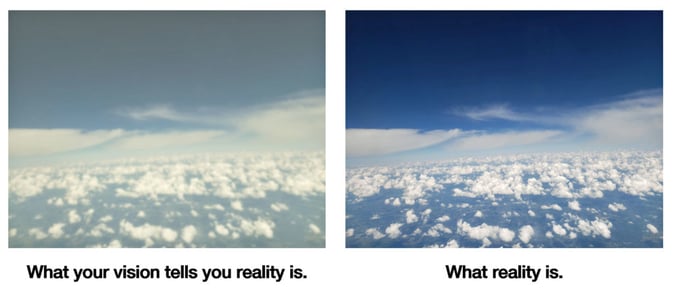
Scientists still argue about this issue today: reading in poor light damages your eyes. But there's no reason to be concerned. There is currently no evidence at all to suggest that reading in poor light damages your eyes. However, one thing is clear: reading by light requires more strain on the eyes to make out the words. This makes reading more strenuous, and the eyes get tired more quickly, potentially resulting in red eyes and headaches. Despite this, the eyes themselves do not suffer from this process, according to a study by American scientists published in the renowned periodical British Medical Journal. eResearch by Navid Ajamin -- winter 2025
Why does reading in low light cause eye strain?

In dark or low light, it is harder for your eyes to focus. You also tend to blink less which can lead to dry eyes and eye strain. Despite this, difficulty seeing in the dark could be a sign of certain eye conditions. Your eyesight deteriorates as you get older which can sometimes make it more difficult to see at night. This condition is known as presbyopia. Also, myopia (or near-sightedness) and astigmatism can make reading in low lighting more tricky.

Will reading in bad light ruin your eyesight?

As children, many of us were warned not to read in low light - for example, under our bedcovers with a flashlight - because it would damage our eyesight in the long term.

No As children, many of us were warned not to read in low light - for example, under our bedcovers with a flashlight - because it would damage our eyesight in the long term.

This belief is so widely accepted that even some health care professionals do not question it. But this idea is nothing more than a medical myth, and there is no strong evidence to support it.

Reference:

  • visionaid.co.uk/eye-conditions--cataracts
  • verywellhealth.com/dimness-of-vision-5210447
  • vectorvision.com/contrast-sensitivity-background
  • marsperceptrix.com/mars-contrast-sensitivity-tests
  • specsavers.ie/help-and-faqs/what-is-the-pelli-robson-test
  • veatchinstruments.com/Pelli-Robson-Contrast-Letter-Test-Chart
  • oldsouthoptometry.com/can-screen-time-affect-my-childs-vision
  • glassesdirect.co.uk/blog/is-reading-in-the-dark-bad-for-your-eyes
  • my.clevelandclinic.org/health/symptoms/10118-night-blindness-nyctalopia
  • researchgate.net/figure/The-Pelli-Robson-Chart-after-Denis-Pelli_fig2_355393888
  • moorfields.nhs.uk/about-us/news-and-blogs/blogs/the-potential-impact-of-your-mobile
  • brainzooming.com/blog/is-your-organizational-vision-dimmed-and-you-dont-even-know-it
  • scmp.com/lifestyle/family-education/article/1386761/hits-and-myths-will-reading-bad-light-ruin-your-eyesight
  • healthcare.utah.edu/healthfeed/2021/11/can-reading-low-light-harm-your-eyes-top-10-eye-health-myths-debunked
  • zeiss.com/vision-care/en/eye-health-and-care/health-prevention/does-reading-in-poor-light-damage-your-eyes.html
An accommodative spasm is a condition in which the eyes focus constantly or automatically. It can occur after an activity, like reading, in which a person is using their near vision. When a person is reading, the eye focuses on an object close to the face, such as a book or newspaper.[1]

Accommodative spasm is a condition in which the eye muscles automatically focus more than is necessary for a given stimulus. Symptoms include blurry vision, fluctuating vision, headaches/eyestrain, ineffective spectacle correction, and unstable responses during an eye exam.

Patients with accommodative spasm have a difficult time relaxing their focusing muscles when transitioning from near to far, so they may complain of blurred distance vision after a period of near work. This happens because their eyes are still focusing for their near vision task, even though they are now looking at a farther distance. After discontinuing the near work, the distance vision gradually improves as the eye muscles eventually relax and allow the distance to become clear.

Accommodative spasm is often seen in young patients and is most common for individuals who frequently perform extended near tasks such as staring at a computer screen, tablet or cell phone. Typically, this condition improves slowly with aging as the ability to focus up close gradually lessens.

Taking visual breaks is helpful to reduce the symptoms that occur with mild accommodative spasm. The general rule for visual breaks while performing computer and near work is 20/20/20: every 20 minutes, look 20 feet away, for 20 seconds to help reduce potential eyestrain. Visual breaks may not be enough to treat significant accommodative spasm and the doctor may prescribe bifocal, progressive, or antifatigue glasses. These lenses allow for patients to relax their eye muscles while doing near work so that when they then switch their focus to distance, vision remains clear. Please ask your doctor if you have any questions about this condition.[2]

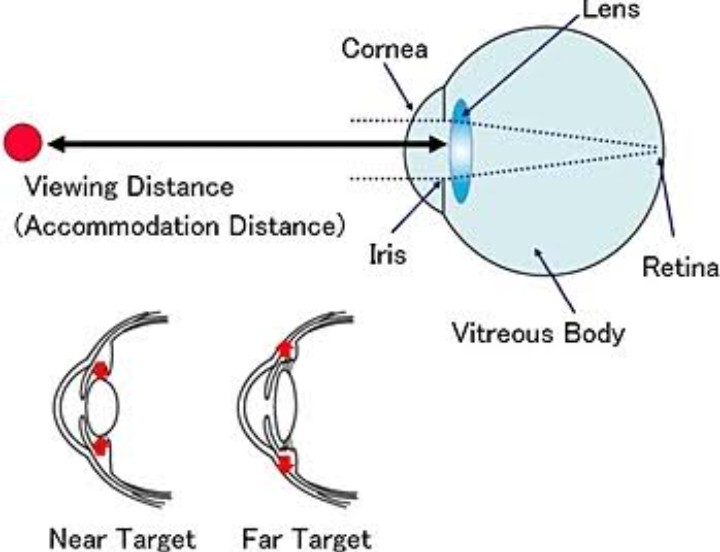
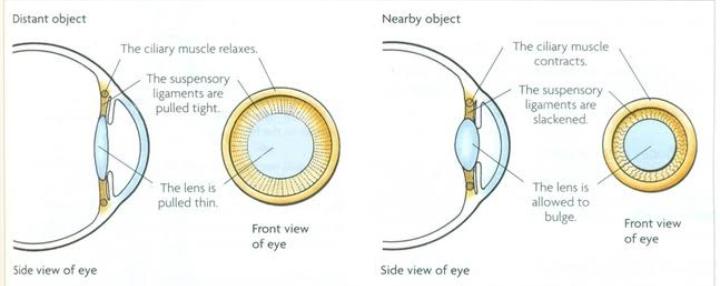
The ability to accommodate requires a change in the dioptric power of the eye through the increase of lens thickness and curvature. This is achieved through the contraction of the ciliary muscle and relaxation of the lens zonules. These changes are necessary to view objects and images clearly at near. Accommodation testing offers the practitioner crucial information about a patient’s focusing capacity.

Accommodation decreases with increasing age and the loss of lens elasticity. Other causes of decreased accommodation can include head trauma, midbrain diseases and encephalitis. In pre-presbyopes, this is termed accommodative insufficiency. The exact underlying mechanism for accommodative insufficiency in healthy pre-presbyopic subjects is not well understood. However, evidence suggests the presence of an inhibitory accommodative control system regulated by the autonomic nervous system, specifically the sympathetic branch.

Accommodative dysfunction is a term that encompasses accommodative insufficiency, ill-sustained accommodation, accommodative excess and accommodative infacility. Of these subtypes, insufficient accommodation is the most commonly encountered condition, representing 55% to 84% of cases. It also accounts for the most common cause of asthenopia in children ages eight to 15, highlighting the importance of proper diagnosis and management.

Those with accommodative insufficiency often present with difficulty performing near tasks. Symptoms can include visual discomfort, eyestrain, fatigue, blurred vision, headache, diplopia and difficulty focusing from one distance to another. These can interfere with a student’s academic progress because avoiding work at near relieves the visual demand.

Accommodative insufficiency is often misdiagnosed in young children and must be differentiated from dyslexia or other binocular vision disorders.[4]

What glasses are good for accommodative spasms?

Visual breaks may not be enough to treat significant accommodative spasm and the doctor may prescribe bifocal, progressive, or antifatigue glasses. These lenses allow for patients to relax their eye muscles while doing near work so that when they then switch their focus to distance, vision remains clear.

Computer vision syndrome can be caused by intraocular etiologies like refractive error, accommodative spasm, binocular vision dysfunction or an extraocular etiology like ergonomics. Dry eye is the major contributing factor to computer vision syndrome.

A spasm of accommodation, also known as “pseudo-myopia,” occurs when the eyes lock their focus on a near object but then have difficulty releasing the focus to view distant objects. The reason this is considered a false myopia is because it involves the focusing mechanism of the lens and not the elongation of the eye, a characteristic of true myopia.

However, pseudo-myopia can be treated with vision therapy, assuming the accommodation spasm was the only culprit for blurry vision at a distance. If that is the case, after a successful vision therapy program, the patient may no longer need to wear prescription lenses for vision correction.

Reference:

  1. texaschildrens.org/content/conditions/accommodative-spasm
  2. familyeyemd.com/patient-education/accommodative-spasm
  3. mycorneacare.com/glossary/computer-vision-syndrome
  4. reviewofoptometry.com/article/accommodation-in-peril
  5. optometrists.org/childrens-vision/guide-to-pediatric-eye-conditions/what-is-myopia/myopia-and-vision-therapy

Presbyopia is the gradual loss of your eyes' ability to focus on nearby objects. It's a natural, often annoying part of aging. Presbyopia usually becomes noticeable in your early to mid-40s and continues to worsen until around age 65.

Are presbyopia and hypermetropia the same?

Hypermetropia and presbyopia both cause blurry vision when looking at objects up close. If you're young or have had this issue for a long time and also have blurred distance vision, hypermetropia is the likely cause. If you're older than 45 and have newly blurry vision, presbyopia is likely.

When these symptoms occur earlier, i.e., before 40s, it is called pre presbyopia. In old age, the crystalline lens’s nucleus is stiffer than the cortex, whereas in adults the cortex is stiffer than the nucleus and this stiffness, of both the cortex and nucleus, equalizes in between 30-40 years of age and thus leads to pre presbyopia symptoms in 40’s.

In premature presbyopia, a person’s accommodative power is insufficient for carrying out daily near vision tasks earlier than as expected. According to a recent study the mean age of a person with presbyopia before the age of 40 was 36.2 year. Pre-presbyopic patients mainly complain about headache, asthenopic symptoms, fatigue while doing near work, while working distance increases, and the need of brighter light for reading as compared to earlier stages of life. eReseach by Navid Ajamin -- autumn 2024

Factors responsible for premature presbyopia include:

  1. Excessive work on computer and increased time on smart phone
  2. Low degree of uncorrected hyperopia can be manifested as an early need of near correction with onset of presbyopia
  3. Gender: Women are more prone to have pre presbyopia than men because of their preferred arm length distance for doing near task
  4. Environmental factors -Exposure too much in UV radiation
  5. Occupations that require near vision, such as tailors, jewellery or watch industry, mobile technicians, and electricians.
    Correcting Presbyopia After LASIK
  6. Nutritional deficiency more likely anaemic whereas in male those who are tobacco chewer ,alcoholic, smokers are more prone to have pre presbyopia

Pre presbyopia can be misdiagnosed as accommodation inefficiency in which the accommodative power is less than the physiological limit of that age-group, in which asthenopic symptoms are more common. In presbyopia, near vision is affected and should be differentiated from macular disorder, posterior sub capsular cataract. Near vision can be improved bin bright light unlike presbyopia

Prevention measures include proper diet, working on ambient light, avoid spending more time in digital devices, and avoid smoking and alcohol consumption. Finally, regular eye examinations help in to detecting hyperopia.

Can LASIK Prevent Presbyopia?

While it does not increase an individual's chances of dealing with presbyopia, unfortunately, LASIK cannot prevent presbyopia. If you are predisposed to age-related farsightedness, the best thing you can do is schedule annual eye exams to keep an eye on your vision.

Why can't LASIK correct presbyopia?

LASIK corrects vision by reshaping the cornea. However, the loss of near vision from presbyopia is a result of loss of flexibility and elasticity of the lens of the eye, and LASIK cannot prevent the natural aging process of the lens.

Treatment measures include: Providing suitable near glasses as sometimes people hesitate to wear bifocal glasses. Monovision contact lens correction, where one eye is used for distance and the fellow eye for near vision. Surgeries like conductive keratoplasty, monovision with intraocular implantation of intraocular lenses. Pre-presbyopia should be treated as early as possible as it will increase asthenopic symptoms and hamper the quality of life of many individuals.

Reference:

  • researchgate.net/figure/Typical-presbyopic-vision-with-various-methods-of-correction-Without-any-correction_fig1_334100457
  • visionscienceacademy.org/pre-presbyopia-when-your-eye-become-older-than-your-age
  • mayoclinic.org/diseases-conditions/presbyopia/symptoms-causes/syc-20363328
  • clicproducts.eu/presbyopia-what-is-symptoms-and-possible-solutions
  • customizedreaders.com/online-vision-test-for-reading-glasses
  • gwsvision.com/lasik/lasik-for-presbyopia
  • optography.org

پیرچشمی بخشی از روند طبیعی افزایش سن می‏باشد و در هنگامی که عدسی چشم قابلیت انعطاف خود را بتدریج از دست می‏دهد، اتفاق می‏افتد. اما از دلایل عمده پیرچشمی سخت شدن پوسته عدسی چشم می‌باشد، دلیل دیگرش کاهش قدرت عضلات جسم مژگانی هست که در این حالت عضلات مژگانی قادر نیستند که انحنای لازم را برای عدسی بوجود بیاورند، به علت اینکه خود این عضلات با افزایش سن دچار اسکلروزیس می‌گردند.

بطور کلی یک سری تغییرات در بدن به علت افزایش سن ایجاد می‌گردد که غیر قابل برگشت می‌باشد و پیرچشمی یکی از این تغییرات است، پیرچشمی مساله نگران کننده‌ای نیست و براحتی قابل اصلاح است.

تحقیقات نشان می ‌دهد که شروع پیرچشمی به عوامل مختلفی مثل نژاد، شرایط آب و هوایی ، تغذیه و عوامل فیزیولوژیک فرد بستگی دارد.

به طوری که پیرچشمی در کشورهای اروپایی در سنین 45 تا 50 سالگی اتفاق می‌افتد، در حالی که در کشورهایی مثل هند، عربستان و کوبا در سنین 40 سالگی اتفاق می‌افتد، و یا اینکه سیاه پوستان زودتر از سفید پوستان دچار پیرچشمی می ‌شوند.

طبق تحقیقاتی که در خصوص سن شروع پیرچشمی در شهر تهران به عمل آمده، این سن 37.5 سالگی مطرح شده است.

علل بروز بیماری پیر چشمی :

  • عیوب انکساری مانند دوربینی ممکن است قبل از ۴۰ سالگی موجب بروز این اختلال شود
  • با افزایش سن معمولا افزایشی است
  • سخت شدن پوسته عدسی چشم
  • کاهش قدرت عضلات جسم مژگانی
  • خستگی و بی خوابی
  • فشار خون بالا
  • سوء تغذیه
  • دیابت

علائم پیر چشمی :

  • فرد در هنگام انجام بسیاری از امور مانند مطالعه ،خیاطی ویا کار با رایانه به نور مستقیم و روشن نیاز پیدا می کند
  • خستگی چشم
  • سرگیجه
  • خواب آلودگی زودهنگام چشم در حین مطالعه طولانی‌مدت
  • دید بیمار در نقطه نزدیک تار و غیر واضح می شود.

پیشگیری از پیر چشمی :

اگر چه پیرچشمی کاملا قابل پیشگیری نیست اما با انجام اقدامات خاص می توان از چشم ها و بینایی محافظت نمود که شامل موارد ذیل است:

  • انجام معاینات منظم و مناسب چشمی توسط پزشک
  • کنترل بیماریهای زمینه ای نظیر مرض قند، فشار خون که بر روی بینایی آثار سوء دارند.
  • مراجعه سریع و به موقع به پزشک در صورت بروز علائمی نظیر کاهش یکباره بینایی در یک چشم . تنبلی یکباره یا تاری دید چشم ها، جرقه های نوری ، لکه های سیاه در میدان دید و هرگونه علامت دیگر
  • استفاده از عینک های با شماره درست که مستلزم انجام معاینات منظم توسط پزشک است.
  • استفاده از نور کافی و مناسب
  • از کشیدن سیگار خودداری کنید

خوب بخوابيد:

متخصصان اعتقاد دارند 8 ساعت خواب در شبانه‌روز در پيشگيري از پيرچشمي موثر است.

خوب بخوريد:

هويج و مركبات سرشار از ويتامين a و c هستند، اين ويتامين‌هاي آنتي‌اكسيدان پيرچشمي را به تعويق مي‌اندازند. دانشمندان دانشگاه‌ جان هاپكينز مي‌گويند،‌اين ويتامين‌ها عدسي چشم را در شرايط مناسبي قرار داده و باعث مي‌شوند به خوبي براي ديدن اجسام دور و نزديك انطباق پيدا كند.

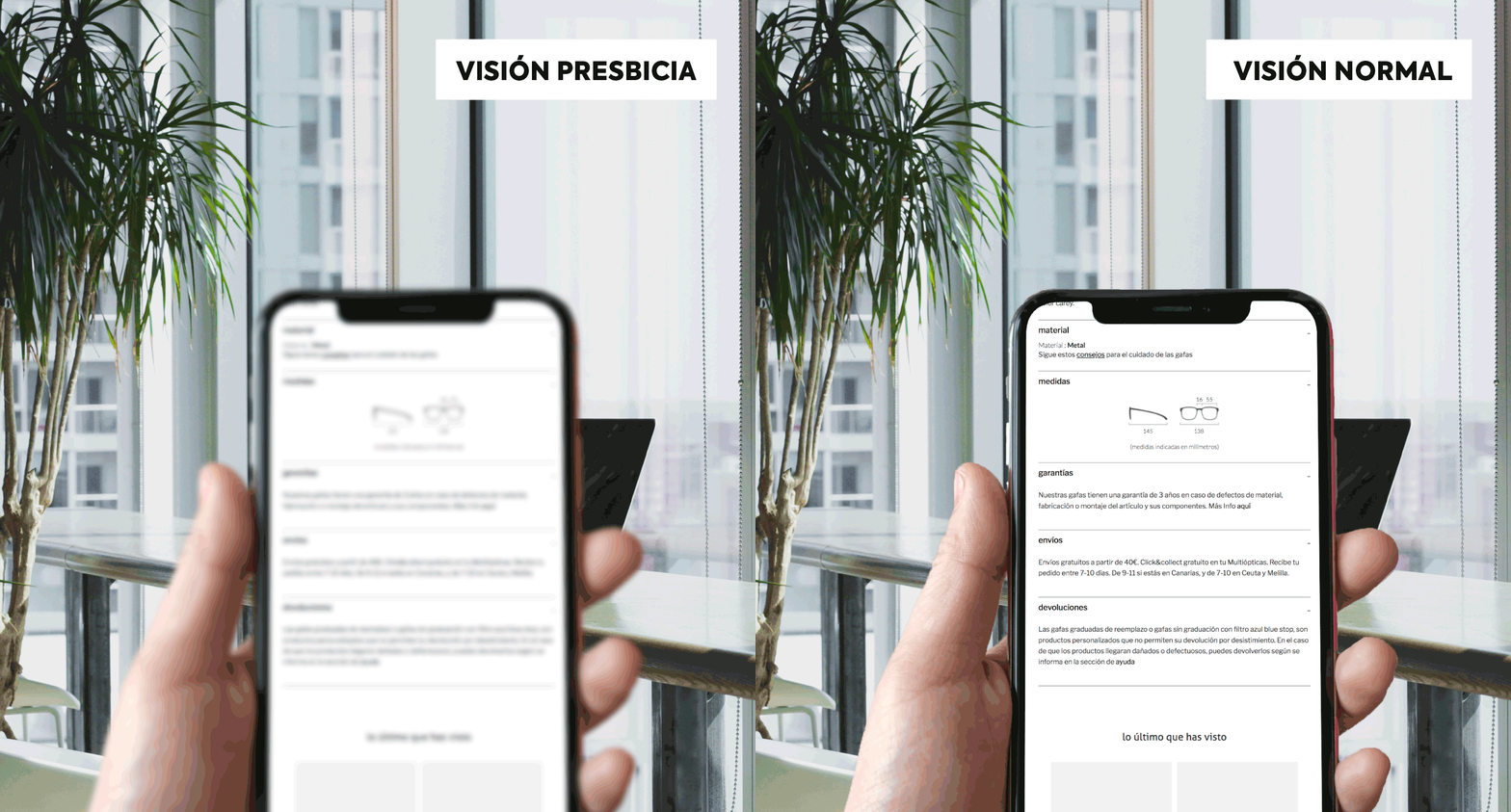
You may become aware of presbyopia when you start holding books and newspapers at arm's length to be able to read them. A basic eye exam can confirm presbyopia. You can correct the condition with eyeglasses or contact lenses.

Presbyopia is the gradual loss of your eyes' ability to focus on nearby objects. It's a natural, often annoying part of aging

Derived from the Greek 'presby' and 'ops' meaning old-age sight, presbyopia occurs because the eye's lens gradually loses its ability to change shape when acted upon by the ciliary muscle - the smooth muscle within the ciliary body that surrounds the lens. Similar to grey hair and wrinkles, presbyopia is a symptom caused by the natural course of aging. Presbyopia is not a disease and it cannot be prevented.

A delayed onset of seeking correction for presbyopia has been found among those with certain professions and those with miotic pupils. In particular, farmers and housewives seek correction later, whereas service workers and construction workers seek eyesight correction earlier.

Derived from the Greek 'presby' and 'ops' meaning old-age sight, presbyopia occurs because the eye's lens gradually loses its ability to change shape when acted upon by the ciliary muscle - the smooth muscle within the ciliary body that surrounds the lens. Similar to grey hair and wrinkles, presbyopia is a symptom caused by the natural course of aging. Presbyopia is not a disease and it cannot be prevented.

The ability to focus on near objects declines throughout life. The first symptoms are usually first noticed between the ages of 40-50.

Symptoms of Presbyopia

You'll likely become aware of presbyopia when you start needing to hold print at arm's length in order to read it. If you're nearsighted, you might temporarily manage the problem by reading without your glasses.

  • Print appears unclear at a normal reading distance
  • Eyestrain or headaches from prolonged reading or close work

The near-point of accommodation gradually moves outward from about 10 inches (20 cm) at age 40, to 12 inches (30 cm) at age 45, and 16 inches (40 cm) at age 50 years.

A basic eye exam can confirm presbyopia. You can correct the condition with nonprescription reading glasses or prescription eyeglasses or contact lenses. Surgery also may be an option.

Presbyopia, like other focus defects, becomes much less noticeable in bright sunlight. This is not the result of any mysterious 'healing effect' but just the consequence of the iris closing to a pinhole, so that depth of focus, regardless of actual ability to focus, is greatly enhanced, as in a pinhole camera which produces images without any lens at all. Another way of putting this is to say that the circle of confusion, or blurredness of image, is reduced, without improving focusing.

What is hardening of the crystalline lens of the eye?

Presbyopia is caused by a hardening of the lens of your eye, which occurs with aging. As your lens becomes less flexible, it can no longer change shape to focus on close-up images. As a result, these images appear out of focus.

از عينك آفتابي استفاده كنيد: eResearch by Navid Ajamin -- winter 2014

اشعه خورشيد باعث ايجاد پيرچشمي به خصوص در ساكنان مناطق گرمسير مي‌شود. بنابراين با عينك آفتابي از چشمانتان محافظت كنيد.‌

چشمانتان را جوان نگه داريد

برخي از عوامل پير چشمي در كنترل شما هستند و مي‌توانيد با توجه به آنها، پير شدن چشمانتان را به تعويق بيندازيد.

شغل: اگر شما شغلي داريد كه دائما مجبور هستيد از ديد نزديك خود استفاده كنيد، احتمال ابتلا شما به عارضه پيرچشمي بيشتر است.

بيماري هاي مرتبط: بيماري قند‌(ديابت) و همچنين بيماري ام.اس (مولتيپل اسكلروزيس) مي‌تواند شما را در خطر پيرچشمي قرار دهد. بنابراين اگر بيماري قند داريد، قند خود را پيوسته كنترل كنيد تا به اين عارضه مبتلا نشويد.

داروها: داروهاي ضدافسردگي و همچنين ضدحساسيت‌ها (آنتي هيستامين‌ها) مي‌توانند انعطاف‌پذيري لنز را كاهش دهند و شما را در خطر ابتلا به پيرچشمي قرار دهند.

محل زندگي : نتايج تحقيقات نشان داده‌اند كساني كه در مناطق جغرافيايي گرم و خشك زندگي مي‌كنند مانند مناطق جنوبي كشورمان يا كساني كه در نزديك خط استوا زندگي مي‌كنند، بيش از ديگران به پيرچشمي مبتلا مي‌شوند. در اين مناطق،‌ تابش نورخورشيد شديدتر و نورماوراي بنفش در فضا بيشتر است. اشعه ماوراي‌ بنفش براي چشم مضر است. بنابراين اگر ساكن چنين نواحي هستيد، حتما از عينك آفتابي مناسب استفاده كنيد.

Reference:

  • pezeshk.us/?p=26624
  • aziresh24.com/blog/4047
  • doctor-hill.com/patients/presbyopia_arizona.htm

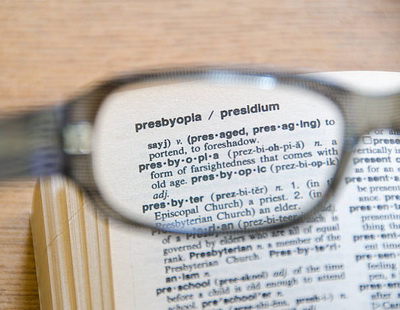
presbyopia /ˌprɛzbɪˈəʊpɪə/

long-sightedness caused by loss of elasticity of the lens of the eye, occurring typically in middle and old age.

Presbyopia is the gradual loss of your eyes' ability to focus on nearby objects. It's a natural, often annoying part of aging. Presbyopia usually becomes noticeable in your early to mid-40s and continues to worsen until around age 65.

If presbyopia is your only vision problem (you do not have nearsightedness, farsightedness or astigmatism), glasses may be all you need.

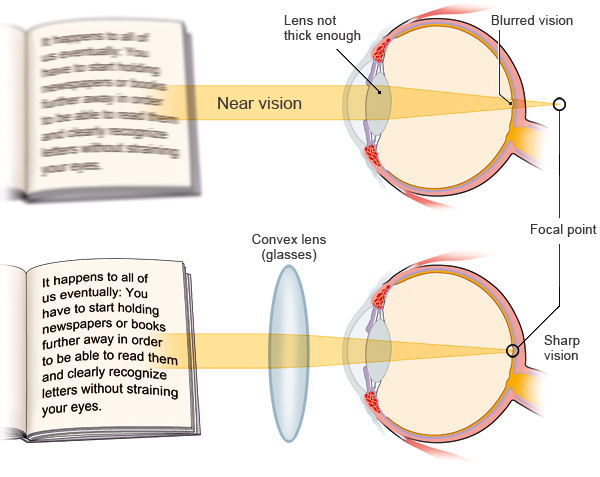
Reading glasses help correct close-up vision problems by bending (refracting) light before it enters your eye.

LASIK effectively corrects nearsightedness, farsightedness, and astigmatism—but it does not cure presbyopia.

By far the most common (and simplest) treatment for presbyopia is bifocal or progressive lens eyeglasses. A bifocal lens is split into two sections. The larger, primary section corrects for distance vision, while the smaller, secondary section allows you to see up close.

طبق تحقیقاتی که در خصوص شروع سنین پیر چشمی در شهر تهران به عمل آمده ، این سن 37.5 سالگی مطرح شده ، فردی که عادت دارد اشیاء را دورتر از چشم نگه دارد، دیرتر پیر چشم می‌شود و برعکس شخصی که اشیاء را نزدیکتر به چشم نگه می‌دارد، زودتر پیر چشمی می‌گیرد. داشتن دستان بلند و یا کوتاه در این زمینه موثر است. فردی که مبتلا به دوربینی است، زودتر پیر چشم می‌گردد و هر چه مقدار دوربینی وی بیشتر باشد پیر چشمی زودتر است.

در مورد اینکه آیا می‌توان از پیرچشمی جلوگیری کرد و یا آن را به تعویق انداخت، بایستی گفته شود که تاکنون به این سوال پاسخ مشخص داده نشده و تحقیقات تاکنون نتوانسته است راه حلی را پیشنهاد نماید.

دلیل بروز پیر چشمی

یکی از دلایل عمده پیر چشمی سخت شدن پوسته عدسی چشم (اسکروزیس) می‌باشد، در اینحالت عضلات مژگانی قادر نیستند که انحنای لازم را برای عدسی بوجود بیاورند، ضمنا خود این عضلات نیز با افزایش سن دچار اسکروزیس می‌گردند. بطور کلی یک سری تغییرات در بدن به علت افزایش سن ایجاد می‌گردد که غیر قابل برگشت می‌باشد و پیرچشمی یکی از این تغییرات است، پیرچشمی مساله نگران کننده‌ای نیست و براحتی قابل درمان است، منظور از درمان همان اصلاح است.

علائم پیر چشمی

  • کاهش بینایی نزدیک یکی از مهمترین علائم پیر چشمی است. در این حالت افراد برای رؤیت شیء نزدیک و یافتن مورد مطالعه ، سعی می‌کنند که سر خود را عقب‌تر ببرند و یا اینکه شیء یا کتاب را دورتر از چشم نگاه دارند و بدین وسیله مقداری از تاری دید نزدیک را برطرف نمایند. در هنگامی که روشنایی کافی نباشد، بخصوص در هنگام عصر که مردمک چشم بازتر می‌گردد، این مشکل افزایش پیدا می‌کند.
  • از علائم دیگر این که فرد پیر چشم خطوط ریز کتاب و یا متن مورد مطالعه را نمی‌تواند واضح ببیند و تلاش برای واضح دیدن منجر به ایجاد علائمی مثل خستگی چشم ، سردرد ، بخصوص در ناحیه پشت سر ، اشک ریزی ، سوزش چشم و چشم درد می‌گردد. یکی از رایج ترین شکایت خانمهای مبتلا به پیرچشمی در مراجعه به پزشک عدم توانایی آنها در سوزن نخ کردن است.

اصلاح پیرچشمی

درمان پیرچشمی براحتی توسط یک عدسی محدب صورت می‌گیرد، نظر به اینکه نقطه نزدیک در افراد پیر چشم از چشم دور شدن است، به کمک یک عدسی همگرا می‌توان آنرا براحتی بجای اول خود برگرداند. لذا یکی از مواردی که درمان بسیار موفقیت آمیزی دارد، درمان پیرچشمی است، بطوری که فرد پیر چشم وقتی که عینک مناسب را دریافت می‌کند، ملاحظه می‌کند که بطور شگفت انگیزی بینایی خود را باز یافته است. در حالیکه طبق تصورات خود فکر کرده است که به علت پیری بینایی وی کاهش یافته و غیر قابل برگشت است.

نظر به اینکه تجویز عینک نزدیک برای افراد مسن به عوامل متعددی بستگی دارد، لذا مهارت فرد تجویز کننده در حصول یک بینایی مناسب برای فرد پیر چشم بسیار موثر است. فاصله کاری یا شغل فرد ، عادت فرد در حین کار یا مطالعه و در نظر گرفتن وضعیت انکساری چشم فرد ، در این تجویز بسیار مؤثر است. لذا عینک نزدیک همه افراد یکسان نمی‌باشد، از نظر سنی می‌توان گفت که افراد مسن در سنین مساوی تقریبا نمرات نزدیک به همی دارند.

The human eye is designed to see very clearly for far. The near is usually out of focus, unless the eye makes an effort to contract its ciliary muscles, changing the shape of the crystalline lens to become more convex, hence bending light even further and getting the image of a close object on to the retina. Interestingly, the camera works by the exact same mechanism. A camera is designed to take great photos for far objects. For near objects, the camera will need to autofocus else the “macro” mode needs to be on.

Presbyopia is the age-related inability of the human eye to “autofocus” for near, due to the weakening of the muscles of the eye’s natural lens. It is most prominent after the age of 40, and progressively gets worse till around age 60. People then have to wear glasses to read the time off their watch, to read and write messages on mobile phones, read newspapers, and work on computers.

Common symptoms of presbyopia are:

  • having eyestrain or headaches after reading or doing close work
  • having difficulty reading small print
  • having fatigue from doing close work
  • needing brighter lighting when reading or doing close work
  • needing to hold reading material at an arm’s distance to focus properly on it
  • overall problems seeing and focusing on objects that are close to you
  • squinting

Hyperopia, or farsightedness, is a condition that has symptoms similar to presbyopia. However, they’re two different disorders. In both conditions, distant objects are clear but closer objects appear blurred.

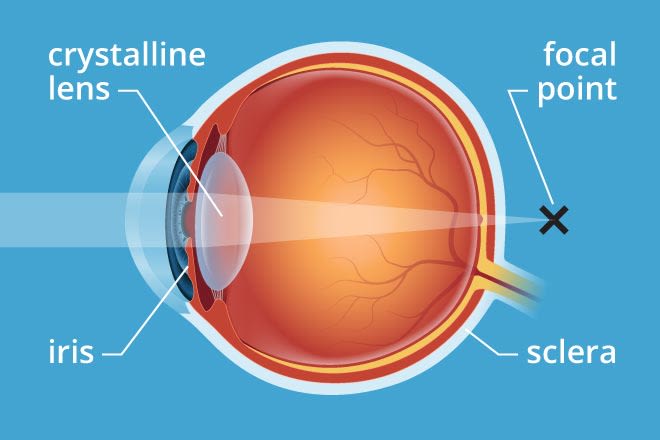
Hyperopia occurs when your eye is shorter than normal or your cornea is too flat. With these malformations, the light rays focus behind your retina, as in presbyopia. However, hyperopia is a refractive error that’s present at birth. It’s possible to have hyperopia and then develop presbyopia with age.

Causes of Presbyopia

When you’re young, the lens in your eye is flexible and relatively elastic. It can change its length or shape with the help of a ring of tiny muscles that surround it. The muscles that surround your eye can easily reshape and adjust your lens to accommodate both close and distant images.

With age, your lens and the muscle fibers surrounding your lens slowly lose flexibility and stiffen. As a result, your lens becomes unable to change shape and constricts to focus on close images. With this hardening of your lens, your eye gradually loses its ability to focus light directly onto your retina.

Presbyopia is a vision condition in which the shape of the crystalline lens of your eye changes. These changes make it difficult to focus on close objects.

Presbyopia may seem to occur suddenly, but sight reduction occurs over several years. Presbyopia usually becomes noticeable in the early to mid-40s, but the reduction of your focusing starts as early as childhood.

Presbyopia is a natural part of the aging process of the eye. It is not a disease, and it cannot be prevented.

Some signs of presbyopia include holding reading materials at arm's length, blurred vision at normal reading distance and eye fatigue along with headaches when doing close work. A comprehensive optometric examination will include testing for presbyopia.

To help you compensate for presbyopia, your doctor of optometry can prescribe reading glasses, multifocal glasses or contact lenses. Presbyopia can complicate other common vision conditions like nearsightedness, farsightedness and astigmatism. Your doctor will determine the specific lenses to allow you to see clearly and comfortably. You may only need to wear your glasses for close work like reading, but you may find that wearing them all the time is more convenient and helpful.

The effects of presbyopia will continue over your lifetime. Therefore, you may need to periodically change your eyewear to maintain clear and comfortable vision.

یرچشمی در افراد عینکی

فردی که مبتلا به دوربینی است، زودتر پیر چشم می‌گردد و هر چه مقدار دوربینی وی بیشتر باشد پیرچشمی زودتر اتفاق می‌افتد. و افراد نزدیک بین یا پیرچشم نمی‌شوند و یا خیلی دیرتر پیرچشم می‌شوند. این بیماری بگونه‌ای هست که در نتیجه آن افراد با دید طبیعی (بدون ضعف چشم) احتیاج به عینک مطالعه پیدا می‏کنند و افراد نزدیک بین یا دوربین احتیاج به دو عینک یکی برای دور و یکی برای نزدیک یا عینک دو دید (عینک بایفوکال) پیدا می‏کنند.

یک مزیت نزدیک بینی کمتر از 3 دیوپتر این است که این افراد بعد از شروع پیرچشمی می‏توانند عینک دور خود را بردارند و قادر به خواندن بدون عینک ‏باشند. بعد از انجام جراحی لیزری برای اصلاح نزدیک بینی ، این توانایی از دست خواهد رفت، چرا که این افراد همانند سایر افراد طبیعی نیاز به عینک مطالعه خواهند داشت. اما افراد با نزدیک بینی متوسط و شدید پس از شروع پیرچشمی علاوه بر عینک دور نیاز به عینک مطالعه هم خواهند داشت و در واقع مزیتی نسبت به افراد طبیعی ندارند.

Reference:

  • aoa.org/patients-and-public/eye-and-vision-problems/glossary-of-eye-and-vision-conditions/presbyopia
  • mayoclinic.org/diseases-conditions/presbyopia/symptoms-causes/syc-20363328
  • doctorawwad.com/en/patientDetailsInfo/presbyopia-treatments-0
  • bettervisionguide.com/7-presbyopia-treatments
  • healthline.com/health/presbyopia#causes
  • daneshnameh.roshd.ir

There's no proven technique for preventing presbyopia. The gradual decline of the ability to focus on near objects affects everyone. However, you can help protect your vision with these steps: Get regular eye examinations.[4]

There are five types of presbyopia: eResearch by Navid Ajamin -- spring 2011

  • Incipient presbyopia. This is the very earliest stage, when it may be a bit more difficult to read small print.
  • Functional presbyopia. This occurs when you begin to notice more problems with near sight.
  • Absolute presbyopia. If you have this type, your eyes cannot focus on near objects at all.
  • Premature presbyopia. This term is used when presbyobia occurs before the age of 40 years.
  • Nocturnal presbyopia. When this occurs, focusing on near objects is particularly difficult in low light conditions.[6]

Nothing can be done to prevent presbyopia. It is an inevitable part of aging. However, people who do a lot of close visual work, such as working with a computer or intensive reading, may develop presbyopia earlier than others. If you do close work, take a 10-minute break every one to two hours to relieve strain on the eyes. Allow your eyes to focus on objects at a middle or long distance away to give your eyes a rest from close focusing. Be sure to use bright lighting when reading to help your eyes focus.[1]

As we age, the lens of the eye becomes increasingly inflexible, making it harder to focus clearly on near objects. This is called presbyopia. ... Beginning early in life — perhaps as early as age 10 — our lenses gradually stiffen and begin to lose the ability to change shape.

Presbyopia is a condition in which the lens of the eye loses its ability to focus, making it difficult to see objects up close.
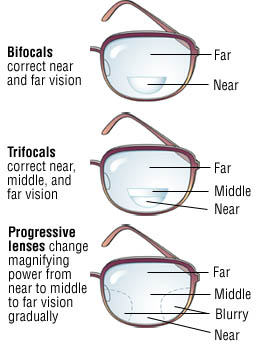
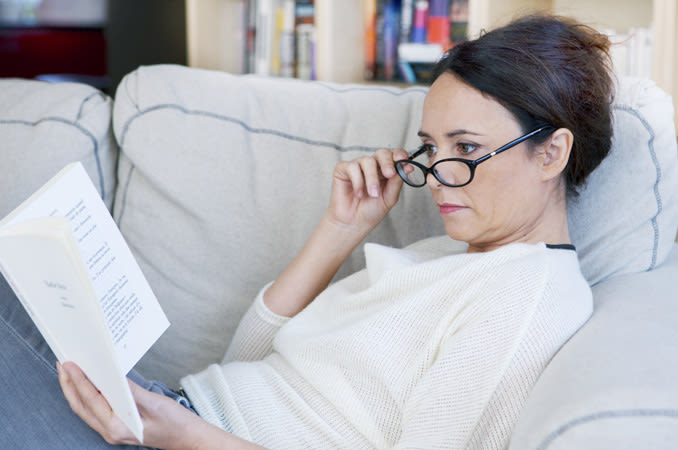
Presbyopia cannot be cured. Instead, prescription glasses, contact lens, reading glasses, progressive addition lenses, or bifocals can help correct the effects of presbyopia. Bifocals are often prescribed for presbyopia. Bifocals are eyeglasses that have two different prescriptions in one spectacle lens.[3]

The cause of presbyopia is lens hardening by decreasing levels of α-crystallin, a process which may be sped up by higher temperatures.

In optics, the closest point at which an object can be brought into focus by the eye is called the eye's near point. A standard near point distance of 25 cm is typically assumed in the design of optical instruments, and in characterizing optical devices such as magnifying glasses.

There is some confusion over how the focusing mechanism of the eye works. In the 1977 book, Eye and Brain, for example, the lens is said to be suspended by a membrane, the 'zonula', which holds it under tension. The tension is released, by contraction of the ciliary muscle, to allow the lens to become more round, for close vision. This implies the ciliary muscle, which is outside the zonula, must be circumferential, contracting like a sphincter, to slacken the tension of the zonula pulling outwards on the lens. This is consistent with the fact that our eyes seem to be in the 'relaxed' state when focusing at infinity, and also explains why no amount of effort seems to enable a myopic person to see farther away.

Presbyopia

Mobile Phones Causing Presbyopia At An Early Age pc-tablet.com

The ability to focus on near objects declines throughout life, from an accommodation of about 20 dioptres (ability to focus at 50 mm away) in a child, to 10 dioptres at age 25 (100 mm), and levels off at 0.5 to 1 dioptre at age 60 (ability to focus down to 1–2 meters only).

The expected, maximum, and minimum amplitudes of accommodation in diopters (D) for a corrected patient of a given age can be estimated using Hofstetter's formulas:

expected amplitude (D) = 18.5 - 0.3 × (age in years),

maximum amplitude (D) = 25 - 0.4 × (age in years),

minimum amplitude (D) = 15 - 0.25 × (age in years).

Causes, incidence, and risk factors

The lens of the eye needs to change its length or shape to focus on smaller objects, or objects that get closer or farther away. This is called the elasticity of the lens. This elasticity is slowly lost as people age. The result is a slow decrease in the ability of the eye to focus on nearby objects.

People usually notice the condition at around age 45, when they realize that they need to hold reading materials further away in order to focus on them. Presbyopia is a natural part of the aging process and it affects everyone.

Presbyopia: Symptoms, Treatment, Definition

Presbyopia causes the following symptoms:

  • Words appear blurred at a reading distance that used to be comfortable.
  • Reading material or other objects must be held farther away from your eyes to gain clarity or see details.
  • Brighter light is needed to see clearly (bright light constricts the pupils, which changes the focus of the light on the retina).
  • You have difficulty reading late at night, or when you are tired or stressed.
  • Your eyes become uncomfortable, or you become tired or drowsy when doing close work because of the strain of eye muscles working to change the lens shape.
  • You may have headaches as a result of muscle tension.

Presbyopia eventually affects everyone, even people who are already farsighted (hyperopic) or nearsighted (myopic). Because people who are farsighted already need to work when focusing on near objects, they may experience presbyopia a little earlier in life. People who are nearsighted will still experience presbyopia when wearing their corrective glasses or contact lenses for distance. However, for looking at objects or letters closer to them, they will likely be able to see quite clearly when they take off their glasses. This is where the term "nearsighted" comes from.[5]

You can’t prevent or reverse presbyopia with natural treatments. However, quitting smoking (if you smoke) and upping your intake of vitamins A, C, and E may improve your eye health.

Presbyopia is a progressive loss of your ability to see clearly at a close distance. It’s a natural result of the aging process.

Presbyopia progresses as the lenses inside your eyes lose elasticity. The speed of progression, the severity of visual symptoms, and the exact age of onset for presbyopia vary. However, the degeneration of the lens that leads to presbyopia is a natural part of the aging process.

When you’re young, the lens in your eye is flexible and relatively elastic. It can change its length or shape with the help of a ring of tiny muscles that surround it.The muscles that surround your eye can easily reshape and adjust your lens to accommodate both close and distant images.

With age, your lens loses flexibility and begins to stiffen. As a result, your lens becomes unable to change shape and constricts to focus on close images.With this hardening of your lens, your eye gradually loses its ability to focus light directly onto your retina.

You’re at a higher risk of premature presbyopia if you have: [7]

  • anemia, which is a lack of enough normal blood cells
  • cardiovascular disease
  • diabetes, or difficulty metabolizing blood sugar
  • hyperopia, or farsightedness, which means you have a greater difficulty seeing objects nearby than objects that are far away
  • multiple sclerosis, which is a chronic illness that affects your spine and brain
  • myasthenia gravis, which is a neuromuscular disorder that affects your nerves and muscles
  • eye trauma or disease
  • vascular insufficiency, or poor blood flow

Some prescription and over-the-counter drugs can reduce your eye’s ability to focus on close images. Taking the following drugs can put you at a higher risk of premature presbyopia:

  • alcohol
  • antianxiety drugs
  • antidepressants
  • antihistamines
  • antipsychotics
  • antispasmodics
  • diuretics

Other factors that may put you at a higher risk of premature presbyopia are:

  • being female
  • having intraocular surgery, or surgery done on the inside of the eye
  • eating an unhealthy diet
  • having decompression sickness, or “the bends,” which results from rapid decompression and typically occurs in scuba divers that surface too quickly

The American Academy of Ophthalmology recommends that adults have a complete eye exam every:

  • Five to 10 years under age 40
  • Two to four years between ages 40 and 54
  • One to three years between ages 55 and 64
  • One to two years beginning at age 65

Reference:

  1. sparkpeople.com
  2. wikipedia.org/wiki/Presbyopia
  3. my.clevelandclinic.org
  4. healthline.com
  5. health.harvard.edu
  6. patient.info/eye-care/long-sight-hypermetropia/age-related-long-sight-presbyopia
  7. healthline.com/health/presbyopia#risk-factors

Presbyopia

Presbyopia is a vision condition in which the lens loses its flexibility, making it difficult to focus on close objects. During the early and middle years of life, the crystalline lens of the eye has the ability to focus both near and distant images by getting thicker for near objects and thinner for distant objects. When this ability is lost, presbyopia results.

Presbyopia Symptoms

This eye condition undergoes gradual development and the initial signs and symptoms might begin to appear when you are in your 40s. Some of those include:

  • Inclination to place reading material farther and farther away to be able to see the letters clearly

  • Blurriness in vision at normal reading distance

  • Eyestrain, often leading to headaches, after getting engaged in reading or other close-up work

  • Tiredness or exposure to dim lighting further aggravates these symptoms

  • Blurry close vision that starts after age 40

  • Difficulty adjusting focus when switching from near to distance vision

  • Eye fatigue along with headaches when doing close work

Causes of presbyopia:

  • Age: As we mature, the lenses in the eyes lose some of their elasticity, and without elasticity they lose some of their ability to change focus for different distances. The lens is controlled by the ciliary muscle. As this muscle encounters increased resistance it works harder to control the lens. Eventually the ciliary cannot control the lens and reading becomes difficult. Presbyopia may seem to occur suddenly, but the actual loss of flexibility takes place over a number of years. Long before an individual is aware that seeing close up is becoming more difficult, the lenses in the eyes have begun losing their ability to flatten and thicken. Only when the loss of elasticity impairs vision to a noticeable degree is the change recognized. Presbyopia usually becomes noticeable in the early to mid-forties.

  • Genetics

  • Stress

  • Personality type

  • Diet

Treatment of presbyopia

Reading glasses, contact lenses and visual improvement therapies are used by many for the treatment of presbyopia.

Diet and supplementation can also be of help.

Can young children have presbyopia?

Young children naturally have soft lenses, but there are medical conditions that can make it difficult for them to pull those lenses into focus. Like presbyopia, this often shows up as trouble seeing up close. In children and young people, this is called accommodative insufficiency.

At what age does presbyopia start?

Overview. Presbyopia is the gradual loss of your eyes' ability to focus on nearby objects. It's a natural, often annoying part of aging. Presbyopia usually becomes noticeable in your early to mid-40s and continues to worsen until around age 65.

Can presbyopia be temporary?

There is no way to stop or reverse the normal aging process that causes presbyopia. However, presbyopia can be corrected with eyeglasses, contact lenses or surgery. People who have trouble seeing both near and far may benefit from progressive lenses. In the future, presbyopia may be treated with eye drops.

How can I prevent presbyopia?

Presbyopia cannot be prevented any more than aging can be prevented. However, general eye health practices may delay the progression of presbyopia and reduce your risk for developing more serious eye conditions.

Some things you can do to ensure overall eye health include:

  • Regular eye exams
  • Eating a healthy, balanced diet rich in leafy vegetables, fish, protein, and citrus fruits or juices
  • Taking eye vitamins
  • Exercising
  • Limiting alcohol
  • Not smoking
  • Controlling chronic health conditions that could negatively impact your vision such as diabetes or high blood pressure
  • Wearing sunglasses
  • Wearing safety glasses when participating in activities that pose the risk of eye injury
  • Wearing the right strength of prescription eyewear

Reference:

  • advancedfamilyeyecare.com/presbyopia
  • irisvision.com/presbyopia-common-eye-condition-related-to-aging
  • aao.org › eye-health › diseases American Academy of Ophthalmology
  • goodrx.com › ... › Presbyopia
  • mayoclinic.org › presbyopia
  • agape1.com
nicetoview.blogfa.com
عینک eyewear وبلاگ تخصصی عینک شامل مجموعه مطالب پزشکی است که اطلاعات مفیدی در رابطه با عینک , چشم، لنز، سلامتی چشم و راه های پیشگیری از بیماریهای چشمی، کنترل و درمان آن را در اختیار شما کاربر محترم می گزارد.

Always Be Healthy
همیشه سلامت باشید

Navid Ajamin نوید عجمین
eMail: navid.aj@outlook.com
موضوعات وب
پیوندها

unicef for every child

شمارنده