گاهی وقت ها سفیدی چشم به رنگ زرد درمی آید. این تغییر رنگ می تواند علل مختلفی داشته باشد، از جمله افزایش ماده ای به نام بیلی روبین در خون. بیلیروبین یکی از رنگدانه های صفراوی است که از تجزیه هموگلوبین حاصل می شود.زردي چشم ممكنست علل مختلفي داشته باشد. غير از علل عمومي آن در چشم ممكن است به دليل بيماري هاي پلك و يا ملتحمه ايجاد شده باشد كه با معاينه مشخص مي گردد. در غير اين موارد، تابش طولاني مدت آفتاب باعث ايجاد لكه هاي زرد رنگي در اطراف سياهي چشمي مي گردد و در بعضي از موارد بصورت ساختماني و بدون علت بيماري اين حالت ديده مي شود كه درمان خاصي براي آن وجود ندارد.

اگرچه زردی چشم زردی چشم همیشه نشانه ابتلا به هپاتیت نیست بلكه ممكن است فرد به سندرم «ژیلبرت» مبتلا شده باشد.
چند عامل شناخته شده که باعث ایجاد زردی چشم میشوند:
- التهاب حاد کبد Acute inflammation of the liver
- التهاب مجاری صفراوی Inflammation of the bile ducts
- گرفتگی مجرای صفرا Bile duct obstruction
- آنمی / کم خونی Anemia - وقتی تعداد زیادی از گلبولهای خونی از بین بروند، میزان بیلی روبین تولیدی نیز افزایش مییابد) و یا کم خونی همولیتیک (افزایش سریع در سطح بیلیروبین به تغییر رنگ چشم منجر میشود. گاهی کل بدن بیمار تحت تاثیر کم خونی همولیتیک قرار میگیرد که این به ظاهر شدن لکههای زرد در تمام قسمتهای بدن میانجامد.
- سندروم ژیلبرت- یک بیماری ارثی کبدی که در آن توانایی آنزیمها برای انجام پروسههای آنزیمی کاهش مییابد
- بیماری کلستازیس - در این بیماری گردش صفرا در کبد منقطع میشود و به جای دفع در کبد باقی میماند.
- تب هموراژیک - ملتحمه لایهی پوستی بسیار ظریفی است و ممکن است بدون هیچ دلیل خاصی بترکد. این ترکیدن میتواند به تغییر رنگ چشم از سفید به قرمز روشن یا زرد منجر شود.بیماران مبتلا به هموراژیک ممکن است در خلال ترکیدن بافت هیچ درد یا اشکالی در بینایی احساس نکنند، اما، خارش و ورم چشم دو مورد از علائم رایج آن هستند.
- میخوارگی (اعتیاد به مصرف الکل) - همواره باید از نوشیدن الکل پرهیز کرد چون برای سلامتی بسیار خطرناک است و احتمال هپاتیت، مشکلات قلبی، سیروز، بی اشتهایی، عادات نادرست خواب، و سایر مشکلات و بیماریها را افزایش میدهد.
- سیگار کشیدن
- تابش زیاد نور آفتاب - در واقع سفیدی چشم ها حالت مات و کدر پیدا می کند که این مسئله ارتباطی با بالا رفتن بیلی روبین خون ندارد.
- مصرف برخی داروها - مثل شیمی درمانی، هورمونی و یا مربوط به بدن سازی
هپاتیت - بیماری های گوارشی - این بیماری ها صرفا یک علامت ندارند و علامت های زیاد دیگری هم مشاهده می شود
- زردی ژنتیکی و نژادی - در این افراد پوست بدن و ملتحمه چشم و حتی زیر زبان به زردی می زند.این افراد هنگام گرسنگی و تشنگی دچار زردی پوست هم می شوند که معمولا گذراست.
غلظت بیلی روبین (زردی خون) برخی از افراد به طور ژنتیكی بیش از دیگران است. این سندرم بیشتر در مردان به علت مسائل هورمونی پس از دوران بلوغ بروز می كند. در دوران بلوغ علایم این سندرم ظاهر می شوند البته آنان از بدو تولد به ژیلبرت مبتلا بوده اند.ممکن است زنان هم به ژیلبرت مبتلا باشند ولی چندان دچار زردی نمی شوند.این سندرم، بسیار شایع است به گونه ای كه ۱۰ درصد مردم جهان به آن مبتلا هستند. - گرسنگی های طولانی مدت چند روزه، مصرف برخی از داروهای هورمونی و مربوط به بدنسازی باعث بروز بیشتر زردی چشم می شود. البته سایر آزمایش های افراد مبتلا به ژیلبرت، طبیعی است. مبتلایان به ژیلبرت در مصرف مواد غذایی، فعالیت بدنی و مصرف دارو محدودیتی ندارند و لازم نیست از داروی خاصی به علت ابتلا به این سندرم استفاده كنند.
- تب شالیزار (لپتوسپیروز) - رایج در افرادی است که در مناطق گرمتر زندگی میکنند. این عفونت معمولا به خاطر مصرف آب آشامیدنی ناسالم (آلوده به ادرار حیوانات) به وجود میآید. کسانی که به نوشیدن آب از حوضچههای راکد عادت دارند احتمال دارد به تب شالیزار مبتلا بشوند.
لکه زرد اطراف چشم ها
بیماری های قلبی می توانند یکی از دلایل به وجود آمدن این لکه ها باشند. این لکه های زردرنگ که اغلب در نزدیکی گوشه داخلی پلک به وجود می آیند، نرم، کوچک و بدون درد هستند و مشکلی در بینایی ایجاد نمی کنند. این مشکل اغلب با تصلب شرایین، دیس لیپیدمی و بیماری عروق کرونر در ارتباط است.
افرادی که دارای چشم حساس اند، بر اثر التهاب مزمن و جذب خون دچار زردی چشم می شوند که با گذشت زمان با استفاده از اشک مصنوعی رفع می شود. eResearch by Navid Ajamin -- spring 2013
افرادی که مبتلا به بیماری هپاتیت هستند نیز به عارضه زردی چشم دچار می شوند.بیماری هپاتیت، بیماری خطرناکی است که بلافاصله بعد از دیدن زردی چشم و رنگ زرد ادرار باید درمان شود.
افرادی که دارای چشم حساس اند به مرور زمان بر اثر التهاب مزمن با جذب خون و رفع قرمزی چشم به زردی چشم مبتلا می شوند این عارضه با گذشت زمان و تجویز اشک مصنوعی و ضدعفونی کننده ها توسط پزشک متخصص چشم رفع می شود.
زردی چشم در بعضی از افراد به صورت خال بروز می کند که از طریق عمل جراحی برطرف می شود.
زردی نوزادی
از مواردی كه در روزهای اول پس از تولد باید به دقت مورد توجه والدین قرار گیرد، تغییر رنگ پوست یا ملتحمه چشم نوزاد به زردی است.
بیش از 60 درصد نوزادان در روزهای اول پس از تولد دچار زردی میشوند. بروز این زردی در نوزادانی كه زودتر از موعد به دنیا آمدهاند، بیشتر است.
علت بروز این زردی تجزیه بیشتر گلبولهای قرمز و تولید مادهای به نام بیلی روبین است.
نكته حائز اهمیت آن است كه در نوزادان این ماده به آسانی از سد مغزی - خونی عبور می کند و موجب آسیب سلولهای مغزی میگردد كه در آینده خود را به صورت عقبماندگی ذهنی و معلولیتهای حركتی و ناشنوایی نشان میدهد. بنابراین زردی نوزاد از مواردی است كه باید آن را جدی تلقی کرد و حتما درمان نمود.

10 Home Remedies for Jaundice in Newborns -- parenting.firstcry.com
چنانچه میزان این زردی بالا نباشد، درمان با نور انجام میشود، اما در صورت زردی بالا، جهت جلوگیری از آسیب مغزی، تعویض خون باید صورت گیرد.
One type of discoloration of the front of the eye is conjunctival icterus,
which is the medical term for yellow eyes.(Sometimes, the term scleral icterus also is used to describe yellow eyes.)
The eyes usually start to turn yellow when a compound called bilirubin accumulates in the blood.
This type of yellowing is often referred to as jaundice.
Yellowing of the eyes and skin are almost always symptoms of a condition that requires medical treatment. This can prevent serious complications, including organ damage.
Home remedies for yellow eyes include eating a healthful diet high in fiber and lean protein.
The best way to get rid of the yellowing is to treat the underlying cause and any other conditions present.
When jaundice is caused by an infection, such as hepatitis C or malaria, a person may need to take antibiotics, antifungals, or antivirals.
When jaundice is the result of alcohol or drug use, a person may need medical assistance to help with quitting or reducing consumption.
If dietary habits are behind jaundice, a person should eat more fruits, vegetables, whole grains, beans, legumes, and lean meats.
Jaundice can also result from organ damage, sometimes caused by:anemia, an injury , cirrhosis ,a blockage, cancer
Depending on the extent of damage and the organs affected, treatments may include surgery, radiation, chemotherapy, or blood transfusions.
Aside from a yellowing of the skin, one of the clearest signs of jaundice in an infant is the yellowing of the eyes.
Jaundice is very common in newborns, and only around 1 in 20 infants affected will require medical treatment.
Neonatal jaundice can usually be resolved by increasing breast-feeding sessions to 8–12 times daily.
The aim is to speed up digestion and bilirubin removal.
When treatment is necessary, a doctor may recommend phototherapy with fiber optic blankets.
Yellow eyes are only one symptom of newborn jaundice.
Jaundice is very common in newborn infants because the liver is still maturing.
New parents should also watch for the following symptoms:
yellow skin, lack of energy, irritability, fever, trouble with eating
Bilirubin often builds up faster than the immature liver of an infant can break it down, causing jaundice to occur frequently.
Some causes of newborn jaundice require further treatment. These include:
- Blood incompatibility jaundice: When a mother and a fetus do not have compatible blood types, the mother's body may attack the red blood cells of the fetus while it is in the womb. As the mother's antibodies are already breaking down the infant's red blood cells before birth, this type of jaundice may occur as early as 1 day old.
- Jaundice of prematurity: Premature babies are at the greatest risk of jaundice because their livers are highly underdeveloped. Premature babies may have more severe jaundice or jaundice alongside a number of other conditions.
- Infections: Some bacterial infections, such as sepsis, can cause newborn jaundice.
- Hemorrhage: Internal bleeding can cause jaundice. Premature infants face a particularly high risk of hemorrhages.
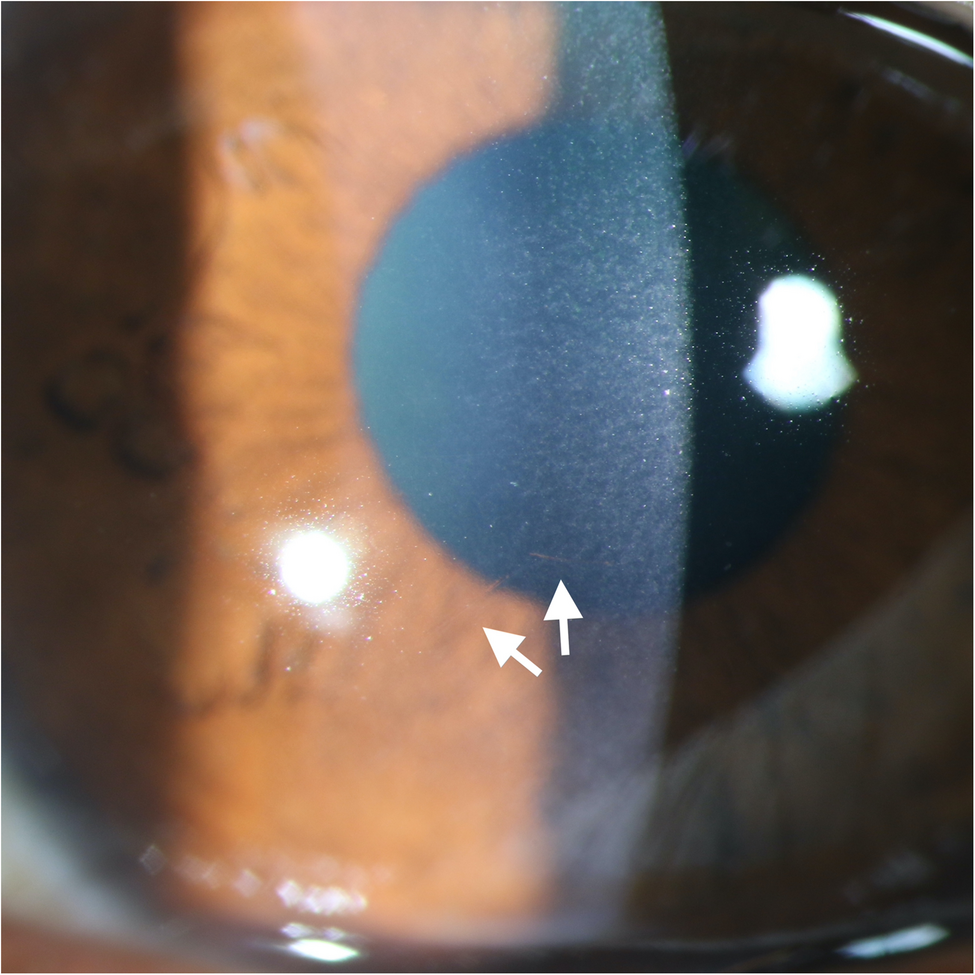
Yellow Central heterochromia
What we do know about eye color determination is that it involves two pigments: melanin (brown pigment), and lipochrome (yellow pigment). It also depends on how the iris scatters light. When you see someone with light-blue eyes, it means there is an absence of melanin or brown pigmentation. Conversely, when you see someone with dark-brown eyes, they have an abundance of melanin. زردی چشم ناشی از پینگوکولا (Pinguecula) A pinguecula is a yellowish, slightly raised thickening of the conjunctiva on thewhite part of the eye (sclera), close to the edge of the cornea. Pinguecula treatment depends on how severe the symptoms are. It's especially important for anyone with pingueculae to protect their eyes from the sun, since it's the sun's harmful UV rays that causes pingueculae to develop in the first place and encourages them to keep growing. To help protect your eyes from pingueculae, shield your eyes from the sun whenever you are outdoors in daylight (even on overcast days because the sun's UV rays penetrate clouds). Consider purchasing photochromic lenses, which darken automatically in sunlight and provide 100 percent UV protection. Photochromic lenses also shield your eyes from harmful high-energy blue light. Ask your eye care professional for details. If a pinguecula is mild but accompanied by dry eye irritation or foreign body sensation, lubricating eye drops may be prescribed to relieve symptoms. Scleral contact lenses sometimes are prescribed to cover the growth, protecting it from some of the effects of dryness or potentially from further UV exposure. Pingueculae also can lead to localized inflammation and swelling that is sometimes treated with steroid eye drops or non-steroidal anti-inflammatory drugs (NSAIDs). If dry eye is the cause of the pinguecula, eye drops formulated to treat dry eyes also may be prescribed. Surgical removal of a pinguecula may be considered if it becomes especially uncomfortable, if it interferes with contact lens wear or blinking or if it is cosmetically bothersome. 26 possible conditions:- healthline.com/symptom/yellow-eyes
|
 This right lateral sclera image shows melanin pigment, the brownish coloured 'splotch' you can see in the sclera. This sign is common as a pigmentation spot in a person with darker skin and brown/hazel eyes, representing a genetic predisposition to liver dysfunction. However it does not present the same pathological circumstance as when the melanin sign appears in a blue eyed, fairer skinned person, which is more important/consequential.When the melanin is located close to the iris, it shows mild to moderate liver hardening with associated bacterial infection. When located in an area/s away from the iris, it represents more severe hardening of liver tissue, with sugar system involvement. A substantial diet and lifestyle change, with ongoing liver cleansing and support, is necessary in this circumstance to avoid the condition and sign worsening over time.


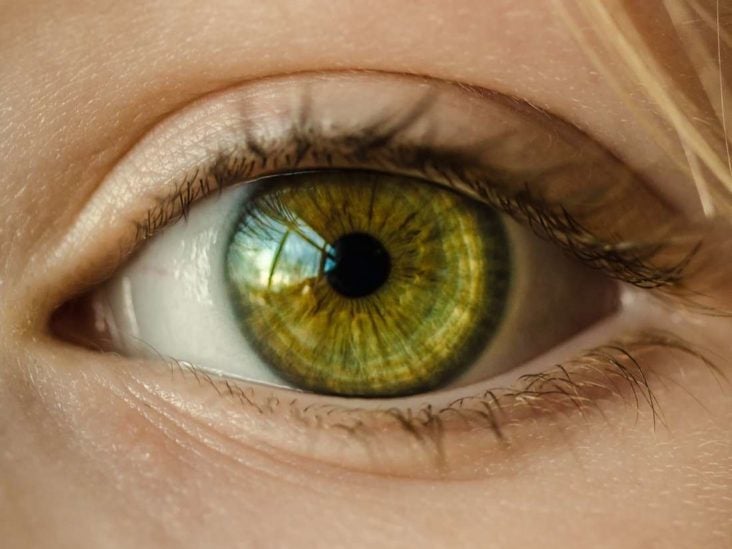
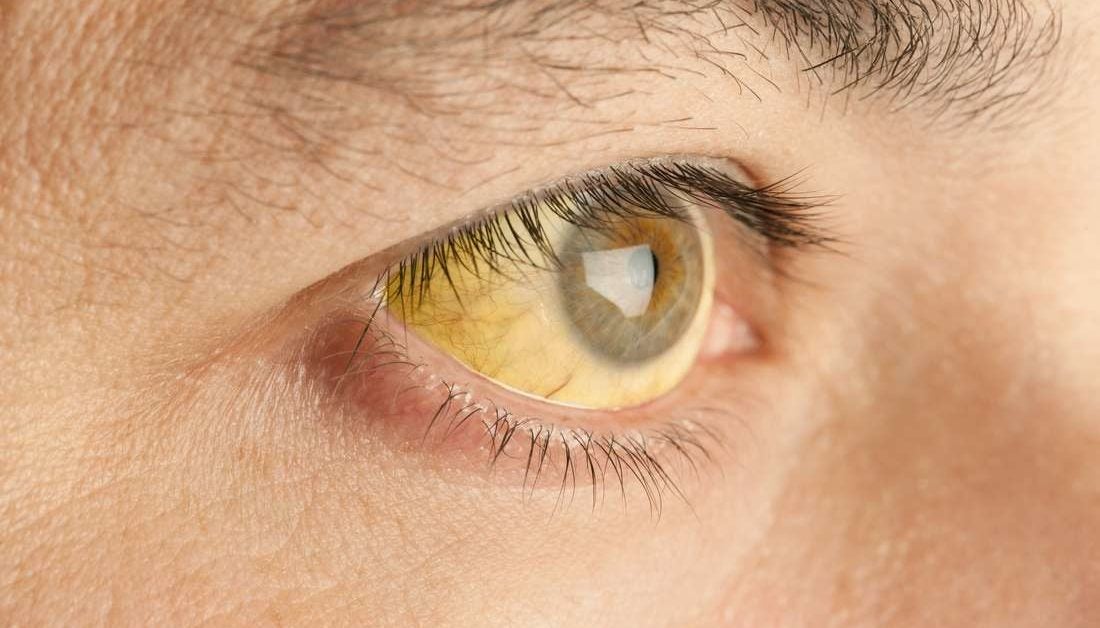
- Jaundice occurs when there is excessive bilirubin in your system.
- Hepatitis refers to an inflammatory condition of the liver. It's commonly caused by a viral infection.
- A biliary obstruction blocks the bile ducts, which carry bile to the small intestine for digestion and waste removal.
- Damage to the liver from excessive drinking can lead to ARLD(Alcohol-Related Liver Disease).
- Cirrhosis is the severe scarring and poor function of the liver caused by long-term exposure to toxins such as alcohol or viral infections.
- Gallstones can block your bile duct and cause abdominal pain.
- Thalassemia is a blood disorder in which the body makes an abnormal form of hemoglobin.
- G6PD deficiency is a genetic condition caused by a lack of the G6PD enzyme in the blood.
- Acute pancreatitis is an inflammation in the pancreas, which causes pain and swelling in the upper left side of the abdomen, nausea, and burping.
- An ABO incompatibility reaction can occur if you receive the wrong type of blood during a blood transfusion.
- Newborn jaundice is a yellowing of a baby's skin and eyes.
- Red blood cells are normally shaped like discs, which allows them to travel through blood vessels. Sickle cell disease causes red blood cells to be sickle-shaped. (Sickle Cell Anemia)
- Drug-induced immune hemolytic anemia is a rare blood disorder.
- Liver Cancer
- Pancreatic cancer is one of the deadliest forms of cancer and is often difficult to detect.
- Breast milk jaundice is associated with breast-feeding.
- Yellow fever is a serious, potentially deadly flu-like disease spread by mosquitoes. It's characterized by a high fever and jaundice.
- Infectious mononucleosis, or mono, refers to a group of symptoms usually caused by the Epstein-Barr virus (EBV).
- Chlamydia is a sexually transmitted infection that may not present any noticeable symptoms. Although sometimes without symptoms.
- Calculus of gallbladder with acute cholecystitis occurs when a person has both gallstones and gallbladder inflammation.
- Hepatitis B is liver inflammation caused by the hepatitis B virus (HBV).
- The hepatitis E virus is transmitted via the intestinal tract and isn't caused by the hepatitis A virus.
- Hepatitis D, also known as the hepatitis delta virus, is an infection that causes the liver to become inflamed.
- the different types of hepatitis C.
- Hepatitis A is inflammation of the liver caused by the hepatitis A virus. This highly contagious form of hepatitis can be spread through contaminated food or water.
- Weil's disease is a severe form of the bacterial infection leptospirosis.
Treatment of yellow eyes focuses on the underlying medical condition.
Accompanying symptoms might include itchy skin, fullness in the stomach, fatigue, fever, pale stools, dark urine, loss of appetite, nausea and sudden weight loss.The best treatment of yellow eyes is determined by a number of tests, including one that measures the amount of bilirubin in the blood, a complete blood count and other liver tests.
The test results, along with a review of symptoms, medical history, a physical exam and possibly imaging tests, will help determine the proper diagnosis.If the underlying cause of yellow eyes is found to be an infection like hepatitis C or malaria, antibiotics, anti-fungal or anti-viral medications may be prescribed.
If alcohol or drug use are part of the diagnosis, giving up those substances will start the healing process.Diet also can play an important role. The liver processes and metabolizes most digested nutrients, and it works harder when foods are difficult to digest. This includes large amounts of refined sugars, salt and saturated fats.People with jaundice are advised to stay well-hydrated and to eat more liver-friendly foods — fruits and vegetables, whole grains, lean proteins, nuts and legumes.
As the liver begins to heal with treatment, the jaundice and yellow eyes will subside.In some cases, surgery may be necessary to correct a contributing factor like a blocked bile duct.
The following tips may help to reduce the yellowing of eyes:
- Stay hydrated.
- Consume enough dietary fiber, which can be found in whole fruits, vegetables, beans, legumes, and whole grains.
- Eat lean protein, such as that from fish, nuts, and legumes
- Avoid processed or packaged foods.
- Avoid foods rich in saturated and trans fats.
- Avoid refined carbohydrates, which can be found in sugary baked goods and candies.
- Do not consume alcohol excessively.
- Stop smoking or using tobacco products.
- Refrain from using illegal drugs or abusing prescription medications.
- Exercise regularly.
Reference:
- prasadnetralaya.com/are-yellow-eyes-normal
- owlcation.com/stem/rare-eye-colors
- wikipedia.org/wiki/Gilbert's_syndrome
- healthline.com/symptom/yellow-eyes
- improveeyesightHQ.com/alcohol-and-eye.html
- allaboutvision.com/conditions/yellow-eyes
- allaboutvision.com/conditions/pinguecula.htm
- medicalnewstoday.com/articles/321746.php
- medicalnewstoday.com/articles/312403.php
- medicalnewstoday.com/articles/312403.php#causes-in-children-and-adults
- holisticeye.com.au/sclera-markings/?offset=1437965471821
See also:
- How to whiten your eyes allaboutvision.com
- What are Jaundice and Kernicterus? cdc.gov
- Best Home Remedies For Yellow Eyes pickaremedy.com

)








 وبلاگ تخصصی عینک شامل مجموعه مطالب پزشکی است که اطلاعات مفیدی در رابطه با عینک , چشم، لنز، سلامتی چشم و راه های پیشگیری از بیماریهای چشمی، کنترل و درمان آن را در اختیار شما کاربر محترم می گزارد.
