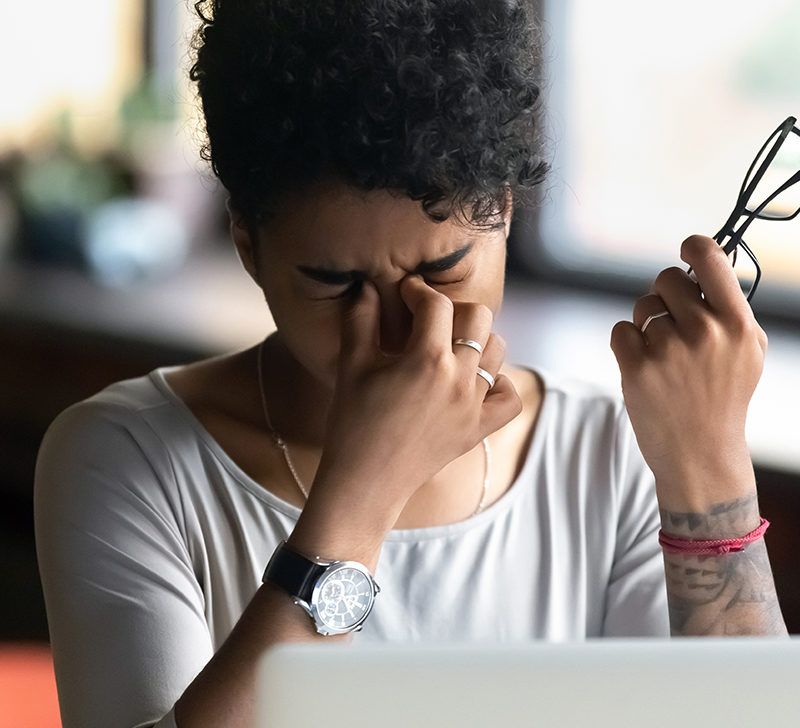
Pain behind the eye can stem from common issues like migraines, eye strain, or sinus infections. However, it can also signal more serious conditions such as optic neuritis, which is an inflamed optic nerve, or glaucoma, an eye condition related to increased internal eye pressure. If you experience consistent or severe pain, it's crucial to see a healthcare professional to get a proper diagnosis and appropriate treatment.
درد پشت چشم میتواند علل گوناگونی داشته باشد، از جمله میگرن، سردرد تنشی، سینوزیت، خشکی چشم، و مشکلات بینایی مانند نزدیکبینی یا آستیگماتیسم. اگر درد شدید، همراه با علائم دیگری مانند تب، تاری دید، یا مشکلات تنفسی باشد، یا اگر به طور ناگهانی رخ دهد، لازم است به پزشک مراجعه کنید.
Common Causes
Headaches:
Migraines (a type of severe headache), cluster headaches (excruciating pain, usually on one side), and tension headaches (a feeling of pressure) can all cause pain behind the eyes.
Eye Strain:
Spending long hours looking at screens, reading, or driving can tire your eye muscles, leading to pain behind the eyes.
Sinusitis:
Infections or inflammation in the sinus cavities, located behind the nose and eyes, can increase pressure and cause pain.
Dry Eye Syndrome:
Insufficient tear production can make the cornea dry and irritated, leading to a gritty or painful sensation.
More Serious Conditions
Optic Neuritis:
Inflammation of the optic nerve can cause pain behind the eye and is a significant reason to see an eye doctor.
Glaucoma: This condition involves increased pressure inside the eye (intraocular pressure), which can cause discomfort and pain.
Graves' Disease:
Also known as thyroid eye disease, this condition can cause pressure and pain behind the eyes.
When to Seek Medical Help
Persistent or severe pain:
If the pain is regular, intense, or doesn't improve, you should have it evaluated.
Accompanying symptoms:
Look out for other signs like changes in vision, redness, sensitivity to light, or a stiff neck, which may point to a more serious problem.
Early diagnosis: Getting your eyes checked by an optometrist or other healthcare provider is essential for peace of mind and to ensure proper treatment for any underlying condition.
Conjunctivitis: Also called pink eye, conjunctivitis
is inflammation of the thin membrane lining the eye and eyelid (conjunctiva). This condition is caused by an infection (viral or bacterial) or allergies. Pink eye symptoms include burning or soreness with discharge. Bacterial conjunctivitis leads to eye pain, while allergic conjunctivitis also causes itchy eyes and puffy eyelids.
Blepharitis
Blepharitis is inflammation of the eyelash follicles, typically arising from excess bacteria at the base of the lashes. Symptoms include swollen, itchy eyelids, eyelash problems, light sensitivity, dandruff-like flakes, and a sensation of something in the eye. Symptoms are often worse in the morning.
Tear duct infection: Also called dacryocystitis
this is an infection in the tear drainage system, usually caused by bacteria. Symptoms include pain, redness, and swelling near the inner corner of the eye, along with excess tears or pus draining from the eye. In severe cases, a fever may also occur.
Blurry vision and headaches can occur together with migraine headaches or may be a sign that your eyes are overtaxed or that they are changing. It could also indicate a health issue or emergency condition that isn't specific to your eyes at all.
Why is my headache affecting my eyes?
Types of headaches that can cause pain behind your eyes include migraines, cluster headaches, sinus headaches, and tension headaches. Eyestrain can also cause this kind of pain. You can get a headache behind your eyes for a range of reasons, including migraine and eyestrain.
Common causes of blurry vision and headache include:
Eye paincan be a very uncomfortable feeling and sometimes is referred to as a stabbing, throbbing, burning, gritty, sharp, aching or “something in my eye” feeling. Many people seek medical care when eye pain is present and for very good reasons. The causes of eye pain can be one of two forms; ocular pain or orbital pain. The word pain is generally open for interpretation. Some people describe it as in their eyes, around their eyes, behind their eyes, etc.
Common causes of eye pain
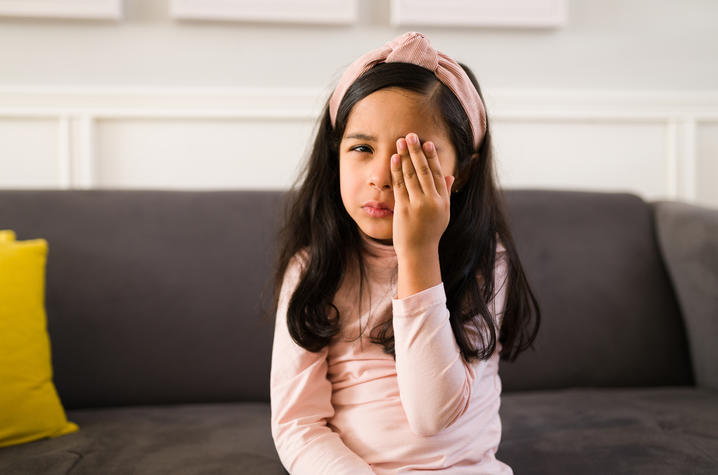
Eye pain can be a very irritating condition to have, as it can greatly affect an individual's day-to-day normal activities. Eye pain or irritation can be of various types. It can be felt as a sharp, shooting, burning, dull, gritty, stabbing sensation or a feeling of a foreign body in the eye, aching, pressure like sensation, throbbing type of pain etc. Whatever the nature of eye pain or irritation, it makes the patients feel very uncomfortable and it needs to be looked into immediately. In some cases, eye pain can be confused with other symptoms like headache, sinus pain, toothache or a migraine.
Eye pain can occur in any part of the eye, such as it can occur on the surface of the eye or deep, inside the eye from its inner structures. Eye pain occurring on the surface of the eye is usually felt as itching, burning or shooting pain. It is mostly due to presence of a foreign object in the eye or an eye infection or basically anything which can cause irritation or inflammation of the eye membrane. On the other hand, eye pain originating from deep within the eye is usually felt as throbbing or aching type of pain. This may be due to a serious medical condition. If the eye pain is very acute or intense and is accompanied by any amount of vision loss, it is an indication of a serious medical condition and requires attention urgently.
Causes of Eye Pain
As mentioned before, eye pain can be placed into two categories, ocular or orbital. There could be many reasons why someone is experiencing eye pain, most causes should be treated with the help of a primary care doctor or eye care specialist.
Ocular pain comes from the outer structure of the eye and can be caused by one of the following conditions:
Conjunctivitis – this is the most common eye problem and can be allergic, bacterial, viral, or chemical. Pain is usually mild. Stye – also called chalazion, causes eye pain due to the irritation it involves. A lump forms within the eyelid and becomes very painful to the touch.
Digital Eye Strain Affects Children Now More than Ever
Blepharitis – plugged oil glands at the edges of the eyelid become inflamed and cause pain around the eyelids. Corneal Abrasions/Ulcers – these two conditions are very common causes of eye pain. Abrasions occur when the cornea of the eye is scratched, and ulcers occur from infections of those abrasions. Many times this will leave a person with the constant feeling that something is in the eye, which can be as annoying as it is painful. Chemical Burns – this can be extremely painful and is caused by flash burns or exposure to chemicals such as acid.
Orbital pain is usually caused by a disease of the eye and can be described as a deep, dull ache behind or within the eye itself. Some of the diseases that can cause orbital pain are:
Glaucoma – glaucoma in general in mostly painless, but as the pressure builds up, orbital pain occurs and the condition can become serious. Migraines – very common form of eye pain that is associated with headaches. Optic Neuritis – this condition is the inflammation of the optic nerve, which connects to the back of the eye. Viral or bacterial infections can be the cause of this painful condition. Iritis – the iris is the colored part of the eye, and when this becomes inflamed it can cause a deep pain. Trauma – this could be a variety of things ranging from a blow to the eye with an object to scratches to car crashes. These events can cause a large amount of eye pain.
Redness, pain in eyes can be infection
دلایل چشم درد ؛ علل انواع دردها در این عضو حساس چه هستند؟ تقریبا همه در برخی مواقع دچار سوزش چشم شده اند ؛ گاهی اوقات آنها خود به خود بهتر می شوند، اما گاهی می توانند نشانه ای از چیزی جدی تر باشند. چشم پزشک شما می تواند متوجه شود چه اتفاقی می افتد و درمان مناسب شما را پیدا می کند. کجای چشمتان درد میگیرد؟ بعضی اوقات ناراحتی یا درد ناشی از مشکلی است در چشم یا قسمت های اطراف آن، از جمله: چشم درد
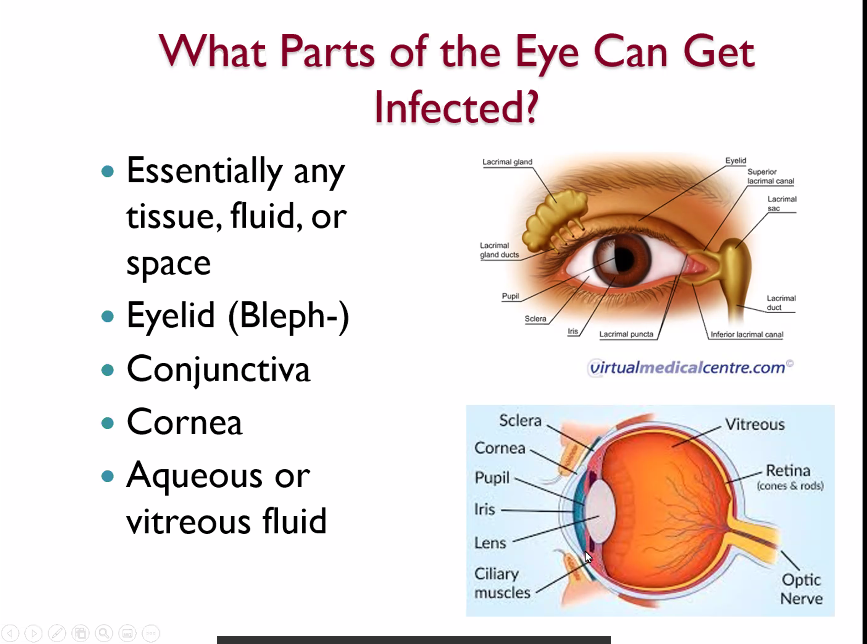
قرنیه: پنجره روشن در مقابل چشم شما که نور را متمرکز می کند. صلبیه: سفیدی چشم شما. ملتحمه: پوشش نازک صلبیه و داخل پلک شما. عنبیه: بخش رنگی چشم شما، با مرکزیت مردمک. مدار: غار استخوانی (جک چشم) که در جمجمه شما قرار گرفته و عضلات آن را در بر میگیرند. عضلات اضافی: آنها چشم شما را می چرخانند. عصب: آنها اطلاعات بصری را از چشم به مغز منتقل می کنند. پلک ها: پوشش های بیرونی که رطوبت را از روی چشمان شما محافظت می کنند.
بررسی علل چشم درد و راه های درمان آن
مشکلات مشترک چشم : بلافریت:
التهاب یا عفونت پلک که معمولا دردناک نیست.
ملتحمه(قرمزی چشم ) :
این التهاب ملتحمه است و این می تواند از آلرژی یا عفونت (ویروسی یا باکتری) باشد. عروق خونی در ملتحمه متورم شده است که این باعث می شود بخشی از چشم شما که معمولا سفید رنگ است، قرمز شود ، چشم شما نیز می تواند خارش داشته باشد این حالت معمولا دردناک نیست.
چشم درد از کجا نشات می گیرد؟
ساییدگی قرنیه: این نام رسمی برای خارش در این قسمت از چشم شما است و به نظر جزئی است، اما می تواند صدمه ببیند. شما می توانید چشم خود را بمالید ، پزشک قطره های آنتی بیوتیکی را به شما ارائه می دهد ؛ این باید در عرض چند روز بدون مشکل بیشتر برطرف شود.
عفونت قرنیه (کراتیت): قرنیه التهابی یا آلوده گاهی اوقات توسط یک عفونت باکتری یا ویروسی ایجاد می شود. اگر لنزهای چشمی خود را در هنگام شب خارج نکنید، ممکن است آن را دریافت کنید.
بدنه خارجی: چیزی در چشم شما، مانند کمی خاک، می تواند آن را تحریک کند ، سعی کنید آن را با اشک مصنوعی یا آب شستشو دهید. eResearch by Navid Ajamin -- spring 2012
چرا دچار چشم درد می شویم؟
Common eye health issues found in teens
گلوکوما: این مشکل باعث ایجاد مایع در چشم شما می شود،که موجب فشار بر عصب بینایی می شود اگر آن را درمان نکنید، چشم خود را از دست می دهید. اغلب اوقات علائم اولیه وجود ندارد اما نوعی به نام گلوکوم بسته شدن زاویه ای حاد باعث ایجاد فشار داخل چشم شما می شود و ناگهان افزایش می یابد.علائم شامل :درد شدید چشم، حالت تهوع و استفراغ، سردرد و بدتر شدن بینایی است.این شرایط اضطراری است برای پیشگیری از نابینایی نیاز به درمان ASAP دارید.
یووییت: التهاب درون چشم از تروما، عفونت ها و یا مشکلات سیستم ایمنی بدن. علائم شامل درد، قرمزی چشم ، و اغلب دید بد است.
نوریت اپتیک: التهاب عصبی که از پشت چشم به مغز شما منتقل می شود،معمولا به دلیل عفونت رخ میدهند.علائم شامل، از دست دادن بینایی و گاهی اوقات ناراحتی عمیق در هنگام نگاه کردن به اطراف است.
سینوزیت: عفونت در یکی از سینوس ها. هنگامی که فشار در پشت چشم شما ایجاد می شود، می تواند باعث درد در یک یا هر دو طرف شود.
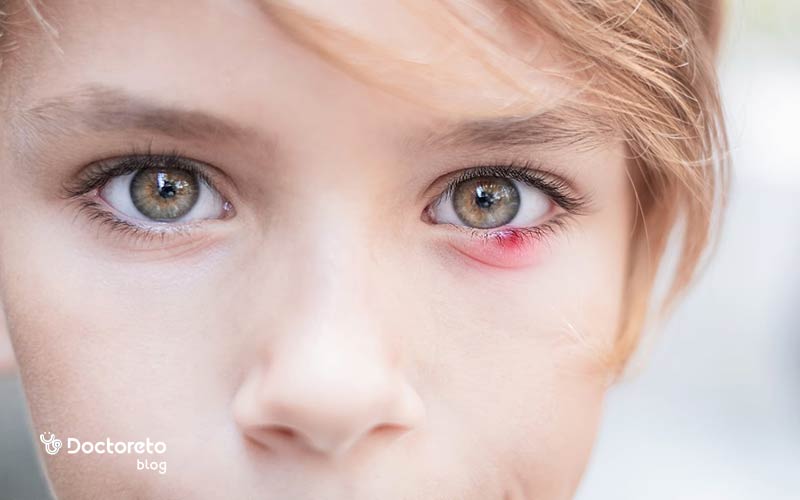
استای: این یک ضربه تند و زننده در لبه پلک شما است ؛ این اتفاق زمانی که یک غده چرکی، مژه یا فولیکول مو آلوده یا ملتهب شوند رخ میدهد. ممکن است پزشک شما آن را هالیزین یا هوردلول نامد.
علل چشم درد
نشانه های دیگر همراه با درد چشم : درد چشم می تواند خود به خود ایجاد شود و یا با علائم دیگر اتفاق افتد، مانند:
دید کمتر، احساس جسم خارجی ، احساس اینکه چیزی در چشم است، چه واقعی و چه تصور سردرد ،حساسیت به نور ،تهوع یا استفراغ ،قرمزی چشم ،اشک چشمهنگامی که از خواب بیدار می شوید، چشم شما بسته است
چشم درد با چه علائمی ظاهر می شود؟ تست های تشخیص درد چشم: اگر دچار درد چشم هستید، به خصوص اگر مشکلات بینایی، سردرد یا تهوع و استفراغ دارید، به چشم پزشک مراجعه کنید .چشم پزشکان از ابزارهای گوناگون برای تشخیص درد چشم استفاده می کنند:
آزمایش اسلای لامپ که با استفاده از نور روشن به تمام ساختارهای چشم شما نگاه می کند. با قطره های انعطاف پذیر، مردمک چشم را باز میکنند تا پزشک به عمق چشم نگاه کند. تانومتر یک ابزار است که فشار چشم را اندازه گیری می کند ، پزشک از آن برای تشخیص گلوکوم استفاده می کند.
راه های تشخیص علت چشم درد درمان های تعیین شده برای انواع چشم درد ها : درست همانطور که علت می تواند متفاوت باشد، درمان نیز متفاوت است.
ورم ملتحمه: قطره های ضد باکتری می توانند التهاب باکتریایی ملتحمه را درمان کنند.آنتی هیستامین ها در قالب قطره چشم، قرص یا شربت می توانند باعث رفع آلرژی شوند.
سایش قرنیه: با گذشت زمان خود به خود درمان می شوند ، پزشک ممکن است یک پماد یا قطره آنتی بیوتیک تجویز کند.
Help your kids avoid contracting pink eye
گلوکوم: شما می توانید قطره و قرص هایی را برای کاهش فشار دریافت کنید اگر کار نکردند، ممکن است به جراحی نیاز داشته باشید.
درمان چشم درد
درمان های موثر برای رفع چشم درد
قرنیه آلوده:شما ممکن است نیاز به قطره ضد ویروسی یا ضد باکتریایی چشم داشته باشید.
ایتریت:پزشک این دارو را با استروئید، آنتی بیوتیک و یا ضد ویروسی چشم درمان میکند.
نوریت اپتیک:با کورتیکواستروئیدها درمان می شود.
استای:برای چند روز با استفاده از کمپرس گرم در خانه درمان میشود تنها تشخیص درمان علل درد چشم با دیدن چشم پزشک میسر است پس هرگز خوددرمانی نکنید چراکه ناخواسته دچار عوارض جبران ناپذیری خواهید شد.چشم شما ارزشمند است و باید به طور جدی از درد چشم محافظت کنید.
Treatment for Eye Pain
If you’re experiencing eye pain, you should consider seeking medical attention. If you think you know what the problem is and do not feel like you’d need a doctor, you can try different things at home such as flushing your eyes with lukewarm water or commercial eye solutions. Also, try to avoid touching or rubbing your eyes as this usually increases irritation. This will only make the situation worse, and could cause further damage. If the pain is mild, you can try taking over the counter pain relievers such as ibuprofen.
If you can see the debris in your eye, and flushing your eye out with water hasn’t worked, do not attempt to remove the debris. Instead seek medical attention. In fact, the only thing you should do as a “home remedy” is flush your eyes out with water or solution or take a pain reliever. All other treatments should be done by the doctor who can determine the severity of the pain and if there are other problems like an eye disease or other health problem. Treatments will vary depending on the severity of the eye pain and the uniqueness of your situation.
Tips to Treat and Prevent Eye Pain
Here are some tips that you can consider to adopt for pain-relief.
Put The Pain On Ice - If you get socked in the eye it is recommended immediately applying an ice pack to your eye for 15 minutes. Cold can reduce the pain and swelling.
Make Yourself Cry - To combat dry eye, bathe your eyes with artificial tears. These products mimic real tears. They are available at most drugstores.
Compress It - The first symptoms of a sty are teariness, sensitivity to light, and the feeling that something is in your eye. Then the lid reddens, swells and hurts. A sty is a low-grade infection of the eyelid. For quick relief, place a washcloth soaked in warm water over the sty for 15 minutes every 2 hours. The compress will liquefy the oils and allow them to drain. This treatment will cure most sties. Do not rub your eye and do not wear eye makeup.
Irritate Your Eye - To dislodge any speck of dust or grit, wash out your eye with saline solution, preferably one without preservatives. Do not use tap water, distilled water, or eyedrops unless you have splashed your eye with a caustic chemical and there is nothing else available.
Dab Away The Invader -If the fleck or speck is on the white part of your eye, it is recommended to try to dislodge it gently with a damp cotton swab.
Give Dry Eyes The Cold Treatment -To ease dry eyes, apply a bag of crushed ice or ice cubes to the affected eye for 5 minutes every 2 hours. Or use a cold egg right out of the refrigerator. Just take the whole egg with the shell intact and gently press it against your sore eye.
Flip Your Lid - Another way to dislodge a painful particle is to pull your upper lid down over the lower lid. Pulling down your lid will allow the foreign body to wipe off on the skin of the lower lid so you can dislodge it.
سوزش، سرخ شدن، خارش و اشكي شدنچشم ميتواند در صورت عدم درمان منجر به مشكلات جدي در فرد شود.
پنج دليل عمده سوزش چشم عبارت است از: عوامل محيط زيستي، بيماري، عفونت، عوامل شيميايي و اسيدي سوزش آور و جراحت در چشم. عوامل محيط زيستي همچون آلودگي هوا،دود سيگار يا گرد و غبار است كه موجب سوزش و آلرژي ميشوند. عوامل سوزش آور چشم مواردي از قبيل مصرف مواد شيميايي، صابون، استفاده از لنز آلوده و يا استفاده دائم از لنز را شامل ميشود.
عفونت مانند pinkeye ميتواند ويروس، باكتري و يا از نوع قارچي باشد. شما ممكن است به طور تصادفي چشم خود را بخارانيد و موجب سوزش چشم شويد. چشم شما ميتواند حتي هنگامي كه بيش از حد در معرض نور خورشيد قرار ميگيرد نيز بسوزد، شما ممكن است يك عفونت ويروسي و يا باكتريايي، سرماخوردگي يا آلرژي داشته باشيد كه باعث سوزش چشم شود و خشكي مزمن و ادواري چشم نيز ممكن است منجر به سوزش چشم شود.
هنگامي كه يك سوزش مزمن يا مكرر را تجربه ميكنيد و هيچ چيز به التيام آن كمك نميكند، هنگامي كه دچار يك سوختگي با مواد شيميايي ميشويد و يا چشم شما قرمز ميشود و زماني كه چشم شما ترشحاتي را توليد كرده و يا خوني ميشود، بايد به پزشك مراجعه كنيد.
همچنين اگرمتوجه تغييراتي در بينايي و درد غيرقابل تحمل شديد، هنگامي كه شما يك آلرژي سختي را تجربه ميكنيد، اگر بيماريهايي چشمي همانند آب مرواريد يا آب سياه داريد، اگر سوزش چشم شما همراه با سر درد، تب و يا ميگرن است و يا اگر مبتلا به ديابت هستيد بايد حتما براي معاينه و درمان به چشم پزشك مراجعه كنيد.
تشخيص و درمان:
اگر چشمان شما به طور دورهاي يا دائم خشك ميشود شما ميتوانيد با نظر پزشك از قطره و پماد استفاده كنيد.
يك چشم پزشك ميتواند به طور دقيق آزمايشاتي را انجام دهد كه مشخص ميكند شما در خطر ابتلا به خشكي مزمن چشم هستيد و اين آزمايشات ميتواند نوع درمان مناسب با چشم شما را مشخص كنند.
هنگامي كه در معرض نور خورشيد قرار ميگيرد از عينكآفتابياستفاده كنيد و يا هنگامي كه در آب كلردار مشغول شنا هستيد حتما از عينكهاي مخصوص استفاده كنيد.
در هنگام كار با مواد شيميايي همچون شويندهها و سفيدكنندهها بايد از عينكهاي ايمنيآزمايشگاهي استفاده كرد و نيز در هنگام شستشو مراقب باشيد كه صابون به داخل چشم نرود و از دست زدن و يا ماليدن چشم خودداري كنيد.
عمل گذاشتن لنز درچشم بايد با رعايت نكات بهداشتي و با توصيه چشم پزشك صورت گيرد، لنزهاي آلوده ميتواند باعث عفونت و سوزش چشم شود.(۱)
Sometimes it's easy to tell what's causing an eye to burn. For example, your eyes might burn if you get chemicals in them, such as shampoo ingredients, chlorine from a swimming pomoisturizersol, or sunscreen. Other common irritants that can make your eyes burn include makeup, skin moisturizers, soapand cleaning products.
Burning eyes can have many causes. A trip to the eye doctor is the best way to get relief.
Wearing contact lenses for long periods of time also can make your eyes burn.
Burning eyes also can stem from environmental irritants like smog, smoke, dust, mold, pollenor pet dander. If you are allergic to any of these substances, they are even more likely to make your eyes burn. However, even "clean" air can cause your eyes to burn, especially when it's particularly hot, cold or dry.
Although getting something in your eyes can cause them to burn, burning eyes sometimes signal a serious eye condition. For example, conditions such as ocular rosacea, dry eyesand blepharitiscan cause symptoms of burning eyes.
In fact, anything that causes inflammation can create a burning sensation. Eye allergies, as well as bacterial and viral eye infections, can cause inflammation that leads to burning eyes. Even a common cold or the flu can cause eyes to burn.
In rare instances, burning eyes can be a sign of a serious sight- or life-threatening condition such as uveitisor orbital cellulitis.
Often, burning eyes occur alongside other symptoms that can give your eye doctor clues about the root cause of your discomfort. For example, when burning eyes occur with itching, it may signal allergies; or if you have burning and eye discharge, this could mean an infection.
How To Get Relief From Burning Eyes If a household product gets in your eyes and causes burning, the first thing you should do is check the product label for specific instructions. In many cases, you will be able to safely rinse your eyes to alleviate the burning sensation.
For example, children and adults often get sunscreen in their eyes during the warmer months. Though the burning or stinging may initially be significant, rinsing your eyes gently with clean water often will provide quick relief.
If you are an allergy sufferer, your doctor may prescribe specific eye drops that can minimize the burning you might usually experience during allergy season. These drops differ from oral allergy medicines, which can sometimes cause eyes to burn by drying them out.
If you are taking an allergy medication, or any other medication that you believe is causing your eyes to burn, make sure you discuss your concerns with your doctor before discontinuing use.
Burning eyes caused by a dry eye condition usually can be relieved with frequent use of lubricating eye drops (also called artificial tears). When selecting a brand of artificial tears, consider one that is preservative-free — particularly if you plan to use the drops frequently. If your discomfort continues, let your doctor know, since there are other dry eye treatments that may be more effective and also help relieve your burning eyes.[3]
Many underlying problems and conditions can cause itchy eyes.
These underlying causes include:
Eyestrain: Caused from staring at a computer screen for too long or driving long distances.
Allergies: Contact with a foreign substance that causes itchy, red eyes, such as makeup, pollen, and dander.
Dry eye: A condition where the eye does not get enough lubrication throughout the day.
Atopic dermatitis: A type of eczema that causes red, itchy skin as well as dry eyes.
Conjunctivitis: A highly contagious infection often referred to as pink eye that causes red, itchy, and burning eyes.
Blepharitis: Inflammation of the eyelid caused by the follicle becoming blocked.
Meibomian gland dysfunction: When the meibomian glands are blocked and do not produce enough liquid to lubricate the eyes.
Some medications: Common culprits that can cause dry eyes include antihistamines and blood pressure medication.
Diagnosis People with persistent itchy eyes should see a doctor to diagnose the cause.
A doctor will likely start by reviewing the person's medical history and symptoms. The doctor will then probably do a physical exam, which includes checking the person's eyes and eyelids. If there is any discharge on the person's eyelids, the doctor may take a sample of the discharge with a swab and send it to a lab for testing.
If a doctor suspects that an allergy is causing the itchy eyes, they may do a patch test. They might also recommend a follow-up visit with an eye doctor.
Home remedies
Using a humidifier may help to prevent the eyes and skin from becoming dry and itchy.
Some home remedies can help treat and prevent itchy eyes including:
applying warm and cool compresses
keeping the eye area clean
using a humidifier[4]
avoiding allergens
using eye drops
following the 20-20-20 rule
Rinse your eyelids with lukewarm water. Rinsing can remove allergens and irritants from your eye, reducing inflammation and dryness.[5]
Mix a small amount of baby shampoo with warm water. Dip a cotton swab into the water, and then use it to clean the base of your eyelashes. This method unclogs oil glands and minimizes inflammation.
Drink more waterto increase eye moisture and reduce dryness. Dry eyes can trigger stinging, burning, and irritation.
Step away from the computer and give your eyes a break.Staring at a bright computer screen for hours may contribute to irritation and burning.
Wear sunglasses to protect your eyes from the sun and wind.
Eat more omega-3 fatty acids to alleviate dry eyes and burning. Good sources of omega-3 include salmon, tuna, anchovies, and sardines. You can also receive omega-3s from flaxseeds if you’re a vegan or vegetarian. Talk to a doctor to see if supplements are right for you.
Apply cucumber slices over the affected eye to reduce inflammation, swelling, puffiness, and burning.
آلرژی یعنی این که بدن نسبت به برخی از عوامل خارجی واکنش بیش از حد نشان دهد. در حالت معمولی وقتی بدن در شرایط خاصی قرار می گیرد ممکن است پوست، بافت های مخاطی، بینی و چشم به عوامل محرک آن محیط واکنش نشان دهند که این امری طبیعی است، اما گاهی اوقات این واکنش بدن به آن عوامل خارجی از حد طبیعی بیشتر است که به آن افزایش حساسیت گفته می شود لذا در واقع آلرژی واکنش افزایش حساسیتی نسبت به عوامل محرک خارجی است. آلرژی دارای طیف وسیعی است و از خفیف شروع می شود و تا شکل شدید آن که به شکل آسم است ادامه پیدا می کند. آلرژی می تواند به شکل تحریکات و حساسیت های پوستی مانند قرمزی، خارش، سوزش، تغییر رنگ پوست، حتی کهیر تظاهر کند. eResearch by Navid Ajamin -- spring 2012
در آلرژی چشمی، چشم دچار قرمزی، خارش، سوزش و ریزش اشک می شود که باید آن ها را جدی گرفت. در چشم ملتحمه چشم در تماس مستقیم با مواد حساسیت زای موجود در هوا قرار می گیرد.
در ملتحمه تعداد زیادی رگ، سلول های ایمنی و مواد دفاعی وجود دارد که باعث حفاظت لایه های داخلی تر کره چشم در برابر عفونت ها و عوامل خارجی می شود. هرگاه کنترل طبیعی این واکنش های دفاعی به هم بخورد واکنش های حساسیتی ایجاد می شود لذا چشم ها به شدت می خارد، پلک ها متورم و سنگین می شوند و ممکن است به نور هم حساسیت ایجاد شود.
هنگامی که ذرات معلق در هوا پخش می شوند، در حالت معمولی چشم همه افراد قرمز می شود اما اگر چشم قدری بیشتر از حالت طبیعی واکنش نشان دهد این حالت آلرژی چشمی است. حال ممکن است در مرحله ای فرد هیچ گونه واکنش آلرژی نداشته باشد یا ممکن است در ابتدای طیف آلرژی باشد. لذا این افراد علاوه بر خارش و سوزش در بافت های مخاطی آبریزش بینی دارند و به دفعات زیاد عطسه می کنند، حتی ممکن است این افزایش حساسیت، پوست را هم درگیر کند و اختلالات تنفسی مانند آسم را ایجاد کند.
آلرژی چشمی منجر به آسم نمی شود اما ممکن است فردی که در ابتدای طیف واکنش های آلرژی زاست دچار آلرژی چشمی شود اما هیچ وقت آلرژی تنفسی پیدا نکند. به عبارت دیگر اگرچه آلرژی چشمی در ابتدای واکنش آلرژیک است اما ممکن است این عوامل محرک یا همان آلرژن ها برای هر فردی متفاوت باشد و هر فرد نسبت به یک ماده خاص حساسیت داشته باشد و عوامل محرک برای همه افراد یکسان نباشد.
برای بسیاری از بیماران این سوال پیش می آید آیا می توان عامل حساسیت زا را از بین برد تا بدن نسبت به آن واکنش نشان ندهد، جواب این سوال این است که خیر، تا زمانی که عامل محرک خارجی وجود داشته باشد می تواند روی چشم اثر بگذارد و علائم بالینی در فرد تظاهر کند. از طرفی چون نمی توانیم عامل محرک را در محیط حذف کنیم لذا به طور کامل نمی توانیم از ابتلاء به این بیماری پیش گیری کنیم اما می توانیم تا حدودی با عوامل ایجاد آلرژی چشمی مقابله کنیم.استفاده از عینک آفتابی یکی از مواردی است که به کمک آن می توان تا حدودی از تماس مستقیم عوامل محرک با چشم جلوگیری کرد. سلول هایی در داخل عروق خونی وجود دارند که در شرایط خاص مانند وجود عوامل محرک در محیط تحریک می شوند. این سلول ها پس از تحریک شدن، آزاد و از عروق خونی بدن خارج می شوند. خارج شدن این سلول ها از عروق خونی سبب ایجاد واکنش های آلرژی زا می شود که به صورت خارش، قرمزی و سوزش در بدن تظاهر می کند. هنگامی که این سلول ها در پوست آزاد شوند پوست دچار کهیر و هنگامی که در ناحیه تنفسی آزاد شوند به صورت آسم پدیدار می شود. یکی از علامت های بارز آلرژی، خارش است و وقتی نقطه ای از بدن که احساس خارش در آن جا وجود دارد خارانده می شود موجب می شود که عروق خونی گشادتر و تعداد بیشتری از سلول های عروق خونی که در بالا ذکر شد آزاد می شود وقتی هم که تعداد بیشتری از این سلول ها آزاد شود فرآیند خارش تشدید می شود.
آماری در زمینه مبتلایان به آلرژی ها وجود ندارد اما تعداد این مبتلایان بسیار زیاد است افرادی هم که زمینه آلرژی دارند بیشتر در معرض خطر هستند و واکنش آلرژی چشمی در این افراد بیشتر است.
از عوامل شیمیایی می توان به ذرات معلق پراکنده در محیط کارخانه هاو یا ذرات آلوده کننده هوا اشاره کرد که سبب تحریک چشم ها و مخاط می شود. عوامل فیزیکی هم عواملی مانند گرده گل ها و گیاهان، ذرات خاک، مو، کرک و پر حیوانات هستند که ممکن است یک چشم را و یا هر دو چشم را درگیر کنند.
ممکن است آلرژی از دوران کودکی شروع شود اما زمان اوج ابتلا به آلرژی در دوران نوجوانی و جوانی است که بدن بیشترین شدت واکنش آلرژی را دارد و سپس در سن میانسالی خودبه خود کاهش پیدا می کند.
همیشه پیش گیری آسان تر از درمان است اما چون نمی توانیم عوامل حساسیت زا را از محیط حذف کنیم می توانیم با استفاده از عینک آفتابی تا حدودی از ورود عوامل محرک به چشم جلوگیری کنیم. در صورت شدت بیماری نیز می توان با مراجعه به پزشک متخصص چشم و طبق نظر ایشان داروهایی را استفاده کرد که پاسخ بدن به عوامل محرک را کاهش داد. در صورتی که آلرژی چشمی درمان نشود فرد دچار مشکل و ناراحتی می شود و کیفیت زندگی وی پایین می آید ضمن این که در صورت خاراندن چشم، ممکن است عوامل عفونی و آلودگی نیز وارد چشم شود و مشکلات بیشتری را برای بیمار ایجاد کند. اگرچه آلرژی معمولا روی دید افراد تاثیر ندارد اما در حال حاضر در مقالات جدید عنوان شده است افرادی که در سن اوج ابتلا به آلرژی چشمی هستند ممکن است در اثر خاراندن چشم دچار قوز قرنیه چشم نیز شوند.(۲)
قطره هاي چشمي مي توانند در درمان بيماريها يا رفع ناراحتيهاي چشمي بسيار مفيد باشند. اما مهم است كه بياد داشته باشيد كه تمامي داروها مي توانند عوارض جانبي داشته باشند. داروها بيماريها را درمان مي كنند اما مي توانند گاهي اوقات مشكل ايجاد كنند.
قطره چشم، شکل مایع دارویی استریل به صورت حلال یا سوسپانسیون است که برای معالجه بیماریهای چشم انسان یا حیوان استفاده میشود. ممکن است قطره چشم برای معالجه عفونت، آب سیاه، حساسیت و چشم خشک مصرف شود.
انواع قطره ها[3] قطره های چشمی بنابر کاربردهایی که دارند به چند نوع تقسیم می شوند:
قطره های ضد احتقان
قطره های ضد التهاب
قطره های ضد آلرژی
قطره های آنتی بیوتیک
قطره درمان گلوکوما(آب سیاه)
قطره های کورتونی
قطره هایچند منظوره
بسياري از بيماريهاي چشمي را مي توان با قطره ها درمان كرد. اغلب اثر داروها در چشم باقي مي ماند و فقط مقدار كمي از آن به ساير نقاط بدن ميرسد بنابراين خطر كمي نسبت به داروهاي خوراكي در ايجاد عوارض جانبي دارند.
Eye drops or eyedrops are liquid drops applied directly to the surface of the eye usually in small amounts such as a single drop or a few drops. Eye drops usually contain saline to match the salinity of the eye. Drops containing only saline and sometimes a lubricant are often used as artificial tears to treat dry eyes or simple eye irritation such as itching or redness.
Non-prescription vs. prescription eye drops
Eye drops and ointments can be broken down into two categories: non-prescription eye drops and prescription eye drops.
You might see "prescription" abbreviated as "Rx." Non-prescription eye drops can also be called over-the-counter or "OTC" eye drops.
Non-prescription drops work well in many cases, and they usually cost less than their prescription counterparts. Doctors may choose to prescribe prescription eye drops for a more complex condition requiring a specific treatment that isn't available over the counter.
OTC eye drops may be available without a prescription, but it's always good practice to ask an eye doctor for help. Doctors are specially trained to help patients figure out the best form of treatment.
Eye drops have less of a risk of side effects than do oral medicines, and such risk can be minimized by occluding the lacrimal punctum (i.e. pressing on the inner corner of the eye) for a short while after instilling drops.
بعضي از عوارض قطره هاي چشمي موضعي هستند بدين معني كه روي چشم اثر مي كنند ولي در تمامي بدن اثري ندارند. اما مانند هرگونه داروي ديگري قطره هاي چشمي مي توانند سلامتي شما از جمله سلامتي چشمانتان را به خطر بياندازند.
داروها را صحيح استفاده كنيد: وقتيكه پزشك شما دارويي را برايتان تجويز مي كنند بايد نکات مهم زير را درنظر داشته باشيد:
مطمئن شويد كه اسم دارو را مي دانيد. داروها همواره يك اسم ژنريك و يك اسم تجارتي دارند. اسم ژنريك را مي توان با حروف ريز زير نام دارو پيدا كرد.
مطمئن شويد كه ميزان دفعات مورد نياز استفاده از دارو را مي دانيد.
بروشور دارو كه حاوي جزئيات درباره عوارض جانبي و تذكرات لازم مي باشد را بخوانيد. چنانچه سئوالي داشتيد، با چشم پزشكتان تماس بگيريد.
چنانچه در هنگام استفاده از دارو ناراحتي برايتان ايجاد شد بلافاصله با چشم پزشكتان تماس بگيريد.
گاهي اوقات چشم پزشك مي تواند داروي ديگري را تجويز كند يا از روش ديگري براي درمان استفاده كند. اما گاهي اهميت قطره هاي چشمي بحدي است كه ممكن است شما مجبور باشيد بعضي از عوارض جانبي را در ضمن درمان تحمل كنيد.
حساسيت هاCan eye drops cause eye sensitivity
بياد داشته باشيد که هر گونه حساسيت دارويي را بايد به پزشک یا چشم پزشک معالجتان اطلاع دهيد. هر دارويي ميتواند باعث ايجاد حساسيت شود حتي قطره هاي ساده كه احتياج به نسخه ندارند چون بهر حال حاوي مواد شيميايي هستند. گاهي اوقات داروهائي هستند كه ممكن است در گذشته براي شما مشكل آفرين بوده اند. مهم است كه هر گونه واكنش حساسيتي را که در گذشته داشته ايد به پزشك بگوئيد. واكنشهاي حساسيتي نسبت به قطرههاي چشمي معمولا باعث ايجاد خارش ،تورم وايجاد دانه هاي قرمز در اطراف چشم مي شوند. در صورت مشاهده هر يک از اين عوارض متعاقب مصرف قطره هاي چشمي حتماً با چشم پزشک خود تماس بگيريد.
Eye drops are a key part of your ophthalmologist’s tool kit. Some of the common eye drops you might encounter are: [9]
Dilating drops during eye exams
Redness-relieving drops
Lubricating drops for dry eye
Itch-relieving (anti-allergy) drops
Numbing drops before surgery
Antibiotic drops for some infections
Pressure-lowering drops for long-term treatment of glaucoma
Because there are so many kinds of eye drops, it’s hard to generalize about them. But there are a few things that are true for all eye drops.
Different pharmacological classes of eye dropscan be recognized by patients by their different colored tops. For instance the tops to dilating drops are a different color than anti-allergy drops.
Rinse eye drops
Eyes drops sometimes do not have medications in them and are only lubricating and tear-replacing solutions.
Drug administration
Dry eyes There is a wide variety of artificial tear eye drops that provide different surface healing strategies. One can find bicarbonate ions, hypotonicity, viscosity, and non-preserved types. They all act differently and therefore, one may have to try different artificial tears to find the one that works the best.
]Steroid and antibiotic eye drops Steroid and antibiotic eye drops are used to treat eye infections. They also have prophylactic properties and are used to prevent infections after eye surgeries. They should be used for the entire time prescribed without interruptions. The infection may relapse if the use of the medication is stopped.
Glaucoma Eye drops used in managing glaucoma help the eye's fluid to drain better and decrease the amount of fluid made by the eye which decreases eye pressure. They are classified by their active ingredient and they include: prostaglandin analogs, beta blockers, alpha agonists, and carbonic anhydrase inhibitors. There are also combination drugs available for those patients who require more than one type of medication.
Allergies Some eye drops may contain histamine antagonists or nonsteroidal anti-inflammatory drug (NSAIDs), which suppress the optical mast cell responses to allergens including (but not limited to) aerosolized dust particles.
Pink eye Antibiotic eye drops are prescribed when conjunctivitis is caused by bacteria but not when it is caused by a virus. In the case of allergic conjunctivitis, artificial tears can help dilute irritating allergens present in the tear film.
Mydriatic eye drops These make the eye's pupil widen to maximum, to let an optometrist have the best view inside the eyeball behind the iris. Afterwards in sunny weather they can cause dazzling and photophobia until the effect of the mydriatic has worn off. In Russia, Tropicamide, a mydriatic eye drop, is used to some degree as an inexpensive recreational drug. Like other anticholinergics, when taken recreationally, tropicamide acts as a deliriant. According to one reporter, when injected intravenously, as is most often the case, the drug often "brings on suicidal feelings."
Eye drops or eyedrops are saline-containing drops used as an ocular route to administer.
Depending on the condition being treated, they may contain steroids, antihistamines, sympathomimetics, beta receptor blockers, parasympathomimetics, parasympatholytics, prostaglandins, nonsteroidal anti-inflammatory drugs (NSAIDs), antibiotics, antifungals, or topical anesthetics. Eye drops sometimes do not have medications in them and are only lubricating and tear-replacing solutions.
Eye drops have less of a risk of side effects than do oral medicines, and such risk can be minimized by occluding the lacrimal punctum (i.e. pressing on the inner corner of the eye) for a short while after instilling drops. Eye drops are also used for stopping itching and redness of the eyes. Prior to the development of single-use pre-loaded sterile plastic applicators, eye drops were administered using an eye dropper, a glass pipette with a rubber bulb.[6]
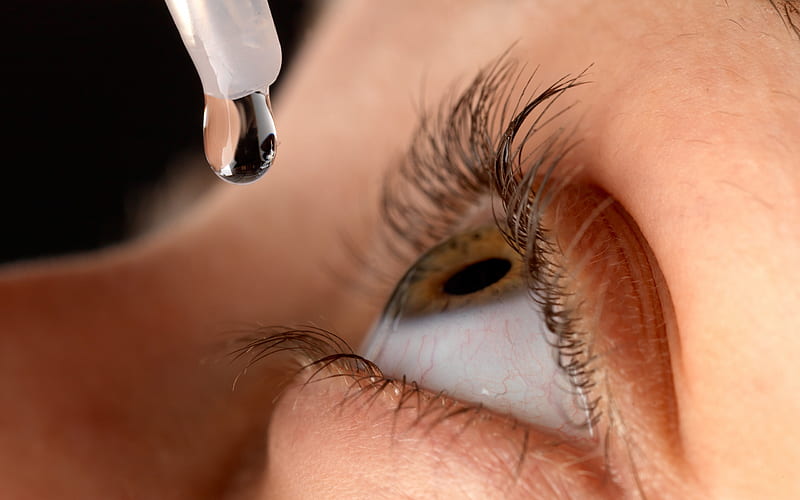
Step-By-Step ApproachTo Putting In Eye Drops
Wash your hands with soap and water; then dry them with a clean towel.
If you are wearing contact lenses, remove them. The only exception is if you are using eye drops that are specifically formulated to remoisten your contacts or if your doctor advised you to use the drops in this manner.
Remove the dropper cap and look closely at the tip to make sure it's not cracked or otherwise damaged.
Do not touch the tip.
Either lie down or tilt your head back, and look up at the ceiling. Concentrate on a point on the ceiling, keeping your eye wide open.
Place one or two fingers on your face about an inch below your eye; gently pull down to create a pocket between your lower eyelid and your eyeball.
Use your other hand to hold the eye drop bottle, pointing the tip downward. Resting your hand on your forehead may help steady it.
Hold the bottle close to your eye (about an inch away). Be careful not to let the dropper touch your eye or eyelashes, since this can introduce bacteria and other organisms into the eye drops in the bottle.
Squeeze lightly to instill one drop inside your lower lid.
Remove your hands from your face, gently close your eyes and tilt your head down for a few seconds.
Try not to blink, as this can force some of the drop out of your eye before it has had a chance to be absorbed.Knowing how to apply eye drops properly will save you time, aggravation and, especially in the case of prescription drops, quite a bit of money.
To keep as much of the drop on your eye as possible, press lightly on the inner corner of your eyelid, next to your nose. A small duct that drains tears away from your eye and into your nose is located here. By pressing at this point, you close down the opening of this drainage duct, allowing the eye drop to remain on the surface of your eye longer. This technique also minimizes the funny taste you may get in your mouth after applying certain eye drops.
Use a clean tissue to absorb and wipe away any drops that spill out of your eye and onto your eyelids and face.
If you are using eye drops on both eyes, repeat this procedure for the secondeye.
Replace the cap of the bottle and screw it on securely. Never wipe the dropper tip with anything, as this may contaminate the drops.
Wash your hands to clean away any stray eye drops.[2]
As with any medication, it’s important that eyedrops be taken as directed. Missing doses or overusing drops can affect treatment.
You may want to move an eyedrop bottle from one location to another once it's been used. If you prefer, keep a log or draw up a chart and check off the dose whenever a drop is applied.
Mind the Expiration Date
Eye drops usually expire about one to two years after the manufacturing date. However, once your eye drops are opened, you should throw them away after three months of use, as there is a greater risk of contamination. You should never use eye drops after their expiration date, or after three months of use.[7]
When having a prescription filled, check the expiration date to make sure it won’t lapse during your treatment. If eyedrops do expire, speak to your doctor about whether they're safe to continue using or if you need a new prescription.
Don’t Self-Diagnose
Don’t treat yourself for red eyes. For minor concerns, if a condition does not improve in 24 to 48 hours, then you should absolutely follow up with the doctor to make sure and identify what you have.If you have more severe symptoms like vision loss, consult a doctor immediately.
Know What You’re Taking
Always double-check the bottle in your hand before putting drops in your eye. The worst mistake is actually confusing the eyedrop with the ear drop, and vice versa.Some people will put ear drops in their eyes, and sometimes that can be disastrous.[4]
Is it OK to put eye drops in the refrigerator?
Keep your eye drops in the refrigerator. (Note: Most eye drops are fine to store at temperatures between 40 and 60 degrees Fahrenheit once they are opened.) This way, you can feel the cool drop as it falls onto your skin. If you are using a gel-based eye drop, then keeping it cool may make it difficult to squeeze out the drop. These drops are best kept at room temperature.
Initially, you might want to practice these techniques with artificial tears instead of using your actual eye drop medication.
Wash your hands before putting in your eye drops.
Be careful not to let the tip of the dropper touch any part of your eye.
Make sure the dropper stays clean.
If you are putting in more than one drop, wait at least two to five minutes before putting in the next drop. This will prevent the first drop from being washed out by the second.
If the instructions say “Shake well before using,” this is the time to do it.
Start by lying down flat. Position the dropper directly over your eye and then close your eyes. Place a drop in the inner corner of your eyelid (the side closest to your nose). By opening your eyes slowly, the drop should fall right into your eye.
Close your eyes gently and wait a few moments.
Gently blot around your eyes to remove any excess [8]
وبلاگ تخصصی عینک شامل مجموعه مطالب پزشکی است که اطلاعات مفیدی در رابطه با عینک , چشم، لنز، سلامتی چشم و راه های پیشگیری از بیماریهای چشمی، کنترل و درمان آن را در اختیار شما کاربر محترم می گزارد.
:max_bytes(150000):strip_icc()/VWH-EVERGREEN-Left-Eye-Pain-Why-It-Hurts-and-How-to-Relieve-It-1-FINAL-TEXT-1-1-f39feb0d4c644f6db182c332c7e922ca.png)
:max_bytes(150000):strip_icc()/vision-and-headache-3422017_final-f90b31917b244236a7424b143a537fd3.jpg)



:max_bytes(150000):strip_icc()/eye-irritation-3422106_-96db9dda2af54ff29f21c3c03878a1e2.png)



 وبلاگ تخصصی عینک شامل مجموعه مطالب پزشکی است که اطلاعات مفیدی در رابطه با عینک , چشم، لنز، سلامتی چشم و راه های پیشگیری از بیماریهای چشمی، کنترل و درمان آن را در اختیار شما کاربر محترم می گزارد.
