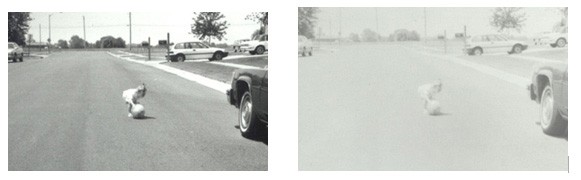
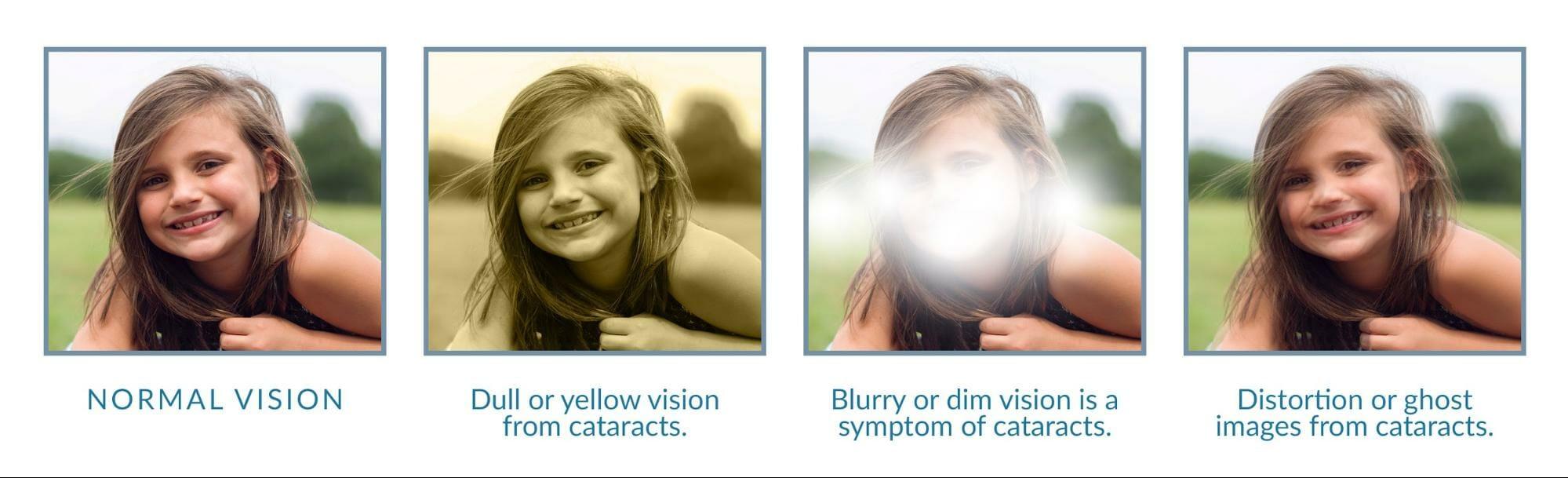
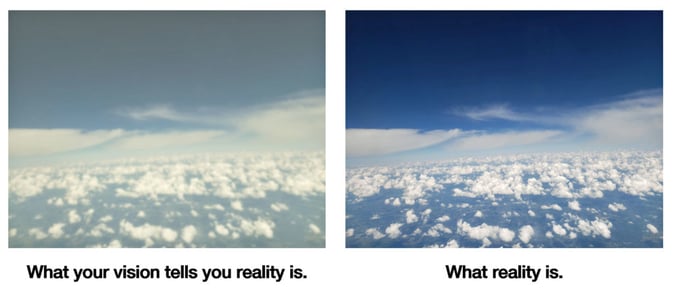
Dimness of vision may be noted due to muted color vision or gray areas.
This is a symptom of a variety of conditions, including amblyopia, optic neuritis, retinal detachment, macular degeneration, glaucoma, cataracts, or brain tumor.
dimness /dˈɪmnəs/
What is the meaning of dimness of light?
lacking in light; not bright or harsh. “a dim light beside the bed” synonyms: subdued. dark. devoid of or deficient in light or brightness; shadowed or black.
dimness noun [U] (NOT CLEAR) the quality of not having or giving much light: The light bulb formed a bright spot in the dimness of the barn. The dimness of the weak candle hid the little blemishes on her face.
Why is my vision bad in dim light?
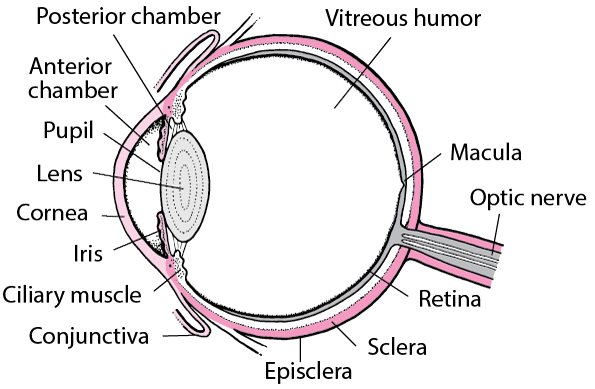
The tissues that make up the forward parts of your eyes need to be clear so light can pass through them. When they aren't clear or don't allow light to pass through them correctly, it limits how much light reaches your retinas and can cause difficulties seeing in dim light.
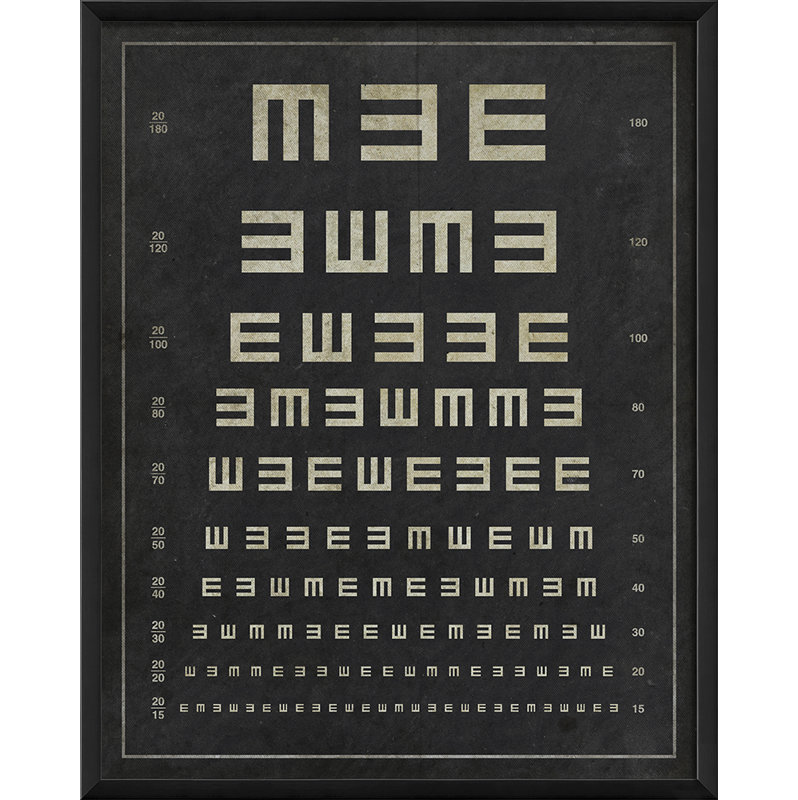
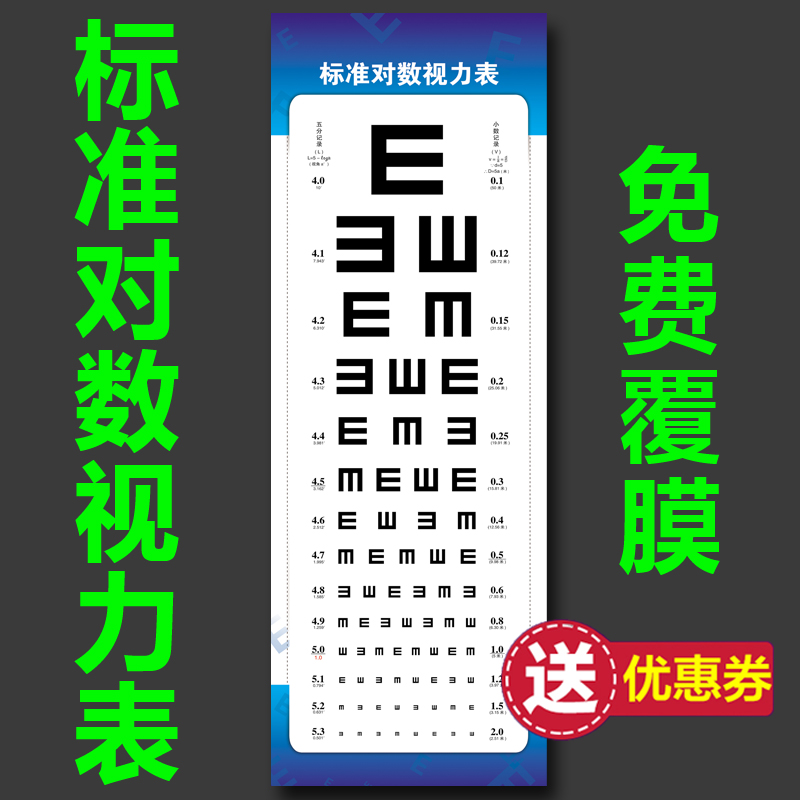
Pelli Robson chart
There is currently no evidence at all to suggest that reading in poor light damages your eyes. However, one thing is clear: reading by light requires more strain on the eyes to make out the words. This makes reading more strenuous, and the eyes get tired more quickly, potentially resulting in red eyes and headaches.
What is Pelli Robson?
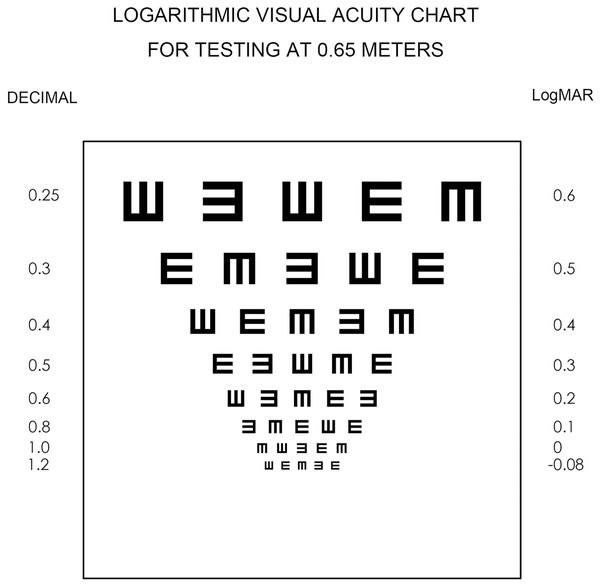
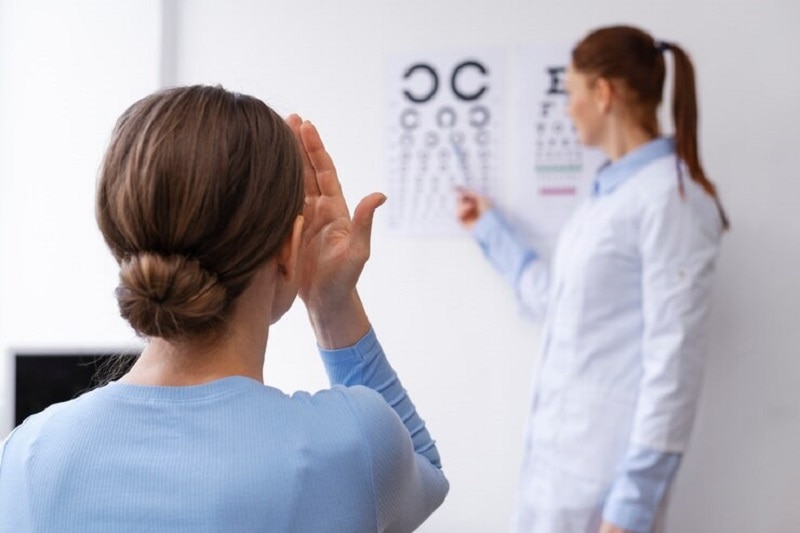
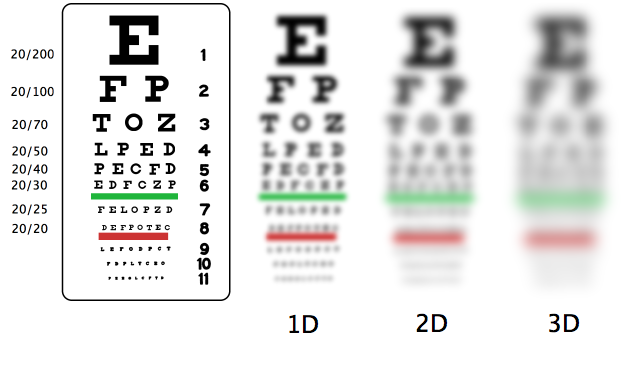
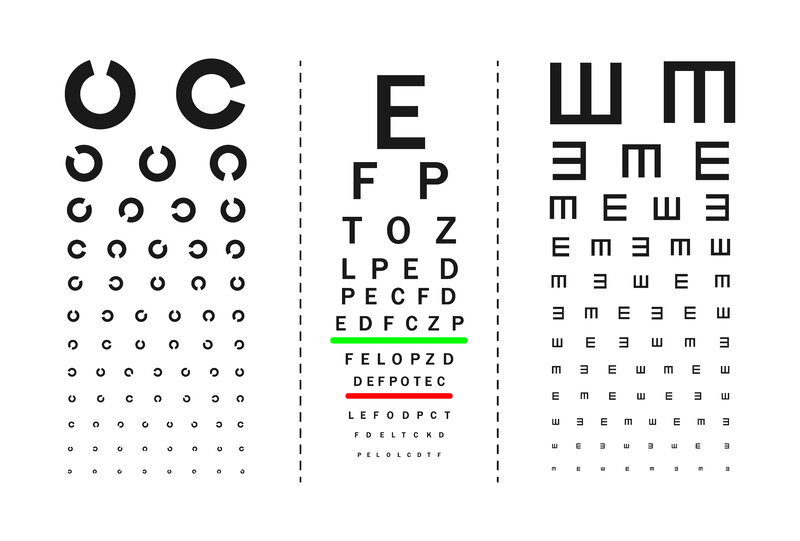
Pelli-Robson test measures contrast sensitivity using a single large letter size (20/60 optotype), with contrast varying across groups of letters. Specifically, the chart uses letters (6 per line), arranged in groups whose contrast varies from high to low.
A Pelli-Robson score of 2.0 indicates normal contrast sensitivity of 100 percent. Scores less than 2.0 signify poorer contrast sensitivity. Pelli-Robson contrast sensitivity score of less than 1.5 is consistent with visual impairment and a score of less than 1.0 represents in visual disability.
Who invented the Pelli Robson chart?
Developed by Dr D Pelli of Syracuse University, New York and Dr J Robson of University of Cambridge, England. The Pelli-Robson chart utilises letters of the same size but with reducing contrast to provide a quick means of assessing patient contrast sensitivity thresholds.
Winter is probably the best time to get round to reading a good book, especially by candlelight or the soft light of a bedside lamp. Children even like to hide under the covers with a pocket lamp. However, the joy of burying oneself in a book is often tempered by the fear that doing so might damage our eyes. Almost everyone's been told it at one time or another: "Put the light on, you'll damage your eyes!" But there's no need to worry – reading in the dark doesn't damage your eyes at all. However, if you need reading glasses, you should wear them.
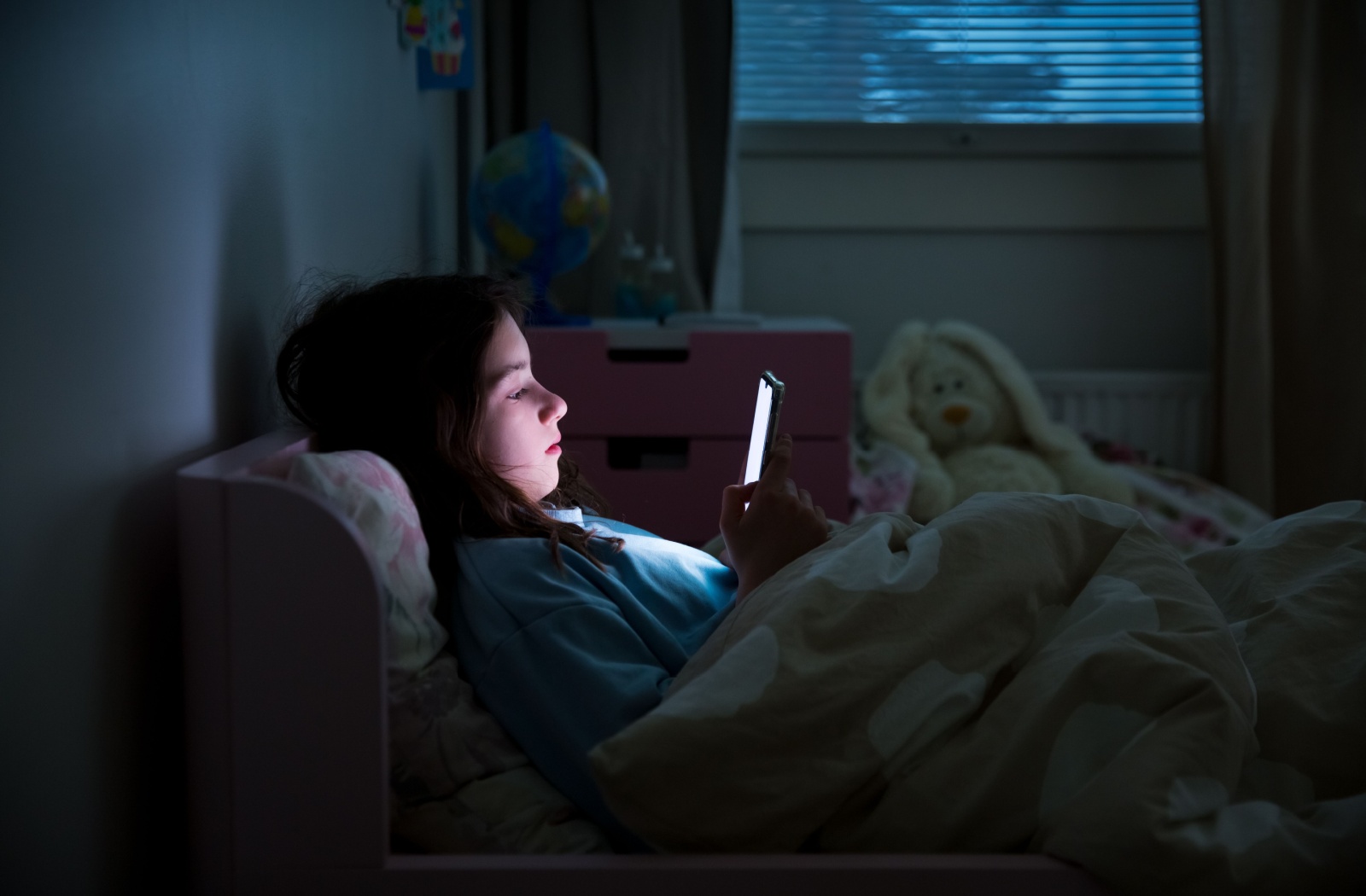
Knowing that smartphone use in the dark can damage your retina, it's important to take the proper precautions to protect your vision. Here are some ways to do this. It may sound difficult to give up time on your smartphone, but doing so can help you sleep better, avoid health problems and preserve your vision.
Mobile phones emit high-energy blue light, which can penetrate deep into the eye and potentially cause damage to the retina over time. Prolonged exposure to blue light, especially before bedtime, may disrupt sleep patterns by suppressing melatonin production, leading to insomnia and other sleep-related issues.
Scientists still argue about this issue today: reading in poor light damages your eyes. But there's no reason to be concerned. There is currently no evidence at all to suggest that reading in poor light damages your eyes. However, one thing is clear: reading by light requires more strain on the eyes to make out the words. This makes reading more strenuous, and the eyes get tired more quickly, potentially resulting in red eyes and headaches. Despite this, the eyes themselves do not suffer from this process, according to a study by American scientists published in the renowned periodical British Medical Journal. eResearch by Navid Ajamin -- winter 2025
Why does reading in low light cause eye strain?
In dark or low light, it is harder for your eyes to focus. You also tend to blink less which can lead to dry eyes and eye strain. Despite this, difficulty seeing in the dark could be a sign of certain eye conditions. Your eyesight deteriorates as you get older which can sometimes make it more difficult to see at night. This condition is known as presbyopia. Also, myopia (or near-sightedness) and astigmatism can make reading in low lighting more tricky.
Will reading in bad lightruin your eyesight?
As children, many of us were warned not to read in low light - for example, under our bedcovers with a flashlight - because it would damage our eyesight in the long term.
No As children, many of us were warned not to read in low light - for example, under our bedcovers with a flashlight - because it would damage our eyesight in the long term.
This belief is so widely accepted that even some health care professionals do not question it. But this idea is nothing more than a medical myth, and there is no strong evidence to support it.
Notes that after viewing at near distances for several hours, observers may become temporarily myopic. This effect, known as transient myopiaafter visual work, was studied by measuring contrast sensitivity to a sinusoidally modulated grating pattern.
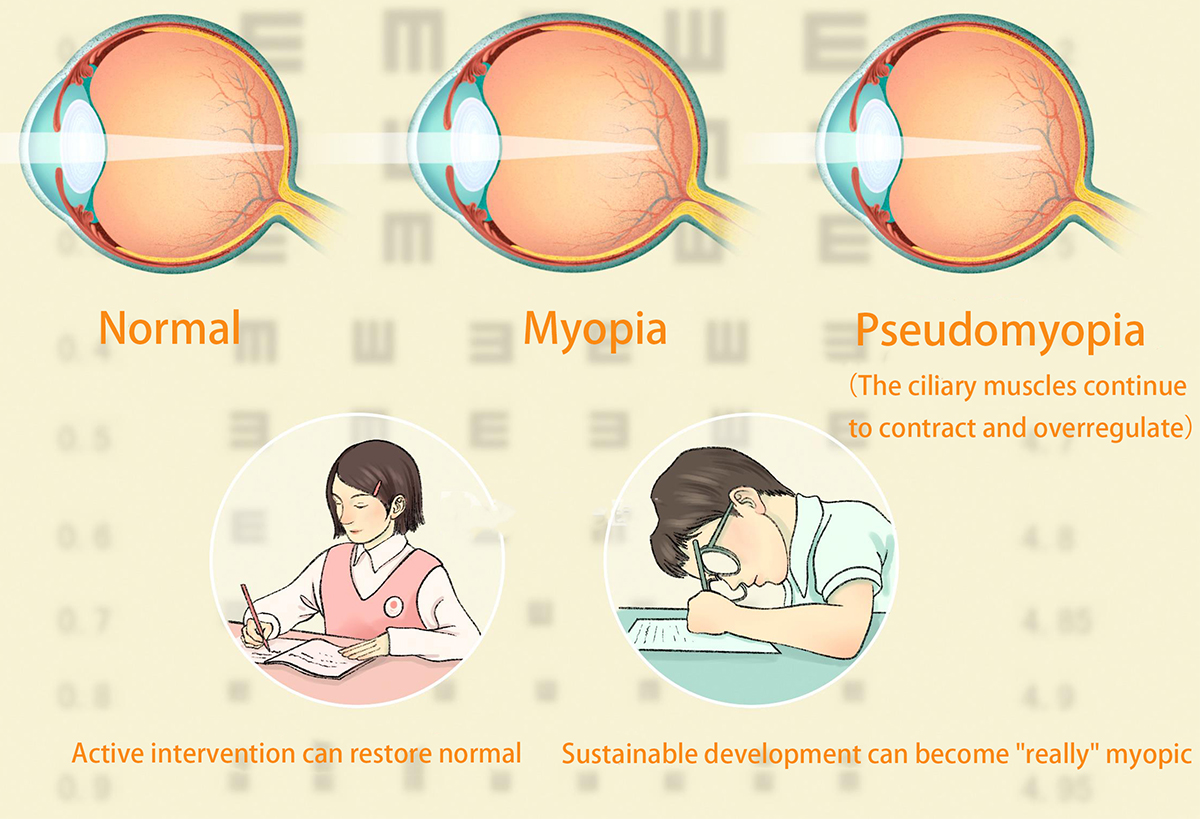
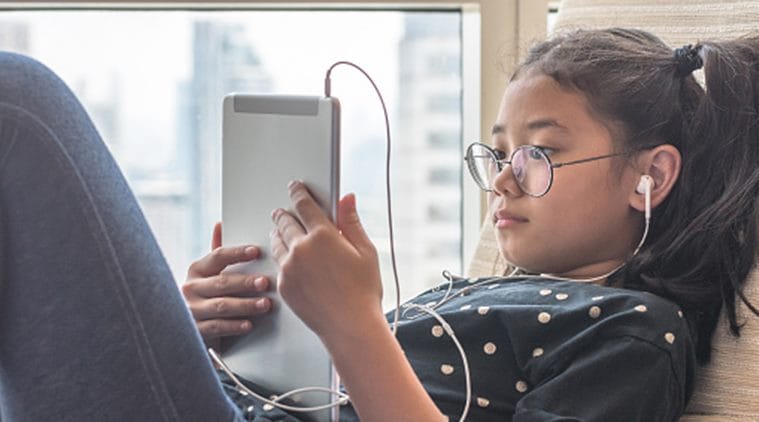
Prolonged activities such as reading, writing, using computers, tablets, and smartphones without resting the eyes can cause the eye muscles to remain contracted, leading to blurred distance vision. This condition is what we refer to as pseudomyopia.
Pseudomyopia(from ψεῦδο, "pseudo": false; and μυωπία "myopia": near sight
Pseudomyopia is an inappropriately excessive accommodation of the eye due to overstimulation or ciliary spasm, which leads to a marked approximation of the far point.
Most people do not understand "pseudomyopia". Pseudomyopia is generally easy to appear in childhood, and parents simply think that pseudomyopia does not need to be dealt with, and the child's vision will automatically recover after a period of rest. Most parents still take a fluke and think that their children are still young, which must be pseudo-myopia, and there is no need to specifically check them, but in fact, this practice actually delays the children.
"Pseudo-myopia" does not belong to the true sense of myopia. It is actually a type of ciliary muscle that is continuously contracted and spasm due to excessive adjustment, and the thickness of the lens increases, so that the image of the object is in front of the retina, because its symptoms are the same as myopia. But it is essentially different from myopia, so it is called "pseudo-myopia".
Pseudo-myopia is a functional abnormality and is reversible!
transient myopia and esotropia
Transient myopia, which can also be called accommodative spasm or pseudomyopia, occurs when the accommodative system is not relaxed, making a patient falsely seem to need more minus lens correction power.
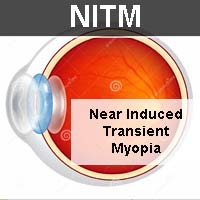
Nearwork-inducedtransient myopia (NITM), a lenticular-based pseudomyopia, is commonly found in myopic teenagers and young adults. It has been speculated that its presence may be a factor in nearwork-related symptoms and in the development of permanent myopia.
What is anxiety?
Feeling anxious is a normal part of life.
Many people worry about things such as health, money, school, work, or family. But anxiety disorders involve more than occasional worry or fear. For people with these disorders, anxiety does not go away, is felt in many situations, and can get worse over time.
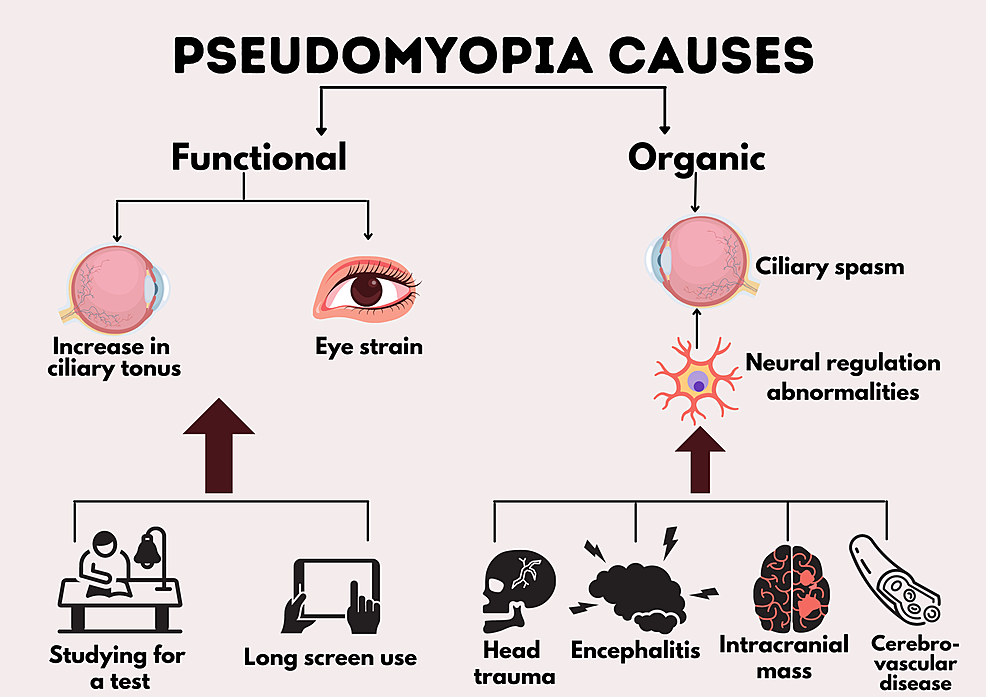
Common symptoms of pseudomyopia include eye strain or fatigue, and it is classified as organic or functional.
The latter is due to eye strain and functional increase in the ciliary tonus. Pseudomyopia can vary from being a transient condition or continue to progress to myopia. Head trauma is the most common cause followed by psychiatric illnesses, neurologic diseases, and drug-induced causes. There is an association between psychological stress-inducing events and pseudomyopia as it affects the autonomic nervous system. The human body counteracts anxiety by activating the parasympathetic nervous system, causing ciliary muscle contraction.
What is the cause of pseudomyopia?
Pseudomyopia or accommodative spasm occurs because of excessive constriction of theciliary muscle which clinically manifests as blurred vision, distorted image, photophobia, and ocular pain. Symptoms are variable and can be unilateral or bilateral and constant or episodic
What is the difference between myopia and pseudo myopia?
Myopia is a major health problem leading to significant public health and economic concerns, especially in Asia.
Pseudomyopia refers to spherical equivalent (SE) ≤−0.50 diopters (D) before cycloplegia and >−0.50D after cycloplegia, and nearly 24.1% of Chinese children were found to have pseudomyopia.
Whether the presence of pseudomyopia affects the risk of myopia remains unknown.
The following symptoms may be seen in patients with pseudomyopia:
+Blurring of distance vision:Intermittent blurring of distant vision after prolonged near work is the main symptom of pseudomyopia.
- Esotropia:Acute onset esotropia may occur in accommodative spasm, which is the common cause of pseudomyopia.
- Diplopia:Diplopia may occur due to esotropia or convergence spasm
+ AsthenopiaEye Strain Can Cause Pseudomyopia
- Headache
+ Eyestrain
- Photophobia
The diagnosis is done by cycloplegic refraction using a strong cycloplegic like atropine or homatropine eye drops. Accommodative amplitude and facility may be reduced as a result of the ciliary muscle spasm.
There is a close correlation between unaided distance visual acuity and myopia; however, this correlation is not maintained in the presence of pseudomyopia, while pseudomyopia maybe presented as decrement of distance visual acuity.
Underlying psychiatric diseases in pseudomyopia patients have been reported in the past in multiple studies. Generalized anxiety disorder is the most common psychiatric illness associated with pseudomyopia with a positive correlation between anxiety-somatization scores and accommodation amount of the eye.
It is strongly advised that a psychiatric consultation should be included in the multidisciplinary evaluation of every case. If patients have coexisting anxiety disorders, a multidisciplinary approach using psychiatric consultations, work environment changes, ocular exercises, and cycloplegic drugs can be used.
This review aims to shed light on the association of psychiatric disorders such as anxiety with pseudomyopia. eResearch by Navid Ajamin -- winter 2025
Do you need glasses for pseudomyopia?
Treatment may include various eye drops or prescription glasses. The duration of treatment for pseudomyopia varies from patient to patient.”
Is pseudomyopia permanent?
In optometry, this shows nearsightedness, but it is not permanent. In most cases pseudomyopia occurs in children between the age of six years old through adolescence. It is less common after that age. In adults, pseudomyopia is rare because the gazing mechanism, so common in children, diminishes as people age.
What is the difference between myopia and degenerative myopia?
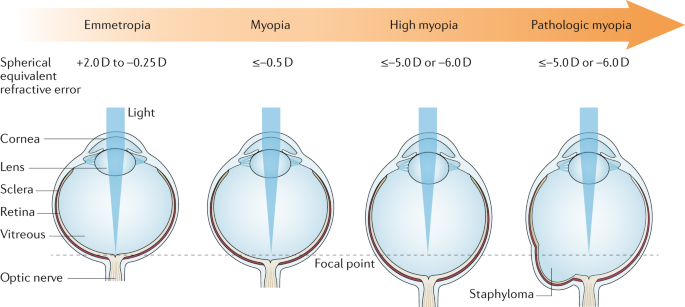
Degenerative myopia is typically a consequence of high myopia, a severe degree of nearsightedness. However, degenerative myopia is not merely a degree of myopia but is a distinct form characterized by specific degenerative changes occurring at the back of the eye.
Which drug produces transient myopia?
Drugs known to produce this effect include sulfa drugs and other medications. The possible mechanism is thought to be an allergic reaction to the drug. Both ciliary muscle contraction and ciliary body edema may play role in the pathomechanism.
- Transient Myopia After Acetazolamide
- Transient Myopia Due to Tetracycline
Can pseudomyopia turn into real myopia?
Based on a large prospective population-based cohort study, we found that pseudomyopia was an independent risk factor for myopia development among school-aged children.
Anemia is a condition that results from the body not producing an adequate number of healthy red blood cells (RBC). It is the most common blood condition, affecting over 3 million people in the U.S.
Red blood cells and anemia
The main function of RBC is to carry oxygen from the lungs and deliver it to the body. Red blood cells also remove carbon dioxide from the body and carry it back to the lungs, where it is exhaled.
Healthy red blood cells are donut-shaped and flattened in the center without the hole in the middle. They have an iron-rich protein called hemoglobin inside them. This protein attaches to the oxygen from the lungs and allows the RBC to deliver the oxygen to the rest of the body.
When the body does not produce enough healthy red blood cells, as happens in anemia, not enough oxygen reaches the tissues, leading to many different symptoms.
Red blood cells are made in your bone marrow, the tissue inside your bones. They last 90 to 120 days, after which the body destroys them and signals for new ones to be made.
Adequate nutrition is important in making enough RBC. This includes having enough:
Iron
Folic acid
Vitamin B12
This is why a poor diet or poor absorption of nutrients can impact the body’s ability to make RBC and may lead to anemia.
Test for anemia
Anemia is diagnosed with a blood test. A doctor will look at the values of hemoglobin to determine whether someone has the condition. Anemia is diagnosed when the blood shows a hemoglobin value that is:
Less than 13.5 gm/dl in a man
Less than 12.0 gm/dl in a woman
Varies with age for children
How Sickle Cell Disease Affects Vision
What causes anemia?
Anemia occurs when the body does not produce enough healthy red blood cells. While Iron deficiency is the most common cause of anemia, it can occur due to many underlying causes and conditions.
Causes
Anemia has three major causes:
Loss of blood
Insufficient RBC production
RBC destruction occurs at a higher-than-normal rate
How does anemia affect the eyes?
Anemia occurs when there is a deficiency of red blood cells, leading to decreased oxygen to the body, including the eyes. The whites of the eyes may develop a blue color, the inside of the lower eyelids may become pale, and the retina may become damaged due to a lack of oxygen and leaking blood vessels.
Certain types of anemia can cause specific changes in the eye, such as:
Swelling in the retina (the light-sensitive tissue of the eye)
Damage to the optic nerve (which carries messages from the eye to the brain)
Blockage of the artery and veins that serve the retina (retinal artery occlusion and retinal vein occlusion)
Why is anemia common in girls?
Why Anemia Affects Teens and Young Women. Teen girls and young women are vulnerable because they lose blood (and iron) during menstruation, especially if their periods are heavy, Byrne said. Gynecologists define heavy periods as menstrual bleeding:
Lasting more than seven days.
With at least quarter-sized blood clots
Needing period products (such as tampons) replaced one or more times per hour
Requiring multiple pads to contain the blood
Having to change pads or tampons overnight
Can a 17 year old have anemia?
However, it is important to know that most common form of anemia in adolescents in the United States is iron deficiency anemia. This typically happens when a teen does not get enough iron in their diet. Other common reasons for teens be iron deficient include rapid growth spurts and onset of menstrual cycles for girls.
Eye symptoms of specific anemias
Some types of anemia cause specific changes in the eye. This can include swelling in the structures of the retina, including the macula, the blockage of blood vessels and damage to the optic nerve (which carries messages from the eye to the brain).
Some specific anemias that impact the eyes include:
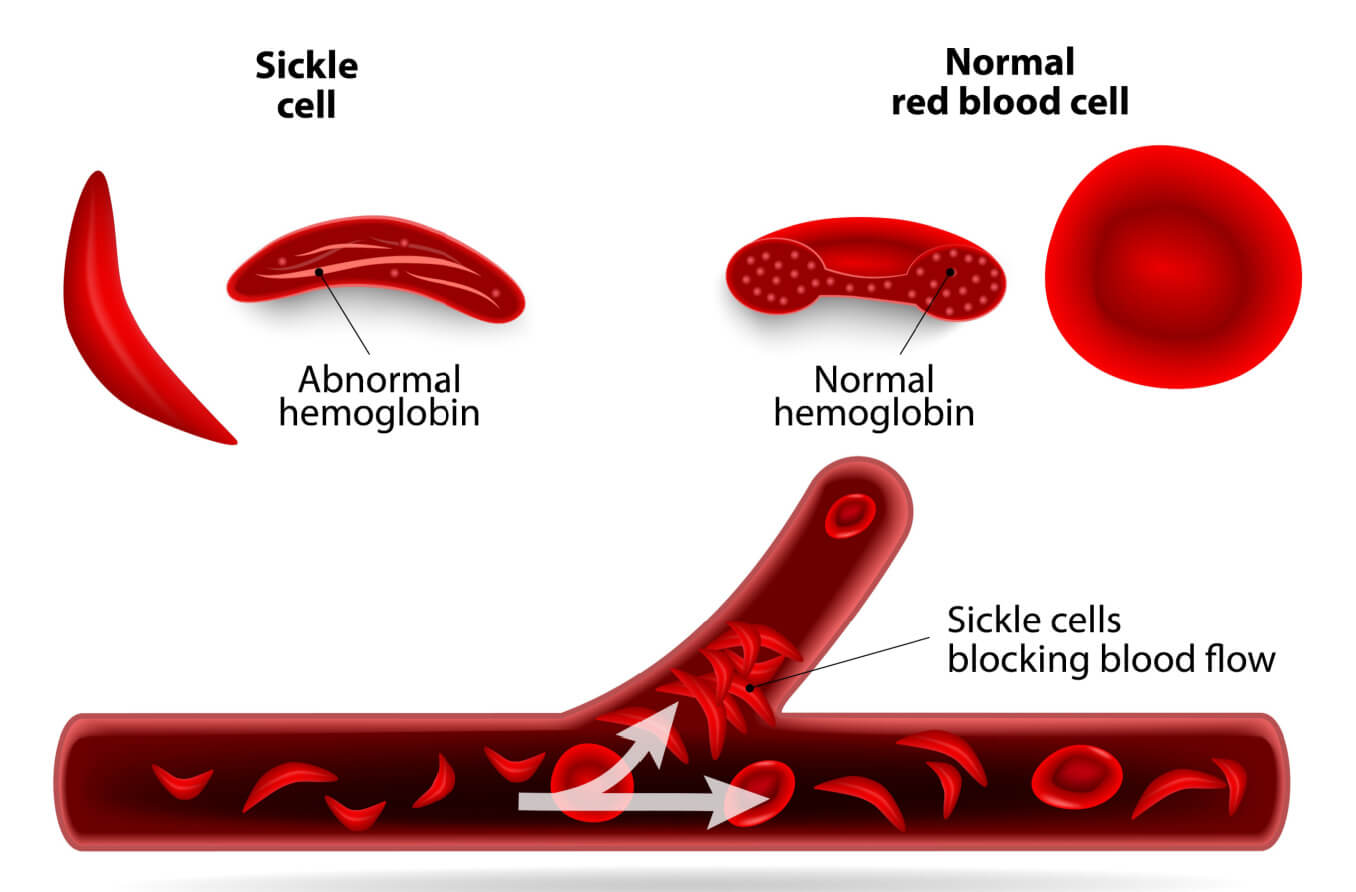
Sickle cell anemia– People with sickle cell disease (SCD) have red blood cells shaped like a sickle. This causes the RBC to stick together and block blood flow to body parts such as the eyes. Blocked blood vessels cause pressure to build up, causing the vessels to burst and bleed resulting in retinal complications.
The white of the eyes can become yellowish if jaundice develops. Symptoms include sudden floaters, blurred vision, blind spots, light flashes, a dark curtain closing over vision and side vision loss.
Iron deficiency anemia – When severe, this can lead to blockage of the blood vessels, including central retinal vein occlusion and retinal artery occlusion. In addition, it may cause disc edema — swelling where the retina and optic nerve connect.
Vitamin B12 deficiency anemia – Also known as pernicious anemia, this condition can lead to optic neuropathy (damage to the optic nerve).
Thalassemia– This blood disorder is passed from parent to child and causes the body to make an insufficient amount of hemoglobin. It can cause complications in the retina and yellowing of the whites of the eye.
Hemolytic anemia– This blood disorder causes red blood cells to be destroyed faster than they are made. Certain medications, particularly the class of antibiotics known as cephalosporins, are the most common cause. In addition, infections such as malaria and HIV can lead to this type of anemia.
Can anemia cause blurry vision?
In most cases, people do not have many eye or vision symptoms from anemia unless it has begun to cause damage to the eye’s tissues. If anemia worsens, bleeding and swelling in the retina could lead to vision issues.
General symptoms of anemia
Anemia impacts every body system. The effects can be mild or severe, depending on the type of anemia.
General symptoms of anemia include:
- Fatigue and weakness
- Lightheadedness or headaches
- Shortness of breath
- Fast or irregular heartbeat
- Throbbing sound in the ears
-Cold hands or feet
- Pain in the chest
If anemia becomes severe, symptoms can progress and include a pale undertone to the skin, brittle nails and mouth ulcers.
Managing anemia to protect vision
The type and severity of anemia you have will determine the treatment. Iron supplements and vitamins may be recommended to treat some mild types of anemia. Your doctor may also prescribe medicines that help your body produce more red blood cells. In addition, changes in diet to boost your iron levels can be beneficial.
Anemia can sometimes signal a more serious condition. A medical history, physical exam and laboratory tests may be required to detect underlying causes such as autoimmune diseases, bleeding in your stomach, inflammation from an infection, cancer or kidney disease.
If you are experiencing symptoms that may indicate anemia, schedule an appointment with your primary care provider. In addition, schedule a comprehensive eye exam to help ensure your eyes are healthy.
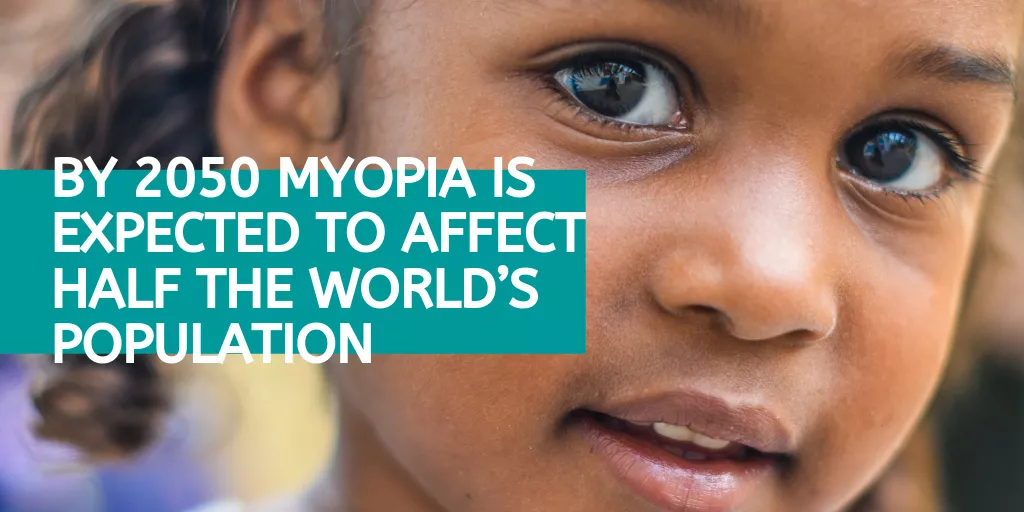
Myopia is the most common eye problem and is estimated to affect 1.5 billion people (22% of the world population). Rates vary significantly in different areas of the world. Rates among adults are between 15% and 49%.[1]
Bilateral myopia: Having two myopic eyes
What does bilateral myopia mean? Myopia (nearsightedness) is a vision impairment that causes difficulty in focusing on objects and signs that are far away. The condition is common among children and adults and can occur in one or both eyes. When it occurs in both eyes, it is called bilateral myopia.[2]
What does "bilateral" mean in medical terms?
Bilateral: Affecting both sides./bʌɪˈlat(ə)rəl/
For example, bilateral arthritis affects joints on both the left and right sides of the body.
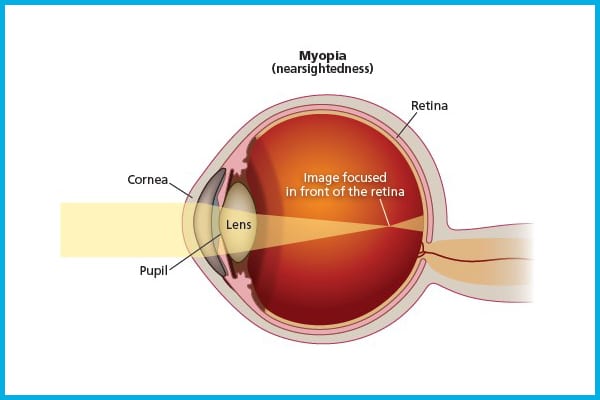
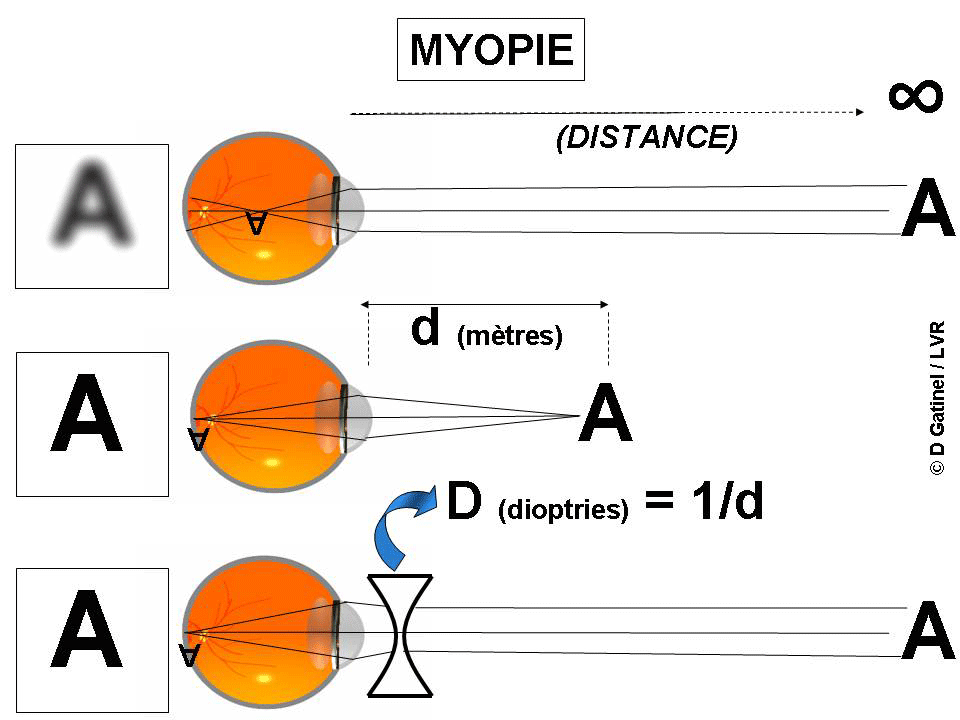
Myopia is a Greek word Which means close the eye in other hands myopia means I shut the eye , the term was introduced from the habit of half – shutting the eye to improve distant vision. Myopia or Short Sightedness is a type of refractive error in which parallel rays of light coming from infinity are focused in front of the retina , when accommodation is at rest.
Nearsightedness (myopia)is a common vision in which we can see objects near to us clearly, but objects farther away are blurry.[3]
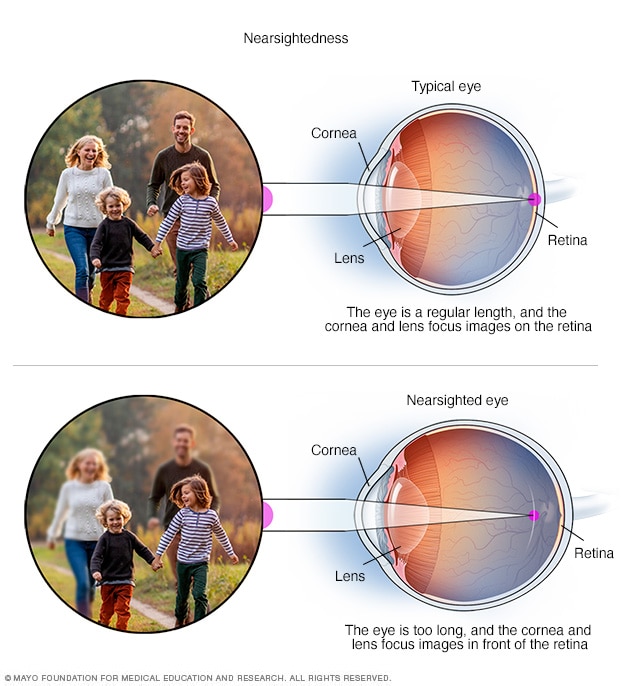
What causes bilateral myopia? Bilateral myopia occurs when each eyeball is longer than normal, or when the cornea and/or lens is too curved. In rare cases, it can be due to the location of the lens and cornea relative to each other. A combination of these factors can also be responsible for bilateral myopia.[2]
Myopia is one of the most common refractive disorders, which occurs when there is no harmony between ocular power and eye length growth. Because of this decompensation, the image of distant objects results in being out of focus. Distance objects are focused anteriorly to the retinal plane, resulting in a blurry perception of the visual images. Even though the refractive error changes from birth to adulthood, the major changes occur during childhood when the eye develops. The emmetropization mechanism is responsible for the compensation between the changes of the ocular components during eye development to guide the refractive error towards emmetropia. The ametropia presence in adulthood is considered the result of the failure of emmetropization or emmetropia maintenance.[4]
What causes bilateral vision?
Bilateral visual loss can occur with disease processes affecting both optic nerves, the chiasm, or the postchiasmal visual pathways. Each of these anatomic regions produces a different pattern of visual loss.[6]
What are the things that increase myopia?
Several factors can contribute to the development of myopia, including: [4]
Genetics: Myopia often runs in families, suggesting a hereditary predisposition.
Prolonged close-up activities.
Screen time. eResearch by Navid Ajamin -- autumn 2024
Environmental factors: Extensive near work, such as reading or using electronic devices for prolonged periods, may contribute to the onset or progression of myopia.
Ethnicity: Studies suggest a higher prevalence of myopia in certain ethnicities, including East Asians and Hispanics.
What is the most common form of myopia?
Axial myopia results from the eyeball being too long relative to the eye's focusing power. It is the most common type of childhood myopia. Myopia in children is usually due to axial myopia. The axial length of the eyeball is the distance from the cornea to the retina.[5]
Nearsightedness is a very common vision condition affecting nearly 30 percent of the U.S. population. Some research supports the theory that nearsightedness is hereditary. There is also growing evidence that it is influenced by the visual stress of too much close work.
Generally, nearsightedness first occurs in school-age children. Because the eye continues to grow during childhood, it typically progresses until about age 20. However, nearsightedness may also develop in adults due to visual stress or health conditions such as diabetes.
If one or both parents are nearsightedned. there is an increased chance their children will be nearsighted.the exact cause of myopia is unknown, but two factors may be primarily responsible for its development: heredity & visual stress[1]
Visual stress (sometimes called 'Meares-Irlen Syndrome' or 'Scotopic Sensitivity Syndrome') is the experience of unpleasant visual symptoms when reading, especially for prolonged periods. Symptoms include illusions of shape, movement and colour in the text, distortions of the print, loss of print clarity, and general visual irritation. Visual stress can also cause sore eyes, headaches, frequent loss of place when reading, and impaired comprehension.
Visual stress can have an adverse effect on the development of reading skills, especially reading fluency - i.e. the ability to recognise words quickly and to read longer passages text of text in a smooth and efficient way so that good comprehension is maintained. Visual stress makes reading an unpleasant and irritating activity that children will tend to avoid as much as possible. Research has shown that 15 - 20% of people suffer visual stress to some extent, and they also tend to be hypersensitive to fluorescent lighting and flicker on computer monitors.[2]
Myopia is not a serious condition and most of the time, it can be treated. It may be corrected with the use of prescription eye glasses or contact lenses.
The different kinds of myopia are classified based on the symptoms and their severity, to wit:
Simple. This is the most common type of this condition. This is indicative of an eye that is too long for its optical power. Studies show that genetics and environmental conditions are causes of this condition. It rarely worsens and is easier to treat than other types.
Induced or Acquired. This condition may be caused by any of the following: (a) nuclear sclerosis; (b) bands that are used to repair retinal detachments stretch the length of the eye; (c) excessive exposure to prescription medications; or (d) increased glucose.
Pseudomyopia. The ciliary muscle is the muscle in your eye that is responsible for controlling your focusing abilities. When your ciliary muscle spasms, you may develop this condition. The spasms make it more difficult for your focusing abilities to function naturally or manually. This results in blurred images of objects far from you. This condition is temporary.
Nocturnal. As the name suggests, this type of myopia is most apparent at night time. When you develop this condition, you will have a hard time seeing things far from you when the lighting is low. On the other hand, your vision is normal during the day. Normally, the pupils of your eyes dilate and constrict when responding to light levels. However, when you have this condition, your pupils dilate to allow more light to enter your eyes. This results in a distortion of the images you see.
Degenerative. This condition is indicative of an increased amount in your refractive error. This is progressive as it can worsen over time. When you have this, your eye will keep on growing, thereby increasing the blurredness of your vision. The progressively growing distance between your outer eye and retina causes this. Degenerative Myopia is also called Pathological Myopia, when the eye elongates to the point of developing damage to the macula area and in severe cases lacquer cracks, which can significantly impact vision.[3]
The pattern of myopia development is complex and variable; therefore, it makes more sense to refer to ‘‘myopias’’ rather than a single condition of myopia. This complex pattern makes a classification of myopia difficult and has resulted in numerous different classifications being postulated, including: • Classification according to the degree of myopia. (1) Low, (2) moderate, and (3) high. The limits are still arbitrary, a consensus among experts is necessary if studies of prevalence are to be compared. Typically, low myopia refers to amounts between —0.50D and less than —3.00D; moderate refers to amounts between — 3.00D and — 6.00D; and high would be greater than —6.00D. • Ophthalmologic classification based on the fundus changes. (1) Simple or physiological (no fundus changes) and (2) degenerative or pathological myopia (fundus anomalies). • Classification according to progression of myopia. In 1984, Donders subdivided myopia progression into (1) stationary, (2) temporarily progressive, and (3) chronically progressive (also called malignant or deleterious) myopia. Nowadays, researchers classify myopia based on the progression of the refractive power: (1) stable myopia refers to the refractive error that has not increased more than -0.25D in a period greater than 2years, and (2) progressing myopia refers to greater increases over that period. • Classification according to the age of onset. Typically classified as (1) congenital, (2) infantile, (3) juvenile, and (4) adult myopia. It may also be classified as (1) congenital versus (2) acquired. Research studies classify myopia based on the age of onset: (1) late-onset (15 years or older), and (2) early-onset myopia (14 years or younger). • Classification according to the combination of components of the eye. (1) Refractive, correlation or combination myopia, and (2) component myopia (e. g., due to corneal curvature myopia, lens myopia, and axial myopia). • Classification according to presumed etiology. (1) Environmental versus (2) genetic. Also: (1) physiological myopia, (2) school myopia (due to close work), and (3) excessive myopia (i. e., caused by diseases). • Genetic classification. Dominant type, recessive type, a sex-linked recessive type, etc. • Biological classification of myopia. (1) Physiological or simple myopia as a biological variation of the normal distribution of the eye components, and (2) pathological (progressive or magna) myopia as falling outside the normal distribution. Clinical forms of myopia include: nocturnal myopia, due to drift in the accommodation state that increases the power of the eye under scotopic conditions, and pseudomyopia, false myopia due to physiological or pathological increased accommodation state.[6]
Myopia, or nearsightedness, is not inherited but is caused by excessive reading and otherclose work. After doing prolonged close work, the focusing muscle inside the eye locks up into a state of near focus. Over time this leads to permanent nearsightedness, an abnormal lengthening of the eye.
The "distance" or "minus power" glasses routinely prescribed accelerate this process by causing the world to appear closer. This causes the eyes to exert more focusing effort, resulting in even more myopia. Stronger glasses are prescribed again and again, creating a vicious circle of increasing myopia. This often leads to detached retina, macular degeneration and even blindness. Consequently, distance glasses should not be used for close work, only for distance. Most eye doctors do not reveal that the glasses they prescribe are harmful to our eyes.
five Key Myopia Symptoms in Children
There are now over TWO BILLION nearsighted people in the world, made that way by their eye doctors.[4]
Eyestrain is a common occurrence in today’s visually demanding world. A typical college schedule or office workday involves spending long hours reading, working at a desk, or staring at a computer. A poorly designed study or work environment, with elements such as improper lighting, uncomfortable seating, incorrect viewing angles and improper reading or working distances can add to the visual stress. As the day progresses, the eyes begin to fatigue and eyestrain and discomfort can develop.
A poorly designed study or work environment, with elements such as improper lighting, uncomfortable seating, incorrect viewing angles and improper reading or working distances can add to the visual stress.
The following are several key signs and symptoms of eyestrain:
* Sore or tired eyes * Itching or burning sensations in the eyes * Sensitivity to light * Dry or watery eyes * Headaches * Difficulty focusing[5]
این موقعیت برای خیلی از ما پیش آمده که روزی متوجه شده ایم اطراف مان را تار می بینیم و دیدمان مانند گذشته شفاف و واضح نیست. در این مواقع افراد معمولا به اولین جایی که مراجعه می کنند، مطب چشم پزشک است. در آن جا پزشک متخصص پس از معاینه ی کامل چشم ما تشخیص اش را می گوید که در بسیاری از اوقات این تاری دید نه به علت بیماری های پیچیده مانند تومورهای مغزی یا M.S، بلکه به علت نزدیک بین شدن چشم است.
نزدیک بینی چیست؟Nearsightedness or Shortsightedness) Myopia)
نزدیک بینی شایع ترین علت تاری دید است. اگر شما نزدیک بین باشید، اشیایی را که از شما دور هستند تار خواهید دید. میزان این تاری، به شدت نزدیک بینی و مسافت جسم از شما بستگی دارد و ممکن است مجبور شوید برای واضح دیدن، چشم های تان را جمع کنید. نزدیک بینی بیماری نیست و معمولاً حالتی است که کارکرد چشم از حالت طبیعی دور شده و در موارد اندکی هم نزدیک بینی به خاطر یک بیماری زمینه ای بروز می کند.
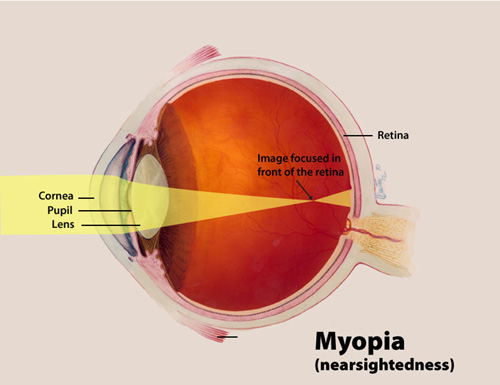
بیشتر نزدیک بینی ها به علت تغییر اندازه ی کره چشم بروز می کنند که باعث می شود کره چشم از حالت گردی به حالت تخم مرغی در آید. این تغییرات باعث می شوند پرتوهای نور به جای این که روی شبکیه متمرکز شوند، جلوتر از آن متمرکز گردند. بنابراین تصویر، جلوی شبکیه تشکیل می شود. eResearch by Navid Ajamin -- winter 2012
نزدیک بینی می تواند وراثتی باشد و اگر والدین کودکی نزدیک بین باشند، امکان این که او هم نزدیک بین شود بالا خواهد بود.
نشانه های نزدیک بینی چیست؟
اصلی ترین نشانه ی نزدیک بینی این است که هنگام دیدن جسم دور، آن را تار می بینید. مثلا ممکن است نتوانید کلمات روی تخته سیاه را درست ببینید، وقتی به سینما می روید تصاویر برای تان واضح نباشد یا صفحه تلویزیون را تار ببینید.
از قدیم این باور وجود داشته است که اگر اشیا را زیاد نزدیک چشم بگیریم؛ مثلا زیاد مطالعه کنیم یا نزدیک تلویزیون بنشینیم، دچار نزدیک بینی خواهیم شد. برخی متخصصان عقیده دارند که میزان بروز نزدیک بینی در کسانی که به خاطر کارشان ساعت های طولانی مطالعه می کنند، بیشتر است.
علاوه بر تغییر شکل طبیعی کره چشم، چند عامل نادر دیگر هم می توانند باعث بروز نزدیک بینی شوند. این عوامل عبارت هستند از:
نزدیک بینی پاتولوژیک
در این نوع نزدیک بینی، کره ی چشم پس از این که به اندازه ی طبیعی خود در دوران بزرگسالی رسید، باز هم رشد می کند.
نزدیک بینی ثانویه
این نوع از نزدیک بینی می تواند به خاطر عوامل گوناگونی چون تولد زود هنگام و تعدادی از بیماری های چشمی بروز کند.
نزدیک بینی کاذب
در این حالت، نزدیک بینی ناگهان بروز کرده و به خاطر یک مشکل زمینه ای مانند دیابت کنترل نشده به سرعت پیشرفت می کند. این نوع از نزدیک بینی را کاذب می گویند، چرا که بیمار با تاری دیدش فکر می کند دچار نزدیک بینی معمولی شده است؛ ولی در واقع این کره چشم نیست که دچار تغییرات شده بلکه رسوب قند در عدسی چشم است که چشم را تار کرده است. وقتی قند بیمار کنترل شود، این مشکل هم از بین خواهد رفت.
گاهی اوقات هم، نزدیک بینی به علت بیماری های دیگر چشمی مانند آب مروارید و کراتوکونوس(Keratoconus )، که همان بیرون زدگی مخروطی شکل بخش مرکزی قرنیه است، ایجاد می شود. تولد زود هنگام هم می تواند ابتلا به نزدیک بینی را در کودکی افزایش دهد.
افرادی که نزدیک بینی شان بسیار شدید است بیش از دیگران در معرض ابتلا به گلوکوم( آب سیاه) و جدا شدگی شبکیه هستند. این مشکل وقتی که شبکیه در اثر نزدیک بینی بسیار شدید، تحت فشار قرار گیرد، بروز می کند.(۱)
پیشگیری از بروز نزدیک بینی :
از کار طولانی با فاصله کم بخصوص در شرایط نامساعد محیطی پرهیز شود.
تشویق به انجام کارهای عملی که نیاز به مطالعه مستمر نداشته باشد.
تشویق شخص به فعالیتهای ورزشی شدید فاقد خشونت.
تجویز تغذیه دورهای با مواد ویتامین دار مانند کارتن و مواد ضد سیانوزی برای افزایش حساسیت شبکیه.
کنترل دورهای رشد تا پایان مرحله بلوغ.
در اولین موقعیت توصیه بر بکار گیری عدسیهای تماسدار است. این راه کار از محاسن متعدد و مهمی برخوردار است.
تصحیح عیب انکساری
برای کودک و فرد بالغ باید کامل باشد، بخصوص و بدون استثنا باید بصورت مستمر از عینک استفاده شود.
برای شخص بالغ: تجویز همواره یک راه حل میانی است، در اصل نوعی ایجاد تعادل بین نیازهای روزمره زندگی است که نیازمند تیزبینی بهینه میباشند (مثل رانندگی در شب).
نزدیک بینی شدید:
تصحیح کامل بندرت برای شخص قابل تحمل است، به همین دلیل اکثر متخصصان کمتر از حد را توصیه میکنند.
ضخامت بارز لبه :میتوان این شکل را با بکار گیری حلقههای کم قطر و انتخاب اشکالی معمولی و گوشههای گرد کم کرد. در صورتی که نتوان ضخامت لبه را کم کرد، آنرا به حلقههای ضخیم و تیره رنگ که به طرف داخل ادامه دارند تصویر مخفی میسازند و یا اینکه از تکنیکهای ویژه بیزته کردن اتوماتیک استفاده میشود.
وزن بیش از اندازه :برای مقابله با آن میتوان از عدسیهایی از جنس پلاستیک و یا قابهای کوچک استفاده نمود.
عیوب ظاهری :یک دلیل آن بازتابهایی به شکل دوایر هم مرکز است که در لبه خارجی عدسی بیشتر مشهود است و به آنها حلقههای نزدیک بینی میگویند. دلیل دیگر قطع شدن پروفیل صورت در پشت عینک است که به دلیل اثر کوچک کنندگی عدسی منفی است.
استفاده از شیشه هایی با ضریب شکست بالا: مثلا شیشههایی از نوع تیتانییوم یا لانتونیوم که هر دو از نوع فلینت سنگین میباشد. قادر به کاهش انحنا و ضخامت لبه میباشد ولی معایب این عدسیها افزایش اجتناب ناپذیری بازتاب و پخش رنگ است که موجب تشکیل هالههای قزح سان میشود.
عدسیهای غیر کروی: این نوع عدسیها از هندسه خاصی برخوردارند، به این ترتیب که در یکی از سطوح انحنا ثابت نبوده و مقطع آن از نوع مخروطی دورانی بیضوی ، هذلولیو سهمی میباشد.
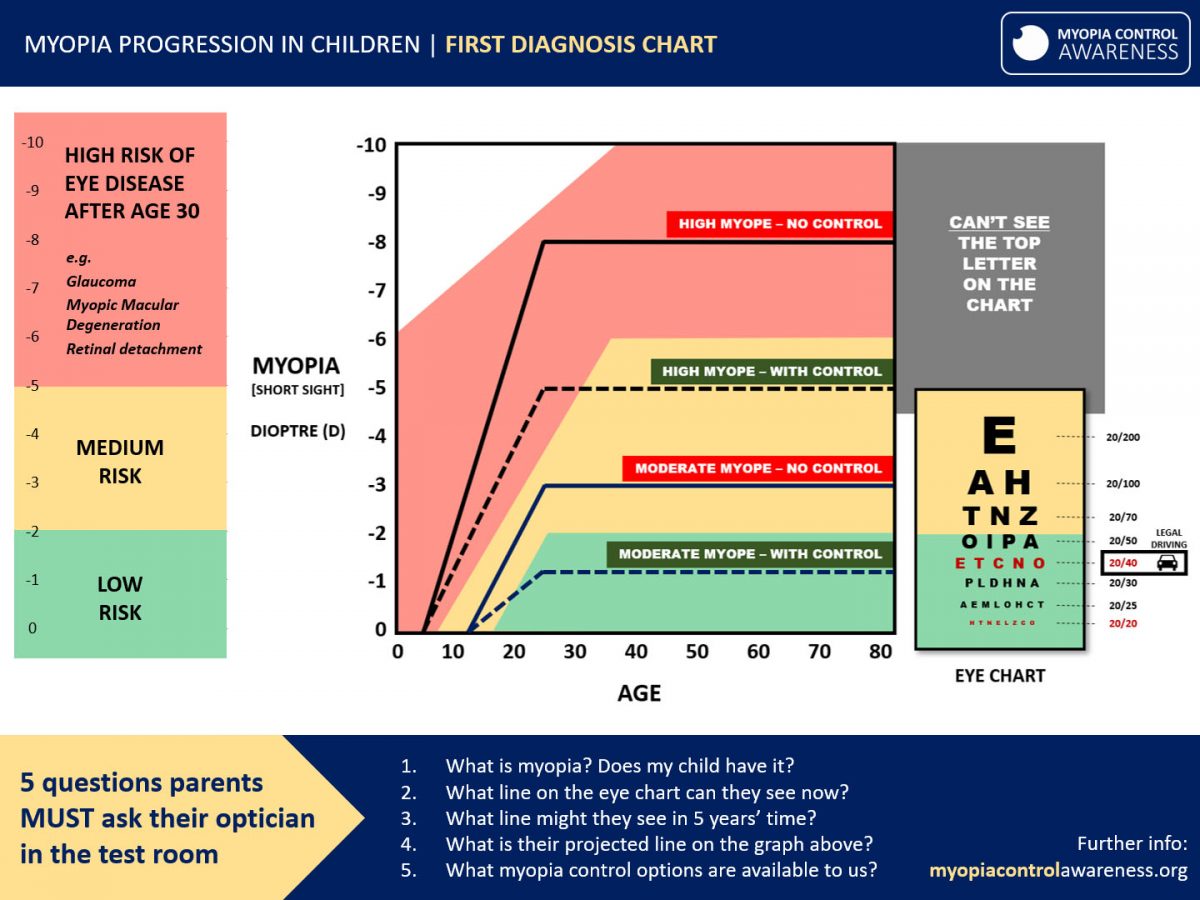
Myopia is a common disorder, affecting approximately one-third of the US population and over 90% of the population in some East Asian countries. High amounts of myopia are associated with an increased risk of sight-threatening problems, such as retinal detachment, choroidal degeneration, cataracts, and glaucoma. Slowing the progression of myopia could potentially benefit millions of children in the USA. To date, few strategies used for myopia control have proven to be effective.
Symptoms of myopia can include:
Blurry distance vision
Partially closing the eyelids to see clearly (squinting)
Headaches
Eyestrain
Excessive blinking
Frequent eye rubbing
Sitting close to the television
Your risk of developing myopia increases with the following:
One or both parents being nearsighted.
Prolonged reading or doing close-up activities.
Long periods in front of screens.
Less time spent outdoors.
Close Work Can Cause Nearsightedness
Risk factors for myopia onset and progression include:
Ageof the patient upon the initial onset
Ethnicity (with patients of Asian descent at the greatest risk)
Parental myopia
Time spent outdoors (the more the better)
Time spent performing near work such as reading and digital device use (more time performing near tasks results in greater myopia)
Single vision glasses and contact lenses may be used to correct blurred vision associated with this refractive error. However, as myopia increases, the future risk of eye conditions, such as retinal detachments, glaucoma, and macular disease processes, increases.
Delaying or preventing myopia can reduce the risk of the associated eye conditions.
Myopia is the refractive anomaly of the eye in which the conjugate focus of the retina is at some finite point in front of the eye,when the eye is not accommodating. It can also be described as the refractive condition in which parallel light rays from an object at optical infinity are focused by the eye in front of the retina, with accommodation relaxed. Myopia is derived from the term "muopia" which, in Greek, means to close the eyes. It manifests itself as blurred distance vision, hence, the popular term "nearsightedness."
Clear distance vision can be restored by the application of the proper minus power (concave) spectacle or contact lenses or corneal modification procedures in which corneal refractive power is decreased. In some cases of pseudomyopia, unaided distance vision can be improved with vision therapy.
? Does Myopia Get Worse with Age
Nearsightednesscan also be caused by the cornea and/or lens being too curved for the length of the eyeball. In some cases, myopia occurs due to a combination of these factors. Myopia typically begins in childhood, and you may have a higher risk if your parents are nearsighted.
Myopia is a highly significant problem, not only because of its high prevalence, but also because it can contribute to visual morbidity and increase the risk for vision-threatening conditions (e.g., retinal breaks and detachment, glaucoma). Because myopia is associated with reduced distance vision without optical correction, it can be a limiting factor in occupational choices. Uncorrected myopia prevents the individual from seeing distant objects clearly. In addition, the posterior segment changes in the myopic eye place it at risk for the development of other ocular conditions.
Progressive myopia is nearsightedness that continues to worsen year after year. This progression can result in severe myopia (also called high myopia) that may be associated with potentially serious side effects. Progression of myopia usually occurs during childhood but can continue into early adult years.
There are Three Types of Myopia
Pathologic myopia: Caused by abnormal and extreme elongation of the axial length of the eye that doesn’t change (before 6 years old)
School-age myopia: Occurs between 6-18 years of age. Stabilization is expected by late teens to early twenties
Associated with higher IQ scores
More time spent reading
Less exposure to sunlight compared to non-myopic patients
More common in urban and industrialized countries
Adult onset: Early adult is considered 20 to 40 years old; late adult is over 40 years old. Affected by accommodative anomalies and near vision dominated occupations
زنان بیش از مردان مستعد ابتلا به نزدیک بینی هستند.
Considerable research results have shown thatmyopia incidence of female is higher than that of male.
Gender is one of the risk factors accounting for the high prevalence of adolescent myopia. Considerable research results have shown that myopia incidence of female is higher than that of male. This study aimed to analyze the correlation between ocular parameters and serum estrogen level and to investigate the vision changes along with estrogen change in menstrual cycle of adolescent females.
Myopia 近視 | 衛教單張
نزدیک بینی در کودکان
کودکان 8 یا 9 ساله ممکن است اصلا متوجه نزدیک بینی خود نشوند و تاری و ضعف دید خود را طبیعی پنداشته و فکر کنند که همه همین طور می بینند.
پدر و مادرها و معلمان باید متوجه علامت های زیر که خبر از نزدیک بینی کودک می دهد باشند:
* نشستن در جلوی کلاس و سینما و نزدیک کردن خود به تلویزیون یا کامپیوتر
* بی علاقگی به ورزش یا کارهایی که نیاز به وقت دارد.
* نزدیک کردن اشیا یا کتاب ها به چشم خود
* اخم کردن یا جمع کردن مکرر چشم ها
* سردردهای مکرر
The number of children and adults with myopia is increasing around the world. Myopia is a lifelong condition and increases risk of potentially sight threatening conditions in later life, leading the World Health Organization to classify myopia as a global health concern.
What is myopia control?
Generally, myopia control means slowing down myopia progression with spectacle, contact lens or atropine eye drop treatments. Myopia management can be a term taking in the whole picture including discussing other lifestyle and environmental factors which can trigger myopia progression, and also managing eye health.
Laser eye surgery doesn't 'fix' myopia. It can fix the blurred vision from myopia but doesn't fix the excessive eye length which brings with it increased eye health risks in myopia. Even after an adult has laser surgery for myopia, their eye health will still be at increased risk from this excessive eye length, and require ongoing monitoring.
Myopia in teenagers
Myopia is usually caused by excessive growth of the eyeball, which can change the point of focus on the retina and lead to poor distance vision. It typically starts developing in children between the ages of 7 and 13, and continues to worsen throughout their teenage years. As children grow quickly during puberty, this is also a common time for myopia to develop for the first time.
As they are much more aware of their bodies and what is and isn’t normal for them, teenagers are usually able to notice a deterioration in their long-distance vision themselves. It’s common for them to become aware of vision problems at school, where they are often required to look at a board at the front of the classroom. As a parent, the first sign you might have of your teenage child being myopic is them mentioning that they are finding it hard to see the board at school unless they sit at the front of the classroom.
Some of the common symptoms of myopia in teenagers include:
Complaining of blurry vision
Holding objects close to their face
Sitting very close to screens
Squinting or closing one eye to see better
Frequent eye rubbing
Excess blinking
Watery eyes
Frequent headaches
If you notice any of these symptoms, or your child tells you that objects in the distance are blurry, book an appointment with an eye care professional. This is especially important if your child intends to start learning to drive.
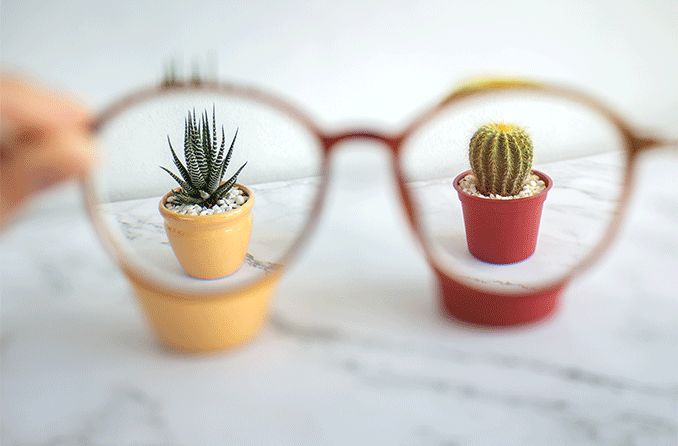
For a shortsighted person, close objects are clear, but distant objects- such as a school blackboard, a street sign, or a face across a room- are blurred and difficult to distinguish. Over 25% of adults worldwide are shortsighted.
Myopia (near-sightedness) Myopia (near-sightedness), hyperopia (far-sightedness), and astigmatism (distorted vision) are what as know as refractive errors.
For proper eyesight, the cornea (the clear window in front of the eye) and the lens (behind the pupil) must properly focus or "refract" light onto the retina (at the back of the eye). If the length or shape of the eye is not ideal, the light may get focused too early or too late leaving a blurred image on the retina.
Myopia, or near-sightedness, is the ability to clearly see objects up close but not those at a distance.
Causes
It is an inherited condition usually detected in children between the ages of eight and twelve. Few factors outside of heredity affect this condition. Using dim light, reading too much or nutritional deficiencies do not seem to impact it one way or the other.
Risk Factors for Myopia
Myopia is often an inherited condition. If one of your parents has myopia there is a much greater chance that you will develop this refractive error Certain health conditions, such as diabetes, can also increase the risk for developing nearsightedness.
Some studies are finding an association between near work and myopia. Near work describes activities that require close visual focus for a long period, such as using a computer. Understanding digital eye strain and how to best manage it may help your eyes adjust to modern digital demands.
What is Myopia Control?By Beth Longware Duff; reviewed by Gary Heiting, OD
Myopia control is the use of specific treatments to slow the progression of nearsightedness in children. Myopia control measures typically are prescribed by an eye doctor (an optometrist or an ophthalmologist).
Currently, there are four categories of myopia control treatments: atropine eye drops, multifocal contact lenses, multifocal eyeglasses and orthokeratology (ortho-k).
Myopia control is important because it may help reduce the risk of vision-threatening complications associated with high myopia later in life — including glaucoma, cataracts, retinal detachment and even blindness.
Myopia promo 5: There are methods to slow the progression of myopia in kids. Atropine eye drops Atropine eye drops commonly are used to reduce the pain associated with certain types of eye inflammation. They also relieve focusing fatigue by dilating the pupil and temporarily limiting the eye's ability to automatically change focus (a process called accommodation).
The effect atropine has on accommodation may be what accounts for its effectiveness in also reducing the progression of myopia in children. Some studies have shown that atropine is the most effective way of controlling myopia, and that its use can reduce myopia progression by up to 77 percent.
Multifocal contacts Multifocal contact lenses are primarily designed to provide clear vision at all distances for people who have refractive errors, including myopia, and also are experiencing the normal age-related loss of near focusing ability called presbyopia.
A two-year study in the U.S. concluded that nearsighted children who wore multifocal lenses on a daily basis had a 50 percent reduction in the progression of their myopia when compared with similarly nearsighted children who wore regular soft contacts for the same period.
Multifocal eyeglasses Multifocal eyeglass lenses work similarly to multifocal contacts to help wearers with presbyopia see clearly at all distances.
Studies in the U.S. and abroad have concluded that children who wear multifocal glasses have a statistically significant lower rate of myopia progression than children who wear regular single vision glasses. One study concluded that multifocal eyeglasses provide up to a 33 percent reduction in myopia progression.
Orthokeratology (Ortho-k) Also known as "corneal reshaping lenses", ortho-k contact lenses are specially designed gas permeable contacts that are worn only at night during sleep. In the morning, the lenses are removed and the temporary correction is good enough so corrective lenses are not needed during the day.
A recent study found that — in addition to temporarily correcting existing myopia — ortho-k contact lenses reduced myopia progression by 45 percent.
Myopia Management
To learn more about nearsightedness and myopia control, schedule an eye exam with an eye doctor near you.
Slowing the progression of myopia has become a considerable concern for parents of myopic children. At the same time, clinical science is rapidly advancing the knowledge about methods to slow myopia progression.
Several strategies have been shown to be ineffective for myopia control, including undercorrection of myopic refractive error, alignment fit gas-permeable contact lenses, outdoor time, and bifocal of multifocal spectacles.
However, a recent randomized clinical trial fitted progressing myopic children with executive bifocals for 3 years and found a 39% slowing of myopia progression for bifocal-only spectacles and 50% treatment effect for bifocal spectacles with base-in prism, although there was not a significant difference in progression between the bifocal-only and bifocal plus prism groups.
Interestingly, outdoor time has shown to be effective for reducing the onset of myopia but not for slowing the progression of myopic refractive error. More effective methods of myopia control include orthokeratology, soft bifocal contact lenses, and antimuscarinic agents. Orthokeratology and soft bifocal contact lenses are both thought to provide myopic blur to the retina, which acts as a putative cue to slow myopic eye growth. Each of these myopia control methods provides, on average, slightly less than 50% slowing of myopia progression.
All studies have shown clinically meaningful slowing of myopia progression, including several randomized clinical trials. The most investigated antimuscarinic agents include pirenzepine and atropine. Pirenzepine slows myopia progression by approximately 40%, but it is not commercially available in the United States. Atropine provides the best myopia control, but the cycloplegic and mydriatic side effects render it a rarely prescribed myopia control agent in the United States. However, low-concentration atropine has been shown to provide effective myopia control with far fewer side effects than 1.0% atropine.
Finally, two agents, low-concentration atropine and outdoor time have been shown to reduce the likelihood of myopia onset. Over the past few years, much has been learned about how to slow the progression of nearsightedness in children, but we still have a lot to learn.
Some studies suggest you may be able to slow its progression though.
You can, however, help protect your eyes and your vision by following these tips:
Have your eyes checked. Do this regularly even if you see well.
Control chronic health conditions. Certain conditions, such as diabetes and high blood pressure, can affect your vision if you don't receive proper treatment.
Protect your eyes from the sun. Wear sunglasses that block ultraviolet (UV) radiation.
Prevent eye injuries. Wear protective eyewear when doing certain things, such as playing sports, mowing the lawn, painting or using other products with toxic fumes.
Eat healthy foods. Try to eat plenty of leafy greens, other vegetables and fruits. And studies show that your eyes benefit if you also include in your diet fish high in omega-3 fatty acids, such as tuna and salmon.
Don't smoke. Just as smoking isn't good for the rest of your body, smoking can adversely affect your eye health as well.
Use the right corrective lenses. The right lenses optimize your vision. Having regular exams will ensure that your prescription is correct. There is evidence that wearing a prescription that is too weak (undercorrecting) can increase the development of nearsightedness.
Use good lighting. Turn up or add light for better vision.
Reduce eyestrain. Look away from your computer or near-task work, including reading, every 20 minutes — for 20 seconds — at something 20 feet away. eResearch by Navid Ajamin -- autumn 2011
See your doctor immediately if you experience any of these symptoms: Sudden loss of vision in one eye with or without pain; sudden hazy or blurred vision; double vision; or you see flashes of light, black spots or halos around lights. This may represent a serious medical or eye condition.
What age does myopia get better?
Myopia is typically diagnosed between the ages of 8 and 12. Changes in prescription often slow down about the age of 20, when our eyes begin to stop growing. Many people will not experience an increasing degree of myopia as they exit their 20s, but diagnosis as a child will usually remain with someone their whole life.
What Causes Myopia to Worsen?
There are several factors that can contribute to the worsening of myopia. One of the most significant is genetics. Studies have shown that if one or both parents have myopia, the chances of their children developing it are significantly higher.
Spending time engaging in close-up work, such as reading or using electronic devices, can strain the eyes and also contribute to myopia progression.
Another factor is a lack of outdoor time. Studies have shown that exposure to natural light and time spent outside can slow the progression of myopia.
If you have myopia, it is essential to have regular eye exams and follow your eye doctor’s recommendations to manage and slow its progression.
If you can see objects nearby with no problem, but readingroad signsor making out the writing on the board at school is more difficult, you may be near- or short-sighted.
Your eye care professional may refer to the condition as myopia, a term that comes from a Greek word meaning "closed eyes." Use of the word "myopia" for this condition may have grown out of one of the main indications of nearsightedness: Squinting to see distant objects clearly.
Myopia is not a disease, nor does it mean that you have "bad eyes." It simply refers to a variation in the shape of your eyeball. The degree of variation determines whether you will need corrective eyewear.
What causes nearsightedness ?Myopia most often occurs because the eyeball is too long, rather than the normal, more rounded shape. Another less frequent cause of myopia is that the cornea, the eye's clear outer window, is too curved. There is some evidence that nearsightedness may also be caused by too much close vision work.
How does myopia affect sight ?Our ability to "see" starts when light enters the eye through the cornea.
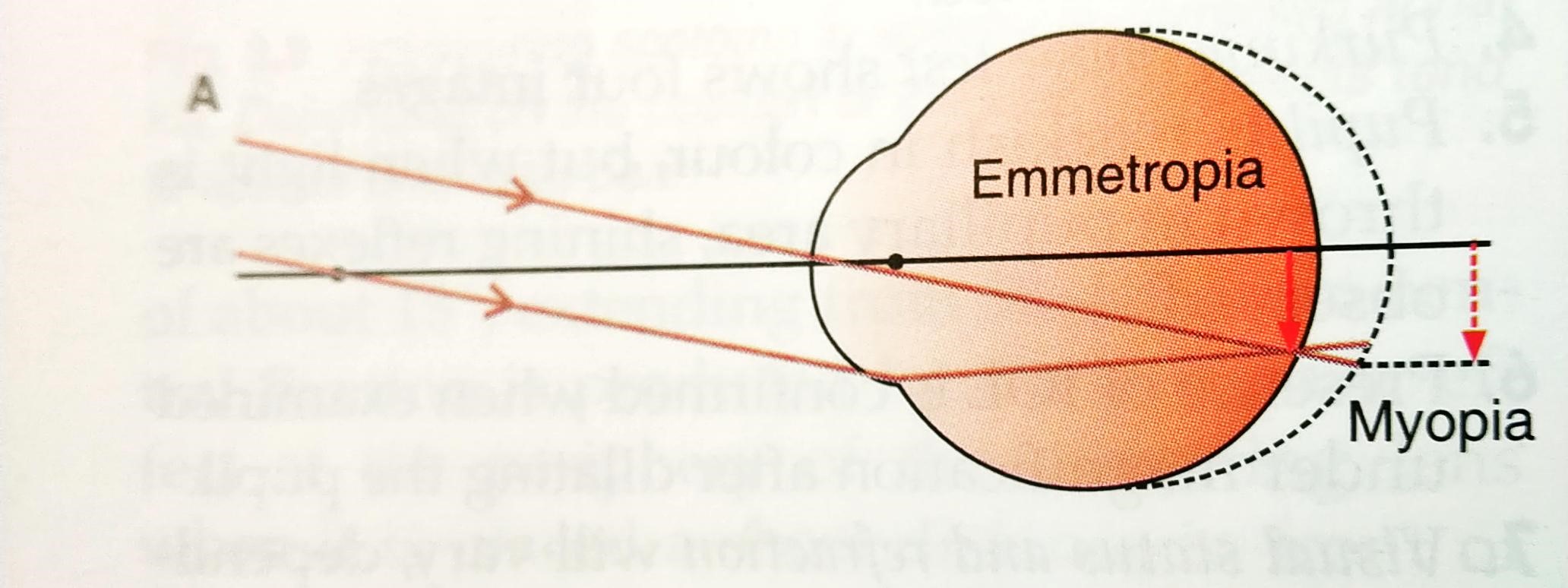
The shape of the cornea, lens and eyeball help bend (refract) light rays in such amanner that light is focused into a point precisely on the retina. In contrast, if you are nearsighted, the light rays from a distant point are focused at a place in front of the retina. As the light will only be focused in that one place, by the time it reaches the retina it will have "defocused" again, forming a blurred image.
Who is affected by nearsightedness ?Myopia usually occurs between the ages of 8 to 12 years. Since the eyes continue to grow during childhood, nearsightedness usually occurs before the age of 20. Often the degree of myopia increases as the body grows rapidly,then levels off in adulthood.
During the years of rapid growth, frequent changes in prescription eyewear may be needed to maintain clear vision.
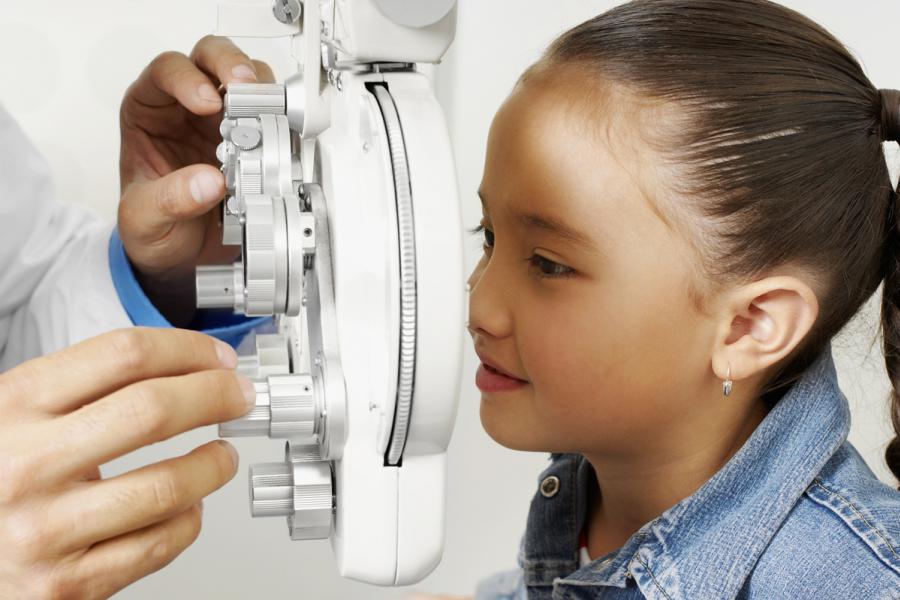
How is myopia diagnosed ?Myopia is often suspected when a teacher notices a child squinting to see a blackboard or a child performs poorly during a routine eye screening. Further examination will reveal the degree of the problem. A comprehensive eye health examination will detect myopia. Periodic examinations should follow after myopia has been discovered to determine whether the condition is changing, and whether a change in prescriptive eyewear is needed. Eye exams also help to ensure that vision impairments do not interfere with daily activities.
How is myopia treated ?
Corrective concave lenses are prescribed to help focus light more precisely on the retina, where a clear image will be formed. Depending on the degree of myopia, glasses or contact lenses may be needed all of the time for clear vision. If the degree of impairment is slight, corrective lenses may be needed only for activities that require distance vision, such as driving, watching TV or in sports requiring fine vision.
How will nearsightedness affect my lifestyle ?
If glasses or contact lenses are prescribed, it may take you a few days to adjust to them. After that, nearsightedness will probably not significantly affect your lifestyle. However, more severely nearsighted individuals may find the condition limits their choice of occupation in some cases.
Nearsightedness in children
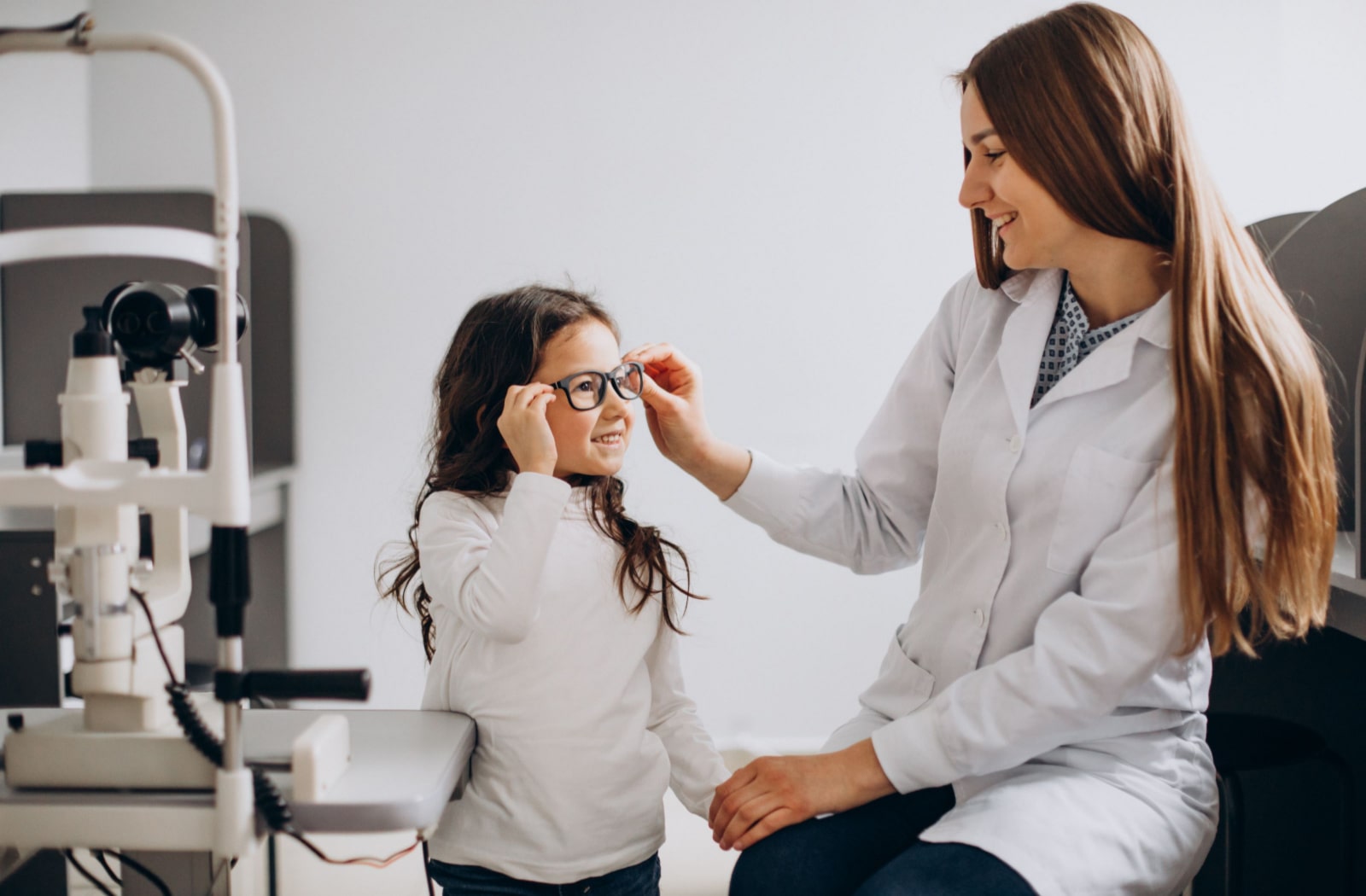
School age children may have vision problems ranging from mild to severe. When problems are suspected, it is important that the child have a comprehensive eye health examination to determine the nature of the problem and to rule out serious eye diseases. When vision conditions are treated properly, the child will enjoy the best possible sight.
To help a child cope with nearsightedness
- Avoid referring to the child's eyes as "bad eyes;" instead tell the child that his or her eyes just bend light differently and corrective lenses are needed to help focus light rays.
- Use illustrations and simple explanations to help the child understand how a differently-shaped eyeball may result in his or her being nearsighted.
- Make the occasion of selecting new frames for lenses a fun time.
- Consider contact lenses as an option.
- Do not restrict the child's activities because of poor vision.
- Include the child in discussions about his or her eyesight.
Encourage the child to verbalise concerns about the adjustment to rapidly changing vision.
Reference: eyecaretrust.org.uk
nicetoview.blogfa.com
وبلاگ تخصصی عینک شامل مجموعه مطالب پزشکی است که اطلاعات مفیدی در رابطه با عینک , چشم، لنز، سلامتی چشم و راه های پیشگیری از بیماریهای چشمی، کنترل و درمان آن را در اختیار شما کاربر محترم می گزارد.
:max_bytes(150000):strip_icc():format(webp)/dimness-of-vision-5210447_final-77846d51f16544fb9b5117144a1f9798.jpg)

















 وبلاگ تخصصی عینک شامل مجموعه مطالب پزشکی است که اطلاعات مفیدی در رابطه با عینک , چشم، لنز، سلامتی چشم و راه های پیشگیری از بیماریهای چشمی، کنترل و درمان آن را در اختیار شما کاربر محترم می گزارد.
