Sure, you know that lighting up a cigarette is never healthy — but did you know that smoking even damages eye health? Here's how.
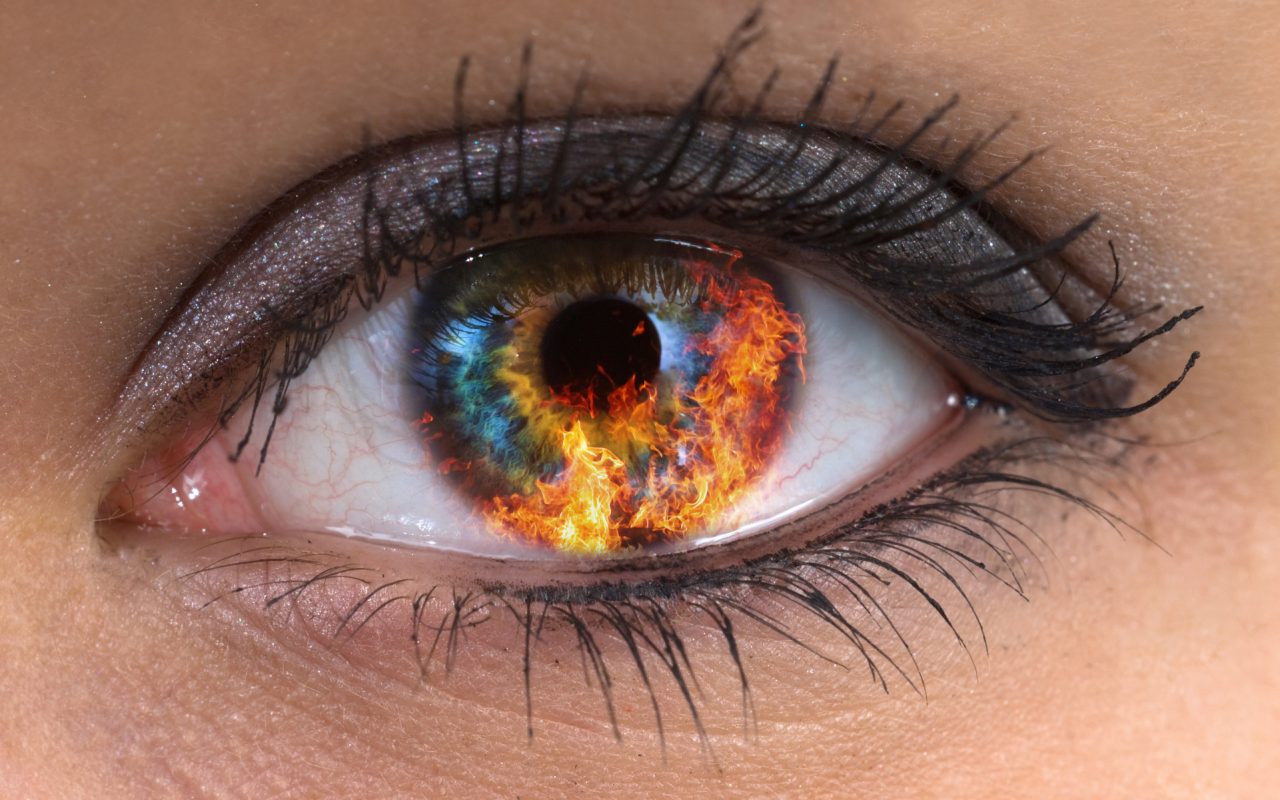
Cigarette smoke is extremely toxic, containing as many as 4,000 active compounds, including tar, polycyclic aromatic hydrocarbons, formaldehyde, carbon monoxide, and heavy metals. Its effects on the lungs and heart have been well established by medical researchers and are well known.[1]
Cigarette smoking reduces levels of plasma antioxidant, a substance in the blood stream, which protects retinal cells. Smoking causes the protective layer between the retina and blood vessels to erode, resulting in poor circulation, irritation and scarring.
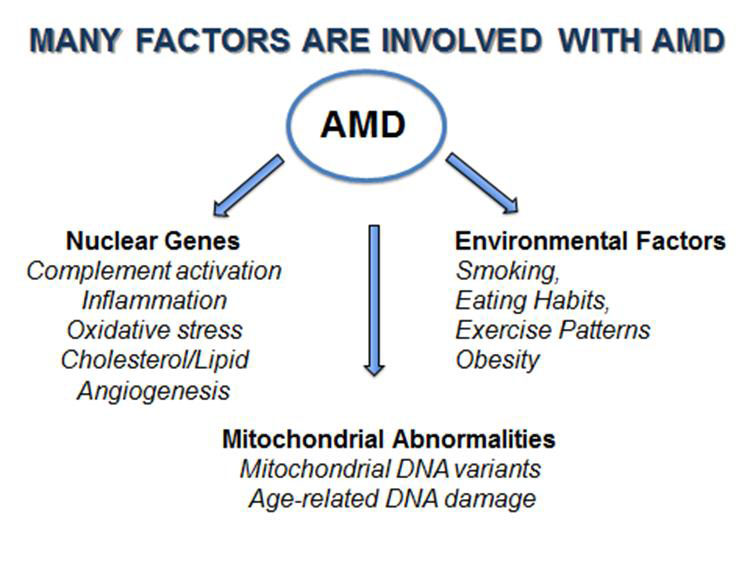
 Smoking is damaging to the blood supply. Smoking exposes the body to free radicals which causes cellular damage and can cause poor circulation of nutrients to the retina and lens. Carotenoid levels and vitamin C blood concentrations are substantially reduced. Smoking oxidizes cholesterol, causing fat to build up in the arteries. This leads to heart attack, stroke, and probably macular degeneration.[2]

 Not as well known are the detrimental effects that smoking can have on your vision. Smoking has been directly linked to two of the leading causes of vision loss, cataracts and macular degeneration. In fact, researchers believe smoking also causes or contributes to a number of other eye health problems.

The Link Between Smoking and Cataracts
Research has found that smokers have double the risk of developing cataracts compared with non-smokers. This risk is triple for heavy smokers. In fact, doctors have discovered a specific relationship between cataracts and the amount that you smoke — the more you smoke, the more chance you have of developing cataracts.
Cataracts occur when the eye's naturally clear lens grows cloudy over time. This age-related condition causes blurry vision, faded colors, and increased sensitivity to glare. For some people, having cataracts is like trying to see through a waterfall.

Doctors believe smoking contributes to cataracts by altering the cells of the lens through oxidation. There is also evidence that smoking leads to the accumulation of heavy metals like cadmium in the lens. eResearch by Navid Ajamin -- spring 2013
 Smoking and Macular Degeneration: What’s the Connection?
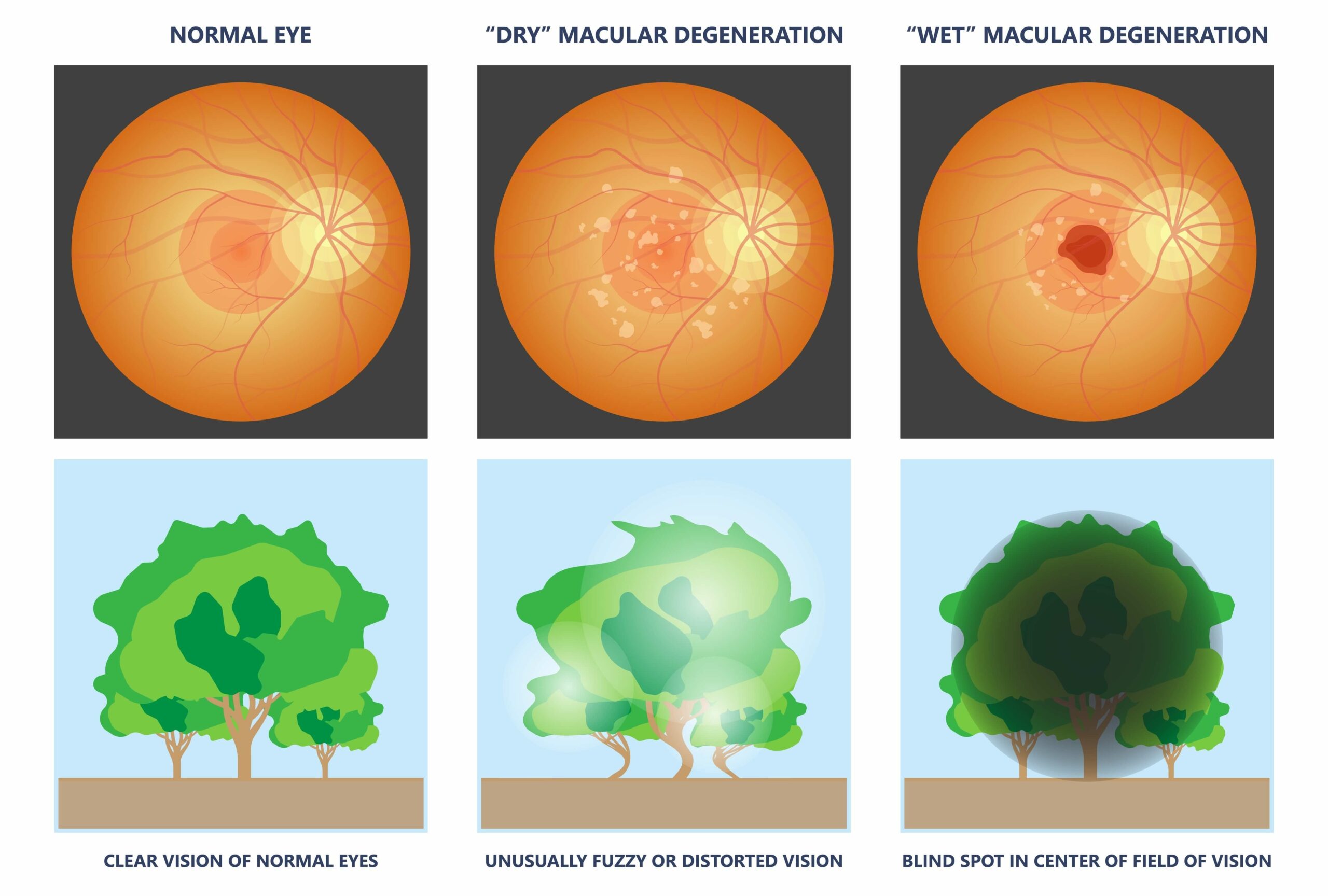
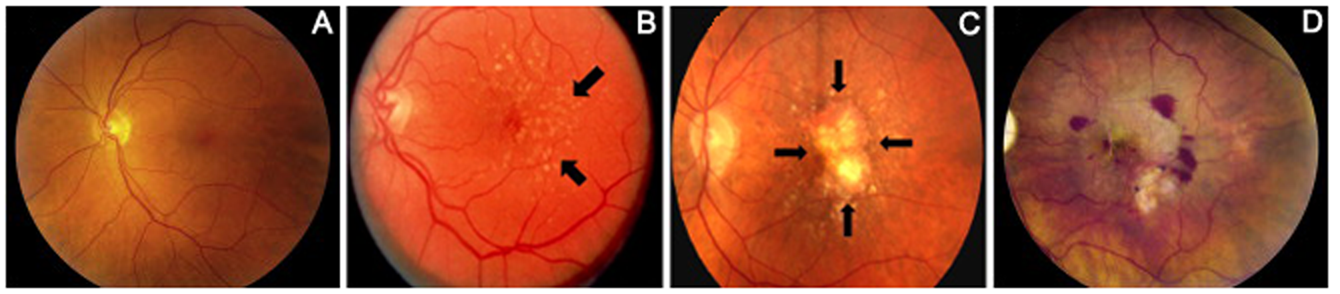
Smoking also increases a person's risk of developing macular degeneration. Studies have found that smokers face a risk of developing macular degeneration that is two to four times greater than that of people who have never smoked. As with cataracts, doctors have found that the risk increases the more a person has smoked. Researchers have also found an increased risk of macular degeneration in people who don't smoke but are frequently exposed to environmental cigarette smoke.
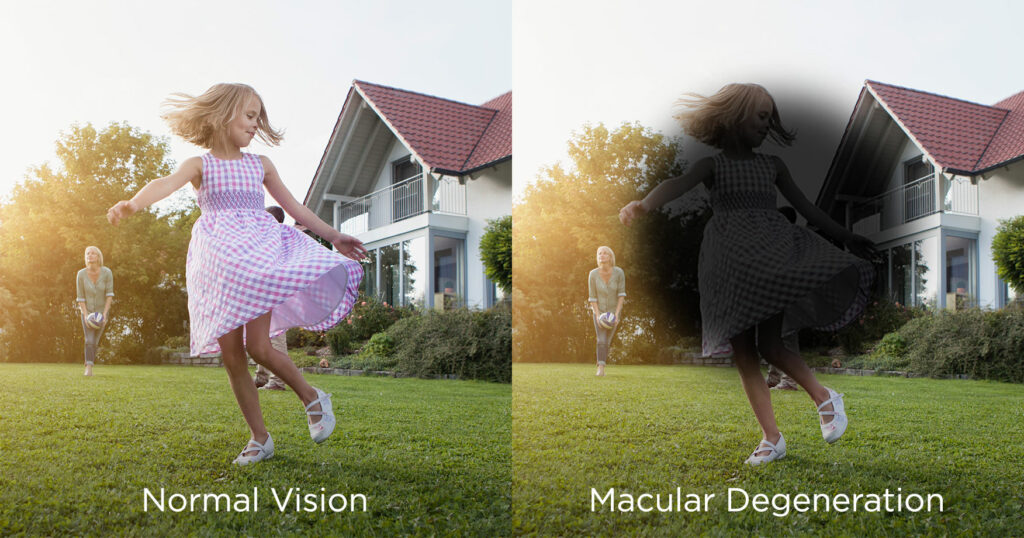
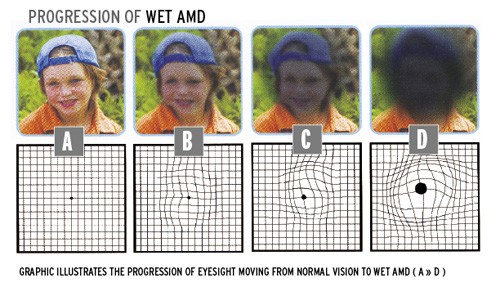
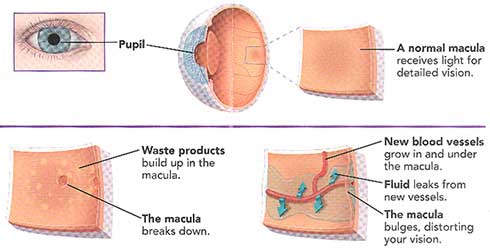
Macular degeneration involves the deterioration of the macula, the central part of the retina that allows us to perceive fine details. As the macula wears out, people experience blurriness, distortions, or blind spots in their central vision.
Doctors believe that smoking promotes macular degeneration by interfering with blood flow to the retina. Smoking might also increase the deleterious effects of oxidation on the cells of the macula.
 Other Eye Health Problems Related to Smoking
Studies also have linked cigarette smoking to eye problems such as:
Diabetic retinopathy
Dry eyes
Optic nerve damage
Lazy eye
Conjunctivitis
Vision Problems and Smoking: What You Can Do

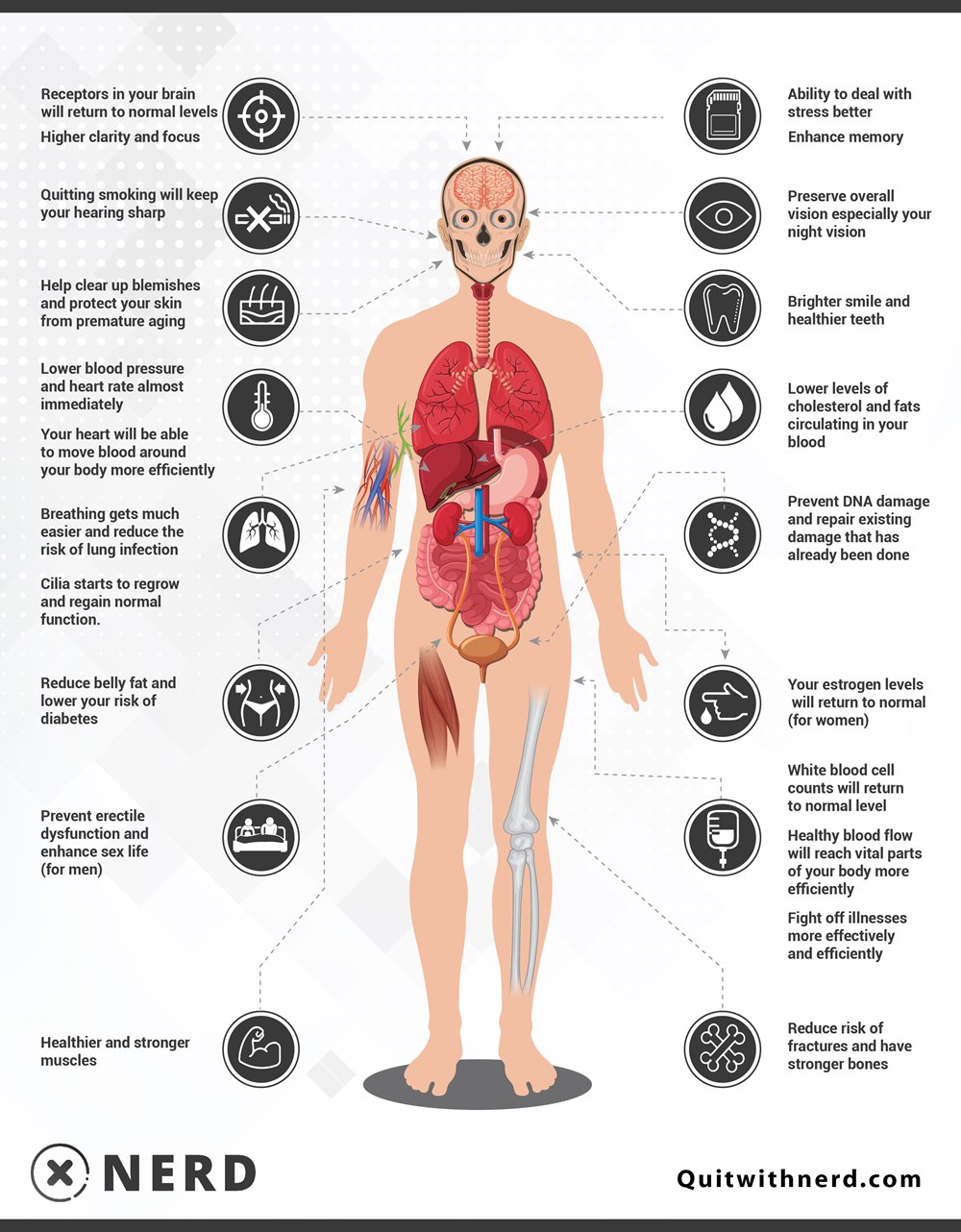
There is hope for smokers who want to avoid smoking-related vision loss. Research has found that quitting smoking does improve their chances of avoiding eye disease. For example, studies show that people who quit smoking will have a 6.7 percent reduced risk of developing macular degeneration after one year. After five years, the risk drops by another 5 percent.
The same goes for cataracts. The eyes can heal from the damage done by cigarette smoking, although very slowly. Doctors say people who have quit smoking for 25 years have a 20 percent lower risk of cataracts when compared with current smokers.
One of the safest things to do for your vision? Never start smoking at all. Ex-smokers still have an increased risk of vision loss from cataracts or macular degeneration when compared with people who have never lit up a cigarette.[1]
Smoking And Dry Eyes
Dry eye syndrome describes insufficient tears on the eye's surface, which are needed to keep the eye lubricated and healthy. Sufferers of dry eye can experience eye redness, itchiness, a "foreign body" sensation and even watery eyes.
Tobacco smoke is a known eye irritant and worsens dry eye — even among second-hand smokers — particularly for contact lens wearers. People who smoke are nearly twice as likely to have dry eyes.
Smoking And Infant Eye Disease
Women who smoke during pregnancy transmit dangerous toxins to the placenta, potentially harming the unborn child. Smoking while pregnant increases the chance of many fetal and infant eye disorders, among other serious health problems.
These include strabismus (crossed eyes) and underdevelopment of the optic nerve, which is a leading cause of blindness in children.
Also, women who smoke during pregnancy are more likely to give birth prematurely; all babies born prematurely are at greater risk of eye problems than full-term babies.
Vision problems of premature babies include retinopathy of prematurity, a potentially blinding disease.[3]

Reference:
1.everydayhealth.com 2.mdsupport.org 3.allaboutvision.com/smoking
See Also:
- Surprising Ways Smoking Affects Your Looks and Life
- How smoking affects the way you look
- How does smoking affect your eyes?
- how to quit smoking
:max_bytes(150000):strip_icc()/VWH_Illustration_Home-Remedies-and-Lifestyle-Changes-for-AMD_Illustrator_Michela-Buttignol_Final-afd2b2bd5d6743e5a473d4846f6573cd.jpg)

 Here are the most common causes and risk factors:

 وبلاگ تخصصی عینک شامل مجموعه مطالب پزشکی است که اطلاعات مفیدی در رابطه با عینک , چشم، لنز، سلامتی چشم و راه های پیشگیری از بیماریهای چشمی، کنترل و درمان آن را در اختیار شما کاربر محترم می گزارد.
