ابزار وبمستر

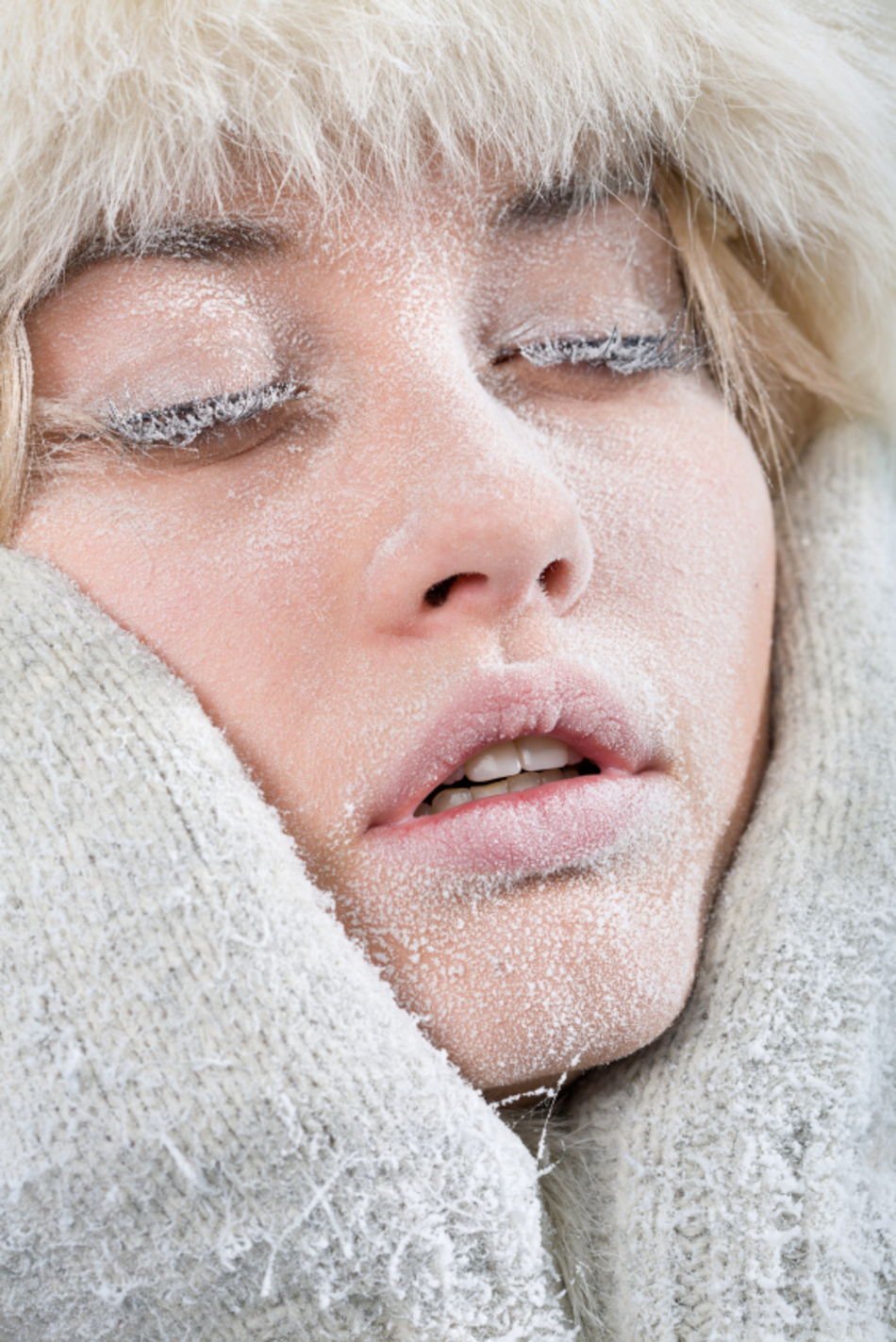
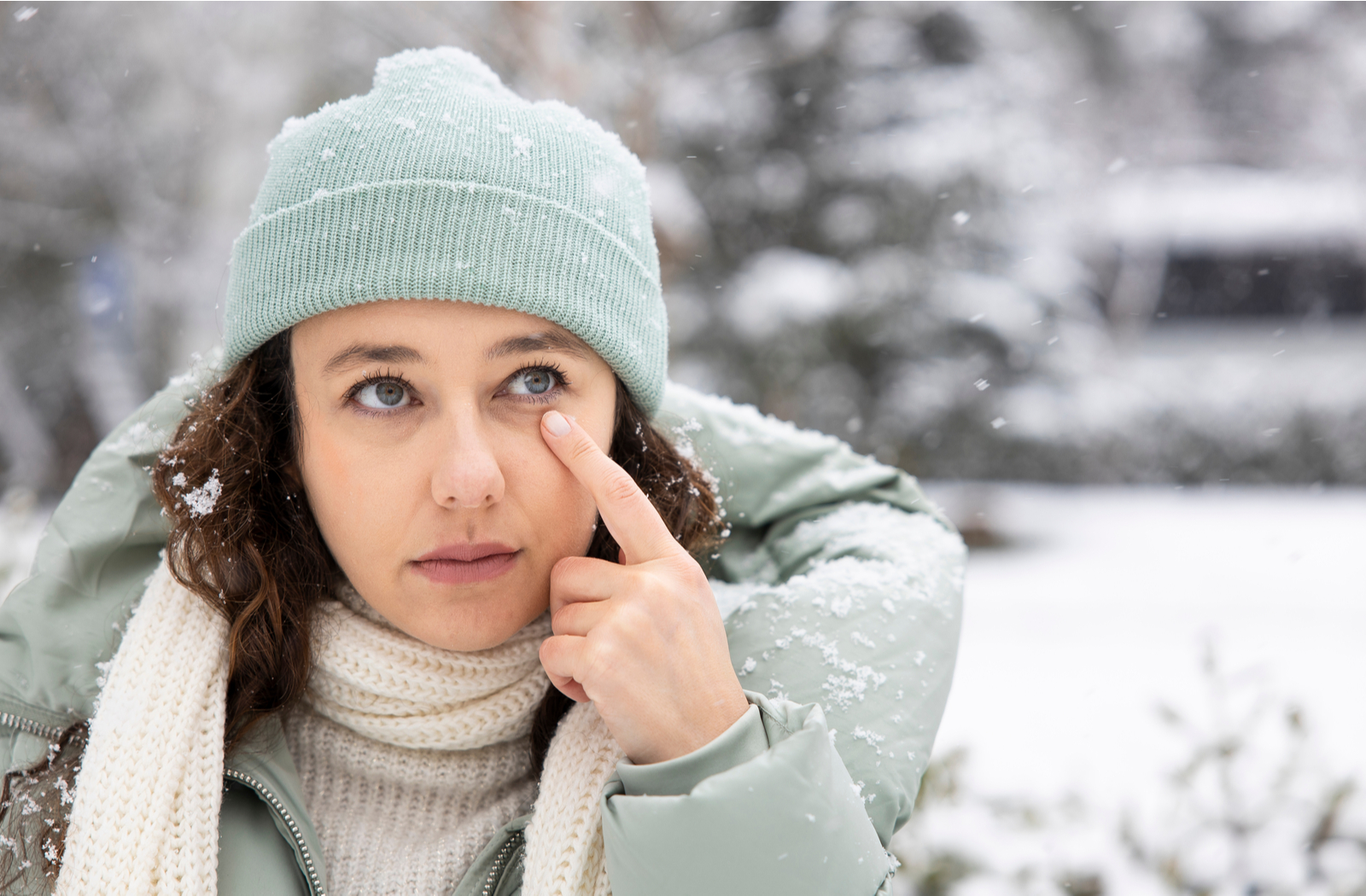
Low temperatures can make the blood vessels in and around the eye constrict, which can cause blurriness and double vision. However, this vision change is usually temporary and your vision should return to normal once you move into a warmer environment and out of the cold.

1. Can extreme cold damage eyes?

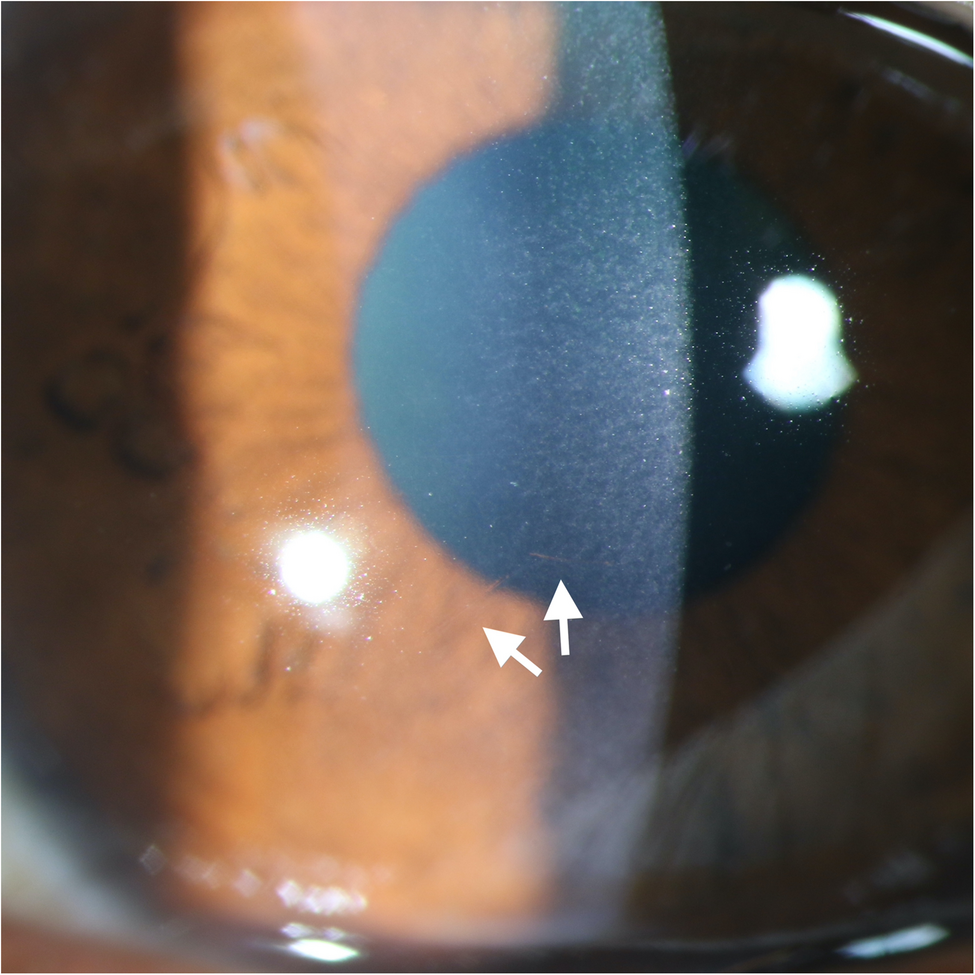
What extreme cold does to your eyes. Excessively cold temperatures can constrict your eye's blood vessels or even freeze your cornea. This can cause blurred vision, double vision, or even a loss of sight.

2. What temperature should your eyes be?

The growing importance of thermography and temperature in understanding the ocular surface has also increased the importance of establishing normal values in healthy eyes. The single time-point OST of healthy eyes typically ranges from 31 to 37°C in older literature.

3. Does temperature affect eyesight?

Higher temperatures in low humidity conditions are associated with a higher risk of dry eye diagnosis. Excessive heat in low humidity conditions has also been shown to worsen dry eye symptoms. This occurs because high heat causes tears to evaporate faster. Lower temperatures can be detrimental to the eye as well.

4. Can weather affect eyes?

Here are some ways weather can affect your eyes: Dryness: In dry weather conditions, such as during winter or in arid climates, the air can be lacking in moisture, leading to dry eyes. Dry eyes can cause discomfort, redness, itching, and a gritty feeling in your eyes.

5. Can vision be affected by a cold?

There are chances of developing swelling in your eyelids when you have a common cold. With a condition like this, the vision may get narrowed and you may feel discomfort and pain while blinking. The swelling usually reduces after 24 hours. It is recommended to get a check-up at the earliest. eResearch by Navid Ajamin -- winter 2024

6. Can common cold cause blurry vision in one eye?

Symptoms include red/watery eyes, discharge, and swollen eyelids. Blurred vision is uncommon but can certainly happen because of these factors. When the infection spreads into the eye, blurry vision may result, as well as seeing halos around lights in some cases.

7. Does sunlight help dry eyes?

The sun: The sun's rays can cause a person's tears to evaporate more quickly. If their eyes cannot produce tears quickly enough to replace the evaporated moisture, they will become dry. Windy environments: The wind blowing in a person's eyes can also cause them to become dry before they can replenish the moisture.

8. Can blocked sinuses cause blurred vision?

Sinus problems such as chronic sinusitis can also cause blurry vision, vision loss and other problems due to optic nerve damage caused by chronic inflammation, although this is rare.

9. Why is heat good for your eyes?

Warm compresses can help dry eyes by providing moisture and heat. These compresses can help you produce more tears, unclog the meibomian glands, and relieve pain and swelling. Research shows that heating devices like warm compresses on the eyes can help relieve dry eye symptoms.

10. Is Hot or cold good for eyes?

Warm compresses help to reduce the sticky buildup of discharge on the eyelids or crust that forms on your eyelashes, while cold compresses help to relieve itching and inflammation. If you have allergic conjunctivitis, it's important to avoid rubbing the eye, since this can worsen your symptoms.

Why do my eyes run in the cold?

When cold air causes more evaporation, our eyes are left with a thinner cushion of tears that protect the sensitive surface cells. This condition can trigger a reflex that tells the lacrimal gland (the eye gland that secretes an aqueous layer of tear film) to produce extra tears.

Can a cold affect your eyes?

It may sound dramatic, but when you have a cold your body is essentially under attack, and vulnerable to infection as a result. Whilst a cold can see your eyes produce too much mucus as mentioned above, it can also do the opposite, which as a result can cause dry eyes. This can make your eyes feel irritated and itchy.

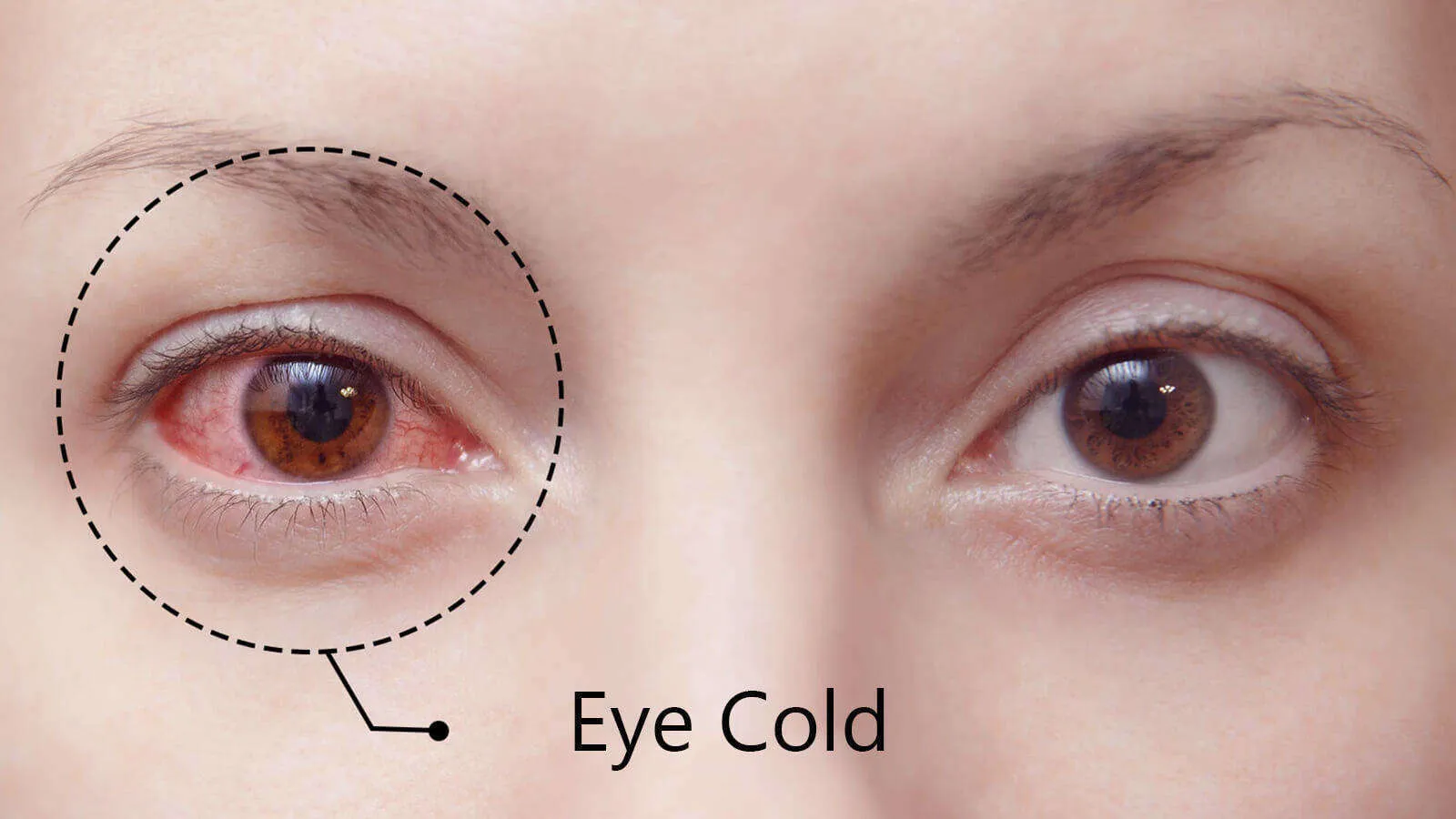
An eye cold occurs when you have viral conjunctivitis, commonly called “pink eye.” Viruses affect mucous membranes in your body, including those in the eyes, lungs, and nose. Viral conjunctivitis is highly contagious and can be spread by person-to-person contact or by touching an object contaminated by the virus.

How long does a cold in your eye last?

In most cases, an eye cold simply runs its course and clears up on its own in 7 to 10 days or less. But it can take as long as two or three weeks to clear up for some people. An eye cold is very contagious, especially while you still have symptoms.

What does a cold in the eye look like?

If your eyes are bothering you, there are a few symptoms to look out for that an eye cold presents. First is an increase in tearing or redness of the whites of your eyes. You might also experience some inflammation. If inflammation increases, your eyelids will get swollen and more sensitive.

To avoid temporary winter vision changes:

  • Wear sunglasses with UV protection
  • Wear goggles with UV protection during winter sports
  • Close your eyes in the winter wind
  • Use eye drops on your ophthalmologist’s recommendation
  • Drink lots of water to stay hydrated and avoid blurry vision

Reference:

  • nyulangone.org
  • ealthline.com/health/eye-cold-conjunctivitis
  • focusclinics.com/blog/can-a-cold-affect-your-eyes
  • lowvisionmd.org/3-ways-cold-weather-can-affect-your-vision
  • georgiacenterforsight.com/blog/why-your-eyes-water-when-its-cold-outside
  • flvisioninstitute.com/eye-disorders/symptoms-causes-and-treatments-of-an-eye-cold

See also:

  • Can A Cold Affect Your Eyes & Vision?
  • Hot vs. Cold Compresses for Eyes: Which is Best and When?

Dry eye syndrome Keratitis sicca; Xerophthalmia; Keratoconjunctivitis sicca

Dry eye syndrome is when the eye is unable to maintain a healthy layer of tears to coat it.

Causes, incidence, and risk factors

Dry eye syndrome often occurs in people who are otherwise healthy. It is more common with older age, because you produce fewer tears with age.

In rare cases, it can be associated with rheumatoid arthritis, lupus erythematosus, and other similar diseases. It may also be caused by heat (thermal) or chemical burns.

In areas of the world where malnutrition is common, vitamin A deficiency is a cause. This is rare in the United States.

Signs and tests

Signs include:

  • Reduced visual acuity

  • Thick cornea

Tests may include:

  • Slit lamp (biomicroscope) exam of the film of tears (a dye such as fluorescein may be placed in the eye to make the tear film more visible)

  • Schirmer's test -- measures the rate of tear production using a calibrated paper wick placed on the edge of the eyelid

Treatment

Treatments may include:

  • Hot compresses or eyelash cleaning

  • Lubricating ointments (in more severe cases)

  • Medications such as Restasis, topical corticosteroids, and oral tetracycline and doxyccycline

  • Tiny plugs placed in the tear drainage ducts to help the tears stay on the surface of the eye

  • Wetting drops called artificial tears

Surgery may be used if the eyelids are in an abnormal position.

Expectations (prognosis)

Most patients with dry eye have only discomfort, and no vision loss. With severe cases, the clear window on the front of the eye (cornea) may become damaged or infected.

Complications

Ulcers or infections of the cornea are serious complications.

Calling your health care provider

See your health care provider immediately if you have dry eyes and have:

  • A sudden increase in discomfort or redness

  • A sudden decrease in vision

Prevention

There is no way to prevent dry eye syndrome. You can prevent complications by using wetting and lubricating drops and ointments.                              eResearch by Navid Ajamin -- spring 2012

Image result for healthy dry eye

Reference: ncbi.nlm.nih.gov/pubmedhealth/PMH0001462

The eye depends on the flow of tears to provide constant moisture and lubrication to maintain vision and comfort. Tears are a combination of water, for moisture; oils, for lubrication; mucus, for even spreading; and antibodies and special proteins, for resistance to infection. These components are secreted by special glands located around the eye. When there is an imbalance in this tear system, a person may experience dry eyes.

When tears do not adequately lubricate the eye, a person may experience:

  • Pain

  • Light sensitivity

  • A gritty sensation

  • A feeling of a foreign body or sand in the eye

  • Itching

  • Redness

  • Blurring of vision

Sometimes, a person with a dry eye will have excess tears running down the cheeks, which may seem confusing. This happens when the eye isn't getting enough lubrication. The eye sends a distress signal through the nervous system for more lubrication. In response, the eye is flooded with tears to try to compensate for the underlying dryness. However, these tears are mostly water and do not have the lubricating qualities or the rich composition of normal tears. They will wash debris away, but they will not coat the eye surface properly.

Image result for Anatomy of lacrimation

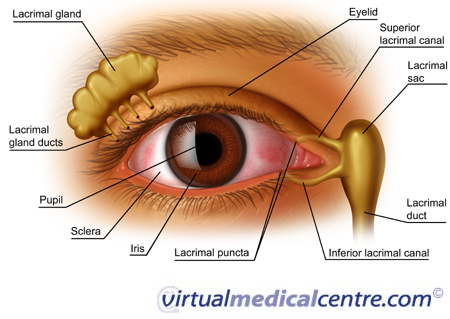
Anatomy of lacrimation, showing
a) Lacrimal gland
b) Superior lacrimal punctum
c) Superior lacrimal canal
d) Lacrimal sac
e) Inferior lacrimal punctum
f) Inferior lacrimal canal
g) Nasolacrimal canal

What Causes Dry Eyes? eResearch by Navid Ajamin -- summer 2011

In addition to an imbalance in the tear-flow system of the eye, dry eyes can be caused by situations that dry out the tear film. This can be due to dry air from air conditioning, heat, or other environmental conditions. Other conditions that may cause dry eyes are:

  • The natural aging process, especially menopause.

  • Side effects of certain medications such as antihistamines and birth control pills.

  • Diseases that affect the ability to make tears, such as Sjogren's syndrome, rheumatoid arthritis, and collagen vascular diseases.

  • Structural problems with the eye lids that don't allow them to close properly.

How Are Dry Eyes Treated?

Though dry eyes cannot be cured, there are a number of steps that can be taken to treat them. You should discuss treatment options with an ophthalmologist.

Related image

Treatments for dry eyes may include:

  • Artificial tear drops and ointments. The use of artificial teardrops is the primary treatment for dry eye. Artificial teardrops are available over the counter. No one drop works for everyone, so you might have to experiment to find the drop that works for you. If you have chronic dry eye, it is important to use the drops even when your eyes feel fine, to keep them lubricated. If your eyes dry out while you sleep, you can use a thicker lubricant, such as an ointment, at night.

  • Temporary punctal occlusion. Sometimes it is necessary to close the ducts that drain tears out of the eye. This is first done via a painless test where a plug that will dissolve over a few days is inserted into the tear drain of the lower eyelid to determine whether permanent plugs can provide an adequate supply of tears.

  • Permanent punctal occlusion. If temporary plugging of the tear drains works well, then silicone plugs (punctal occlusion) may be used. The plugs will hold tears around the eyes as long as they are in place. They can be removed. Rarely, the plugs may come out spontaneously or migrate down the tear drain. Many patients find that the plugs improve comfort and reduce the need for artificial tears.

  • Restasis. In 2002, the FDA approved the prescription eye drop Restasis for the treatment of chronic dry eye. It is currently the only prescription eye drop that helps your eyes increase their own tear production with continued use.

  • Other medications. Other medications, including topical steroids, may also be beneficial in some cases.

  • Surgery. If needed, the ducts that drain tears into the nose can be permanently closed to allow more tears to remain around the eye. This is done with local anesthetic on an outpatient basis. There are no limitations in activity after having this surgery.

Dry eyes can be diagnosed through a comprehensive eye examination. Testing, with emphasis on the evaluation of the quantity and quality of tears produced by the eyes, may include:

  • Patient history to determine the patient's symptoms and to note any general health problems, medications or environmental factors that may be contributing to the dry eye problem.
  • External examination of the eye, including lid structure and blink dynamics.
  • Evaluation of the eyelids and cornea using bright light and magnification.
  • Measurement of the quantity and quality of tears for any abnormalities. Special dyes may be put in the eyes to better observe tear flow and to highlight any changes to the outer surface of the eye caused by insufficient tears.

You can take the following steps to reduce symptoms of dry eyes:

  • Remember to blink regularly when reading or staring at a computer screen for long periods of time.
  • Increase the humidity in the air at work and at home.
  • Wear sunglasses outdoors, particularly those with wraparound frames, to reduce exposure to drying winds and the sun.
  • Nutritional supplements containing essential fatty acids may help decrease dry eye symptoms in some people. Ask your optometrist if taking dietary supplements could help your dry eye problems.
  • Avoiding becoming dehydrated by drinking plenty of water (8 to 10 glasses) each day.

Related to:

  • Dry eyes due to smoking and radiations
  • Dry eyes due to hormone imbalance
  • Dry eyes due to alcohol usage
  • Dry eyes due to sun exposure
  • Dry eyes due to lasik
  • Dry eyes due to bell's palsy
  • Dry eyes due to allergies
  • Dry eyes due to sjogren's syndrome
  • Dry eyes due to contacts
  • Dry eyes due to low humidity
  • Dry eyes due to dry air
  • Dry eyes due to glacuma
  • Dry eyes due to hypothyroidism
  • Dry eyes due to lack of sleep
  • Dry eyes due to dehydration
  • Dry eyes due to thyroid
  • Dry eyes due to inflammation
  • Dry eyes due to sinus infection
  • Dry eyes due to vitamin D deficiency
  • Dry eyes due to computer , LCD/LED , Lamp , tablet , phoneset or any digital devices
  • Dry eyes due to some medications, including antihistamines, nasal decongestants, birth control pills, and antidepressants

Related image

Reference: webmd.com wikipedia.org aoa.org/patients-and-public/eye-and-vision-problem

See Also:

  • Getting Relief From Dry Eyes -- american optometric association
  • Why It’s Important to Treat Dry Eyes -- bettermedicine.com

    As cold winter months arrive, many people will live in dry, indoor conditions with the heat on all day, which contributes to the season’s being the most common time people complain about dry, itchy and watery eyes.

    Dry eye occurs when there is low tear production, or when the tear quality is poor and the tears evaporate too quickly. When people blink, tears spread evenly over the eye, keeping them smooth, healthy and clear. This is an important step for healthy, comfortable vision. However, it is estimated that 4.88 million Americans age 50 and older have dry eye, and suffer from irritated, burning and scratchy eyes.

    In most cases, dry eye can be managed successfully; but colder weather is a common dry eye irritant of which people may be unaware. Dry eyes are often a common complaint for contact lens wearers during the colder, winter months.

    Winter brings some of the most popular holidays of the year, but the season also comes with extreme temperatures and precipitation. Whether you love the season for its festivities or hate the season for its weather, you have to take steps to protect yourself from the potential hazards of winter conditions.

    While you probably remember to drive more carefully and bundle up before going outside, you may overlook the seasonal threats to your eye health. These hazards often seem less obvious than an icy road or freezing morning, but eye health issues can be just as dangerous.

    1. DRYNESS Cold outdoor air and heated indoor air often have less moisture in them than other environments. In the winter, you may experience dry skin, chapped lips, and dry eyes due to this low humidity. Cold winter winds may also dry your eyes out.To minimize the drying ability of winter air, keep yourself hydrated and increase your intake of omega-3s. You may also want to run a humidifier in your home to improve the quality of your indoor air.
    2. EXCESS TEARING While some people experience a lack of tears in the winter, others have the opposite problem. Excess tearing and runny eyes can occur due to cold air, biting winds, or seasonal allergies. Pay attention to when your eyes tear up to determine the cause.If your eyes start to water when you step outside or when the wind blows your way, wear sunglasses or goggles to protect your eyes. If you experience excess tearing while indoors, try an allergy medication and appropriate eye drops to reduce the effect of seasonal allergies. If you cannot determine the cause of your watery eyes or if over-the-counter treatments have no effect, especially if the wateriness alters your vision, see an optometrist.
    3. LIGHT SENSITIVITY Winter skies can seem dark and gloomy, but snowfall and ice create many reflective surfaces that can dramatically increase the amount of light. If you have sensitive eyes, you may experience even more blinking, discomfort, and other symptoms in bright winter light.Some individuals develop new light sensitivity during winter due to a condition known as “snow blindness,” which we’ll discuss in more detail in section five. Always protect your eyes when going outdoors for long periods of time, including when walking, shoveling snow, or performing other routine activities.
    4. REDNESS Harsh winter conditions can cause redness, tenderness, and inflammation in the eye area. You may have swollen eyelids or discoloration of your eye itself. You may also notice eyelid spasms or involuntary tics if your eyes become particularly irritated.This redness could result from dry eye, seasonal allergies, or snow blindness. To reduce the discomfort of inflamed eyes, apply a cool compress like a damp washcloth and take an over-the-counter pain killer. If your symptoms persist, see an eye doctor to determine the cause of the irritation.
    5. SUNBURN When you picture a sunburn, you likely imagine redness and blisters on the skin, but long periods of light exposure can damage your eyes too. Eye sunburn and snow blindness often occur simultaneously. If you notice an increase in your light sensitivity, your eyes may have sustained UV damage, especially if you also experience itchiness or pain.You are most vulnerable to UV damage when participating in outdoor activities at high elevations. If you enjoy winter sports like skiing and sledding, always wear eye protection. If you experience the symptoms of eye sunburn, see your optometrist. Treatment can decrease your acute discomfort and decrease the risk of long-term complications, including vision loss and macular degeneration.
    6. VISION CHANGES While many winter eye health problems result from increased light or decreased moisture, you can also experience eye conditions caused by the cold temperature. Extremely low temperatures cause the blood vessels in and around the eyes to constrict, and this constriction can cause immediate vision changes, such as blurriness and double vision. These changes are most likely to occur when you stay outside for long periods of time in temperatures that are well below freezing.If you notice vision changes while out in the cold, move to a warm area as soon as possible. If your normal vision doesn’t return after 30 minutes or so, seek medical attention. An optometrist may use medicated eye drops to help the blood vessels in your eye dilate back to their normal size.

    If you experience any of the seasonal problems listed above, consult with an eye doctor. While some eye health issues will clear up as the temperatures rise, others may become more uncomfortable and potentially dangerous without medical attention.

    A common trigger for dry eye can be the humidity in the air. University of Alabama at Birmingham Department of Ophthalmology instructor Marissa K. Locy, O.D., says there are a variety of tools people can use to prevent dry eye in colder weather.

    “On average, the humidity drops in the winter with the colder weather,” Locy said. “In addition, most people turn on the heat in their homes or offices to combat the cold. So, what you end up having is lower humidity outside, and even lower humidity inside, making for warm, dry conditions where moisture can evaporate from the eye faster than normal.”

    This can leave the eyes feeling gritty, dry, stuck and irritated. For those susceptible to dry eye or think they might be suffering from dry eye, here are some protective steps to take:

    Use a humidifier: If you spend time in heated environments, use a humidifier to add some moisture back into the air. This can help restore humidity, and moisture to the eyes.

    Clean your contacts: With cold weather, your eyes could dry even more with contacts, so make sure you are always wearing clean contacts to reduce risk of infection and itching.

    Drink lots of fluids: Keeping your body hydrated will help maintain moisture in your eyes.

    Protect your eyes: If you know you will be outdoors in harsh weather conditions — extreme cold or wind — make sure to wear eye protection or a hat with a visor to keep the wind and particles from getting in your eyes.

    Divert heat from your face: You might not feel it at the time, but blowing heat directly onto your face is drying up moisture in your eyes. Turn the vents in your car down toward your lower body to prevent this direct contact.

    See your doctor: Occasional bouts of dry eyes can eventually progress into dry eye disease.

    People with dry eyes may experience itchy, aching, fatigued, burning or red eyes. Blurred vision and sensitivity to light may also occur. Although dry eye cannot be cured, it is possible to relieve symptoms with eye drops and ointments, medication, or plugging some of the tear ducts to slow the drainage of tears once they collect on the eye’s surface. Certain new treatments can provide significant relief. eResearch by Navid Ajamin -- spring 2010

    Reference:

    • uab.edu/news/youcanuse/item/8951-cold-weather-woes-and-dry-eyes
    • allabouteyes.com/cold-weather-woes-6-ways-winter-can-affect-eyes

    راه های درمان و بهبود آلرژی های چشمی شامل موارد زیر است:
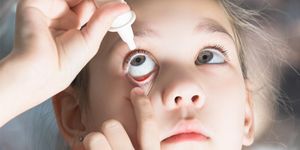
    1- پرهیز از عامل حساسیت زا: در مواردی که بتوان ماده مسئول ایجاد آلرژی را شناسایی کرد، بهترین و مؤثرترین درمان پرهیز از تماس با این ماده است.

    2- پاک سازی و بهبود محیط زندگی: تمیز نگه داشتن خانه به منظور به حداقل رساندن گرد و غبار، پرهیز از نگه داری حیوانات خانگی، حفظ رطوبت مناسب در هوا، خنک کردن هوای منزل و استفاده از صافی های جذب کننده غبار می تواند به کنترل علائم آلرژی کمک کند.

    3- پرهیز از خاراندن چشم ها

    4- استفاده از کمپرس سرد: کمپرس سرد باعث کم شدن تحریک چشم ها و احساس خارش می شود و معمولا اثر تسکین دهنده دارد.

    5- آلرژی درمانی: در مواردی خاص، ممکن است بتوان با روش هایی مثل تلقیح ماده آلرژی زا و افزایش تدریجی مقدار آن، واکنش دستگاه ایمنی بدن به یک ماده خاص را تغییر داد و مانع بروز علائم آلرژی در فرد مبتلا گردید. البته این روش پرهزینه و وقت گیر است و در بسیاری موارد امکان پذیر نمی باشد.

    6- استفاده از داروهای مناسب:

    الف-قطره اشک مصنوعی
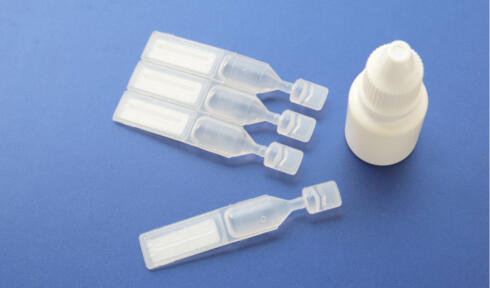
    قطره اشک مصنوعی گرچه اثر مستقیمی در درمان آلرژی ندارد، اما استفاده از آن باعث رقیق شدن مواد آلرژی زا تجمع یافته در چشم می شود. به علاوه تا حدی از چسبیدن مواد آلرژی زا به سطح ملتحمه جلوگیری می کند و عملکرد دفاعی لایه اشک را بهبود می بخشد. استفاده از این قطره ها به عنوان درمان کمکی به خصوص در افرادی که علاوه بر آلرژی، زمینه خشکی چشم دارند، گاه اثرات درمانی شگفت آوری دارد.

    ب-قطره های آنتی هیستامین و دکونژستانت(ضد احتقان)

    به هیچ وجه از قطره های آنتی هیستامین و دکنونژستانت نظیر قطره نفازولین + آنتازولین بیش از 2-1 هفته بصورت متوالی استفاده نکنید، زیرا مصرف طولانی مدت این قطره ها خود می تواند باعث تحریک و قرمزی چشم شود و حتی ممکن است در اثر عدم مصرف قطره، چشم شدیدا قرمز شود.
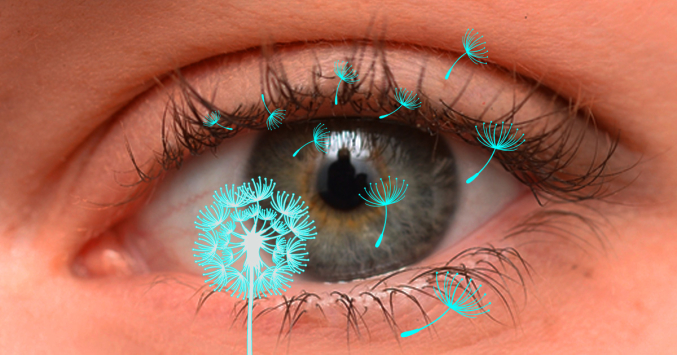
    قطره های آنتی هیستامین، اثر هیستامین در ملتحمه را خنثی می کنند و باعث کاهش خارش چشم ها می شوند، اما روی تورم و قرمزی اثر چندانی ندارند. قطره های آنتی هیستامین دو مزیت عمده نسبت به اشکال خوراکی آنتی هیستامین دارند: اولا این قطره ها سریع تر از قرص و شربت اثر می کنند. ثانیا مصرف دارو به صورت قطره کمتر از مصرف خوراکی باعث ایجاد خشکی چشم می شود.

    قطره های دکونژستانت قرمزی چشم را کم می کنند و در نتیجه ظاهر فرد بهبود پیدا می کند، اما این قطره ها اثری روی خارش ندارند. این داروها باعث تنگ شدن رگ های ملتحمه می شوند و در نتیجه قرمزی چشم کم می شود. البته در صورت مصرف طولانی مدت، خود این قطره ها می توانند باعث تحریک و قرمزی چشم شوند. به علاوه پس از چند روز مصرف مداوم، چشم اصطلاحا به این قطره ها عادت می کند و قطره بی اثر می شود و حتی ممکن است در اثر عدم مصرف قطره چشم شدیدا قرمز شود. بنابراین به هیچ وجه نباید این قطره ها را بیش از یکی دو هفته به صورت متوالی استفاده کرد. مصرف قطره های دکونژستانت در افراد مبتلا به آب سیاه(گلوکوم) ممکن است خطرناک باشد. بنابراین این افراد هرگز نباید به صورت خودسرانه این قطره ها را مصرف کنند.

    در برخی از فراورده های دارویی مثل قطره نفازولین + آنتازولین ماده آنتی هیستامین و دکونژستانت با هم بکار رفته است. مصرف این قطره ها می تواند ظرف چند دقیقه قرمزی و خارش چشم را کنترل کند و معمولا این اثر تا 4-3 ساعت قابل توجه است. بنابراین در درمان علائم حاد آلرژی می توان از این قطره ها استفاده کرد و مصرف کوتاه مدت آن ها معمولا عارضه مهمی(غیر ازسوزش چشم در موقع استفاده از قطره) ندارد. اما همان طور که گفته شد مصرف دراز مدت آن ها چندان مفید نیست و ممکن است باعث بروز عوارضی شود.

    ج-قطره های پایدار کننده ماست سل ها

    همان طور که گفته شد واسطه اصلی ایجاد آلرژی ماده ای به نام "هیستامین" است که از گروهی از سلول های ایمنی به نام "ماست سل ها" آزاد می شود. داروهای پایدار کننده ماست سل ها مانع آزاد شدن هیستامین از ماست سل ها می شود و در نتیجه از بروز واکنش های آلرژیک جلوگیری می کنند. این داروها در تمام انواع حساسیت مؤثر است؛ در افراد مبتلا به حساسیت فصلی و کراتوکنژنکتیویت بهاره می توان از یکی دو هفته پیش از شروع فصل حساسیت این قطره ها را استفاده کرد، تا از بروز علائم حساسیت جلوگیری شود.

    از آنجا که این داروها نسبتا بدون عارضه هستند می توان مصرف آن ها را برای یک دوره طولانی (مثلاً چند ماه) ادامه داد بدون این که مشکل خاصی ایجاد شود. البته باید توجه داشت که شروع اثر این داروها نسبتا کند است و برای آغاز بهبودی با مصرف این داروها معمولا چند روز زمان لازم است. از داروهای این گروه می توان به کرومولین سدیم اشاره کرد. البته در حال حاضر داروهای قوی تر و مؤثرتری نیز از این دسته در دسترس است.

    د-قطره های ضد التهاب غیر استروئیدی

    این قطره ها با اثر ضد التهابی خود باعث کاهش علائم آلرژی، به ویژه خارش می شوند. اما مصرف دراز مدت آن ها می تواند سوزش و خارش چشم را بدتر کند. از این دسته دارویی می توان به قطره ولتازن(دیکلوفناک) اشاره کرد.

    ه-قطره های ضد التهاب استروئیدی

    این قطره ها مثل بتامتازون، پردنیزولون و دگزامتازون در درمان حساسیت های چشمی بسیار مؤثرند، اما به علت عوارض جلدی بالقوه مصرف آن ها محدود به آلرژی های شدیدی است که با درمان های معمولی بهبود پیدا نکند. به علت احتمال بروز عوارض جلدی مثل آب مروارید(کاتاراکت) و گلوکوم(آب سیاه) مصرف این داروها باید حتماً با تجویز چشم پزشک و برای مدت کوتاه انجام گیرد.

    و- آنتی هیستامین های خوراکی

    مصرف آنتی هیستامین خوراکی معمولا در درمان آلرژی چشمی چندان مؤثر نیست، اما در مورادی که آب ریزش از بینی یا حساسیت پوستی(بویژه درماتیت آتوپیک) به همراه حساسیت چشمی وجود دارد، مصرف آنتی هیستامین خوراکی می تواند به کنترل این علائم کمک کند.

    چند نکته مهم:

    1. در موراد آلرژی های شدید چشمی و یا آلرژی های طولانی مدت، حتما به چشم پزشک مراجعه کنید.
    2. به یاد داشته باشید که آلرژی یک زمینه مزمن است و ممکن است مکررا عود کند.
    3. آلرژی ها آزار دهنده اند، اما اغلب خطرناک نیستند.

    What Is the Treatment for Eye Allergies?
    The first and best option is to avoid contact with substances that trigger your eye allergies. If that is not enough, consider using:

    • Saline eye drops to wash away the allergens
    • Over-the-counter medicine or eye drops (short-term use)
    • Prescription treatments from your doctor
    • Allergy shots (immunotherapy) from your doctor

    Eye allergy symptoms may disappear completely when the allergen is removed or after the allergy is treated. Talk to your pharmacist and health care provider about what is best for you.
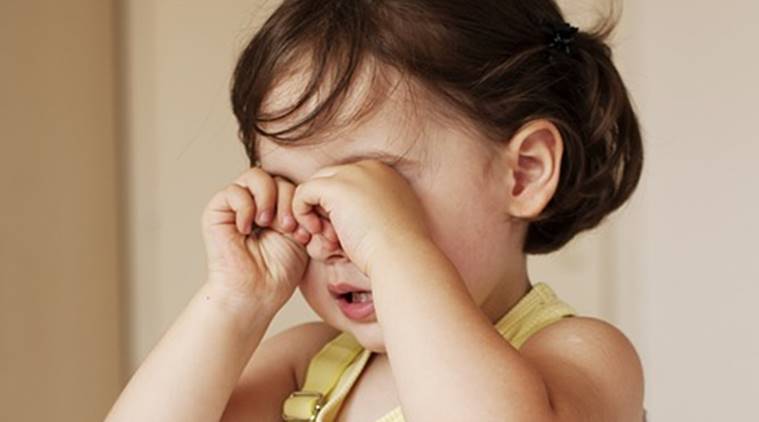
    Related image

    How Can I Prevent Eye Allergies?
    The first and best option is to avoid contact with things that trigger your eye allergies.

    Other tips are:

    • Don’t touch or rub your eye(s).
    • Wash your hands often with soap and water.
    • Wash your bed linens and pillowcases in hot water and detergent to reduce allergens.
    • Use allergen covers (encasements) for pillows, comforters, duvets, mattresses and consider using them for box springs.
    • Keep pets out of the bedroom to reduce pet dander allergen in your bedding.
    • Wear sunglasses and a wide-brimmed hat to help keep pollen from getting into your eyes.
    • Keep windows closed during high pollen and mold seasons. Use the air conditioner in your car and home.

    • درمان آلرژی های حاد با استفاده از قطره های آنتی هیستامین- دکونژستانت چشمی در یک دوره کوتاه به بهبود علائم کمک می کند.
    • در آلرژی های مزمن، بهترین دارو برای استفاده دراز مدت، قطره های پایدار کننده ماست سل ها(mast cells) است.
    • قطره های استروئیدی حتما باید در یک دوره کوتاه و تحت نظر چشم پزشک مصرف شوند.
    • از مصرف خودسرانه این داروها (بتامتازون - دگزامتازون - پردنیزولون) جدا پرهیز کنید.
    • قطره های خنک معمولا خارش چشم را بیشتر تسکین می دهند.
    • قطره های چشمی را در یخچال نگهداری کنید.

    آلرژي هاي چشمي يكي از شايعترين علت هاي مراجعه به چشم پزشك است بطور متوسط از هر 10 تا 15 نفر يك نفر در طول عمر خود دچار علائم حساسيت هاي چشمي مي شود. علائم آلرژي چشمي در افراد مختلف متفاوت است و طيف وسيعي از علائم از سوزش و خارش خفيف تا علائم شديد و آزار دهنده و گاه خطرناك را در برمي گيرد. به علاوه، حساسيت هاي چشمي اغلب با ساير علائم آلرژي مثل تب يونجه (آبريزش از بيني) و حساسيت هاي پوستي (مثل درماتيت آتوپيك) همراه است. گرده گل ها و گياهان، مو و كرك و پر حيوانات، داروها و لوازم آرايش نقش اساسي را در ايجاد آلرژي چشمي دارند. البته گاهي اوقات هم تحريك چشم ناشي از مواد محرك (مثل دود سيگار يا گرد و غبار) علائمي ايجاد مي كند كه با آلرژي چشمي اشتباه مي شود.

    چشم دريچه اي به جهان خارج است. وقتي چشم ها باز هستند ملتحمه در تماس مستقيم با مواد حساسيت زاي موجود در هواست. ملتحمه كه بافت پوششي مخاطي قسمت جلوي كره چشم و سطح داخلي پلك هاست يك سد دفاعي در برابر محيط خارج است. در ملتحمه تعداد زيادي رگ، سلول هاي ايمني و مواد دفاعي وجود دارد كه باعث حفاظت لايه هاي داخلي تر كره چشم در برابر عفونت ها و عوامل بيگانه مي شود. به علاوه اشك چشم نيز داراي سلول ها و عوامل ايمني مي باشد كه به دفاع در برابر عوامل خارجي كمك مي كند بنابراين بسياري از واكنش هاي دفاعي در جلوي كره چشم در سطح ملتحمه اتفاق مي افتد. هرگاه كنترل طبيعي اين واكنش هاي دفاعي به هم بخورد و يا واكنش هاي دفاعي به جاي عوامل بيگانه در برابر عوامل خودي اتفاق بيافتد واكنش هاي حساسيتي ايجاد مي شود. مهمترين عوامل ايجاد واكنش هاي حساسيتي ماده اي به نام "هيستامين" است كه از گروهي از سلول هاي ايمني به نام "ماست سل ها" مي شود. هيستامين باعث ايجاد خارش مي شود. به علاوه هيستامين موجب گشاد شدن رگ هاي موجود در ملتحمه مي شود و همين امر باعث مي شود كه چشم قرمز به نظر برسد. البته به جز هيستامين مواد ديگري نيز مي توانند در واكنش هاي آلرژيك دخيل باشند اما هيستامين مهمترين واسطه ايجاد علائم حساسيت است.

    اصولاً واكنش هاي حساسيتي در افراد جوان (سن زير 30 سال) شايع تر است. به علاوه احتمال بروز آلرژي در كساني كه سابقه حساسيت قبلي داشته اند و يا در خانواده آن ها بيماري هاي آلرژيك وجود دارد بيشتر است. بخصوص افرادي كه آلرژي هايي از نوع تب يونجه (آبريزش از بيني حساسيتي) يا آلرژي پوستي (درماتيت آتوپيك) دارند بسيار مستعد ابتلا به حساسيت هاي چشمي هستند.

    همانطور كه گفته شد واسطه اصلي ايجاد علائم آلرژي هيستامين است. ترشح هيستامين در ملتحمه باعث بروز خارش، سوزش و اشكريزش مي شود. همچنين هيستامين با گشاد كردن رگ ها باعث مي شود كه چشم قرمز و پرخون بنظر برسد. به علاوه اين ماده موجب مي شود كه مقداري مايع از رگ ها به داخل بافت ملتحمه و پلك نشست كند در اين حالت تورم پلك ايجاد مي شود. ممكن است پلك ها آنقدر متورم شوند كه فرد حتي نتواند چشم هايش را باز كند. تجمع مايع در ملتحمه باعث مي شود كه ملتحمه ظاهر آبي پيدا كند، به علاوه گاهي اوقات تجمع مايع در ملتحمه آنقدر زياد است كه ملتحمه از سطح چشم فاصله مي گيرد و از داخل شكاف پلكي بيرون مي زند و شبيه يك كهير يا تاول بزرگي مي شود. گاهي اوقات بخصوص وقتي قرنيه نيز درگير حساسيت شده باشد حساسيت به نور ايجاد مي شود.

    آلرژي چشمي معمولاً هر دو چشم را درگير مي كند، اما گاهي علائم حساسيت فقط در يك چشم بروز مي كند، بخصوص وقتي كه يك ذره حساسيت زا وارد چشم شود و فرد چشم مبتلا را بخاراند ممكن است شدت علائم در اين چشم خيلي بيشتر از چشم مقابل باشد.

    ورم ملتحمه آلرژيك (Allergic conjunctivitis)

    ورم ملتحمه يا كنژتكتيوبت شايع ترين شكل حساسيت چشمي است. اين بيماري اغلب در اثر حساسيت به گرده گل ها و گياهان ايجاد مي شود، به همين علت در فصل بهار شايع تر است؛ اما در افرادي كه به گرد و خاك خانگي، كپك ها، مو و پر حيوانات يا مواد شيميايي يا داروهاي خاص حساسيت دارند ممكن است علائم حساسيت در هر فصلي از سال ايجاد شود. كنژنكتيوبت آلرژيك فصلي اغلب با آبريزش از بيني همراه است. علائم مهم كنژتكتيويت آلرژيك عبارتند از: خارش و سوزش و قرمزي چشم ها، اشكريزش و ترشحات آبكي و تورم پلك و ملتحمه. از آنجا كه اكثر علائم حاد بيماري ناشي از آزاد شدن هيستامين در بافت ملتحمه است، درمان انتخابي اين علائم استفاده از قطره هاي چشمي آنتي هيستامين است جهت پيشگيري از بروز اين علائم مي توان از قطره هاي پايدار كننده ماست سل ها استفاده كرد (در مورد اين داروها در زير توضيح خواهيم داد). همچنين در موارد حساسيت خيلي شديد مي توان با نظر چشم پزشك از قطره هاي استروئيدي براي مدت كوتاهي استفاده كرد. شربت ها و قرص هاي آنتي هيستامين معمولاً روي علائم چشمي بيمار چندان مؤثر نيستند اما براي كنترل آبريزش از بيني و علائم پوستي حساسيت بكار مي روند.

    ماليدن چشمي كه مي خارد يك واكنش طبيعي است اما ماليدن چشم ها باعث آزاد شدن مقادير بيشتر هيستامين و ساير واسطه هاي آلرژي مي شود و در نتيجه موجب بدتر شدن علائم حساسيت مي گردد. پس سعي كنيد تا جايي كه امكان دارد چشم ها را نماليد.

    ورم ملتحمه همراه با درماتيت آتوپيك (Atopic dermatitis)

    درماتيت آتوپيك نوعي حساسيت شديد پوستي است كه با خارش شديد همراه است و اغلب در بچه ها و نوجوانان تظاهر مي كند. علائم چشمي اين بيماري معمولاً نوجوانان و جوانان بخصوص پسرها را درگير مي كند. علامت چشمي اصلي اين بيماري خارش شديد و قرمزي پلك هاست. چشم ها ترشحات فراوان دارند و پلك ها حالت پوسته پوسته و دلمه بسته پيدا مي كنند. پلك ها ضخيم و سفت مي شوند گاهي حساسيت به نور ايجاد مي شود. اين بيماري در صورت درمان نامناسب به علت خارش مزمن و خراش مكرر سطح قرنيه توسط سطح ناهموار پلك ها، باعث ايجاد لك قرنيه و تاري ديد مي گردد.

    گاهي اوقات مصرف برخي مواد غذايي حساسيت زا مثل تخم مرغ، آجيل، توت فرنگي، گوجه فرنگي، بادنجان، ادويه ها، شير و ماهي ممكن است باعث بدتر شدن علائم پوستي و چشمي درماتيت آتوپيك شود. در اين حالت حذف اين مواد از رژيم غذايي به كنترل بيماري كمك مي كند. به علاوه مواد حساسيت زاي موجود در هوا مثل گرد و خاك خانگي، كپك ها، مو و پرز حيوانات نيز مي تواند باعث شديدتر شدن علائم در افراد مبتلا شود.

    پايه اصلي درمان اين بيماري استفاده از آنتي هيستامين هاي خوراكي قوي است براي كنترل خارش است. استفاده از قطره هاي آنتي هيستامين، قطره هاي پايدار كننده ماست سل ها و در موارد شديد دوره هاي كوتاه مدت قطره هاي استروئيدي مي تواند به كنترل علائم چشمي كمك كند.

    گاهي اوقات يك عفونت ميكروبي پلك ها در زمينه درماتيت آتوپيك ايجاد مي شود كه باعث بدتر شدن خارش و ساير علائم چشمي مي شود. در اين حالت درمان عفونت با استفاده از قطره ها و پمادهاي آنتي بيوتيك و شستشوي مكرر پلك ها مي تواند به رفع عفونت و بهتر شدن علائم كمك كند.

    علائم چشمي درماتيت آتوپيك ممكن است فرد را سال ها درگير كند. به علاوه در افراد مبتلا به اين بيماري احتمال ايجاد آب مرواريد (كاتاراكت) و لك قرنيه بيشتر از افراد عادي است به همين دلايل اين افراد بايد مرتباً تحت نظر چشم پزشك باشند.

    كراتوكنژنكتيويت بهاره (Vernal Keratoconjunctivitis)

    كراتوكنژنكتيويت (التهاب ملتحمه و قرنيه) بهاره بيماري ناشايعي است كه اغلب در مناطق روستايي گرمسير و در نوجوانان، بخصوص پسرها اتفاق مي افتد و قبل از 20 سالگي به تدريج بهبود مي يابد. بيماري معمولاً از اواسط بهار كه هوا رو به گرمي مي رود شروع مي شود و پس از 3-2 ماه كم كم برطرف مي شود و در سال بعد مجدداً عود مي كند.

    در اين بيماري چشم ها خارش شديد پيدا مي كند و پلك ها متورم و سنگين مي شوند (گاهي به همين علت فرد ظاهر خواب آلوده پيدا مي کند). ممکن است حساسيت به نور ايجاد گردد. معمولاً ترشحات شيري رنگ چسبناک در گوشه چشم ها جمع مي شود. در پشت پلک بالايي ظاهر سنگ فرشي ايجاد مي شود (اين منظره در معاينه، با ميکروسکوپ چشم پزشکي به راحتي با برگرداندن پلک قابل مشاهده است) همچنين به علت تجمع سلول هاي التهابي در ملتحمه ممکن است لکه هاي سفيدرنگي در ملتحمه و دور قرنيه ديده شود. گاهي اوقات در اين بيماران بافت ملتحمه در اطراف قرنيه حالت برجسته و پشته پشته يدا مي کند.

    کراتوکنژنکتيويت ها بهاره مي تواند به علت خارش مکرر باعث ايجاد خراش و لک قرنيه شود. مؤثرترين درمان اين بيماري استفاده از قطره هاي استروئيد چشمي (براي مدت کوتاه و زير نظر چشم پزشک) است. مي توان براي کمک به کنترل بيماري و جلوگيري از عود آن از قطره هاي پايدار کننده ماست سل ها و قطره هاي آنتي هيستامين موضعي نيز استفاده کرد. استفاده از عينک هاي آفتابي با شيشه بزرگ و دسته هاي ضخيم (که از ورود گرد و خاک به چشم جلوگيري مي کند) مي تواند به کنترل بيماري کمک کند. همچنين استفاده از کمپرس آب سرد و خنک کردن محل زندگي مي تواند تا حدي علائم را تسکين بخشد.

    حساسيت ناشي از لنز تماسي (کنتاکت لنز)

    هر جسم خارجي که بصورت مزمن با ملتحمه و سطح داخلي پلک در تماس باشد مي تواند باعث بروز حساسيت شود. در مورد لنز تماسي خود لنز، رسوبات پروتئيني ايجاد شده بر روي لنز و محلول هاي تميز کننده لنز (بخصوص مواد نگهدارنده موجود در محلول) مي تواند موجب ايجاد حساسيت شود. خوابيدن با لنز تماسي احتمال ايجاد حساسيت را شديداً افزايش مي دهد.

    حساسيت به لنز تماسي معمولاً بصورت قرمزي و خارش چشم و ايجاد ترشحات فراوان و غليظ بروز مي کند. بعلاوه معمولاً در سطح خلفي پشت پلک فوقاني حالت پشته پشته ايجاد مي شود (اين پشته ها در حقيقت برجستگي هاي طبيعي ملتحمه هستند که پاپيلا نام دارند و در اثر حساسيت بصورت غير طبيعي بزرگ و برجسته مي شوند)

    مؤثرترين درمان اين نوع حساسيت توقف استفاده از لنز تماسي است. معمولاً قرمزي و خارش چشم چند روز تا چند هفته پس از توقف استفاده از لنز بهبود مي يابد اما برطرف شدن برجستگي هاي پشت پلک (پاپيلاها) ممکن است چندين ماه طول بکشد. در صورتيکه نتوان از عينک يا روش هاي ديگر براي اصلاح ديد استفاده کرد و فرد ناچار به استفاده از لنز باشد تغيير نوع لنز، تميز کردن مکرر لنز و شيسشوي کامل رسوبات پروتئيني و سپس آبکشي دقيق با آب مقطر و يا استفاده از لنزهايي که به صورت روزانه تعويض مي شوند ممکن است به بهبود اين عارضه کمک کند.

    به علاوه ممکن است لازم باشد قطره هاي چشمي پايدار کننده ماست سل ها تا چند ماه در اين افراد مصرف شود. (در موقع استفاده از قطره بايد لنز تماسي را از چشم خارج کرد)

    حساسيت هاي پلک

    حساسيت هاي پلک اغلب نوعي واکنش حساسيتي ويروس است که در اثر برخورد مستقيم با يک ماده آلرژي زاي خاص ايجاد مي شود. اين عارضه معمولاً در اثر تماس با مواد شوينده يا مواد آرايشي اتفاق مي افتد و به همين دليل در خانم ها شايع تر است. (لاک ناخن در صورت ماليدن دست ها به چشم مي تواند اين عارضه را ايجاد کند).

    علائم اين نوع حساسيت معمولاً 24 تا 48 ساعت پس از برخورد با ماده آلرژي زا اتفاق مي افتد. معمولاً پلک ها دچار خارش شديد و قرمزي مي شود، ممکن است جوش هاي ريز آبکي روي پلک ها ايجاد شود گاهي ملتحمه نيز قرمز مي شود. درصورتيکه فرد بطور مکرر با ماده آلرژي زا در تماس باشد پوست پلک ها ضخيم شده حالت چرمي پيدا مي کند و پلک کلفت مي شود.

    بهترين درمان اين عارضه شناسايي ماده مولد حساسيت و پرهيز از آن است. در موارد حاد شديد استفاده از يک پماد چشمي استروئيدي ملايم براي مدت چند روز مي تواند به کنترل علائم کمک کند. درصورتيکه عفونت ميکروبي به ضايعه حساسيتي پلک اضافه شود لازم است عفونت با داروهاي آنتي بيوتيکي درمان شود.

    چه بيماري هايي با آلرژي چشمي اشتباه مي شوند؟

    بسياري از بيماري هاي چشمي مي توانند با آلرژي اشتباه شوند. شايعترين اين بيماري ها عبارتند از:

    خشکي چشم: معمولاً باعث ايجاد سوزش چشم ها و احساس وجود شن ريزه در چشم مي شود. در اين بيماري خارش چشم کمتر از بيماري هاي آلرژيک است. بعلاوه خشکي چشم معمولاً افراد مسن را مبتلا مي کند در حاليکه آلرژي در افراد جوانتر اتفاق مي افتد. يک نکته مهم آن است که داروهاي آنتي هيستامين که براي کنترل علائم آلرژي مصرف مي شوند مي توانند خشکي چشم را بدتر کنند.

    انسداد مجراي اشکي: در اين بيماري نيز به علت بسته شدن مجراي اشکي چشم ها دچار اشکريزش مي شود اما بر خلاف بيماري هاي آلرژيک در اين حالت معمولاً خارش وجود ندارد. اين بيماري نيز در افراد مسن تر شايع تر است.

    ورم ملتحمه عفوني: ورم ملتحمه عفوني ناشي از بيماري ها و ويروس ها مي تواند علائمي شبيه آلرژي چشمي ايجاد کند. تشخيص ورم ملتحمه عفوني از آلرژي چشمي مهم است چون ورم ملتحمه عفوني بخصوص نوع ويروسي آن، شديداً واگيردار است و مي تواند اطرافيان را مبتلا کند.

    بطور کلي در موارديکه علائم آلرژي شديدتر از معمول است يا علائم به اقدامات معمول برطرف نمي شود لازم است حتماً معاينه چشم پزشکي انجام شود چون برخي از بيماري هاي جدي چشمي مي تواند در ابتدا تظاهراتي مشابه آلرژي داشته باشد.


    Which Eyedrops Help Eye Allergies?

    Allergy eyedrops are liquid medicines used to treat symptoms of eye allergies. Eye allergy symptoms include:

    • A burning feeling in your eye
    • Feeling like something is in the eye
    • Itchy eyes
    • Red (bloodshot) eyes
    • Swollen eyelid
    • Tearing

    An eye allergy can be triggered by the same things that cause hay fever, such as:

    • Pollen
    • Dust
    • Pet dander

    Certain medications or contact lenses can also be triggers.

    Types of Allergy Eyedrops

    Your doctor may first suggest you take these steps:

    • Use artificial tears.
    • Place a cold cloth on the eyes.
    • Avoid your allergy triggers.

    Which type of allergy eyedrop you use depends on:

    • The cause of your allergy
    • Your symptoms
    • How much the symptoms affect your daily activities

    There are many types of allergy eyedrops. Not all treat all allergy symptoms. For example, one that relieves red eyes may not stop the itching.

    Some are sold over the counter. For others you need a prescription from a doctor. Some relieve symptoms quickly. Others provide long-term relief.

    The types of allergy eyedrops include:

    • Antihistamine
    • Anti-inflammatory
    • Decongestant
    • Mast cell stabilizers
    • Multiple action

    Prescription mast cell stabilizer eyedrops include:

    • Cromolyn (Crolom)
    • Lodoxamide (Alomide)
    • Nedocromil sodium (Alocril)
    • Pemirolast potassium (Alamast)

    Reference:

    • Allergy Eyedrop Types: Choose the One Best for You (webmd.com)
    • Eye Allergy / Allergic Conjunctivitis | AAFA.org Asthma and Allergy Foundation of America
    Before we elaborate on the pink eye remedy, we have to find out what is pink eye (conjunctivitis)?

    Pink eye is an inflammation of conjunctiva - the membrane that covers the eye and lines the inner surface of the eyelid.

    Related image

    The three most common types of pink eye are:

    • viral,

    • allergic, and

    • bacterial

    Each requires different pink eye remedy.

    Other than the allergic type, pink eye is typically contagious.

    What are the signs and symptoms of pink eye?

    Various combinations of the following symptoms may be present in cases of pink eye:

    • Itching eye

    • Redness in eye

    • Photophobia (sensitivity to light)

    • Swelling of the lids and/or discharge from the eyes The consistency of possible discharge may range from watery to purulent (pus-like), depending on the specific cause of the pink eye.

    What causes pink eye (conjunctivitis)?

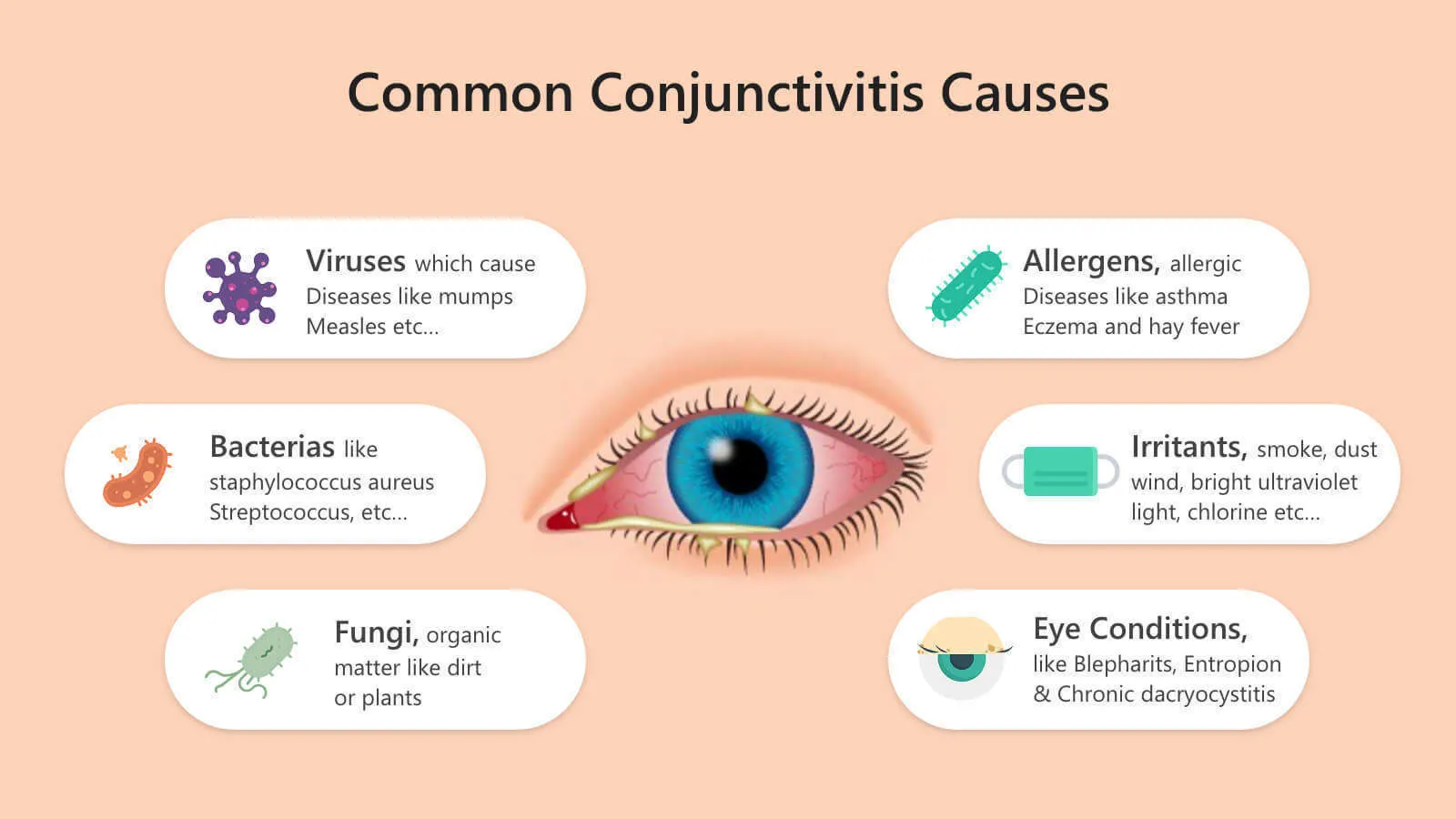
    Pink eye (conjunctivitis) is often caused by viruses. It can also be caused by bacterial infections, allergies, chemicals, irritation from contact lenses or pollutants, as well as eye injury. Viral and bacterial pink eye are very contagious.

    Bacterial or viral infections
    These may occur when micro organisms are introduced or transmitted into the eye through contaminated hands, the use of washcloths or towels, cosmetics, use of false eyelashes or through the extended usage of contact lenses.

    It is also quite common for a minor pink eye to accompany a viral cold or flu. Although bacterial infections and some of viral infections, particularly herpes, are not very common, they are potentially serious. Both types of infection are contagious.

    Irritants
    Another major cause of pink eye is the presence of irritants, which may take the form of pollutant or particles in the air, smoke, soap, hairspray, makeup, chlorine, cleaning fluids, among other. Some people may also get pink eye due to a seasonal allergic response to grass and pollen.

    Pink Eye Remedy

    It usually takes about a few days or up to two weeks for pink eye remedy to clear up the eye problem. Pink eye that occurs due to an allergy may continue for as long as the offending pollen or irritant is present. With such conditions, symptoms are likely to recur each year or on a regular basis, even with proper pink eye remedy.

    Pink eye remedy may vary depending on the cause. Eye health medication in the form of ointments, eye drops or pills may be used to eliminate the infection in the eye, or to alleviate and relieve the allergic symptoms and discomfort. In the case of pink eye that occurs due to a viral cold or flu, your doctor may recommend that you be patient and let the viral infection run its course.

    These are some of the steps you should take in the pink eye remedy:

    • Apply a cool compress to the infected eye or eyes about three to four times a day for 10-15 minutes. Make sure you use a clean washcloth or towel each time. This should help to reduce itching and swelling and alleviate some of the discomfort.

    • Wash your hands frequently and be sure to keep them away from your eyes in order to reduce or prevent recontamination.

    • Avoid rubbing your eyes. This may contribute to the spread of the infection and increase the irritation.

    • Wear sunglasses if your eyes are sensitive to the light.

    • Avoid exposure to the irritants that may be causing the pink eye.

    • Dispose of old eye makeup if the culture for bacteria, taken by the doctor, turns out to be positive.

    • Change your pillowcase each night. Alternatively, you can change your pillowcase every other day and turn it over nightly.

    • Avoid wearing contact lenses while you are using medication on your eyes, or if you feel discomfort in the eyes. Clean your contact lenses thoroughly before you begin using them again.

    Can pink eye (conjunctivitis) be prevented?

    Although many kinds of pink eye (conjunctivitis) are hard to prevent, you can take some measures to decrease the risk of re-contamination or spreading it to someone else .

    Here are some eye health measures you can take to prevent re-contamination:

    • Do not share eye makeup or cosmetics of any kind with someone else. As far as possible, avoid sharing washcloths or towels.

    • Wash your hands frequently and keep them away from the eyes.

    • Wear protective goggles when you go swimming or when you have to work in a place that is exposed to chemicals that may irritate the eyes.

    • Do not use eye health medication, such eye drops, ointment, etc., which have not been prescribed for you. Someone else's prescription is not be suitable for you.

    • Avoid swimming in stagnant lakes or ponds.

    • Do not save remaining eye health medication for future use. Dispose of expired medication.

    Red Eyes: Prevention & Cool Tips on How to Take Care!

    Image result for red eye

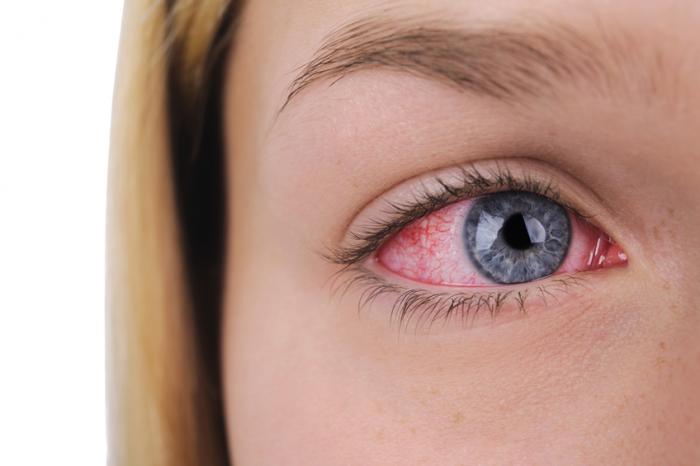
    A red eye is a very common condition, an eye that appears red due to illness or injury. Fortunately, many a time, the red eye is of short duration, not very troublesome, and resolves by itself.


    causes of red and bloodshot eyes
    Simple red eyes usually clear by remedies such as washing with plain cold water, applying cold packs to closed eyes, taking a short period of rest, etc.

    Commonest cause is conjunctivitis, either due to allergy, or due to infection. Allergies can cause itchy, red eyes that appear swollen. Infection, on the other hand, can cause stickiness of the eye lids or eye lashes with some discharge in addition. While the very mild may clear by themselves, others will need specialist treatment.

    Other causes of red eye, which need proper treatment are, keratitis (injury/infection of cornea), scleritis & episcleritis (involvement of white layers of eye).

    Glaucoma or iritis can also cause redness of the eye, and these conditions would need immediate treatment. Acute glaucoma, if treatment is delayed, can lead to permanent loss of vision.

    To prevent delay in treatment, any one of the following feature indicates that an urgent consultation with an ophthalmologist is important:

    Along with redness of eyes, if there is:

    (1) pain in or around the eyes.
    (2) watering from the eyes.
    (3) photophobia, or inability/hypersensitivity to tolerate light.
    (4) diminution of ability to see clearly, which was good until the onset of red eye.

    Lubricating eye drops and general soothing eye drops usually give some relief in almost all the conditions. That could be a reason sometimes when we may delay seeking specialist consultation.
    One big danger is in using steroid eye drops, while very essential in treating some of the conditions mentioned above, has exactly the opposite and very harmful result in some other conditions. Hence, only a well trained ophthalmologist can identify these conditions quickly and advise accordingly.

    Eye haemorrhage: Causes and treatments

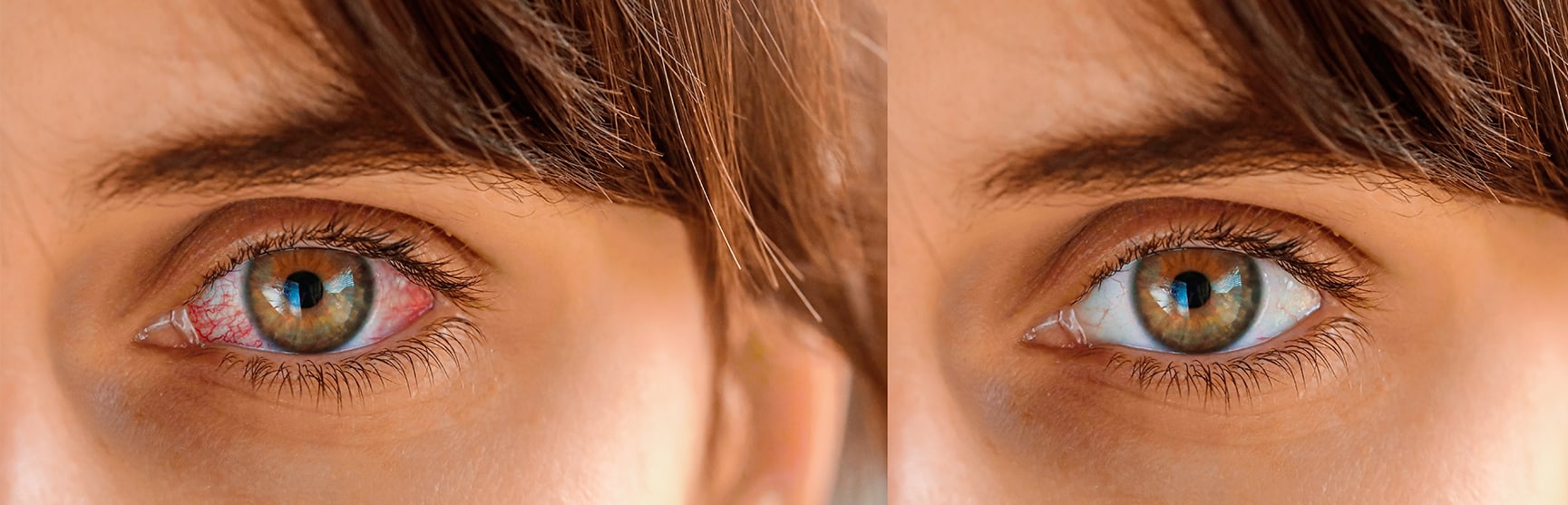
    Eye redness occurs when the vessels in your eye become swollen or irritated. Redness of the eye, also called bloodshot eyes, can indicate the presence of several different health problems. While some of these problems are quite innocent, others are serious and require proper medical attention.

    Red eyes may be caused by anything from a poor night’s sleep to a more serious medical condition. But Mark Mifflin, M.D., an ophthalmologist with University of Utah Health Care’s Moran Eye Center, warns that attempts to whiten eyes often do more harm than good.

    A subconjunctival hemorrhage often occurs without any obvious harm to your eye. Even a strong sneeze or cough can cause a blood vessel to break in the eye. You don't need to treat it. A subconjunctival hemorrhage may look alarming, but it's usually a harmless condition that disappears within two weeks or so.

    To safely reduce redness of the eye, the following courses of action should be followed:

    A professional eye exam. Many factors, including dry eye, eyelid inflammation, allergy, skin type, smoking, and exposure to dust or chemicals can cause or contribute to eye redness. Preservative free artificial tears or prescription eye drops prescribed by your eye care provider can help. Also, getting enough sleep is important, as is eating a variety of fruits and vegetables, and protecting the eyes from UV rays and dry air.

    Avoid any eye drops or other medications that promise to reduce redness. “Generally these medicines temporarily narrow blood vessels. The effect may last for several hours, but they are always followed by rebound dilation,” says Mifflin. He also says that nearly all of these eye drops contain medications or preservatives which can be toxic to the surface of the eye when used repeatedly.

    Be aware: discoloration of the white of the eyes can sometimes be a sign of a serious medical condition. For example, a yellow tinge could signify liver disease, or a dramatic increase in red might be due to an abnormality of the blood vessels inside the head or neck. Once again, consulting your optometrist is a good place to start.

    Reference:

    • eye-exercises-for-good-vision.com
    • dejonghoptometry.co.za/red-eyes-night-driving-tips
    • practo.com/healthfeed/red-eyes-prevention-cool-tips-on-how-to-take-care

    فیزیولوژی (به فرانسوی: Physiologie ) یا کاراندام‌شناسی یا تن‌کردشناسی دانش عملکرد سامانه‌های زنده است و یکی از شاخه‌های زیست‌شناسی است که به مطالعه اعمال حیاتی موجود زنده، اندام‌ها، بافت‌ها، سلول و عناصر آن می‌پردازد.

    محلول اشک خاصیت ضد ویروسی و ضد باکتری دارد که تا ۹۵ درصد باکتریها را نابود می سازد . اشک مایعی است که با فرآیند ایجاد آن در چشم ها تولید می گردد. وظایف اشک شامل تمیز کردن و شستشوی سطح چشم، ضد عفونی کردن چشم ها، لغزنده کردن چشم ها برای حرکت آسان کره چشم و پلک ها، جلوگیری از خشک شدن چشم ها و پلک ها، ایجاد ارتباط میان انسان ها، دفع مواد تجمع یافته در چشم ها و پاسخی به استرس می باشد.

    فقدان اشک باعث ایجاد سوزش، خارش و قرمزی در چشم ها، احساس وجود شن در چشم ها، حساسیت به نور، از دست رفتن شفافیت قرنیه، ایجاد زخم در قرنیه، عفونت های مکرر و شدید چشم ها، خشکی چشم ها و در نهایت نابینایی می گردد.

    فیلم (پرده) اشک از سه لایه مجزا تشکیل یافته است:

    ۱) لایه موکوسی(mucous):
    داخلی ترین لایه پرده اشک می باشد. چسبناک و لزج بوده و از موسین تشکیل یافته است. این لایه توسط سلول های ملتحمه و قسمت داخلی پلک ها ترشح می شود. این لایه قرنیه را می پوشاند تا یک لایه آبگریز برای پخش و گسترش یکنواخت لایه آبی فراهم آید. این لایه پرده اشک را روی سطح چشم می چسباند. بدون این لایه، پرده اشک به صورت قطره های ریز در خواهد آمد.
    ۲) لایه آبی(aqueus):
    این لایه، آبکی بوده و ۹۰ درصد پرده اشک را تشکیل می دهد. حاوی آب و مواد دیگری مثل پروتئین های لاکتوفرین، لیزوزیم و لیپوکالین، الکترولیت ها، آنتی اکسیدان ها و برخی ویتامین ها می باشد. این لایه عمدتا توسط غدد اشکی ترشح می شود.
    ▪ وظایف این لایه شامل: اکسیژن رسانی به سطح چشم، مبارزه با عفونت توسط آنتی بیوتیک های طبیعی (لیزوزیم و لاکتوفرین)، صاف کردن سطح چشم، شستن چشم ها از سلول های مرده و گرد و غبار، مواد محرک و حساسیت زاست.

    why crying may be a nonverbal signal

    ۳) لایه چربی(lipid):
    این لایه، روغنی است و خارجی ترین لایه پرده اشک را تشکیل می دهد. این لایه توسط غدد میبومین(meibomian) که در لبه پلک ها ی فوقانی و تحتانی واقع می باشند ترشح می شود. این لایه با ایجاد یک حایل آبگریز، از تبخیر لایه اصلی پرده اشک (لایه آبی) جلوگیری می کند.
    ▪ وظایف دیگر این لایه شامل: افزایش کشش سطحی و جلوگیری از سر ریز شدن اشک از پلک ها، لغزنده کردن چشم و تسهیل عمل باز و بسته کردن پلک ها می باشد.

    ● غدد اشکی(lacrimal glands):
    غدد اشکی در گوشه خارجی چشم ها و پشت پلک های فوقانی قرار گرفته اند. غدد اشکی هر کدام به اندازه یک بادام بوده و ۲ سانتی متر طول دارند.
    مایع اشکی از طریق ۶ تا ۱۲مجرای کوچک ترشحی به فضای میان چشم و پلک فوقانی وارد می گردد. با هر بار باز و بسته کردن چشم ها اشک از مجاری ترشحی غدد اشکی چکیده شده و به سمت مجرای اشکی- بینی که به صورت دو سوراخ بسیار ریز در گوشه داخلی چشم ها قرار گرفته، هدایت می گردد.
    در انتها اشک به کیسه اشک و سپس به حفره بینی می ریزد. به همین علت است که هنگام گریه کردن ممکن است دچار آبریزش بینی گردید.

    Tears are made up of water, electrolytes, proteins, lipids, and mucins that form layers on the surface of eyes.

    The different types of tears—basal, reflex, and emotional—vary significantly in composition.

    Chemical composition

    Tears are made up of three layers: lipid, aqueous, and mucous. Tears are composed of water, salts, antibodies, and lysozymes (antibacterial enzymes); though composition varies among different tear types. The composition of tears caused by an emotional reaction differs from that of tears as a reaction to irritants, such as onion fumes, dust, or allergens. Emotional tears contain higher concentrations of stress hormones such as adrenocorticotropic hormone and leucine enkephalin (a natural pain killer), which suggests that emotional tears play a biological role in balancing stress hormone levels.

    Some mammals, such as cats, camels, polar bears, seals and aardvarks, have a full translucent third eyelid called a nictitating membrane, while others have a vestigial nictitating membrane. The membrane works to protect and moisten the eyelid while maintaining visibility. It also contributes to the aqueous portion of the tear film and possibly immunoglobulins. Humans and some primates have a much smaller nictitating membrane; this may be because they do not capture prey or root vegetation with their teeth, so that there is no evolutionary advantage of the third eyelid. eResearch by Navid Ajamin -- winter 2010

    انواع اشک:
    ۱) اشک پایه (basal tears):
    درچشم های پستانداران سالم، قرنیه پیوسته (۲۴ ساعته) توسط اشک های پایه خیس و تغذیه می گردد. این اشک باعث لغزنده شدن و شستشوی چشم ها از ذرات خارجی می گردد. مایع اشک حاوی آب، موسین، چربی ها، لیزوزیم، لاکتوفرین، لیپوکالین، ایمنوگلوبولین ها ،گلوکز، سدیم کلراید، کلراید پتاسیم، آنتی اکسیدان ها و برخی ویتامین ها می باشد.
    ۲) اشک رفلکس(reflex tears):
    هر چیزی که باعث تحریک یا خشک شدن چشم شود، می تواند تولید این نوع اشک را افزایش دهد. این نوع اشک به طور غیر ارادی و در پاسخ به مواد محرکی نظیر ذرات خارجی، گرد و غبار، آلرژن ها(مواد حساسیت زا)، عوامل بیماری زا(مثل باکتری و ویروس) ، بوی پیاز، گاز اشک آور و افشانه فلفل ترشح می گردد. این نوع اشک سعی می کند تا مواد محرک و آزاردهنده را از چشم ها پاک کند.
    باد شدید و نور شدید خورشید نیز می تواند باعث تولید اشک رفلکس گردد. این اشک بیشتر آبکی بوده و از لیزوزویم و ایمنوگلوبولین بیشتری برخوردار است.
    ۳) اشک احساسی یا گریه کردن (emotional tears/crying):
    این اشک هنگام احساساتی شدن انسان ها (استرس هیجانی) و یا احساس درد بدنی ترشح می گردد. آغازگرهای هیجانی این نوع اشک معمولا خشم، اندوه، شادی، ترس، شوخ طبعی و ناکامی می باشند.
    ترکیبات شیمیایی این نوع اشک با ترکیبات دو اشک قبلی متفاوت است. اشک احساسی حاوی هورمون ها و پروتئین های بیشتری است. این اشک حاوی هورمون پرولاکتین، هورمون رشد، آدرنوکورتیکوتروپین، آندروفین و عنصر منگنز می باشد.

    در قسمت بالا و گوشه هر چشم غده کوچکی وجود دارد که غده اشکی یا لاکریمال نامیده می‌شود.چشم‌ها برای پاکیزگی و از بین بردن عوامل سوزش‌آور و تحریک‌کننده، اشک تولید می‌کنند. بخش کوچکي از اشک توليد شده به علت تماس با هواي بيرون بخار مي‌شود ولي بخش اعظم آن به وسيله سيستم تخليه اشک به خارج از چشم پمپ مي‌شود.وقتی پلک می‌زنید، پلک شما اشک‌ها را به روی چشمتان پخش می‌کند تا آن را مرطوب نگه دارد. سپس اشک‌ها به یک کانال کوچک در سمت داخلی چشم به داخل یک کیسه ریخته می‌شوند. از آنجا به یک مجرا که مجرای اشک نامیده می‌شود جریان یافته و به بینی می‌ریزد. اما گاهي اتفاق مي‌افتد که اين سير طبيعي دچار اختلال شده و فرد را به آبریزش چشم دچار می کند.

    آبریزش چشم در هر سنی ممکن است اتفاق بیفتد اما در در میان نوزادان با سن کمتر از ۱۲ ماه و افراد بالای ۶۰ سال متداول‌تر است. این مشکل ممکن است برای یکی از چشم‌ها یا هر دو آنها اتفاق بیفتد.

    The Healing Power of Emotional Tears

    آبریزش چشم ممکن است به علت عفونت سینوس ها ، اشکال لنز ، استفاده زیاد از کامپیوتر ، دود ، کمبود اشک ، شل شدن پوست پلک و بینی ، ضرب دیدگی چشم و آلرژی چشمی یا مصرف خوراکی های تند و ترش، آلاینده‌های شیمیایی باشد.

    در کودکان:

    • آلرژی (حساسیت)
    • عفونت ویروسی چشم ها (ورم ملتحمه ویروسی)

    در بزرگسالان:

    • التهاب و ورم پلک چشم ( بلفاریت )
    • خشکی چشم ها (کاهش تولید اشک)
    • قرمزی چشم

    انسداد مجرای اشکی

    (گاهی اوقات مجرای اشک به طور کامل بسته نمی‌شود اما آنقدر باریک می‌شود که همه اشک‌ها را تخلیه می‌کند. و ندرتاً هم ممکن است ورودی کانالیکولی در گوشه داخلی چشم بسته شود که ممکن است بخاطر التهاب یا زخم باشد.پلیپ بینی نیز ممکن است از بیرون آمدن اشک‌ها از مجرای اشکی جلوگیری کند.)

    • اکتروپیون (برگشت لبه پلک به سمت بیرون ، اکتروپیون ممکن است باعث شود که که اشک‌ها به جای اینکه به سمت کیسه اشک بروند، از گوشه پایین پلک پایین بیایند.)
    • انتروپیون (برگشت لبه پلک به سمت داخل)
    • تحریک و سوزش قرنیه چشم
      ? How are tears produced and drained
    • عفونت مجرای اشکی
    • وجود یک جسم خارجی در چشم مثل مژه یا گرد و خاک
    • تب یونجه (یک نوع آلرژی فصلی)
    • بیماری تراخم چشم
    • افزایش مواد آلرژی‌زا همچون گرد و غبار و خاک در محیط زندگی
    • عفونت غشای روی پلک چشم
    • التهاب، سوزش یا خراش زیاد چشم

    * از جمله عواملی که به میزان کمتر باعث آبریزش دائمی چشم ها می شوند می توان به ضربه به چشم و یا سایر آسیب های چشمی ، سینوزیت مزمن ،گلوکوم ( آب سیاه چشم ) مادرزادی یا گلوکوم زودرس در نوزادان ، سندرم نرمی و سستی پلک چشم ، سایر بیماری های التهابی، اشعه درمانی (رادیوتراپی یا پرتودرمانی)، فلج عصب هفتم (آسیب عصب صورت)، سندرم شوگرن (این سندرم اغلب باعث خشکی چشم ها و دهان می شود)، جراحی چشم و یا بینی، بیماری های غده تیروئید، تومورهایی که سیستم دفع اشک را مختل می کنند، اشاره کرد.

    درمان آبریزش چشم

    در اغلب موارد آبریزش چشم می تواند به طور موثر درمان شود. بسته به شدت علایم، آبریزش چشم می تواند گاهی اوقات برای رانندگی سخت و خطرناک باشد.اگر آبریزش چشم خفیف باشد یا زیاد اذیتتان نکند، نیازی به درمان ندارد.

    انسداد مجرای اشکی با عمل جراحی قابل درمان است. در این عمل کانالی جدید از کیسه اشک به داخل بینی گذاشته می شود. سپس اشک ها از هر انسداد عبور می کند..باریک شدن کانالی که به کیسه اشک می رسد که کاملاً بسته نشده باشد، با وارد کردن یک میله بازتر می شود. اما اگر کاملاً بسته شده باشد، برای آبکشی کردن اشک به داخل بینی نیاز به عمل خواهد بود.مژه هایی که جلو چشم را از بین می برد (انتروپیون) قابل برداشتن است. قرمزی چشم معمولاً با قطره چشم قابل درمان است..اکتروپیون معمولاً با یک عمل جراحی عمومی روی پلک پایینی قابل درمان است.اگر خشکی چشم ها باعث آبریزش چشم شود، استفاده از قطره اشک مصنوعی به میزان ۴ تا ۵ بار در روز و یا گذاشتن کمپرس گرم (مثل حوله گرم) روی چشم ها برای مدت چند دقیقه می تواند برای رفع آبریزش مفید باشد.اگر آبریزش چشم های شما همچنان ادامه داشت، نزد چشم پزشک بروید.

    روانشناسی اشک tear psychology یکی از موضوعاتی است که افراد زیادی در مورد آن تحقیق کرده اند. مثلا آیا تا به حال برایتان پیش آمده است که با دیدن یک فیلم یا یک سریال اشک بریزید و ناراحت شوید و یا هنگامی که یکی از دوستانتان و یا خودتان در یک مسابقه مقامی را کسب کرده اید از خوشحالی اشک ریخته باشید.

    به گفته محققان، گریه کردن ذاتی است و انسان روزانه حدود 280 گرم و سالانه 30 گالن اشک تولید می‌کند. این میزان بر اساس جنسیت، متفاوت بوده و زنان بیش از مردان گریه می‌کنند.

    گریه تولد و مرگ آدمی را نشانه‌گذاری می‌کند. گریستن نخستین واکنش نوزادی است که متولد می‌شود و فردی که از دنیا می‌رود واکنش ماتمی را در بازماندگان بر می‌انگیزد که با گریه همراه است‌.

    اشک نشانه‌ای جهانی است. از زمان‌های قدیم، فیلسوفان و دانشمندان سعی کرده‌اند گریه را به عنوان بخشی از زبان مشترک انسان برای بیان عاطفی توضیح دهند. اما، در واقع، اشک به تنهایی بار معنایی ندارد. اشک از چشمان‌مان سرازیر می‌شوند یا بر گونه‌هایمان می‌چکند و معنی این قطرات نمک تنها می‌توانند به طور آزمایشی توسط دیگران استنباط شوند؛ این درک تنها زمانی حاصل می‌شود که اطرافیان اطلاعات بیشتری در مورد زمینه‌های ذهنی، اجتماعی و روایی خاصی داشته باشند که باعث گریه ما شده است.

    در عین‌ حال که اشک فوایدی مانند حفظ آب بدن و محافظت در برابر محرک‌ها را برای چشم به ارمغان می‌آورد به نوعی نشان می‌دهد که حمایت عاطفی و اجتماعی مورد نیاز است. افراد گریه را با پریشانی جسمی و عاطفی مرتبط می‌دانند اما اشک نقش مهمی در نحوه ابراز طیف گسترده‌ای از احساسات دارد. وقتی کلمات کافی نیستند اشک می تواند به انتقال احساسات کمک کند.

    Get help with low mood, sadness or depression

    گریه کردن تنها به خیس کردن چند برگ دستمال کاغذی خلاصه نمی‌شود. محققان دریافته‌اند که گریه کردن شاید یک نقش تکاملی بسیار مهم و حیاتی داشته است، مبنی بر اینکه اشک‌ها یک سیگنال شیمیایی را به دیگر انسان‌ها منتقل کرده و این گلوله‌های مایع نمک‌دار می‌توانند برق تولید کنند. علاوه بر این راز‌هایی در مورد گریه و اشک وجود دارد، مانند این که برخی افراد اغلب هنگام پرواز اشک می‌ریزند در حالی که برخی دیگر هنگام خنده کردن اشکشان جاری می‌شود.

    از زیبایی غیرمنتظره شکل بزرگ شده اشک تا نقششان در بیماری دیابت، آینده گریه کردن در انسان هم بسیار عجیب و غریب و هم ارزشمند است.

    چرایی و چگونگی گریستن همواره یکی از رازهای پیچیده زندگی انسان بوده است‌.به ندرت پیش می‌آید که کسی از روی افسردگی و اندوه بخندد ولی گریستن در هنگام شادی و خوشحالی غیرمعمول نیست‌. ما با تعبیرات گوناگونی مانند اشک شادی‌، اشک شوق‌، اشک ماتم و اشک اندوه آشناییم.‌

    چشم هر سال به طور متوسط ​​۱۵ تا ۳۰ گالن اشک تولید می کند. با افزایش سن اشک کمتری تولید می شود و فقدان اشک می تواند به چشم ها آسیب برساند. اشک از غده اشکی واقع در بالای چشم سرچشمه می گیرد.

    از آنجا اشک‌ها از طریق کانال‌های کوچک به داخل بینی جریان می یابند. جایی که دوباره جذب یا تبخیر می‌شوند. آن ها به هیدراته ماندن چشم کمک می کنند و از نفوذ باکتری ها، گرد و غبار، کثیفی و سایر عوامل محرک محافظت می کنند. اشک همچنین نشان دهنده نیاز به پیوند اجتماعی و حمایت همه جانبه است.

    گریه کردن فواید زیادی دارد. نه تنها سیگنالی برای دریافت کمک هنگام پریشانی جسمی و عاطفی است بلکه گریه می‌تواند به کاهش استرس و کاهش سطح هورمون کورتیزول در بدن کمک کند. همچنین گریه فرصتی برای رابطه عاطفی، دلبستگی و اصالت فراهم می کند. اشک ریختن می تواند نشانه آسیب پذیری نیز باشد. مطالعه ای در سال ۲۰۱۴ نشان می دهد که اشک حتی ممکن است در موارد پرخاشگری را کاهش دهد و در عین حال اتحاد و همدردی دیگران را فراخوانی کند و در افزایش اعتماد و همدلی بین افراد و بهبود روابط عاطفی موثر واقع شود.

    از نظر فیزیکی اشک به عنوان سپری برای چشم عمل می کند. از نظر احساسی اما هدف بسیار پیچیده تری را دنبال می کند.

    بسیاری از مردم از این اشک‌ها می‌ترسند و آرزو می‌کنند که می‌توانستند به طور کامل از آن ها دوری کنند. برخی حتی در تولید اشک مشکل دارند حتی زمانی که احساس می کنند به یک هق هق عمیق نیاز دارند.

    اگر همراه با آبریزش چشم ها، علائم زیر را داشتید، فورا نزد چشم پزشک بروید:

    • احساس وجود جسم خارجی در چشم foreign body sensation in eye
    • کاهش بینایی چشم decrease in vision
    • درد اطراف چشم Pain around the eyes

    Should I be worried if I don't cry?

    If you can't cry at all, you might have a hard time working through your own emotions, and you could also find it tough to connect with others. In the end, crying is normal, so don't worry about trying to hold those tears back — they're completely natural.

    Is it normal to not cry tears?

    Yes, it is possible for a person to cry without producing tears, although it's less common. There are several reasons why someone might experience crying without tears. They are: Dry eye syndrome: The eyes do not produce enough tears, or the tears evaporate too quickly.

    What are tears for?

    Tears are essential to the cornea. They play three key roles:

    1. Protection:
      • Cleaning the eye surface
      • Providing lubrication, so the eyelids can move more easily
      • Hydrating and protecting the cornea (water, antibodies, complement system)
    2. Nutrition:
      • Providing oxygenation and nutrients
    3. Optical support:
    • Smoothing the surface of the cornea
    • Maintaining its refractive properties, for optimal vision

    Reference:

    • pezeshk.us
    • mydryeyedisease.com/faq
    • en.wikipedia.org/wiki/Tears
    • futurity.org/crying-emotional-tears-3264922
    • healthline.com/health/mental-health/why-cant-i-cry
    • news.miami.edu/stories/2024/06/why-do-we-cry.html

    See also:

    • Tear physiology and dry eyes
    • Why we cry New research is opening eyes to the psychology of tears.
    • Analysis of basal and reflex human tear osmolarity in normal subjects
    nicetoview.blogfa.com
    عینک eyewear وبلاگ تخصصی عینک شامل مجموعه مطالب پزشکی است که اطلاعات مفیدی در رابطه با عینک , چشم، لنز، سلامتی چشم و راه های پیشگیری از بیماریهای چشمی، کنترل و درمان آن را در اختیار شما کاربر محترم می گزارد.

    Always Be Healthy
    همیشه سلامت باشید

    Navid Ajamin نوید عجمین
    eMail: navid.aj@outlook.com
    موضوعات وب
    پیوندها

    unicef for every child

    شمارنده