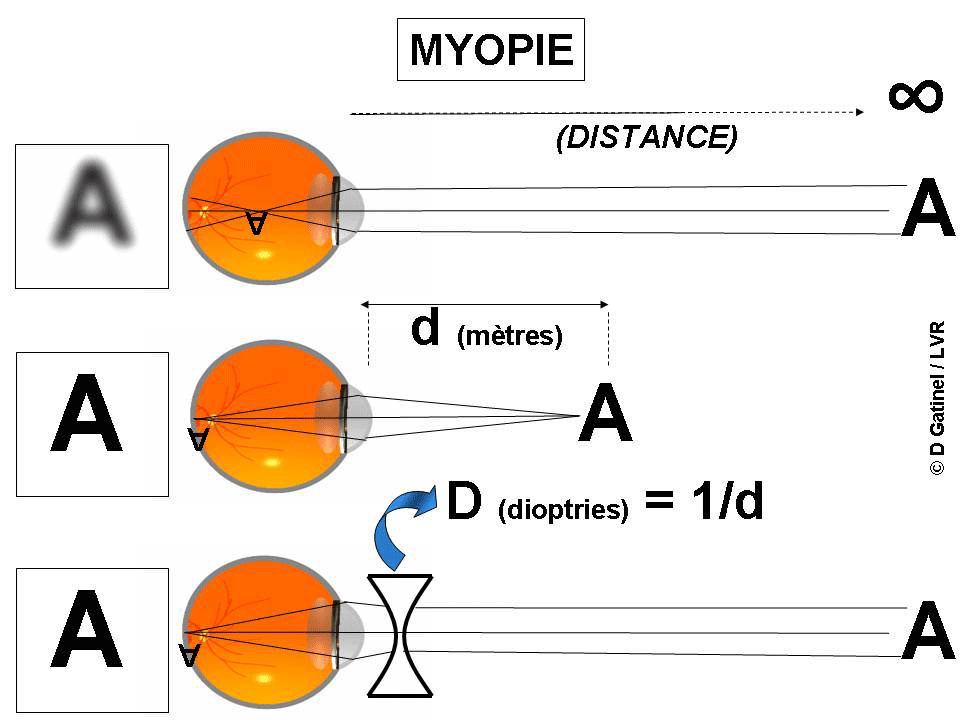
For a shortsighted person, close objects are clear, but distant objects- such as a school blackboard, a street sign, or a face across a room- are blurred and difficult to distinguish. Over 25% of adults worldwide are shortsighted.

Myopia (near-sightedness)
Myopia (near-sightedness), hyperopia (far-sightedness), and astigmatism (distorted vision) are what as know as refractive errors.
For proper eyesight, the cornea (the clear window in front of the eye) and the lens (behind the pupil) must properly focus or "refract" light onto the retina (at the back of the eye). If the length or shape of the eye is not ideal, the light may get focused too early or too late leaving a blurred image on the retina.
Myopia, or near-sightedness, is the ability to clearly see objects up close but not those at a distance.
Causes
It is an inherited condition usually detected in children between the ages of eight and twelve. Few factors outside of heredity affect this condition. Using dim light, reading too much or nutritional deficiencies do not seem to impact it one way or the other.
Risk Factors for Myopia
Myopia is often an inherited condition. If one of your parents has myopia there is a much greater chance that you will develop this refractive error Certain health conditions, such as diabetes, can also increase the risk for developing nearsightedness.
Some studies are finding an association between near work and myopia. Near work describes activities that require close visual focus for a long period, such as using a computer. Understanding digital eye strain and how to best manage it may help your eyes adjust to modern digital demands.
What is Myopia Control? By Beth Longware Duff; reviewed by Gary Heiting, OD
Myopia control is the use of specific treatments to slow the progression of nearsightedness in children. Myopia control measures typically are prescribed by an eye doctor (an optometrist or an ophthalmologist).
Currently, there are four categories of myopia control treatments: atropine eye drops, multifocal contact lenses, multifocal eyeglasses and orthokeratology (ortho-k).
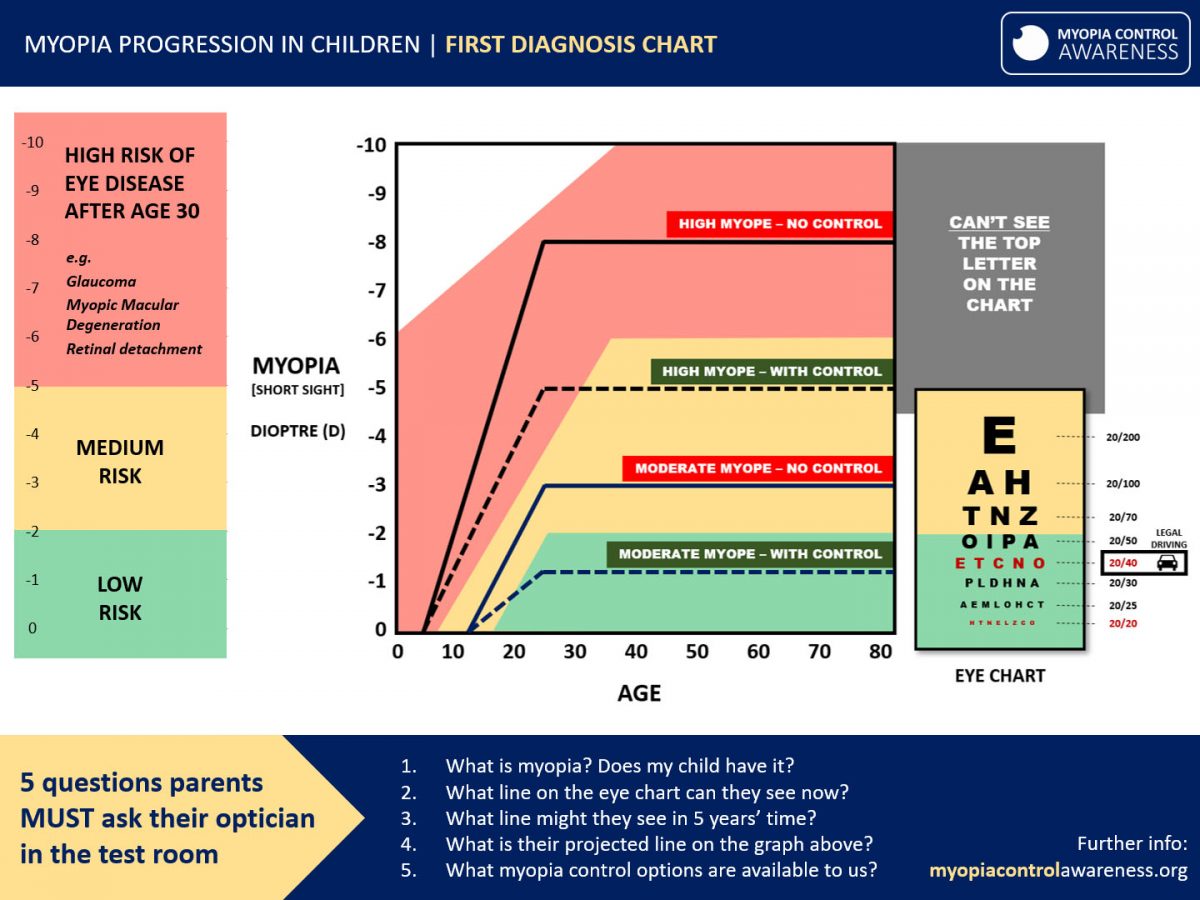
Myopia control is important because it may help reduce the risk of vision-threatening complications associated with high myopia later in life — including glaucoma, cataracts, retinal detachment and even blindness.
Myopia promo 5: There are methods to slow the progression of myopia in kids.
Atropine eye drops
Atropine eye drops commonly are used to reduce the pain associated with certain types of eye inflammation. They also relieve focusing fatigue by dilating the pupil and temporarily limiting the eye's ability to automatically change focus (a process called accommodation).
The effect atropine has on accommodation may be what accounts for its effectiveness in also reducing the progression of myopia in children. Some studies have shown that atropine is the most effective way of controlling myopia, and that its use can reduce myopia progression by up to 77 percent.
Multifocal contacts
Multifocal contact lenses are primarily designed to provide clear vision at all distances for people who have refractive errors, including myopia, and also are experiencing the normal age-related loss of near focusing ability called presbyopia.
A two-year study in the U.S. concluded that nearsighted children who wore multifocal lenses on a daily basis had a 50 percent reduction in the progression of their myopia when compared with similarly nearsighted children who wore regular soft contacts for the same period.
Multifocal eyeglasses
Multifocal eyeglass lenses work similarly to multifocal contacts to help wearers with presbyopia see clearly at all distances.
Studies in the U.S. and abroad have concluded that children who wear multifocal glasses have a statistically significant lower rate of myopia progression than children who wear regular single vision glasses. One study concluded that multifocal eyeglasses provide up to a 33 percent reduction in myopia progression.

Orthokeratology (Ortho-k)
Also known as "corneal reshaping lenses", ortho-k contact lenses are specially designed gas permeable contacts that are worn only at night during sleep. In the morning, the lenses are removed and the temporary correction is good enough so corrective lenses are not needed during the day.
A recent study found that — in addition to temporarily correcting existing myopia — ortho-k contact lenses reduced myopia progression by 45 percent.
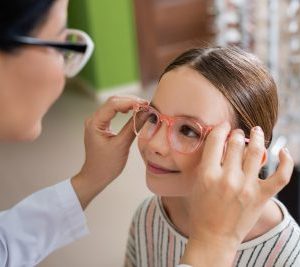
To learn more about nearsightedness and myopia control, schedule an eye exam with an eye doctor near you.
Slowing the progression of myopia has become a considerable concern for parents of myopic children. At the same time, clinical science is rapidly advancing the knowledge about methods to slow myopia progression.
Several strategies have been shown to be ineffective for myopia control, including undercorrection of myopic refractive error, alignment fit gas-permeable contact lenses, outdoor time, and bifocal of multifocal spectacles.
However, a recent randomized clinical trial fitted progressing myopic children with executive bifocals for 3 years and found a 39% slowing of myopia progression for bifocal-only spectacles and 50% treatment effect for bifocal spectacles with base-in prism, although there was not a significant difference in progression between the bifocal-only and bifocal plus prism groups.
Interestingly, outdoor time has shown to be effective for reducing the onset of myopia but not for slowing the progression of myopic refractive error. More effective methods of myopia control include orthokeratology, soft bifocal contact lenses, and antimuscarinic agents. Orthokeratology and soft bifocal contact lenses are both thought to provide myopic blur to the retina, which acts as a putative cue to slow myopic eye growth. Each of these myopia control methods provides, on average, slightly less than 50% slowing of myopia progression.
All studies have shown clinically meaningful slowing of myopia progression, including several randomized clinical trials. The most investigated antimuscarinic agents include pirenzepine and atropine. Pirenzepine slows myopia progression by approximately 40%, but it is not commercially available in the United States. Atropine provides the best myopia control, but the cycloplegic and mydriatic side effects render it a rarely prescribed myopia control agent in the United States. However, low-concentration atropine has been shown to provide effective myopia control with far fewer side effects than 1.0% atropine.
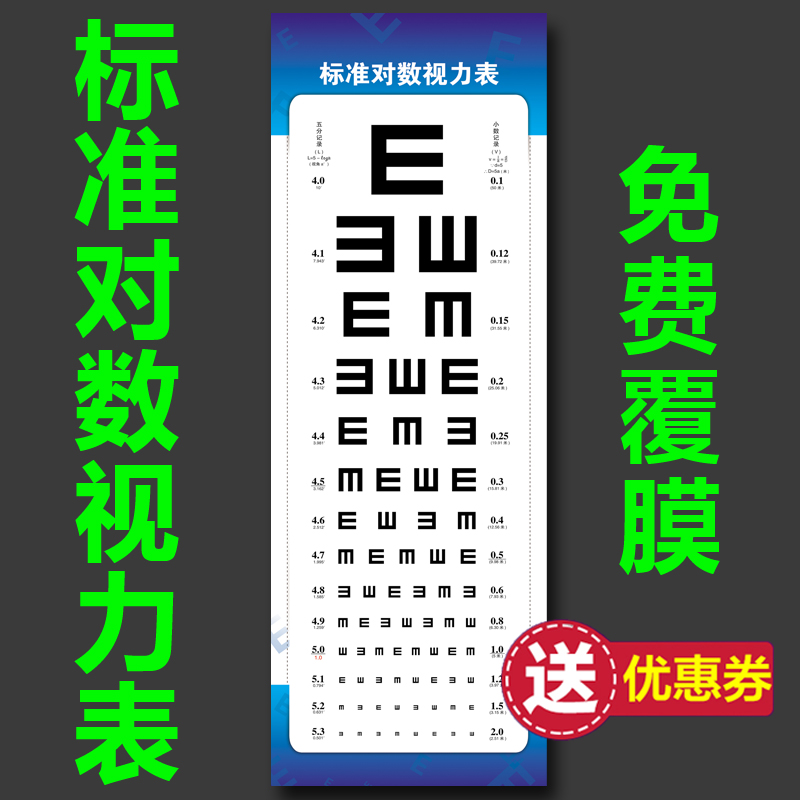
Finally, two agents, low-concentration atropine and outdoor time have been shown to reduce the likelihood of myopia onset. Over the past few years, much has been learned about how to slow the progression of nearsightedness in children, but we still have a lot to learn.
Some studies suggest you may be able to slow its progression though.
You can, however, help protect your eyes and your vision by following these tips:
- Have your eyes checked. Do this regularly even if you see well.
- Control chronic health conditions. Certain conditions, such as diabetes and high blood pressure, can affect your vision if you don't receive proper treatment.
- Protect your eyes from the sun. Wear sunglasses that block ultraviolet (UV) radiation.
- Prevent eye injuries. Wear protective eyewear when doing certain things, such as playing sports, mowing the lawn, painting or using other products with toxic fumes.
- Eat healthy foods. Try to eat plenty of leafy greens, other vegetables and fruits. And studies show that your eyes benefit if you also include in your diet fish high in omega-3 fatty acids, such as tuna and salmon.
- Don't smoke. Just as smoking isn't good for the rest of your body, smoking can adversely affect your eye health as well.
- Use the right corrective lenses. The right lenses optimize your vision. Having regular exams will ensure that your prescription is correct. There is evidence that wearing a prescription that is too weak (undercorrecting) can increase the development of nearsightedness.
- Use good lighting. Turn up or add light for better vision.
- Reduce eyestrain. Look away from your computer or near-task work, including reading, every 20 minutes — for 20 seconds — at something 20 feet away. eResearch by Navid Ajamin -- autumn 2011

See your doctor immediately if you experience any of these symptoms: Sudden loss of vision in one eye with or without pain; sudden hazy or blurred vision; double vision; or you see flashes of light, black spots or halos around lights. This may represent a serious medical or eye condition.
What age does myopia get better?
Myopia is typically diagnosed between the ages of 8 and 12. Changes in prescription often slow down about the age of 20, when our eyes begin to stop growing. Many people will not experience an increasing degree of myopia as they exit their 20s, but diagnosis as a child will usually remain with someone their whole life.
What Causes Myopia to Worsen?
There are several factors that can contribute to the worsening of myopia. One of the most significant is genetics. Studies have shown that if one or both parents have myopia, the chances of their children developing it are significantly higher.
Spending time engaging in close-up work, such as reading or using electronic devices, can strain the eyes and also contribute to myopia progression.
Another factor is a lack of outdoor time. Studies have shown that exposure to natural light and time spent outside can slow the progression of myopia.
If you have myopia, it is essential to have regular eye exams and follow your eye doctor’s recommendations to manage and slow its progression.
Reference:
- eyesite.ca
- bausch.com.au
- allaboutvision.com
- nightlenses.com/myopia-control
- ncbi.nlm.nih.gov/pubmed/26513719
- visilab.ch/en/vision/visual-disorders/myopia-children
- drtcarlson.com/eye-care-services/myopia-management
- myeyewellness.com/does-myopia-always-get-worse-as-you-age
- mayoclinic.org/diseases-conditions/nearsightedness/diagnosis-treatment/drc-20375561
- cbc.ca/news/health/myopia-children-shortsightedness-prevalence-outdoor-indoor-1.7399141
 وبلاگ تخصصی عینک شامل مجموعه مطالب پزشکی است که اطلاعات مفیدی در رابطه با عینک , چشم، لنز، سلامتی چشم و راه های پیشگیری از بیماریهای چشمی، کنترل و درمان آن را در اختیار شما کاربر محترم می گزارد.
