ابزار وبمستر

حساسیت به نور که فتو فوبی نامیده می شود یک نا رضایتی از حساسیت بیش از حد یا عدم تحمل نور شدید است .

Related image

نور خورشید، نور فلوئورسنت، نور های درخشان و محیط های خیلی روشن همه می تواند باعث ایجاد این مشکل شوند. بسته به شدت این مشکل حتی در بعضی افراد نور خیلی کم هم باعث ناراحتی شخص می شود و در بعضی دیگر نور های شدید این تحریک را ایجاد می کند و باعث سوزش چشم می گردد.

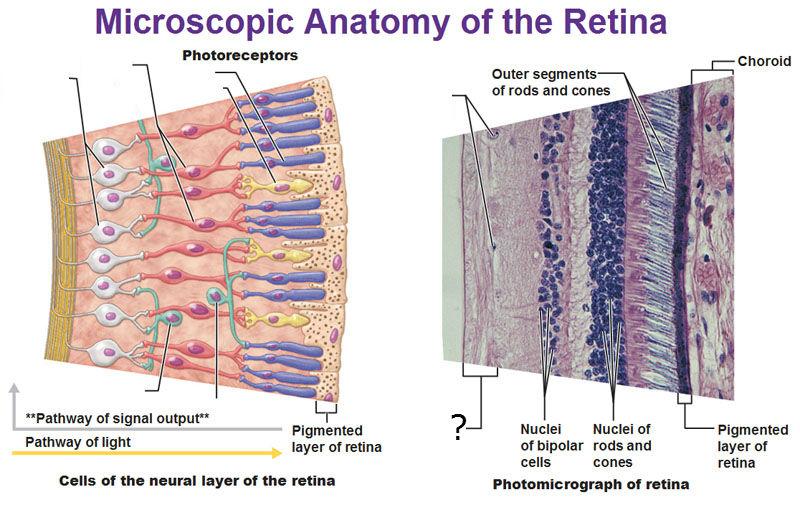
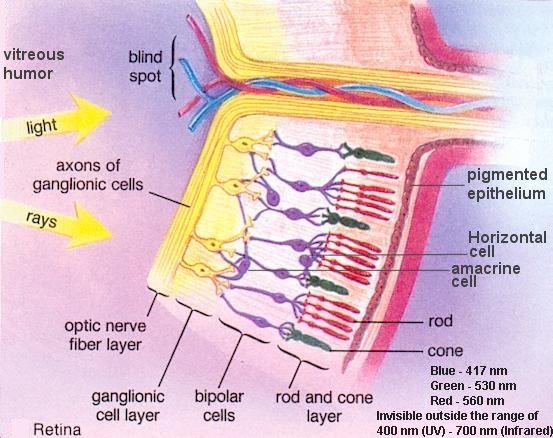
دراصطلاح پزشکی واقعا فتوفوبی ترس نیست. اما یک تجربه درد یا ناراحتی برای چشم ها در نتیجه قرار گرفتن درمعرض نور است. حساسیت به نور معمولا در نتیجه ورود خیلی زیاد نور به داخل چشم که موجب تحریک بالای فتورسیتورهای رتین و در نتیجه فرستادن ایمپالس های الکتریکی خیلی زیاد به عصب بینایی ایجاد می شود. این امر موجب ایجاد یک رفلکس بیزاری به نور و ناراحتی یا درد در چشم ها می شود؛ نور خیلی زیاد در صورتی می تواند وارد چشم شود که یک یا هر دو مردمک قادر به انقباض نرمال نباشند (یا نتوانند به صورت نرمال منقبض شوند) و در واقع در این حالت عنبیه قادر به انقباض کافی در جهت کاهش نور ورودی به چشم نیست که این مسئله در آسیب عصب اکولوموتور دیده می شود؛ اما درغیر این صورت معمولا یک نشانه وابسته به اختلال یا بیماری از قبیل التهاب قرنیه، آفاک و... است. فوتوفوبی یک نا رضایتی معمول و رایج چشمی است و در موارد شدیدش شخص در درجات نور خیلی پایین (نورخیلی کم ) بهتر فعالیت می کند و عملکرد بهتری دارد. بیماران دچار فتوفوبی چشم هایشان را از مقابل نور مستقیم بر می گردانند یا درشرایط نور زیاد از عینک آفتابی استفاده می کنند، یا دنبال یک پناهگاه تاریک می گردند .

براثر تحریک عصب افتالمیک که شاخه ای از عصب زوج 5 مغزی است سه گله مندی درد ، ترس از نور و اشک ریزش ایجاد می شود . فتوفوبی ممکن است باعث ایجاد میگرن های چشمی بصورت مداوم ، احساس درد دائم و کسالت شود. نا رضایتی ممکن است برای روزها و هفته ها به همراه بهبود یا کاهش خود به خودی پایدار باشد یا با حمله های متناوب که بعد از ماه ها و سالها روی می دهد همراه باشد.

نا رضایتی و علائم همراه فتوفوبی:

شکایت اصلی در فتوفوبی احساس درد و ناراحتی در نور روشن و نیاز به برگرداندن یا بستن چشمها برای رهایی از آن است و همچنین ممکن است همراه با یکسری علائم و شکایات باشد که شامل موارد زیر می باشد:

  • دردچشم، خارش چشم، تاری دید، سر درد، گیجی، قرمزی، احساس تورم در چشم، تهوع و سر گیجه

دلایل و عوامل ایجاد کننده ی فتوفوبی :دلیل رایج دیگر فتوفوبی کاتاراکت است. هنگامی که لنز شفاف طبیعی کدر می شود کاتاراکت شکل می گیرد. کاتاراکت باعث تفرق نور می شود، مشابه حالتی که از پشت شیشه مات به اطراف نگاه کنیم . این تصویر ناواضح ایجاد شده سبب ناراحتی شده که بصورت درد درک می شود .

یکی دیگر از عامل شایع گلوکم مادرزادی است، حساسیت بیش از حد به نور یا اشک ریزش زیاد در اولین ماهها یا سالها زندگی باید معاینه کننده را باید به گلوکم مادرزادی مشکوک کند . این علائم ممکن است پیش از بزرگی قابل توجه به چشم یا خونگیری گلوکماتوز سر عصب اپتیک باشد.

همچنین از علل شایع فتوفوبی مزمن در بالغین بلفاریت است .

سایر عوامل ایجاد کننده فتوفوبی شامل موارد زیر است :

- مصرف بیش از حد و افراطی لنز های تماسی یا فیت کردن بد Contact Lenses

- شالازیون

التهاب اپی اسکلرا Episcleritis ، التهاب قرنیه (کراتیت)، التهاب ملتحمه کونژنکتیویت(conjunctivitis)، التهاب یووا (Uveitis)، التهاب های قرنیه ملتحمه ای (Kerato conjunctivitis )

- سوختگی های چشمی مثل آفتاب سوختگی، سردرد های رایج میگرن، خراشیدگی ها و زخم های قرنیه، مننژیت، کواتوکونوس (قوز قرنیه)، خونریزی (Sub arachnoids)، Encephalitis (التهاب مغز) – آلبینسیم ( زالی)

- آفاک((Aphakia، کندگی شبکیه (Relined detachment)، Cystinosis، وجود جسم خارجی در چشم، کوررنگی مطلق، هاری، مسمومیت با جیوه، (Refractive surgery) جراحی های انکساری درچشم، ادم قرنیه، فقدان عنبیه (Aniridia)، مصرف الکل.

مصرف برخی دارو ها نیز می تواند باعث ایجاد فتوفوبی شود از قبیل: داروهای آنتی کولینرژیک (Anticholineryic)، آنتی هیستامین ها، کوکائین، آمفتامین ها، اسکوپولامین، Furosemid -Belladonna - Doxycycline - quinine، تتراسایکلین، داروهای میدریازیس ،سیلکوپلژیک وstrychnine با ایجاد مردمک (دیلاته ) باعث ایجاد فتوفوبی نیز می شود .

همچنین عوامل ایجادکننده بستگی زیادی به سن و جنس بیمار و همچنین ویژگی های خاص شکایت از قبیل طول مدت زمان، عوامل تشدید کننده و کاهنده و.... دارد .

[2] Causes of Photophobia

Photophobia can be activated at any point in the visual step: too much light can sometimes enter the eye if it is damaged; photoreceptors in the retina can become over-stimulated; through the optic nerve’s ability—or hyper ability—to fire electric impulses to the brain; or in higher-than-normal responsiveness in the body’s central nervous system.

For some people, their eye color can affect their sensitivity to light. People with lighter-colored eyes—as well as people who suffer from migraines, and those with cataracts—often are especially susceptible to photophobia. Other people who suffer from light sensitivity were born without pigment in their eyes—known as ocular albinism—and this lack of pigment can lead to heavy glare and headaches.

Light sensitivity in the eyes can also point to underlying problems resulting from meningitis, uveitis, muscular degeneration, and conjunctivitis. Sometimes, less-permanent conditions can cause light sensitivity, such as contact lens irritations or eye abrasions, can also temporarily cause photophobia.

Earlier we mentioned getting a vision exam if photophobia is “affecting your everyday life.” Photophobia is adversely affecting your life if you experience any of the following symptoms:

- Sensitivity to sunlight: You avoid going outside on sunny days.

- Fluorescent light sensitivity: You can’t work in a room with fluorescent lighting.

- Sensitivity to car headlights: You won’t drive at night because of headlights.

- Sensitivity to glare from computer screen: You have more difficulty looking at your computer screen than looking at printed information.

So what causes light sensitivity? We’ve broken it down into two broad categories:

1. Non-Functional Vision Problems
There are an extensive number of reasons a person may be suffering from photophobia. Just a few examples include: eResearch by Navid Ajamin -- autumn 2012

- Pathologies
- Brain injuries
- Migraine headaches
- Refractive conditions
- Corneal issues
- Medication side effects
- An injury or infection may cause sudden photophobia.

Most of these include some sort of injury, infection and/or inflammation. In these types of cases, a person experiences a sudden light sensitivity. The photophobia may be a recent occurrence, and the patient typically does not have any prior experiences.


2. Functional Vision Problem
In other cases, the photophobia may be caused by a functional vision problem.

“Functional vision” is your ability to interact with your environment using the visual skill areas of eye teaming, eye focusing and eye movements.

Functional vision problems occur when one or more of the following visual skills are affected:

Eye Teaming Eye Focusing Eye Movement

Photophobia may be experienced by people who have poor eye teaming and focusing problems. One example of a functional vision problem that almost always produces photophobia is exotropia, which is a form of strabismus in which one or both eyes turn out. However, you don’t need to have exotropia to experience photophobia resulting from a functional vision problem.[3]

In 1934, photophobia was first described and defined by Lebensohn as “exposure of the eye to light definitely induces or exacerbates pain” . This definition emphasized that the core character is pain, but did not specify what kind of light (e.g., bright light or dim light) caused the symptom. In fact, photophobia is heterogeneous. Descriptions of photophobia vary among patients, and some of the heterogeneity comes from the different disorders that manifest this symptom. For example, some patients with migraine will deny that pain is a part of the experience at all but just prefer to be in a darkened room. Thus, some researchers believe that photophobia involves not only the pain pathway, but also a limbic system pathway that superimposes an emotional discomfort leading to avoidance of light. Due to the evidence from basic research and the limitations of the earlier definition, Fine and Digre used the term “photo-oculodynia” to describe the pain or discomfort in the eye arising from a light source that should not be painful or discomforting under ordinary circumstances. The term “photophobia” is defined by Digre and Brennan as a sensory state in which light causes discomfort in the eye or head; it may also cause an avoidance reaction without overt pain. Although there is no consensus definition of photophobia in the field, this definition proposed by Digre and Brennan seems more encompassing and descriptive.[4]

Photophobia is so common in migraine that it is one of the symptoms that health care practitioners rely on when making a diagnosis. Between 80% and 90% of migraineurs will experience photophobia during migraine attacks and even can find low levels of light to be glaring or painful. Between attacks, many people with migraine are more sensitive to light than those without migraine.

Light and other visual stimuli also can trigger migraine attacks: for example, flickering or pulsing lights, repetitive patterns, glare, bright lights, computer screens, TV, and movies. Fluorescent light contains invisible pulsing, which is likely why so many report it as a migraine trigger.

Tension-type headache can also cause photophobia during and between headaches. However, individuals with tension-type headache are generally less sensitive to light than those with migraine.

During a series, cluster headache can cause light sensitivity both during and between attacks. Between cluster series, those with cluster headache have the same levels of photophobia as those without a headache disorder.[5]

تشخیص بیماری

برای تشخیص علت فتوفوبی باید از بیماران یک history case گرفته و یک سری آزمایشات فیزیکی نیز انجام شود .

سوالاتی که این قسمت پرسیده می شود شامل موارد زیر است :

الگوی زمانی :

- چه زمانی این مشکل شروع می شود (زمان شروع )

- آن شدت آنقدر است که به عینک تیره یا محیط تاریک نیاز دارید

ویژگی :

  • آیا اخیرا مردمک های شما توسط دارو دیلاته شده اند

  • از Contact lens لنز تماسی استفاده می کند

  • سردرد دارید

  • آیا از صابون یا کرم یا مواد آرایشی اطراف چشم هایتان استفاده می کنید

  • اخیرا در معرض باد –خورشید –گرده یا مواد شیمیایی قرار گرفته اید

عوامل کاهنده :

  • بعد از استراحت بهتر میشود

  • زمانی که از عینک های آفتابی استفاده می کنید بهتر می شوید

  • هیچ داروی خاصی این را بهتر نکرده

همچنین باید پرسید چه نشانه ها و علایم دیگری همراه با فتوفوبی وجود دارد ازجمله:

- درد –قرمزی خارش در چشم - زخم وجراهت در چشم - تهوع - سفتی گردن - سردرد - گیجی - تاری دید

  • از چه داروه هایی استفاده می کنید

  • آیا اخیرا جراحتی در چشم داشته اید

  • سابقه سر درد های میگرنی دارید

  • آیا تا به حال عمل جراحی روی چشمتان انجام شده

برای تشخیس علت فتوفوبی می توان از دو تست نیز استفاده کرد :

1- Glare test

Glare به وضعیتی اطلاق می شود که در آن درخشندگی یک منبع نوری بسیار زیادتر از محیط زمینه آن باشد به عبارت دیگر نسبت درخشندگی آن حداقل 3 به 1 باشد. Glare test نوعی تست به منظور شناسایی میزان حساسیت به نور خورشید یا نورهای روشن دیگر و ارزیابی کارکرد بینایی فرد درهنگام نگاه کردن به نورهای درخشان است.

در یکی از روشهای انجام این تست از یک وسیله استفاده می شود که شامل یک منبع نوری با شدت نور زیاد در قسمت بالا و کنار صفحه زمینه قرار دارد تشکیل شده، صفحه زمینه به رنگ مشکی است و حالت ایجاد شده دراین تست مانند وضعیت رانندگی در شب می باشد .

برای هر خط آزمون یک امتیاز یا نمره در نظر گرفته می شود که برابر با تعداد حروفی که فرد درست تشخیص داده می باشد .حد متوسط این آزمون 3تا ازخطوط است .

2- Brightness Comparison test (تست مقایسه درخشندگی )

این تست بصورت تک چشمی و Subjective گرفته می شود. دراین تست تفاوتی که بیمار از میزان درخشندگی نور بین دو چشمش گزارش می کند اهمیت دارد. این تست یک روش کمکی است برای پی بردن به ناهنجاری عصب اپتیک و شرایط بیماری های رتین در زمانی که افتالموسکوپی بدون نتیجه قطعی باشد .

دراین تست فرض می شود مدیای هر دوچشم به یک اندازه شفاف است و در آنها تفاوتی قابل ملاحظه در زردی لنزها یا وجود یک کدورت در یک چشم و عدم وجود کدورت در چشم دیگر نیست. باید توجه داشت تفاوتهای قابل ملاحظه در سایز مردمک ها میتواند درنتیجه تاثیر بگذارد .

نحوه انجام تست: برای انجام این تست ابتدا در مقابل آن چشم بیمار که دید بهتری دارد نور را قرار دهیم در حالی که چشم دیگرش کاملا پوشانده است و سپس این کار را برای چشم مشکوک تکرار می کنیم و از بیمار می خواهیم که میزان تفاوت بین روشنایی در دو چشمش را بیان کند که اگر مقدار این تفاوت بیش از 20% بود ارزش تشخیصی دارد .

همچنین از روش های افتالموسکوپی و اسلیت و لمپی هم می توان برای تشخیص علت ایجاد فتو فوبی استفاده کرد.

Light Sensitivity Causes, Symptoms, and Treatment

درمان:

بهترین درمان برای فتوفوبی برطرف کردن عامل اصلی و تحریک کننده چشم است. دربسیاری از موارد با درمان فاکتور ایجاد کننده، فتوفوبی نیز برطرف می شود. مثلا اگر فتوفوبی فرد در اثر مصرف دارو باشد باید با مشورت پزشک مربوطه داروی مناسب دیگری استفاده شود .

درمواردی که حساسیت به نور خفیف باشد، می توانیم به بیمار توصیه کنیم از قرارگرفتن در معرض نورهای شدید و نور آفتاب خودداری کند یا کلاه های لبه پهن بپوشد و یا از عینک های آفتابی با فیلتر UV استفاده کند.

یک راه برای تشخیص ضرورت استفاده از عینکهای آفتابی، انجام تست با افتالموسکوپ مستقیم است. اگر درحین افتالموسکوپی با افتالموسکوپ هالوژنی (در حالتی که مردمک چشم بیمار متسع نشده باشد) و بیمار ریزش اشک نداشته باشد، به عینک آفتابی درمحیط نرمال و طبیعی نیاز ندارد و برعکس.

درمواردی که حساسیت به نور شدید باشد می توان به بیمار توصیه کنیم از لنز های Prosthetic ، به ویژه لنزهای Prosthetic ی که همرهنگ چشم فرد است ، استفاده کند.

لنز های Prosthetic می توانند مقدار نور ورودی به چشم را کاهش بدهند در نتیجه چشم ها راحت تر هستند.

دربچه های مدرسه ای با مشکلات چشمی که در آنها فتوفوبی به عنوان یک شکایت همراه است (بویژه درزالی)، فقدان عنبیه ، آفاک، دررفتگی لنز و همچنین کاتاراکت و گلوکما تنظیم روشنایی و نور محیط توصیه می شود. و همچنین باید در مقابل منابع نور یک محافظ قرار داده شود تا از ورود نور بصورت مستقیم به چشم جلو گیری شود، علاوه بر آن باید به حذف نور های درخشان GLARE از سطح کاغذ، کتاب، میز تحریر و تخته سیاه توجه کرد.

Reference:

  1. optometry85.blogfa.com/post-50.aspx
  2. beaumontvision.com/optical-light-sensitivity
  3. thevisiontherapycenter.com
  4. translationalneurodegeneration.biomedcentral.com/articles/10.1186/s40035-017-0095-3
  5. headaches.org

حساسیت به نور نشانهٔ چیست؟

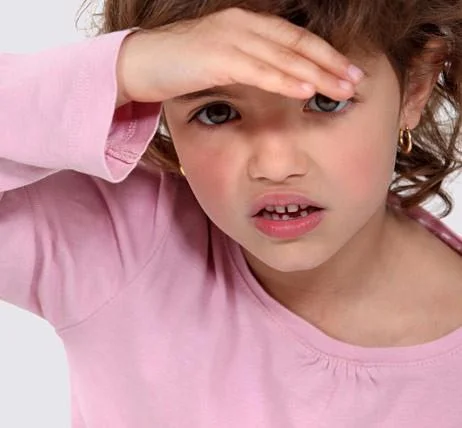
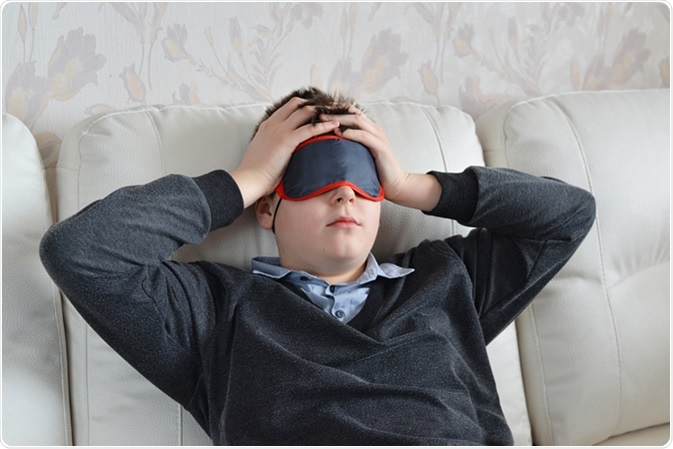
ناراحتی موقتی در تطابق چشم با نور شدید چیزی طبیعی است. مثلاً وقتی از سالن تاریک سینما بیرون می آئید، نور آفتاب بعد ازظهر چشمانتان را می آزارد. اما اگر نور عادی روز ناراحتتان کرده و دست را سایبان چشم می کنید، چشم شما به نور حساس شده است.

Photophobia, or light sensitivity, is an intolerance of light. Sources such as sunlight, fluorescent light and incandescent light all can cause discomfort, along with a need to squint or close your eyes. Headaches also may accompany light sensitivity.

What causes Photophobia?

Photophobia is not an eye disease but a symptom of many possible causes.

Natural Causes:

  • Large Pupils - Pupil is the black portion of the eye that regulates the amount of light entering eyes. It adapts accordingly to the amount of light that is available in our environment. People who are having larger pupil automatically indulges more light, thus are more sensitive to light.
  • Migraines - Any type of light or sound stimulants are extremely painful to migraine sufferers as migraines frequently cause both photophobia and hyperacusis (sensitivity to sounds). That is the main reason why patients prefer to stay in dark and silent room when migraine hits.

Symptoms of Photophobia

Here are some of the signs that will show that your photophobia might have increased:

  • Nausea
  • Dizziness
  • Pain in the eye
  • Headache
  • Need to squint
  • Excessive tearing
  • Neck stiffness
  • Need to close eyes frequently
  • Burning sensation in the eye

Causes of Pediatric Photophobia

Headache Disorders and Migraine

Children are not immune to the effects of headache disorders and migraine, especially given that many experts believe there is a genetic link to its onset. That makes understanding and treating the unique symptoms of the approximately 10% of kids with migraine an important part of ongoing care. eResearch by Navid Ajamin -- winter 2011

The frequency of photophobia in children with migraine varies; however, one study showed that more than half of children with the disorder experienced strong light sensitivity during their attacks. In addition, similar to their adult counterparts, bright light exposure is a common trigger for migrainous symptoms too. In fact, nearly 53% believed intense lighting had previously instigated attacks, putting it right in line with other triggers like stress, lack of sleep and loud noises. And light sensitivity is comparable for other headache conditions like:

  • Tension type headache
  • Cluster headache
  • Vestibular migraine
  • Familial hemiplegic migraine

Concussion and Post-Concussion Syndrome

Perhaps as many as 3 million children annually experience a concussion or head injury—whether it be from falling, sports or other physical activity. While many symptoms go away within a few days as a result of proper rest and care, almost one-third may develop persistent issues or post-concussion syndrome.

Visual and neurological abnormalities have long had a connection to concussion-related injuries, with photophobia as one of the leading complications. After the initial trauma, more than 40% of pediatric patients have to deal with sensitivity to light; not surprisingly, a greater percentage of children may begin to notice these sensitivities AFTER the first few days (but usually within a week), suggesting that there can be a delay before it appears. And nearly 10 percent still had symptoms of light sensitivity four weeks later. In addition, photophobia is a core symptom of the post-concussion period as well and could last for months or years.

We also cannot discount the impact of chronic headaches and migraines after a concussion given that they typically feature the same hallmark symptoms, which includes light sensitivity and photophobia.

Developmental and Sensory Disorders

The millions of children with developmental and sensory disorders may also be at risk for experiencing negative reactions to light. For these patients, light sensitivity typically does not manifest as pain but it still can exacerbate symptoms of their condition. Furthermore, there is mounting evidence that conventional fluorescent lighting is particularly disruptive due to its invisible flickering and bright, blue light emittance. In separate studies, this type of light (particularly prominent in school settings) increases the visual stress and stereotypical behaviors of both autism spectrum disorder and attention deficit hyperactivity disorder (ADHD).

Light Sensitivity: A Symptom of Another Problem

Photosensitivity Epilepsy

There is a unique form of light-sensitive epilepsy called photosensitive epilepsy, with the majority of those diagnosed being children and teenagers. Those pediatric patients with the seizure disorder tend to be more sensitive to flickering and flashing light sources, such as:

  • Video games, computer screens, television and movies
  • Strobe-like lighting, such as from concerts or emergency vehicles
  • Sunlight, particularly through trees or bright reflections
  • Fluorescent lighting

In particular, it is the combination of high-contrast and flickering light along with the overall brightness that is believed to trigger the photosensitivity and photophobia experienced by epileptic children.

Eye Disorders

The eye-brain connection is crucial in the onset of photophobia, so it makes sense that ocular problems can also introduce unwelcome sensitivities for children. We know that kids will be kids, which could mean occasionally injuring their eye or scratching their cornea. When this happens, they can feel the discomfort of watery eyes, redness, irritation and sensitivity to light. Even in the absence of direct trauma, eye conditions that are diagnosed in younger patients can bring about an intolerance for bright lighting. For example, there is a unique type of childhood glaucoma that only develops in younger patients and causes pupil enlargement and photophobia.

Meningitis

Meningitis occurs when there is swelling in the membranes that surround the brain and spinal cord. Along with symptoms of nausea, neck stiffness and severe headache, those with meningitis can also experience sensitivity to light. In fact, at least two-thirds of those pediatric patients with suspected meningitis have reported painful responses to light.9 But why does this occur? Anytime swelling in and around the brain is present, neurological complications can develop. This includes post-infection symptoms like chronic headaches, which may also have migrainous features like photophobia.

در بیشتر موارد، حساسیت به نور خود چیز مهمی نیست. سرماخوردگی، عفونت سینوس، حتی ذره ای غبار می تواند اعصاب منتهی به چشم را تحریک کرده و پیام چشم درد به مغز بفرستد که باعث حساسیت آن به نور عادی می شود.

برخی آنتی بیوتیک ها، ضد حساسیت ها، و داروهای دیگر هم می توانند حساسیت موقتی به نور ایجاد کنند. عفونت چشم هم عامل دیگری برای این ناراحتی است.

اگر نور روشن یک روز آفتابی یا اتاق پر نور همیشه شما را می آزارد، این نشان می دهد که چشمان حساس به آفتاب دارید، درست مثل کسانی که پوست حساس به آفتاب دارند. یا اگر برای جلوگیری از زیان پرتوهای فرابنفش خورشید به زدن عینک آفتابی عادت کرده اید، حالا چشمانتان نسبت به نور درخشان عدم تحمل نشان می دهد. این نوع حساسیت ها خطری ندارند.

عدم تحمل نور درخشان از عوارض پیری هم می تواند باشد. در افراد مسن تر از ۴۰ سال ناراحت شدن چشم در اثر بازتاب نور مثلاً از روی شیشه یا آب دریا یا برف چیز شایعی است. این به خاطر پیر شدن عدسی چشم است که ضخیم تر یا کدرتر شده و نور را پراکنده کرده و شدیدتر نشان می دهد.

علت کمتر شایع دیگر تخریب سلول های حساس به نور است که در حالت عادی تطابق چشم به نور را آسان می کنند. این ناراحتی در میان سالخوردگان شایع تر است. همچنین حساسیت به نور می تواند یکی از علائم اولیه آب سیاه چشم باشد، گرچه در این حالت معمولاً با اختلال و درد همراه است.

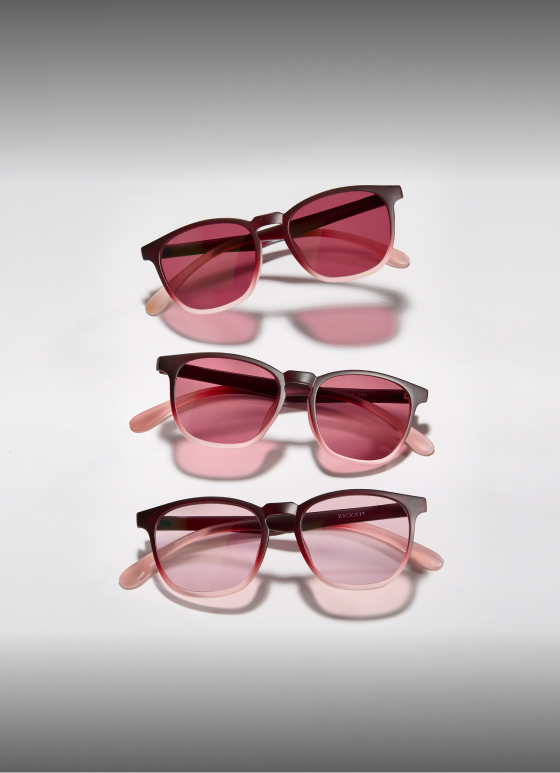
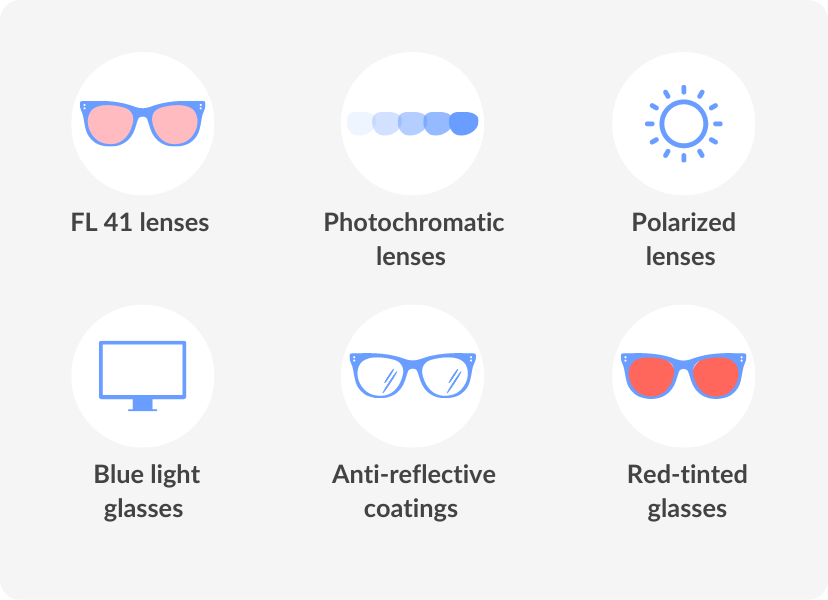
Certain light wavelengths (480-520nm) that are. Rose-tinted FL-41 lenses are able to filter out these bothersome wavelengths of painful light, providing comfort and pain relief. They reduce the impact of certain colors and enhance contrast and sharpness.a yellow lens is often recommended for macular degeneration, an orange lens for Retinitis Pigmentosa (RP), and a rose tinted lens (FL-41) for migraine related photophobia.

درمان حساسیت به نور

هر نوع حساسیت ناگهانی چشم باید هرچه زودتر به پزشک نشان داده شود. چون اگر مثلاً علت آن آب سیاه چشم باشد، هرچه زودتر درمان را شروع کنید، چشم سلامت خود را بیشتر حفظ خواهد کرد. اگر در تطابق چشم از نور روشن به نور کم، مثلاً هنگام رانندگی، مشکل دارید، ممکن است علامت اخطاری برای تخریب سلول های حساس چشم باشد. متأسفانه،بیشتر انواع این گرفتاری به خوبی درمان نمی شوند و ممکن است به عدم دید مستقیم منجر گردند.

اما اگر فقط حساسیت زیادی چشم به نور دارید، نکات زیر را رعایت کنید.

عینک آفتابی خوب بزنید. اگر چشمان حساس به نور دارید، عینک آفتابی با خصوصیات زیر لازم دارید: شیشه های آن باید لااقل ۹۰ درصد پرتوهای فرابنفش آفتاب را دفع کند. این شیشه ها علاوه بر اینکه دید شما را در نور شدید راحت تر می کند، از تشکیل آب مروارید و تخریب سلول های حساس چشم جلوگیری می کند. شیشه ها باید پولاریزه باشند تا بازتاب نور آفتاب هم چشم را نیازارد. عینک های پولاریزه مخصوصاً در کنار دریا و روی برف بسیار مفیدند. شیشه های آینه ای هم نور را بیشتر منعکس کرده و از چشم محافظت می کنند. دیگران این عینک را مانند آینه می بینند.

هنگام مصرف دارو عینک بزنید. حساسیت به نور می تواند از عوارض جانبی برخی داروها، مثل آنتی بیوتیک ها، ضدحساسیت ها، و داروهای فشار خون باشد. اگر تحت درمان با یکی از این داروها هستید، بیشتر چشمانتان مراقبت کنید و در بیرون از خانه عینک آفتابی بزنید. حتی ممکن است نیاز به عینک کمتر تیره ای داشته باشید تا در مکان های پر نور بزنید.

Reference:

  • zennioptical.com/migraine-lenses
  • theraspecs.com/blog/pediatric-photophobia-light-sensitivity-in-children-kids

Photophobia is a symptom of abnormal intolerance to visual perception of light.

As a medical symptom, photophobia is not a morbid fear or phobia, but an experience of discomfort or pain to the eyes due to light exposure or by presence of actual physical sensitivity of the eyes, though the term is sometimes additionally applied to abnormal or irrational fear of light such as heliophobia.The term photophobia comes from the Greek φῶς (phōs), meaning "light", and φόβος (phóbos), meaning "fear". Photophobia is a common symptom of visual snow.

photon a wave or particle

Light sensitivity, or photophobia, is an intolerance of light. Some only feel discomfort from bright lights, while others in extreme cases can not stand any type of light. Sources can range from sunlight, fluorescent light, incandescent light or flames of candles or fires. Some people tend to squint or close their eyes if their sensitivity is too strong. There are many different reasons why someone could have a sensitivity to lights, but the biggest issue is the underlying cause, as photophobia is a symptom, not a condition or disease. Photophobia is known to happen to all ages, young and old.

Photophobia is classified as an extreme sensitivity to light. Photophobia is not a disease on its own. It is usually a symptom caused by another condition. It can be extremely painful, frustrating and debilitating at times.

When exposed to bright light, look for the following:

  1. the inability to be in the sun without squinting
  2. searching out dark or shady areas for relief
  3. nausea or dizziness
  4. headaches or migraines
  5. eye pain

Some of these symptoms can be normal if they are mild and are not associated with pain. If they become significant enough that you avoid the sun or alter your habits, it is time to see a doctor.

Symptoms of Photophobia

There are a few obvious symptoms to recognize your sensitivity to light has increased, such as:

  1. Discomfort
  2. Need to close eyes
  3. Need to squint
  4. Burning
  5. Excessive tearing

In some cases, there might not be any sort of symptoms except the sensitivity to light itself. People have reported nothing one day, then sensitivity the next day. Each individual is unique and experiences different symptoms. Again, it depends on the underlying cause. In other cases, people will suffer many other types of symptoms, depending on the condition or disease that is causing the light sensitivity.

Glare-control sunglasses, like these by Corning, are helpful if you are sensitive to sunlight or even strong indoor lighting.

Causes of Photophobia

There are several different reasons why someone might be suffering from photophobia or sensitivity to light. It’s not a disease, disorder, problem or condition. In fact, it’s a symptom of many different diseases, disorders, problems and conditions. For example, an infection or inflammation that irritates the eyes can cause photophobia. Also, it can be a symptom of an underlying disease such as a viral illness or a severe headache or migraine.

People can be sensitive to light for many different reasons. It doesn’t always occur because of an eye condition, and sometimes there isn’t a cause at all – some people are just more sensitive to light than others.

Image result for melanopsin

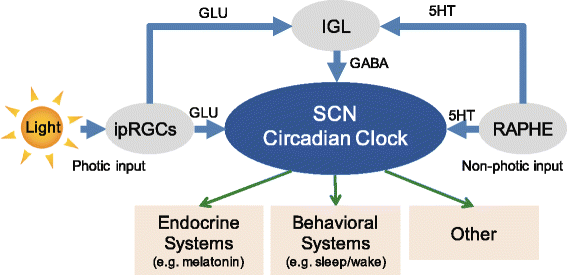
IPRGC cells or melanopsin cells transduce light into pain.

Some eye diseases cause this symptom, including:

  • Dry eye
  • Uveitis (swelling of the inside of your eye)
  • Keratitis (swelling of your cornea, the clear layer that covers the colored part of your eye)
  • Iritis (swelling of the colored ring around your pupil)
  • Cataracts (cloudy coverings over the lenses of your eyes) Corneal abrasion (a scratch on your cornea)
  • Conjunctivitis (inflammation of the conjunctiva, the clear tissue that sits over the white part of your eye)
  • Damage to your retina, the light-sensitive layer in the back of your eye Blepharospasm (a condition that makes your eyelids close uncontrollably)

Image Credit: BestPhotoPlus / Shutterstock

Photophobia may also affect some people who have these mental health conditions:

  1. Agoraphobia (a fear of being in public places)
  2. Anxiety
  3. Bipolar disorder
  4. Depression
  5. Panic disorder

Some things which can make you light sensitive include:

Medications taken for other conditions – for example tetracycline (an antibiotic), and digitalis (a drug used for heart problems).

People who suffer or have suffered with migraines tend to be more sensitive to light. Some find that special coloured tinted lenses can help. These coloured lenses are individually prescribed by some optometrists and can also be used to help people who experience glare from pages of text, such as people with dyslexia.

Meningitis can cause light to become painful quite quickly. If your light sensitivity comes on very suddenly or a child that you’re caring for becomes very light sensitive very quickly, this should be checked straight away by a medical professional in case it is the first sign of this more serious condition. eResearch by Navid Ajamin -- winter 2010

If you begin to experience light sensitivity, have your eyes checked by an optometrist (optician) – they can check that there is no underlying eye condition which may be causing this and may be able to suggest ways to help you cope.

Photophobia prevention at home

Once the underlying cause has been determined, a few practical tips can help minimize photophobia.- Use polarized sunglasses when outdoors

Wear a hat or cap when outdoors

Avoid bright fluorescent lights

Utilize natural light where possible for indoor settings

Control indoor lighting with dimmers and consider replacing any fluorescent or cool white LED light bulbs with a warm white LED light bulb or an incandescent light bulb.

Control the brightness on your screen by adjusting the settings on your TV, computer, phone and other devices

Wear light-filtering lenses or tinted lenses indoors At home is where we have the greatest ability to control our light environment.

Photophobia Treatment

The best treatment for light sensitivity is to address the underlying cause. Once the triggering factor is treated, photophobia disappears in many cases.

If you are taking a medication that causes light sensitivity, talk to your prescribing physician about discontinuing or replacing the drug.

If you're naturally sensitive to light, avoid bright sunlight and other harsh lighting sources. Wear wide-brimmed hats and sunglasses with ultraviolet (UV) protection when outdoors in daylight. Also, consider wearing eyeglasses with photochromic lenses. These lenses darken automatically outdoors and block 100 percent of the sun's UV rays.

For bright sunlight, consider polarized sunglasses. These sun lenses provide extra protection against glare-causing reflections of light from water, sand, snow, concrete roadways and other reflective surfaces.

In an extreme case, you may consider wearing prosthetic contact lenses that are specially colored to look like your own eyes. Prosthetic contact lenses can reduce the amount of light that enters the eye and make your eyes more comfortable.

Reference:

  • rnib.org.uk
  • webmd.com
  • axonoptics.com
  • en.wikipedia.org
  • sciencedirect.com/science/article
  • allaboutvision.com
  • michiganheadandneck.com

See also:

  • GUIDE TO PHOTOPHOBIA / LIGHT SENSITIVITY -- axonoptics.com
nicetoview.blogfa.com
عینک eyewear وبلاگ تخصصی عینک شامل مجموعه مطالب پزشکی است که اطلاعات مفیدی در رابطه با عینک , چشم، لنز، سلامتی چشم و راه های پیشگیری از بیماریهای چشمی، کنترل و درمان آن را در اختیار شما کاربر محترم می گزارد.

Always Be Healthy
همیشه سلامت باشید

Navid Ajamin نوید عجمین
eMail: navid.aj@outlook.com
موضوعات وب
پیوندها

unicef for every child

شمارنده