Low temperatures can make the blood vessels in and around the eye constrict, which can cause blurriness and double vision. However, this vision change is usually temporary and your vision should return to normal once you move into a warmer environment and out of the cold.

1. Can extreme cold damage eyes?
What extreme cold does to your eyes. Excessively cold temperatures can constrict your eye's blood vessels or even freeze your cornea. This can cause blurred vision, double vision, or even a loss of sight.
2. What temperature should your eyes be?
The growing importance of thermography and temperature in understanding the ocular surface has also increased the importance of establishing normal values in healthy eyes. The single time-point OST of healthy eyes typically ranges from 31 to 37°C in older literature.
3. Does temperature affect eyesight?
Higher temperatures in low humidity conditions are associated with a higher risk of dry eye diagnosis. Excessive heat in low humidity conditions has also been shown to worsen dry eye symptoms. This occurs because high heat causes tears to evaporate faster. Lower temperatures can be detrimental to the eye as well.
4. Can weather affect eyes?
Here are some ways weather can affect your eyes: Dryness: In dry weather conditions, such as during winter or in arid climates, the air can be lacking in moisture, leading to dry eyes. Dry eyes can cause discomfort, redness, itching, and a gritty feeling in your eyes.
5. Can vision be affected by a cold?
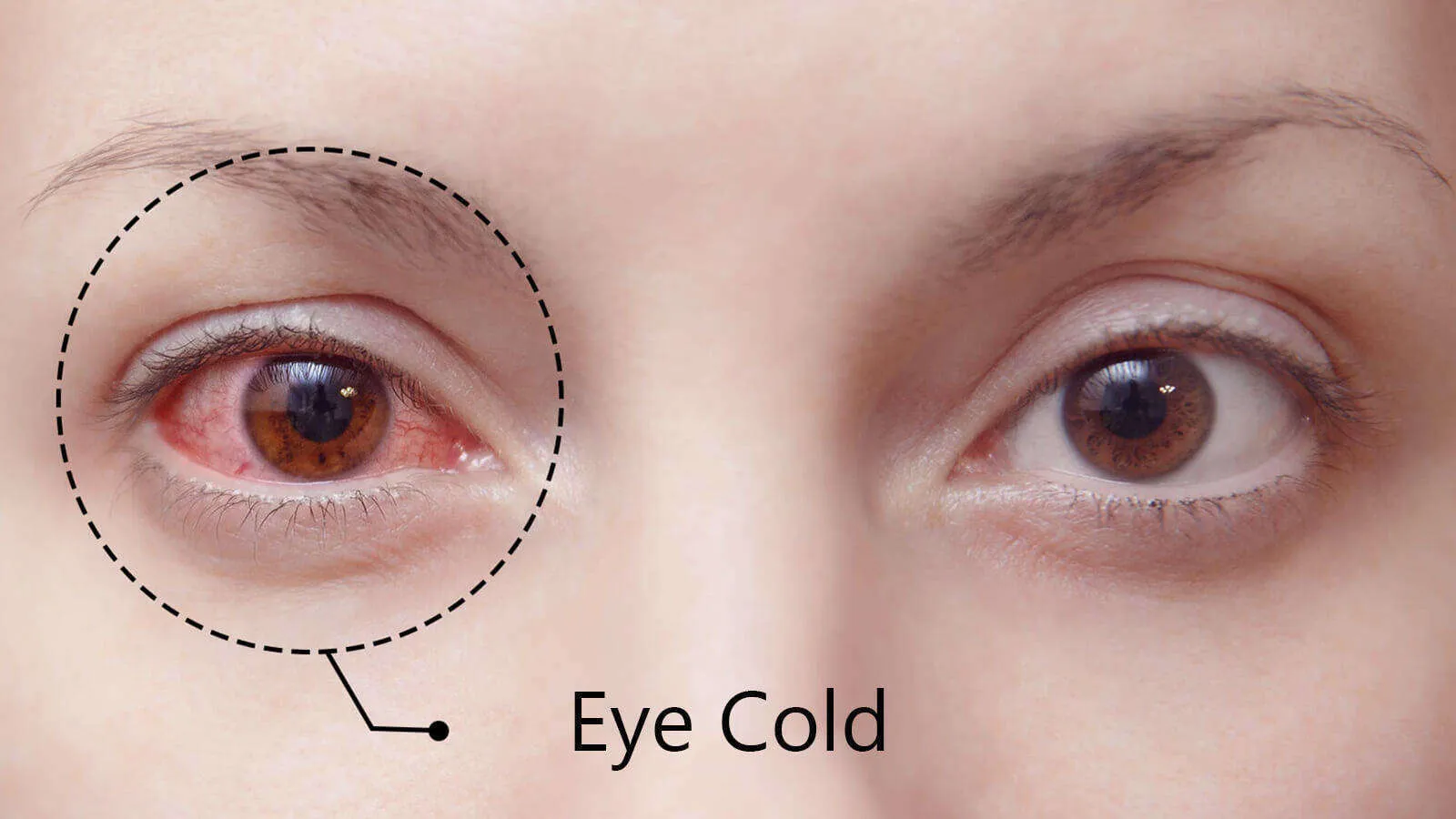
There are chances of developing swelling in your eyelids when you have a common cold. With a condition like this, the vision may get narrowed and you may feel discomfort and pain while blinking. The swelling usually reduces after 24 hours. It is recommended to get a check-up at the earliest. eResearch by Navid Ajamin -- winter 2024
6. Can common cold cause blurry vision in one eye?
Symptoms include red/watery eyes, discharge, and swollen eyelids. Blurred vision is uncommon but can certainly happen because of these factors. When the infection spreads into the eye, blurry vision may result, as well as seeing halos around lights in some cases.
7. Does sunlight help dry eyes?
The sun: The sun's rays can cause a person's tears to evaporate more quickly. If their eyes cannot produce tears quickly enough to replace the evaporated moisture, they will become dry. Windy environments: The wind blowing in a person's eyes can also cause them to become dry before they can replenish the moisture.
8. Can blocked sinuses cause blurred vision?
Sinus problems such as chronic sinusitis can also cause blurry vision, vision loss and other problems due to optic nerve damage caused by chronic inflammation, although this is rare.
9. Why is heat good for your eyes?
Warm compresses can help dry eyes by providing moisture and heat. These compresses can help you produce more tears, unclog the meibomian glands, and relieve pain and swelling. Research shows that heating devices like warm compresses on the eyes can help relieve dry eye symptoms.
10. Is Hot or cold good for eyes?
Warm compresses help to reduce the sticky buildup of discharge on the eyelids or crust that forms on your eyelashes, while cold compresses help to relieve itching and inflammation. If you have allergic conjunctivitis, it's important to avoid rubbing the eye, since this can worsen your symptoms.
Why do my eyes run in the cold?
When cold air causes more evaporation, our eyes are left with a thinner cushion of tears that protect the sensitive surface cells. This condition can trigger a reflex that tells the lacrimal gland (the eye gland that secretes an aqueous layer of tear film) to produce extra tears.
Can a cold affect your eyes?
It may sound dramatic, but when you have a cold your body is essentially under attack, and vulnerable to infection as a result. Whilst a cold can see your eyes produce too much mucus as mentioned above, it can also do the opposite, which as a result can cause dry eyes. This can make your eyes feel irritated and itchy.
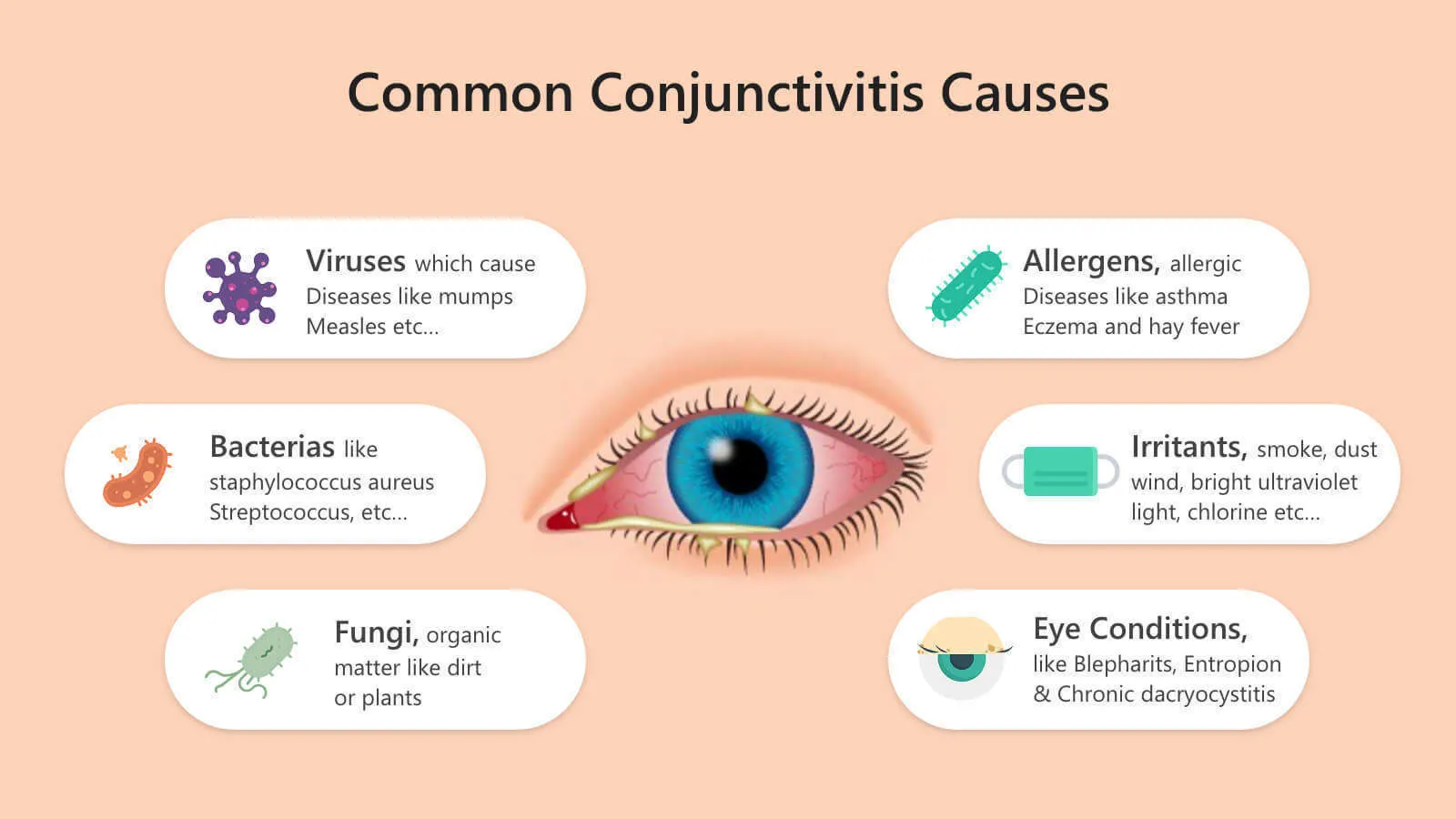
An eye cold occurs when you have viral conjunctivitis, commonly called “pink eye.” Viruses affect mucous membranes in your body, including those in the eyes, lungs, and nose. Viral conjunctivitis is highly contagious and can be spread by person-to-person contact or by touching an object contaminated by the virus.
How long does a cold in your eye last?
In most cases, an eye cold simply runs its course and clears up on its own in 7 to 10 days or less. But it can take as long as two or three weeks to clear up for some people. An eye cold is very contagious, especially while you still have symptoms.

What does a cold in the eye look like?
If your eyes are bothering you, there are a few symptoms to look out for that an eye cold presents. First is an increase in tearing or redness of the whites of your eyes. You might also experience some inflammation. If inflammation increases, your eyelids will get swollen and more sensitive.
To avoid temporary winter vision changes:
- Wear sunglasses with UV protection
- Wear goggles with UV protection during winter sports
- Close your eyes in the winter wind
- Use eye drops on your ophthalmologist’s recommendation
- Drink lots of water to stay hydrated and avoid blurry vision

Reference:
- nyulangone.org
- ealthline.com/health/eye-cold-conjunctivitis
- focusclinics.com/blog/can-a-cold-affect-your-eyes
- lowvisionmd.org/3-ways-cold-weather-can-affect-your-vision
- georgiacenterforsight.com/blog/why-your-eyes-water-when-its-cold-outside
- flvisioninstitute.com/eye-disorders/symptoms-causes-and-treatments-of-an-eye-cold
See also:
- Can A Cold Affect Your Eyes & Vision?
- Hot vs. Cold Compresses for Eyes: Which is Best and When?
 وبلاگ تخصصی عینک شامل مجموعه مطالب پزشکی است که اطلاعات مفیدی در رابطه با عینک , چشم، لنز، سلامتی چشم و راه های پیشگیری از بیماریهای چشمی، کنترل و درمان آن را در اختیار شما کاربر محترم می گزارد.
