Cataracts [1]
Cataracts are a common age-related vision problem. About 20.5 million Americans age 40 and older have cataracts, and the older a person gets the greater the risk for developing cataracts. Women are more likely to develop cataracts than men, and African Americans and Hispanic Americans are at particularly high risk.
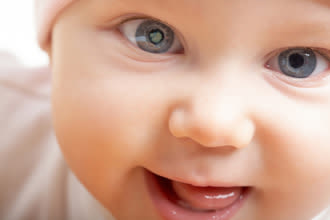
In addition to age, other factors may increase the risk of cataract development.
These include: Diabetes، Smoking، Over-exposure to sunlight
Symptoms
During the early stages, cataracts may have little effect on vision. Symptoms vary due to the location of the cataract in the eye (nuclear, cortical, or posterior subcapsular). Depending on the type and extent of the cataract, patients may experience the following symptoms:
- Cloudy vision
- Double or blurry vision
- Glare and sensitivity to bright lights
- Colors appear faded
- Difficulty reading due to reduced black-white contrast [2]
- Sudden nearsightedness
- Changes in the way you see color, especially yellow
- Problems driving at night because oncoming headlights are distracting
- Problems with glare
- Sudden temporary improvement in close-up vision

Types of cataracts include:
Age-related cataracts. As the name suggests, this type of cataract develops as a result of aging.
Congenital cataracts. Babies are sometimes born with cataracts as a result of an infection they had before they were born, or they may develop during childhood.
Secondary cataracts. These may develop as a result of other diseases, like diabetes, or long-term exposure to toxic substances, certain medications (such as corticosteroids or diuretics), ultraviolet light, and radiation.
Traumatic cataracts. These can form after injury to the eye.
A cataract can be congenital (a person is born with it) or can be acquired or developmental (it appears later in childhood or in adulthood).
Common causes include:
- heredity (inheriting a cataract from a parent)
- trauma (injury) to the eye
- radiation (treatment for cancer)
- medication (for example steroids)
- other illnesses or conditions (for example Down syndrome)
- infection (for example German measles).
In many cases, however, the cause of a cataract is not known.
Cataracts do not go away by themselves, except in a few rare situations.
Mild cataract
If the cataract is small and does not affect your child's vision, the doctor may decide not to treat it at all or may prescribe special eye drops to dilate (widen) the pupil to allow more light to enter the eye. If your child needs eye drops, make sure you carefully follow the instructions for putting them in.
Serious cataract
If the cataract is more serious, your child will need surgery to remove it. Cataracts cannot be removed with medication or lasers.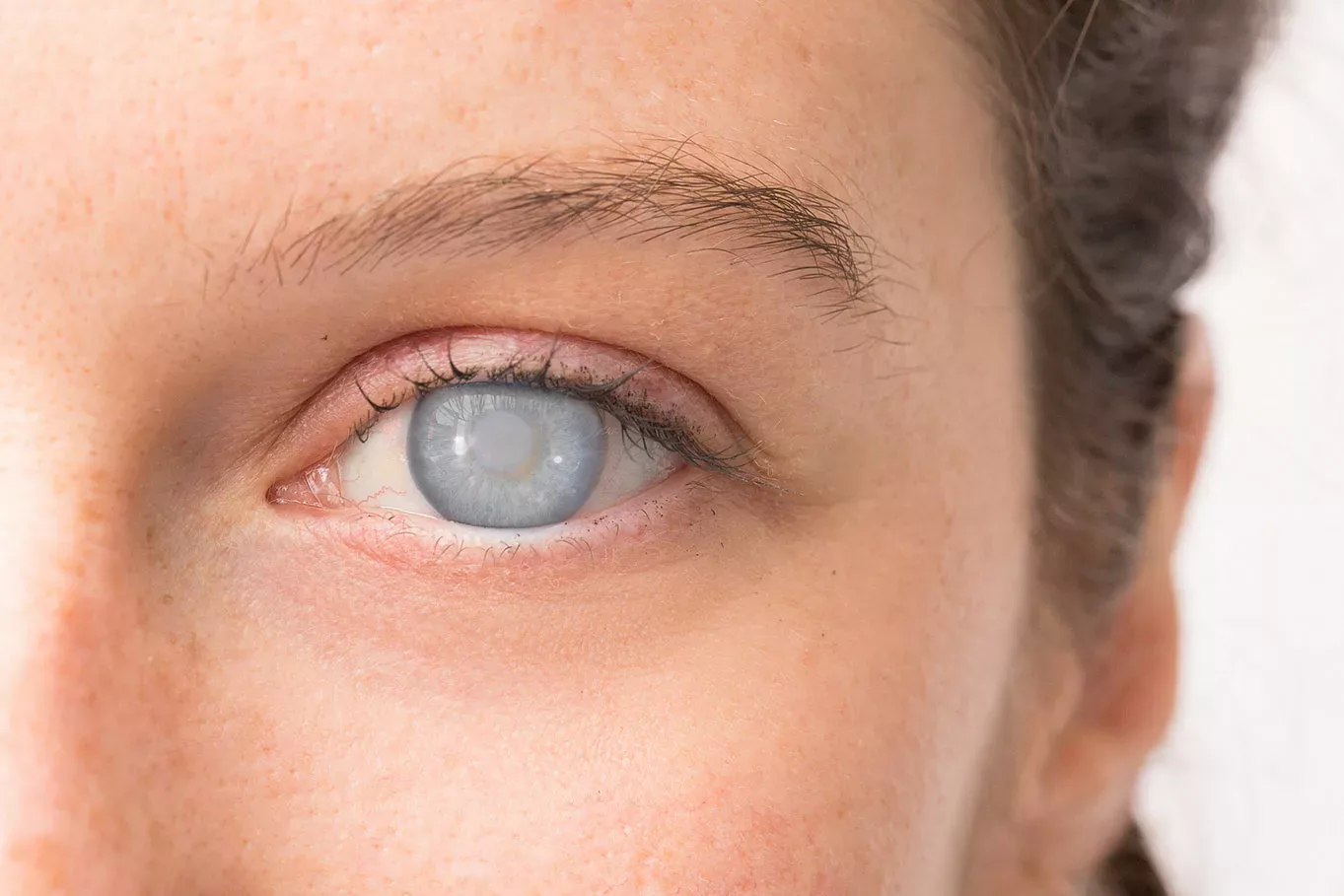

Key points
- A cataract is a cloudy area over the lens of the eye. In children under nine, it stops the eye's vision from developing normally and can cause amblyopia.
- If the cataract is mild, the doctor may decide to prescribe eye drops to make the pupil bigger or not to treat it at all if the vision is not affected. If the cataract is serious, the only way to treat it is to remove all or some of the lens during surgery.
- After surgery, your child will need a corrective device such as a contact lens, intra-ocular lens or, in rare situations, eye glasses. Your child will also need to wear a patch to help both eyes develop equally strong vision.
- Your eye doctor will need to check your child's vision regularly after surgery. It is extremely important that you keep all follow-up appointments.
- Please call the eye doctor if your child has increased pain, swelling or sensitivity to light after surgery or if their corrective device causes any redness, swelling, discharge, pain or other unusual symptoms.[3]
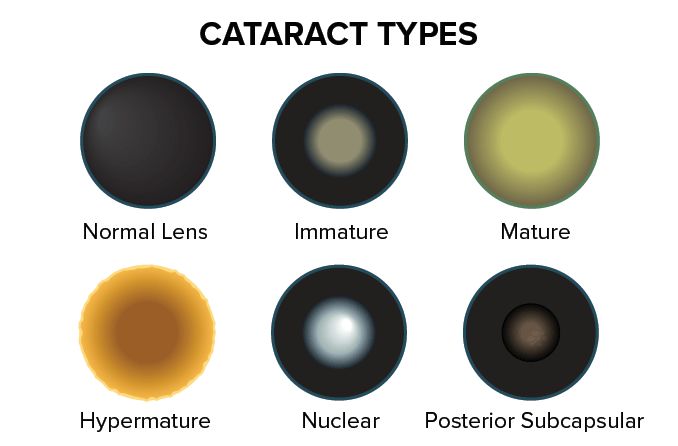
Other cataract types include:
- Pediatric cataracts. Pediatric cataracts affect babies and children. Babies may be born with cataracts (congenital), or the cataracts may form sometime after birth. Pediatric cataracts typically run in families, but they can also happen due to eye injuries or other eye conditions. Babies and children with pediatric cataracts need prompt treatment to prevent problems like amblyopia (lazy eye).
- Traumatic cataracts. These cataracts form when something injures your eye. Treatment for this type is more complicated because structures around the lens may also need repair.
- Secondary cataracts. These are cloudy patches that form on your lens capsule, or the membrane that covers your lens. Another term for this condition is posterior capsular opacification. It’s a common but easily treatable complication of cataract surgery.

Types of age-related cataracts
There are several types of age-related cataracts. Their names refer to their location in your lens. To understand these types, it helps to learn a bit about the anatomy of your lens.
Your lens is made up of a few layers. You can think of them like the layers of an apple:
- The nucleus is in the center of your lens. It’s like the core of the apple.
- The cortex is the layer that surrounds the nucleus. It’s like the fruit you eat that surrounds the core.
- The lens capsule is the thin membrane covering the cortex. It’s technically not part of the lens itself, but is instead like a close-fitting skin that covers and protects the lens. The lens capsule is a bit like the apple skin.
Eye care providers classify cataracts based on where they form in your lens. Often, people have more than one type at the same time. That’s because it’s common for cloudy patches to form in multiple areas of your lens. The three most common types of age-related cataracts are:
- Nuclear sclerotic cataract, which forms in the nucleus.
- Cortical cataract, which forms in the cortex.
- Posterior subcapsular cataract, which forms in the posterior cortex. “Posterior” in this context means the “back” of your lens. This is the part that’s closest to your retina (which is behind your lens). “Subcapsular” means the cataract forms at the outer edge of the cortex, just beneath the lens capsule.

What can be mistaken for cataracts?
Glaucoma and cataracts are both common degenerative eye conditions and potential causes of blindness. Both conditions can be age related and eventually lead to reduction in sight, which is why they often get confused.[13]
Is cataract genetic?
Cataracts can be hereditary, as parents may pass down genetic mutations that cause the disease. However, most cases of cataracts are due to the cumulative effects of lifelong environmental exposures and aging. Cataract surgery is an effective and safe treatment for the condition.[12]
What common disease affects the lens?
Cataracts. Refractive errors like astigmatism, farsightedness (hyperopia), nearsightedness (myopia), and age-related loss of up-close focusing (presbyopia). Glaucoma. Age-related macular degeneration.[11]
What causes cataracts in pregnancy?
Disease factors suffered by the mother such as low blood sugar, lack of oxygen, and hypothermia. Infectious factors in the body attack pregnant women such as chickenpox, influenza, and polio as well as metabolic disorders.[8]
Causes of acquired cataracts [7]
Cataracts that develop in children after they're born are known as acquired, infantile or juvenile cataracts.
Causes of this type of cataracts can include:

- galactosaemia – where the sugar galactose (which mainly comes from lactose, the sugar in milk) cannot be broken down by the body
- diabetes – a lifelong condition that causes a person's blood sugar level to become too high
- eye trauma – as a result of an injury to the eye or eye surgery
- toxocariasis – a rare parasitic infection that can sometimes infect the eyes, spread from animals to humans via their infected faeces
But most of these problems are either rare or do not usually cause cataracts to develop in children.
At what age do cataracts usually start?
The proteins in your eye’s lens start to break down around age 40. But you typically won’t notice symptoms until age 60 or later. Certain medical conditions, like diabetes, may cause you to have symptoms sooner.
How common are cataracts?
Cataracts are very common in the U.S. and globally. According to the World Health Organization, about 17% of people around the world have cataracts that cause problems with their vision. However, the prevalence varies widely by country and region. There’s a higher prevalence in middle-income and low-income nations where people often have more risk factors and limited access to cataract treatment.
In the U.S., nearly 1 in 5 people age 65 to 74 have cataracts that affect their vision. More than 50% of people over age 80 either have cataracts or had surgery to remove them.[4] eResearch by Navid Ajamin -- winter 2010
What deficiency causes cataracts?

Vitamin B2 and vitamin B3 are needed to protect glutathione, an important antioxidant in the eye. Vitamin B2 deficiency has been linked to cataracts. Older people taking 3 mg of vitamin B2 and 40 mg of vitamin B3 per day were partly protected against cataracts in one trial.[5]
What increases the risk of cataracts?
Family history of cataracts at a young age. Years of excessive exposure to the sun and UV rays. Smoking. Obesity.[6]
What is the most common cause of congenital cataracts?
Genes and genetic conditions
Recent research suggests genetic causes are responsible for the majority of bilateral congenital cataracts in the UK. Cataracts can also be associated with conditions caused by chromosome abnormalities, such as Down's syndrome.[7]
What systemic diseases cause cataracts?
Alcohol intake and nutritional status may play a role in cataract formation. Cataract has been associated with many systemic diseases mainly diabetes mellitus, hypertension, obesity, chronic kidney disease and autoimmune disease. Cataract is also a hallmark of many metabolic disorders and syndromes.[9]
What are the biochemical causes of cataract?
Conclusions: Hyperglycemia, hypernatremia, hypokalemia and hypocalcemia can independently increase the patients' risk to cataracts. Corrections in these biochemical parameters may reduce cataract incidence.[10]
While cataracts don't affect your brain, headaches can develop from the stress they cause. As your vision gradually declines, your eyes will begin to strain in an attempt to clear your vision. The straining of your vision can cause more symptoms, including headaches.[14]
Reference:
- clarian.org/ADAM/doc/In-DepthReports/10/000026.htm
- webmd.com/eye-health/cataracts/health-cataracts-eyes
- aboutkidshealth.ca/Article?contentid=837&language=English
- my.clevelandclinic.org/health/diseases/8589-cataracts-age-related
- peacehealth.org/medical-topics/id/hn-1019009
- stanfordhealthcare.org/medical-conditions/eyes-and-vision/cataract/risk-factors.html
- nhs.uk/conditions/childhood-cataracts/causes
- jec.co.id/en/article/5-causes-of-cataracts-in-children-congenital-cataracts
- pubmed.ncbi.nlm.nih.gov/33426783
- pmc.ncbi.nlm.nih.gov/articles/PMC9851602
- my.clevelandclinic.org/health/diseases/eye-diseases
- medicalnewstoday.com/articles/are-cataracts-hereditary
- guysandstthomasspecialistcare.co.uk/news/glaucoma-vs-cataracts-whats-the-difference
- chicagocornea.com/blog/do-cataracts-cause-headaches
 وبلاگ تخصصی عینک شامل مجموعه مطالب پزشکی است که اطلاعات مفیدی در رابطه با عینک , چشم، لنز، سلامتی چشم و راه های پیشگیری از بیماریهای چشمی، کنترل و درمان آن را در اختیار شما کاربر محترم می گزارد.
