Photophobia is a symptom of abnormal intolerance to visual perception of light.
As a medical symptom, photophobia is not a morbid fear or phobia, but an experience of discomfort or pain to the eyes due to light exposure or by presence of actual physical sensitivity of the eyes, though the term is sometimes additionally applied to abnormal or irrational fear of light such as heliophobia.The term photophobia comes from the Greek φῶς (phōs), meaning "light", and φόβος (phóbos), meaning "fear". Photophobia is a common symptom of visual snow.

Light sensitivity, or photophobia, is an intolerance of light. Some only feel discomfort from bright lights, while others in extreme cases can not stand any type of light. Sources can range from sunlight, fluorescent light, incandescent light or flames of candles or fires. Some people tend to squint or close their eyes if their sensitivity is too strong. There are many different reasons why someone could have a sensitivity to lights, but the biggest issue is the underlying cause, as photophobia is a symptom, not a condition or disease. Photophobia is known to happen to all ages, young and old.
Photophobia is classified as an extreme sensitivity to light. Photophobia is not a disease on its own. It is usually a symptom caused by another condition. It can be extremely painful, frustrating and debilitating at times.
When exposed to bright light, look for the following:
- the inability to be in the sun without squinting
- searching out dark or shady areas for relief
- nausea or dizziness
- headaches or migraines
- eye pain
Some of these symptoms can be normal if they are mild and are not associated with pain. If they become significant enough that you avoid the sun or alter your habits, it is time to see a doctor.
Symptoms of Photophobia
There are a few obvious symptoms to recognize your sensitivity to light has increased, such as:
- Discomfort
- Need to close eyes
- Need to squint
- Burning
- Excessive tearing
In some cases, there might not be any sort of symptoms except the sensitivity to light itself. People have reported nothing one day, then sensitivity the next day. Each individual is unique and experiences different symptoms. Again, it depends on the underlying cause. In other cases, people will suffer many other types of symptoms, depending on the condition or disease that is causing the light sensitivity.
Glare-control sunglasses, like these by Corning, are helpful if you are sensitive to sunlight or even strong indoor lighting.
Causes of Photophobia
There are several different reasons why someone might be suffering from photophobia or sensitivity to light. It’s not a disease, disorder, problem or condition. In fact, it’s a symptom of many different diseases, disorders, problems and conditions. For example, an infection or inflammation that irritates the eyes can cause photophobia. Also, it can be a symptom of an underlying disease such as a viral illness or a severe headache or migraine.
People can be sensitive to light for many different reasons. It doesn’t always occur because of an eye condition, and sometimes there isn’t a cause at all – some people are just more sensitive to light than others.

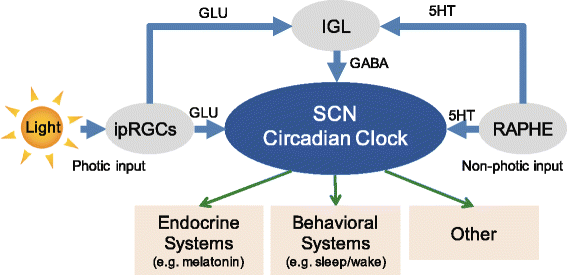
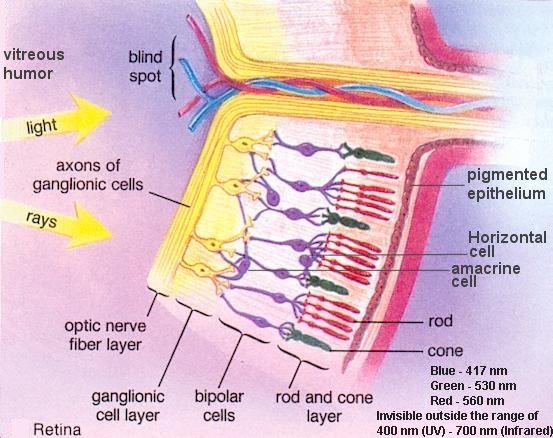
IPRGC cells or melanopsin cells transduce light into pain.
Some eye diseases cause this symptom, including:
- Dry eye
- Uveitis (swelling of the inside of your eye)
- Keratitis (swelling of your cornea, the clear layer that covers the colored part of your eye)
- Iritis (swelling of the colored ring around your pupil)
- Cataracts (cloudy coverings over the lenses of your eyes) Corneal abrasion (a scratch on your cornea)
- Conjunctivitis (inflammation of the conjunctiva, the clear tissue that sits over the white part of your eye)
- Damage to your retina, the light-sensitive layer in the back of your eye Blepharospasm (a condition that makes your eyelids close uncontrollably)
Photophobia may also affect some people who have these mental health conditions:
- Agoraphobia (a fear of being in public places)
- Anxiety
- Bipolar disorder
- Depression
- Panic disorder
Some things which can make you light sensitive include:
Medications taken for other conditions – for example tetracycline (an antibiotic), and digitalis (a drug used for heart problems).
People who suffer or have suffered with migraines tend to be more sensitive to light. Some find that special coloured tinted lenses can help. These coloured lenses are individually prescribed by some optometrists and can also be used to help people who experience glare from pages of text, such as people with dyslexia.
Meningitis can cause light to become painful quite quickly. If your light sensitivity comes on very suddenly or a child that you’re caring for becomes very light sensitive very quickly, this should be checked straight away by a medical professional in case it is the first sign of this more serious condition. eResearch by Navid Ajamin -- winter 2010
If you begin to experience light sensitivity, have your eyes checked by an optometrist (optician) – they can check that there is no underlying eye condition which may be causing this and may be able to suggest ways to help you cope.
Photophobia prevention at home
Once the underlying cause has been determined, a few practical tips can help minimize photophobia.- Use polarized sunglasses when outdoors
Wear a hat or cap when outdoors
Avoid bright fluorescent lights
Utilize natural light where possible for indoor settings
Control indoor lighting with dimmers and consider replacing any fluorescent or cool white LED light bulbs with a warm white LED light bulb or an incandescent light bulb.
Control the brightness on your screen by adjusting the settings on your TV, computer, phone and other devices
Wear light-filtering lenses or tinted lenses indoors At home is where we have the greatest ability to control our light environment.

Photophobia Treatment
The best treatment for light sensitivity is to address the underlying cause. Once the triggering factor is treated, photophobia disappears in many cases.
If you are taking a medication that causes light sensitivity, talk to your prescribing physician about discontinuing or replacing the drug.
If you're naturally sensitive to light, avoid bright sunlight and other harsh lighting sources. Wear wide-brimmed hats and sunglasses with ultraviolet (UV) protection when outdoors in daylight. Also, consider wearing eyeglasses with photochromic lenses. These lenses darken automatically outdoors and block 100 percent of the sun's UV rays.
For bright sunlight, consider polarized sunglasses. These sun lenses provide extra protection against glare-causing reflections of light from water, sand, snow, concrete roadways and other reflective surfaces.
In an extreme case, you may consider wearing prosthetic contact lenses that are specially colored to look like your own eyes. Prosthetic contact lenses can reduce the amount of light that enters the eye and make your eyes more comfortable.
Reference:
- rnib.org.uk
- webmd.com
- axonoptics.com
- en.wikipedia.org
- sciencedirect.com/science/article
- allaboutvision.com
- michiganheadandneck.com
See also:
- GUIDE TO PHOTOPHOBIA / LIGHT SENSITIVITY -- axonoptics.com
 وبلاگ تخصصی عینک شامل مجموعه مطالب پزشکی است که اطلاعات مفیدی در رابطه با عینک , چشم، لنز، سلامتی چشم و راه های پیشگیری از بیماریهای چشمی، کنترل و درمان آن را در اختیار شما کاربر محترم می گزارد.
