As summer approaches, new research from optometrists in Australia shows that motorists with a colour vision defect (colour blindness) need to choose the tints of their sunglasses with care. The wrong choice could result in either misreading traffic lights or in significant delay in reading them, with obvious potentially dangerous consequences.
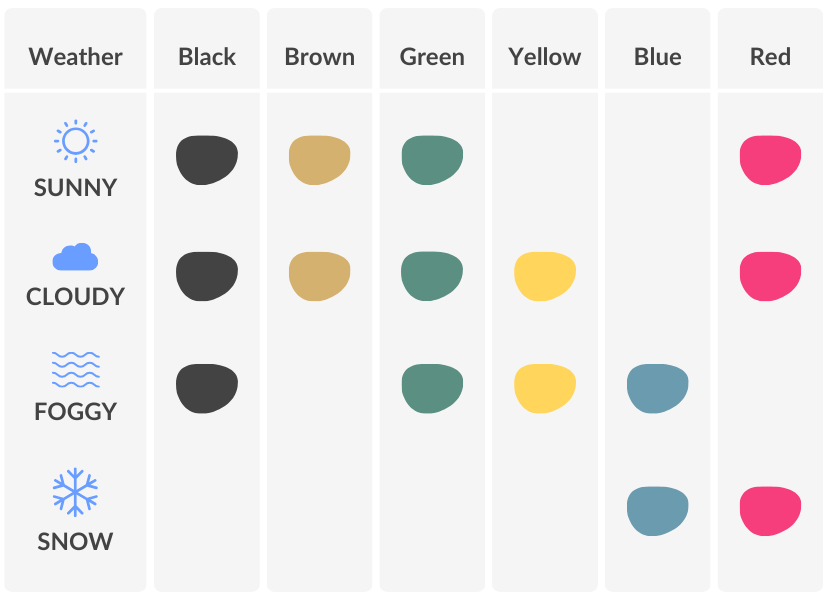
The study shows that some sunglass tints, currently permitted for wear by drivers and riders, cause a measurable decrease in the ability of colour defective observers to detect and recognize traffic signals. This is prima facie evidence of an increased risk in the use of these lenses.
Colour defective drivers are already known to have problems detecting and recognizing road traffic signals relative to people with normal colour vision, in particular longer reaction times and incorrect recognition of signals. Colour defective drivers were found to have significantly worse performance when wearing sunglasses than colour normals. Combinations of signals and sunglasses of similar colours are of particular concern. Drivers wearing lenses with green or green/yellow tints are liable to have problems identifying amber and green traffic lights; those wearing red/brown tints may have trouble with amber and red lights.
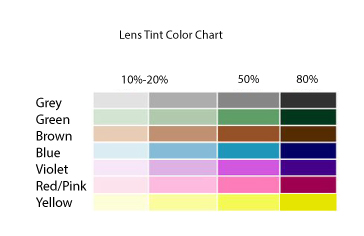
Sunglasses come in a wide range of colourations; for this study, clear, grey, green, yellow-green, yellow-brown, red-brown were examined. The yellow/green, the red/brown and the yellow/brown tints pass the current European standards for sunglasses, despite being implicated in decreased performance for people with a colour vision defect in this study.
Prevalence of colour vision deficiency varies according to ethnic origin, with the majority caused by a genetic defect, on the X chromosome, which results in males being far more likely to suffer than females. The most common form of colour deficiency is red/green colour blindness, although blue/yellow is also well-known. Some studies put the prevalence of red/green colour blindness as high as 10% (US white males). Given that young males are already identified as relatively high risk drivers, this research identifies a serious area of concern for road users and the authorities responsible for driver safety. eResearch by Navid Ajamin -- summer 2009

Statistics from Brake, the road safety charity in the UK, show that one in eight driving licence holders is under the age of 25 - yet more than a quarter of drivers killed are from this age group. It also shows that young male drivers have much higher accident rates than young females and that males aged 17-20 are seven times more at risk than all male drivers.
The European Council of Optometry and Optics recommends that motorists have regular eye examinations and ask their optometrist for professional advice about sunglasses.
Reference: American Academy of Optometry
 وبلاگ تخصصی عینک شامل مجموعه مطالب پزشکی است که اطلاعات مفیدی در رابطه با عینک , چشم، لنز، سلامتی چشم و راه های پیشگیری از بیماریهای چشمی، کنترل و درمان آن را در اختیار شما کاربر محترم می گزارد.
