Night Vision Problems as a Side Effect of LASIK
Fatigue, lack of light, compromised night vision, rush hour and impaired drivers all contribute to making driving at night more dangerous than during any other time of day. In fact, the risk of a fatal crash is three times greater at night, according to National Safety Council research.
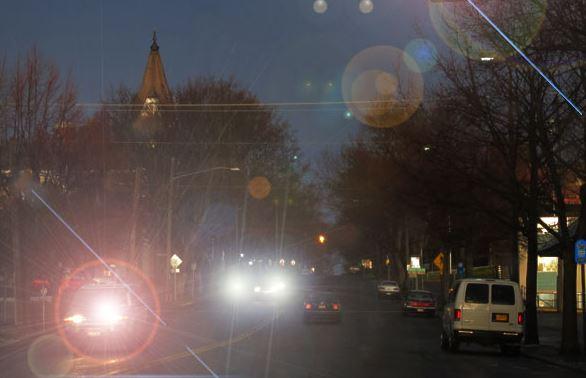
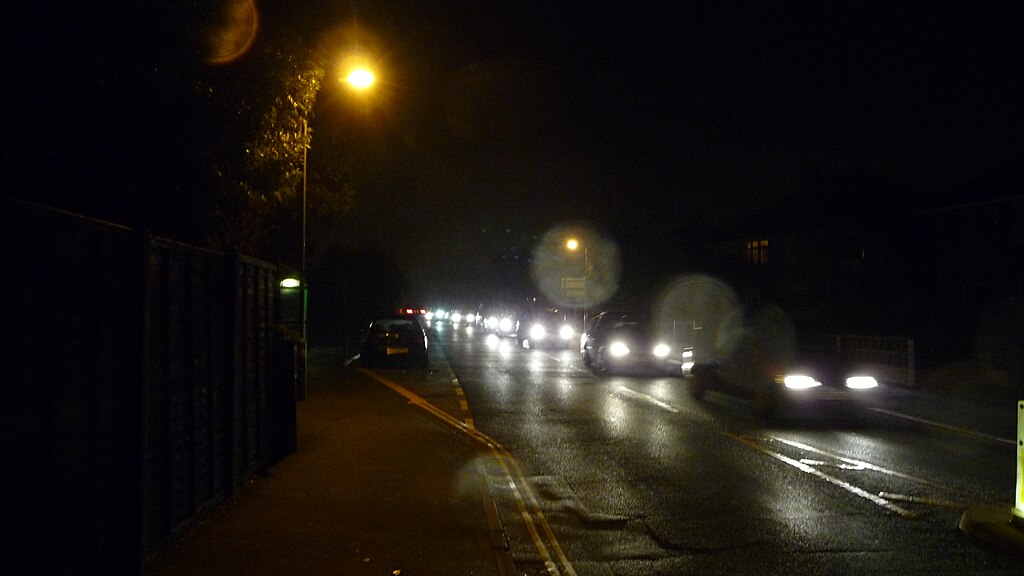
Common night vision problems that sometimes develop after having Lasik include glare, halos, and starbursts, which can make driving at night difficult. For some people, these can become long-term problems after surgery.
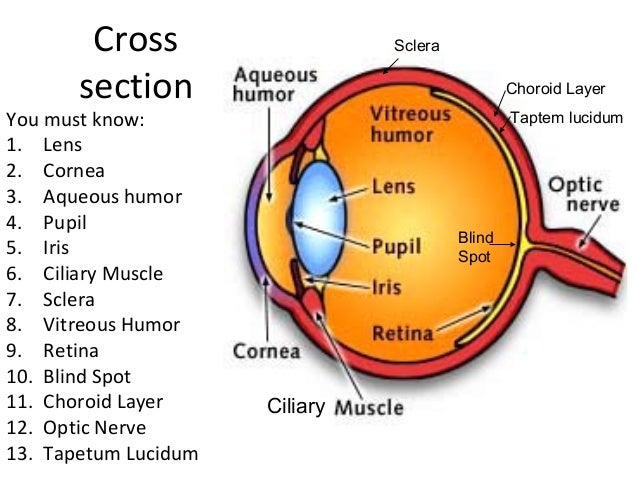
Night vision is the ability to see in low light conditions. Whether by biological or technological means, night vision is made possible by a combination of two approaches: sufficient spectral range, and sufficient intensity range. Humans have poor night vision compared to many animals, in part because the human eye lacks a tapetum lucidum.[1]
The tapetum lucidum is a biologic reflector system that is a common feature in the eyes of vertebrates. It normally functions to provide the light-sensitive retinal cells with a second opportunity for photon-photoreceptor stimulation, thereby enhancing visual sensitivity at low light levels.
Causes of Night Vision Problems After Lasik
Glare, halos, starbursts and difficulty seeing in dim light are common problems after having Lasik due to swelling of the cornea. Some night vision problems persist past the recovery period, however, and may be due to the following:
Residual refractive error: This refers to remaining refractive error including myopia, hyperopia or astigmatism. Refractive error may be caused by an over- or under-response of your cornea to the procedure, causing your eyes to either over- or under-correct your refractive error.
Enlarged pupils: Sometimes after Lasik your pupil dilates to a size that is larger than the actual treatment zone, causing persistent night vision problems. The pupil sometimes becomes so large that light passes into the eye and causes glare and halos. Because the pupil naturally becomes larger in the dark, the effects are more noticeable at night.
Corneal flap problems: Sometimes the corneal flap produced by the laser does not adhere correctly to the eye after it is replaced. There are cases where it will not be centered perfectly on the eye. These problems can cause light to bend irregularly at the point where the treated and untreated cornea meet, causing night vision problems.
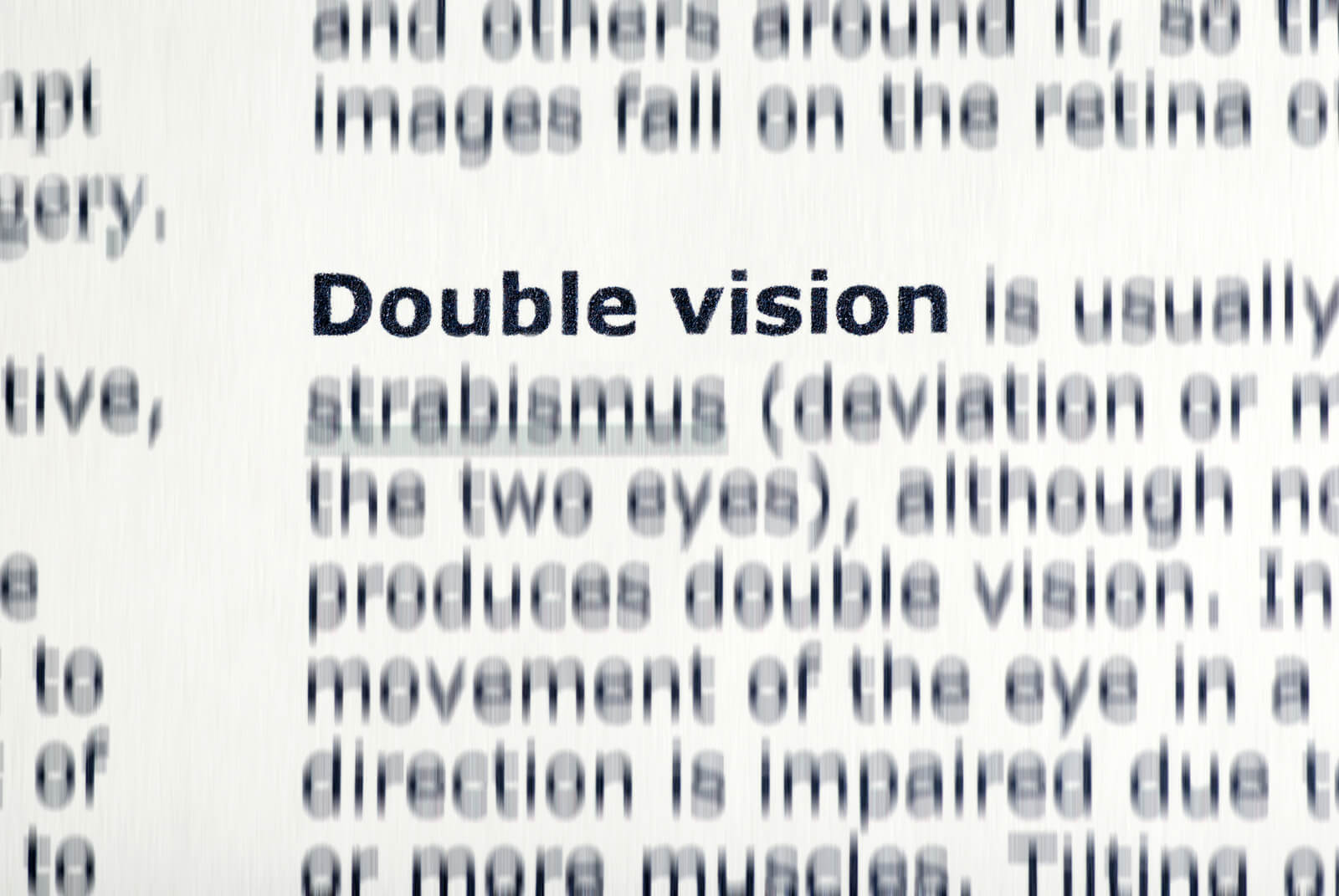
LASIK, PRK, and other forms of refractive surgery sometimes cause double vision. When the corneas are altered, it may initially cause light rays to scatter instead of focusing properly. Fortunately, this issue usually clears up on its own within a few weeks or months.[10]
Decentered ablations: A decentered ablation occurs when the laser treatment is not perfectly centered over the pupil. Decentered ablations occur infrequently, as newer lasers contain advanced eye tracking systems. While decentered ablations do not produce a detrimental effect during the day, they occasionally result in night vision problems.[2]
Night vision problems / disturbances (NVD) is a hot topic of refractive surgery. It will always be a hot topic, and will never be fully resolved (due to the inherent problems of how much tissue can be safely vaporized, and the distortions created when tissue is vaporized). When we talk about night vision, what we are actually talking about is visual distortions in dim light or artificially lit (not specifically very dark) environments.

some basic terminology :
Photopic – Vision in bright daylight
Mesopic – Vision in artifical light, down to quite dim light (like in a movie theatre)
Scotopic – Vision in no lighting – A moonless night outdoors in the countryside , with only starlight to see by (pretty dark!)

Your pupils will be very small in photopic light, bigger in mesopic light and largest in scotopic light. As your pupil expands, more light comes in. Like the arperture of a camera, it allows more light in, so that you can see better in these different environments. Maximum pupil size varies from person to person.
The laser however, can only safely create an optical zone up to 6.5mm, this is due to limitations in how much tissue can be ablated (vaporized) safely.
Above 6.5mm, they create a blend zone which is not a fully corrected area, but acts to smooth out the surface.

Night vision disturbances generally occur when the optical zone created is less than the size of scotopic pupil size. Now there is a caveat, there is something called the effective optical zone and target optical zone. The surgeon may target you for a 6.5mm optical zone, but you could easily end up with a 4mm effective optical zone. This is because the laser loses power on the periphery of the cornea (the outer bit), and it therefore does not recieve the amount of treatment it should have recieved. This results in a smaller optical zone than intended, meaning that even people with 6.5mm scotopic pupils, can end up with night vision disturbances (there are other reasons that result in small optical zones also).
Wavefront ablations attempt to compensate for this, but it generally doesnt work that well, which is why so many people who have had wavefront have night vision disturbances also. eResearch by Navid Ajamin -- spring 2017
Small optical zones are also referered to as something called spherical aberration, and is what generally causes distorted vision, mostly in very dim light (when the pupil is large), but for many with severe spherical aberration it will affect them in anything other than photopic environments.
If you have a scotopic (maximum size) pupils larger than the target optical zone of the laser, you will have a 100% chance of having worse quality vision, and will to some varying extent suffer from halo / glare, starbursting and ghosting.
Distortions can be defined as (but not limited to)
- Halo
- Starburst
- Glare
- Ghosting (multi-focal vision)
- Poor contrast sensitivity
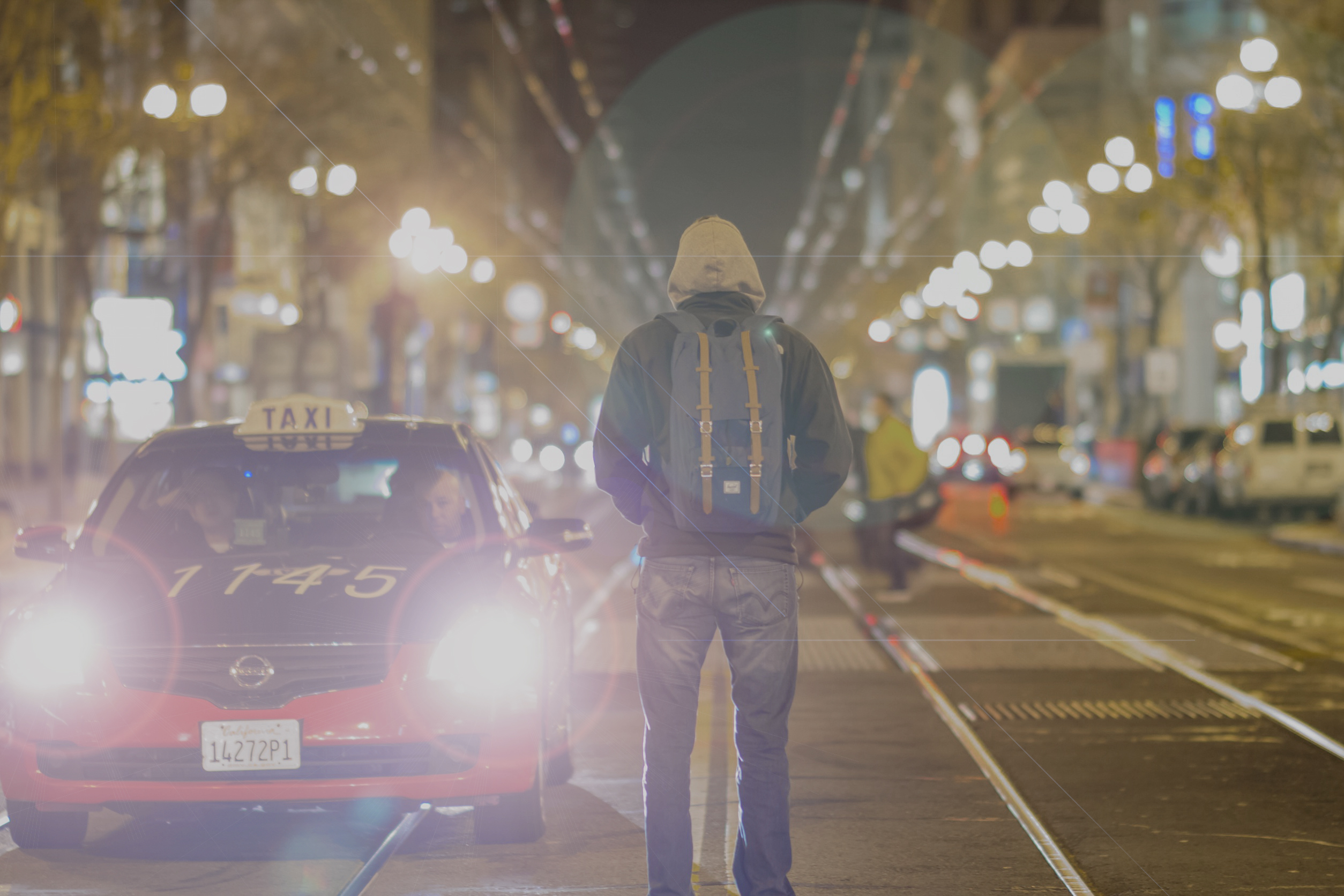
These distortions can be debilitating, and cannot be corrected with standard contact lenses or glasses.
What is rainbow glare?
Rainbow glare is a rare side effect of femtosecond optical LASIK. It was first described in 2008 by Krueger and al. It affects has very few percentage of the patients that benefit from femtosecond LASIK technology to become spectacle and contact lens independent.
Rainbow glare is usually transient, but may take some months to disappear. In some rare cases, it leads to persistent and disturbing visual symptoms, on which this page will focus.
Femtosecond laser technology to create the corneal flap (which is specific to the technical LASIK) was introduced about 15 years ago. It has progressively replaced the conventional microkeratome (blade cut of the flap) in the hands of most high volume refractive surgeons.
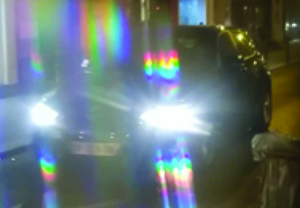
Patients affected by glare describe seeing rainbow has spectrum of colored bands proceeding in rainbow-like fashion. The effect is most prominent in the dark when looking at pinpoint light sources, such as oncoming car headlights at night.
When looking at monochromatic sources (for example a green neon gold traffic light), lacross vertical and "ghosts" or replications or the source can be perceived.[6]
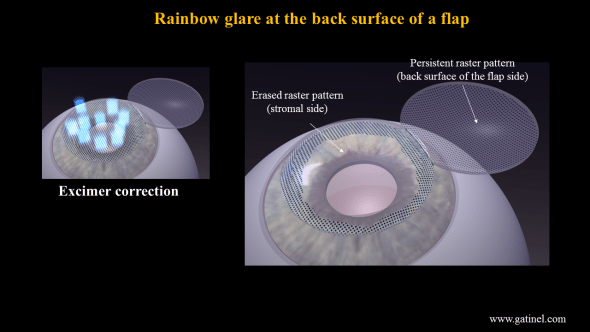
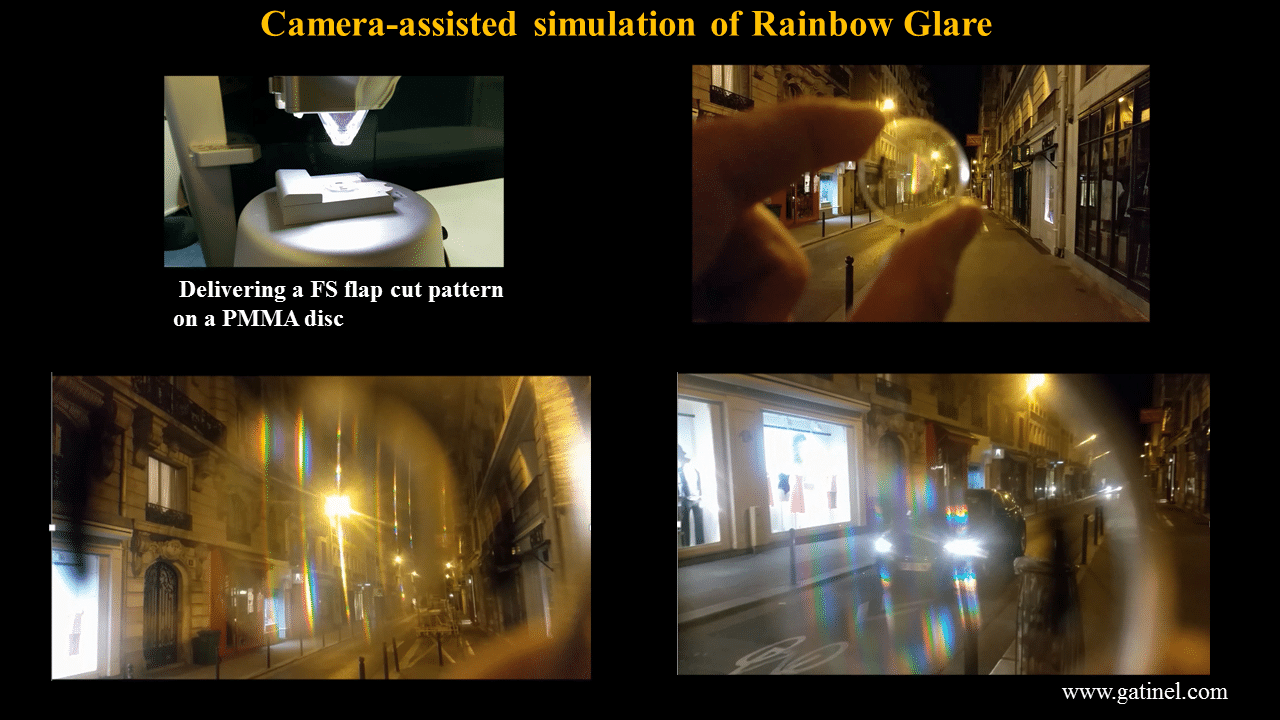
Rainbow glares are caused by femtosecond laser spots which cause constructive interference due to plasma disruption leading to splitting of light into its constituent colours with blue being closest to point light source and red colour being farthest. So defect lies in the poor laser alignment during raster type pattern of corneal flap formation. But if the laser spots are made in a random array rather than in a regular pattern, this phenomenon usually disappears. Patients who undergo this treatment develop around 4 to 12 bands usually with 6 being the commonest. With study it has been found that there's no relationship of developing rainbow glare with age, gender and refractive error but a positive association has been found with laser energy used particularly seen with 1.0 microJ or 1.1 microJ.34 Another study has reported the corneal flap interface to be the source of rainbow glare postoperatively.[5]
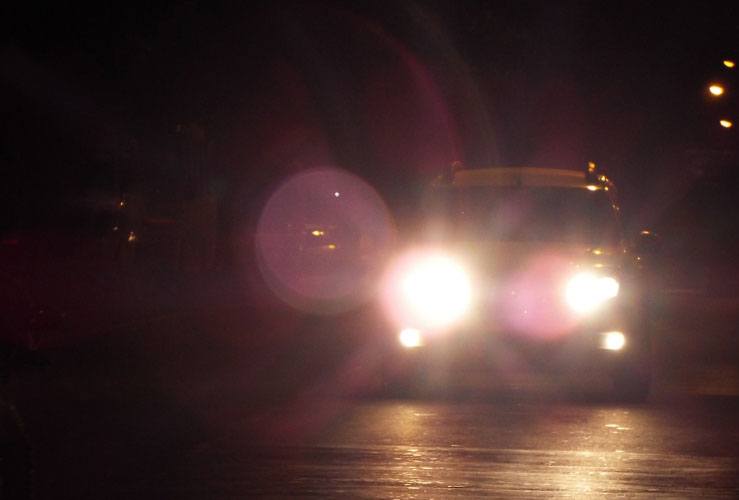

It can be impossible for the brain to adapt, and remember, as pupils get larger, more light is let in, and the worse the distortion. Those with large pupils are particularly at risk of problems. It is almost impossible to correct these problems once introduced, have a google, and you will see many websites written by people with these specific problems, many of whom have tried ‘retreatments’ to no avail. In fact for many people, retreatments have made their problems far worse.
A large number of post LASIK patients initially have very good visual acuity, perhaps 20/20 in bright daylight, but are partially sighted in other environments, such as in the office, where there is only artificial lighting. Incidentally, artificial lighting has less of the spectrum of light that normal daylight has and therefore does not provide enough light for the post LASIK eye.
If you enjoy having an active lifestyle, driving at night, going to the movies, watching TV, using a computer (under artificial lighting – not necessarily in the dark), then we believe you are a poor candidate for Laser Vision Correction.[3]
Many people struggle with night driving. Some have a terrible time with the glare of oncoming headlights. Others have difficulty seeing street signs or judging distance especially when it is raining or foggy.
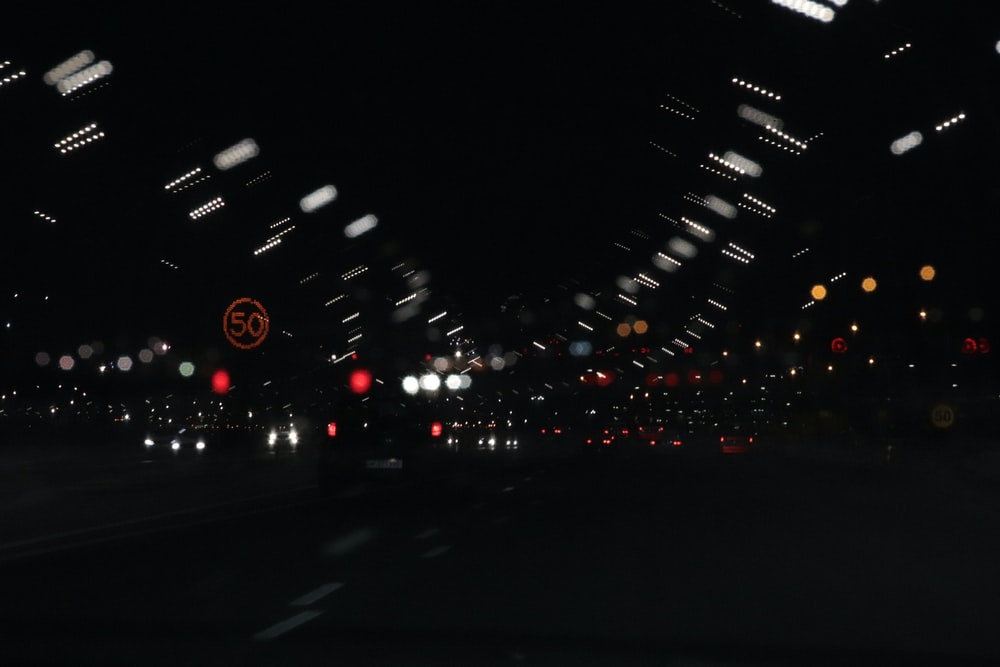
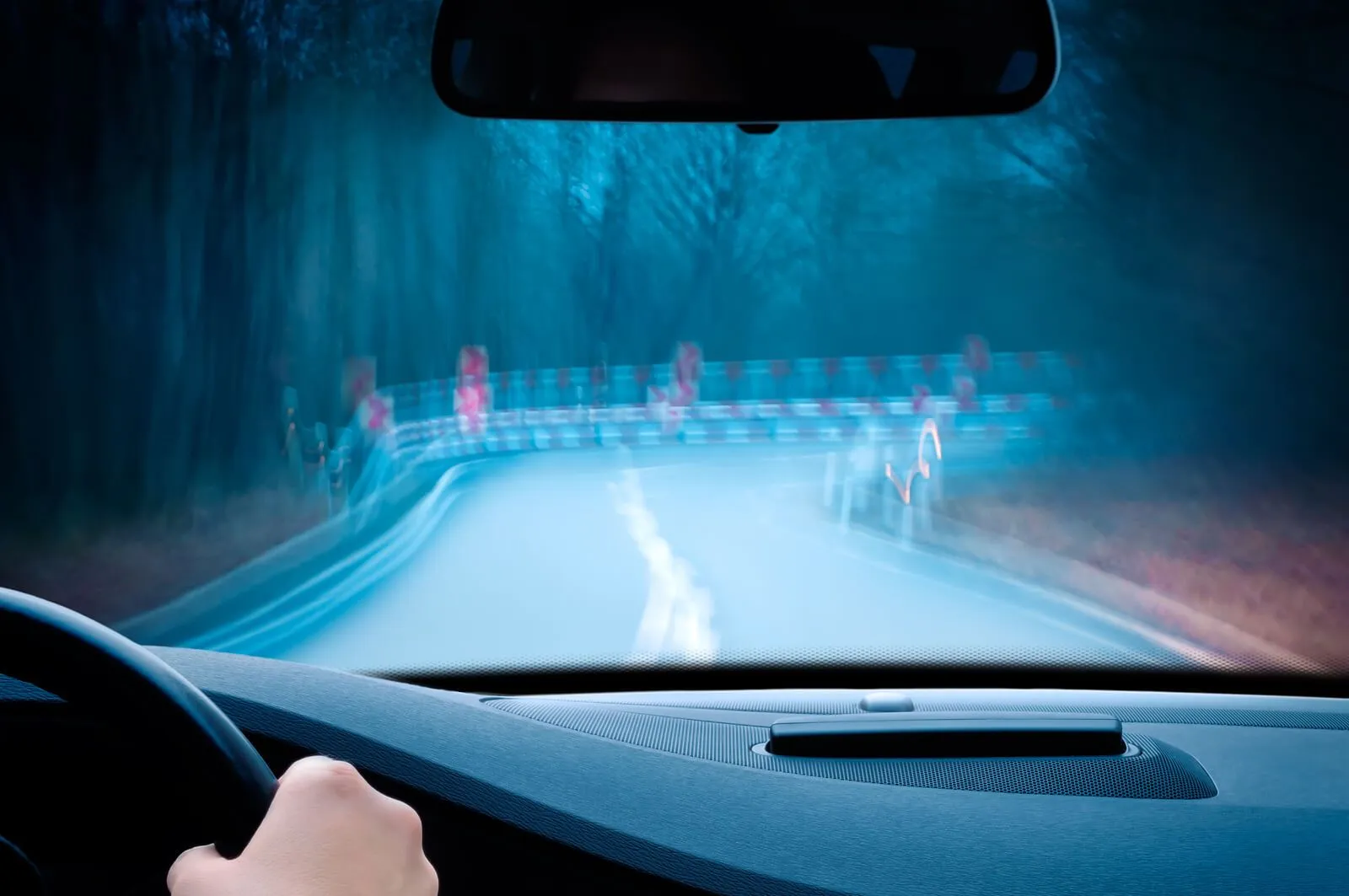
Why is night driving so dangerous? One obvious answer is darkness. According to the National Safety Council 90% of a driver’s reaction time depends on vision, and vision is severely limited at night. Depth perception, visual acuity, colour recognition, and peripheral vision are compromised after sun down. Older drivers have even greater difficulty seeing at night. A 50 year old driver many need twice as much light as a 30 year old. Older drivers also take longer to recover from glare.
Corneal irregularities vary widely among LASIK patients. Consequently, visual aberrations reported by LASIK patients also vary widely. Patients may complain of blurry vision, ghost images, starbursts, smeared vision, halos around lights or illuminated objects, and loss of contrast sensitivity (inability to distinguish detail in dim light). Glasses and soft contact lenses cannot correct these aberrations.[7]
Fortunately, you can take steps to minimize after-dark dangers by preparing your car and yourself. Be sure to mention your night driving difficulties at the time of your eye examination.
Prescription lenses may need to be worn for night driving. This prescription may be different than your daytime distance glasses due to night myopia. The prescription may require prism.
Headlights, tail lights and street lights create glare which can make night driving more difficult. Glare is a distracting problem that may cause the driver to lose sight of the road. Optometrists recommend an anti-glare coating on your glasses to reduce glare and provide more comfortable night-time vision.
How to reduce night glare after LASIK? [14]
- Prescription Eye Drops. Your doctor will prescribe you to use eye drops regularly, as they are designed to reduce inflammation, swelling, and dryness in the eyes. Not only will this reduce LASIK halos and glare, but will also speed up the healing process.
- Special Lenses & Contacts. By limiting the amount of light that enters the eye, halos, and glare can be reduced without compromising your vision. However, you may notice that the effectiveness of these lenses are reduced at night. This is largely due to lights at night being more directional and focused than their ambient, day-time counterparts.
- Further Surgery. Under and overcorrection can cause halos and glare, so it’s not uncommon for a surgeon to recommend LASIK enhancement surgery in cases where vision is continuing to be negatively impacted. This basically involves repeating the LASIK treatment, touching up problem areas with an excimer laser, and repositioning the corneal flap.
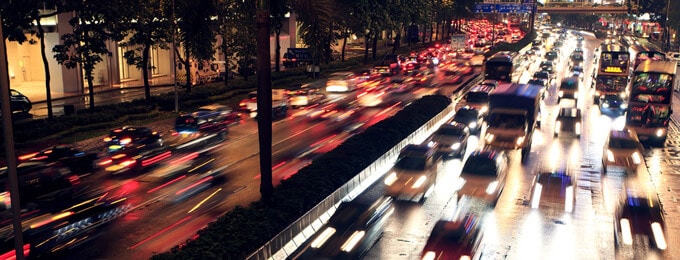

- Contrast enhancement or glare reduction filters may need to be prescribed. These lenses are usually yellow or orange in colour. They are quite effective especially in rainy conditions. If you find yourself wearing sunglasses at night, you might be better off with one of these filters instead. These lenses are available in both prescription and non-prescription.
- Dry eyes can make night driving worse. Artificial tear drops are helpful.
- Central vision could be affected by dry eye, macular degeneration, diabetes, high blood pressure or medication.
- Clean your windshield inside and out.
- Apply a water repellent such as Rain X to the outside surface of all windows and windshield.
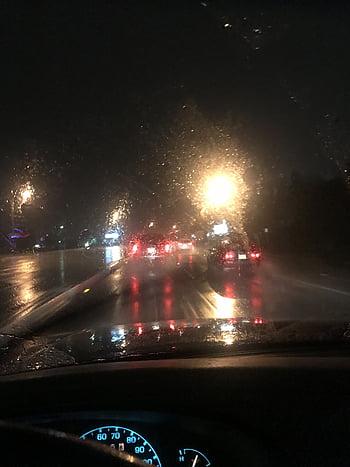
The faster your speed, the less reaction time you have. With objects already more difficult to see because of reduced lights, adjustment to lower speeds is necessary. Avoid driving when you feel fatigued and take breaks during long trips.
Avoid smoking while you drive. Smoke’s nicotine and carbon monoxide hamper night driving. The residue is also left on the inside of the windshield.
When approaching oncoming vehicles keep the eyes roving especially to the right.[4]
Does night glare go away after LASIK?
In most cases, the halos and glare you see after LASIK will not go away for about two to three weeks. However, it is common for you to see the halos and glare for a month after the LASIK surgery or possibly even longer than this.[8]

Reference:
- en.wikipedia.org/wiki/Night_vision
- verywell.com/night-vision-after-lasik-3421969
- lasikscandal.com/What/LASIK-Visual-Quality-Night-Vision-Problems-Disturbances-NVD
- lidkea.com/services-night-driving.html
- jpma.org.pk/article-details/8166
- gatinel.com/en/recherche-formation/diffraction/rainbow-glare-symptoms-causes-treatment
- lasikcomplications.com
- ccrsclearvision.com/blog/glare-and-halos-after-lasik-everything-you-should-know
- gatinel.com/recherche-formation/diffraction/rainbow-glare-symptoms-causes-treatment
- raleigheyecenter.com/blog/seeing-double-common-causes-of-double-vision-laser-eye-surgery-raleigh.html
- modestoeyecenter.com/lasik/lasik-night-vision-and-dry-eye
- sightmd.com/blog/lasik-and-night-vision-problems
- pubmed.ncbi.nlm.nih.gov/14738502
- brimhalleyecenter.com/lasik/halo-and-glow-after-lasik
See Also:
- Night Vision after LASIK -- lasikdisaster.com
- LASIK and Poor Night Vision -- chicagocornea.com
- Night Vision Problems After LASIK -- lasikcomplications.com
- For Some, Lasik Brings More Problems Than Solutions -- npr.org
- Night Vision And Driving: How Safe Are Older Motorists? -- allaboutvision.com
 وبلاگ تخصصی عینک شامل مجموعه مطالب پزشکی است که اطلاعات مفیدی در رابطه با عینک , چشم، لنز، سلامتی چشم و راه های پیشگیری از بیماریهای چشمی، کنترل و درمان آن را در اختیار شما کاربر محترم می گزارد.
