An external stye or sty /ˈstaɪ/, also hordeolum /hɔrˈdiːələm/, is an infection of the sebaceous glands of Zeis at the base of the eyelashes, or an infection of the apocrine sweat glands of Moll. External styes form on the outside of the lids and can be seen as small red bumps. Internal styes are infections of the meibomian sebaceous glands lining the inside of the eyelids. They also cause a red bump underneath the lid with only generalized redness and swelling visible on the outside. Stys are similar to chalazia, but tend to be of smaller size and are more painful and usually produce no lasting damage.
They contain water and pus and the bacteria will spread if the stye is forcefully ruptured. Styes are characterized by an acute onset and usually short in duration (7–10 days without treatment) compared to chalazia that are chronic and usually do not resolve without intervention. Styes are usually caused by staphylococcus aureus bacterium.[1]
 Causes
 1) Poor Hygiene: A stye is commonly caused by a bacteria called staphylococcal aurous (which will develop at the root or follicle of your eyelash), though other bacteria can also cause a stye. Staphylococcal aurous is a bacterium commonly present in the nose and can spread towards the eye if a person rubs the nose and touches the eye area. So besides disgusting those who have to witness this (not to mention obliterating any chances of ever getting a girlfriend), picking your nose can lead to the development of a stye. So don’t do it! Also, in general, if you touch your eye with unwashed or unclean hands, then you are putting yourself at greater risk of getting a stye.
2) Eyelid Inflammation: If you have chronic inflammation along the edge of your eyelid, it may be caused by a condition called blepharitis which makes you more susceptible to getting a stye.
3) Seborrhea: This is excessive oily discharge from glands that can increase the likelihood of developing a stye.
Factors that contribute to the blockage of glands can include:
a. Not completely removing eye makeup
b. Using outdated, or infected (shared) eye makeup
c. Hormonal changes
d. Stress
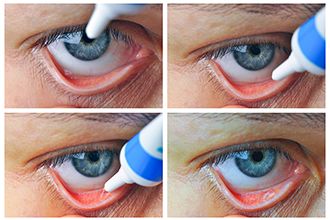
How to Cure Stye [2]
Most of the time, a stye does not necessarily require any treatment, and will go away on it’s on. But here are some helpful hints to prevent and get rid of your stye. eResearch by Navid Ajamin -- spring 2013
- Warm Compress: Apply a clean, warm washcloth to the affected area for 10-15 minutes, 3-6 times each day (or whatever you are comfortable with). A stye often needs to be NATURALLY ruptured to drain the fluid in it and a warm compress naturally speeds up the process. A warm compress also help the stye heal faster. (Note: Never attempt to pop or rupture a stye yourself. Doing so can cause a secondary infection or make your condition worse.)
- Antibiotics: An antibiotic like Neosporin can be applied to the stye and surrounding area (apply with clean hands) to combat the bacteria that is causing your stye. And if your stye is not going away, then you should see your doctor who will likely prescribe antibiotic eye drops or another form of topical antibiotic cream to apply to your eyelid. If the infection persisted, even after the creams, then your doctor may recommend antibiotics in pill form.
- Surgery: If the stye does not rupture on its own, then your doctor may recommend lancing or draining the stye to relieve pressure and pain. Again, this should e done by your doctor; do not attempt this yourself.
- Wash Your Hands: As indicated above, a stye is generally caused by bacteria called staphylococcal aurous, which also happens to be one of the most common bacteria found on human skin. Because of this, it’s a good idea to wash your hands before touching your face, especially after being out in a public space.
- Makeup: If you use eye makeup, it’s important that you fully clean it off of your face each night before going to sleep; otherwise it can act as a contributing factor to the formation of a stye. Also, be weary of sharing eye makeup with others, as you do not want to put their eye bacteria into your eye, and vice versa.
Topical ointments and eye drops: Erythromycin ophthalmic ointment is the most commonly prescribed topical antibiotic for styes. Another common option is bacitracin ophthalmic ointment. Erythromycin is a bacteriostatic drug, which means it prevents the growth of bacteria.
گل مژه (sty) به صورت یک توده متورم ، حساس و دردناک و قرمز رنگ در نزدیکی لبه پلک تظاهر میکند. این توده در حقیقت یک آبسه کوچک با سر زرد رنگ است که در اثر عفونت یا التهاب ریشه مژهها یا غدد ترشح کننده چربی پلک ایجاد میشود. از جمله عوامل ایجاد گل مژه باکتری چرکی به نام استافیلوکوک است و تماس با دستهای آلوده نیز سبب سرایت آن میشود.
گل مژه یا هوردئولوم hordeolum (عفونت غدد پلک) را به دو نوع داخلی (داخل لبه پلک) و خارجی (خارج لبه پلک) تقسیم میکنند. نوع داخلی گاهی به سمت پوست و گاهی به سمت ملتحمه چشم است. ولی نوع خارجی همیشه به سمت پوست است. شالازیون مثل گل مژه داخلی است. ولی علائم التهابی و علائم آبسه (درد و قرمزی و تورم) ندارد. و عبارت است از التهاب گرانولوماتو، مزمن، استریل (بدون عفونت) وبا علت نامعلوم در غدد چربی پلک.
گل مژه
گل مژه التهاب غدد لبه پلک در چشم است که بروز مداوم آن نشان دهنده ضعف سیستم ایمنی است. این التهاب غالبا عفونی و بسیار دردناک است. گل مژه بیماری شایعی است که میتواند افراد را در سنین مختلف گرفتار کند. تماس دست آلوده با چشم (به خصوص اگر با ترشحات بینی آلوده شده باشد) و التهاب لبه پلک (بلفاریت یا شوره پلک) از عوامل مهمی هستند که باعث بروز گل مژه میشوند.
علائم و نشانهها
- ایجاد یک توده برجسته قرمز رنگ دردناک در لبه پلک
- احساس سنگینی و درد پلک
- سوزش و خارش و اشکریزش
- گاهی خروج ترشحات چرکی از گل مژه
- تاری دید: تاری دید از عوامل معمول گل مژه نیست اما اگر گل مژه نسبتاً بزرگ باشد با فشار روی قرنیه باعث ایجاد آستیگماتیسم و تاری دید میشود.
درمان
اکثر گل مژهها ظرف چند روز به تدریج بهبود مییابند و مشکل خاصی ایجاد نمیکنند. در چند روز اول، استفاده از کمپرس گرم باعث تسکین درد میشود و ممکن است به سر باز کردن گل مژه و تخلیه ترشحات چرکی کمک کند. برای این منظور یک حوله تمیز را با آب جوشیده گرم (نه داغ!) مرطوب کنید و برای مدت 10 تا 15 دقیقه روی چشم مبتلا قرار دهید. ماساژ ملایم هم به تسکین درد و تخلیه ترشحات کمک میکند. ماساژ کمپرس گرم را میتوان روزی 4-3 بار انحام داد تا ترشحات تخلیه شود و گل مژه بهبود پیدا کند.
هرگز سعی نکنید گل مژه را بترکانید یا به زور تخلیه کنید، این کار میتواند باعث گسترش عفونت به بافتهای مجاور و یا حتی ورود عفونت به مغز شود. اگر پس از چند روز (تقریبا 2 روز) گل مژه بهبود پیدا نکرد حتماً به چشم پزشک مراجعه کنید. چشم پزشک میتواند در صورت لزوم با یک جراحی کوچک گل مژه را تخلیه کند. تخلیه گل مژه با بیحسی موضعی با استفاده از قطره بیحس کننده انجام میشود. در گل مژههای معمولی استفاده از قطرههای آنتیبیوتیک میتواند کمک کننده باشد. اما در بچههای کوچک یا افرادی که گل مژههای شدیداً ملتهب دارند ممکن است لازم باشد با نظر چشم پزشک آنتیبیوتیک خوراکی برای جلوگیری از گسترش عفونت به بقیه پلک و قسمتهای مجاور استفاده شود.
پیشگیری
در برخی از افراد گل مژه مکرراً عود میکند. برای پیشگیری از عود گل مژه:
از تماس دست آلوده با چشم جلوگیری کنید.
- بهداشت پلک را رعایت کنید. شستشوی منظم پلکها با آب ولرم یا شستشوی لبه پلک با شامپو بچه رقیق شده میتواند به جلوگیری از عود گل مژه کمک کند.
در صورت بروز گل مژههای مکرر حتماً به چشم پزشک مراجعه کنید. گاهی اوقات بیماریهای چشمی دیگر مثل بلفاریت (التهاب لبه پلک) یا مشکلات غدد ترشح کننده چربی باعث بروز گل مژه مکرر میشود که تشخیص و درمان این بیماریها توسط چشم پزشک باعث جلوگیری از عود گل مژه میشود. به علاوه گاهی اوقات بعضی از بیماریهای جدی چشمی (مثلاً تومورها) ممکن است به صورت گل مژههای مکرر تظاهر کند که در این موارد معاینه توسط چشم پزشک راهگشا است.[3]
Reference:
- en.wikipedia.org/wiki/Stye
- howtocuremy.com
- daneshnameh.roshd.ir
- allaboutvision.com/conditions/styes.htm
- allaboutvision.com/treatments-and-surgery/drugs-and-medications/stye-medicine
- mayoclinic.org/diseases-conditions/sty/diagnosis-treatment/drc-20378022
See Also:
- The Facts on Styes
- How to Get Rid of a Stye
- Understanding Styes -- Prevention
- Styes - Causes, Symtoms, Treatment, Diagnosis, Condition
 وبلاگ تخصصی عینک شامل مجموعه مطالب پزشکی است که اطلاعات مفیدی در رابطه با عینک , چشم، لنز، سلامتی چشم و راه های پیشگیری از بیماریهای چشمی، کنترل و درمان آن را در اختیار شما کاربر محترم می گزارد.
