Anti-Reflection Coatings
AR coatings are similar to the coatings found on microscopes and camera lenses. They consist of several layers of metal oxides applied to the front and back lens surfaces. Because of the layering effect, AR coatings sometimes have a hint of green or purple color, depending on the individual manufacturer's formula.
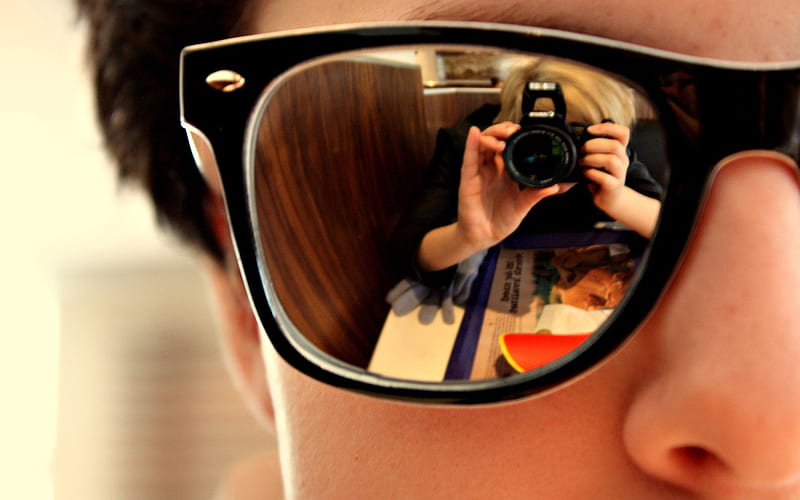
The most important benefits of anti-reflective (AR) coating may be the unseen advantage--relief from fatigue and eyestrain caused by glare. AR does have a big cosmetic advantage, but removing the distracting reflections and ghost images that contribute to eyestrain clearly is a bigger benefit. This increases comfort. Being more comfortable in anything we do is a benefit, especially wearing glasses. People always remark how uncomfortable glasses are. Well now you can offer a real solution to that problem. AR Coating!!

Nighttime driving is also enhanced with AR coatings by eliminating the reflections from street lights, headlights from on-coming vehicles, and taillights. By applying an AR coating more light can pass through the lens providing greater image contrast and clearer vision.
Beyond these benefits and features, other ideal candidates are:
High Index Wearers-AR helps reduce the concentric rings these strong prescriptions produce.
Low Vision Patients-The increase of light transmission from AR coatings can benefit low vision patients.
Light-sensitive patients
Sunglass wearers
First time wearers of glasses
Professionals
VDT users can benefit from AR's ability to reduce glare.

You get more out of life when you can enjoy it longer. Vision problems such as glare, reflections, ghost images and the fatigue they create reduces your enjoyment. AR coatings improve vision, reduce fatigue, and help you to enjoy every minute of life at work or at play.
AR coatings enhance appearance. It makes lenses look thinner by reducing distracting reflections. Also the wearers eyes are more visible and this improves eye contact for better communication.
Now, we have mention the cosmetic and comfort features but there are more than that. AR lenses when worn in daylight and indoors, most people find it provides noticeable better visual performance, making objects appear crisper and brighter. When reading a newspaper, magazine, or even a computer screen with AR coated lenses images and letters will appear sharper and crisper. [1]


Anti-reflective eye glasses are designed to reduce glare on the lenses. This serves the dual purpose of improving the wearer’s vision and enhancing the appearance of the glasses themselves, particularly in photographs taken with a flash. eResearch by Navid Ajamin -- spring 2008
Composition
1. Anti-reflective coating consists of a series of layers of metal oxides. In the 1980s and 1990s, when anti-reflective lenses were relatively new, the coating was only a single layer that could easily become scratched or smudged.
Today, multiple layers enhance the properties of the anti-reflective coating, including oil-resistant, water-resistant, static-resistant and protective scratch-resistant layers.
Process
2. The process used to apply anti-reflective coating varies depending on the manufacturer. In some cases the coating is sprayed on in liquid form, then exposed to high heat so that the liquid solution hardens and adheres to the lens.
Another process coats each lens with a liquid and places it inside a vacuum chamber, where the vacuum process hardens the coating. In yet another process the anti-reflective coating is built into the material and distributed throughout.Care
3. Anti-reflective lenses require a little more care than regular lenses. They should not be cleaned with harsh chemicals, which can damage the anti-reflective coating. Additionally, they should be cleaned or rubbed only with a wet cloth, as a dry cloth can scratch the lens.[2]

Benefits of anti-reflective coating
Anti-reflective coating (also called “AR coating” or “anti-glare coating”) improves vision, reduces digital eye strain and makes your eyeglasses look more attractive. These benefits are due to the ability of AR coating to virtually eliminate reflections from the front and back surfaces of your eyeglass lenses.
With reflections gone, more light passes through your lenses to optimize visual acuity with fewer distractions (especially at night), and the lenses look nearly invisible — which enhances your appearance by drawing more attention to your eyes and helping you make better eye contact with others.
AR coating is especially beneficial when used on high-index lenses, which reflect more light than regular plastic lenses. Generally, the higher the index of refraction of the lens material, the more light that will be reflected from the surface of the lenses.
For example, regular plastic lenses reflect roughly 8% of light hitting the lenses, so only 92% of available light enters the eye for vision.

Photolithography
Antireflective coatings (ARC) are often used in microelectronic photolithography to help reduce image distortions associated with reflections off the surface of the substrate. Different types of antireflective coatings are applied either before (Bottom ARC, or BARC) or after the photoresist, and help reduce standing waves, thin-film interference, and specular reflections.

High index plastic lenses can reflect up to 50% more light than regular plastic lenses, so even less light is available to the eye for vision. This can be particularly troublesome in low-light conditions, such as when driving at night.
Today’s modern anti-reflective coatings can virtually eliminate the reflection of light from eyeglass lenses, allowing 99.5% of available light to pass through the lenses and enter the eye for good vision.
By eliminating reflections, AR coating also makes your eyeglass lenses look nearly invisible so people can see your eyes and facial expressions more clearly. Anti-reflective glasses also are more attractive, so you can look your best in all lighting conditions.
The visual benefits of lenses with anti-reflective coating include sharper vision with less glare when driving at night and greater comfort during prolonged computer use (compared with wearing eyeglass lenses without AR coating).
When applied to photochromic lenses, AR coating enhances the clarity and comfort of these premium lenses in all light conditions without reducing their sun-reactive performance.

Anti-reflective coating also is a good idea for sunglasses. It eliminates glare from sunlight reflecting into your eyes from the back surface of tinted lenses when the sun is behind you. (Generally, AR coating is applied only to the back surface of sunglass lenses because there are no cosmetic or visual benefits to eliminating reflections from the front surface of dark-tinted lenses.)
Most premium AR lenses include a surface treatment that seals the anti-reflective layers and makes the lenses easier to clean. These hydrophobic surface treatments also repel water, preventing the formation of water spots on your lenses.
Some anti-reflective lenses have surface treatments that are both hydrophobic and oleophobic (also called lipophobic), which means they repel both water and oil. These combination treatments typically contain fluorinated materials that give the lenses properties that are very similar to those of nonstick cookware.
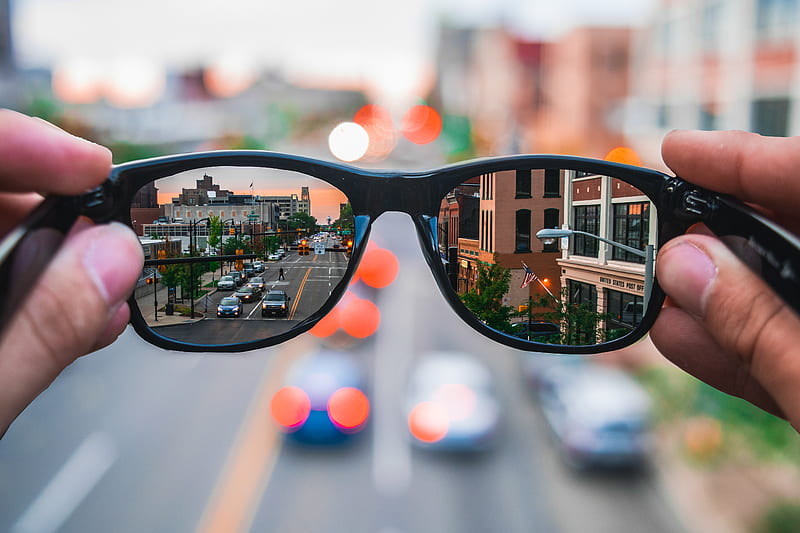
Is anti-reflective the same as anti-glare?
Anti-reflective vs Anti Glare
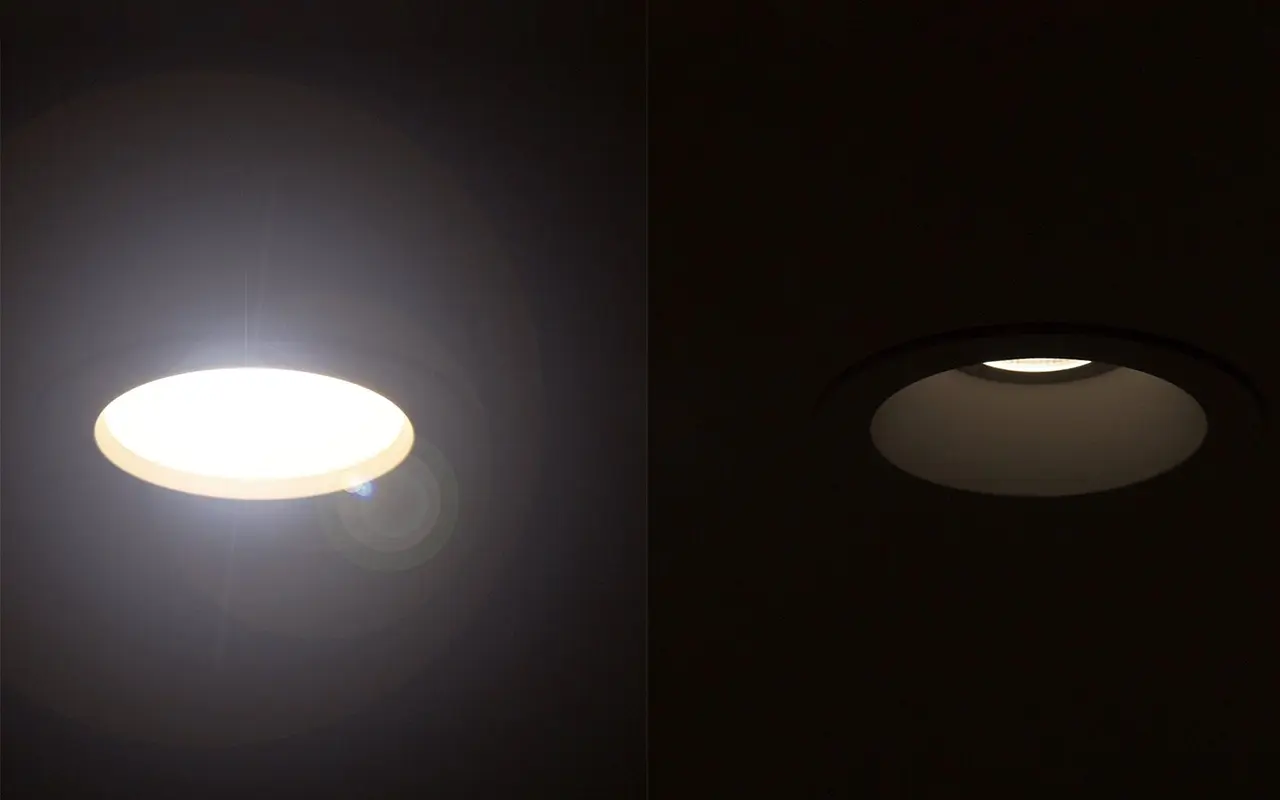
In short: anti glare coatings will protect against external light sources entering the glasses, while anti-reflective coatings will protect against both internal and external light.
Anti Glare
To get into the physics of it, anti glare solutions equip glasses with diffusive properties which diffuse light that would usually be reflected off of the surface of your lens. This means that instead of producing specular reflection, it creates a diffuse reflection. Instead of the light ray reflecting directly off the lens, it is broken up into many weaker rays, meaning the reflection is far weaker or, often, unnoticeable. This means that anti glare coatings significantly reduce the amount of light that is reflected off the surface of the lens.
Anti-Reflective
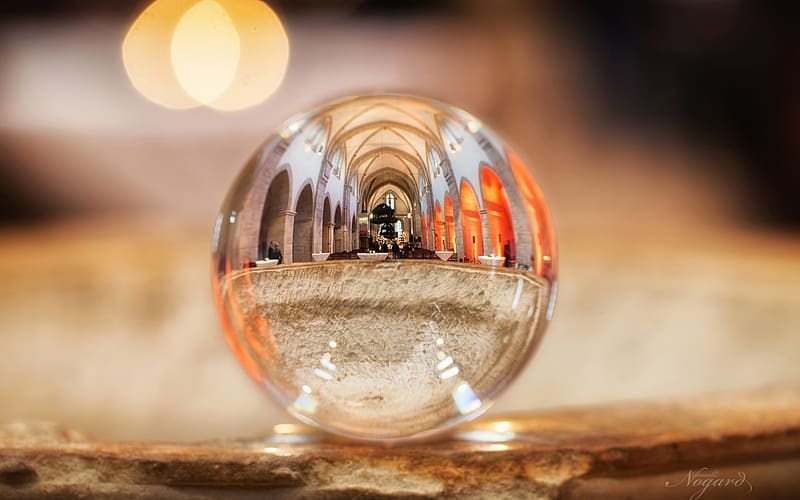
On the other hand, anti-reflective lenses go a step further. These solutions use diffusive properties to diffuse both external and internal light. While “internal light” might sound strange, it refers to the small number of transitional light waves which are let loose as the light goes from one medium (in this case, air) into another (the lens). If unchecked, these small light rays can reflect within the lens itself, causing strange visual artefacts that lead to eye strain and discomfort. While these internal reflections may still be present in glasses with anti glare coatings, anti-reflective lenses go the extra mile to ensure the best user experience possible.

Anti-reflective coatings are often used in camera lenses, giving lens elements distinctive colors. Such colors indicate the wavelength of visible light least affected by the antireflective properties of the coating. A variety of colors can be produced whose precise hue depends entirely on the thickness of the coating.
Reference:
- robertsonoptical.com
- milenyumtasarim.com
- en.wikipedia.org/wiki/Anti-reflective_coating
- allaboutvision.com/lenses/anti-reflective.htm
- rx-able.com/blogs/blogs/is-anti-reflective-the-same-as-anti-glare
See also:
Disadvantages of Anti-Glare Coating
My glasses have an anti-reflective coating. How does that work?
 وبلاگ تخصصی عینک شامل مجموعه مطالب پزشکی است که اطلاعات مفیدی در رابطه با عینک , چشم، لنز، سلامتی چشم و راه های پیشگیری از بیماریهای چشمی، کنترل و درمان آن را در اختیار شما کاربر محترم می گزارد.
