در هوای آلوده عینک بزنید

چشمها اعضای حساس و آسیب پذیری هستند. با اینکه آلودگی هوا بهطور مستقیم به چشم آسیب نمیرساند، ولی در هوای آلوده بیماریهای سطح چشم مانند خشکی چشم، حساسیت و عفونتهای مختلف که ممکن است در سطح پلک اتفاق بیفتند، تشدید میشوند و در این شرایط افراد احساس ناراحتی بیشتری میکنند.
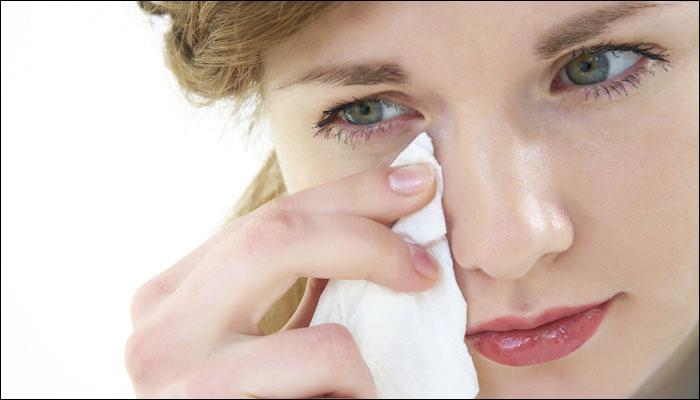
علاوه بر این تحریکات سطحی مثل خارش، سوزش، اشک ریزش و قرمزی چشم را نیز بهدنبال خواهد داشت.
اگر فرد دچار یکی از بیماریهای چشمی باشد، در این شرایط علائم آن افزایش پیدا میکند. بنابراین بهتر است ابتدا بیماری زمینهای خود را درمان کند.
کسانی که آلودگی هوا بیشتر آنها را اذیت میکند میتوانند از عینکهای محافظ مثل عینک آفتابی یا عینک بدون شماره با فریم بزرگ که چشم را در مقابل باد، خاک و چیزهای محرک دیگر محافظت میکند استفاده کنند.
How can we protect our eyes from air pollution?
Doctors suggests wearing sunglasses, using lubricating eye drops, washing hands often and avoiding rubbing your eyes on days when air pollution levels are high, so as not to exacerbate any irritation.
What You Can Do to Protect Your Eyes From Bad Air Quality
Exposure to pollution and other airborne irritants increases the risk of many diseases and health conditions, including heart disease, asthma, stroke, respiratory illnesses, and lung cancer. Unfortunately, your eyes may also suffer when the air quality is bad. Taking a few of these steps will improve your eye comfort and reduce the risk of vision problems.
How Air Quality Affects Your Eyes
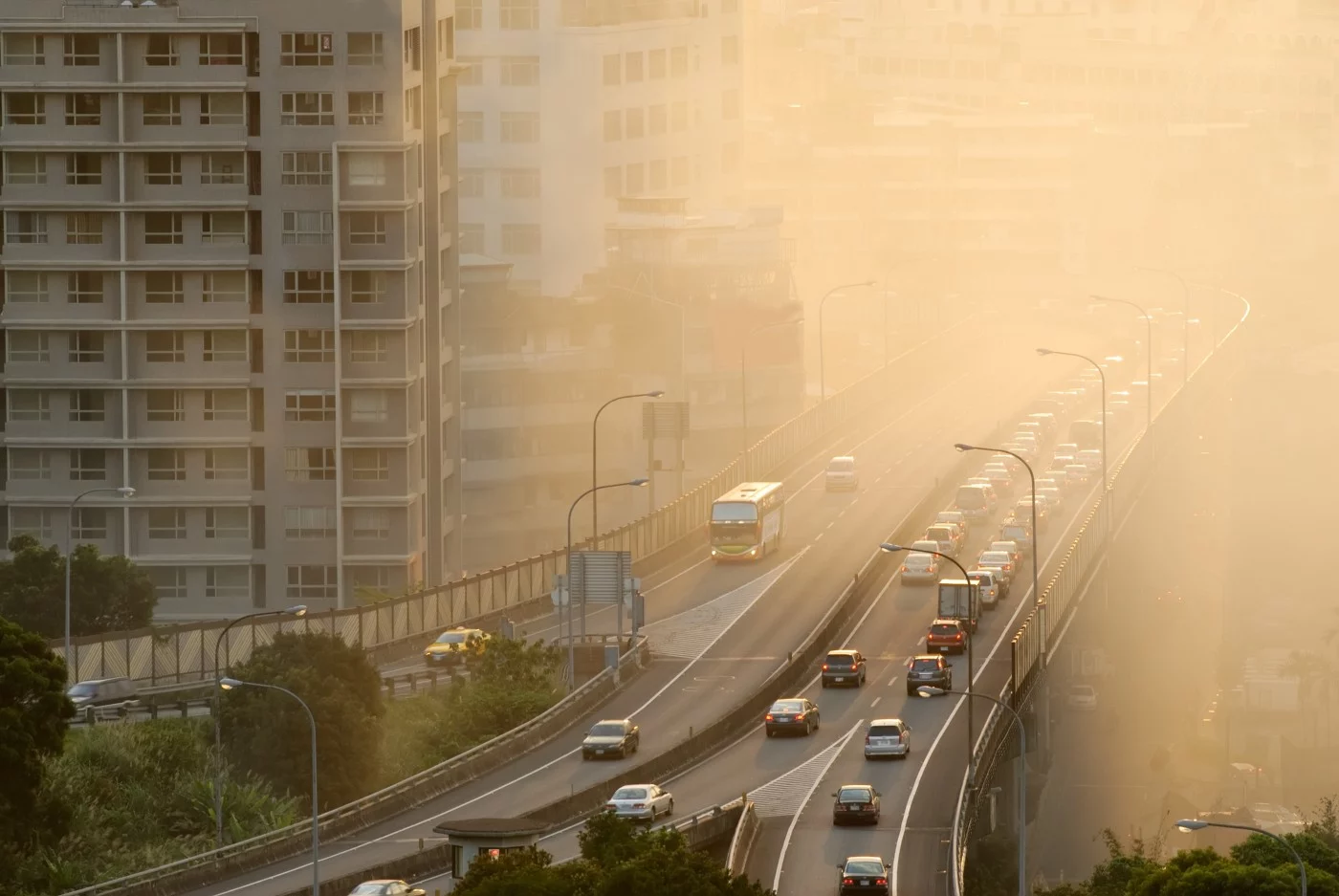
The moist tissues in your eyes easily absorb pollutants in the air. Short-term exposure can cause irritation and inflammation, while long-term exposure can lead to age-related macular degeneration. Your risk of eye problems increases if you spend a significant amount of time outdoors when the air quality is poor.
Airborne Pollutants Can Trigger Painful Conjunctivitis
Conjunctivitis, or “pink eye,” affects the conjunctiva, a layer of tissue that covers the whites of your eye and the insides of the eyelids. Redness, itching, burning, foreign body sensation, and light sensitivity are common symptoms. Although conjunctivitis can be caused by viruses, bacteria, or chemicals, air quality is also a factor, particularly among people who have allergies.
Cases of allergic conjunctivitis among Japanese ophthalmologists and their families increased when nitrogen dioxide, a common pollutant was high. Results of the survey of Japanese eye doctors appeared in the December 3, 2019 issue of Scientific Reports.
In a study published in Investigative Ophthalmology & Visual Science in January 2012, high levels of ozone, nitrogen dioxide, sulfur dioxide, and particulate matter increased outpatient visits for non-specific conjunctivitis in Taiwan.
Pollution Could Be the Reason Your Eyes Feel So Dry
Do your eyes feel itchy and uncomfortable after spending time outdoors? You may be suffering from dry eye. The condition may also be to blame for blurry vision and redness. Pollution dries out the tear film that lubricates the sensitive tissues of your eyes, which causes the symptoms. Korean researchers discovered that higher ozone levels and lower humidity levels increased dry eye. Their conclusions were based on results obtained from the Korea National Health and Nutrition Examination Survey.
)
Poor Air Quality Increases Your Chance of Age-Related Macular Degeneration
Age-related macular degeneration (AMD) causes blurry vision or loss of vision in the center of your eye. AMD affects the macula, the center part of the retina responsible for color and central vision. You’re more likely to develop AMD if you’re over age 60 or have a family history of the disease, although pollution may also play a part in AMD, according to a recent research study.
Exposure to fine particle air pollution increased the risk of AMD in a study published in the British Journal of Ophthalmology. Some study participants also experienced changes in the thickness of their retinas due to pollution.
How You Can Reduce Your Risk of Pollution-Related Eye Issues
Although you may not be able to avoid pollution completely, these tips can help you protect your eyes:
- Check Air Quality Forecasts. Take a look at the air quality forecast if you plan to spend time outdoors. If the air quality is unhealthy, it may be best to reschedule your activities if possible. Air quality forecasts are available on many weather websites.
- Cover Your Eyes. Sunglasses or eyeglasses prevent pollutants from reaching your eyes. Wrap-around sunglasses offer the most protection.
- Use Eye Drops. Lubricating eye drops keep your eyes moist and comfortable while reducing dry eye symptoms.
- Increase Humidity. Use a humidifier in your home to increase moisture and prevent your dry eyes from feeling even worse.
- Wear Your Glasses Instead of Contact Lenses. Contact lenses trap pollutants against your eye and increase your risk of developing dry eye and conjunctivitis. If you do wear your contacts on a day when the air quality is unhealthy, remove the lenses as soon as you return home and clean them immediately.
- Contact Your eyeCare. Let your optometrist know if eye irritation or inflammation doesn’t improve after a day or two. Your eye doctor can prescribe eye drops that will reduce irritation, redness, and other symptoms.
عینک آفتابی در هوای ابری
خوب است بدانید که در هوای ابری هم مقادیر زیادی از اشعه خورشید از میان ابرها عبور میکند و پخش نور در قسمتهای مختلف جو، UV (اشعه ماورای بنفش) قابل توجهی را در محیط ایجاد میکند، ولی مسلما کمتر از زمانی است که آفتاب بهصورت کامل در آسمان وجود دارد. اگر هوا ابری ولی روشن است، طوری که نور چشمانتان را اذیت میکند، برای راحتی بیشتر از عینک آفتابی استفاده کنید. در این موارد، بسته به راحتی افراد میزان فتوکرومیک بودن عینک تنظیم میشود، مثلا در حالاتی مانند هوای ابری، عینکهایی که فتوکرومیک آنها خیلی بالا نیست، مناسبند، چون شیشه عینک کمتر تیره شده و دید فرد را مختل نمیکند. eResearch by Navid Ajamin
How would sunglasses help from air pollution?
We must always wear sunglasses or eye protection when outdoors. As the face masks protect our lungs from inhaling pollution, the glasses or shades will help protect our eyes. Our cornea can be protected from dryness, itching, pathogenic bacteria, and hazardous pollutants by a layer of moisture.
How can we protect our eyes from air pollution?

Sunglasses or eyeglasses prevent pollutants from reaching your eyes. Wrap-around sunglasses offer the most protection. Use Eye Drops. Lubricating eye drops keep your eyes moist and comfortable while reducing dry eye symptoms.
Does bad air quality affect contact lenses?
Doctors have said that air pollution can damage your contact lenses, causing harm to the eyes. For this reason many are now opting for daily disposable contact lens brands rather than monthlies.
What do sunglasses protect?
Eyes filter out most, but not all, UV rays. Anything that limits UV exposure to the eye alleviates risk. Sunglasses protect your eyes and also can protect the skin around the eyes.
How does air pollution affect eyes?
Effect of long-term exposure to air pollution
Redness, soreness, and inflammation appear, and the eyes become sensitive to light, wind, and smoke. Sometimes mucus forms around the eyeballs too. The most dangerous air pollution and eye health effects include cataracts and cancer.
What causes eye pollution?
On the other hand, indoor air pollution from environmental tobacco smoking, heating, cooking, or poor indoor ventilation is also related to several eye diseases, including conjunctivitis, glaucoma, cataracts, and age-related macular degeneration (AMD).
Does light pollution affect eyesight?
Constant exposure to different wavelengths and intensities of light promoted by light pollution may produce retinal degeneration as a consequence of photoreceptor or retinal pigment epithelium cells death.
We have been hearing the news of how bad conditions have become in the capital city as it succumbs to hazardous smog. Due to this rampantly rising air pollution conditions, life has become pretty difficult and health of people living there has taken a major hit. Air pollutants present in smog adversely affects the health, especially the eyes. Dust and harmful particulate matter enter our eyes causing unclear vision, redness, burning sensation, dry eyes, and itching. They are some of the common symptoms that happen due to these elements. You are exposed to air pollutants every time you step out of your home or office, and it’s virtually impossible to be completely protected. However, there are certain practices a person can adapt to the precautionary measures to minimize these symptoms as much as possible.
1) Minimize the exposure by staying inside Avoid walking or riding a bike along busy streets. Areas which are heavily industrialized should be refrained from going. One can choose to close the windows of their car during peak traffic hour commute to prevent further exposure. If possible, don’t go out of your home or office between noon and 4pm as the air quality is lowest when the temperature is highest.
2) Wear proper eye gear when going outside Wear sunglasses every time you step outside. Make sure your sunglasses are appropriately large and have adequate UV protection for better eye protection. Wrap-around zero powered eyewear provide maximum protection.
3) Avoid rubbing eyes in case of pollutants getting in the eye If tiny pollutants enter the eyes, don’t rub your eyes, instead, wash your eyes thoroughly with cold water or apply lubricating eye drops for relief.
4) Do proper Care of eyes when inside home Wash your eyes with cold water, when you are back from outdoors. Buy a home air filter that can block out particulate matter. Place cucumbers/cold compress on your eyes and rest, to help reduce inflammation. Use lubricating eye drops recommended by specialists as a daily eye care routine.
5) Eat healthy food for better wellbeing Most important of all, eat a healthy diet including lots of carrots, green leafy vegetables, almonds, walnuts,papaya, berries, fish etc. which are extremely good for the eyes.In conclusion, for the best vision care and overall well-being of eyes, best practice would be to avoid exposure to air pollution whenever possible. Frequent blinking and keeping the eyes moist by using lubricating eye drops is a good way to relieve the symptoms. In case that infections and allergies prolong for a long period of time, visit an eye specialist at Centre for Sight for an eye check-up.
Reference:
- cityspidey.com/news/19385/7-ways-to-protect-your-eyes-from-air-pollution
- centreforsight.net/blog/how-to-protect-your-eyes-from-smog
- duckloeyegroup.com/836847-poor-air-quality-and-your-eyes
- buffalo.edu/news/ub-in-the-news/2024/Febraury/001.html






 وبلاگ تخصصی عینک شامل مجموعه مطالب پزشکی است که اطلاعات مفیدی در رابطه با عینک , چشم، لنز، سلامتی چشم و راه های پیشگیری از بیماریهای چشمی، کنترل و درمان آن را در اختیار شما کاربر محترم می گزارد.
