Photokeratitis is a painful eye condition caused by exposure to ultraviolet (UV) rays, most commonly from the sun. You can compare photokeratitis to sunburn, but it's a burn that affects parts of your eye instead of your skin. It's generally bilateral (affects both eyes).
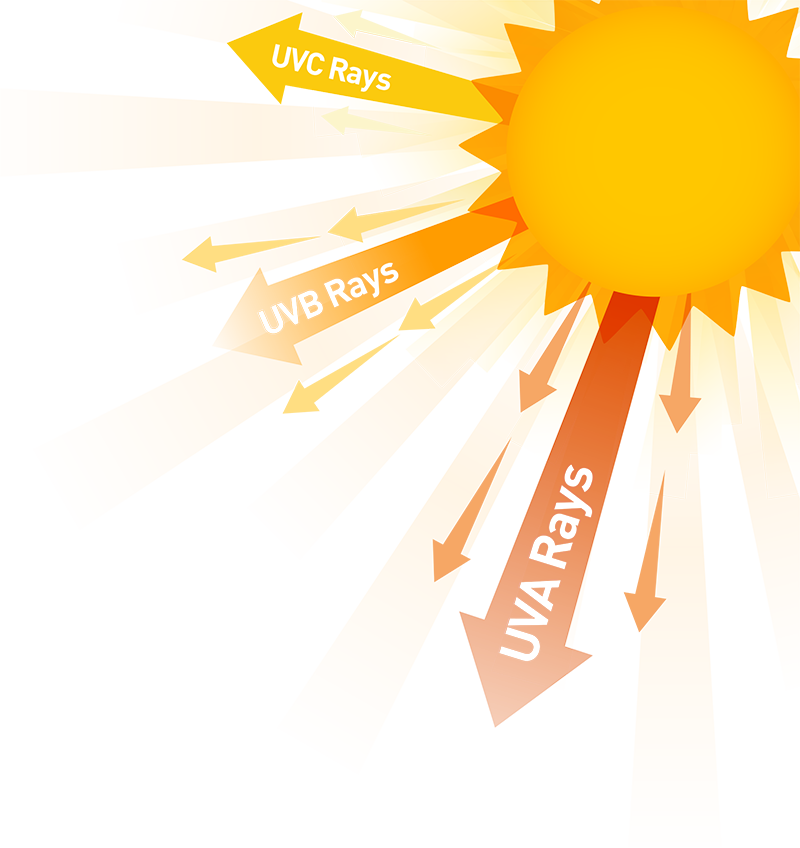
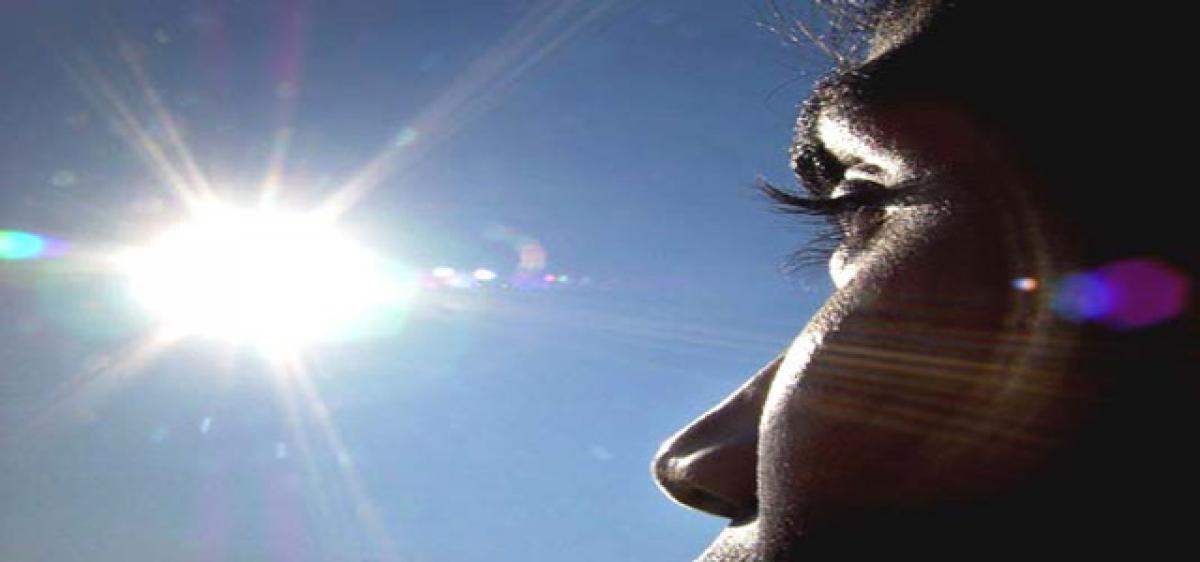
Exposure to UV rays can cause damage to both the cornea and conjunctiva of your eye. In addition to the sunlight or reflected sunlight, other sources of UV rays include welding arcs, tanning equipment and lights used for medicine.
Sometimes, people call this condition a name that reflects the cause. For instance, snow blindness is a type of photokeratitis that occurs when snow and ice reflect UV rays. It’s more common near the North and South Poles or in mountainous regions where the air is thinner and provides less protection against UV rays. People who get photokeratitis from welding may say they have arc eye or welder’s flash.
Types of photokeratitis
Photokeratitis can be acute or chronic.
- Acute photokeratitis, a temporary condition, happens after a short exposure to higher levels of UV light.
- Chronic photokeratitis happens after exposure to lower levels of UV light over time. This type is less common than acute photokeratitis.
What causes photokeratitis?
Ultraviolet rays can damage your eyes. UV-A and UV-B rays from the sun can cause short- and long-term damage to your eyes and affect your vision. The ozone layer absorbs UV-C radiation, so those rays don’t damage your eyes.
Besides direct sunlight, other sources of ultraviolet light that can cause photokeratitis include:
- Sunlight that’s reflected into your eyes from snow, ice, water, sand or cement.
- Lamps used in tanning beds or booths.
- Laser light.
- Mercury vapor lamps or halogen desk lamps.
- Lightning or electric sparks.
- Arc welding equipment or photographic flood lamps.
- Light used to disinfect or used as medical treatment.
Staring directly at the sun, such as during a solar eclipse, can cause more long-lasting and considerable damage — a burn — to your retina.
What are the risk factors for photokeratitis?
You’re at greater risk of getting photokeratitis if you:
- Spend a lot of time outdoors in the sun, doing activities like mountain climbing, hiking, skiing swimming.
- Use a sunlamp, tanning bed or work or spend time in environments where there’s a UV light source.
- Live in higher altitudes (greater exposure to UV rays) or in the U.S. sunbelt, which is the southern part of the country below the 36th parallel.
What are the complications of photokeratitis?
Long-term exposure to even small amounts of UV radiation can increase your risk of developing a cataract or macular degeneration. UV exposure adds up over time. Long-term UV exposure can also cause tissue elevations on the surface of your eye. These are called pingueculae and pterygia. Using sunglasses faithfully when outdoors may limit these.
Blue and violet shorter-wavelength visible light, emitted from LED lights, computers and smartphones, can also be harmful to your retina and be a risk factor for macular degeneration later in life.
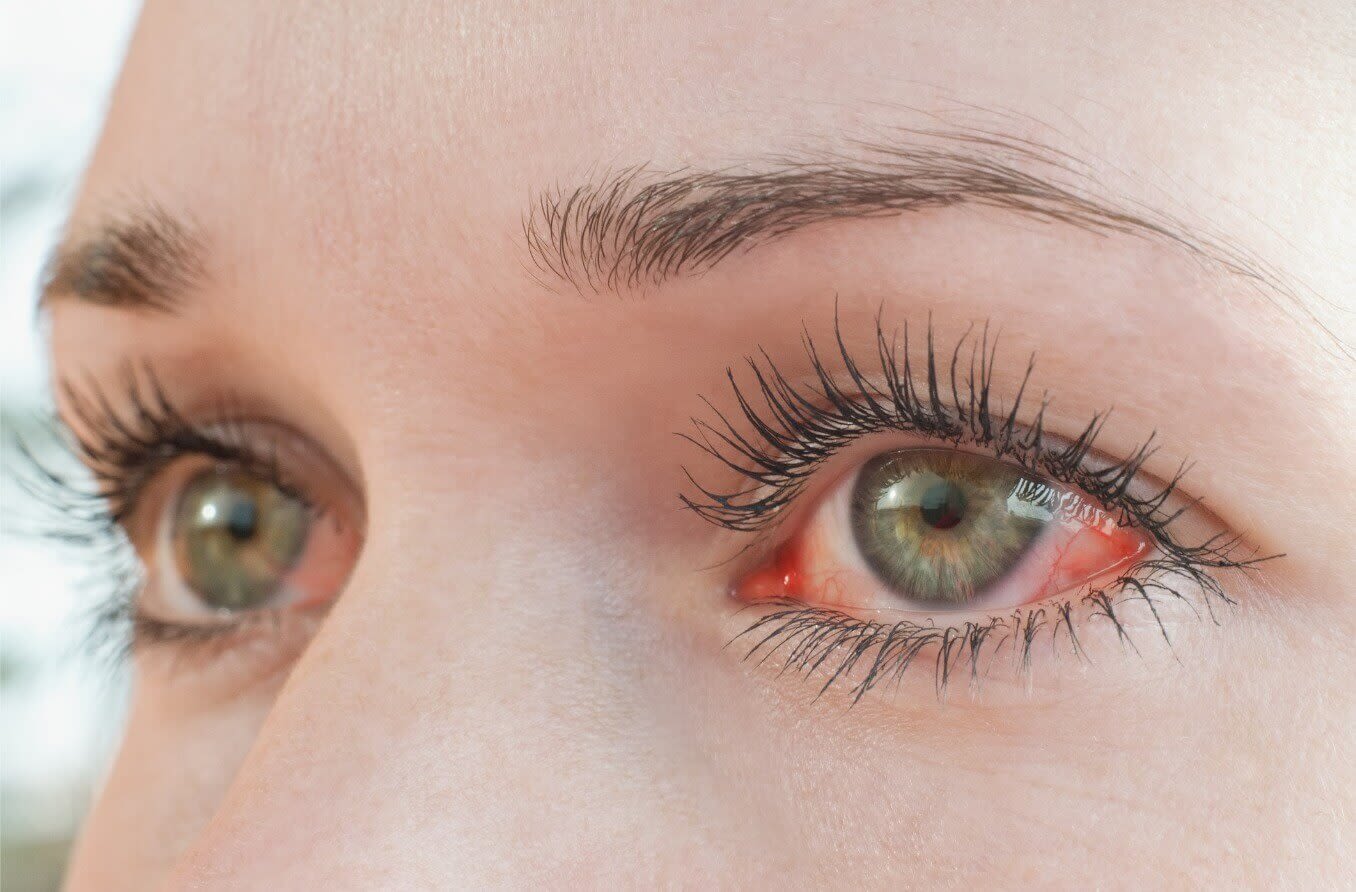
Treatment options for photokeratitis
Treatment for photokeratitis usually centers on managing and relieving symptoms. Topical ointments, artificial tears or oral pain relief medication as recommended by an ophthalmologist may be used to ease eye discomfort as the cornea heals.
Other treatment-related recommendations for photokeratitis may include doing the following:
- Remove contact lenses promptly.
- Avoid sun or UV exposure.
- Remain in a darkened room.
- Avoid rubbing the eyes.
- Apply a cold washcloth to closed eyes.
Reference:
- Photokeratitis: Symptoms, Causes and Treatment Options (clevelandclinic.org)
- Photokeratitis: Causes, Symptoms, Treatment and Prevention (allaboutvision.com)
 وبلاگ تخصصی عینک شامل مجموعه مطالب پزشکی است که اطلاعات مفیدی در رابطه با عینک , چشم، لنز، سلامتی چشم و راه های پیشگیری از بیماریهای چشمی، کنترل و درمان آن را در اختیار شما کاربر محترم می گزارد.
